African-American Actresses Who Concealed Their Ethnicity to Succeed in Hollywood

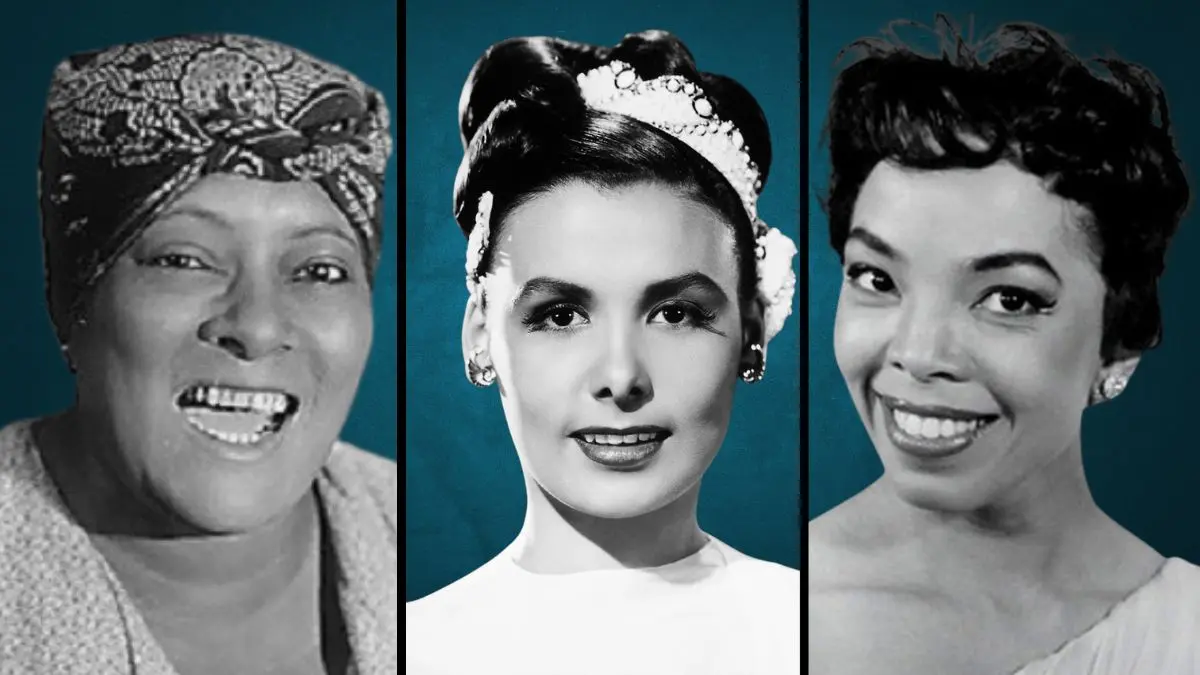

The history of Hollywood is marked by a complex era where racial identity often determined the trajectory of a performer’s career. During the height of the studio system and the Jim Crow era, many fair-skinned performers of African descent found themselves in a difficult position regarding their heritage. Some individuals chose to pass as white or other ethnicities to bypass discriminatory casting practices and secure leading roles. This list explores the women who navigated these social and professional barriers while dealing with the pressures of racial ambiguity in the spotlight.
Carol Channing
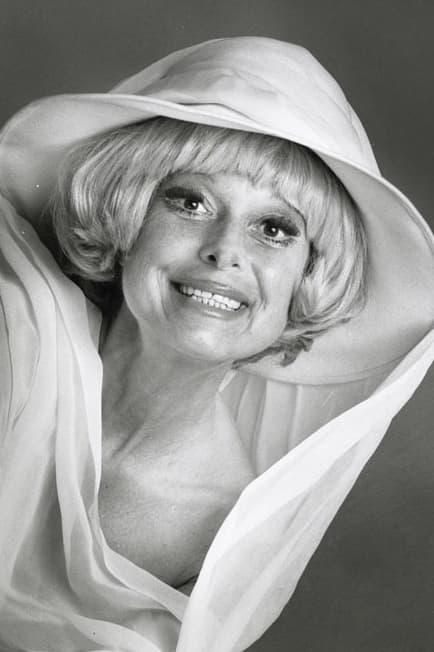
Carol Channing was a legendary star of the stage and screen who kept her African-American heritage a secret for most of her professional life. She did not publicly reveal that her father was biracial until she published her memoir in 2002. This concealment allowed her to navigate a segregated industry that might have denied her leading roles in the mid-twentieth century. She is best known for her iconic performance in the musical ‘Hello, Dolly!’ and her unique comedic timing. Her story highlights the complexities of racial identity for performers during the Golden Age of Broadway.
Fredi Washington
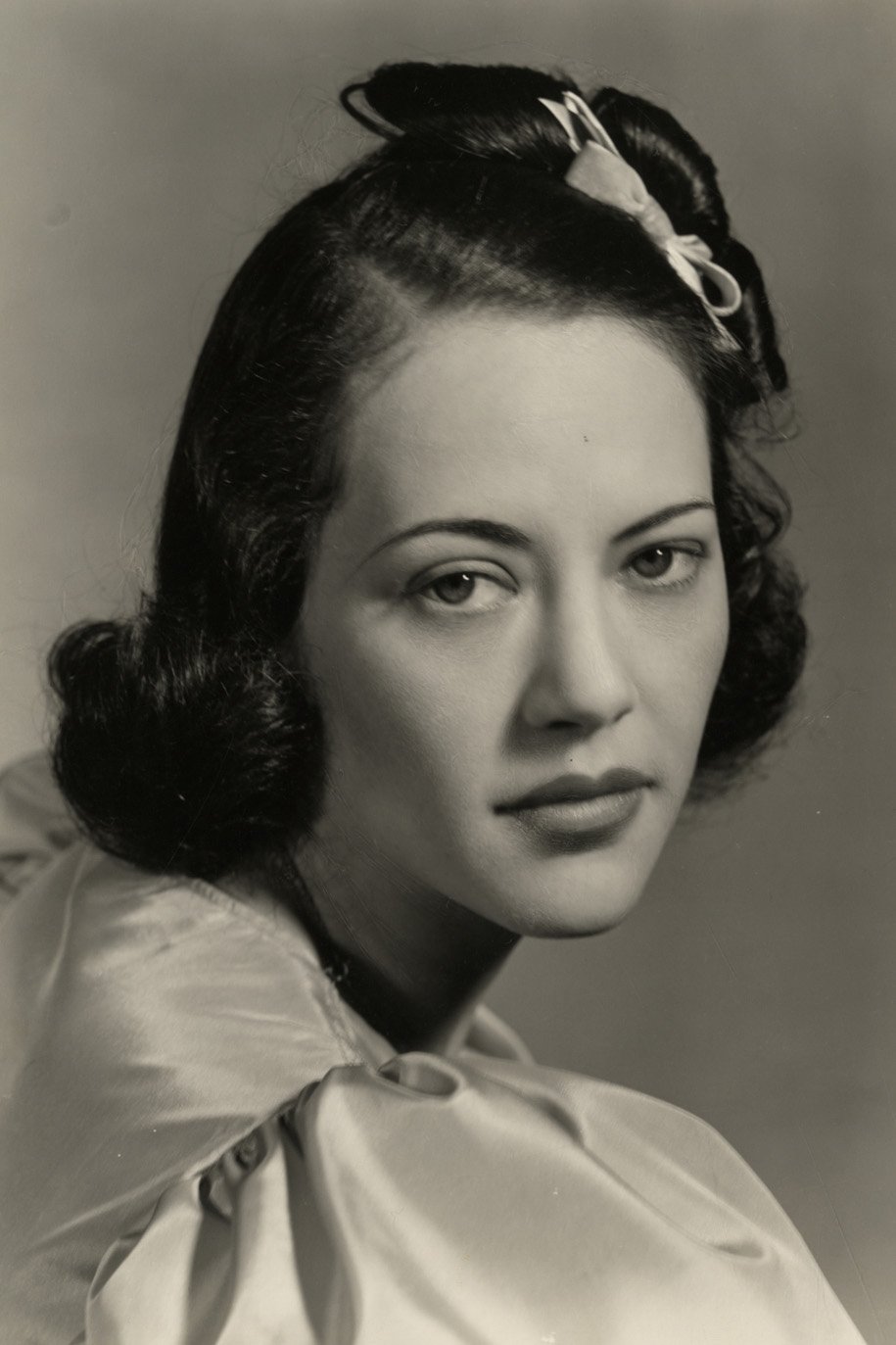
Fredi Washington was a fair-skinned actress who was often pressured by studio executives to pass as white to secure more prominent roles. She famously refused to hide her heritage despite the professional benefits it might have offered to her career. She delivered a powerful performance in the 1934 film ‘Imitation of Life’ where she played a character who attempts to pass for white. Washington eventually left Hollywood to focus on activism and co-founded the Negro Actors Guild of America. Her legacy remains a testament to her integrity and her fight for racial equality in the entertainment industry.
Ellen Holly
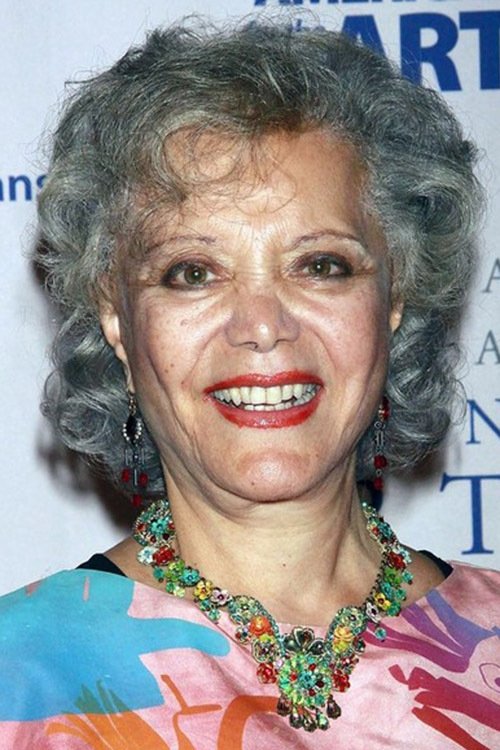
Ellen Holly became a household name as the first African-American actress to land a leading role on a daytime soap opera. Her fair skin and features led to many discussions about her racial identity during her time on ‘One Life to Live’ beginning in the late 1960s. She wrote extensively in her autobiography about the challenges of being a light-skinned Black woman in an industry obsessed with racial categories. Holly often played characters whose racial backgrounds were not the central focus of the plot. Her presence on television broke barriers and paved the way for more diverse casting in the soap opera genre.
Dorothy Dandridge
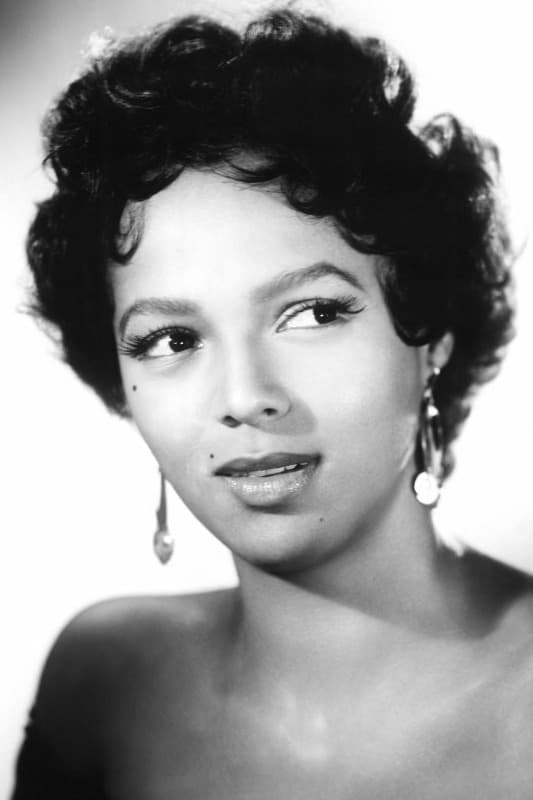
Dorothy Dandridge was the first African-American woman to be nominated for the Academy Award for Best Actress for her role in ‘Carmen Jones’ from 1954. Early in her career her mother and management encouraged her to lean into an exotic or Mediterranean look to appeal to white audiences. Studios often tried to market her as something other than Black to make her a more traditional romantic lead in the eyes of the public. Despite her massive success she faced constant discrimination and was frequently denied the same amenities as her white co-stars. Her career was a tragic example of how Hollywood struggled to categorize and respect Black beauty.
Lena Horne
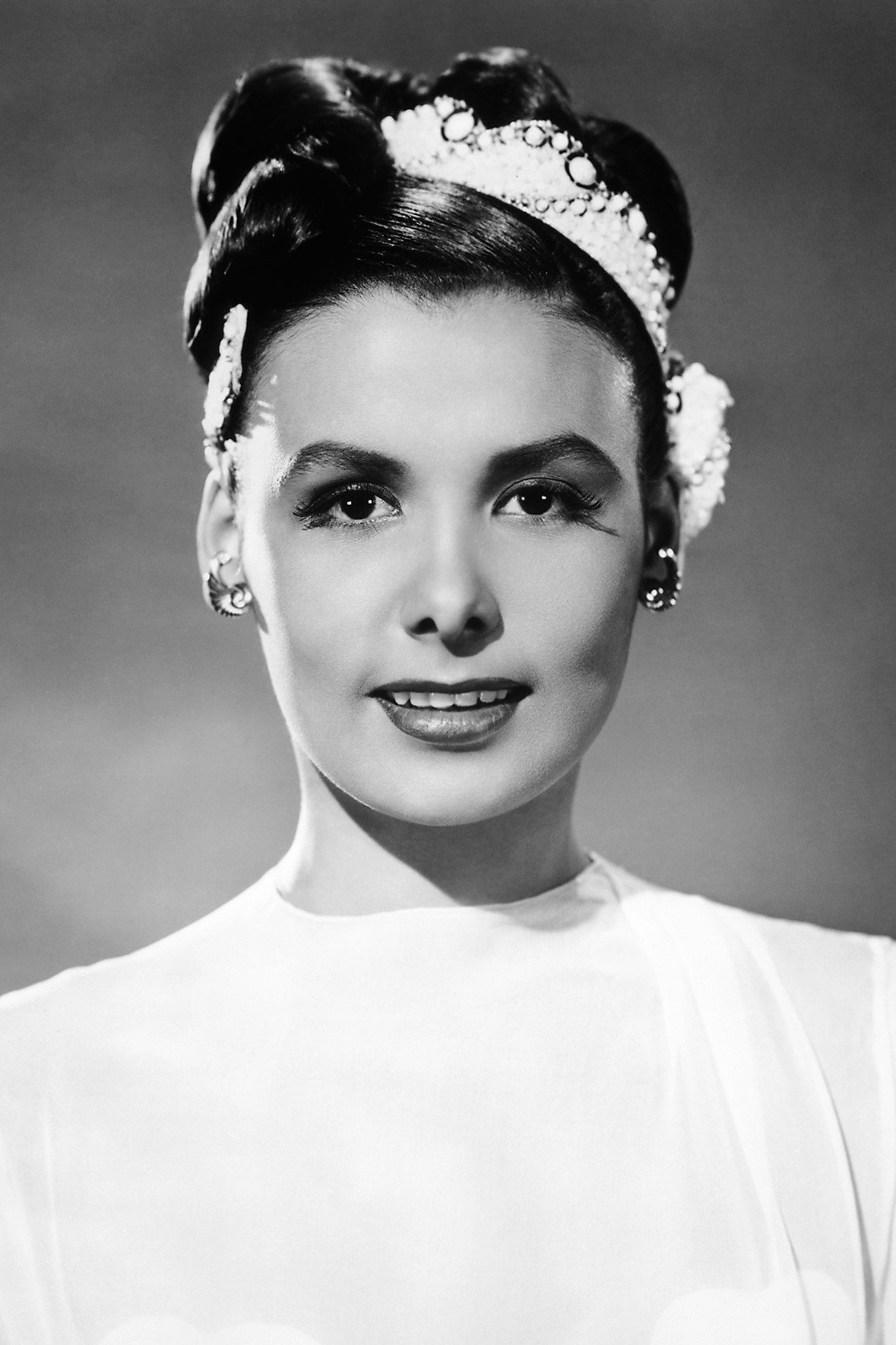
Lena Horne was a groundbreaking performer who signed a long-term contract with MGM during an era of strict segregation. Studio executives originally wanted to market her as a Latin singer to avoid the complications of her Black heritage. Max Factor even created a special shade of makeup called Light Egyptian specifically for her so she would appear a certain way on film. Horne eventually refused to play into these racial deceptions and became a vocal advocate for civil rights. She famously appeared in films like ‘Cabin in the Sky’ where her talent could not be ignored by audiences of any background.
Muriel Smith
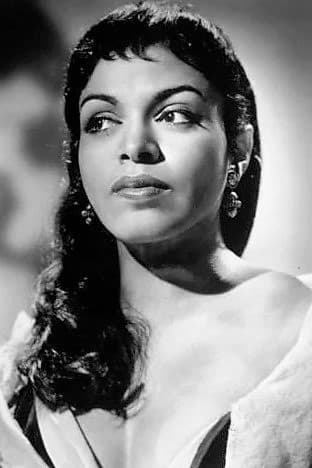
Muriel Smith was the original star of the stage production of ‘Carmen Jones’ and possessed a voice that captivated audiences worldwide. Because of her fair complexion and classical training she often worked in environments where her race was treated with ambiguity. She moved to London in the late 1940s to find more diverse opportunities that were not available to her in the United States. In the film version of ‘South Pacific’ from 1958 she provided the singing voice for the character Bloody Mary. Her career demonstrated the international mobility available to performers who could transcend American racial definitions.
Hilda Simms
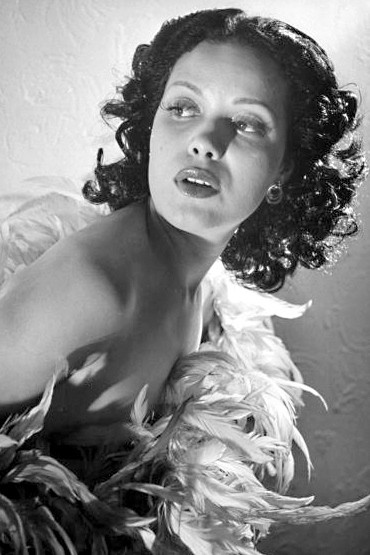
Hilda Simms rose to fame as the star of the hit play ‘Anna Lucasta’ which was one of the most successful Black productions of the 1940s. Her striking looks and fair skin led to her being cast in roles that often played with the idea of racial identity. She faced significant hurdles when trying to transition into mainstream Hollywood films that were typically reserved for white actresses. Simms eventually moved to Europe to find a more inclusive atmosphere for her theatrical talents. She remained a symbol of the struggle for Black actresses to find leading roles that matched their skill levels.
Olga James
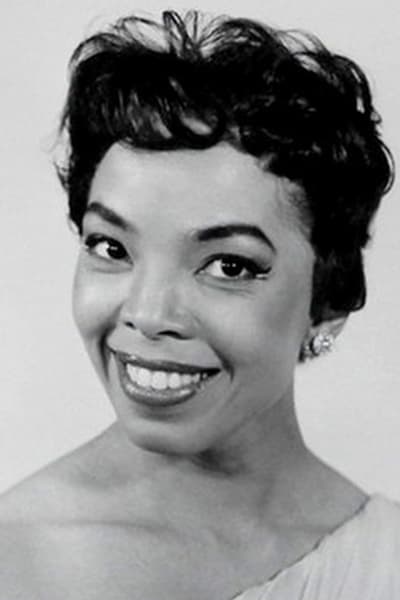
Olga James gained recognition for her role in the 1954 film ‘Carmen Jones’ where she appeared alongside Dorothy Dandridge. Her appearance and fair skin allowed her to fit the aesthetic that Hollywood producers sought for their leading ladies of color. She was a talented singer who also appeared on Broadway and in various television specials. James was part of a generation of performers who had to carefully manage their image to fit within the narrow confines of the industry. She eventually stepped away from the spotlight to focus on her education and a career in social work.
Evelyn Preer
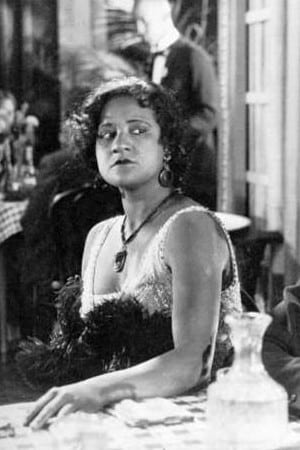
Evelyn Preer was a major star of the silent film era and a favorite of the pioneering Black filmmaker Oscar Micheaux. She often worked in race films which were produced specifically for Black audiences and allowed for a wider range of characters. Her ability to portray sophisticated and complex women was a sharp contrast to the caricatures found in mainstream cinema. While she did not hide her heritage she worked in a parallel industry that allowed her to succeed outside of the white Hollywood system. She was known as the First Lady of the Screen among Black audiences of the 1920s.
Georgette Harvey
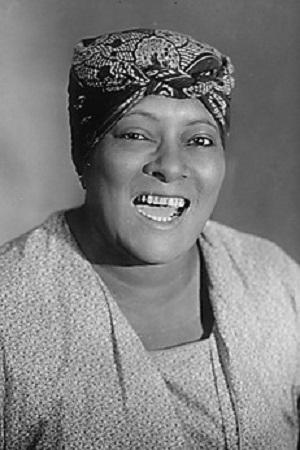
Georgette Harvey was an actress and singer who achieved success on both the Broadway stage and in early film. She is perhaps best remembered for her role as Maria in the original production of the opera ‘Porgy and Bess’ in 1935. Throughout her career she was often cast in roles that capitalized on her commanding presence and sophisticated vocal abilities. She worked in an era where Black performers had to be exceptionally talented to even be considered for minor roles. Harvey was a consistent presence in the New York theater scene for several decades.
Francine Everett
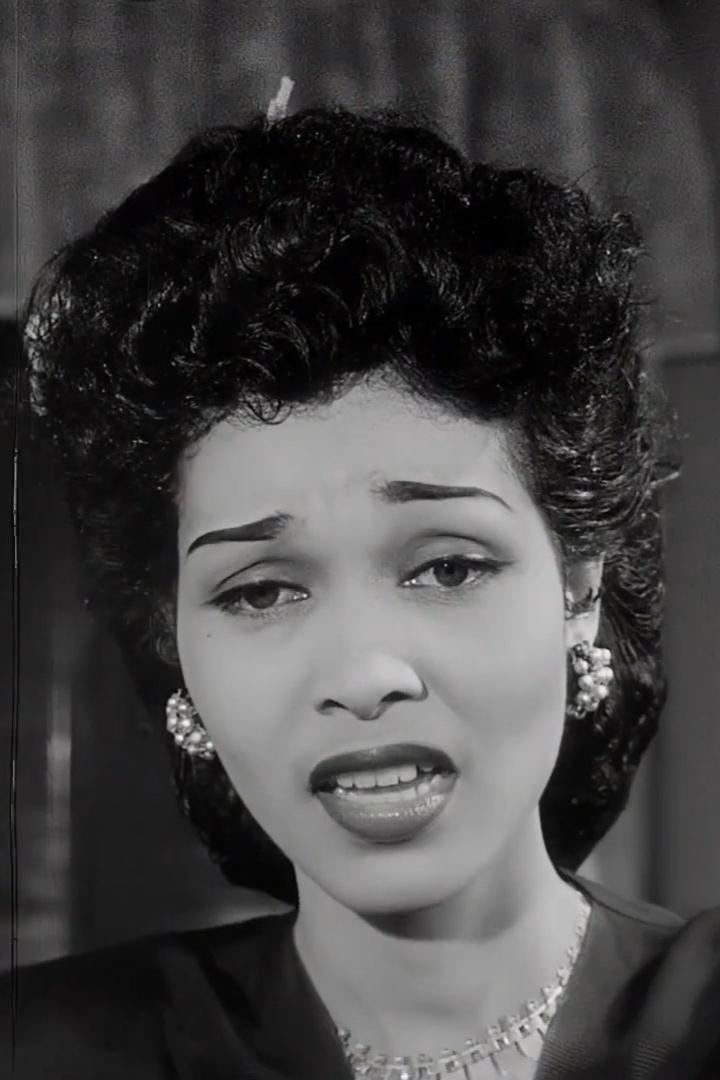
Francine Everett was a star of independent Black cinema during the 1930s and 1940s. She was frequently compared to white Hollywood stars because of her glamorous image and fair skin. Despite receiving offers from major studios like Hollywood she often turned them down because they required her to play demeaning roles. She chose to stay in New York and work in race films where she could play leading ladies and sophisticated characters. Her commitment to her community and her refusal to compromise her image made her a hero to many fans.
Sheila Guyse
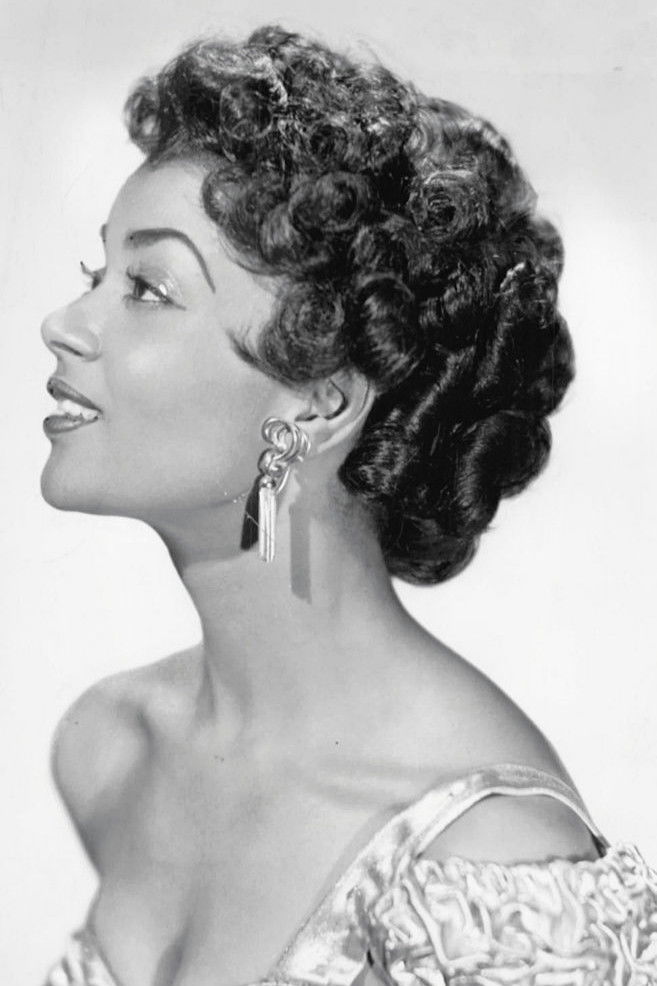
Sheila Guyse was a beautiful actress and singer who appeared in several race movies and Broadway productions during the 1940s. She was known for her roles in films like ‘Sepia Cinderella’ where she played a glamorous lead. Her fair skin and striking features made her a natural choice for the romantic roles that were often denied to darker-skinned Black women. Guyse was a talented performer who also appeared in various television shows and musical reviews. She eventually retired from show business to focus on her family and her faith.
Jeni Le Gon
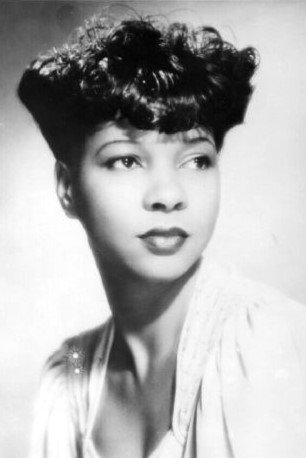
Jeni Le Gon was one of the few Black women to have a long-term contract with a major Hollywood studio during the 1930s. She was a world-class tap dancer who often appeared in musical numbers alongside famous stars like Bill Robinson. Her fair skin and athletic ability made her a versatile performer who could fit into various cinematic settings. Despite her talent she often found herself limited to specialty dance numbers rather than acting roles. She eventually moved to Canada where she opened a dance school and continued to teach for many years.
Joyce Bryant
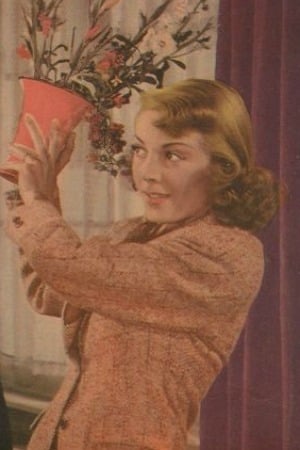
Joyce Bryant was known as the Bronze Blond Bombshell and was a major nightclub star in the 1950s. She was famous for her silver hair and tight dresses which created a striking and glamorous image. Bryant was a fair-skinned woman who often challenged the racial stereotypes of the time with her high-fashion look. She was one of the first Black women to become a recognized sex symbol in the mainstream media. Despite her success she eventually left the industry to focus on her spiritual life.
Eartha Kitt
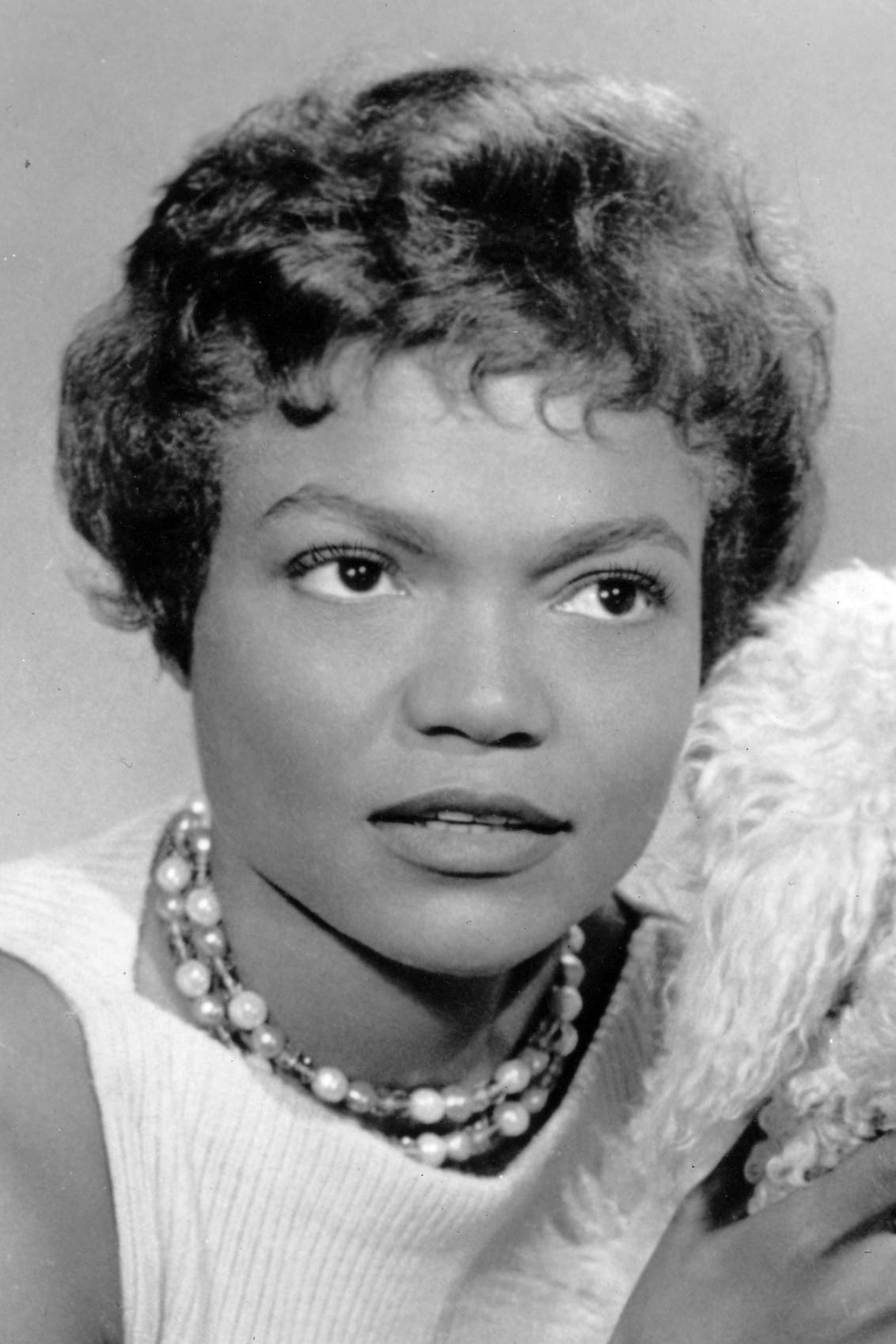
Eartha Kitt was an international star known for her unique voice and her role as Catwoman in the ‘Batman’ television series. Her ambiguous heritage and fair skin were often used by studios to cast her as various exotic ethnicities. She spoke multiple languages and felt at home in many different cultures which added to her mysterious persona. Kitt was a vocal activist who was not afraid to speak her mind even when it cost her professional opportunities. Her ability to transcend racial and cultural boundaries made her one of the most enduring figures in entertainment history.
Share your thoughts on these trailblazing women in the comments.