African-American Actors Who Were Quietly Blacklisted In Hollywood

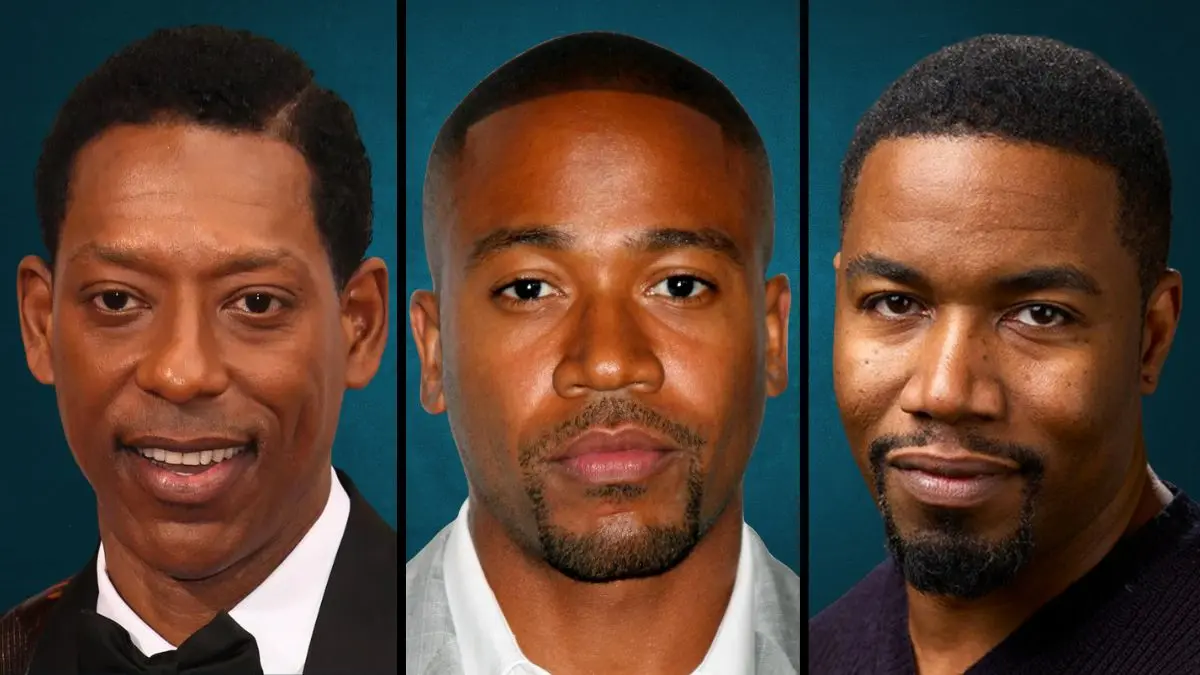

The entertainment industry often presents a facade of inclusivity while maintaining underlying systems of exclusion for those who challenge the status quo. For many African-American actors a single professional dispute or personal controversy has led to a sudden disappearance from major studio productions. These individuals frequently navigate a landscape where standing up for fair pay or expressing political views results in being labeled as difficult to work with by major executives. Understanding the stories behind these career shifts offers a glimpse into the complex power dynamics of modern filmmaking.
Isaiah Washington
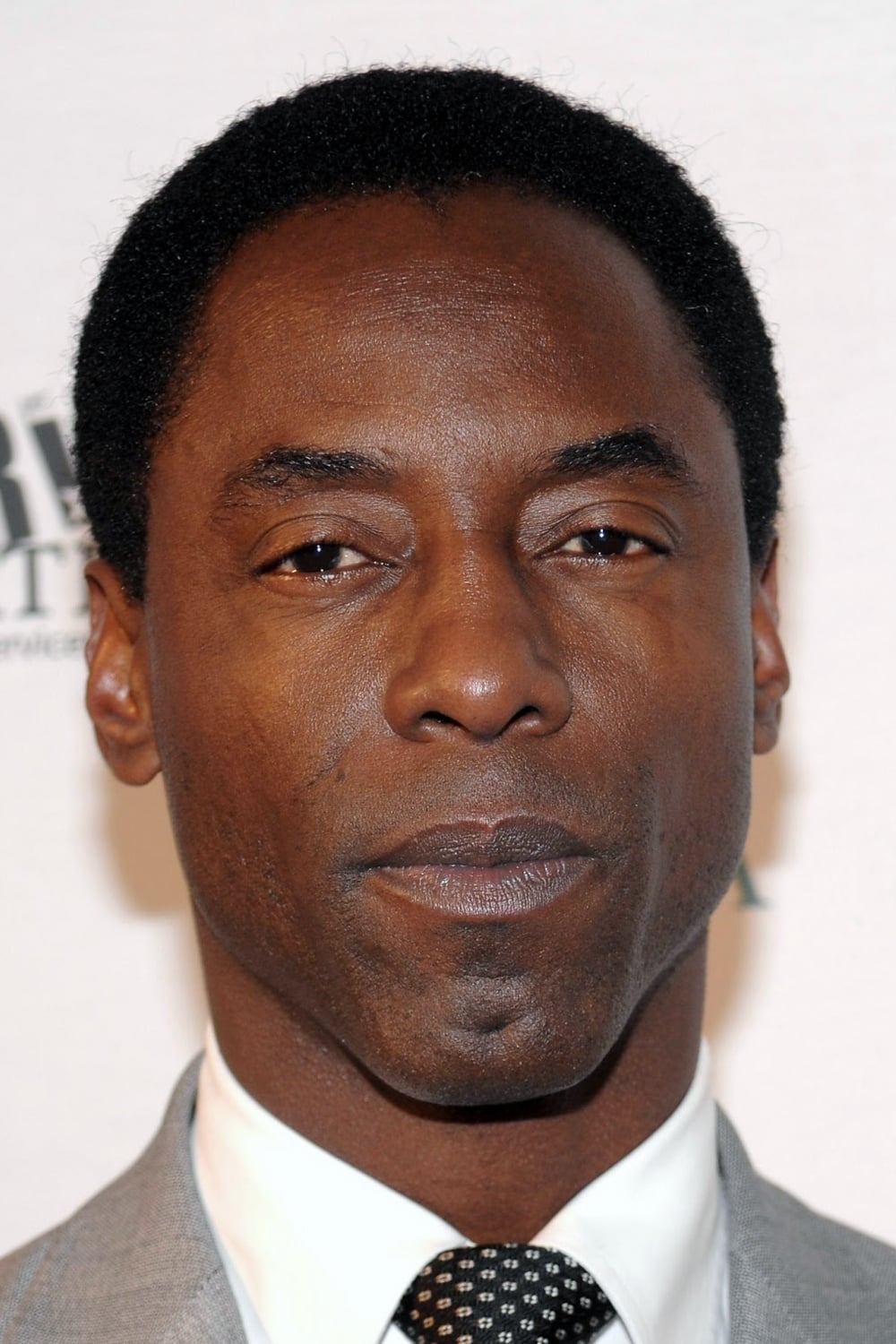
This veteran actor experienced a sudden halt in his career trajectory following a highly publicized workplace incident on the set of ‘Grey’s Anatomy’ in the middle of the decade. After his departure from the hit medical drama he found himself excluded from major network television and mainstream film roles for several years. He later spoke out about the industry practices that led to his isolation and the difficulty of finding representation during that period. His experience serves as a prominent example of how quickly a lead performer can be removed from the Hollywood inner circle.
Terrence Howard
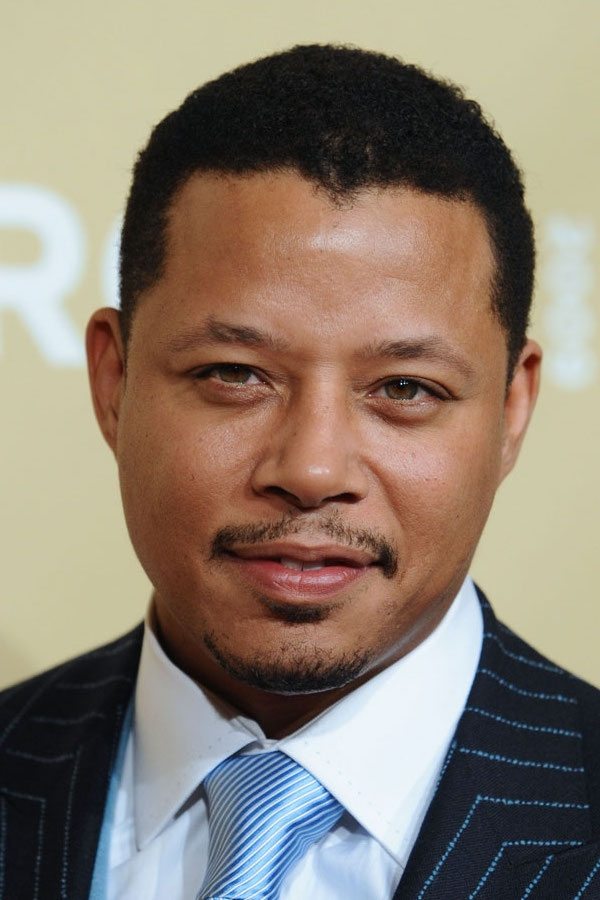
Despite an Academy Award nomination for ‘Hustle and Flow’ this performer faced significant professional backlash after a salary dispute involving the ‘Iron Man’ franchise. He was replaced in the sequel and subsequently noticed a sharp decline in offers from major film studios for a significant period. While he eventually found success on television in ‘Empire’ he has been vocal about the financial disparities and industry politics that affected his career standing. His journey highlights the risks involved when top tier actors challenge the economic structures of major blockbusters.
Orlando Jones
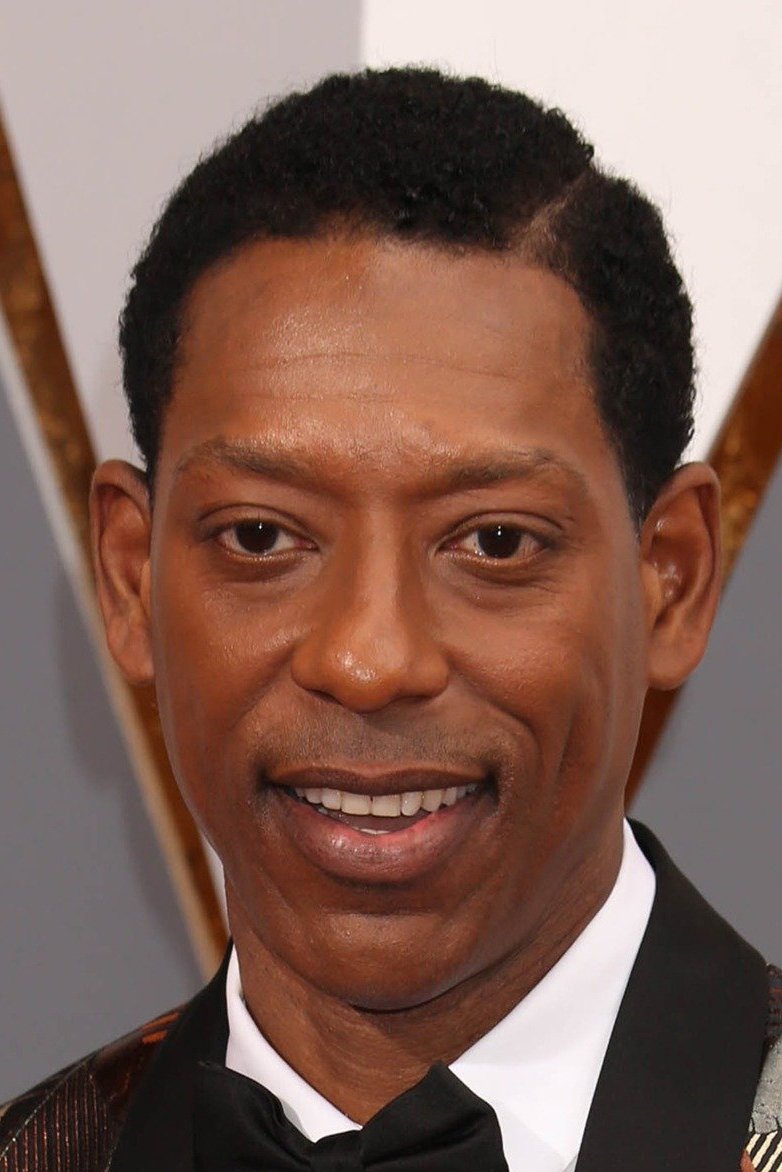
Known for his versatility in both comedy and drama this actor faced a significant professional hurdle after being fired from the series ‘American Gods’. He claimed his dismissal was due to creative differences regarding the portrayal of racial issues and his character proactive stance. Following this public fallout his presence in major studio projects became notably sparse compared to his earlier career. He has since become a vocal advocate for better treatment of creators and performers of color within the writers room and on set.
Nate Parker
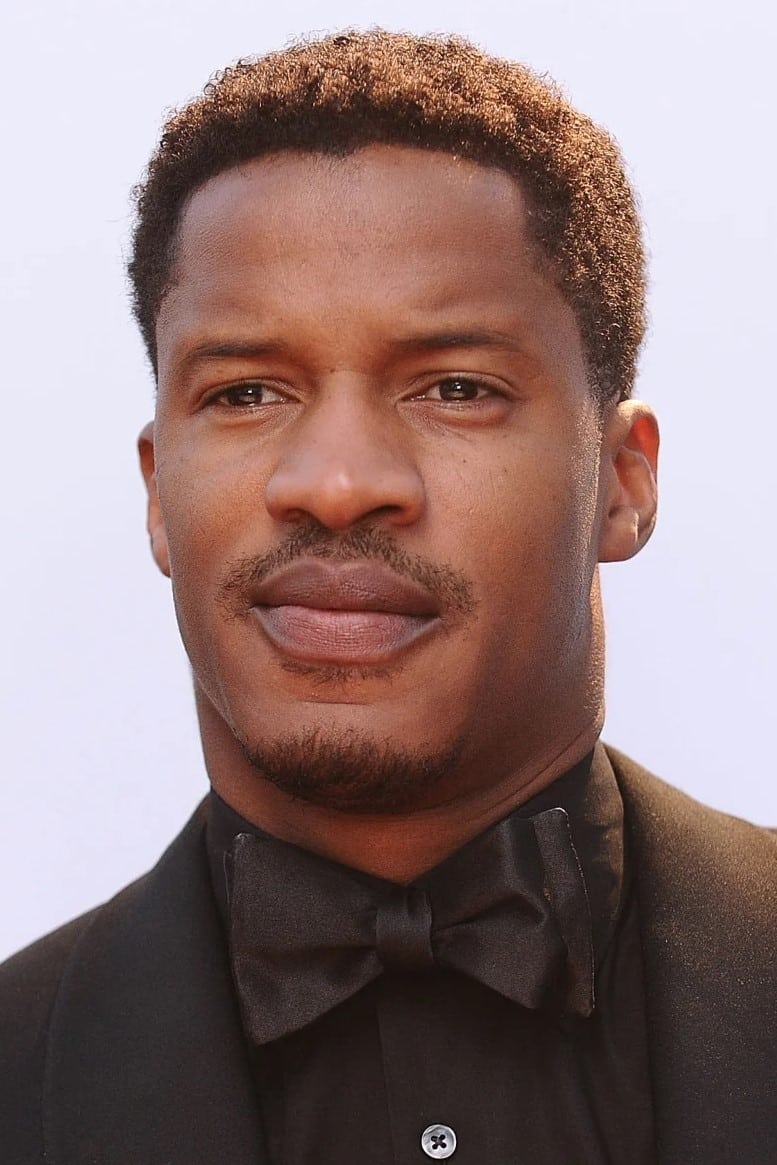
The director and star of ‘The Birth of a Nation’ saw his meteoric rise come to a grinding halt just as his film was poised for awards season. A past legal case resurfaced during the movie promotion and led to a swift withdrawal of support from major distributors and industry voters. Despite the critical acclaim for his historical epic he has struggled to secure funding or distribution for subsequent projects within the traditional studio system. This case illustrates how historical personal matters can be used to effectively end the momentum of a rising talent.
Jussie Smollett
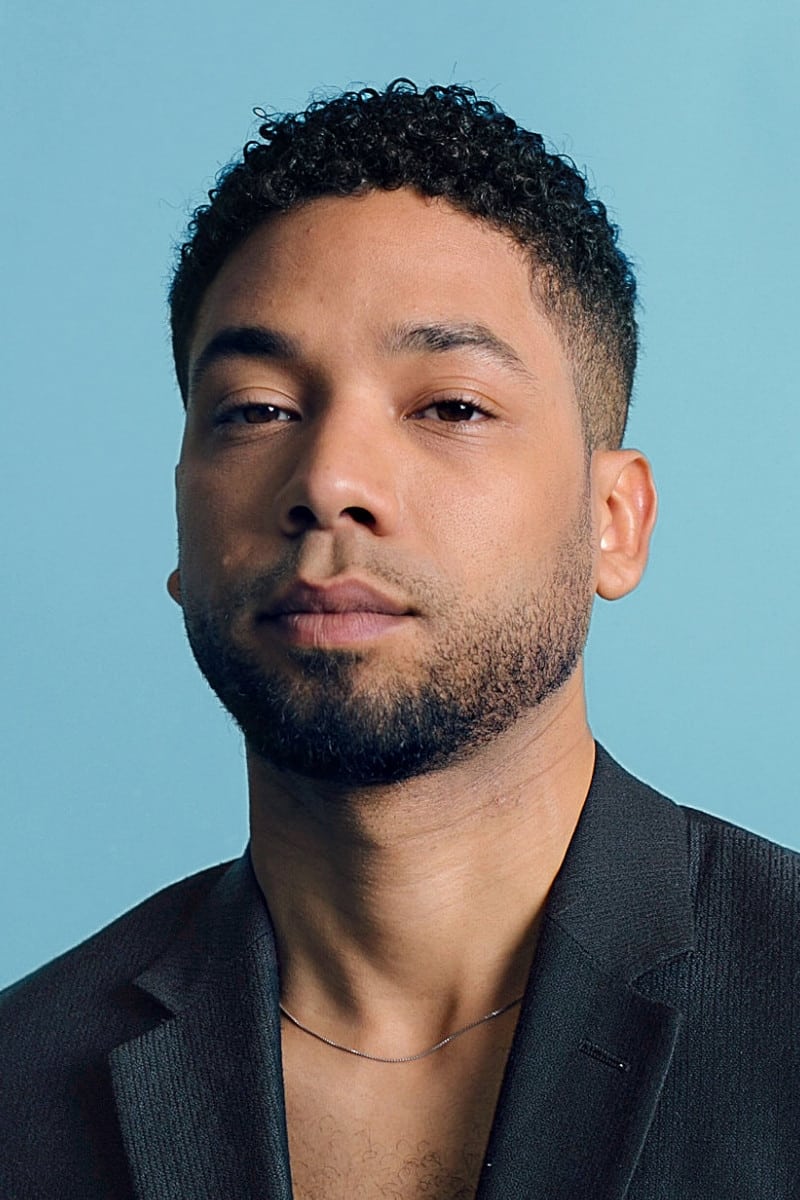
Once a rising star on the musical drama ‘Empire’ this actor became the center of a massive legal and media controversy regarding a staged hate crime. The fallout from the investigation led to his removal from the series and a near total collapse of his acting career in mainstream Hollywood. Although he has attempted to pivot to independent projects he remains largely absent from major studio casting lists and red carpet events. His situation remains one of the most polarizing examples of a career being dismantled by legal and public relations crises.
Columbus Short
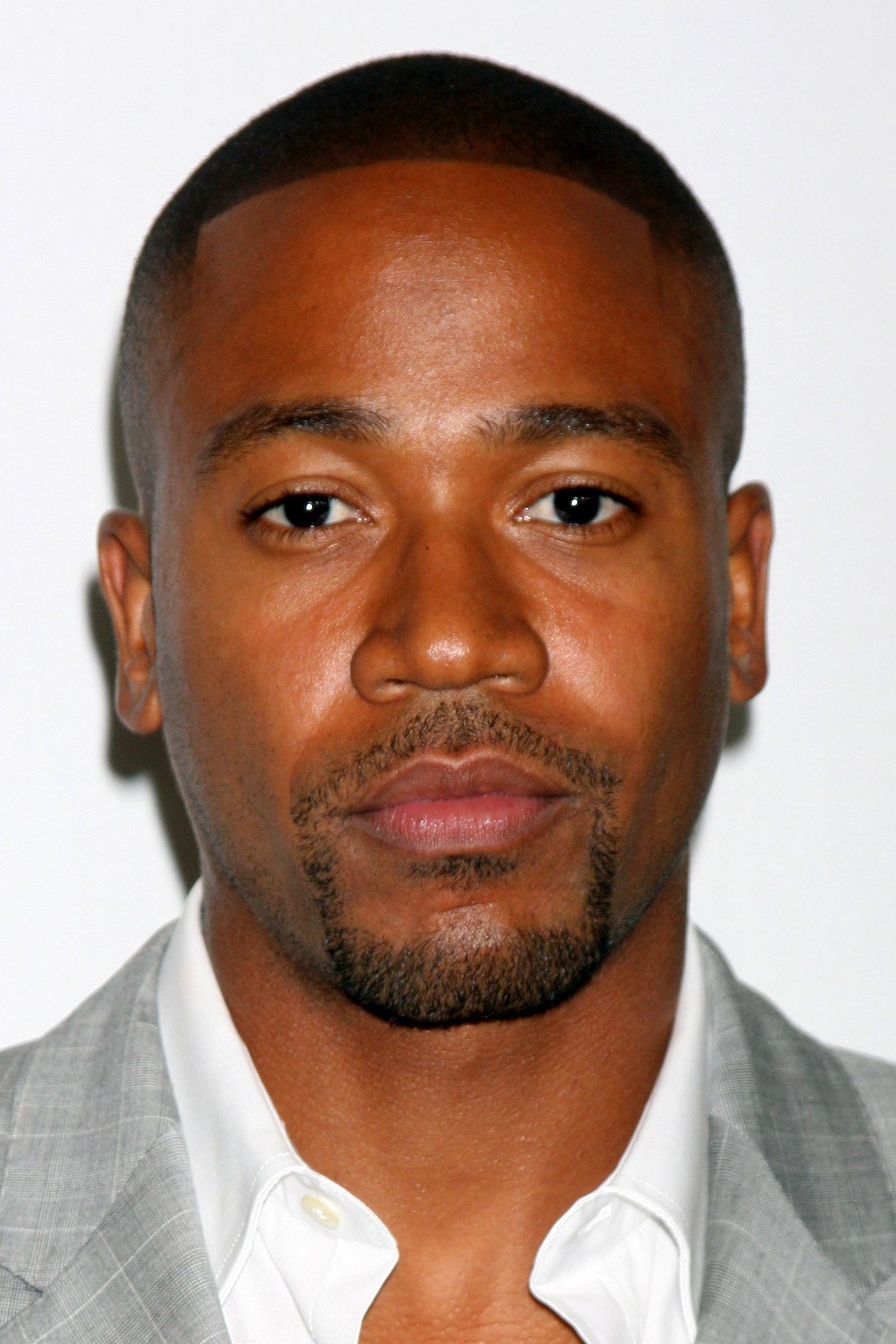
As a lead actor in the hit political thriller ‘Scandal’ this performer seemed destined for long term success before personal legal troubles emerged. Domestic violence allegations and other legal disputes led to his swift exit from the show and a subsequent lack of interest from major casting directors. He has since been open about his struggles with substance abuse and the way the industry distanced itself from him during his darkest moments. His career trajectory serves as a cautionary tale about how personal instability can lead to permanent professional exclusion.
Wesley Snipes
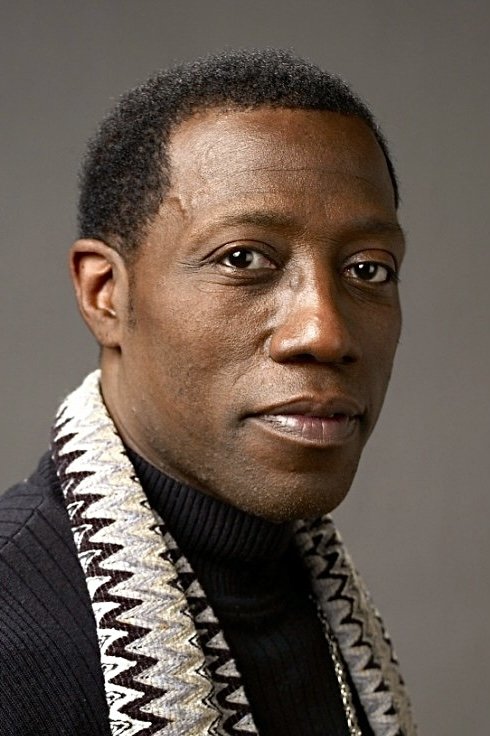
This action icon dominated the box office throughout the nineties before facing a three year prison sentence for tax related issues. Upon his release he found that the landscape of the film industry had shifted and the major studio roles he once headlined were no longer available. Reports of his behavior on the set of ‘Blade: Trinity’ also contributed to a reputation that made producers hesitant to cast him in leading roles. While he continues to work in smaller projects he has yet to regain the level of stardom he enjoyed before his legal battles.
Gary Coleman

The child star of ‘Diff’rent Strokes’ struggled for decades to find meaningful adult roles within a system that often discards young performers once they age. He faced numerous legal and financial difficulties that were often sensationalized by the media and further damaged his professional reputation. His inability to secure steady work led him to take jobs outside of the industry while occasionally appearing in self deprecating cameos. His life and career path remain a somber reminder of the lack of support systems for former child stars in Hollywood.
Paul Robeson
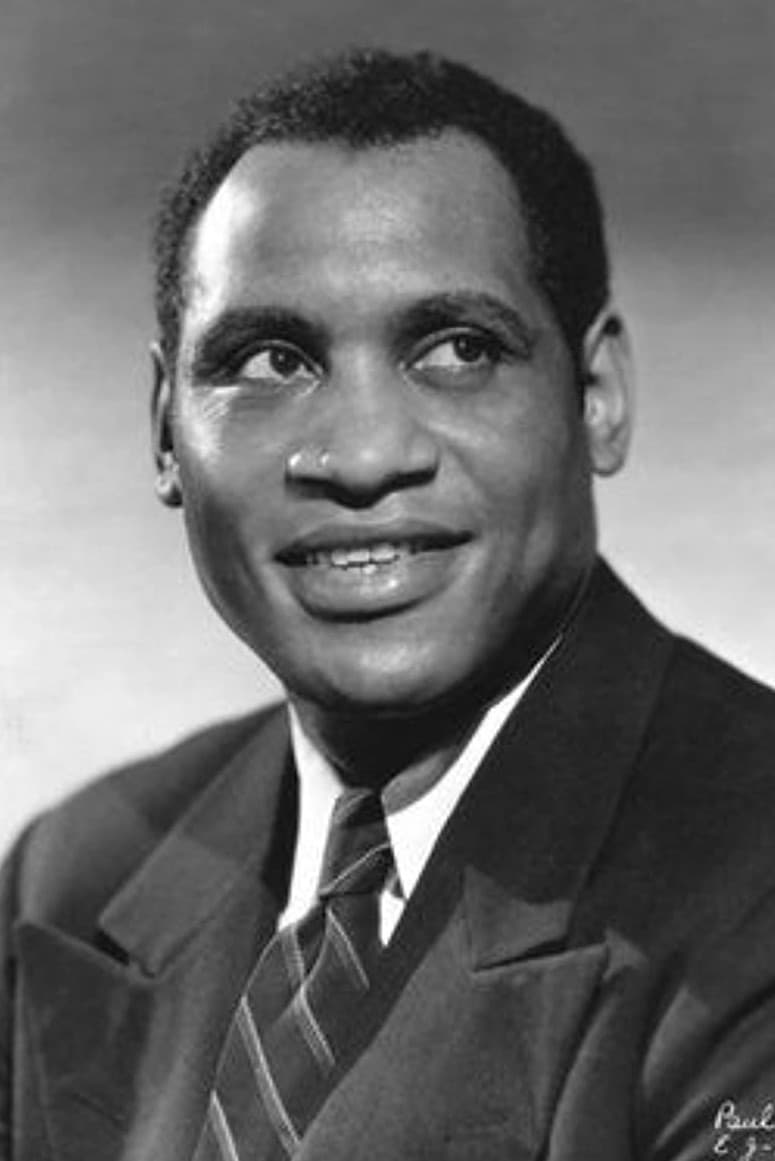
As a pioneering actor and singer during the early twentieth century he faced severe professional consequences for his political activism and socialist leanings. During the McCarthy era he was blacklisted by the major studios and his passport was revoked to prevent him from performing abroad. This systemic exclusion effectively ended his career in American film and concert halls at the height of his creative powers. He is now remembered as a martyr for civil rights whose artistic legacy was nearly erased by government and industry collusion.
Harry Belafonte

This legendary entertainer and activist faced significant industry pushback during the middle of the last century due to his tireless work in the Civil Rights Movement. He often refused roles that he felt were demeaning or stereotypical and this principled stance led to fewer opportunities in mainstream cinema. While he remained a massive recording star his film appearances became less frequent as studios avoided performers who challenged the racial status quo. He ultimately chose to use his platform for social change rather than conforming to the expectations of Hollywood executives.
Harold Perrineau
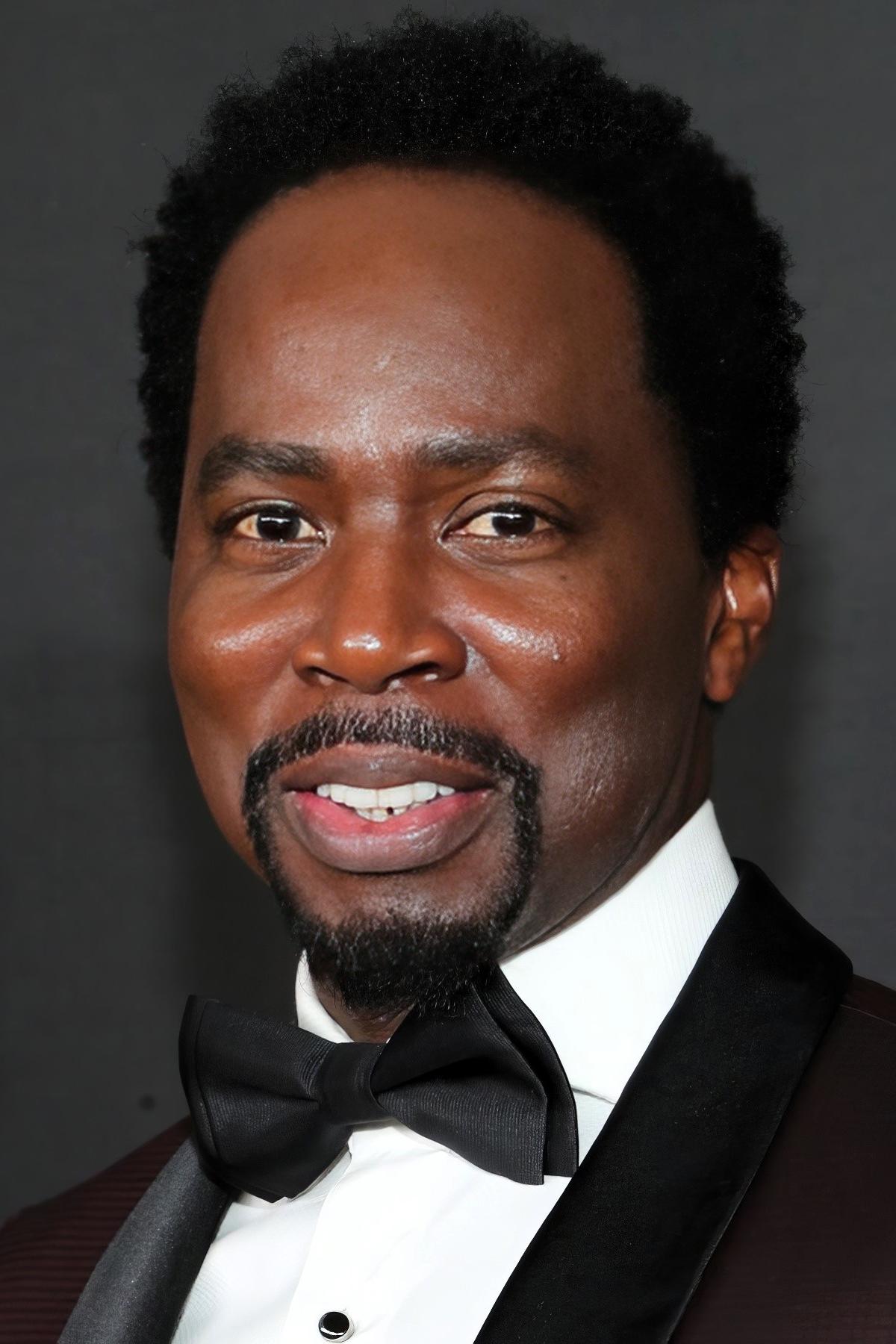
After being written off the hit series ‘Lost’ this actor expressed his disappointment with how the show handled the storylines of its minority characters. He noted that raising concerns about the narrative direction led to his character abrupt exit and a subsequent cooling of his relationship with major networks. While he has maintained a steady career in character roles he has been vocal about the subtle ways black actors are penalized for seeking creative input. His observations reflect a broader sentiment among performers who feel their voices are silenced in the production process.
Katt Williams
This stand up comedian and actor has frequently made headlines for his erratic behavior and public feuds with other industry figures. His outspoken nature and willingness to call out alleged corruption in Hollywood have led to a perception that he is difficult to manage. Major studios have largely avoided casting him in high profile films despite his undeniable talent and massive fan base. He remains a successful touring act but his presence in scripted television and film has diminished significantly over the years.
Dave Chappelle
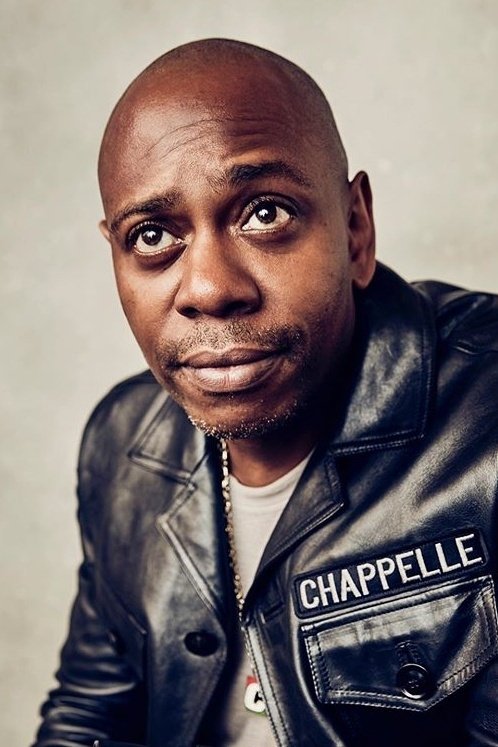
At the peak of his fame with ‘Chappelle’s Show’ this comedian famously walked away from a massive contract and moved to South Africa. His departure was framed by the media as a mental breakdown but he later explained it as a rejection of the industry toxic culture. For years he was largely absent from the mainstream spotlight and faced rumors that he had been blacklisted for his defiance. His eventual return to the public eye was on his own terms and bypassed many of the traditional studio gatekeepers.
Bill Cosby
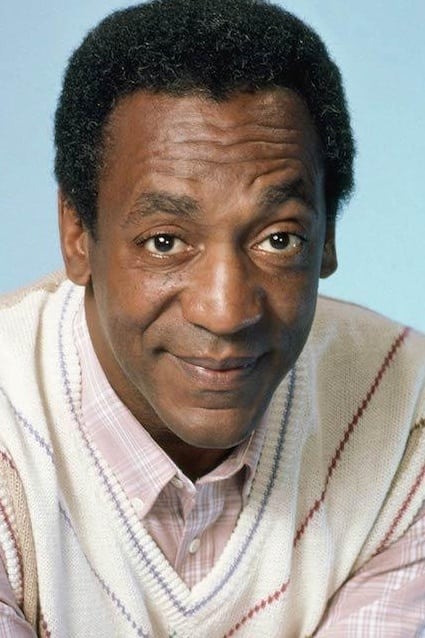
Once known as America’s Dad for his work on ‘The Cosby Show’ this actor legacy was completely dismantled following dozens of sexual assault allegations. His conviction and subsequent imprisonment led to his shows being pulled from syndication and his removal from professional organizations. Even after his conviction was overturned he remains a pariah in the entertainment industry with no path back to mainstream production. His downfall represents one of the most total and permanent instances of blacklisting in the history of television.
Danny Glover
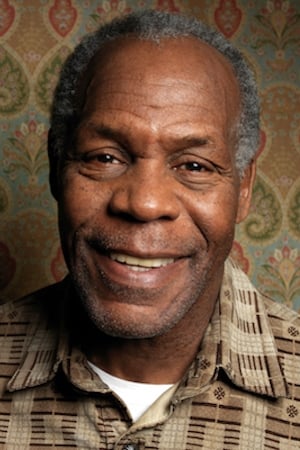
Despite a highly successful career in franchises like ‘Lethal Weapon’ this actor faced a period of reduced opportunities due to his vocal political activism. His opposition to the Iraq War and support for various international social movements led to calls for boycotts from some segments of the public. He noticed that major studio offers began to dwindle as his political profile grew more prominent and controversial. He has continued to work extensively in independent and international films where he has more creative and political freedom.
Brandon T. Jackson
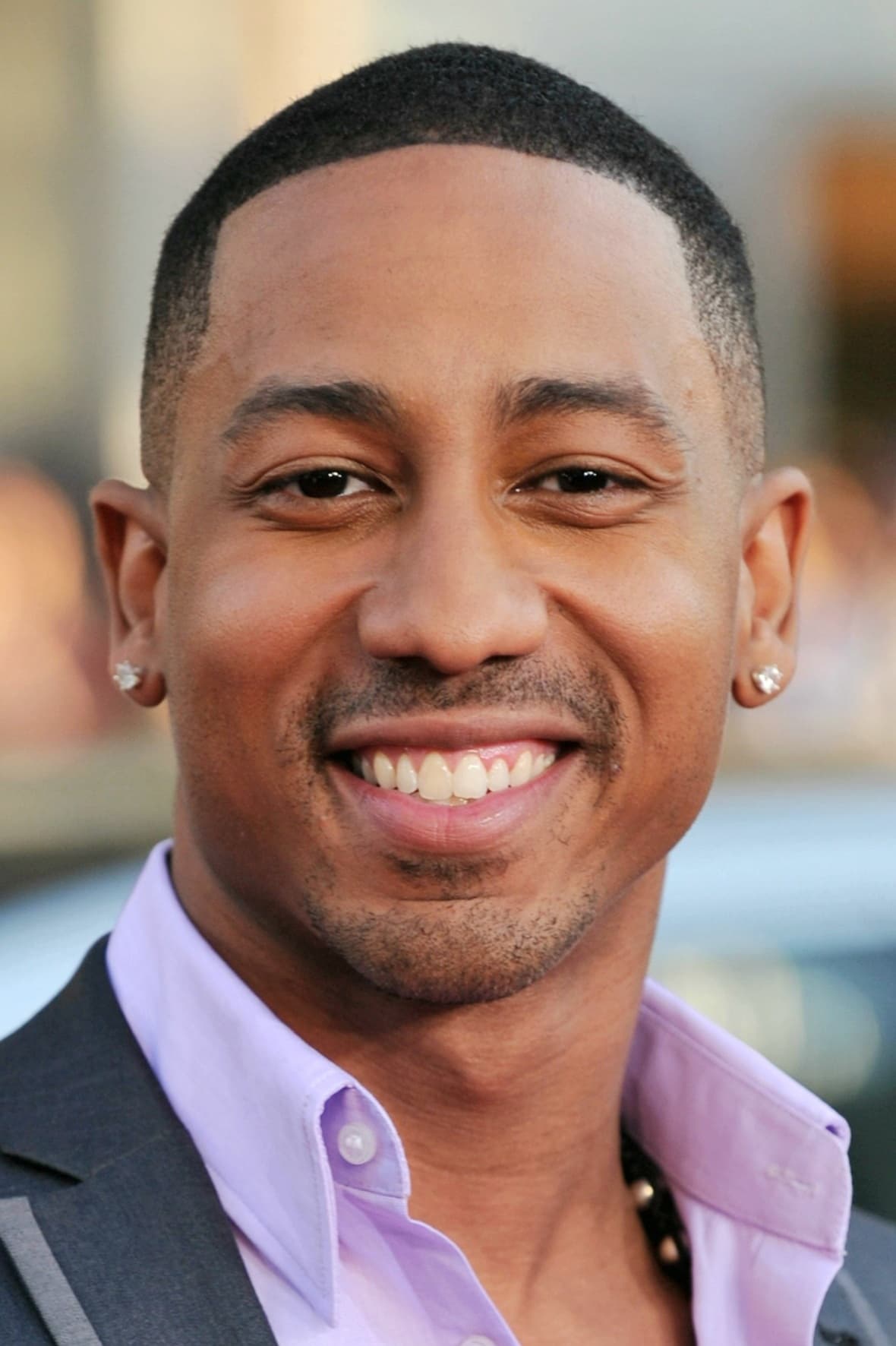
Following a breakout performance in ‘Tropic Thunder’ this actor seemed on the verge of becoming a major comedic star in Hollywood. However his career momentum slowed considerably after the ‘Percy Jackson’ franchise failed to launch him into the elite tier of leading men. He has discussed in interviews how the industry often only has room for a limited number of black comedic actors at one time. This perceived lack of space has led to fewer opportunities in big budget projects despite his early success and versatility.
Ernie Hudson
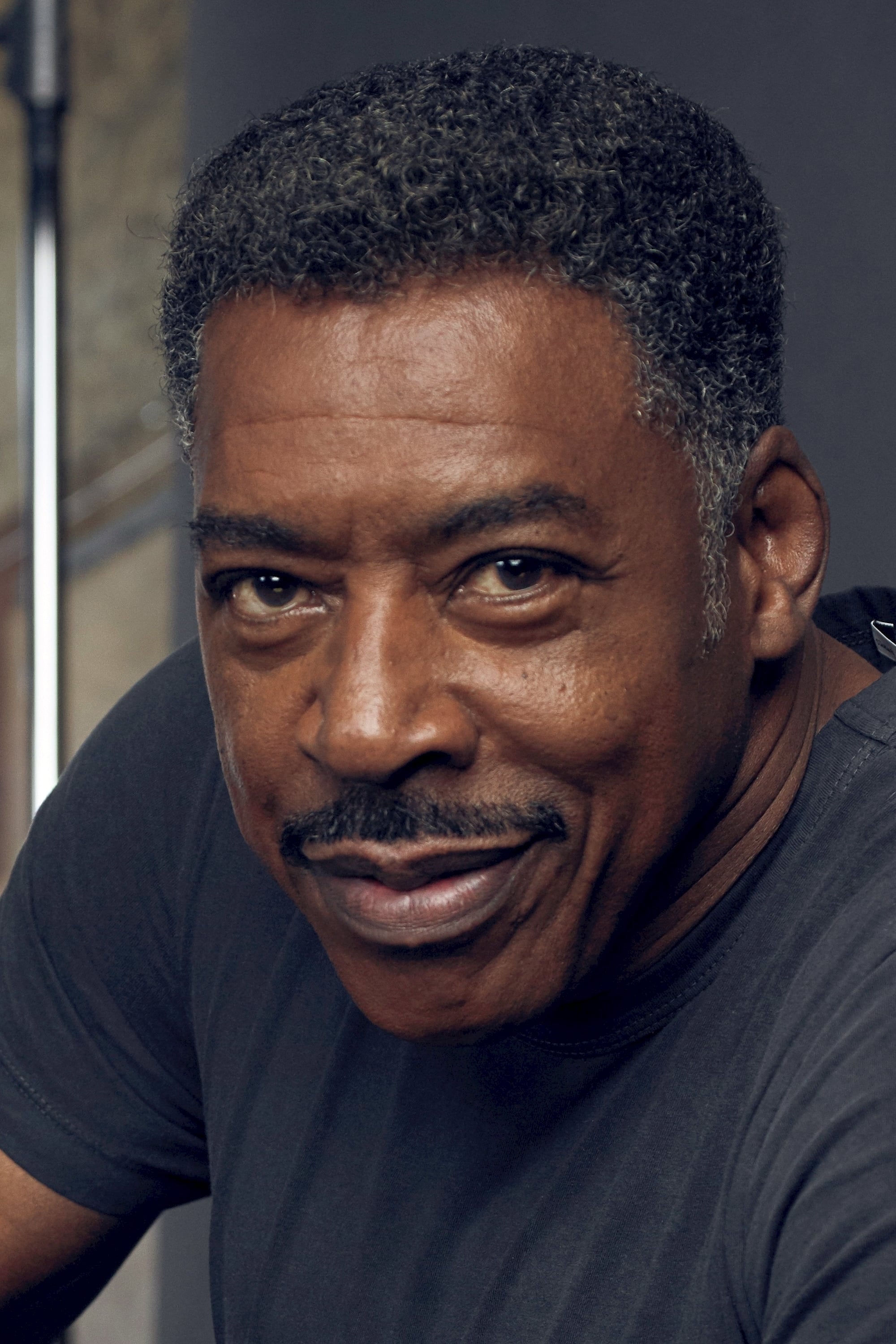
The ‘Ghostbusters’ star has been open about how his role was significantly reduced from the original script and how he was paid less than his fellow actors. He struggled for years to capitalize on the success of the franchise because the industry did not view him with the same leading man potential as his white peers. His experience highlights the systemic pay gaps and casting limitations that have historically hindered the careers of black actors in major ensembles. He has since become a respected character actor but his path was much more difficult than his initial fame suggested.
Michael Jai White
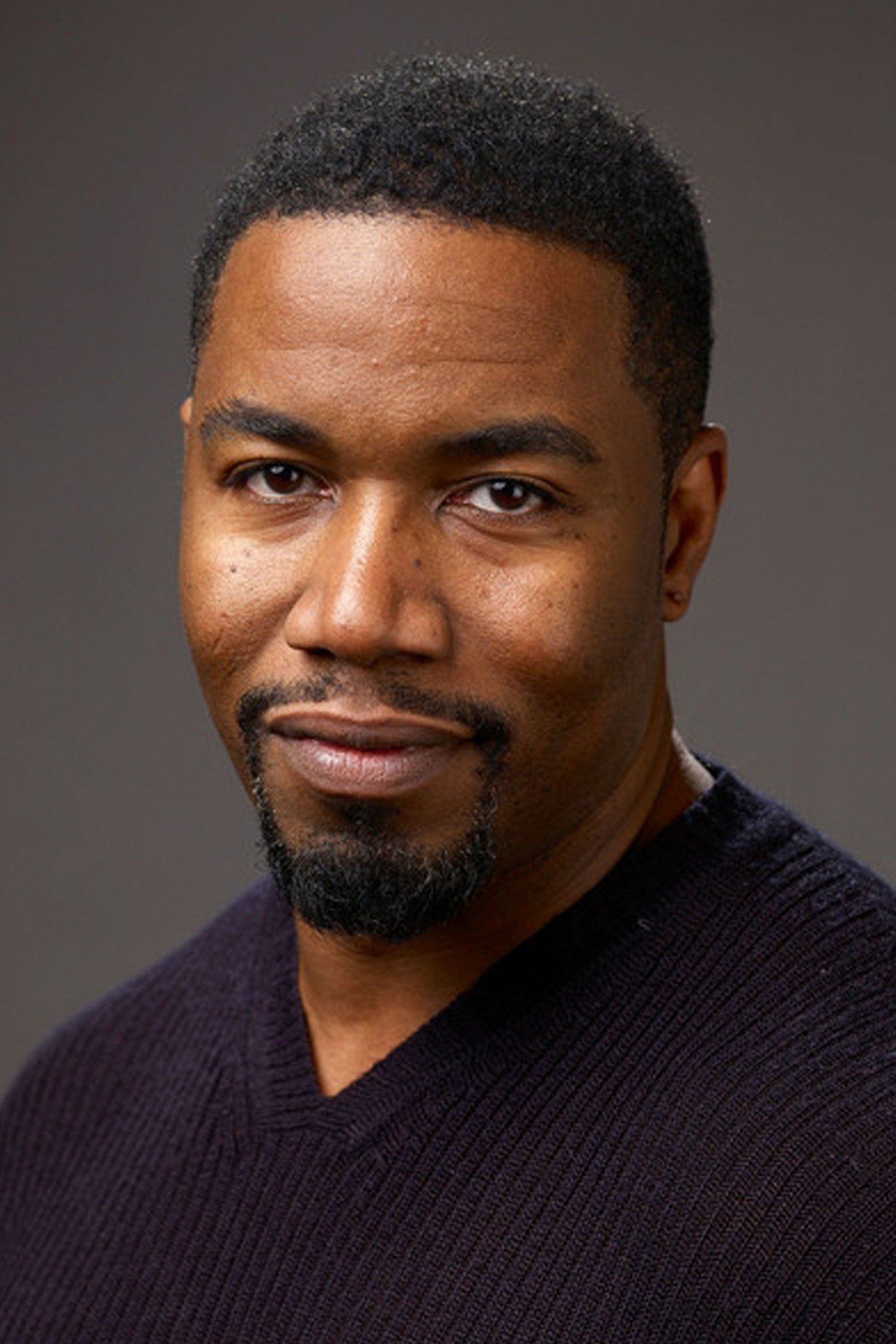
This martial arts star and actor has frequently spoken about the challenges of being an action lead who does not fit the typical Hollywood mold. He has suggested that his refusal to play into certain tropes or participate in industry social circles has affected his casting in major studio films. Despite having a dedicated following and impressive physical skills he often finds himself relegated to home media projects. He has used his platform to educate others about the business side of acting and the importance of ownership.
Mykelti Williamson
Known for his iconic role as Bubba in ‘Forrest Gump’ this actor faced a significant professional hurdle after a legal incident in the late nineties. Although he was eventually acquitted of the charges the negative publicity caused a temporary halt in his career at a time when he was highly sought after. It took several years for him to regain his footing and find consistent work in television and film again. His experience demonstrates how even an acquittal does not always erase the professional stigma of a criminal accusation in the public eye.
Sinbad
This popular nineties comedian and actor saw his film career decline rapidly after a string of box office disappointments and personal financial troubles. Tax issues and a high profile bankruptcy led to a narrative that he was no longer a viable star for major productions. He transitioned back to stand up comedy and reality television as the doors to major studio film roles seemed to close. His story is a common one in an industry that often turns its back on performers who experience public financial instability.
Chris Tucker
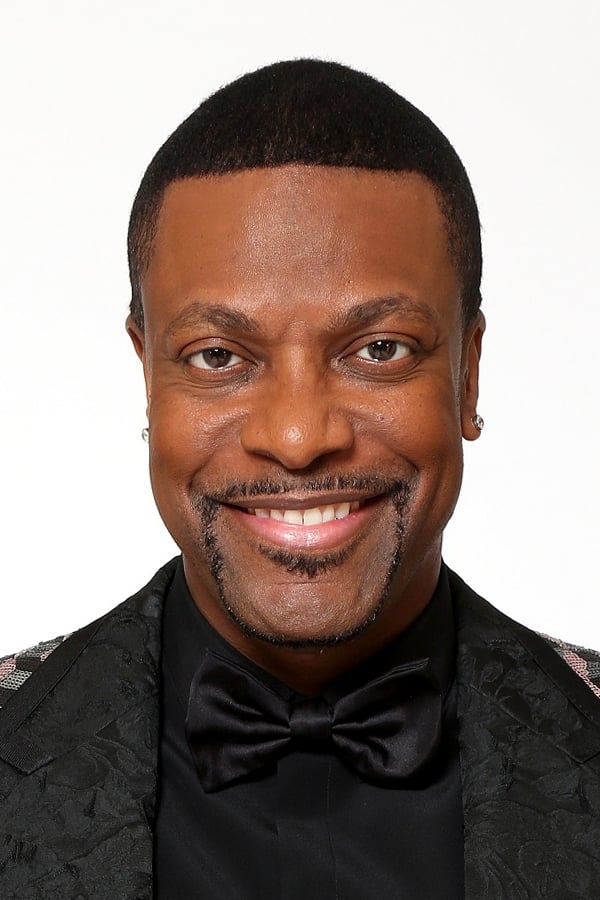
After the massive success of the ‘Rush Hour’ franchise this actor became one of the highest paid performers in the world but then almost disappeared from the screen. He became increasingly selective about his roles and focused more on his faith and personal life which led to rumors of industry friction. His refusal to return for certain projects and his high salary demands made him a difficult hire for many studios. While he has made a few returns to acting his output remains remarkably low compared to his peers from the same era.
Lawrence Hilton-Jacobs
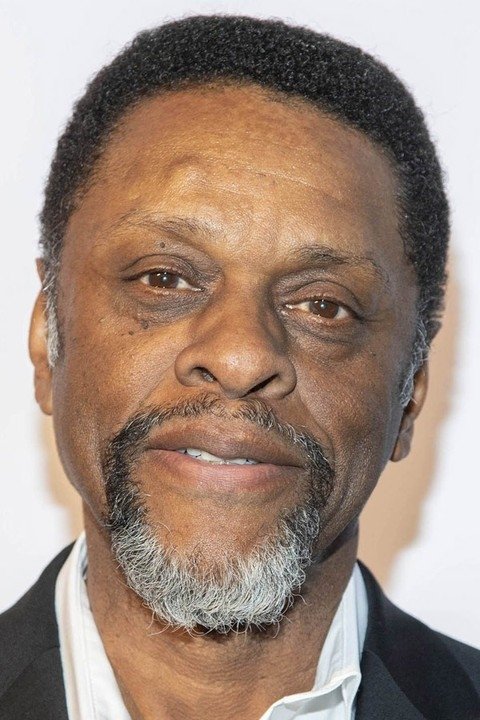
Rising to fame on ‘Welcome Back, Kotter’ this actor found it difficult to transition into mature leading roles after the series ended. He has spoken about the limited opportunities available for young black actors in the late seventies and eighties who wanted to move beyond sitcom tropes. The industry often typecast him and he found himself working less frequently in major studio productions as a result. He eventually turned to directing and independent projects to maintain his creative career outside of the mainstream system.
Tommy Davidson
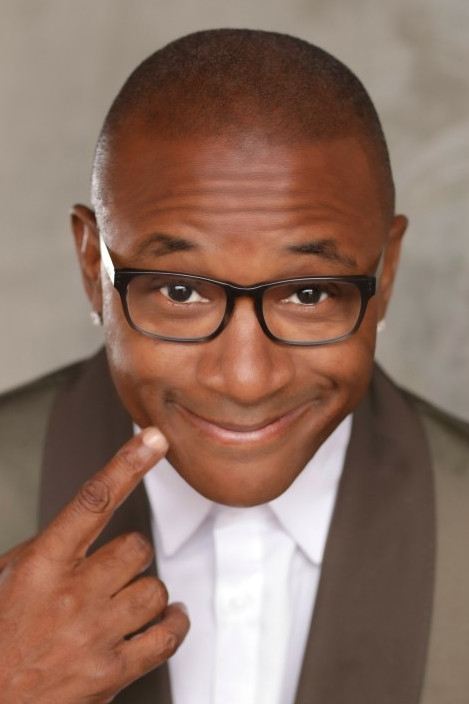
A standout performer on ‘In Living Color’ this comedian faced challenges in his film career due to creative disputes and personal struggles. He has been candid about the friction he experienced with producers and the way his career was managed during the height of his fame. These conflicts contributed to a perception that he was difficult to work with and major film offers began to dry up. He has since focused on his stand up roots and voice acting while navigating the complexities of the Hollywood landscape.
Robert Townsend
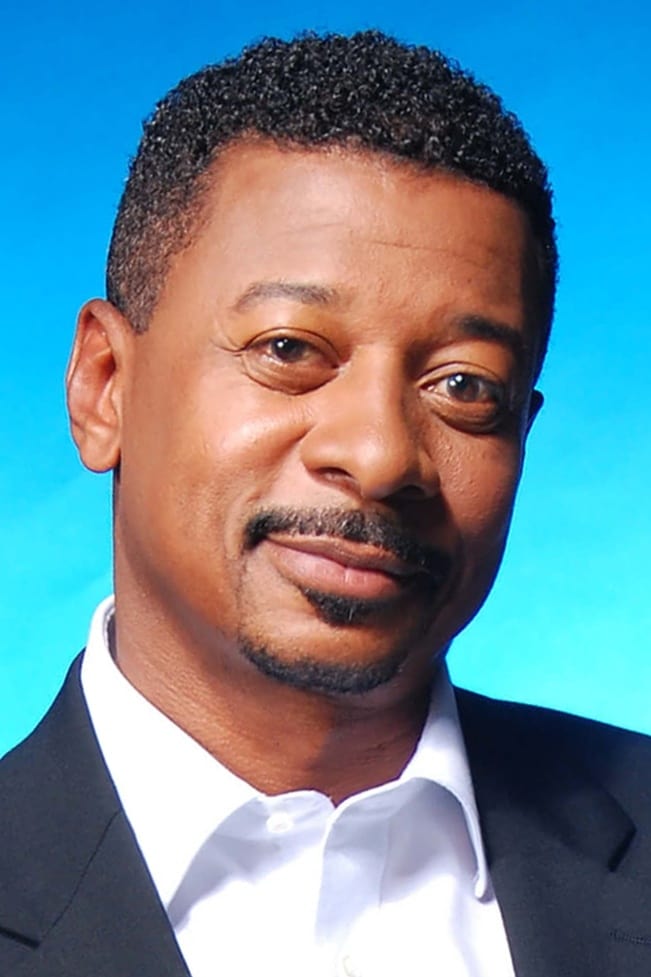
When major studios refused to cast him in meaningful roles this actor and director took the unprecedented step of personally financing his own film ‘Hollywood Shuffle’. The movie satirized the very industry that was excluding him and other black performers from diverse roles. While the film was a critical success it also marked him as an outsider who was willing to challenge the system directly. He has continued to create his own opportunities but his relationship with the traditional studio hierarchy has always been one of cautious independence.
Kel Mitchell
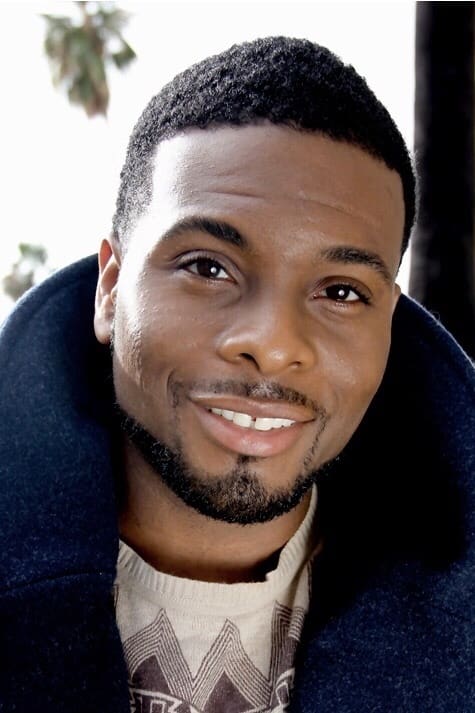
As one half of a popular comedic duo on Nickelodeon this actor struggled to find his place in the industry after his partnership with Kenan Thompson ended. While his former partner became a staple on ‘Saturday Night Live’ he found himself auditioning for years without landing major roles. Rumors of a rift between the two and a lack of support from the network that made him famous hindered his transition to adult stardom. He has recently found success returning to his roots but his period of professional isolation was a significant chapter in his career.
Cuba Gooding Jr.
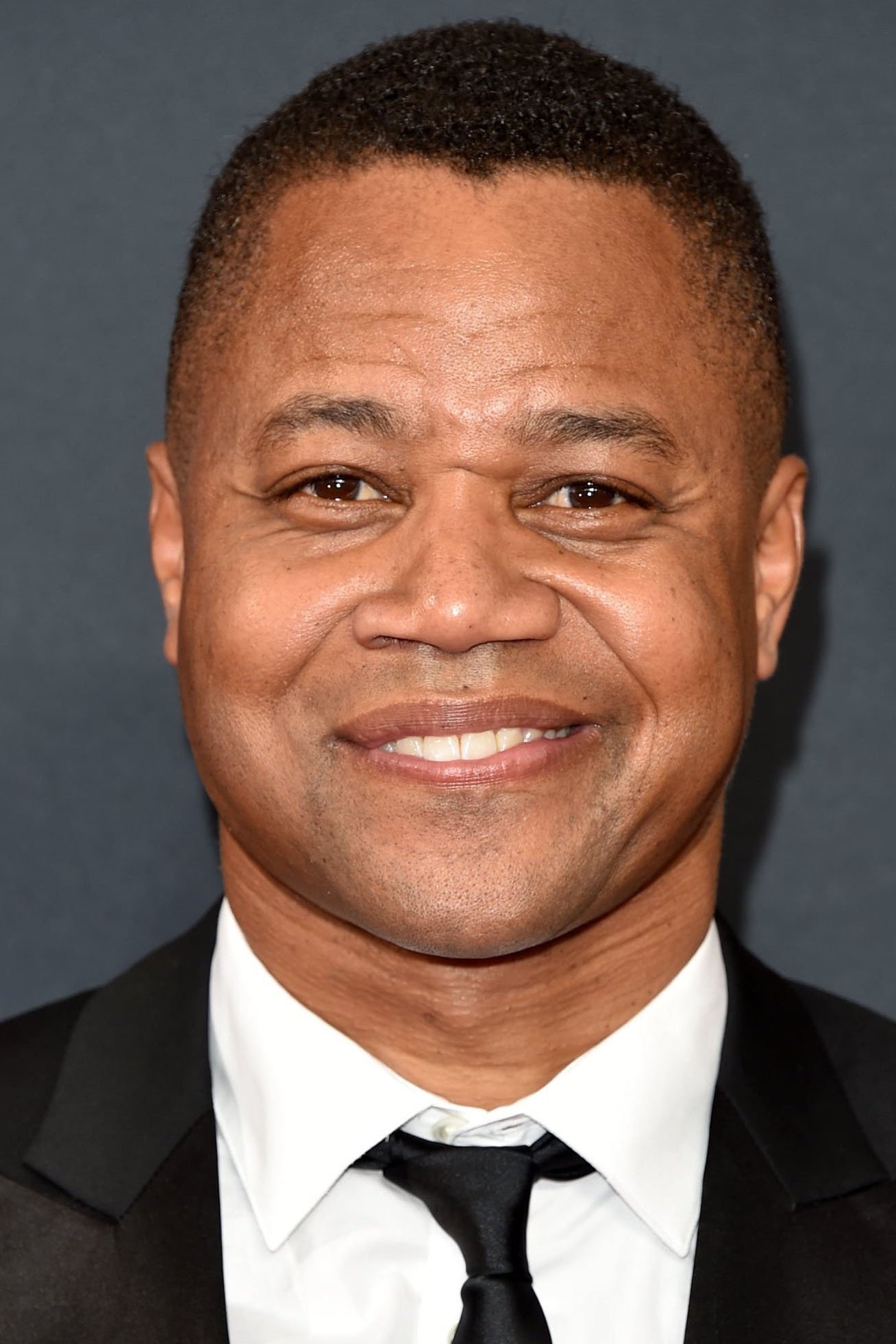
After winning an Academy Award for ‘Jerry Maguire’ this actor saw his career trajectory take a surprising turn toward home media projects. A series of legal issues and allegations of misconduct in recent years have further alienated him from major Hollywood studios. The transition from a top star to a performer facing serious legal repercussions has led to a near total absence from mainstream prestige projects. His downfall is often cited as one of the most dramatic shifts in fortune for a modern Oscar winner.
Martin Lawrence
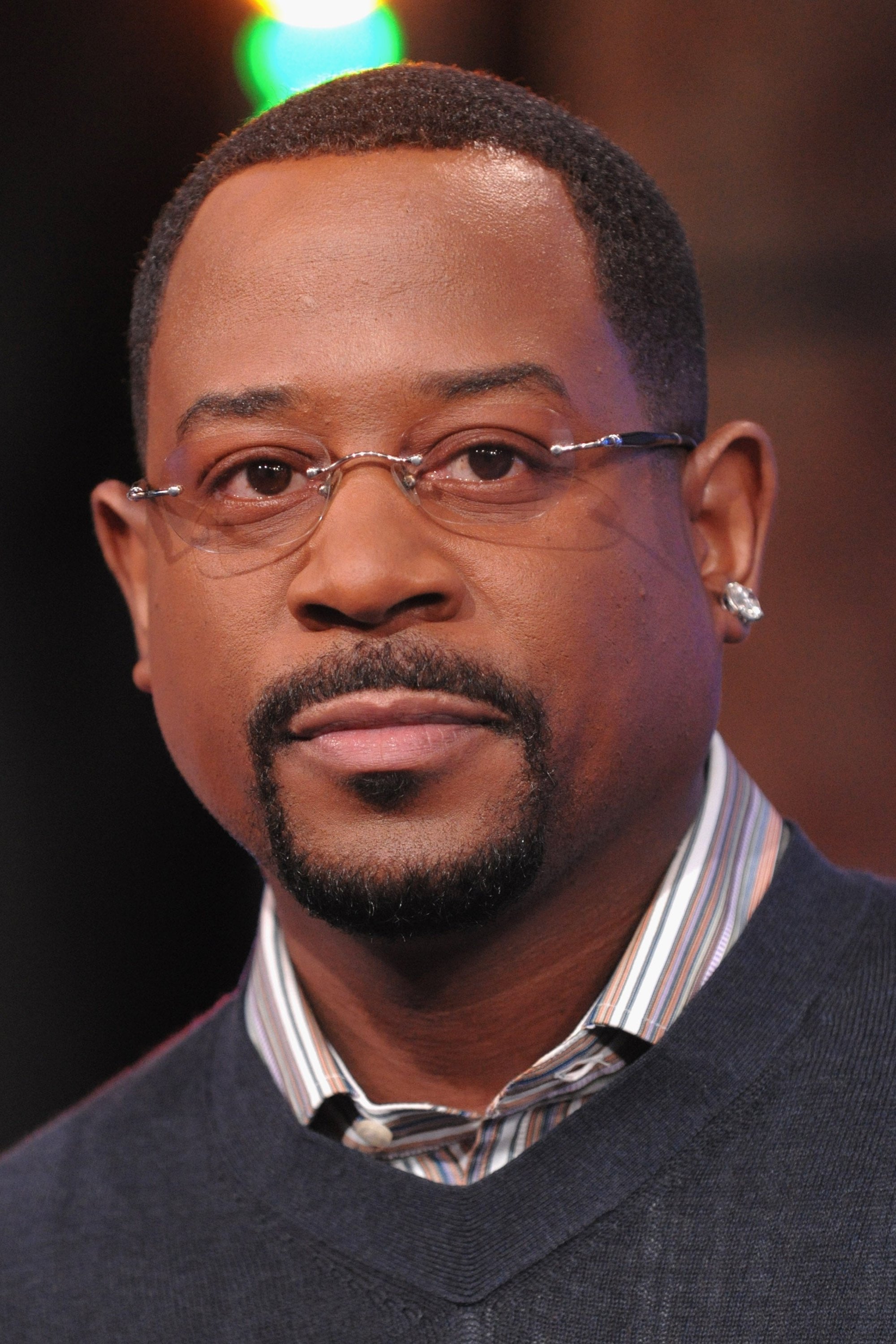
During the late nineties this comedic powerhouse faced a series of public outbursts and legal incidents that led to concerns about his health and professional stability. While he was eventually able to return to major franchises like ‘Bad Boys’ there was a period where studios were hesitant to insure him for large productions. The intense media scrutiny and his personal struggles created a temporary blacklist that he had to work hard to overcome. His resilience allowed him to reclaim his status but the period of uncertainty was a defining moment in his career.
Dick Gregory
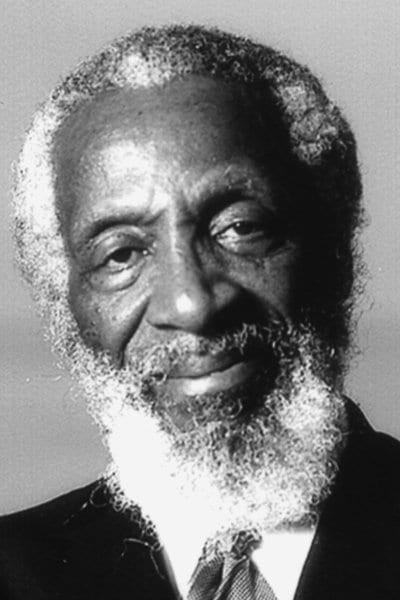
This groundbreaking comedian and activist essentially walked away from a lucrative career in entertainment to dedicate his life to social justice. His refusal to perform in segregated venues and his sharp political commentary made him a target for both the government and industry executives. He found that the more he spoke out against systemic racism the fewer invitations he received to appear on television or in films. He remained a powerful voice for change until his death but his Hollywood career was the price he paid for his convictions.
T.I.
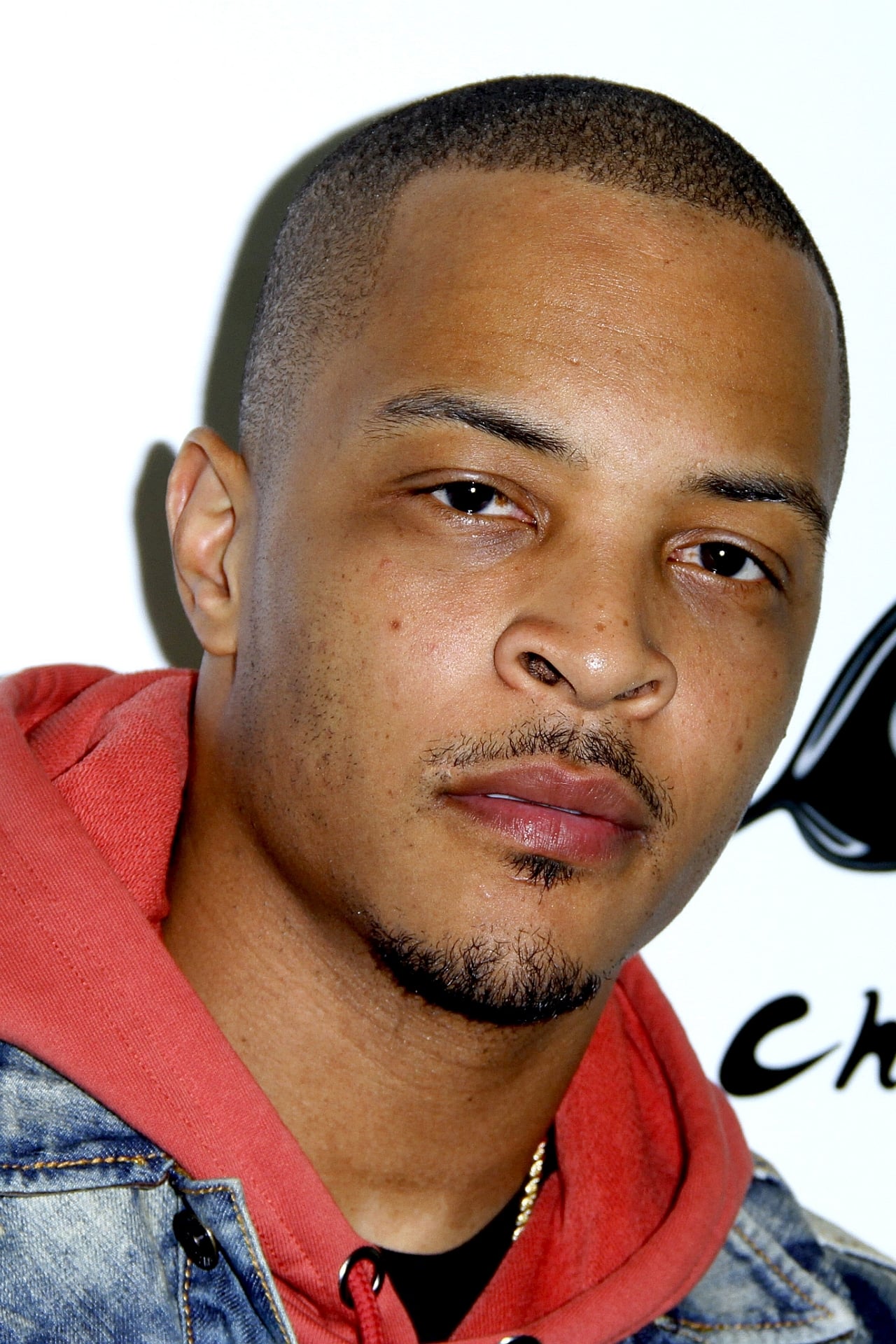
The rapper and actor had a burgeoning film career with roles in ‘ATL’ and ‘American Gangster’ before recurring legal issues began to take a toll. Arrests and prison sentences made it difficult for him to remain a reliable choice for major studio productions that require long term commitments. More recently serious allegations of misconduct have led to his removal from major franchises like ‘Ant-Man’. These controversies have created a significant barrier to his continued participation in mainstream Hollywood projects.
Mike Epps
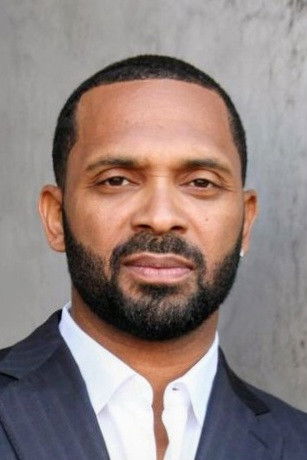
This comedian and actor has faced numerous professional setbacks due to legal disputes and high profile altercations. While he is a staple in the urban comedy circuit he has often found himself on the fringes of major studio casting for prestige roles. His reputation for being unpredictable has led to missed opportunities and a career that primarily consists of independent or genre specific films. He remains a popular figure but his path to the Hollywood elite has been consistently blocked by his personal and professional controversies.
John Amos
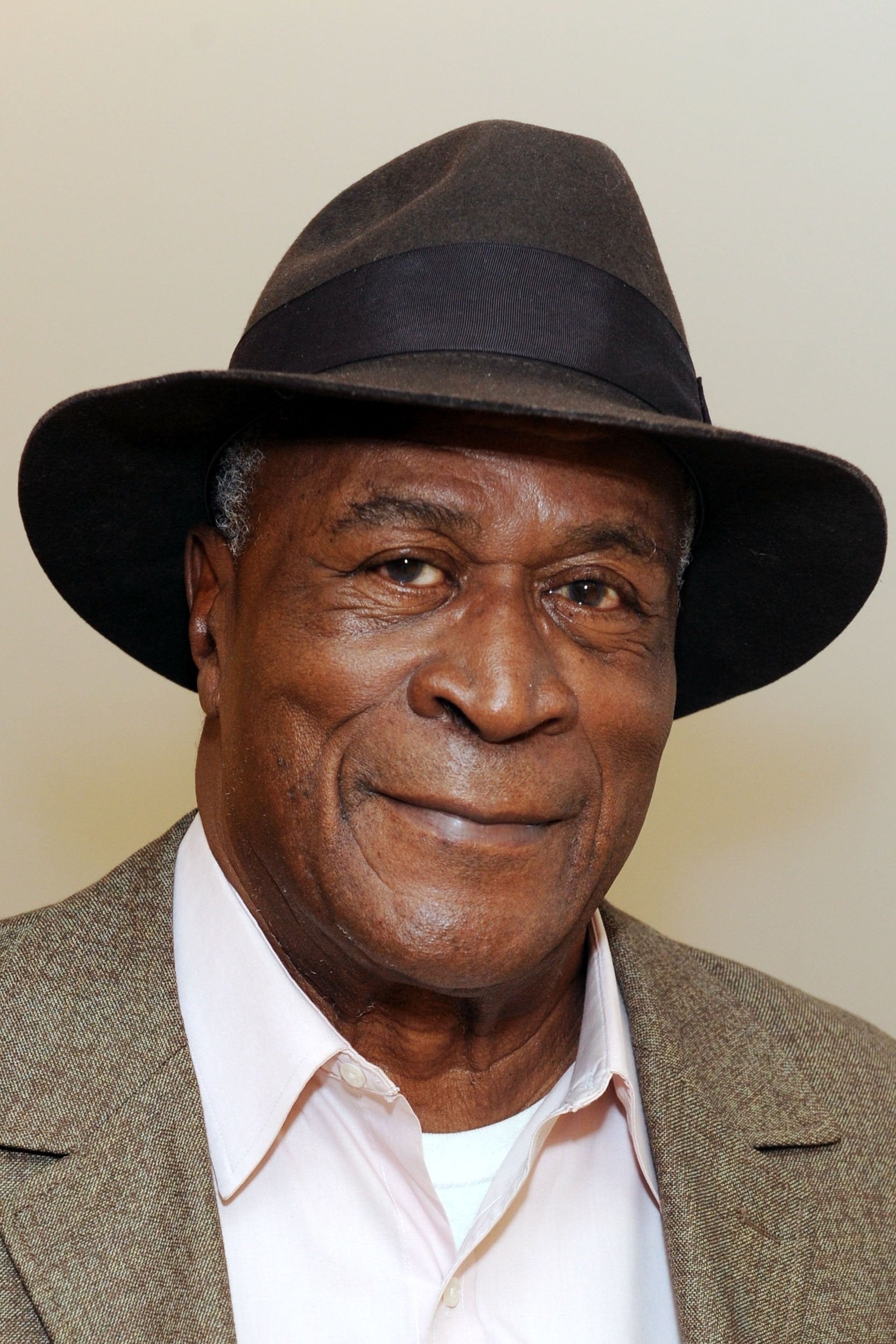
After achieving great success on the hit sitcom ‘Good Times’ this actor was famously fired for expressing dissatisfaction with the creative direction of the show. He criticized the writers for emphasizing broad comedy over meaningful storylines for the black characters. Following his departure he noticed a cooling of interest from major television networks for several years. He eventually proved his resilience with a powerful performance in ‘Roots’ but his stand against the industry cost him a prime role at the height of his fame.
Giancarlo Esposito

Despite early success and undeniable talent this actor went through a significant period where he struggled to find consistent work in major studio productions. He has spoken about the difficulty of finding roles that were not limited by racial stereotypes during the middle of his career. For many years he was overlooked for leading roles until his iconic performance in ‘Breaking Bad’ revitalized his standing in the industry. His story serves as an example of how a talented performer can be sidelined for decades before the industry recognizes their value.
Wood Harris

After starring in the critically acclaimed series ‘The Wire’ this actor found it surprisingly difficult to land leading roles in major studio films. He has discussed the feeling of being typecast or ignored by an industry that often has a narrow view of urban drama stars. While he has maintained a steady career in character roles he has not reached the level of mainstream stardom that many felt his talent deserved. His experience reflects the silent barriers that exist for actors who become synonymous with specific gritty portrayals.
Mekhi Phifer
Following a string of leading roles in the early 2000s this actor saw his visibility in major motion pictures decline as the industry shifted its focus. He has navigated a landscape where the types of mid budget dramas he excelled in are no longer produced with the same frequency. While he found steady work on television in ‘ER’ his transition back to major film projects has been less consistent. He remains a recognizable face but his career trajectory highlights how changes in studio priorities can result in the quiet exclusion of established talent.
Larenz Tate
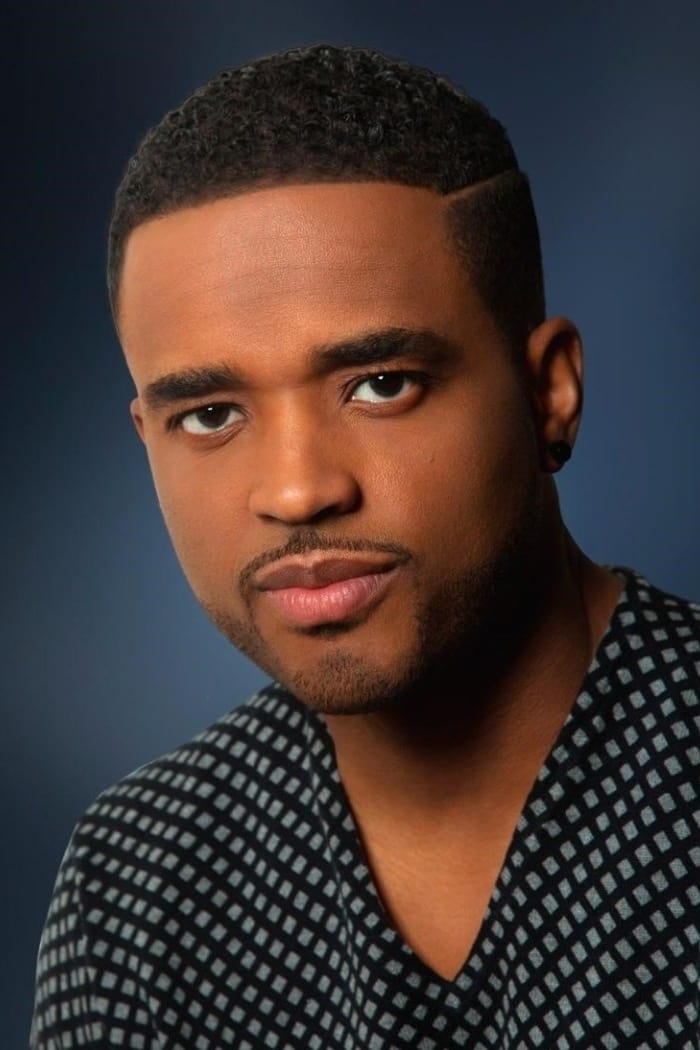
As one of the most promising young actors of the nineties this performer starred in several films that are now considered cultural classics. However he often found that the industry was hesitant to cast him in the broad range of leading roles available to his white counterparts. He has been vocal about the limited imagination of casting directors and the constant need to prove his versatility. Despite his talent and fan base his presence in big budget studio films has been significantly less than expected given his early career momentum.
Bokeem Woodbine
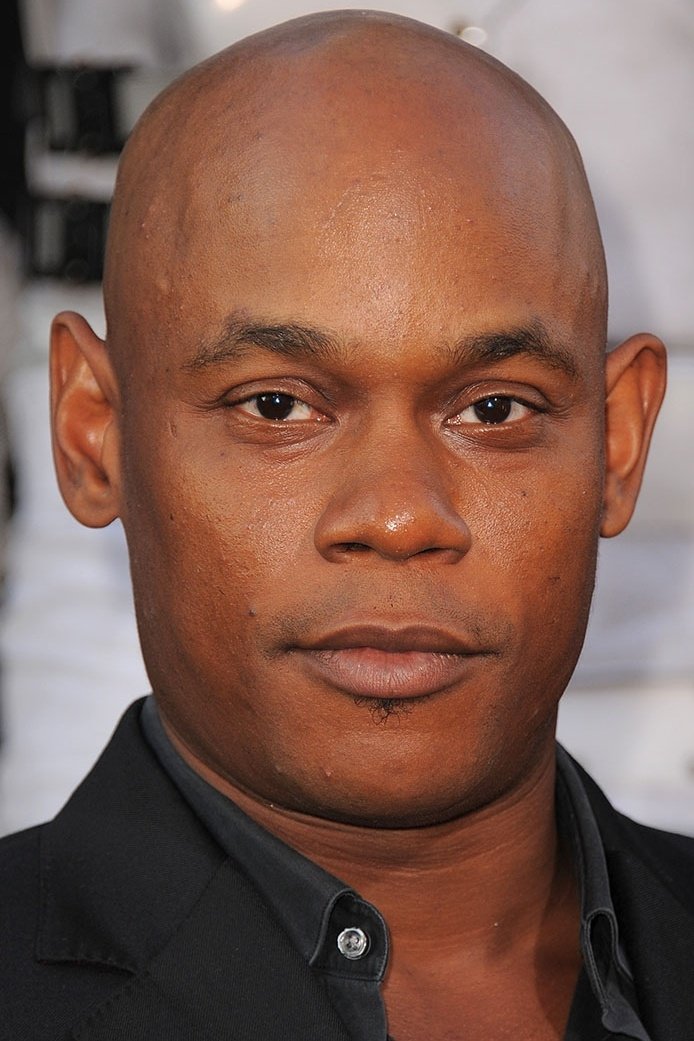
Known for his intense and charismatic performances this actor spent many years working primarily in small roles or independent films despite early praise. He has been open about the challenges of being a black character actor in a system that often prioritizes a small group of stars. It took a breakout role in the series ‘Fargo’ later in his career for the mainstream industry to fully acknowledge his range. His long period of relative obscurity within the studio system points to the subtle ways talent can be underutilized and overlooked.
Bill Duke
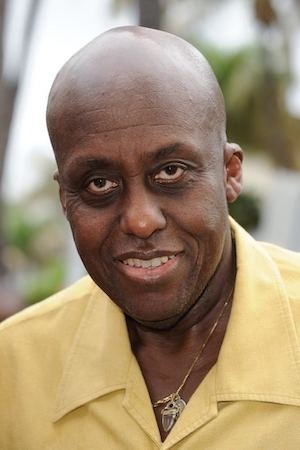
This imposing actor and director found that his career behind the camera was often a response to the limited opportunities available in front of it. He began directing because he saw a lack of complex roles for black men in Hollywood and wanted to create his own opportunities. While he has had a successful career his outspoken nature about the industry treatment of minority creators led to periods of professional isolation. He remains a respected figure but his path was defined by a need to bypass the traditional gatekeepers who were not offering him a seat at the table.
Leon
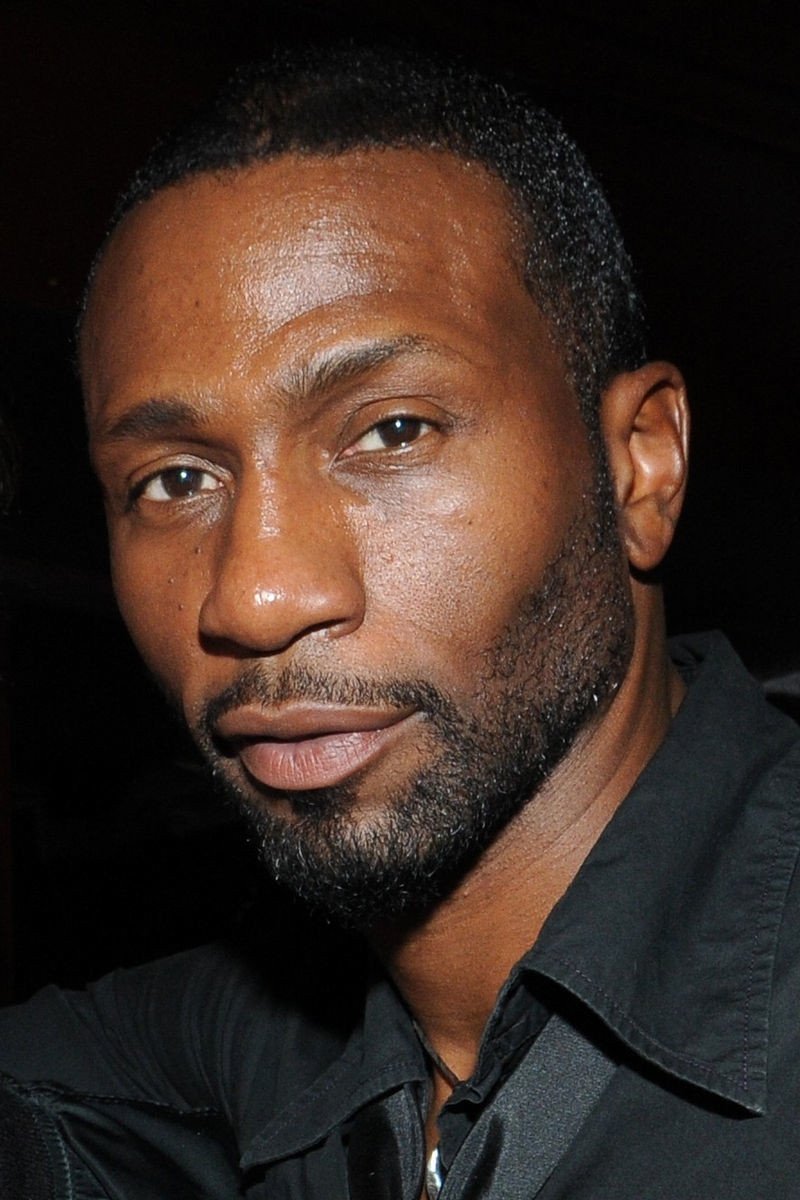
This versatile actor and singer became a staple of nineties cinema with roles in biographical films and athletic dramas. Despite his leading man looks and proven track record he found that major studio offers began to dwindle as he aged into different types of roles. He has mentioned in interviews that the industry often forgets about actors who do not constantly play the Hollywood social game. His shift toward independent projects and music was a result of a mainstream system that ceased to provide the opportunities he once enjoyed.
Keith David
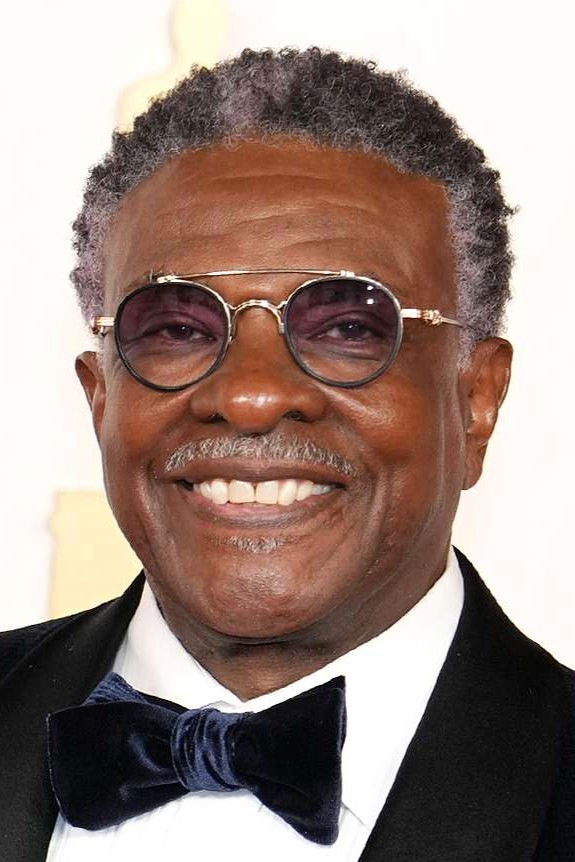
With one of the most recognizable voices and screen presences in the industry this actor has frequently spoken out about the inequities in casting. He has noted that while he is often called for voice work his live action opportunities in major studio films have not always matched his capabilities. His willingness to address the industry biases and the lack of diversity in high level roles has sometimes put him at odds with the status quo. He continues to work extensively but remains a vocal critic of the ways the industry limits the potential of veteran black actors.
Robert Guillaume
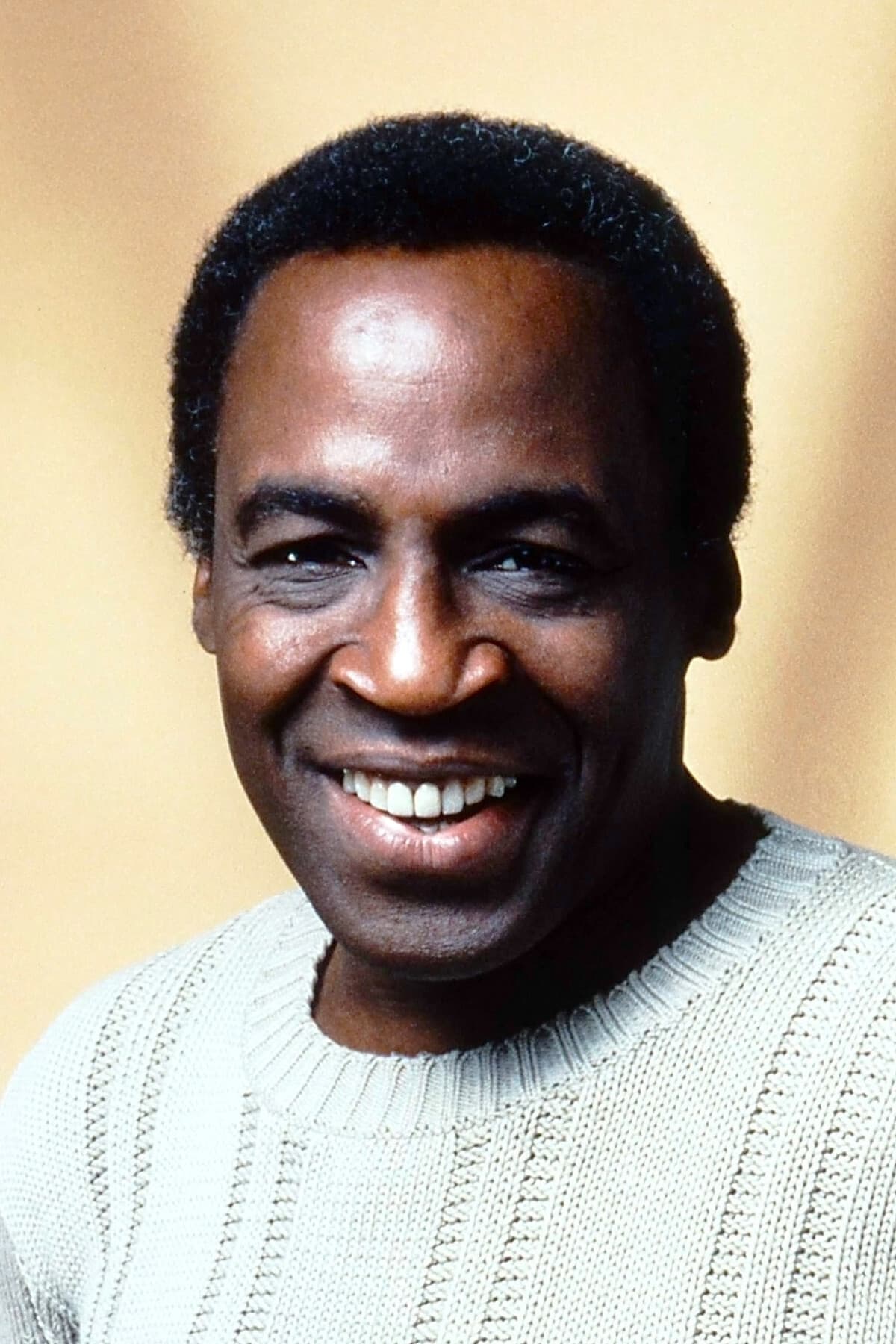
The star of ‘Benson’ was a pioneer in television but he faced significant friction with executives when he pushed for his character to have more depth and authority. His insistence on professional respect and high production standards led to a reputation for being difficult among some industry insiders. After his long running series ended he found that the major roles he expected were not as plentiful as they should have been for a multiple Emmy winner. He continued to work in character roles and theater but his career was undoubtedly affected by his refusal to accept less than he was worth.
Please share your thoughts on these actors and their industry experiences in the comments.