James Cameron Speaks Out Against Netflix

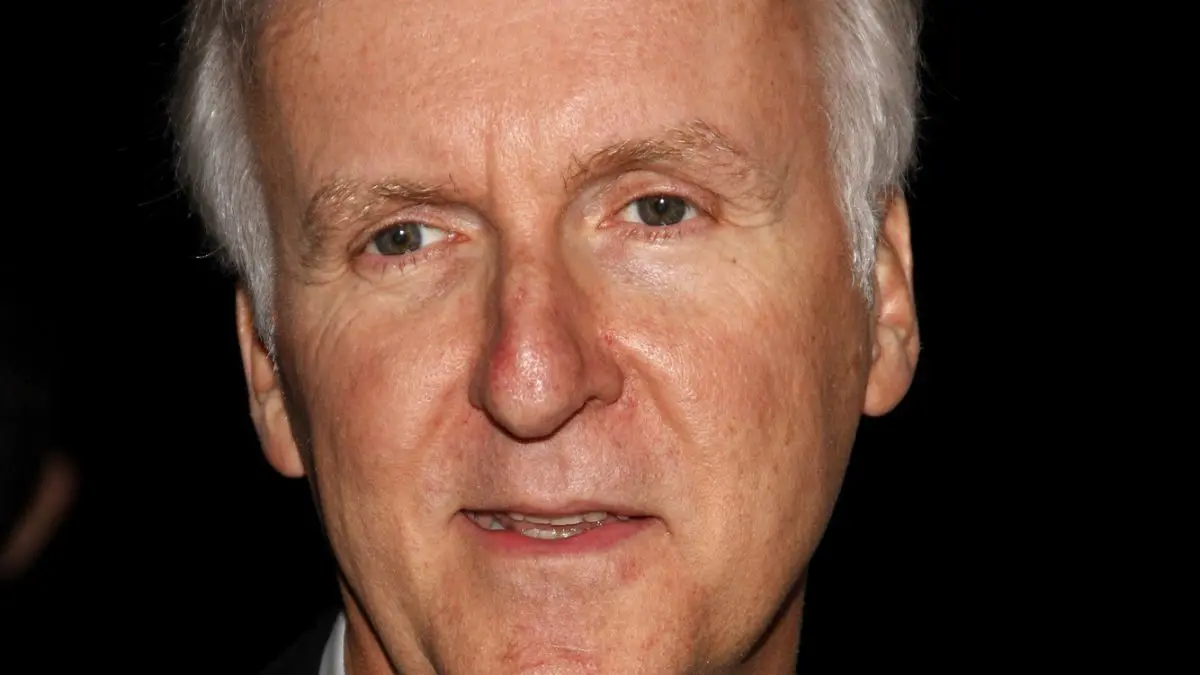

James Cameron is raising alarms over the potential $82.7 billion merger between Netflix and Warner Bros. Discovery, warning that it could seriously harm movie theaters. The legendary filmmaker, known for Titanic and Avatar, sent a formal letter to Utah Senator Mike Lee, who chairs the Senate subcommittee on antitrust, outlining his concerns about the deal’s impact on the industry.
Cameron emphasized that his nearly five-decade career has been dedicated to preserving the theatrical experience. He pointed out that movie theaters have already faced a 30% contraction since the pandemic, and giving Netflix control over one of Hollywood’s most historic studios could accelerate the decline.
“Allowing a dominant streaming giant to take control of one of Hollywood’s most historic studios could be catastrophic for the industry,” Cameron wrote. At the heart of Cameron’s concern is the difference between Netflix and traditional studios. While Warner Bros. has long relied on theatrical releases as the core of its business, Netflix is built around streaming and keeping viewers on its platform.
Cameron noted that Netflix executives have referred to theaters as outdated and called the idea of traditional releases obsolete. “Their priorities are directly at odds with theatrical film production and exhibition,” he added.
One of the most contentious issues is the theatrical release window. Netflix co-CEO Ted Sarandos has proposed a 17-day window for Warner Bros. films, but Cameron described this as “grotesquely insufficient.” He explained that most films need at least 45 days in theaters and a commitment to thousands of screens nationwide to reach audiences effectively.
Shortening this window, he argued, could seriously reduce box office revenue and threaten the viability of theaters themselves. Cameron also warned that promises from Netflix to support theaters might not last. Once the merger is finalized and federal scrutiny fades, he believes the streaming giant could prioritize its digital library over brick-and-mortar cinemas.
This, he says, would have far-reaching consequences for employees, from studio workers to theater staff across the country. Actor and activist Mark Ruffalo joined the conversation on social media, questioning whether opposition to the merger is specifically about Netflix or about monopolistic power in general.
He suggested it would be important to see whether Cameron and Senator Lee hold the same concerns about Paramount’s rival bid. “Either deal might consolidate power among too few players, rather than making sure our business works for the many, not the few,” Ruffalo wrote.
The merger also comes at a politically charged moment. The deal has drawn attention not just from lawmakers but from the public, with debates over media influence, streaming dominance, and the future of theatrical releases gaining traction.
According to industry sources, the DOJ has already sent requests for documents and testimony from filmmakers and producers to better understand the potential effects of the merger. Cameron’s warnings highlight a broader tension between streaming companies and traditional theaters.
As more audiences shift to home viewing, the merger could set a precedent for how big studios approach theatrical releases. Industry experts say that if Netflix moves forward with the acquisition, it could create a streaming powerhouse with over 450 million subscribers, reshaping not only Hollywood but the global entertainment market.
For now, the conversation is ongoing. Cameron’s letter, combined with activism from figures like Ruffalo and ongoing federal scrutiny, keeps the spotlight on the deal and the future of theaters.
Have something to add? Share your thoughts in the comments.