Nintendo is Suing U.S. Government

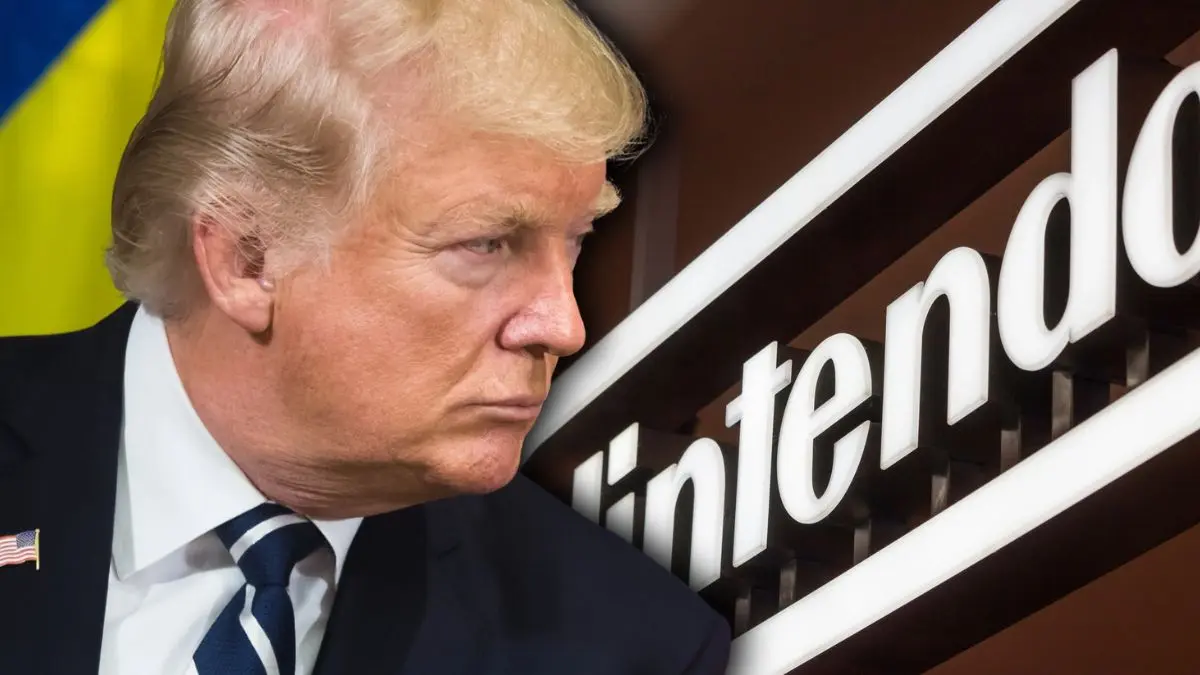

Nintendo is taking the U.S. government to court over tariffs it says were wrongly applied, seeking a refund with interest. The lawsuit was filed today in the United States Court of International Trade, and Aftermath was first to report on the filing.
The case focuses on tariffs that the Supreme Court recently ruled were imposed illegally under the International Emergency Economic Powers Act (IEEPA) by President Donald Trump. After that decision, Trump introduced a new 10% global tariff.
Last April, Trump announced additional tariffs at a “Make America Wealthy Again” event in the Rose Garden, calling it “Liberation Day.” U.S. Customs and Border Protection said it had collected around $166 billion in duties and deposits from the emergency tariffs. The agency also told Reuters that a system for processing refunds would be ready in 45 days.
Nintendo says Trump’s tariffs disrupted its plans for the Nintendo Switch 2 in the U.S. Pre-orders had been scheduled to begin in April 2025, but the company delayed them, citing the tariffs and “evolving market conditions.”
Nintendo assured fans that the official launch date of June 5, 2025, would remain unchanged. At the time, the Switch 2 was priced at $449.99, with a Mario Kart World bundle at $499.99. The company later increased the cost of certain accessories, like the Pro Controller and Joy-Con 2 pair, while keeping the console’s price the same.
The tariffs came amid tension in U.S.-China trade, with China retaliating against U.S. import taxes by raising tariffs on American goods. To maintain its $449.99 console price, Nintendo relied on units imported from Vietnam instead of China.
Nintendo told IGN about today’s lawsuit, “We can confirm that we filed a request. We have nothing else to share on this topic.”
This legal move is a clear signal that large companies are willing to challenge government policies that affect their business directly. Nintendo’s case could have broader implications for how tariffs are applied and how quickly refunds are handled.
It will be interesting to see how the court rules and whether Nintendo succeeds in recovering the costs. What do you think about companies taking legal action against government policies like this? Share your thoughts in the comments.