Actresses Who Refused to Speak to Directors Directly on Set

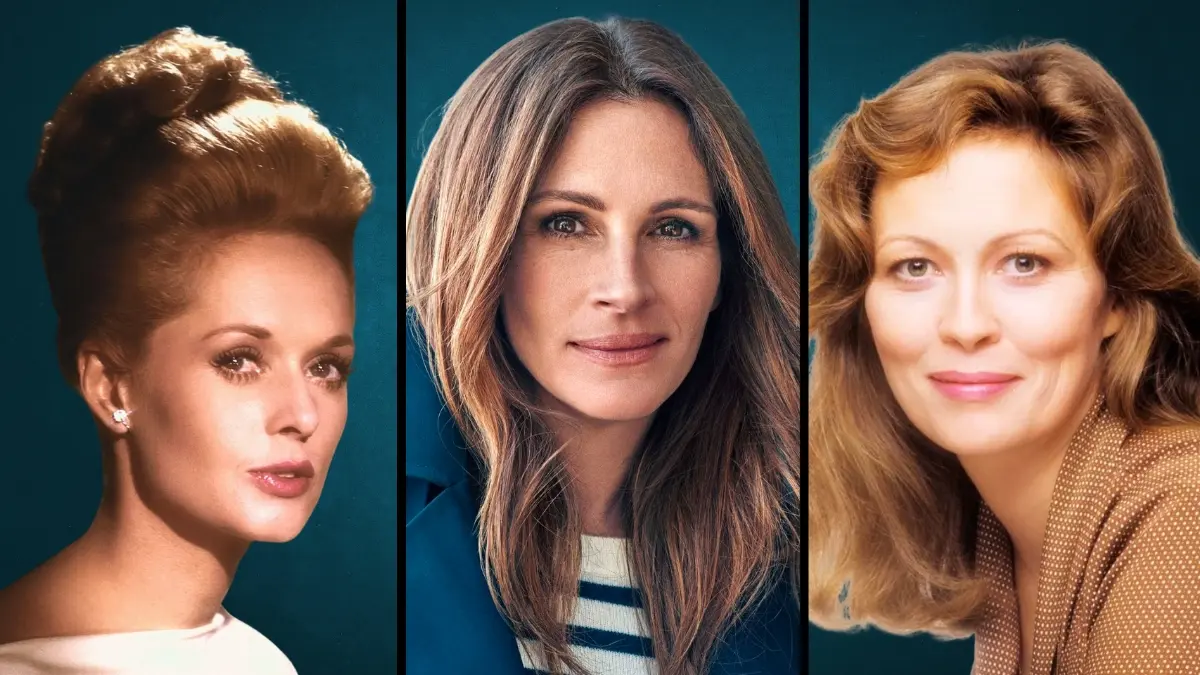

The production of a feature film is a high-stakes environment where creative differences can quickly escalate into personal conflicts. While most actors find a way to collaborate with their directors, some have chosen to cease direct communication entirely due to personal or professional grievances. In these instances, instructions and feedback are often funneled through third parties, such as assistants or producers, to keep the production moving forward. These silent standoffs highlight the intense psychological and professional pressures that can exist behind the scenes of major motion pictures.
Barbra Streisand
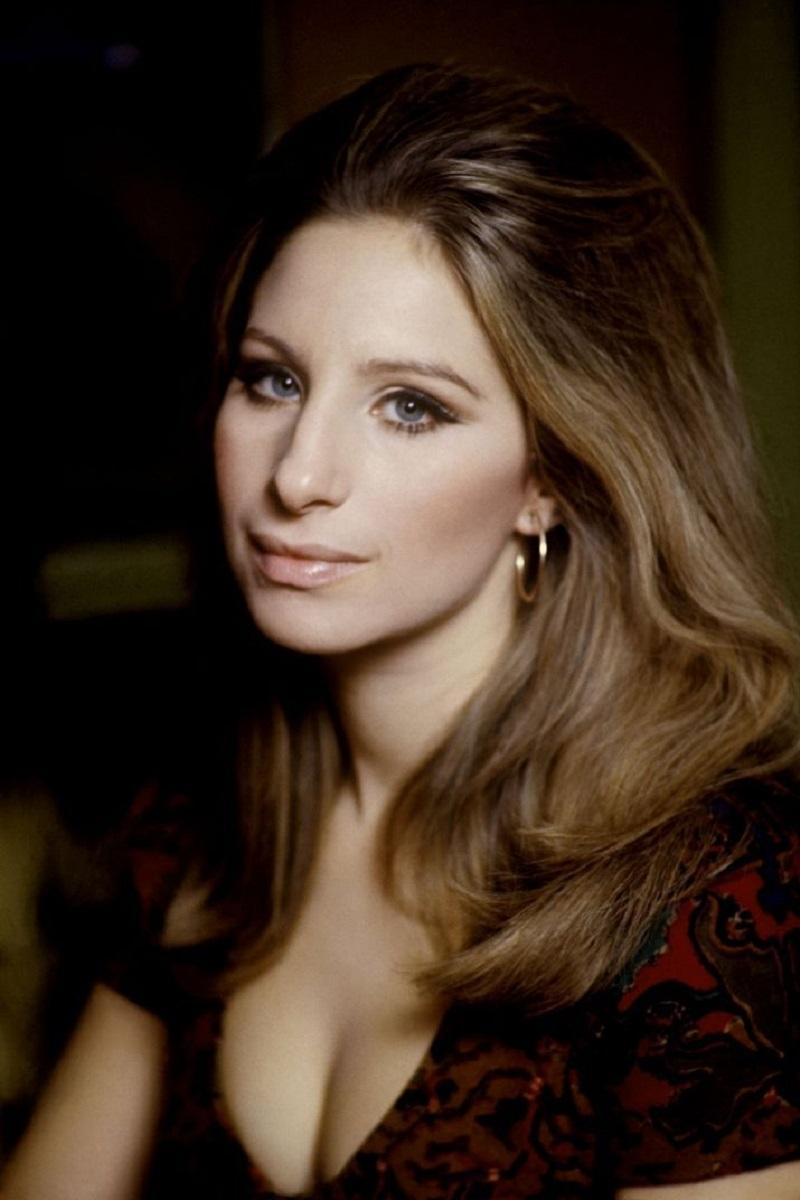
The production of the 1969 musical ‘Hello, Dolly!’ was famously marred by the hostile relationship between Streisand and director Gene Kelly. The two stars clashed so frequently over creative decisions that they eventually ceased all direct communication on the set. Kelly reportedly found the actress’s behavior difficult to manage, while Streisand felt the director was too rigid in his approach. This professional breakdown required the cast and crew to navigate a tense environment where messages were often relayed through third parties. Despite the behind-the-scenes drama, the film went on to receive several Academy Award nominations.
Blake Lively
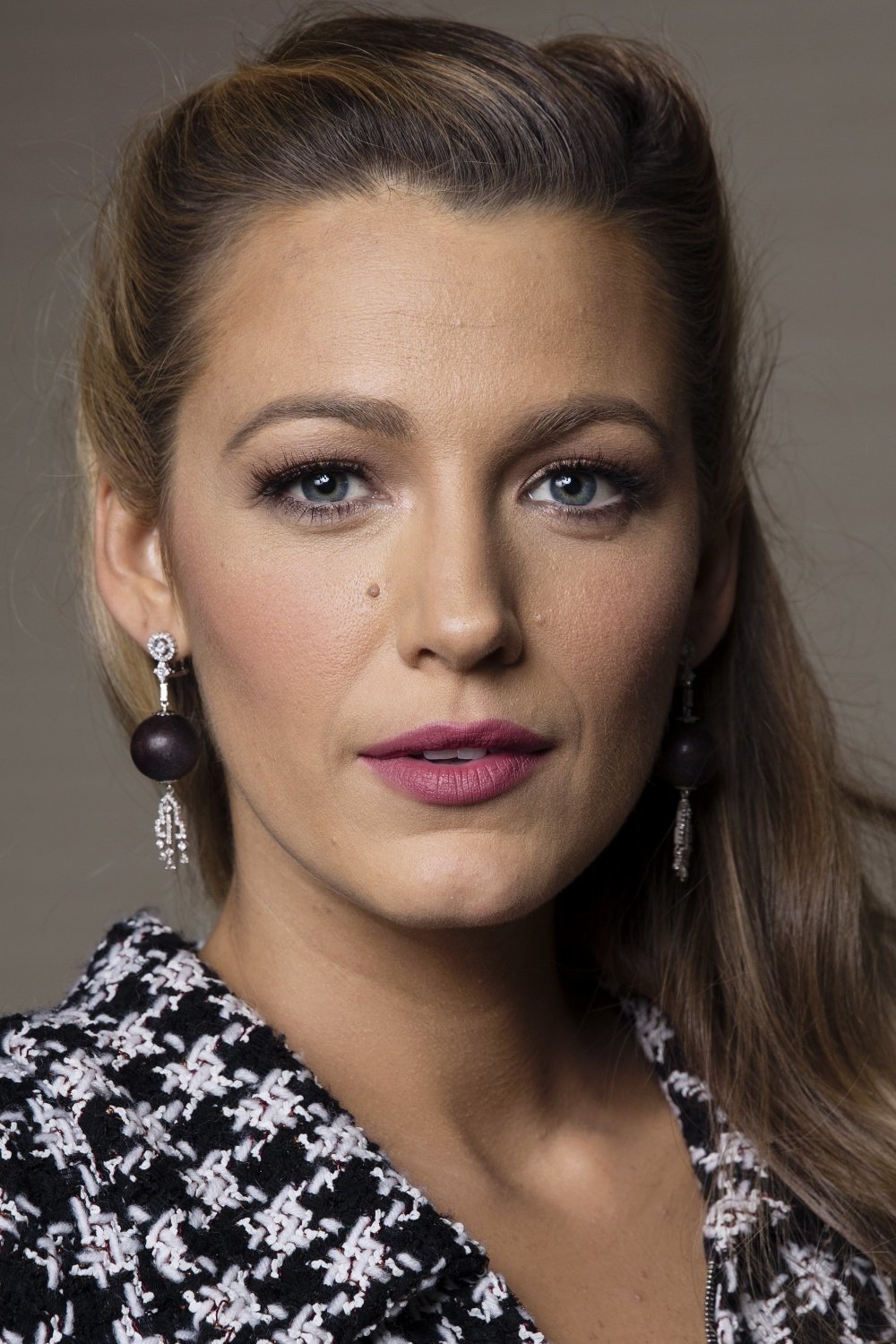
Reports surfaced in 2024 regarding a significant rift between Lively and director-actor Justin Baldoni on the set of ‘It Ends With Us’. Industry insiders alleged that the two had creative differences that led to a complete lack of direct communication during the production. Lively reportedly preferred to work with a separate editing team and avoided speaking to Baldoni throughout the latter stages of the shoot. The tension was palpable during the film’s press tour, where the two were never photographed together in a group setting. This dispute highlighted the complexities of maintaining a professional relationship when creative visions and production roles clash.
Debra Winger
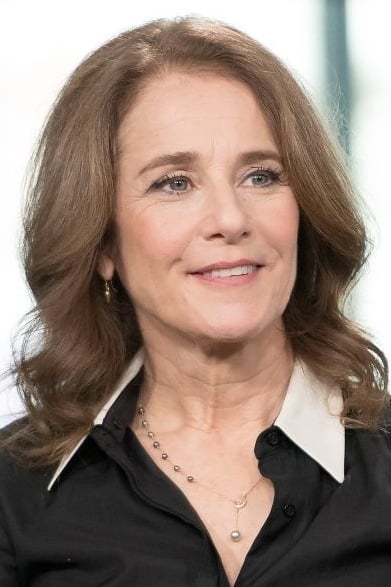
During the filming of ‘An Officer and a Gentleman’, Winger developed an intense animosity toward director Taylor Hackford. She reportedly referred to him in derogatory terms and ceased direct communication with him during the production. This behavior forced others on the set to act as bridges between the actress and the director to ensure filming could continue. Winger has been open in later years about her dissatisfaction with the film and the working environment. Despite the internal conflict, the movie became a critical and commercial success.
Faye Dunaway

While filming the classic noir ‘Chinatown’, Dunaway had a notoriously volatile relationship with director Roman Polanski. The friction reached a peak when the actress allegedly refused to speak to the director after he pulled a stray hair from her head during a take. Their communication became so strained that they frequently required intermediaries to pass messages on the set of the film. Polanski later described the experience as a constant battle, noting that the actress was extremely difficult to collaborate with under pressure. This legendary conflict remains one of the most famous examples of director-actor friction in the history of cinema.
Jennifer Lopez

While filming the 2012 comedy ‘What to Expect When You’re Expecting’, reports surfaced that Lopez maintained a strict policy of silence toward the crew and director. She allegedly refused to communicate directly with anyone on set, opting instead to relay all messages through her personal assistant. This behavior created a challenging atmosphere for the production team, who had to navigate these communication barriers daily. Insiders claimed that the actress maintained this distance to stay focused on her role, though it was perceived as cold by many colleagues. This instance is often highlighted in discussions regarding the demanding nature of high-profile celebrities on film sets.
Julia Roberts
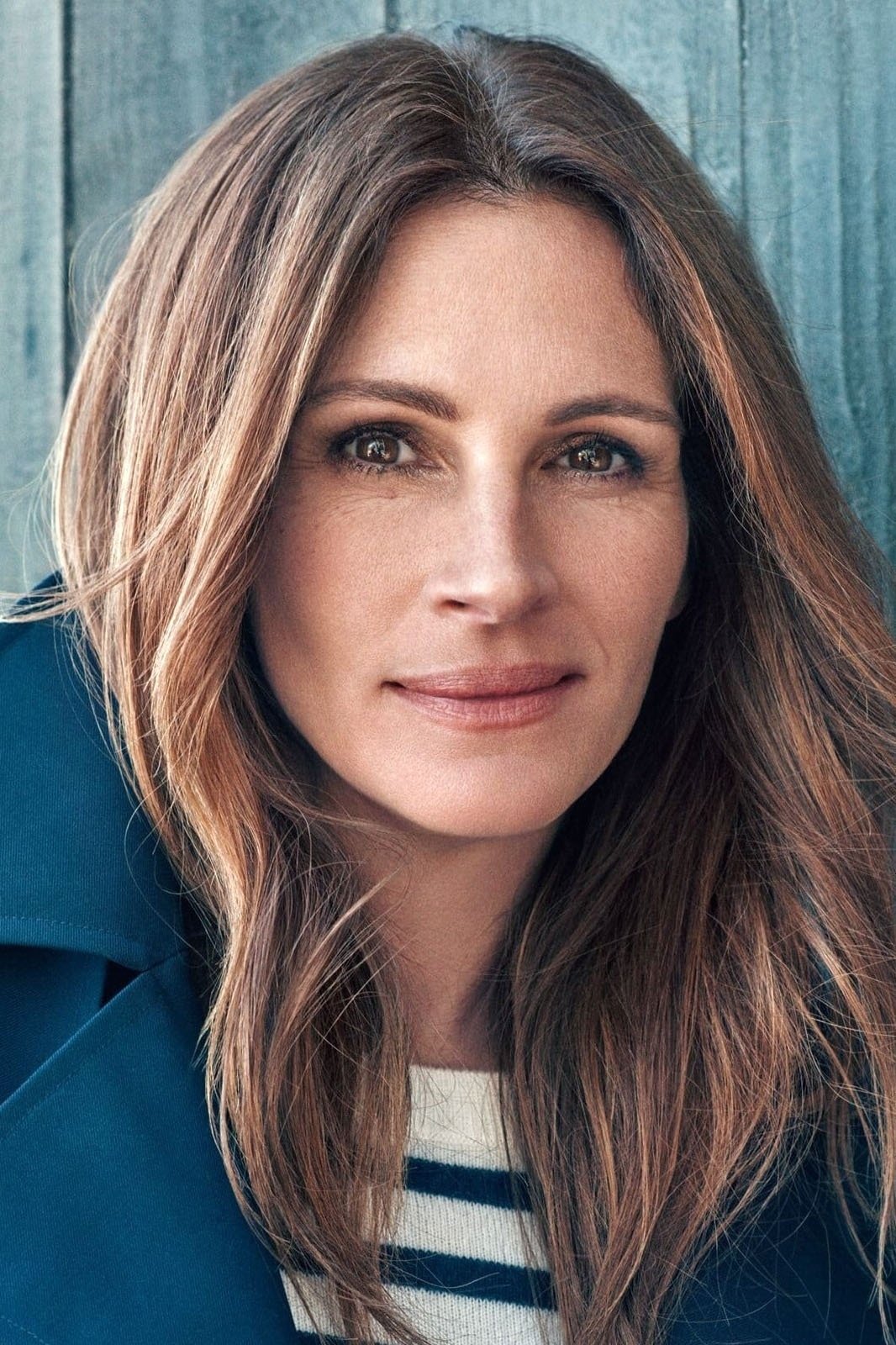
During the production of the 1991 fantasy film ‘Hook’, Roberts earned the nickname “Tinkerhell” from the crew due to her difficult behavior. Dealing with personal turmoil at the time, the actress reportedly retreated into isolation and avoided direct communication with director Steven Spielberg. The tension became so significant that Spielberg later admitted in interviews that it was a challenging experience for everyone involved on the set. Roberts was often confined to her trailer, leaving the production to manage around her lack of direct engagement. This period of her career is frequently cited as a rare instance of friction for the typically beloved star.
Kim Basinger
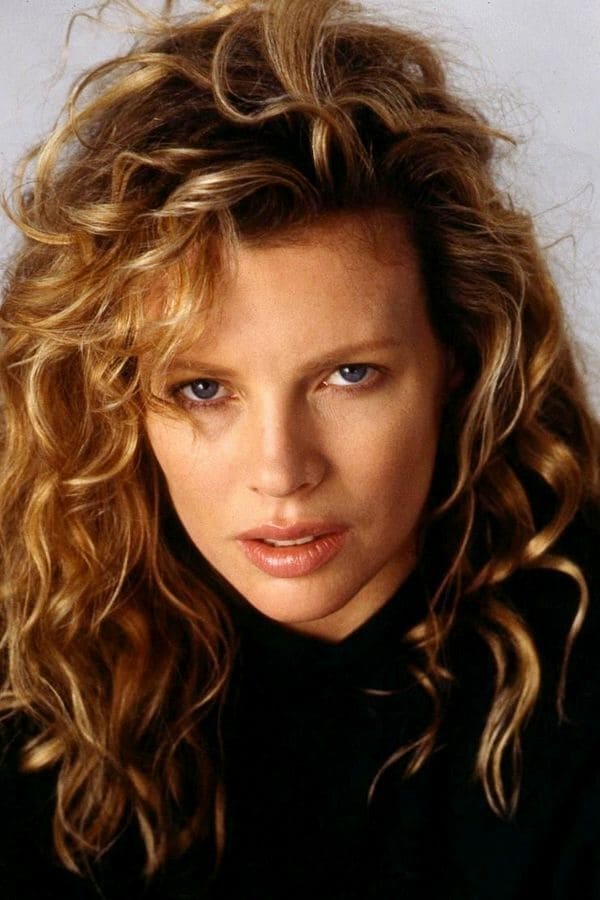
During the production of the erotic drama ‘9 1/2 Weeks’, director Adrian Lyne used controversial techniques to elicit a specific performance from Basinger. He intentionally fostered a hostile environment, which led to the actress refusing to speak to him for a significant portion of the ten-week shoot. Basinger reportedly felt manipulated and isolated, leading to a total breakdown in their professional communication. Lyne later admitted that the silence between them was part of his strategy to keep her in a state of emotional vulnerability. This method resulted in a powerful performance but left a lasting rift between the two.
Linda Fiorentino
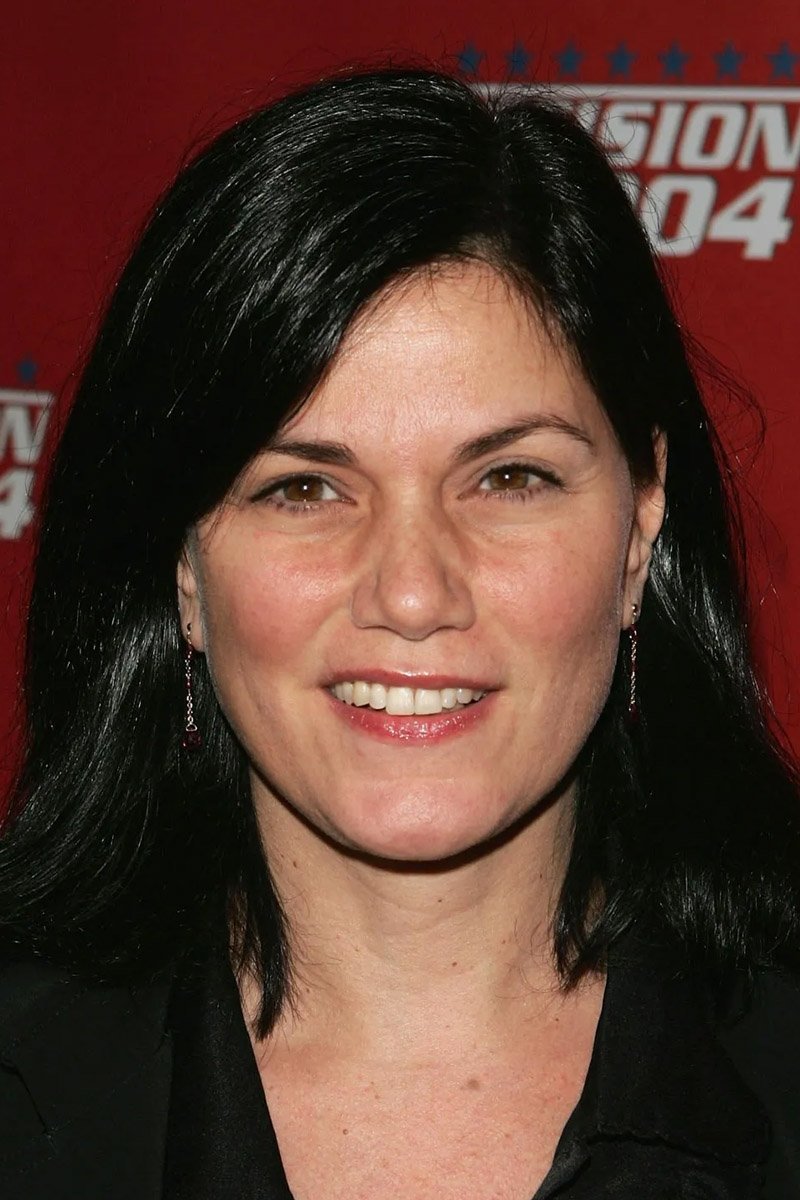
Director Kevin Smith famously detailed his struggles working with this actress on the 1999 film ‘Dogma’. He stated that there were days when she simply refused to speak to him, making the directing process nearly impossible. Smith later remarked that he felt intimidated by her behavior and expressed regret over the casting choice. The tension reached a point where communication was essentially non-existent between the two parties on set. This professional rift remains one of the most cited examples of on-set friction in independent cinema.
Sharon Stone
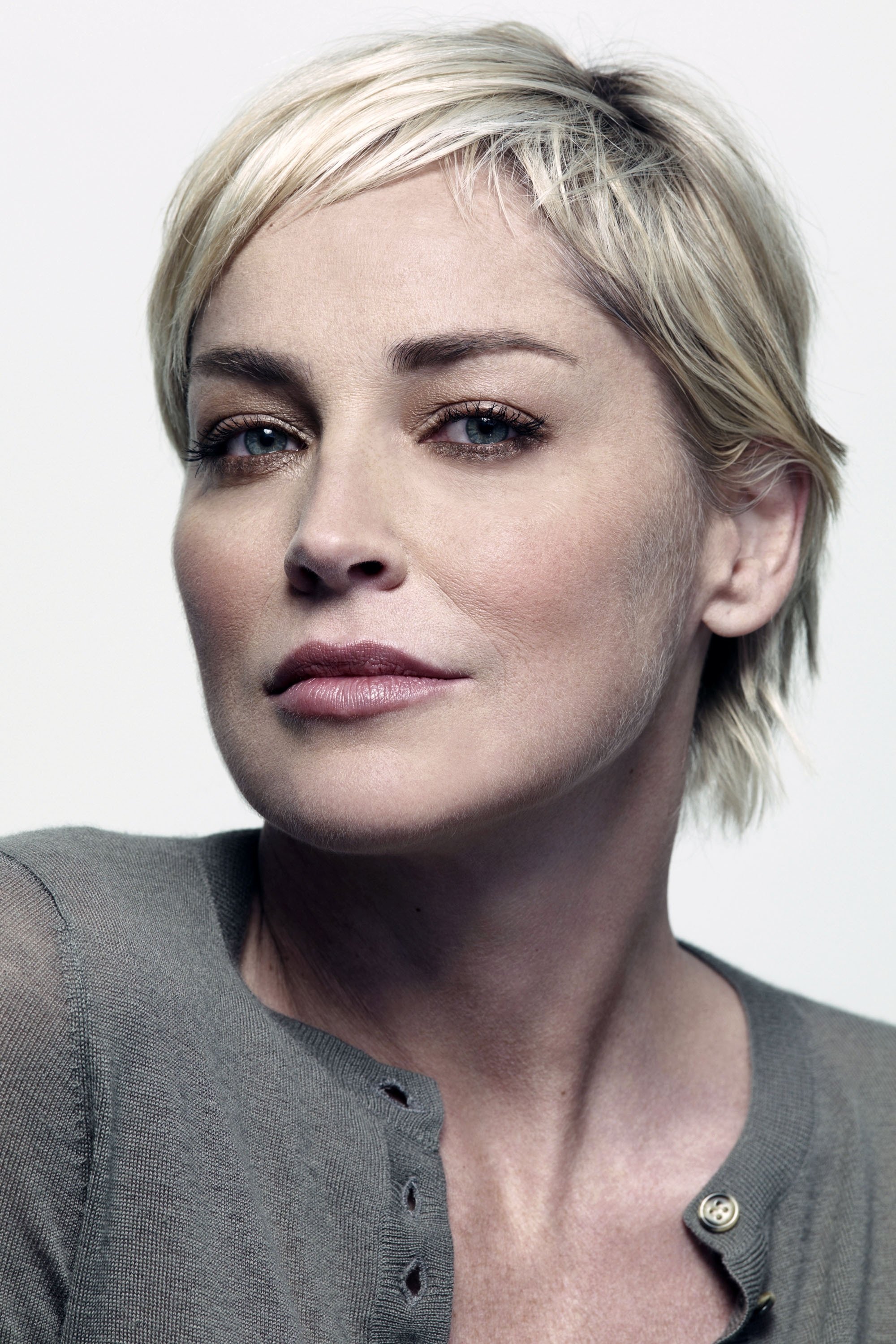
Italian director Pupi Avati shared his experiences working with Stone on the 2014 film ‘A Golden Boy’. He claimed that Stone was extremely difficult to manage and eventually refused to speak to him altogether. According to Avati, she would only communicate through her brother or personal assistants to relay messages to the production team. This breakdown occurred after a specific incident involving a camera crew that Stone did not want present. The director described the situation as an unbearable experience for the entire crew.
Tippi Hedren
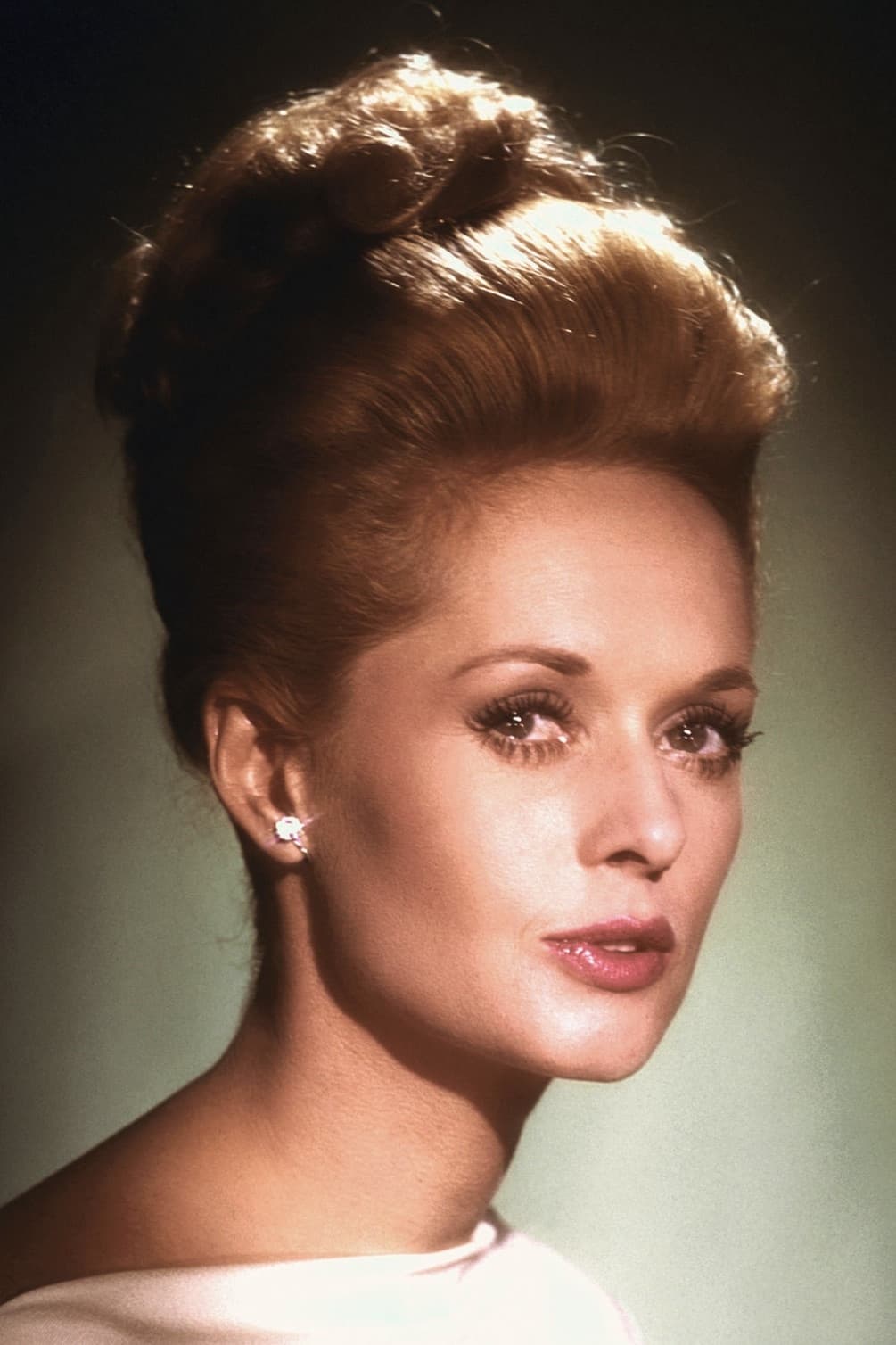
The professional relationship between Hedren and Alfred Hitchcock famously disintegrated during the filming of ‘Marnie’. As Hitchcock’s obsession with the actress grew, she began to rebuff his advances, leading to a total breakdown in their relationship. Hitchcock eventually refused to address her by name and would only refer to her as “the girl” to his staff. Instructions for her scenes were delivered through intermediaries rather than through direct conversation. Hedren later spoke out about the psychological toll this period of silence and isolation took on her.
Share your thoughts on these notorious on-set communication breakdowns in the comments.