Cate Blanchett, 56, Defies Time – Looks Unchanged 21 Years After ‘The Lord of the Rings’

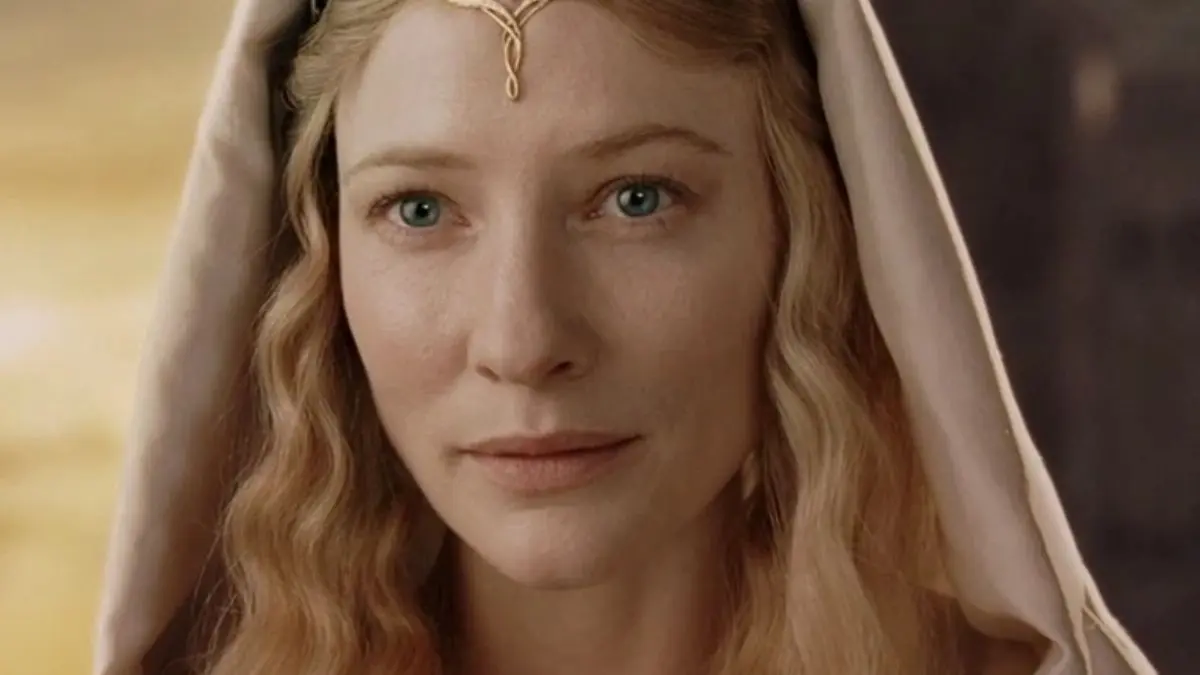

Cate Blanchett’s rise from Australian stage actress to Hollywood icon has been a remarkable journey, defined by daring choices, unforgettable performances, and her role in a landmark film series.
The actress first appeared on stage in 1992 in David Mamet’s play Oleanna, opposite Geoffrey Rush for the Sydney Theatre Company. That same year, she took on the role of Clytemnestra in Sophocles’ Electra. When the lead actress dropped out weeks into rehearsals, Blanchett stepped in and delivered a performance that earned her acclaim at the National Institute of Dramatic Art (NIDA).
Her early career was marked by rapid success, winning the Sydney Theatre Critics’ Best Newcomer Award for her work in Kafka Dances and Best Actress for Oleanna in 1993, making her the first actor to achieve both in the same year. She also played Ophelia in Hamlet in 1994–1995 and received a Green Room Award nomination.
Blanchett transitioned to screen work with roles in Australian television, including the 1994 miniseries Heartland alongside Ernie Dingo, followed by Bordertown in 1995 with Hugo Weaving, and an episode of Police Rescue. Her feature film debut came in 1997 with Paradise Road, portraying an Australian nurse in a World War II setting.
That same year, she starred in Oscar and Lucinda, earning praise for her role opposite Ralph Fiennes. Critics called her a “luminous newcomer,” and she received her first Australian Film Institute (AFI) Best Leading Actress nomination. Blanchett also won the AFI Best Actress Award for Thank God He Met Lizzie in 1997.
Her international breakthrough came in 1998 when she played a young Elizabeth I in Shekhar Kapur’s Elizabeth. The role earned her a Golden Globe, BAFTA, and Academy Award nominations, marking her as a formidable talent on the global stage. Critics praised her portrayal for its intelligence and poise, with David Rooney from Variety noting that Blanchett “builds the juicy character almost imperceptibly from a smart but wary young woman into a powerful creature of her own invention.”
The role that truly cemented Blanchett’s place in Hollywood was Galadriel in Peter Jackson’s The Lord of the Rings trilogy, beginning in 2001. The films were a massive success, grossing nearly $3 billion worldwide and ranking among the greatest fantasy movies of all time.
Playing the ethereal elf leader gave Blanchett international recognition and a lasting association with one of cinema’s most beloved franchises. It also allowed her to diversify her roles in mainstream Hollywood, including Charlotte Gray, The Shipping News, and Bandits, where critics noted her comedic talent alongside Billy Bob Thornton.
Following The Lord of the Rings, Blanchett’s career expanded across genres and continents. She earned an Academy Award for Best Supporting Actress in 2005 for portraying Katharine Hepburn in Martin Scorsese’s The Aviator, making her the first actor to win an Oscar for portraying another Oscar-winning actor.
She continued to deliver acclaimed performances in films like Little Fish, The Life Aquatic with Steve Zissou, Notes on a Scandal, and Babel. Critics praised her range, often noting her ability to embody characters with emotional depth and precision.
Blanchett also maintained her strong presence in theater. She took on classic roles, including Hedda Gabler in 2006 and Blanche DuBois in A Streetcar Named Desire in 2009. Critics lauded her stage performances, with The New Yorker declaring her portrayal of Blanche DuBois “the best performance of this role in my lifetime.” She served as co-CEO and artistic director of the Sydney Theatre Company from 2008 to 2013, balancing administrative responsibilities with acting.
In the 2010s, Blanchett expanded into film and television projects that showcased her versatility. She starred in Woody Allen’s Blue Jasmine, Disney’s Cinderella, Todd Haynes’ Carol, and narrated the documentary Voyage of Time. She reprised Galadriel in The Hobbit trilogy and participated in major ensemble films like The Monuments Men and Thor: Ragnarok.
Blanchett’s career continued to reach new heights with her roles in television miniseries like Stateless and Mrs. America, both earning her Emmy and Golden Globe nominations. She also gained critical acclaim for her performance in 2022’s Tár, winning multiple awards and cementing her reputation as one of the greatest contemporary actors.
Looking back, The Lord of the Rings was pivotal for Blanchett. The trilogy introduced her to global audiences, showcased her ability to bring elegance and gravitas to fantastical roles, and gave her a platform to explore both blockbuster and character-driven projects. It marked a turning point, turning her from a respected Australian actor into a worldwide star capable of commanding attention on both screen and stage.
Blanchett’s career continues to thrive, with upcoming projects like Alpha Gang and A Manual for Cleaning Women, as well as reprising her role as Valka in How to Train Your Dragon 2. She also remains involved in producing through her company, Dirty Films.
Cate Blanchett’s journey proves how a single iconic role can change an actor’s career trajectory, but sustained success comes from versatility and dedication. The Lord of the Rings made her a household name, but her talent and choice of challenging roles kept her there. What do you think about the impact of fantasy franchises like The Lord of the Rings on actors’ careers? Share your thoughts in the comments.