Gay Actresses Who Were Quietly Blacklisted In Hollywood

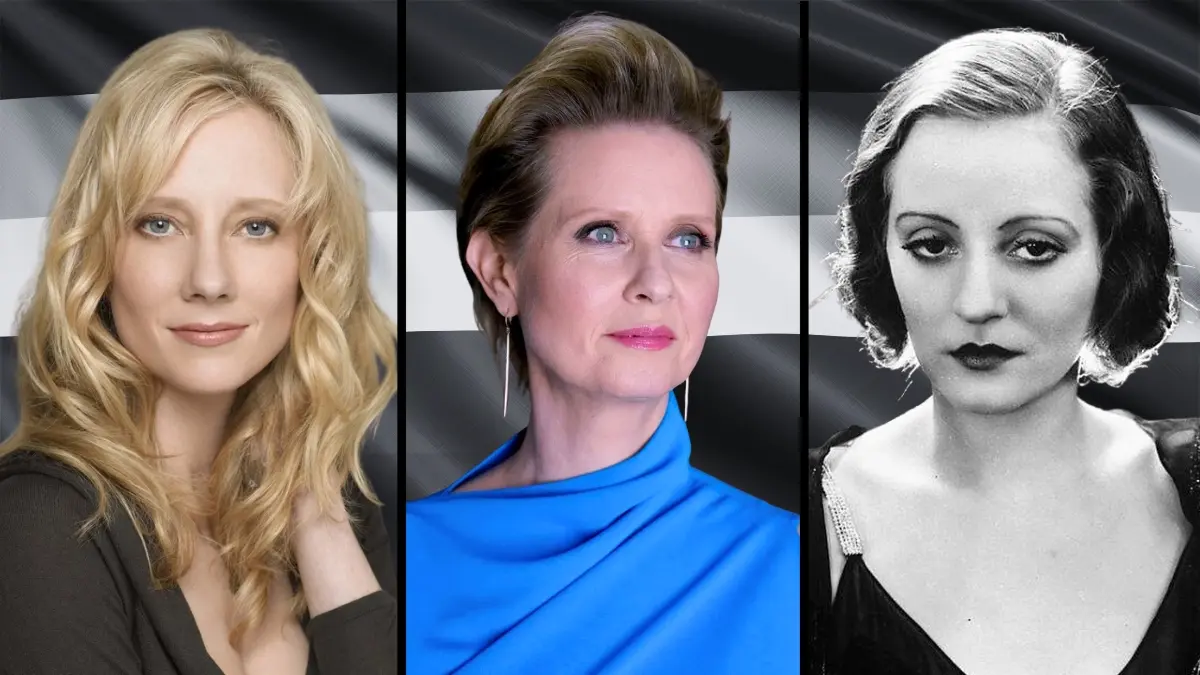

Throughout the history of the entertainment industry, the “Lavender Scare” and strict morality clauses often forced performers to hide their true identities to maintain their careers. For many gay actresses, coming out or being outed resulted in a sudden and perceptible decline in casting opportunities, leading to what many describe as a quiet blacklisting. These women often saw their trajectories shift from leading roles to character work or found themselves excluded from major studio projects entirely. While the industry has become more inclusive in recent decades, the professional repercussions faced by these actresses remain a significant chapter in Hollywood history.
Alla Nazimova
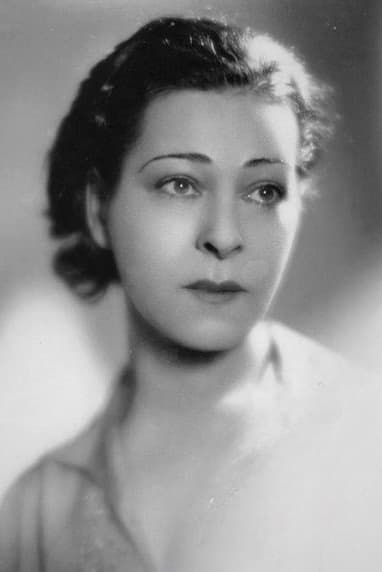
A titan of the silent film era, she was a highly influential star known for her avant-garde style and her role in the film ‘Salome’. She hosted legendary gatherings known as “sewing circles” for closeted women in the industry at her Garden of Allah estate. As rumors regarding her private life and unconventional lifestyle grew, major studios began to distance themselves from her. By the mid-1920s, her career as a top-tier leading lady had effectively ended, and she was forced into independent production and theater. Her downfall is often cited as one of the earliest examples of the industry punishing a star for her private identity.
Patsy Kelly
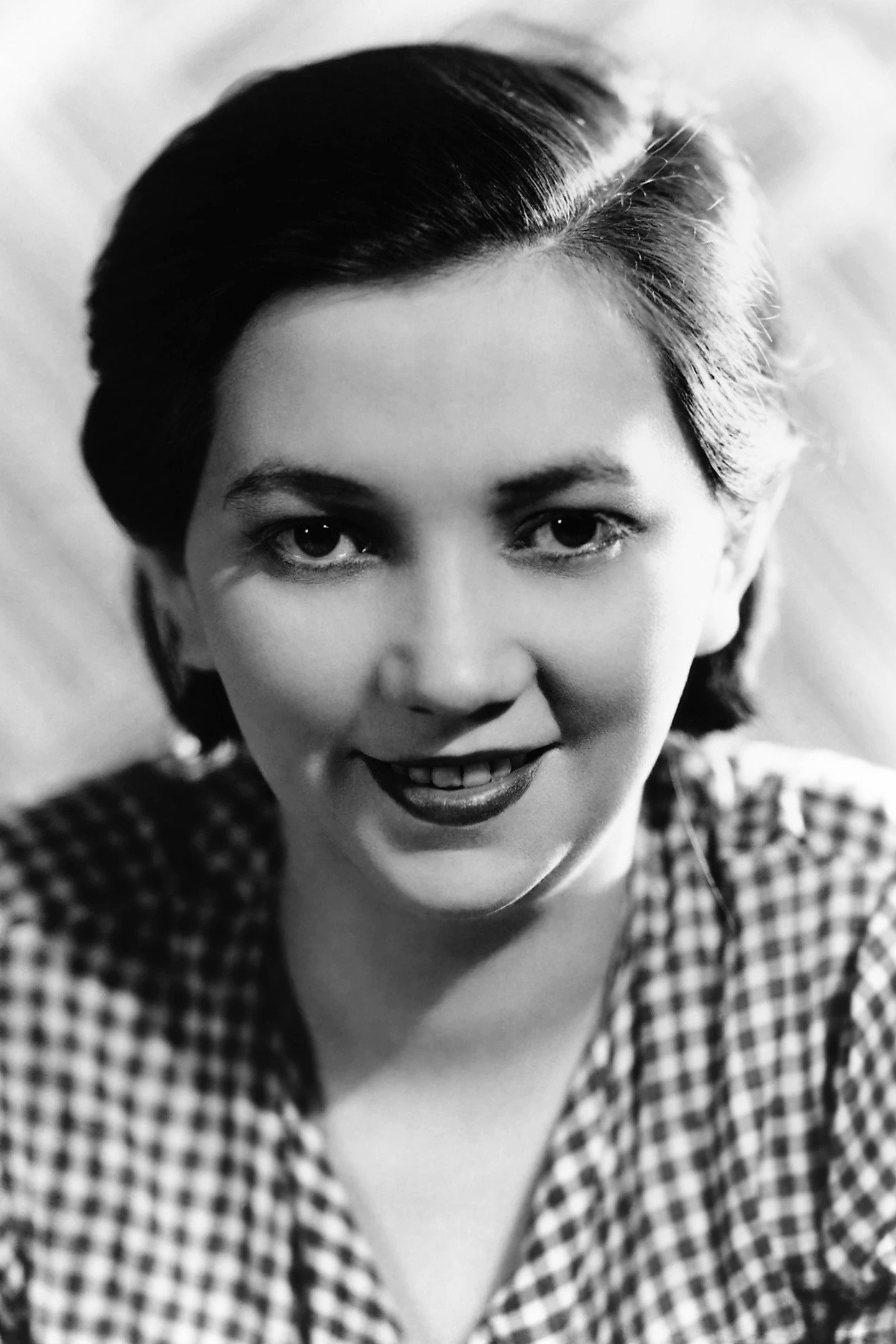
Known for her sharp comedic timing in the 1930s, she starred in popular films like ‘The Girl from Missouri’ and ‘Goose Step’. Unlike many of her contemporaries, she was relatively open about her sexuality within industry circles during a very conservative era. This openness eventually led to a lack of invitations from major studios, and she found herself unable to secure significant roles for many years. To survive during her professional exile, she reportedly worked as a domestic helper for other Hollywood stars. She did not experience a career resurgence until much later in life when social attitudes began to shift slightly.
Tallulah Bankhead

She was a celebrated stage and screen actress who delivered a powerhouse performance in Alfred Hitchcock’s ‘Lifeboat’. While she was never officially banned, her “bohemian” lifestyle and refusal to hide her attractions to women made her a target for industry moralists. Producers frequently viewed her as a liability, leading to long gaps between her film appearances despite her obvious talent. She often found herself relegated to theater or television guest spots rather than the prestige film roles her skill warranted. Her career trajectory illustrates how the industry used “reputational risk” as a tool for quiet exclusion.
Sheila James Kuehl
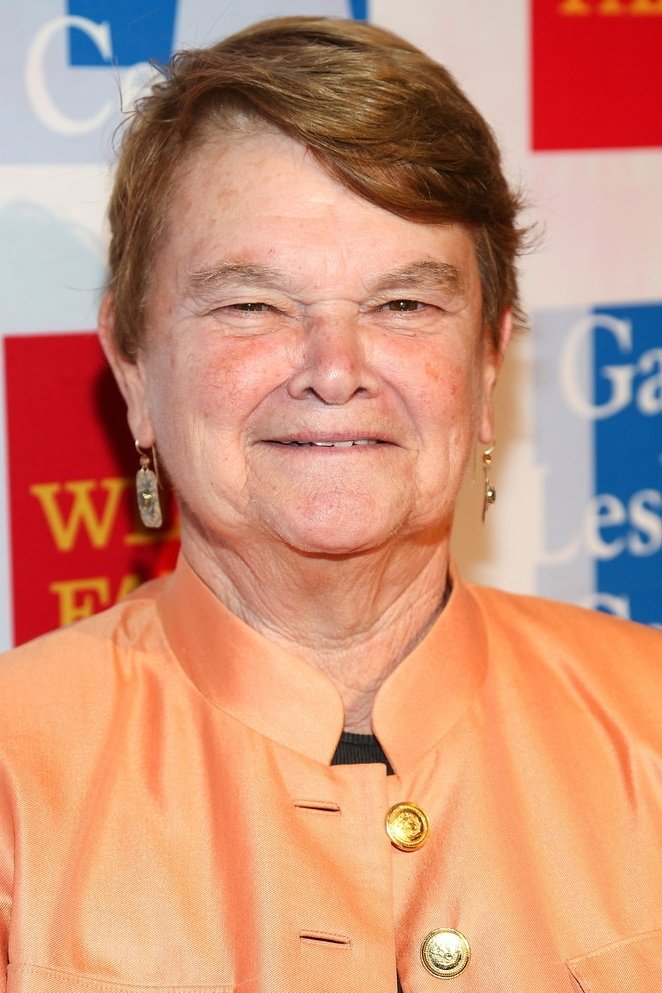
She achieved massive fame playing Zelda Gilroy in the popular television series ‘The Many Loves of Dobie Gillis’. When the network considered a spin-off focused on her character, executives reportedly scrapped the project after becoming aware of her sexuality. She found that her acting opportunities vanished almost overnight, as the industry at the time would not tolerate an out lesbian in a lead role. Recognizing that her career in front of the camera was over, she eventually left the industry to pursue a career in law and politics. She later became the first openly gay person elected to the California State Legislature.
Lily Tomlin
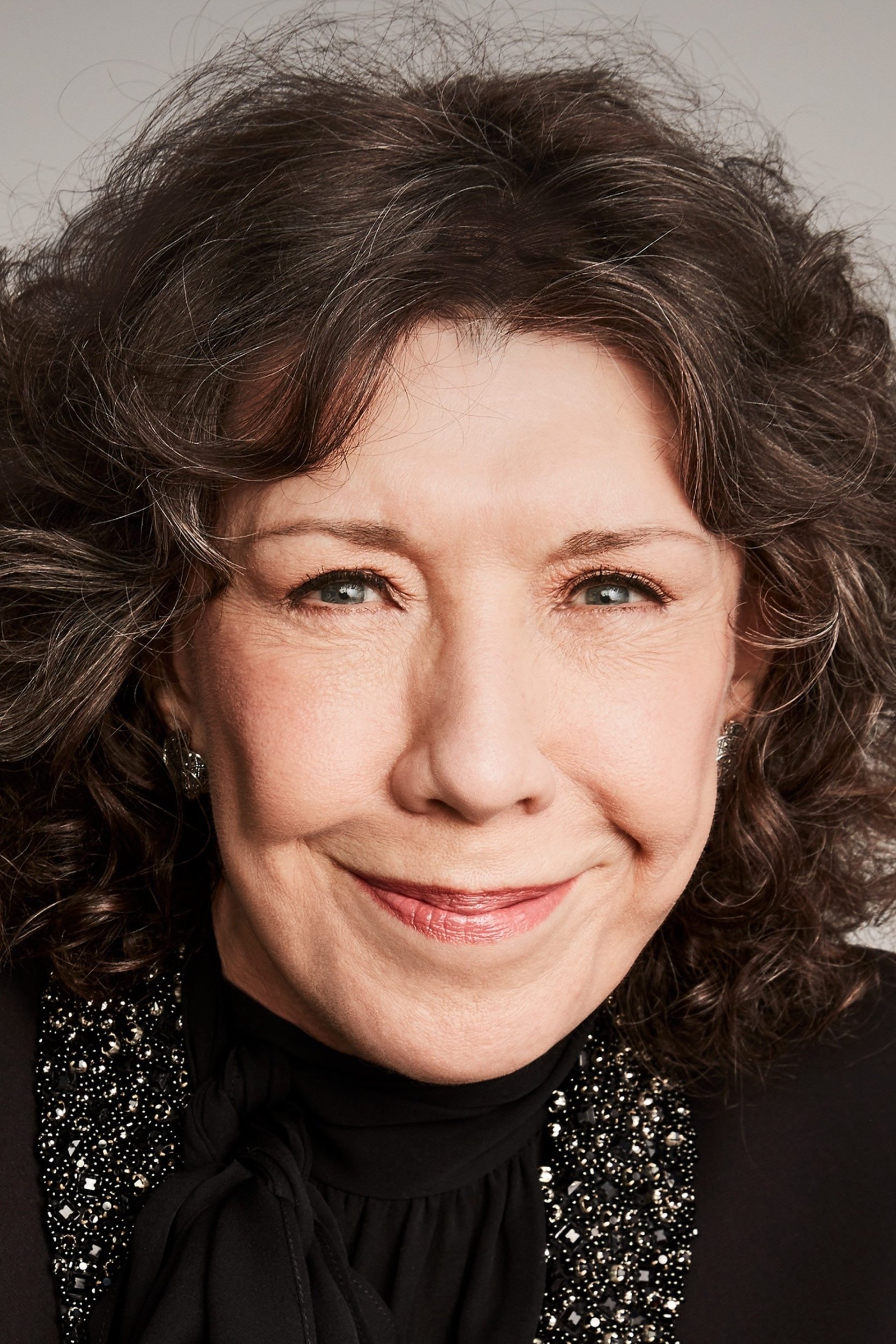
During the 1970s, she was a rising star with a successful variety show and an Oscar-nominated performance in ‘Nashville’. She was famously offered the cover of ‘Time’ magazine in 1975 if she would agree to come out, but she declined the opportunity. At the time, she was acutely aware that such a public admission would likely result in the immediate end of her film career. She managed to navigate Hollywood by remaining intensely private, though she has since spoken about the pervasive fear of blacklisting that governed her choices. Her strategic privacy allowed her to star in hits like ‘9 to 5’ while many of her more open peers were sidelined.
Amanda Bearse
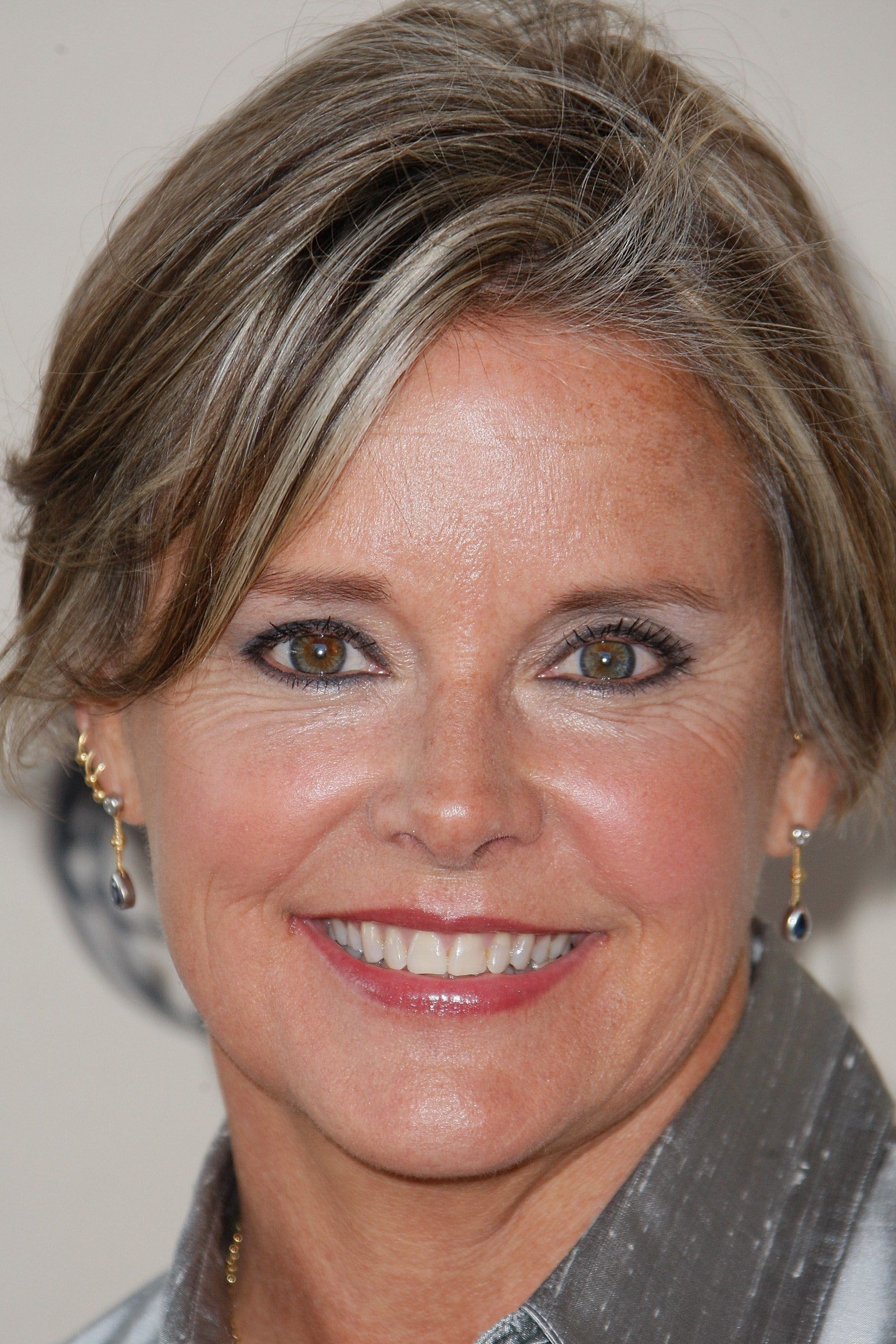
As a star of the long-running sitcom ‘Married… with Children’, she became one of the first high-profile actresses to come out publicly in 1993. Following her announcement, she observed a significant shift in how the industry perceived her as a performer. While she continued her role on the sitcom, she found it increasingly difficult to secure new acting roles in other major film or television projects. This professional stall led her to pivot behind the camera, where she built a successful second career as a director. She has frequently discussed how her visibility during the 1990s limited her opportunities in front of the lens.
Kristy McNichol

A beloved child star and two-time Emmy winner for ‘Family’, she was a major force in the industry throughout the late 1970s and 80s. However, as she transitioned into adulthood, the pressure of maintaining a public persona that conflicted with her private life took a heavy toll. She eventually walked away from her role on the sitcom ‘Empty Nest’ and retired from acting entirely in the 1990s. She later revealed that the stress of the industry’s “closet” and the fear of professional ruin were major factors in her departure. Her exit from Hollywood highlights the psychological impact of the industry’s historical intolerance.
Ellen DeGeneres
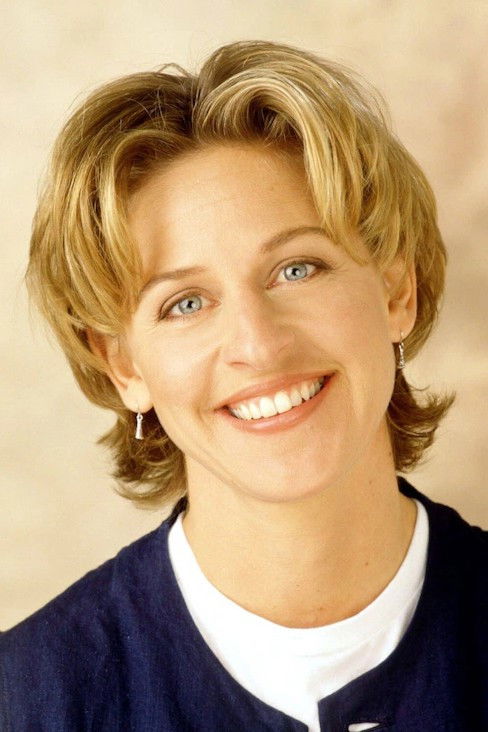
Her decision to come out on her self-titled sitcom ‘Ellen’ in 1997 remains one of the most famous moments in television history. The immediate aftermath was professionally devastating, as the show was canceled and she was effectively blacklisted from major acting roles for several years. She has recounted numerous instances of being rejected for parts because she was deemed “too gay” for mainstream audiences. It was not until the success of the animated film ‘Finding Nemo’ and her subsequent talk show that she regained her status in the industry. Her experience served as a modern reminder of the risks associated with breaking the industry’s silence.
Anne Heche
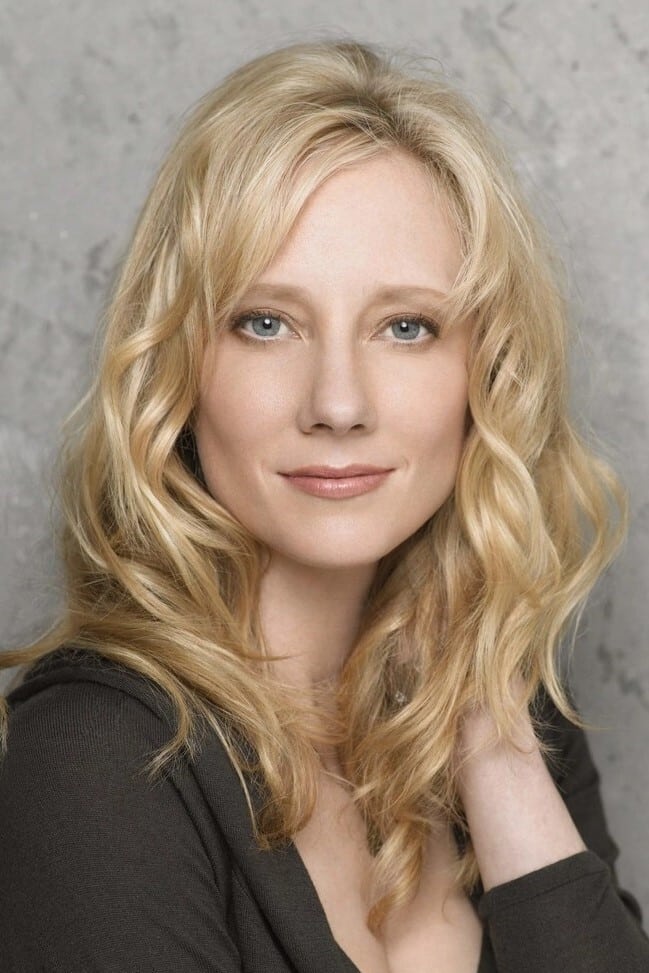
After going public with her relationship with Ellen DeGeneres, she experienced a sudden and sharp decline in her film career. Despite recently starring in the high-profile action film ‘Six Days, Seven Nights’, major studios reportedly stopped offering her leading roles. She claimed in multiple interviews that a lucrative multi-picture deal with Fox was terminated specifically because of her personal life. For over a decade, she was largely relegated to independent films and television guest appearances. She remained vocal throughout her life about the professional “chilling effect” her openness had caused.
Kelly McGillis
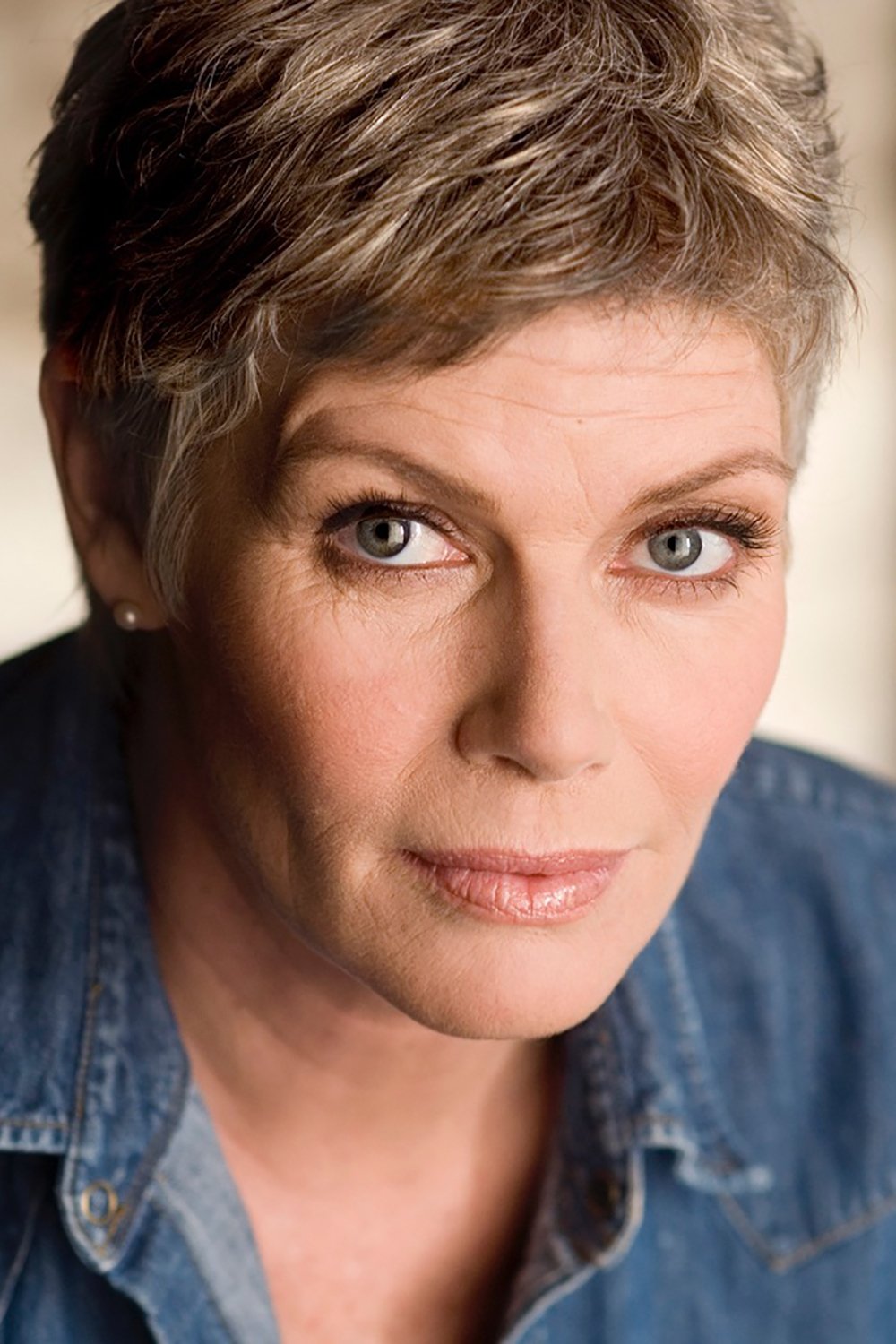
The star of massive 1980s hits like ‘Top Gun’ and ‘Witness’ saw her career trajectory change dramatically as she aged and became more open about her identity. She noted that once she stopped playing into the traditional “bombshell” archetype and was outed by the media, the roles dried up. The industry’s narrow definition of femininity and marketability made it difficult for her to transition into more mature roles as an out woman. She eventually stepped away from Hollywood to focus on theater and personal recovery work. She has since spoken candidly about how the industry discards actresses who do not conform to heteronormative standards.
Heather Matarazzo
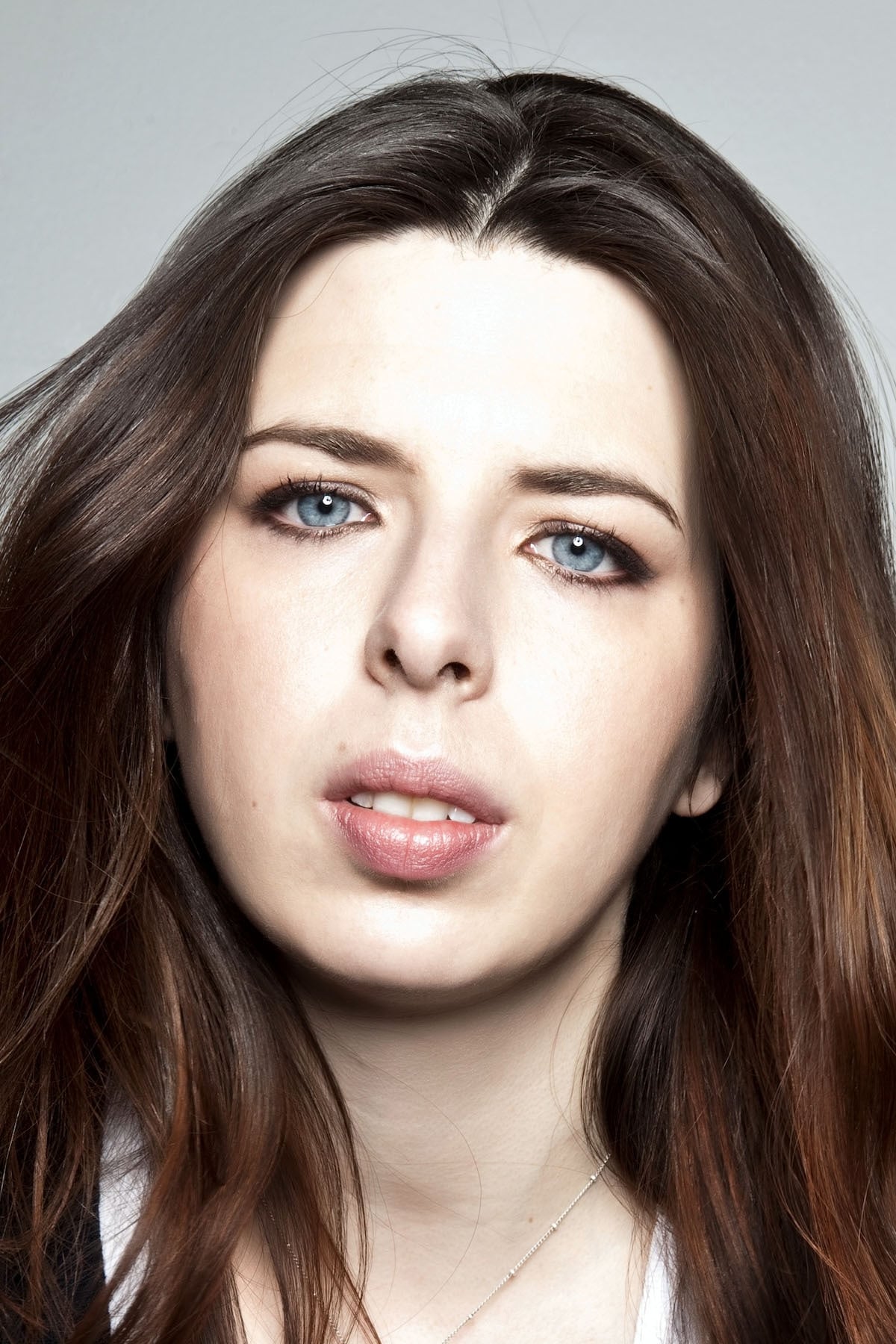
Known for her breakout role in ‘Welcome to the Dollhouse’, she has been very vocal about the “quiet blacklisting” she experienced after coming out. She noted that despite her talent and early success in ‘The Princess Diaries’, she suddenly found herself excluded from major auditions. In various interviews, she described a “glass ceiling” where she was no longer considered for roles that weren’t specifically written as “the gay friend.” She struggled for years to maintain a steady acting career in a system that she felt had marginalized her. Her story reflects the ongoing challenges faced by out actresses in securing diverse and substantial roles.
Rosie O’Donnell
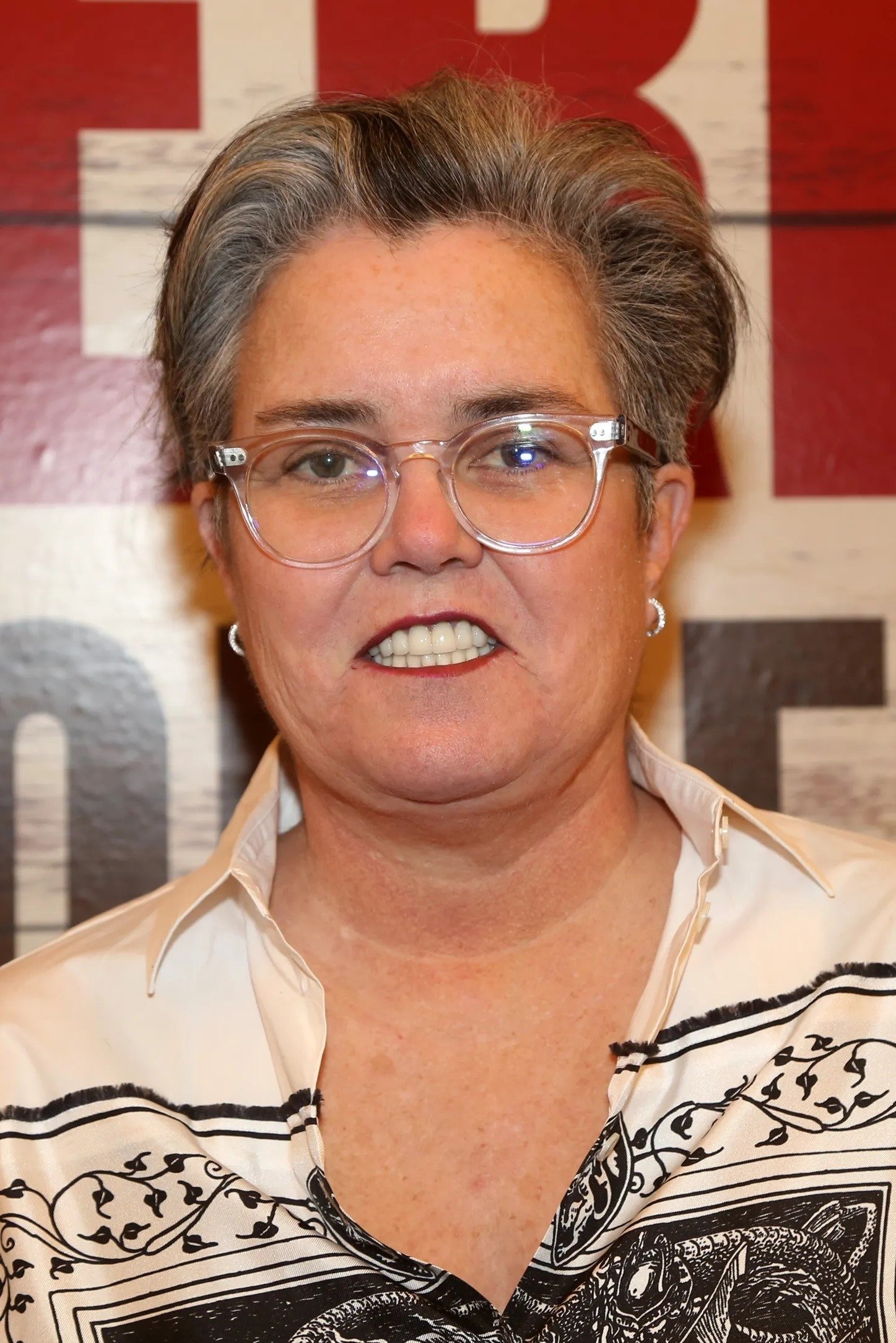
During the 1990s, she was known as “America’s Sweetheart” through her successful talk show and roles in films like ‘A League of Their Own’. After coming out in 2002, her public image was heavily scrutinized, and her career in family-oriented media underwent a significant shift. She found that the industry’s perception of her had changed, leading to fewer mainstream film offers than she had previously enjoyed. While she remained a public figure, her path as a leading actress in Hollywood films effectively stalled. She has since focused on hosting, Broadway, and advocacy work.
Leisha Hailey
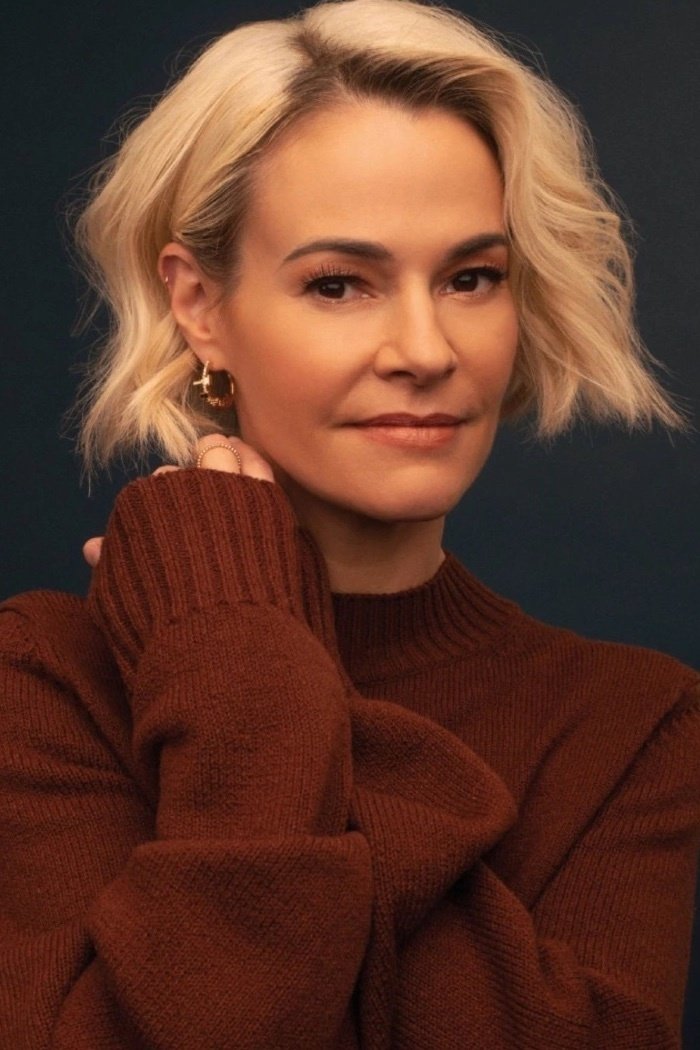
She gained significant fame starring in the groundbreaking series ‘The L Word’, which celebrated queer identity. However, she has discussed the difficulty of finding mainstream success in Hollywood after becoming synonymous with an openly gay character. She noted that being an “out” actress often led to being typecast or ignored for roles that were not explicitly LGBTQ+ focused. The industry’s tendency to pigeonhole out performers often acts as a form of quiet blacklisting from broader commercial projects. She has primarily balanced her career between independent projects and her work as a musician.
Cynthia Nixon
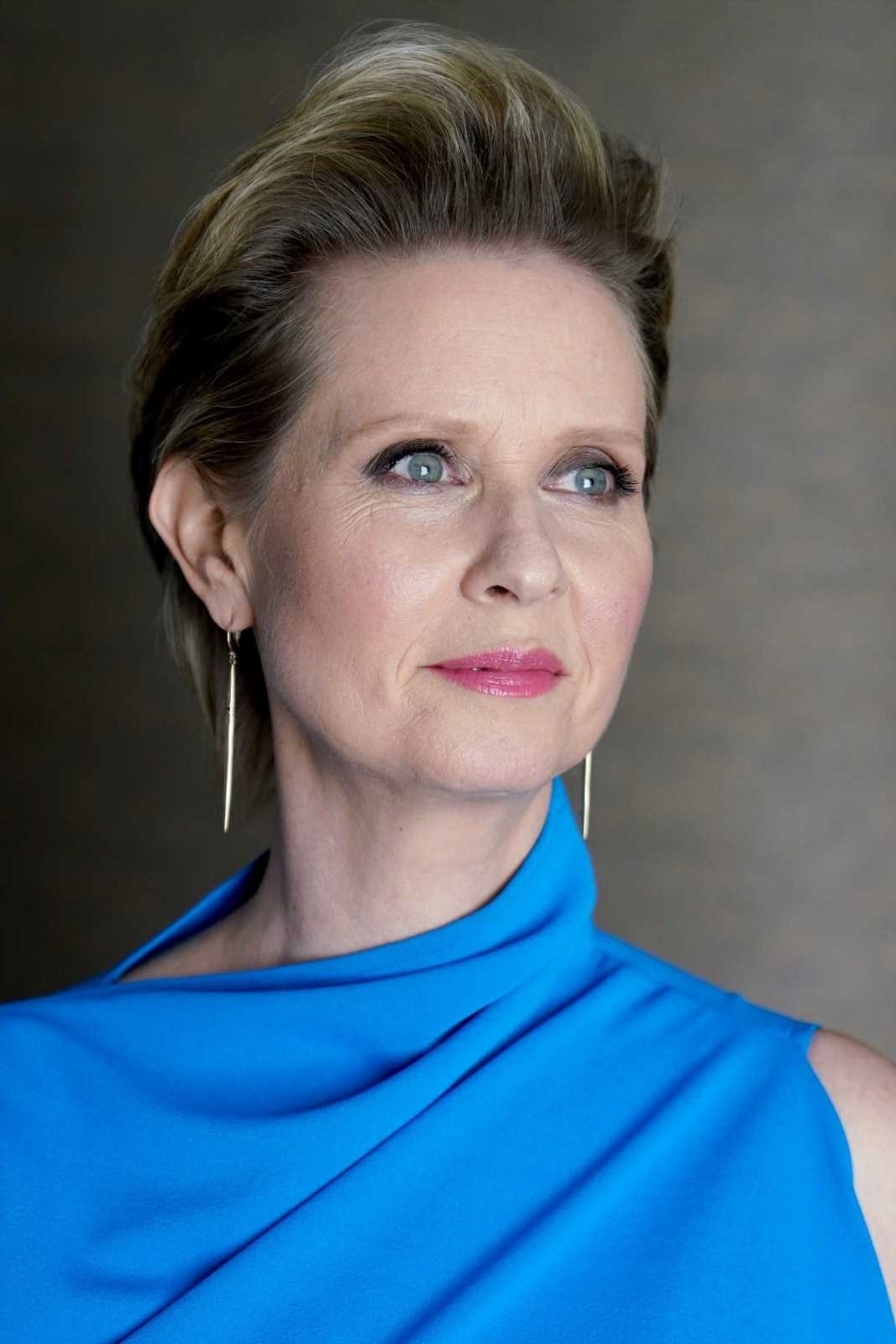
While she maintained a high-profile career on ‘Sex and the City’, she faced unique professional challenges after entering a relationship with a woman. She has spoken about the skepticism she encountered regarding her ability to play straight characters in the future. The public and industry focus on her personal life threatened to overshadow her professional capabilities during the mid-2000s. Although she continued to work, she noted that she had to work twice as hard to prove her versatility to skeptical casting directors. She eventually pivoted toward political activism, becoming a prominent figure in New York politics.
Wanda Sykes
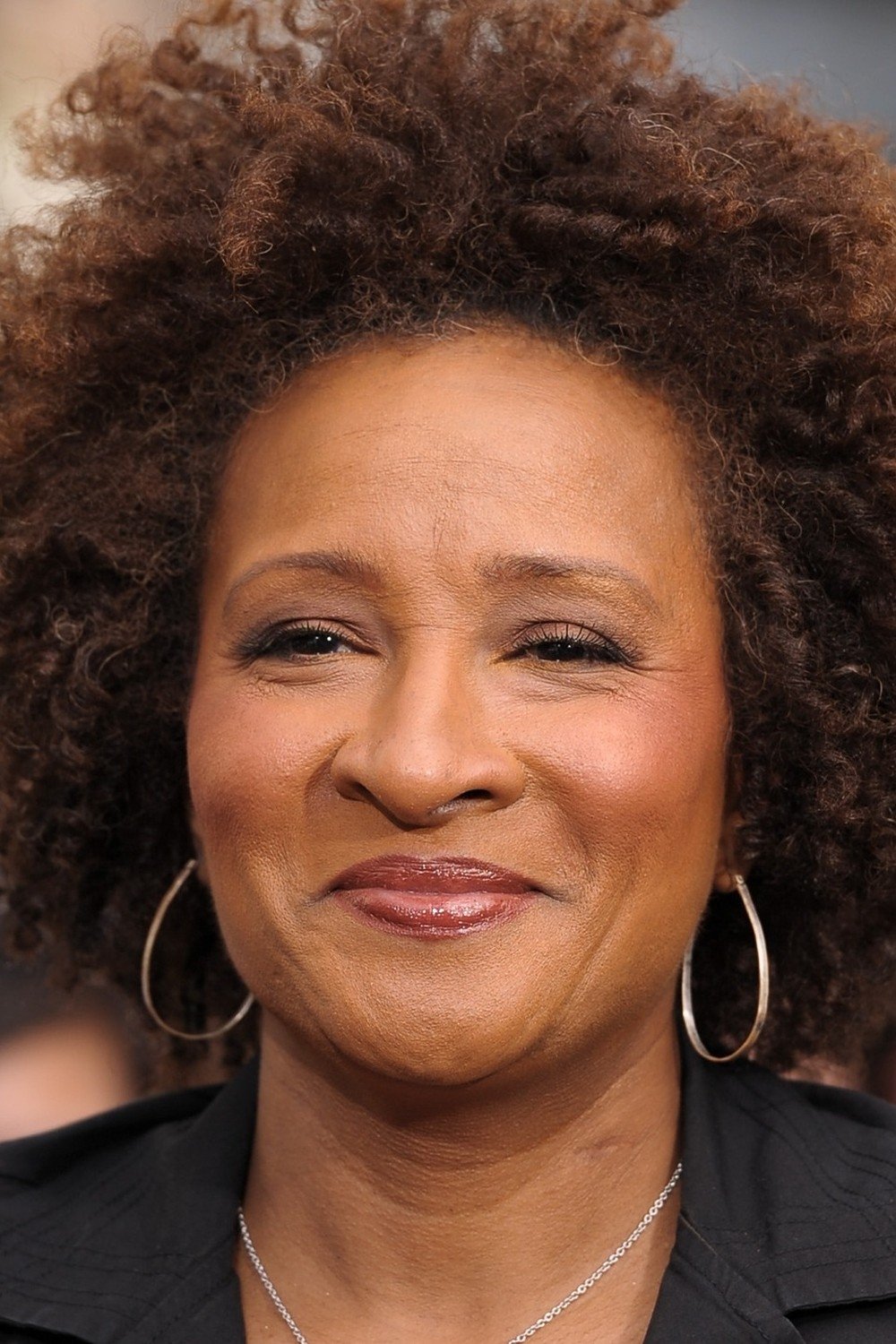
After coming out publicly in 2008, she observed a shift in how she was handled by corporate sponsors and certain segments of the entertainment industry. While she remained a successful comedian, she noted that the types of roles and commercial opportunities offered to her changed. She has discussed the reality of being “othered” by an industry that often struggles to market out Black lesbian performers. Her career highlights the intersectional challenges of being blacklisted or marginalized for both race and sexuality. She has largely carved out her own space through stand-up specials and voice-over work.
Cherry Jones
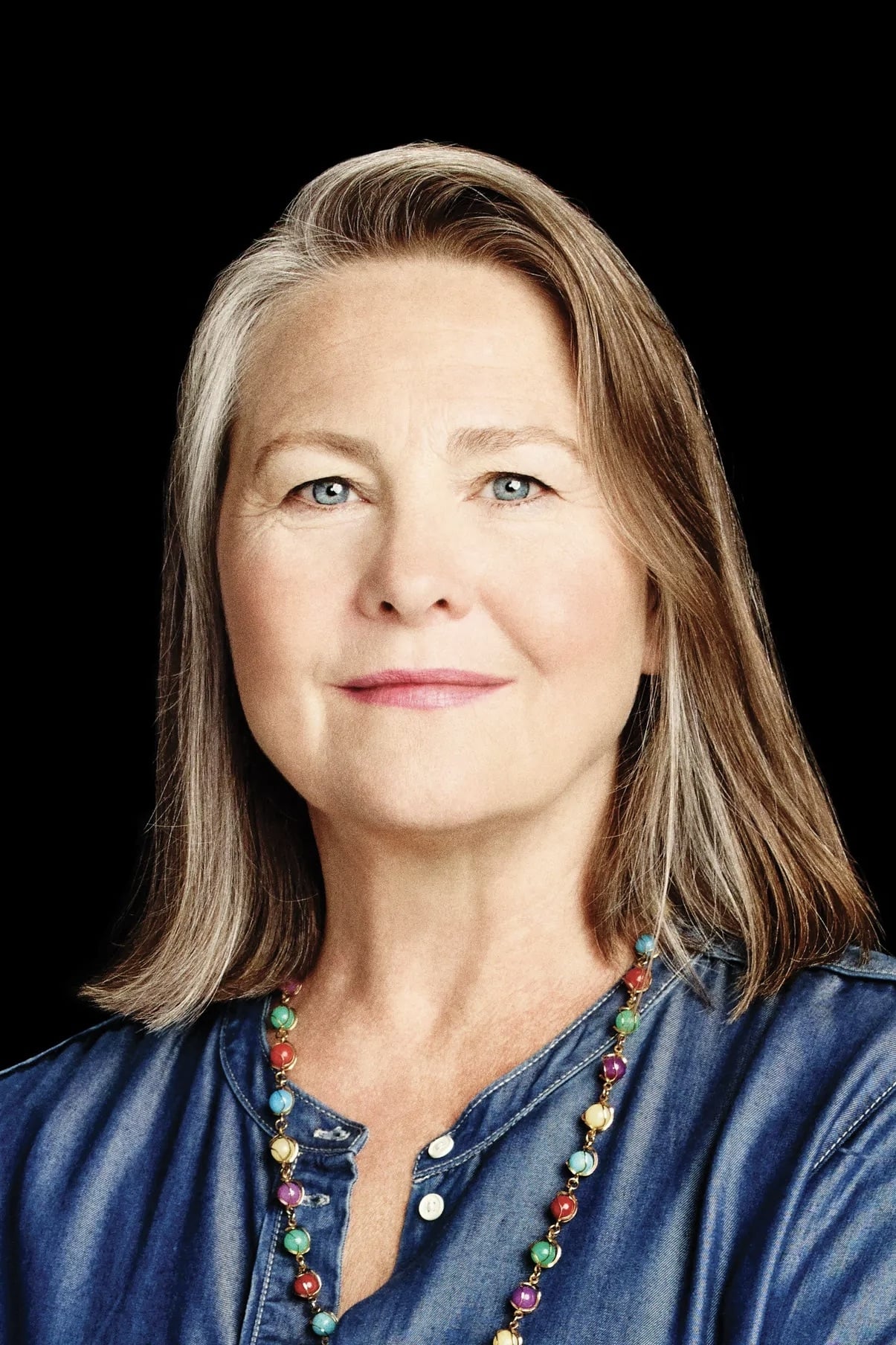
As one of the most respected actresses in theater, she has often found that her success on Broadway did not always translate to film and television. She has been open about her sexuality for most of her career, which was a rarity for her generation of performers. While she eventually found success in the series ’24’, she has noted that Hollywood was often hesitant to cast her in major film roles earlier in her career. The “theatrical” label was sometimes used as a euphemism by casting directors to avoid hiring an out actress for mainstream cinema. She remains a primary example of how talent can be restricted to specific mediums due to industry bias.
Sarah Paulson
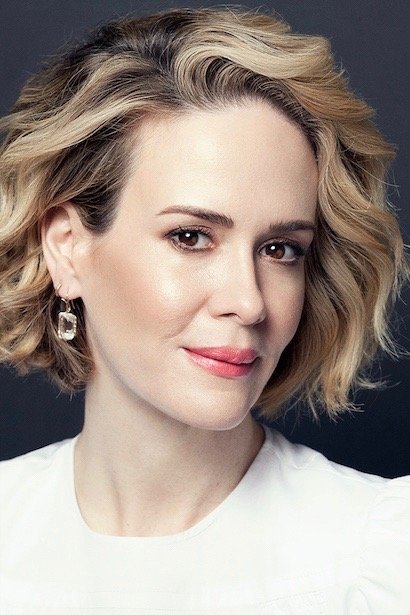
Now a major star of ‘American Horror Story’, she was once warned by industry insiders that her openness would damage her career. Early in her journey, she was told that being seen in a relationship with a woman would prevent her from being cast as a leading lady. This advice reflected the prevailing belief in Hollywood that an out actress could not be marketed as a romantic lead for general audiences. She has spoken about the fear she felt during those years and the pressure to keep her private life hidden. Her eventual success marked a significant shift in the industry’s ability to accept out performers in top-tier roles.
Holland Taylor
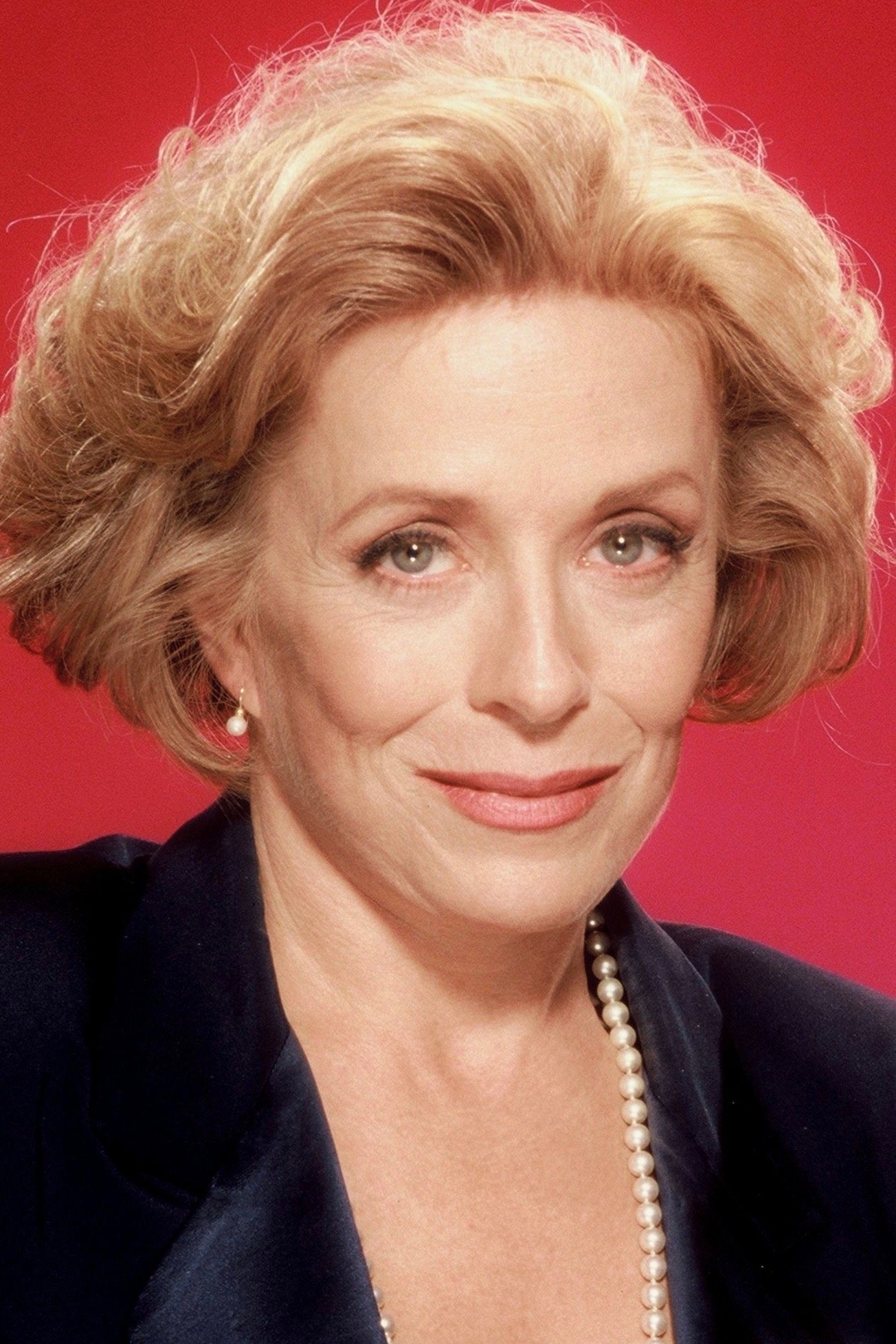
The ‘Two and a Half Men’ actress spent several decades maintaining an extremely private personal life to protect her professional standing. She has noted that for the majority of her career, there was an unspoken rule that coming out was equivalent to professional suicide. By staying quiet, she was able to work steadily in character roles across television and film without the stigma of the “gay” label. It was only later in her life that she felt comfortable being open about her long-term relationship. Her long period of silence highlights the “quiet” nature of the blacklisting threats that loomed over her generation.
Linda Hunt
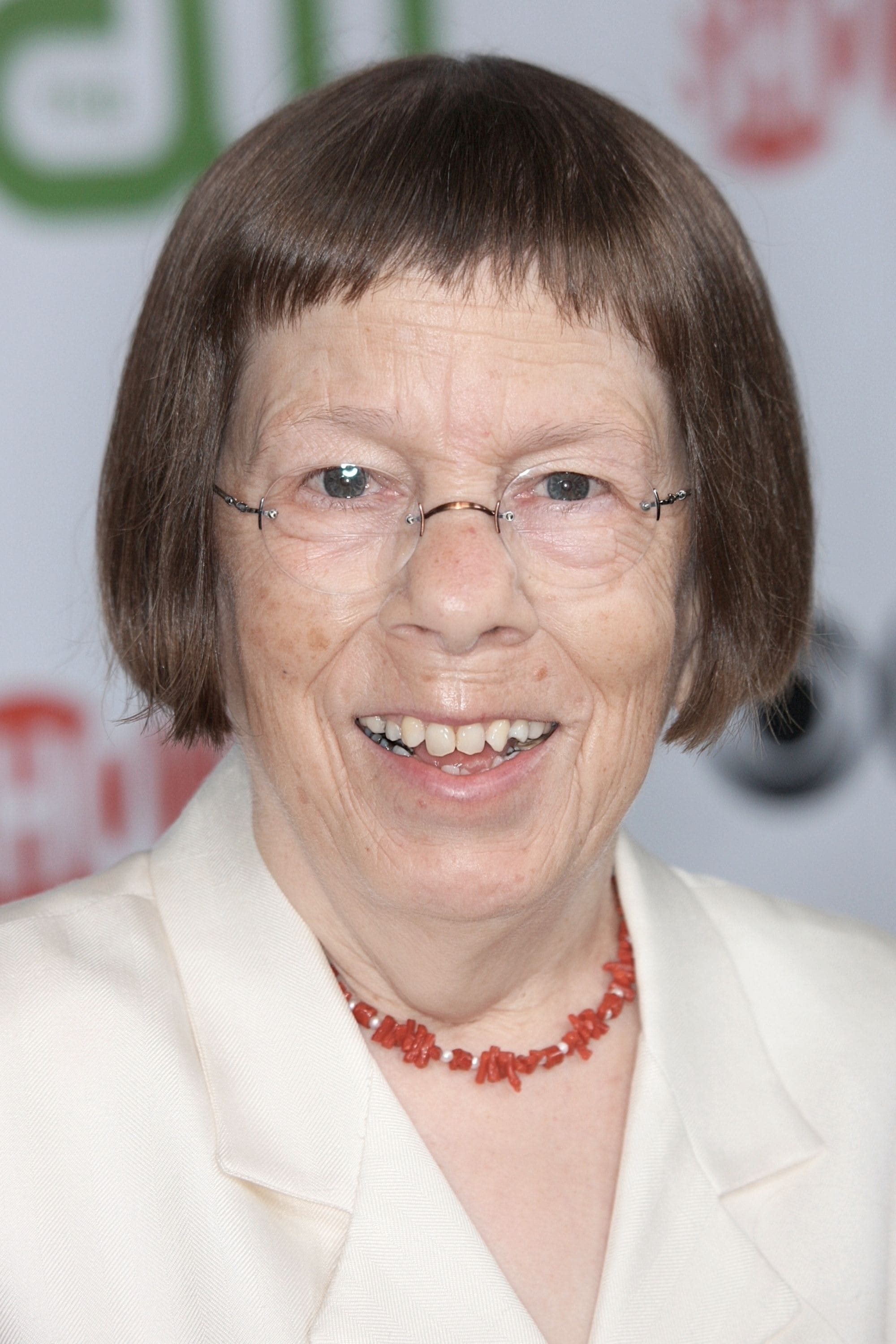
An Academy Award winner for ‘The Year of Living Dangerously’, she managed to have a long and storied career while living as an out woman. However, she has often discussed the careful navigation required to maintain her place in the industry during more conservative decades. She primarily found work in character-driven roles where her personal life was rarely the focus of media attention. This “stealth” approach was a common survival tactic for gay actresses who wanted to avoid being quietly sidelined by major studios. Her career on ‘NCIS: Los Angeles’ late in her life represents a hard-won victory in a challenging industry.
Jane Lynch
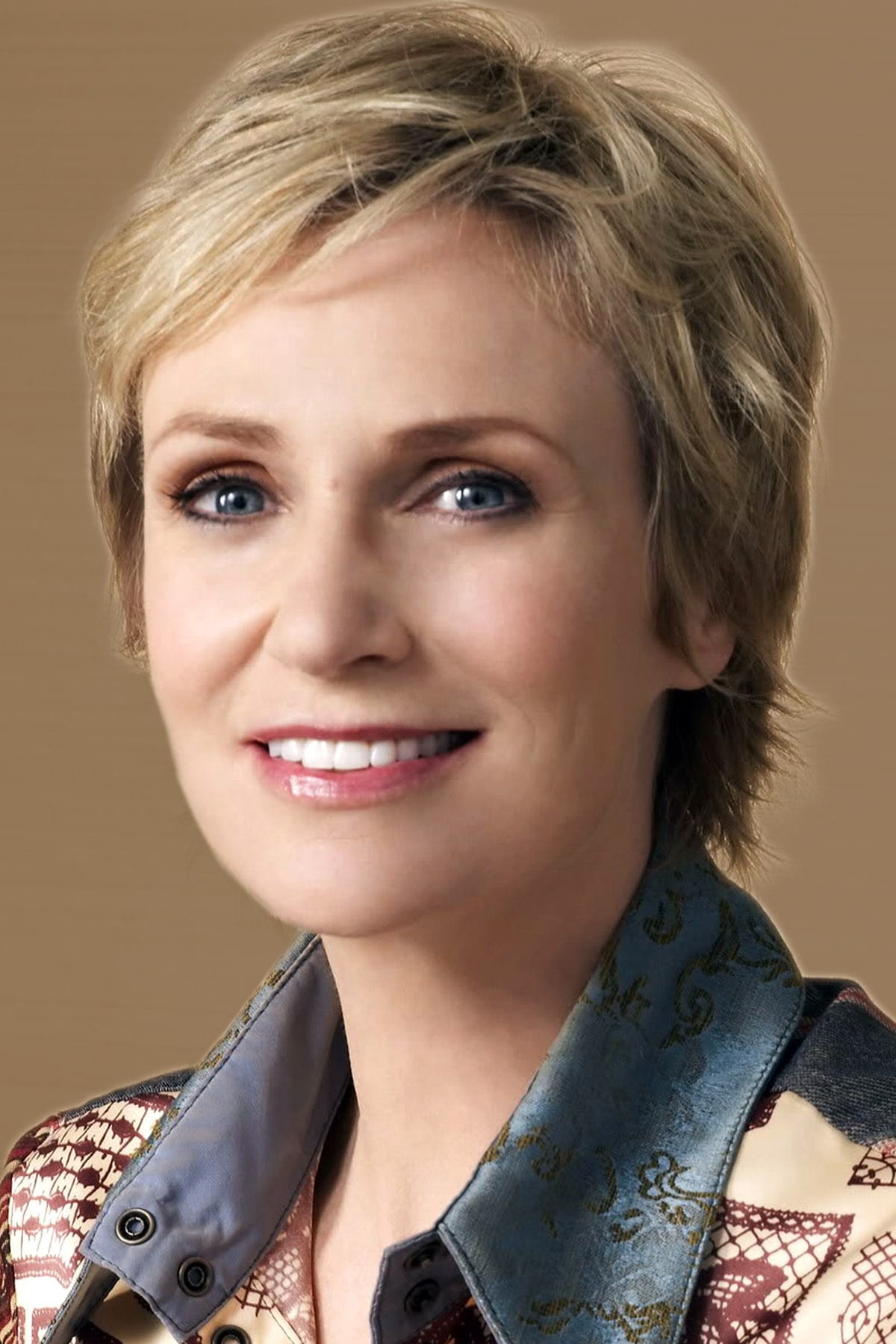
Before finding mainstream stardom in ‘Glee’, she spent years working as a character actress while keeping her private life relatively separate from her public persona. She has mentioned in interviews that there were many years where she felt her sexuality would be a barrier to securing significant work. The industry’s tendency to only cast out actresses in very specific, often stereotypical roles was a constant hurdle. She eventually broke through by leaning into her unique comedic voice, but she remains vocal about the many years she spent navigating the “closet” of the industry. Her late-career surge is often seen as an exception to the rule of quiet exclusion.
Please share your thoughts on the history of these actresses and their impact on the industry in the comments.