Acclaimed Films That Lost Money But Still Won Academy Awards

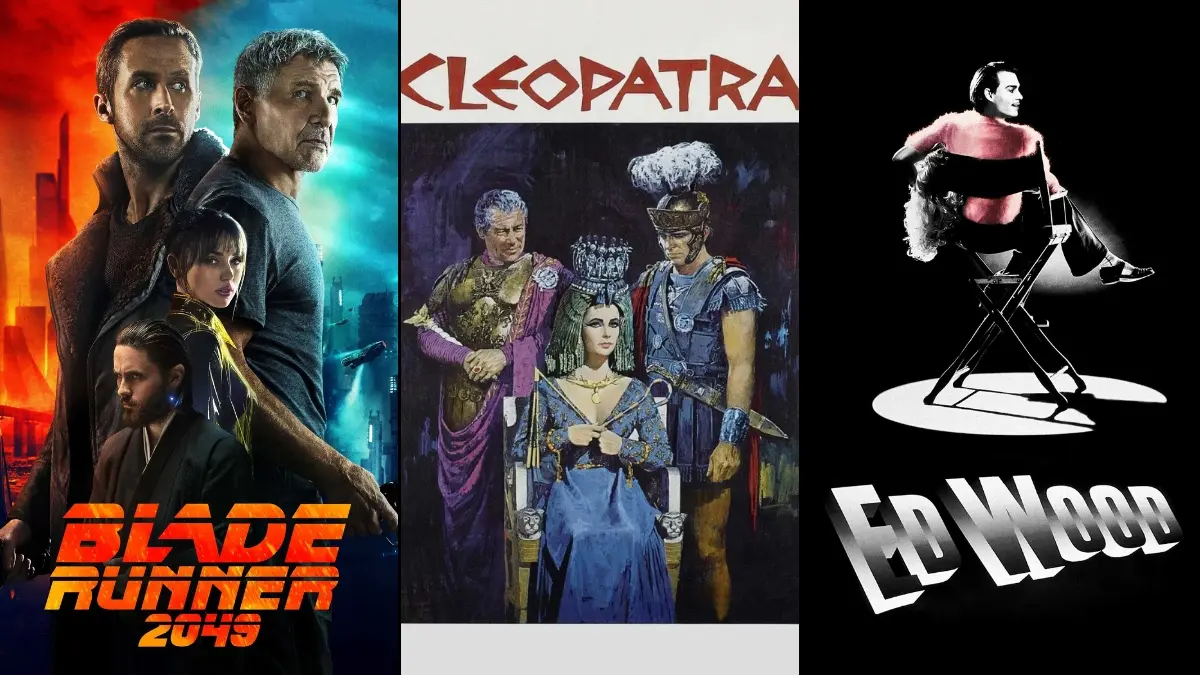

The relationship between box office success and critical acclaim is often unpredictable in the film industry. While many Academy Award winners are commercial juggernauts, some of the most respected films in cinema history failed to recoup their production costs during their initial theatrical runs. These financial disappointments range from massive historical epics to intimate character studies, proving that artistic achievement is not always reflected in ticket sales. Despite their monetary losses, these films secured their legacy by winning at least one Oscar, often in categories that highlight their exceptional technical or narrative quality.
‘Cleopatra’ (1963)
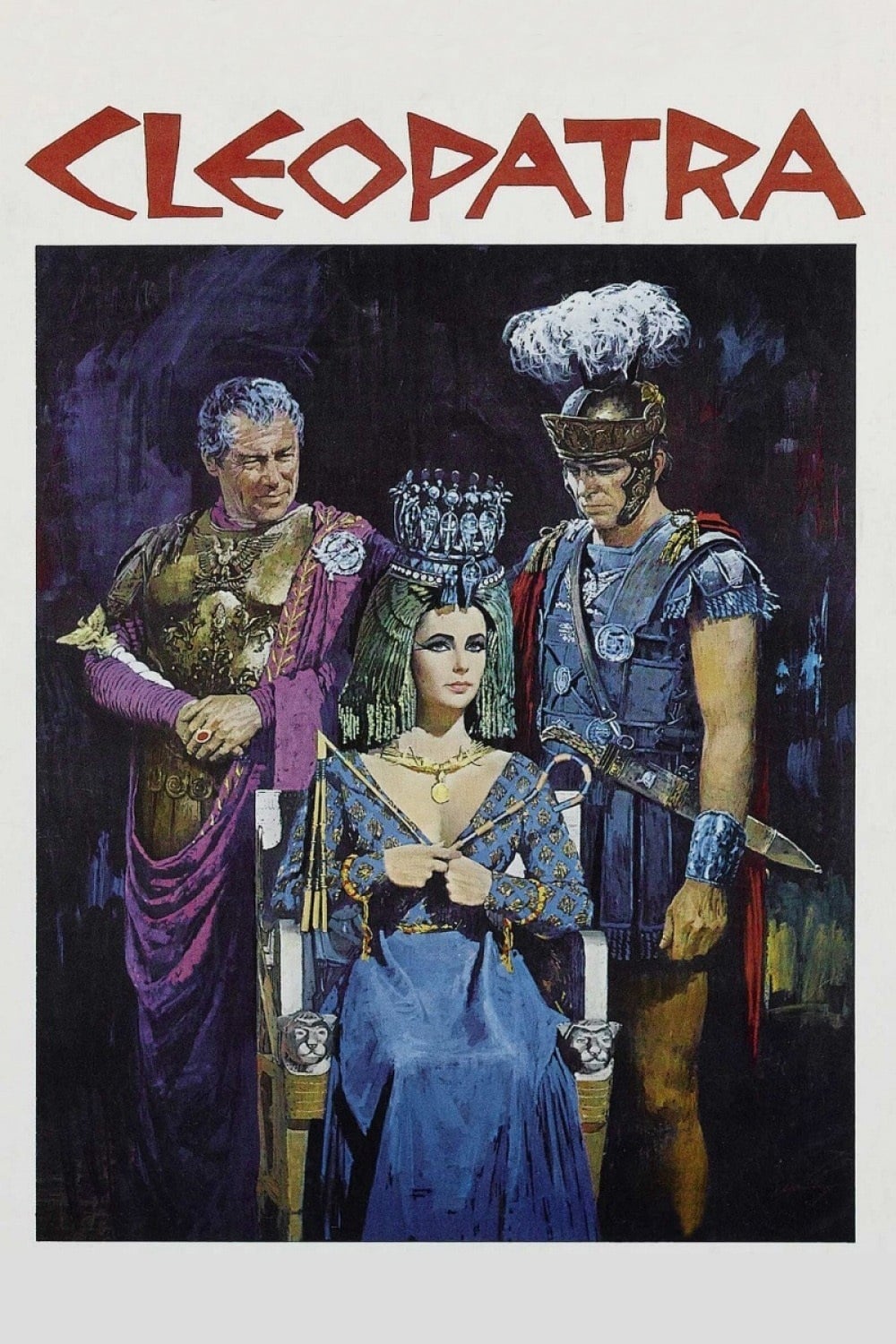
This historical epic starring Elizabeth Taylor and Richard Burton became famous for its massive production delays and ballooning budget. Despite being the highest-grossing film of its year, the astronomical costs meant it initially lost millions for 20th Century Fox. The film was recognized by the Academy, winning four Oscars for Best Cinematography, Best Art Direction, Best Costume Design, and Best Visual Effects. It remains a legendary example of a film that almost bankrupted a major studio while still achieving critical honors. The production is still cited today for its lavish scale and behind-the-scenes turmoil.
‘Hugo’ (2011)

Directed by Martin Scorsese, this visual masterpiece served as a love letter to early cinema and filmmaker Georges Méliès. Despite receiving glowing reviews and 11 Academy Award nominations, the film struggled to find an audience, resulting in a significant financial loss for its distributors. It ultimately won five Oscars, dominating the technical categories including Best Cinematography, Best Visual Effects, and Best Art Direction. The high production costs, estimated at over $150 million, were simply too great for its $185 million global box office return to cover. Its legacy remains tied to its pioneering use of 3D technology and historical storytelling.
‘Blade Runner 2049’ (2017)

This ambitious sequel to the 1982 science fiction classic received immense critical praise for its direction and visual world-building. However, the film underperformed relative to its massive $150 million budget, leading to a reported loss of around $80 million for its financiers. Despite the lack of commercial traction, the film was a major presence at the Academy Awards. It secured wins for Best Cinematography and Best Visual Effects, marking a long-awaited victory for cinematographer Roger Deakins. The film has since been embraced as a modern masterpiece within the sci-fi genre.
‘West Side Story’ (2021)
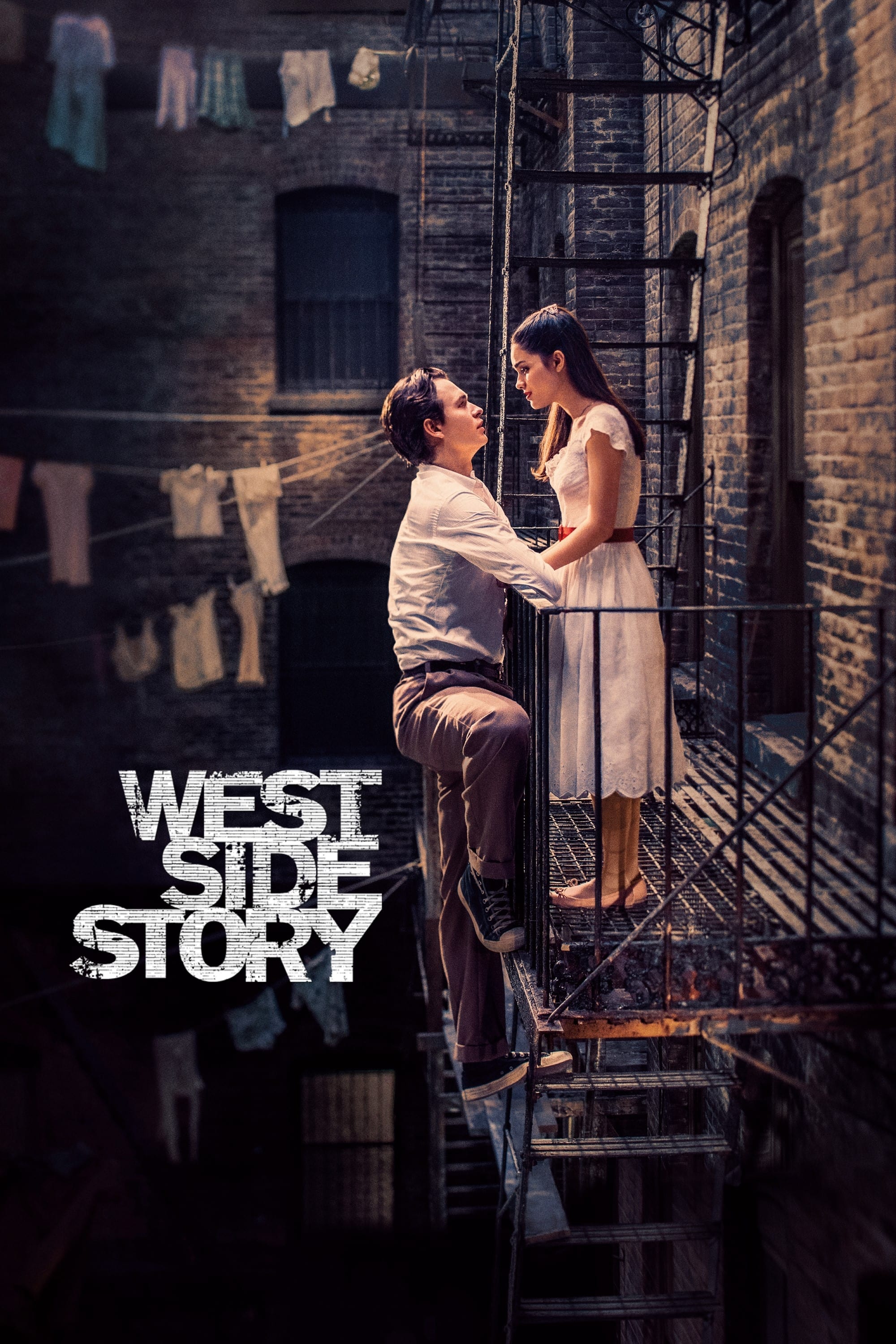
Steven Spielberg’s reimagining of the classic musical was met with near-universal acclaim from critics and audiences alike. Released during a challenging period for theatrical musicals, it failed to meet box office expectations and resulted in a notable financial deficit. The film still managed to shine during award season, earning seven Oscar nominations. Ariana DeBose won the Academy Award for Best Supporting Actress for her portrayal of Anita. While it did not succeed financially, the film is regarded as a high-water mark for contemporary musical adaptations.
‘The Right Stuff’ (1983)
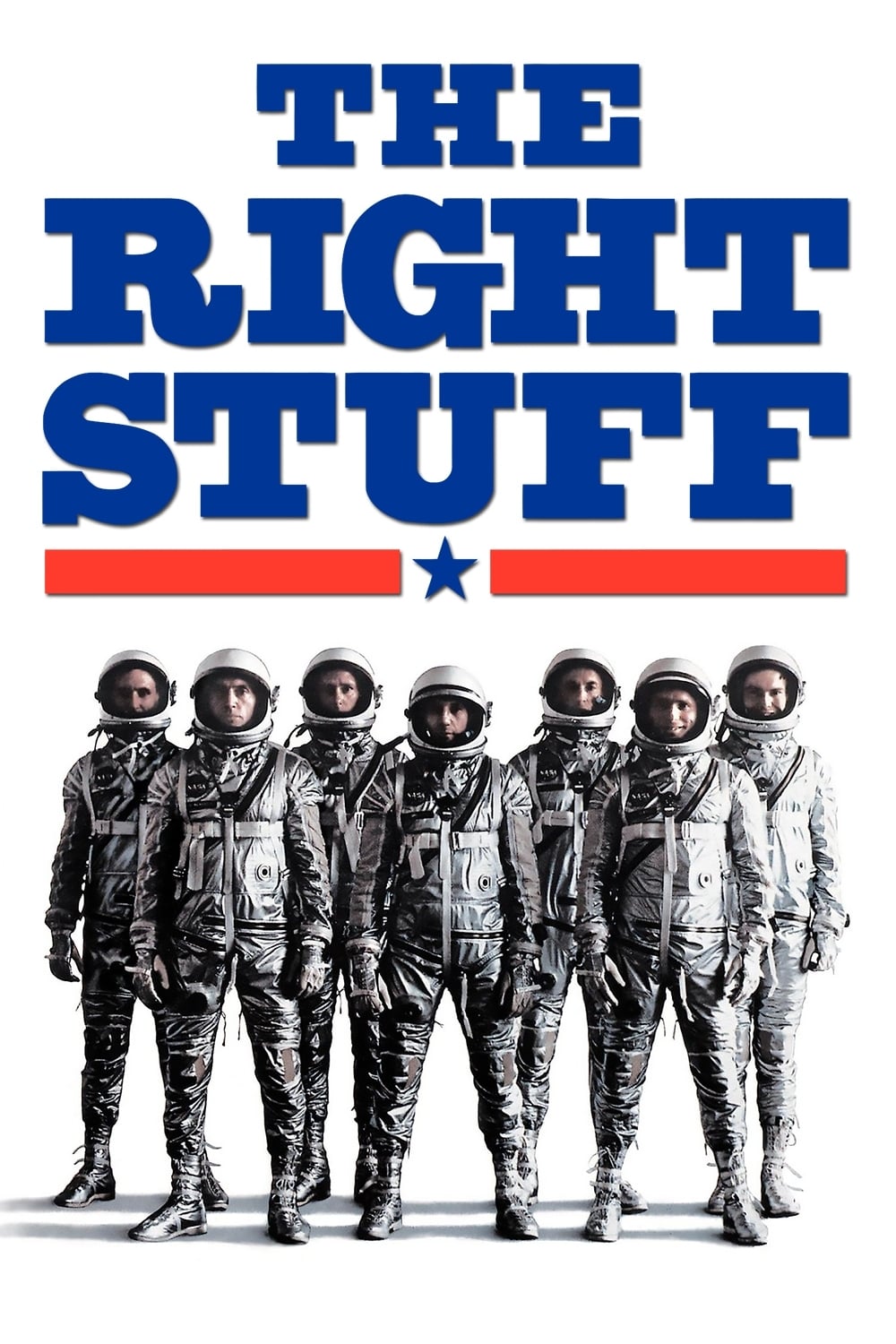
Adapted from Tom Wolfe’s book, this film chronicles the pilots engaged in U.S. postwar research and the first astronauts of the Mercury program. While it was hailed by critics for its performances and technical accuracy, it was a disappointment at the box office. The film eventually won four Academy Awards, including Best Film Editing, Best Original Score, and Best Sound. Its failure to attract a large audience is often attributed to its long runtime and a crowded release window. Nevertheless, it remains one of the most respected films about the American space program.
‘Hello, Dolly!’ (1969)
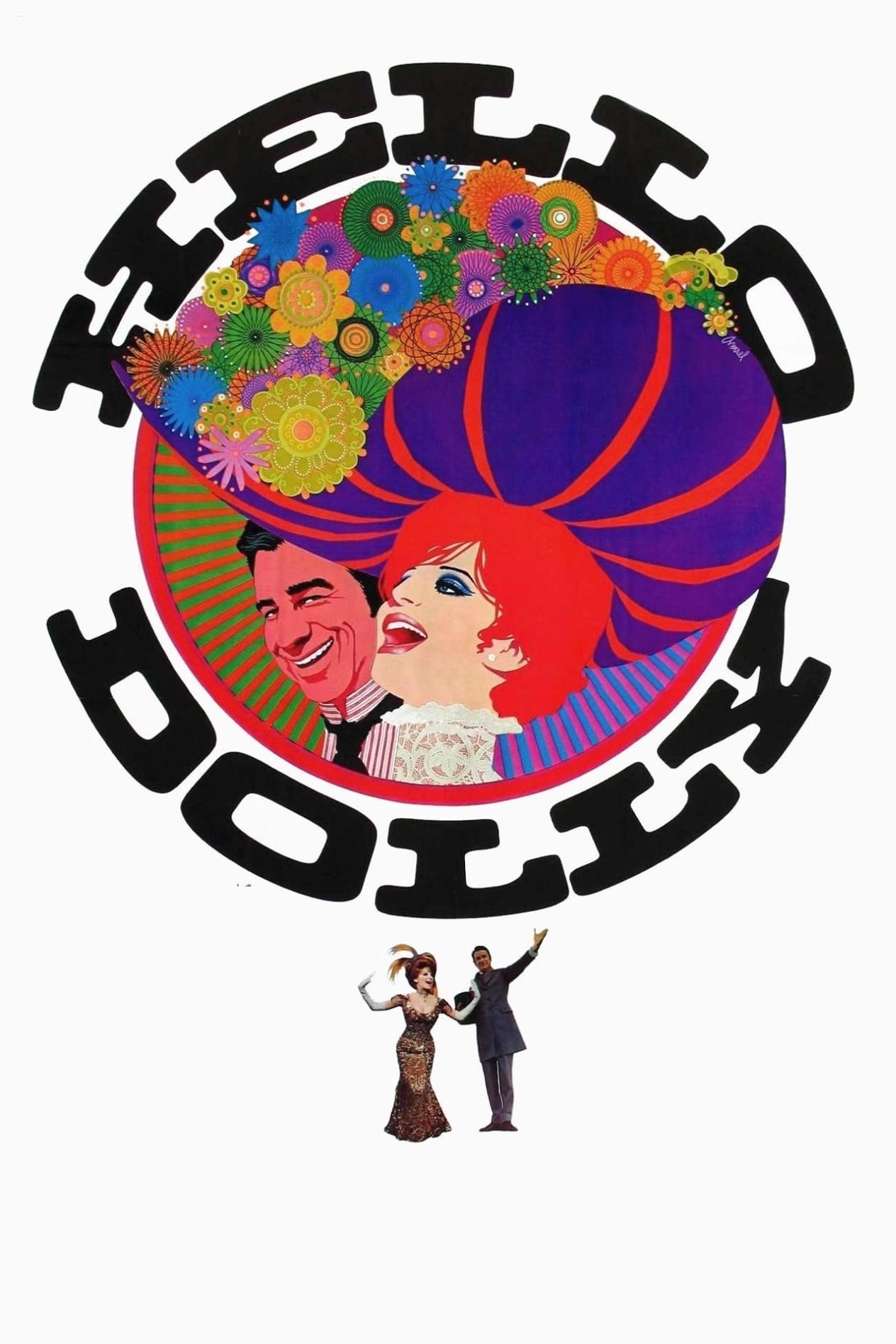
This lavish musical production starring Barbra Streisand was one of the most expensive films ever made at the time of its release. Although it grossed a significant amount of money, its $25 million budget made it a financial failure for 20th Century Fox in its initial run. The film was recognized with seven Oscar nominations and won three, including Best Art Direction and Best Score of a Musical Picture. It represents the end of the era of massive, studio-produced roadshow musicals. Its elaborate sets and choreography continue to be admired by fans of the genre.
‘Doctor Dolittle’ (1967)
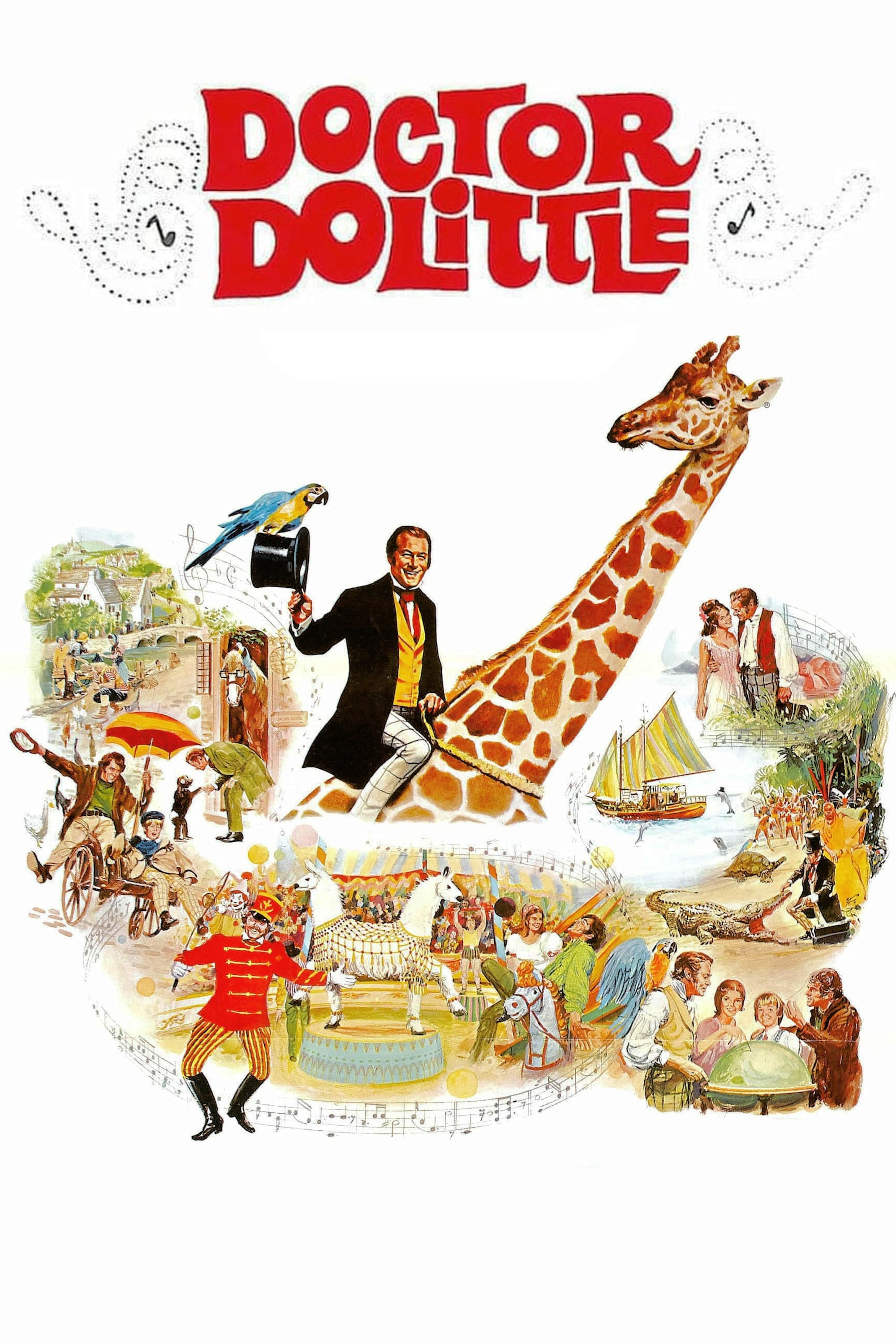
This musical adaptation had a famously troubled production that saw its budget skyrocket to $17 million. The film was a commercial failure, earning only about $9 million at the box office during its first release. Despite the negative financial results and mixed reviews, the film campaigned successfully for nine Oscar nominations. It managed to win two Academy Awards, including Best Special Effects and Best Original Song for “Talk to the Animals.” The film’s inclusion in the Best Picture category that year remains one of the most controversial moments in Oscar history.
‘The Alamo’ (1960)
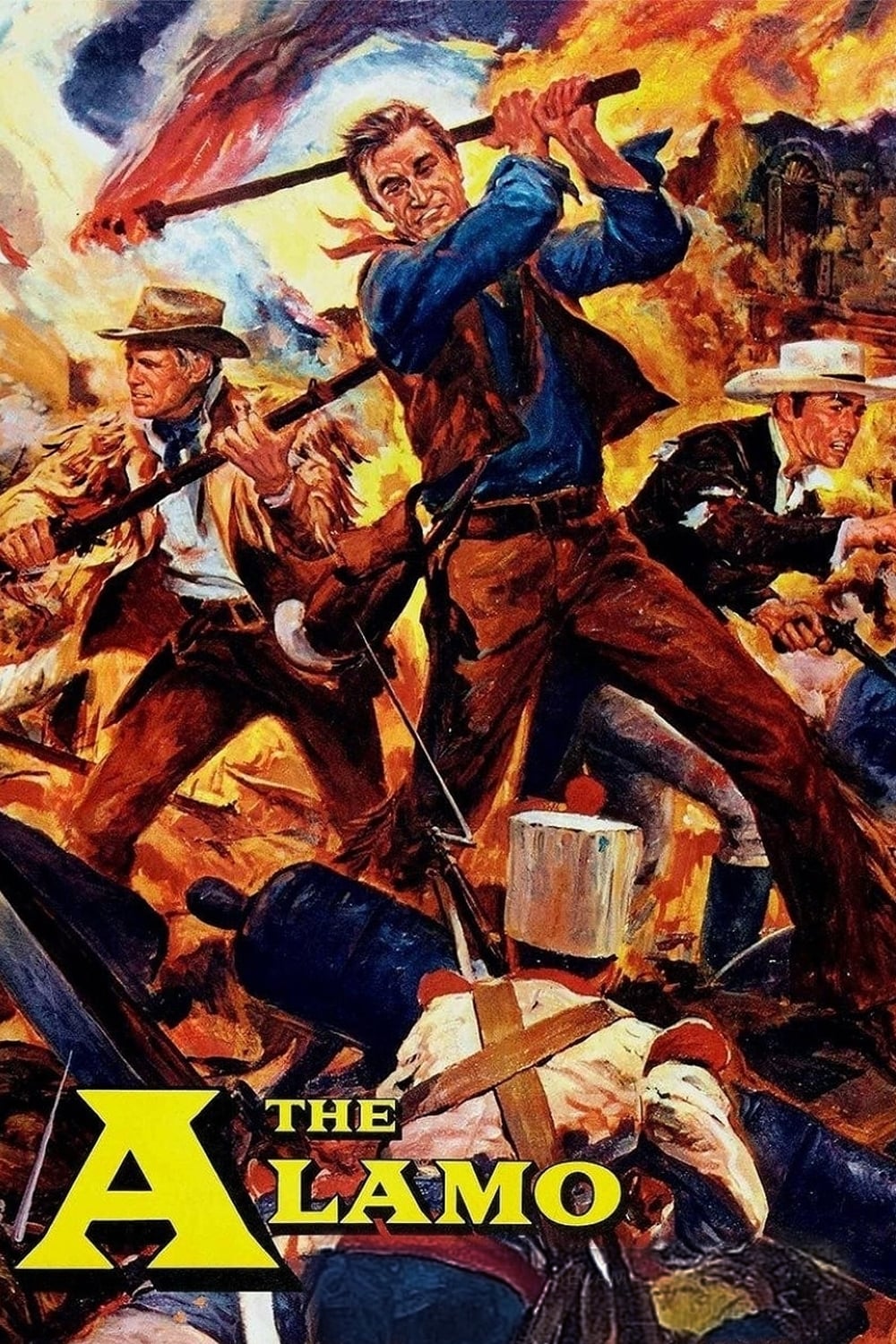
John Wayne directed and starred in this epic retelling of the legendary 1836 battle for Texan independence. The production was a passion project for Wayne, who invested much of his own money into the massive sets and large-scale battle sequences. While it performed decently at the box office, it did not earn enough to cover its high production and marketing costs. The film received seven Academy Award nominations and won the Oscar for Best Sound. It is still remembered for its grand scale and the legendary effort Wayne put into its creation.
‘Citizen Kane’ (1941)
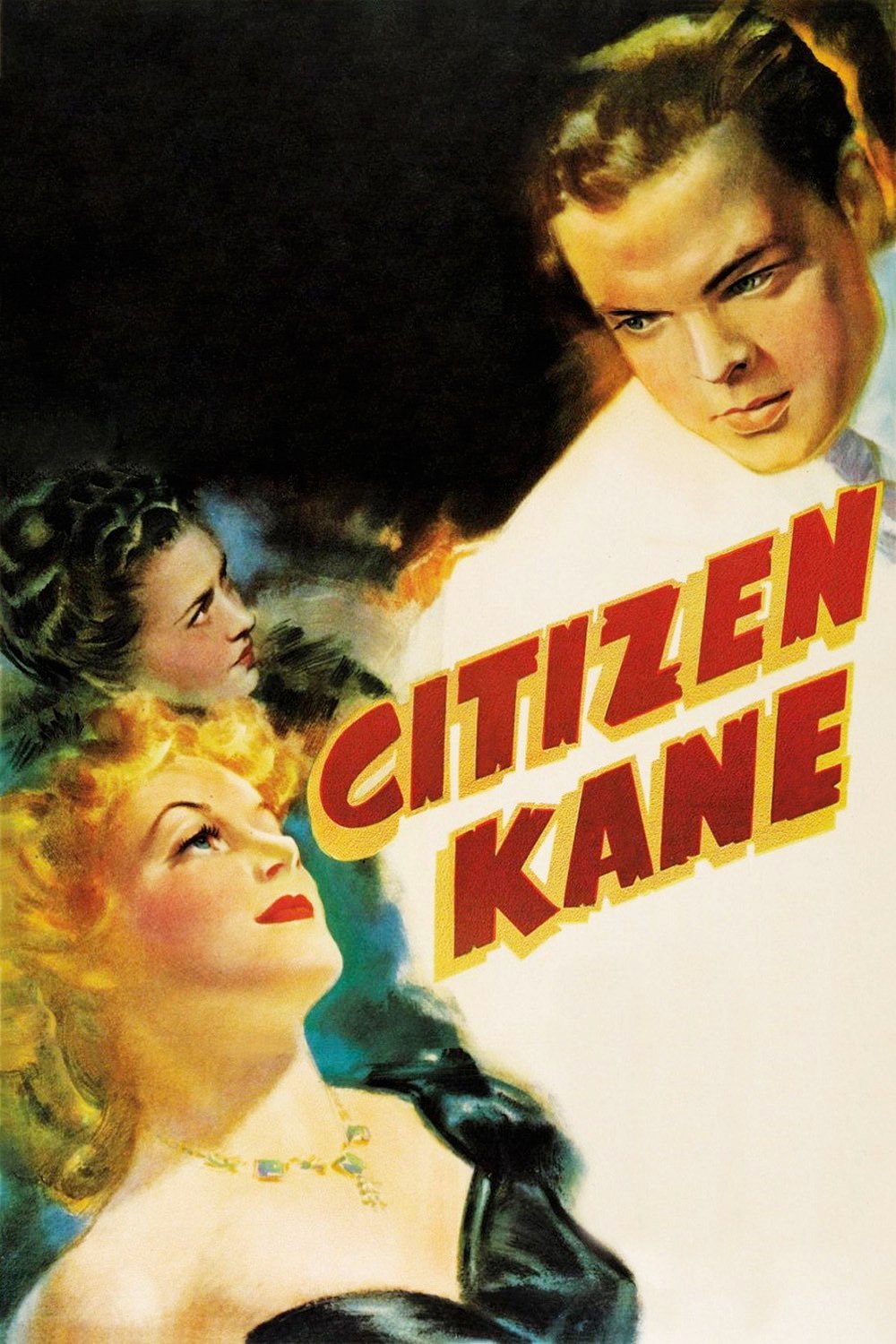
Often cited as the greatest film ever made, ‘Citizen Kane’ was a financial disappointment during its initial theatrical release. The film was the target of a suppression campaign by media mogul William Randolph Hearst, which limited its advertising and distribution. Despite these challenges, the film was nominated for nine Academy Awards and won for Best Original Screenplay. Its innovative use of deep focus, low-angle shots, and non-linear narrative revolutionized the medium. It took decades and multiple re-releases for the film to achieve both financial viability and its current status as a cinematic icon.
‘Pinocchio’ (1940)
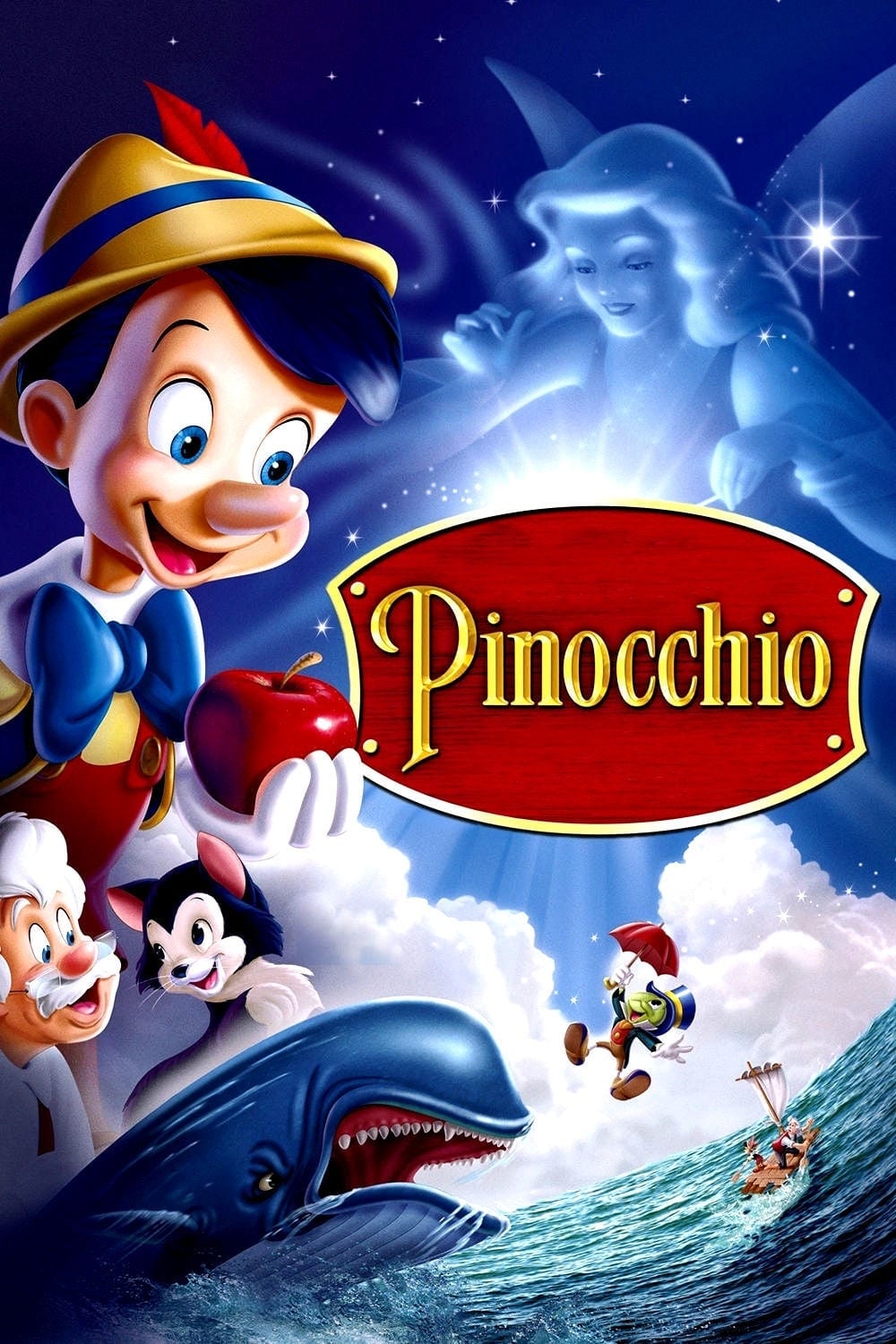
While it is now considered one of the greatest animated films of all time, ‘Pinocchio’ was initially a box office failure for Walt Disney. The outbreak of World War II cut off the European and Asian markets, which were vital for the studio’s revenue. Despite its financial struggles, the film was a critical triumph and won two Academy Awards. It took home the Oscars for Best Original Score and Best Original Song for “When You Wish Upon a Star.” Subsequent re-releases in later decades eventually turned the film into a massive financial success.
‘Tenet’ (2020)
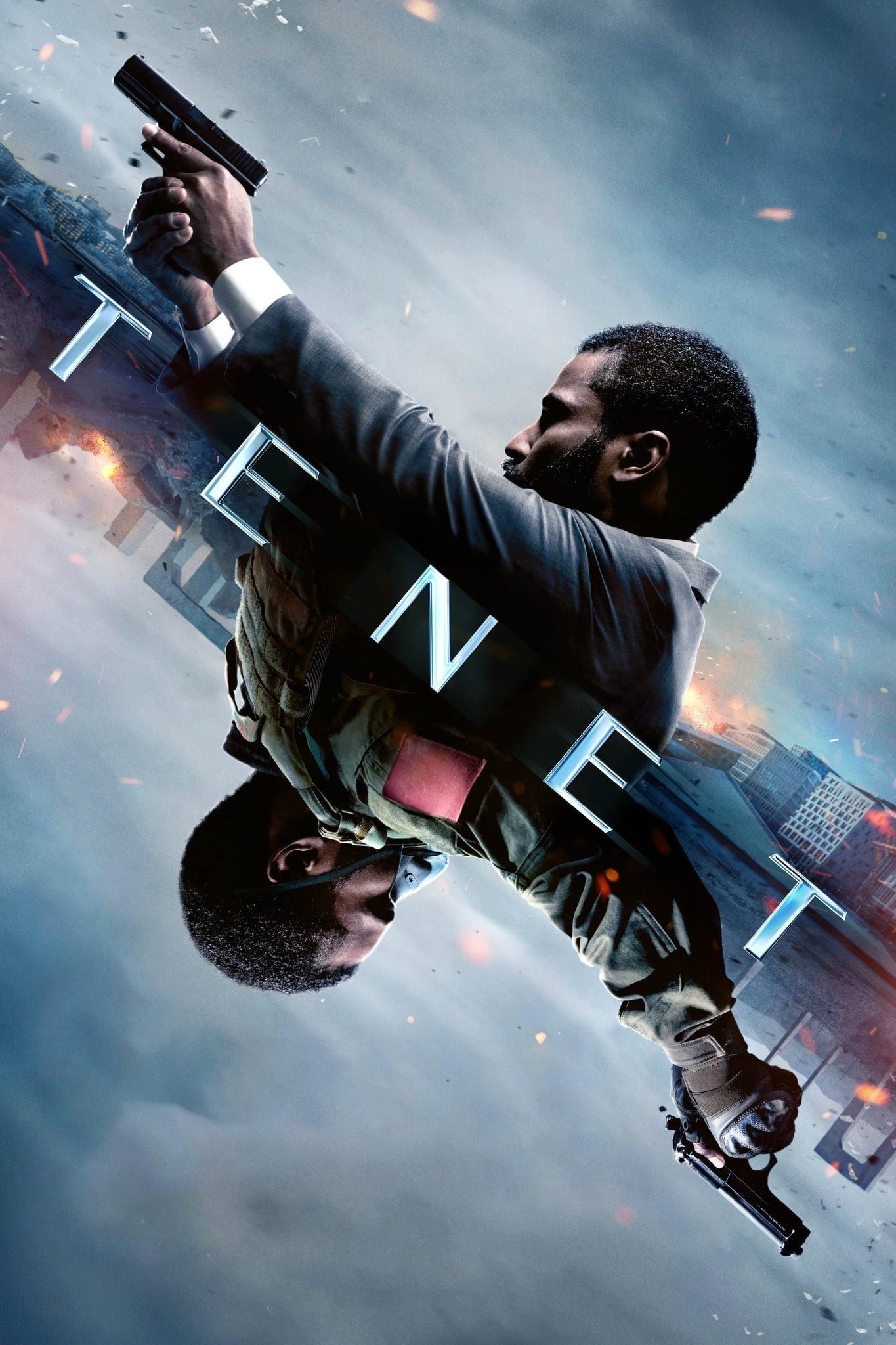
Christopher Nolan’s complex sci-fi thriller was released during the height of the COVID-19 pandemic, making it a test case for the survival of movie theaters. While it grossed over $360 million worldwide, the high production and marketing costs led to an estimated loss for Warner Bros. The film’s intricate practical effects and large-scale action sequences were recognized by the Academy. It won the Oscar for Best Visual Effects, beating out several other high-profile nominees. The film remains a polarizing but technically brilliant entry in Nolan’s filmography.
‘Almost Famous’ (2000)

Cameron Crowe’s semi-autobiographical film about a young journalist on tour with a rock band was a critical darling. Despite the positive word-of-mouth, the film failed to connect with a mainstream audience and earned less than its $60 million production budget. It was a major contender at the Academy Awards, receiving four nominations. Crowe won the Oscar for Best Original Screenplay, cementing the film’s status as a classic of the coming-of-age genre. Its soundtrack and performances, particularly by Kate Hudson, have maintained a strong cult following.
‘Master and Commander: The Far Side of the World’ (2003)
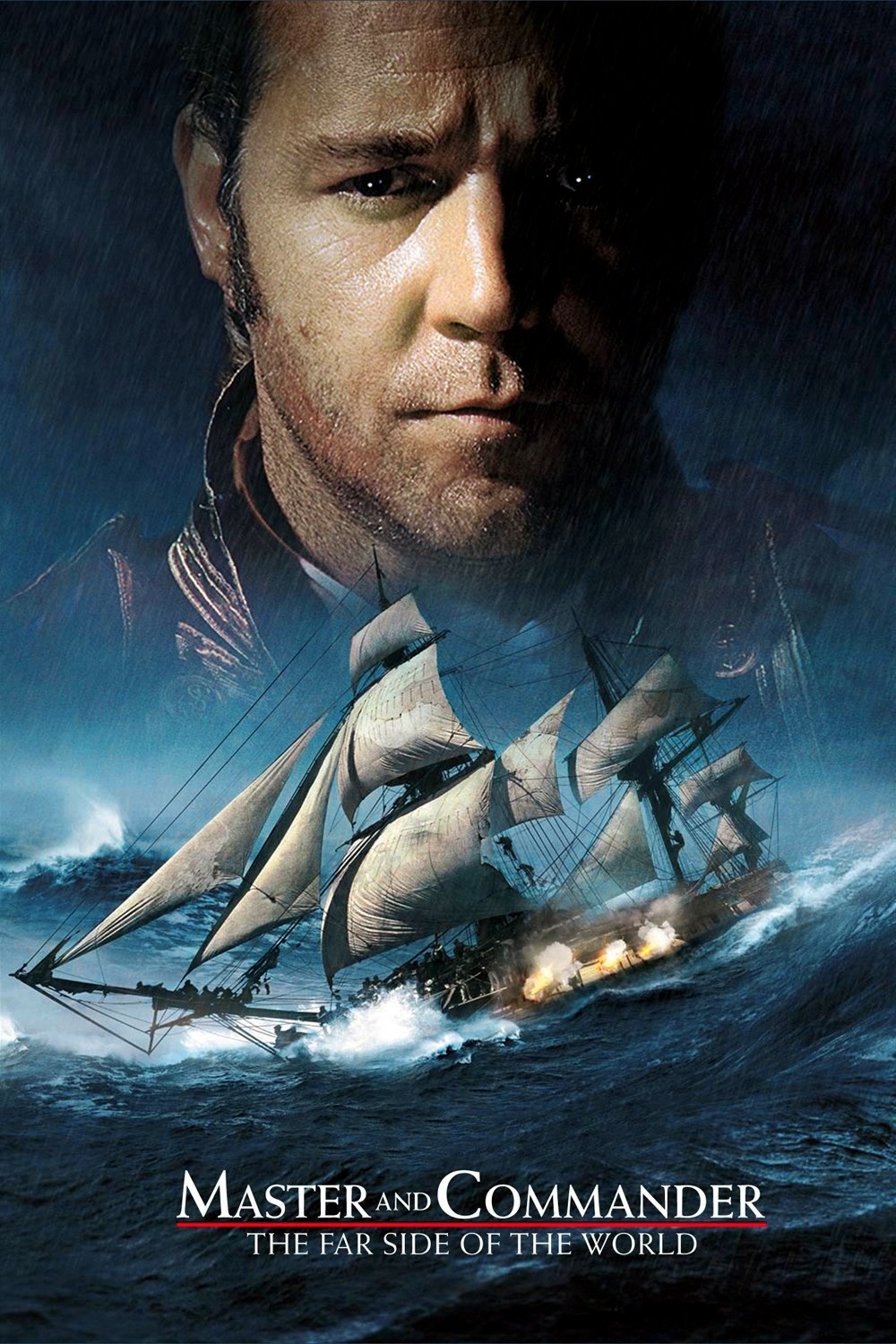
This naval epic starring Russell Crowe was praised for its historical accuracy and intense battle sequences. Produced with a $150 million budget, the film’s global gross of $212 million was not enough to make it profitable after accounting for marketing and theater cuts. The Academy recognized the film’s technical excellence with ten nominations. It won two Oscars for Best Cinematography and Best Sound Editing. Although fans hoped for a franchise, the financial results prevented any sequels from moving forward.
‘Ed Wood’ (1994)

Tim Burton’s biopic about the man often called the worst director in film history was a commercial flop. Despite its limited box office appeal, the film was highly regarded by critics for its black-and-white cinematography and performances. It won two Academy Awards, including Best Supporting Actor for Martin Landau’s portrayal of Bela Lugosi. It also took home the Oscar for Best Makeup. The film has since become a beloved cult classic, celebrated for its affectionate look at the fringes of Hollywood.
‘The Wolfman’ (2010)
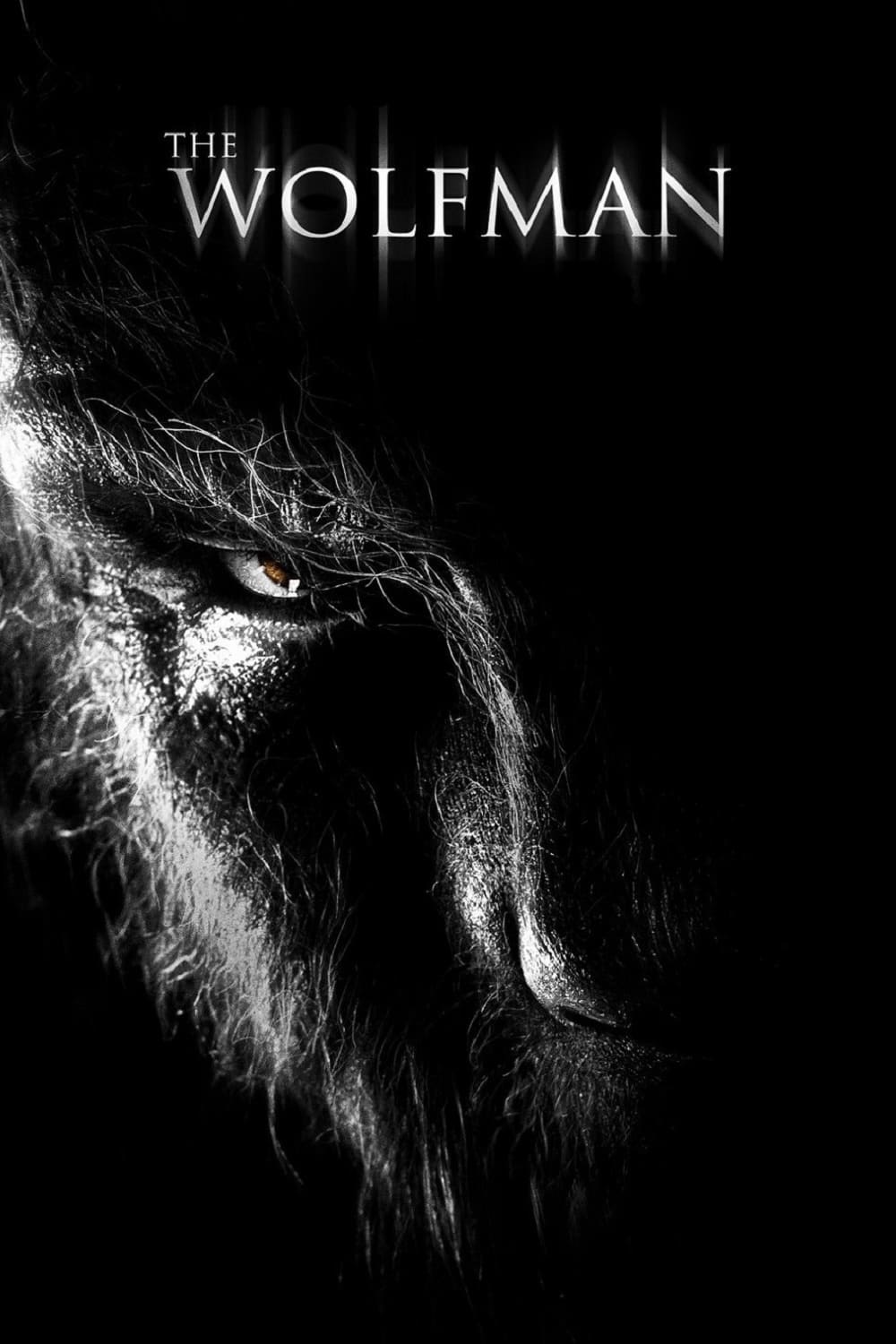
This remake of the classic Universal horror film suffered from a troubled production, including director changes and extensive reshoots. The budget eventually rose to $150 million, far exceeding what it earned at the global box office. Despite its status as a financial failure, the film’s impressive practical effects were honored by the Academy. It won the Oscar for Best Makeup, continuing the legacy of the legendary Rick Baker. While the film received mixed reviews, its gothic atmosphere and creature design were widely praised.
‘First Man’ (2018)
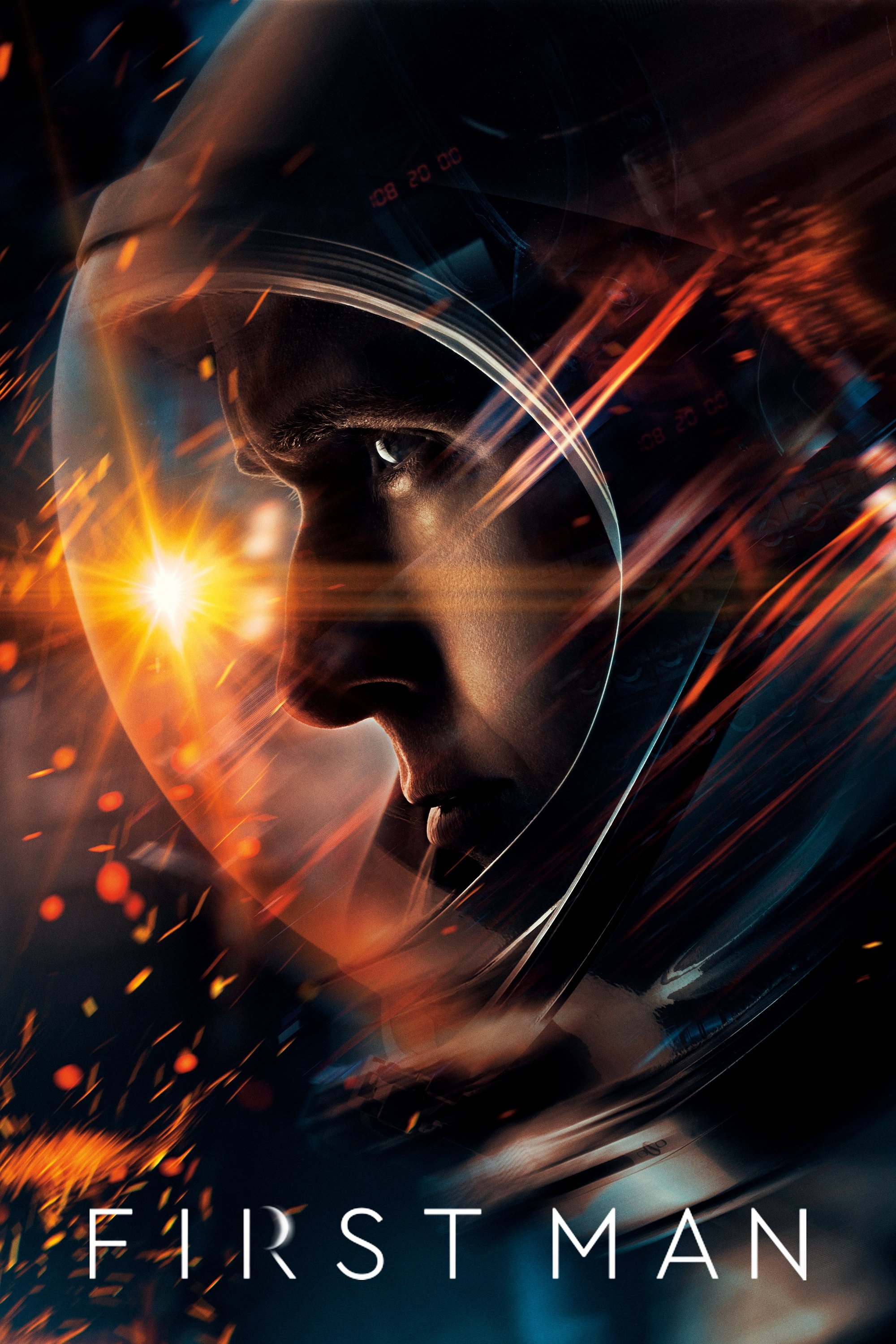
Director Damien Chazelle followed up his success with ‘La La Land’ by telling the story of Neil Armstrong’s journey to the moon. Although it was well-received by critics, the film underperformed domestically and struggled to reach profitability against its $59 million budget. The film was praised for its immersive and visceral depiction of space travel. It received four Academy Award nominations and won for Best Visual Effects. The film is often cited for its grounded, intimate approach to a historical event of such massive scale.
‘Nicholas and Alexandra’ (1971)
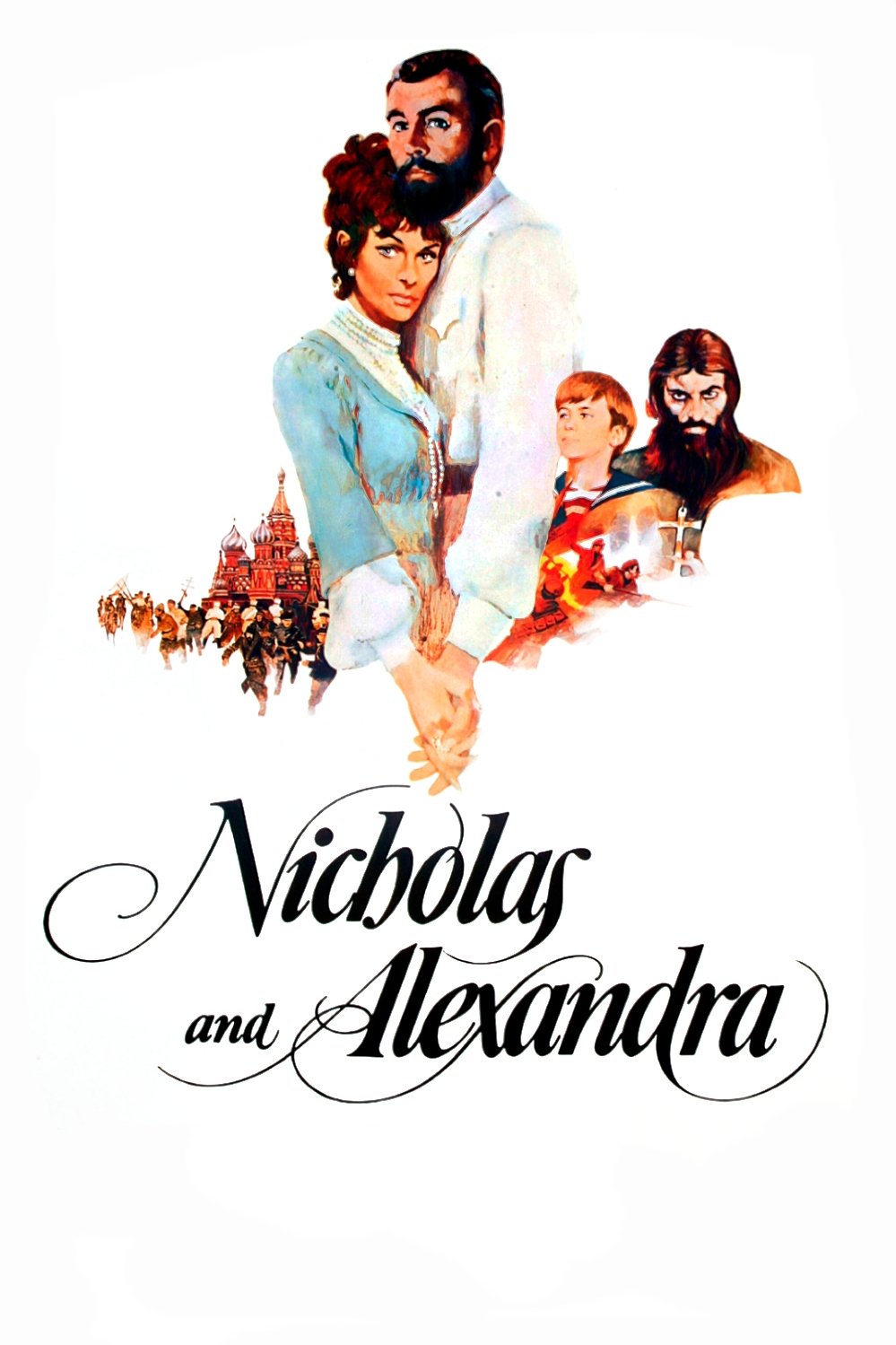
This historical drama depicts the fall of the Russian Romanov dynasty during the early 20th century. Produced by Sam Spiegel, the film had a large budget and was intended to be a sweeping epic in the vein of ‘Lawrence of Arabia’. It failed to capture the public’s interest and resulted in a significant loss for Columbia Pictures. The film was nominated for six Academy Awards, including Best Picture. It ultimately won two Oscars for Best Art Direction and Best Costume Design.
‘Barry Lyndon’ (1975)
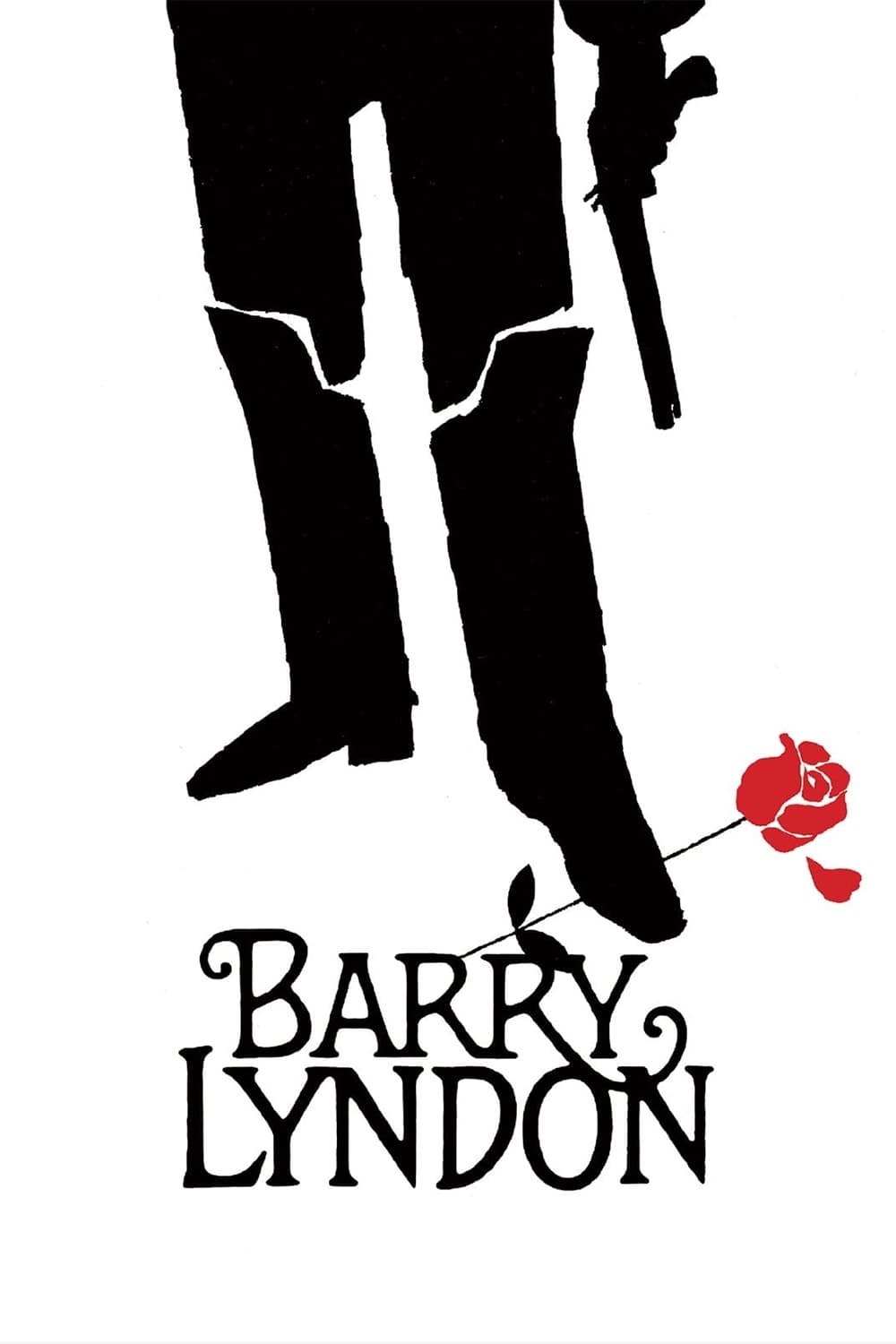
Stanley Kubrick’s meticulously crafted period piece is often cited as one of the most beautiful films ever photographed. Using specially modified lenses to shoot in candlelight, Kubrick created a unique visual style that was highly praised by critics. However, the film’s slow pace and long runtime hindered its commercial success in the United States. It was nominated for seven Academy Awards and won four, including Best Cinematography and Best Costume Design. Over time, its reputation has grown, and it is now considered a masterpiece of historical filmmaking.
‘The Golden Compass’ (2007)
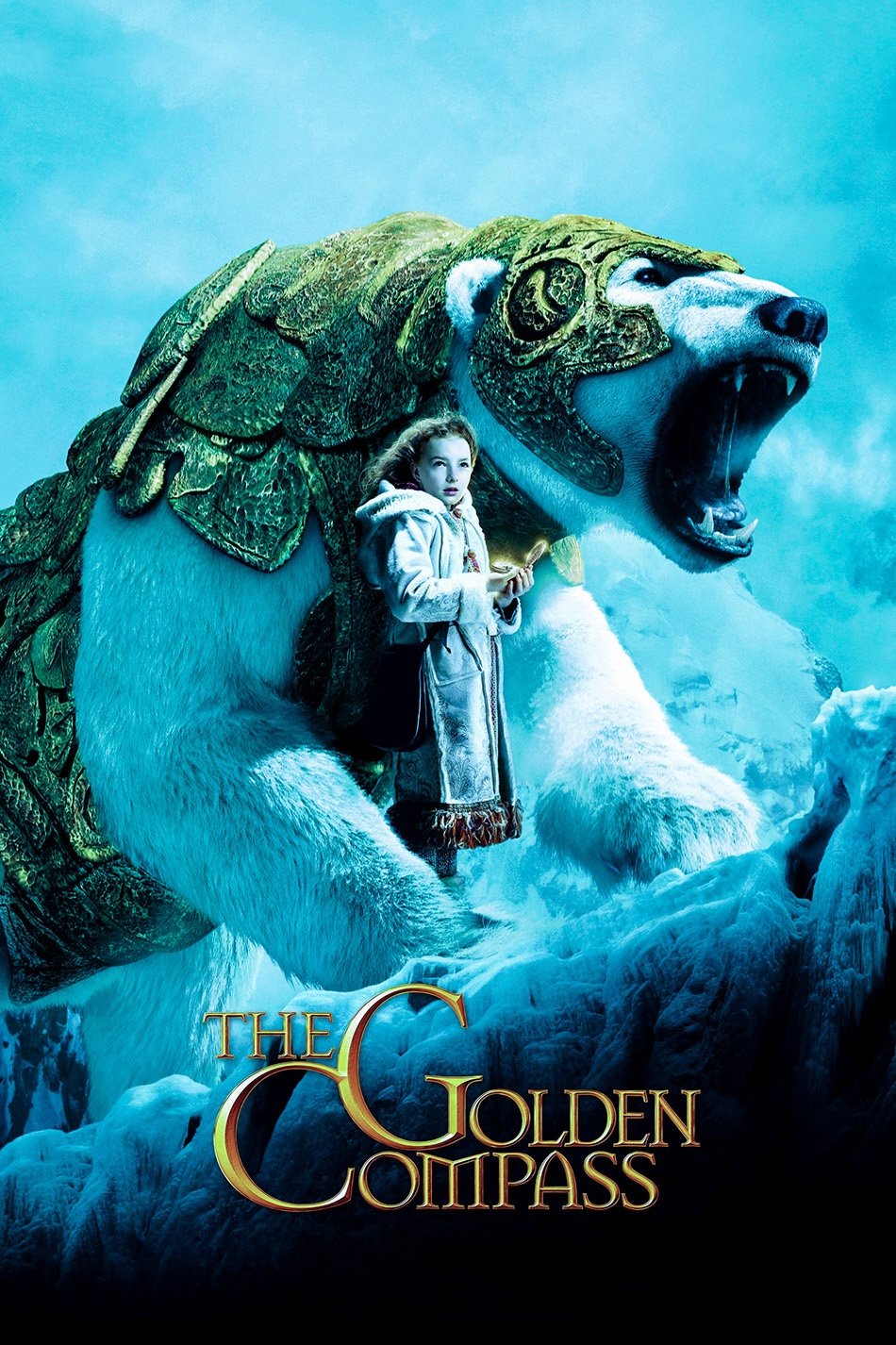
Based on Philip Pullman’s fantasy novel, this film was intended to launch a major franchise for New Line Cinema. While it performed well in international markets, its disappointing domestic run led to a financial crisis for the studio. Despite its poor financial performance, the film’s technical achievements were recognized. It won the Academy Award for Best Visual Effects, beating out major competitors like ‘Transformers’. The film’s failure ultimately led to New Line Cinema being absorbed by Warner Bros.
‘Marie Antoinette’ (2006)
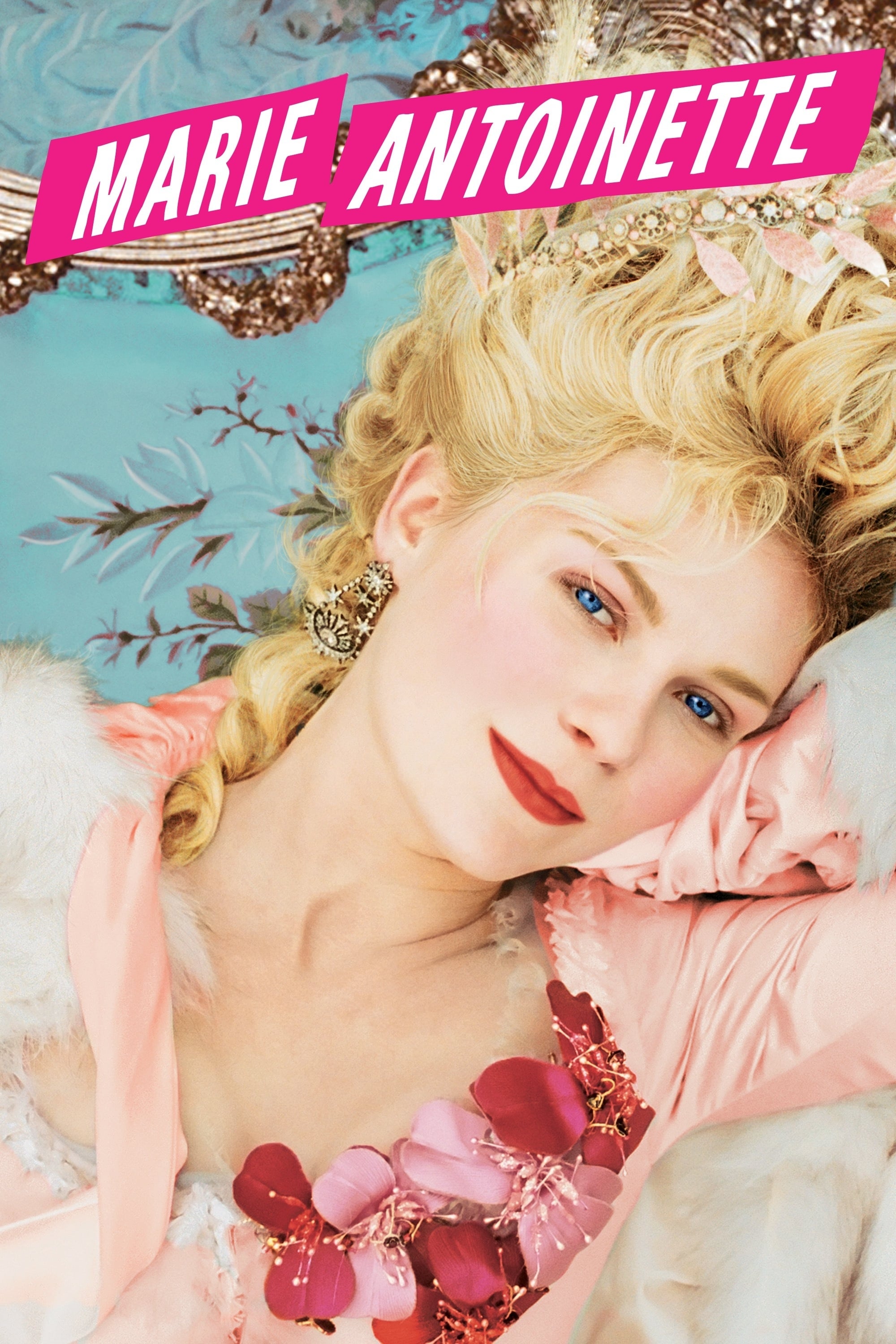
Sofia Coppola’s stylized take on the life of the French queen was a polarizing entry at the Cannes Film Festival. The film featured a modern soundtrack and an emphasis on fashion and atmosphere over traditional historical narrative. It struggled at the box office, failing to recoup its $40 million budget during its initial run. The film’s opulent visual style was rewarded by the Academy with a win for Best Costume Design. It has since gained a significant following for its unique aesthetic and contemporary perspective on history.
‘Restoration’ (1995)

Set during the reign of King Charles II, this drama follows a young physician who falls in and out of favor with the royal court. Despite a cast that included Robert Downey Jr. and Sam Neill, the film had a very limited theatrical impact. It earned only a small fraction of its $18 million budget at the box office. However, the film was a favorite in the technical categories at the Academy Awards. It won two Oscars for Best Art Direction and Best Costume Design, highlighting its lavish production values.
‘Topsy-Turvy’ (1999)
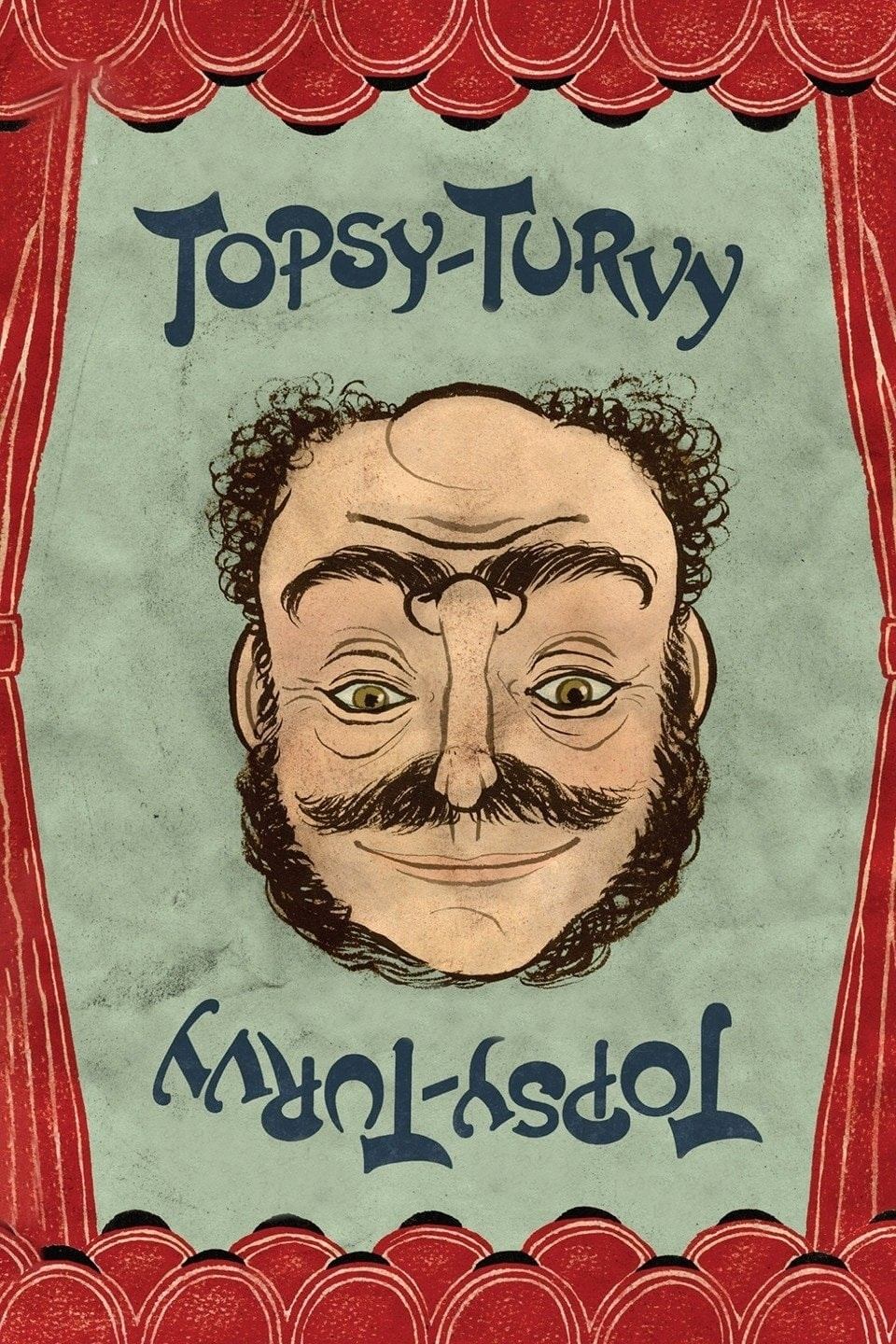
Director Mike Leigh explored the creation of the comic opera ‘The Mikado’ in this detailed biographical film. While it received high praise for its acting and historical detail, it was a commercial failure, earning less than half of its production cost. The film was recognized by the Academy with four nominations. It won two Oscars, specifically for Best Costume Design and Best Makeup. The film is celebrated for its authentic look at the Victorian theater world and its deep characterizations.
‘Elizabeth: The Golden Age’ (2007)

This sequel to the 1998 film ‘Elizabeth’ saw Cate Blanchett return to her role as the English queen. While the first film was a commercial and critical success, the sequel received mixed reviews and failed to perform at the box office. Despite the tepid reception, the film’s elaborate visual presentation was noted by the Academy. It won the Oscar for Best Costume Design, marking the only win for the film out of its two nominations. Its legacy is often overshadowed by the acclaim of its predecessor.
‘The Ghost and the Darkness’ (1996)
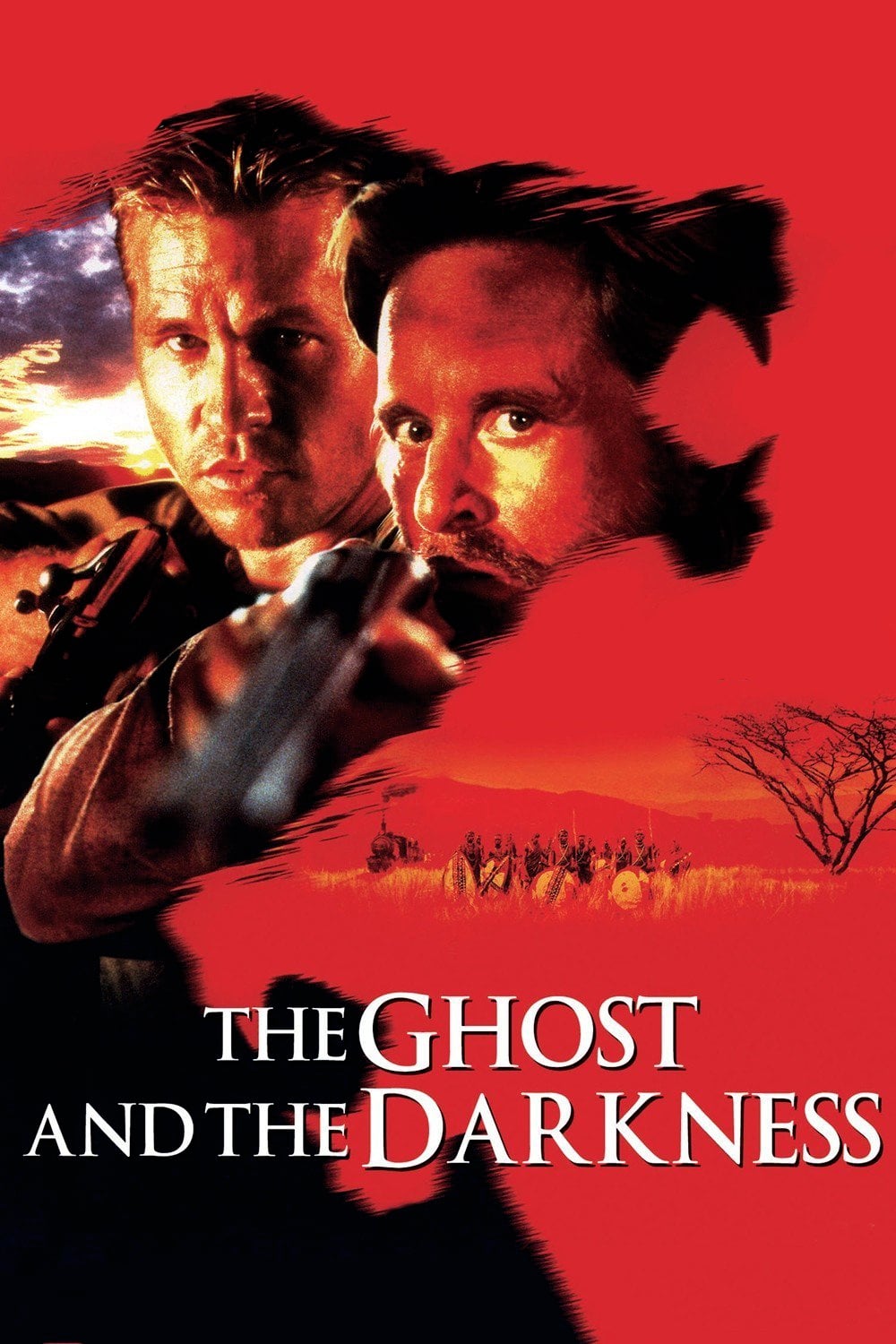
Based on the true story of two lions that terrorized a railway construction crew in Africa, this film was a financial disappointment. Despite the presence of stars Michael Douglas and Val Kilmer, it failed to earn back its $55 million budget. The film was praised for its atmospheric sound design and intense sequences. It won the Academy Award for Best Sound Editing, its only nomination and win. While not a major hit, it remains a notable entry in the man-versus-nature subgenre.
‘Wonder Boys’ (2000)
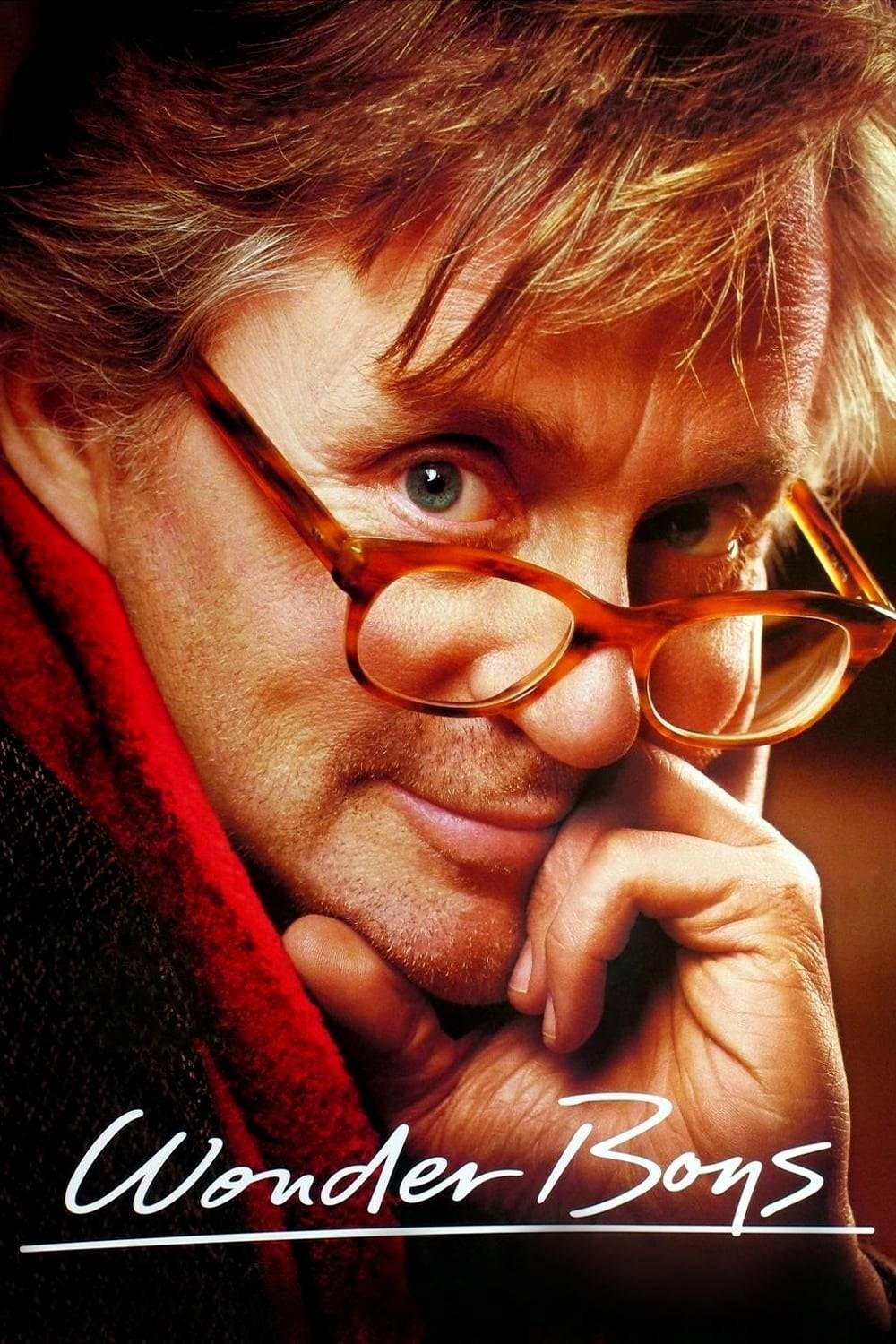
Directed by Curtis Hanson, this comedy-drama follows a professor struggling with writer’s block and a chaotic personal life. Despite strong reviews for Michael Douglas’s performance, the film suffered from a poor initial marketing campaign and underperformed at the box office. It was re-released later in the year to try and capitalize on award buzz. The film won the Academy Award for Best Original Song for Bob Dylan’s “Things Have Changed.” It has since become a favorite among fans of literary-themed cinema.
‘Raging Bull’ (1980)
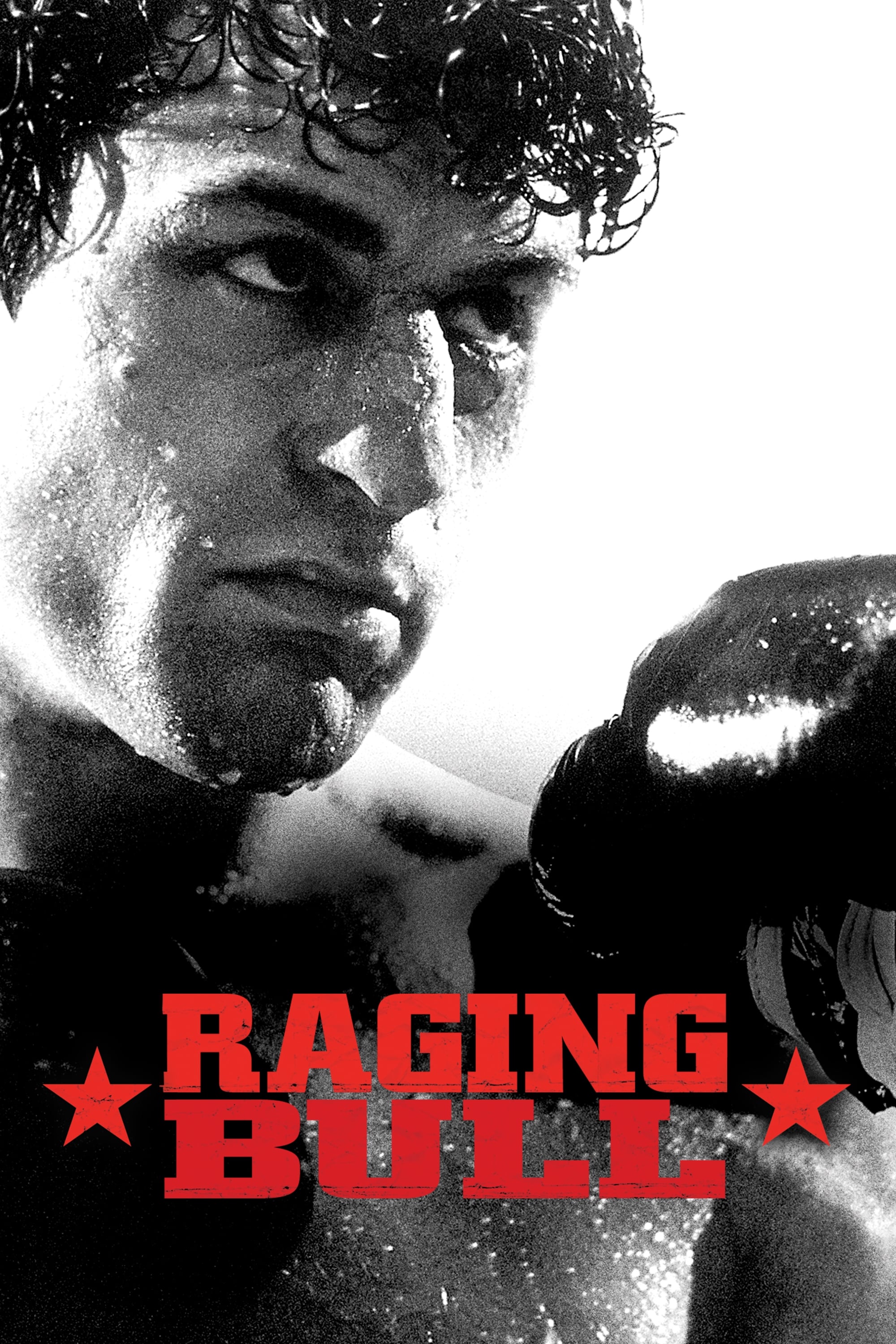
Martin Scorsese’s biographical drama about boxer Jake LaMotta is now considered a landmark of American cinema. At the time of its release, however, it was only a modest success that struggled to break even during its initial theatrical window. The film’s gritty black-and-white cinematography and intense performances eventually led to eight Oscar nominations. It won two Academy Awards, including Best Actor for Robert De Niro and Best Film Editing for Thelma Schoonmaker. Its status as a financial failure was quickly forgotten as it ascended to the top of many critical lists.
‘Women Talking’ (2022)
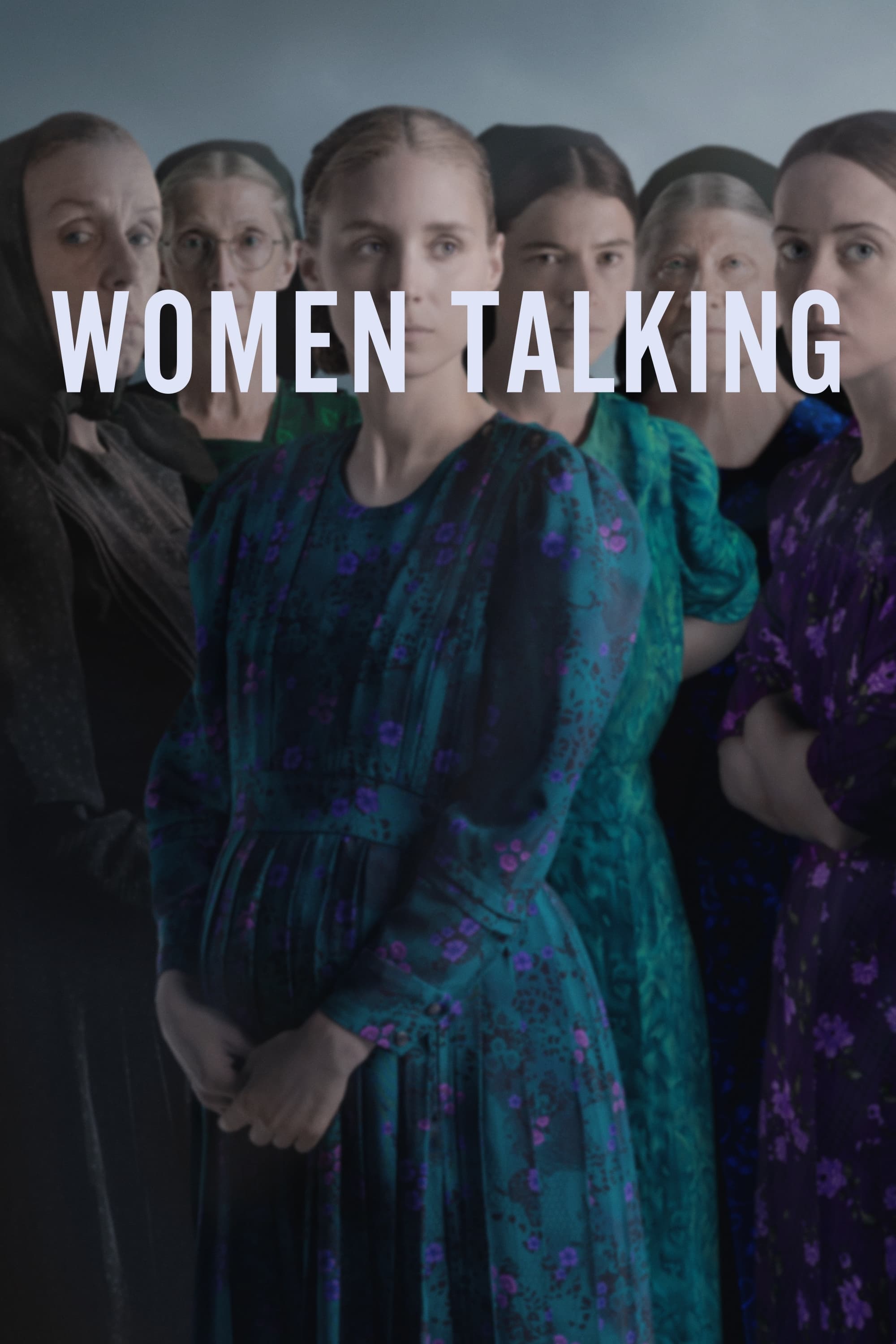
Based on the novel by Miriam Toews, this film features an ensemble cast discussing the future of their community following a series of assaults. While it was one of the most critically acclaimed films of its year, its challenging subject matter led to a limited box office performance. The film was nominated for Best Picture and Best Adapted Screenplay at the Academy Awards. Sarah Polley won the Oscar for Best Adapted Screenplay, highlighting the strength of the film’s narrative. Its financial results reflect the difficulties faced by serious, dialogue-driven dramas in the modern market.
‘The Abyss’ (1989)
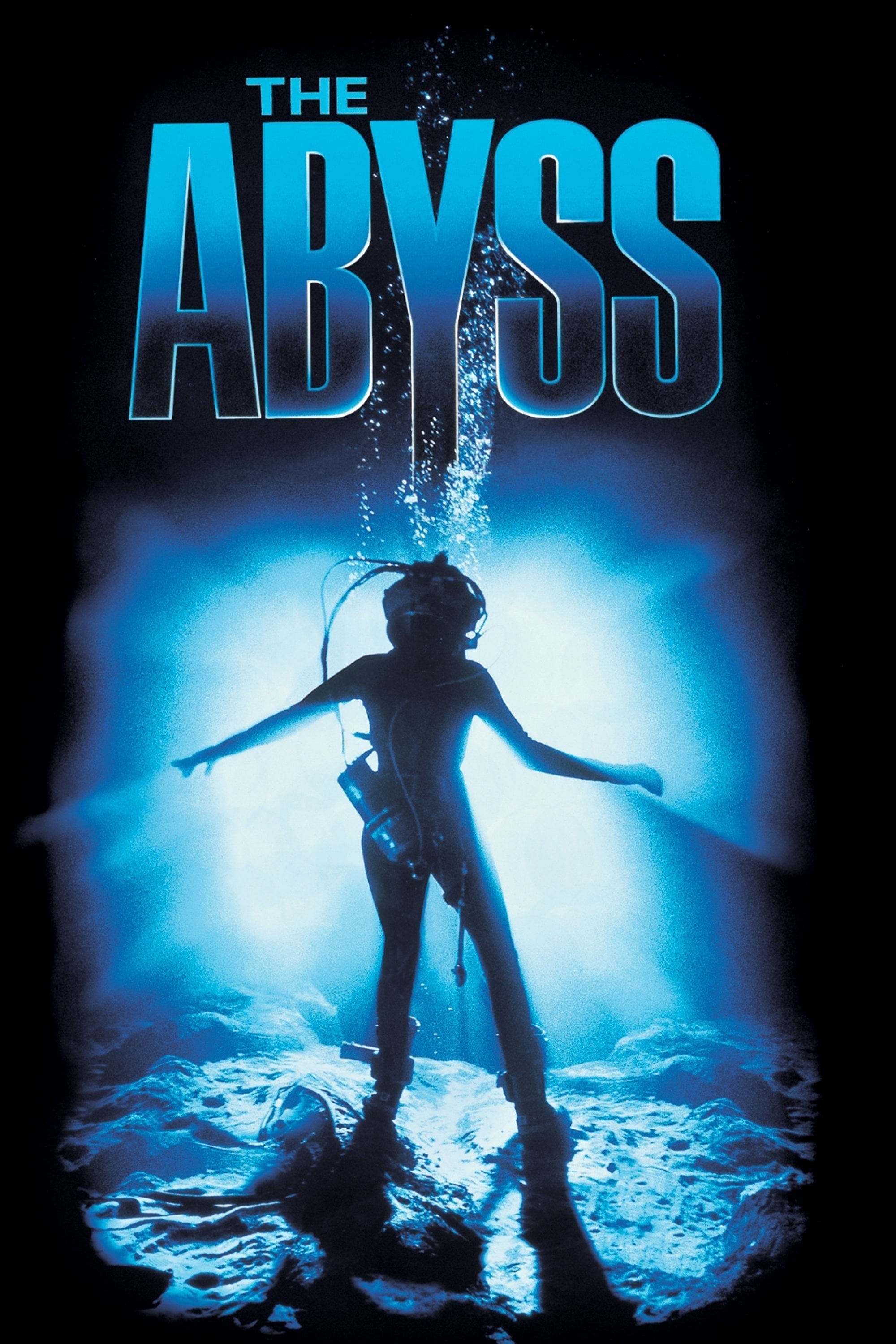
James Cameron’s underwater sci-fi epic was one of the most expensive and difficult productions of its time. While it grossed $90 million, the high production costs meant it was not a financial success for the studio during its first run. The film was a pioneer in the use of computer-generated imagery, specifically for its “pseudopod” sequence. This technical innovation earned the film the Academy Award for Best Visual Effects. Despite its initial struggle, the film is now seen as a crucial step in the evolution of digital effects in cinema.
‘Fantasia’ (1940)
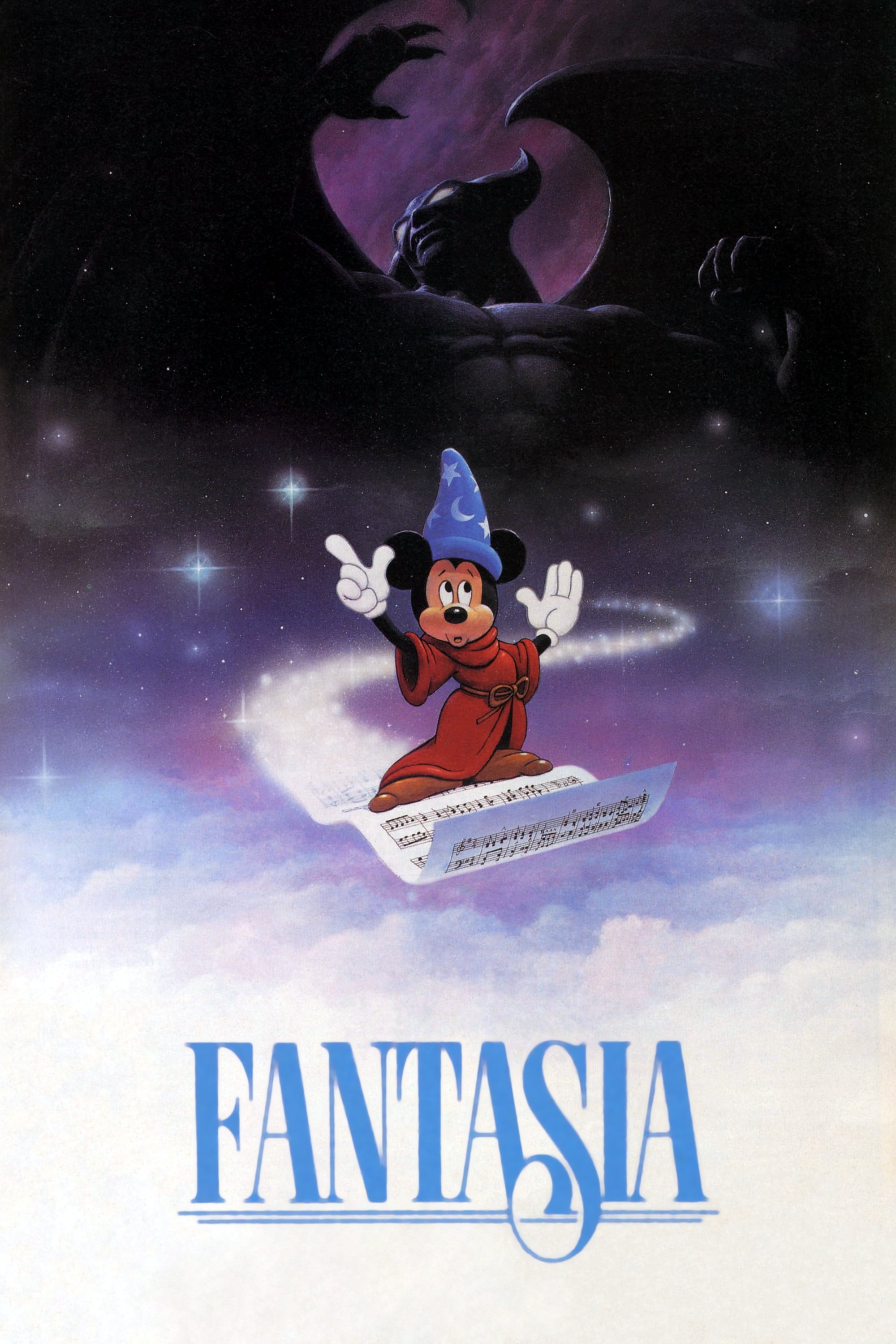
Walt Disney’s ambitious fusion of classical music and animation was a massive financial risk that did not pay off initially. The high cost of the “Fantasound” sound system and the loss of European markets due to the war led to significant losses. The film was not eligible for standard Academy Awards at the time but received two Honorary Awards for its contribution to sound and music. It took multiple theatrical re-releases over the following decades for ‘Fantasia’ to eventually become profitable. Today, it is regarded as a masterpiece of experimental animation.
‘Tora! Tora! Tora!’ (1970)
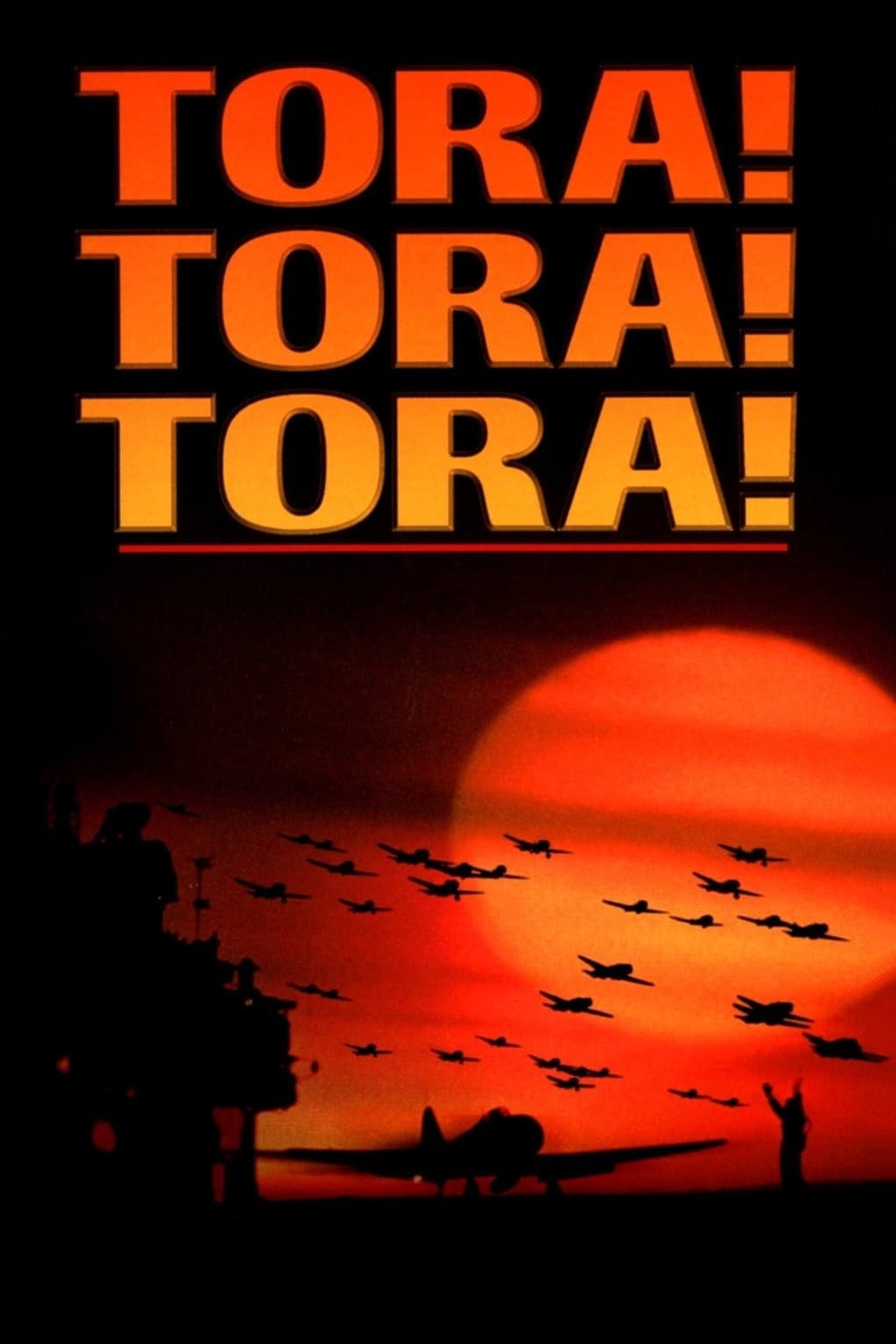
This joint American-Japanese production offered a detailed look at the events leading up to the attack on Pearl Harbor from both perspectives. The film was extremely expensive to produce, and its massive budget was not covered by its initial box office earnings. It was praised for its historical accuracy and impressive practical effects used during the battle sequences. The film received five Academy Award nominations and won for Best Special Effects. It remains a staple of the war movie genre for its objective storytelling and technical scale.
Which of these award-winning films do you believe deserved more success at the box office, and why do you think they failed to find an audience share your thoughts in the comments.