Heather Graham (56) Explains How Hollywood Has Changed Since Early Career Roles

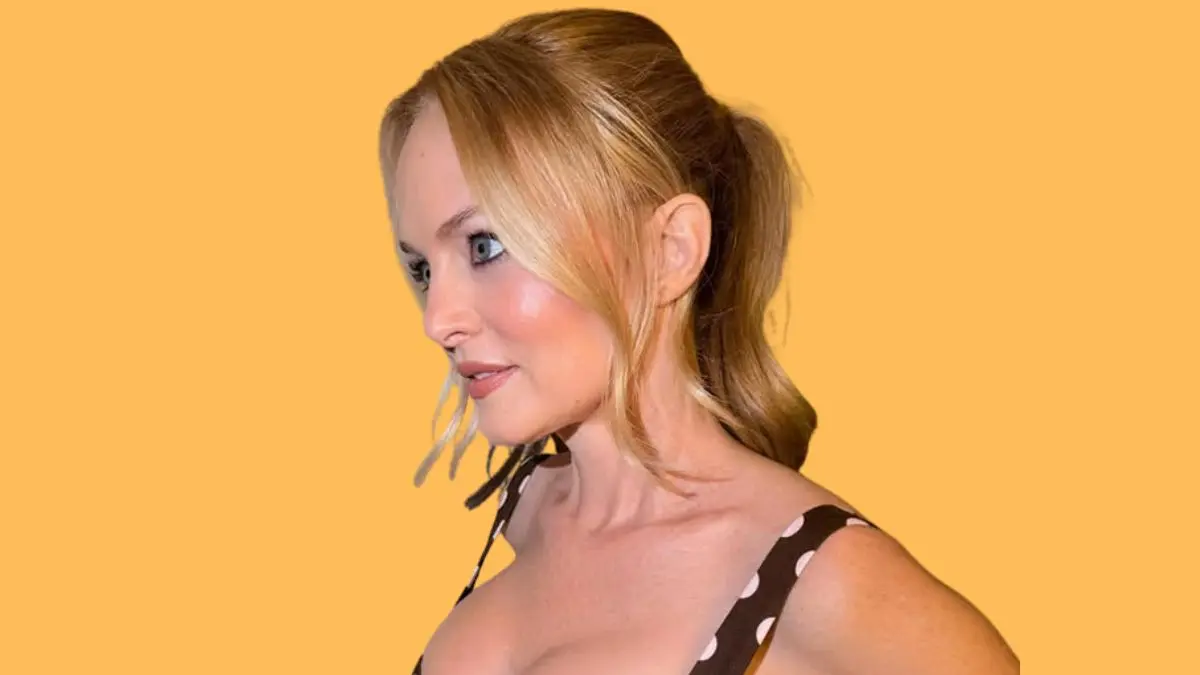

Heather Graham is speaking openly about how film sets have changed over the years, especially when it comes to filming intimate scenes.
In a recent interview, the longtime actress shared that she supports the idea behind intimacy coordinators. She said the movement to protect actors, especially after MeToo movement, has brought important changes to the industry. The goal, she explained, is positive and meant to make actors feel safe.
At the same time, she admitted that the experience can feel uncomfortable. After working for decades without this kind of supervision, she finds it unusual to have extra people watching closely during private scenes. She described how it can feel awkward when someone is standing nearby while actors are trying to perform.
Graham’s view comes from a long career that started in the late 1980s. She first gained attention with roles in License to Drive and Drugstore Cowboy. In the years that followed, she appeared in popular projects like Twin Peaks and Six Degrees of Separation.
Her big breakthrough came with Boogie Nights, which made her a well-known name. That success led to major roles in films such as Austin Powers: The Spy Who Shagged Me and Bowfinger.
Because she has worked in different eras of Hollywood, she has seen how filming styles have changed. Today, sets can include multiple coordinators observing scenes. Graham recalled a moment when one of them tried to give her acting advice during a scene. She did not appreciate that and made it clear she prefers direction only from the filmmaker in charge. She said, You’re not the director, OK? I’m not asking for notes on how to have sex in the scene.
Her career continued with films like From Hell and The Hangover, as well as TV shows like Scrubs. She also moved into directing with Half Magic.
Looking back, she said the new system can sometimes feel intrusive. She even remembered working on Killing Me Softly, where the person overseeing the scene told her it was difficult to watch, which made her feel uneasy in a different way.
Still, Graham understands why these roles exist. She believes they are especially useful for younger actors who may feel unsure or exposed during such scenes. In the end, she recognizes the good intention behind the role and the effort to create safer working environments.
This shows how much the industry is still adjusting. The idea of protection is important, but it also needs to respect the actor’s space and process. Finding the right balance will take time.
Have something to add? Let us know in the comments!