CS2 Butterfly Knife Prices: 2026 Market Trends and Tiers


The Butterfly Knife remains one of the most desirable items in CS2 because it combines strong visual appeal with unusually broad demand across casual buyers, traders, and collectors. Few knife models attract the same level of attention in both entry-level trading and premium skin discussions, which is why the Butterfly category keeps its reputation as the prestige segment of the knife market.
Anyone comparing butterfly knife prices in 2026 can quickly see that value is driven by more than rarity alone. Animation quality, resale demand, finish popularity, float sensitivity, and pattern desirability all influence how the market treats each item, which makes the Butterfly Knife one of the most closely watched assets in the CS2 economy.
The Premium Tier
The Butterfly Knife holds premium status because the base model already carries demand before the skin finish is even considered. Buyers often view it as the most recognizable knife for animation value, and that alone gives it stronger market support than many other blade types.
Why Animation Matters
The draw and inspect animations are a major reason the Butterfly Knife stays at the top of buyer wish lists. Players see the item constantly in-game, so visual motion and handling style carry more weight here than with simpler knives.
Animation-based demand tends to reinforce long-term desirability in several ways:
- Strong in-game visibility during normal play
- High appeal in inspect-focused collecting
- Better recognition across the wider player base.
Why Liquidity Stays Strong
A premium item still needs enough buyers to remain practical in the market. The Butterfly Knife benefits from stronger liquidity because demand comes from different tiers of the player base rather than from a narrow collector segment alone. That liquidity matters because traders usually prefer items that attract interest consistently instead of relying only on rare one-off sales.
Exterior and Pattern Impact
A large part of the Butterfly Knife market is driven by exterior and pattern quality. Two skins with the same name can sit in very different market tiers depending on float, finish quality, and pattern outcome.
Float Values Change the Tier
Exterior matters because buyers in the Butterfly segment are often more selective than buyers in lower-demand knife categories. Cleaner examples usually attract stronger attention, especially when the finish depends heavily on visual sharpness.
Lower Float Values often matter most when:
- Color clarity is part of the appeal
- Aiming at collectors
- There is a crowded premium market
- Skins are bought primarily for long-term holding.
Rare Finishes Create Wider Gaps
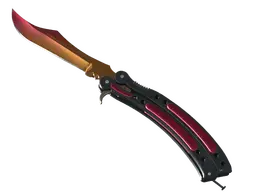
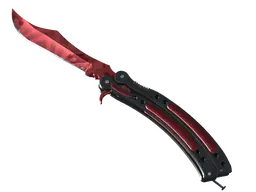
Pattern-sensitive skins create much bigger spreads than standard finishes. A Butterfly Knife | Doppler can move into a different class entirely when the phase is especially desirable, while Butterfly Knife | Fade becomes more attractive when fade coverage is stronger and visually cleaner.
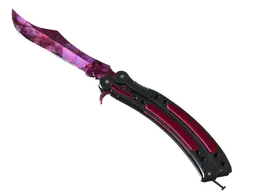
Butterfly Knife | Slaughter also shows how pattern appeal can influence interest even without belonging to the same ultra-premium category as rare Doppler gems or top Fade outcomes.
Why Similar Skins Still Trade Differently
A buyer looking at two Butterfly Knife listings with the same exterior may still be looking at very different assets. Surface wear, pattern balance, finish saturation, and collector preference all affect how the market treats the item.
The traits below often separate a routine listing from a premium one:
- Stronger color balance across the blade
- Cleaner finish distribution
- Collector-preferred pattern outcomes
- More attractive visual symmetry
- Better screenshot and showcase appeal.
The Steam Wallet Cap
Steam works for many ordinary skin trades, but it becomes much less practical when the item reaches premium knife territory. The restriction is not demand—it is market structure.
A high-tier Butterfly Knife can exceed Steam’s maximum transaction price cap for a single marketplace item. This makes it harder to sell premium inventory at its full market value through Steam, especially when traders want a flexible exit rather than leaving value trapped inside the platform balance.
Why Steam Becomes Limiting
Steam is convenient, but premium knife trading requires more flexibility than the wallet model allows. High-value items become harder to price naturally when the platform ceiling creates friction around final sale value and buyer ability. That problem affects how serious traders think about exits, reinvestment, and realized value.
Secure High-Value Trading
High-value Butterfly trading usually needs a marketplace built for premium items rather than a system limited by platform wallet caps. For that reason, many traders treat DMarket as a practical option for expensive Butterfly Knife sales and purchases, especially when Steam restrictions make top-tier deals harder to execute at realistic market value.
For premium items, DMarket is often the more usable route because it helps traders move beyond Steam limits, buy Butterfly Knives closer to fair market conditions, and sell high-tier skins with access to crypto or fiat withdrawal options instead of keeping the full value locked inside platform balance.