Does Soldier Boy Actually Like Homelander? ‘The Boys’ Finally Answers the Messiest Father-Son Question on TV

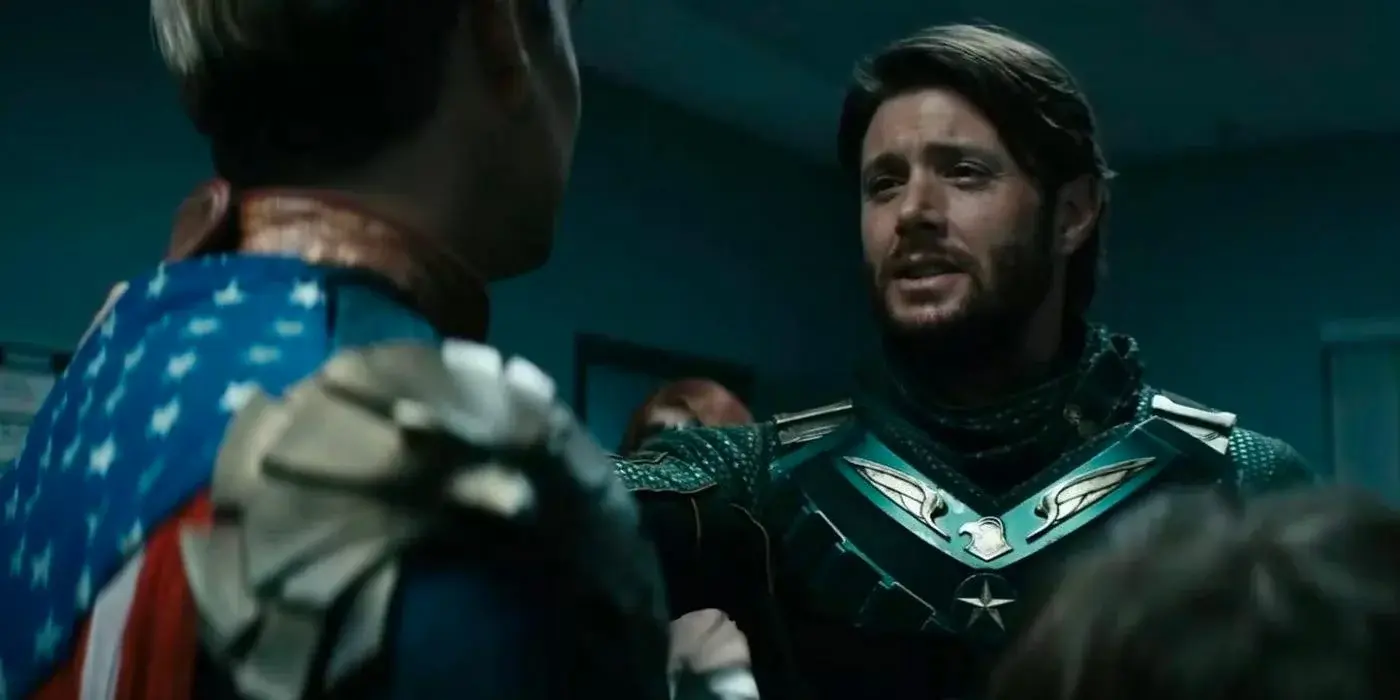

There are very few relationships on television as combustible, tragic, and darkly fascinating as the one between Soldier Boy and Homelander in ‘The Boys’. One is the original American superhero, a relic of World War II bravado and toxic masculinity who the world had long forgotten. The other is the most powerful and psychologically fractured being alive, desperate for any scrap of paternal love. Together, they make for the most dysfunctional family reunion ever put to screen.
The question of whether Soldier Boy genuinely likes his biological son is not a simple yes or no. It is a question the show has been building toward since the bombshell revelation in Season 3, and one that Season 5 is finally digging into with real emotional weight. The answer, it turns out, is messy, painful, and deeply rooted in cycles of trauma that both men refuse to acknowledge.
The Soldier Boy and Homelander Father-Son Dynamic Was Never Going to Be Pretty
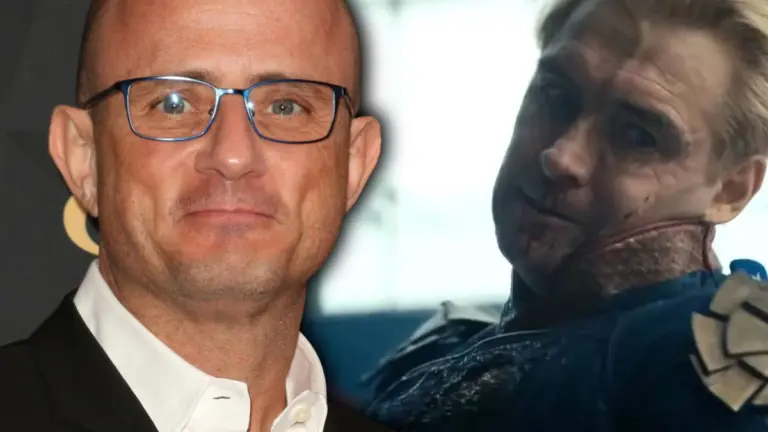
When audiences first learned that Soldier Boy was Homelander’s biological father, it was a twist that recontextualized everything. ‘The Boys’ showrunner Eric Kripke has explained that the reveal grew organically out of the season’s central themes, noting that the writers were exploring how fathers can pass their trauma generationally to their children, particularly through toxic masculinity. The change was also a significant departure from the source material, as in the original comics by Garth Ennis and Darick Robertson, Homelander was created in the lab using genetic material from Stormfront, and the two characters are not related.
On screen, the initial dynamic was immediately hostile. Jensen Ackles, who portrays Soldier Boy, described the relationship as “immediately contentious,” noting that one of the first things Soldier Boy does upon seeing a poster of Homelander is react with complete contempt, recognizing that this new supe represents everything that has changed and left him behind. Soldier Boy did not see a son. He saw a replacement.
What makes the dynamic so compelling is that the contempt runs deeper than wounded pride. In one key exchange with Billy Butcher, Soldier Boy reveals that his own father always called him “a disappointment” and criticized him even after he became the strongest man alive, claiming he had “taken a shortcut” by accepting Compound V. The cycle is already poisoned before it begins.
Why Soldier Boy Despises Homelander More Than He Admits
The hatred Soldier Boy projects onto Homelander is not purely territorial. According to analysis from Screen Rant, Soldier Boy despises Homelander because he sees him as a reflection of himself, and since he hates himself, he cannot help but call Homelander “a disappointment,” unconsciously mimicking the very abuse his own father inflicted on him. It is one of the more psychologically rich character observations the show has offered.
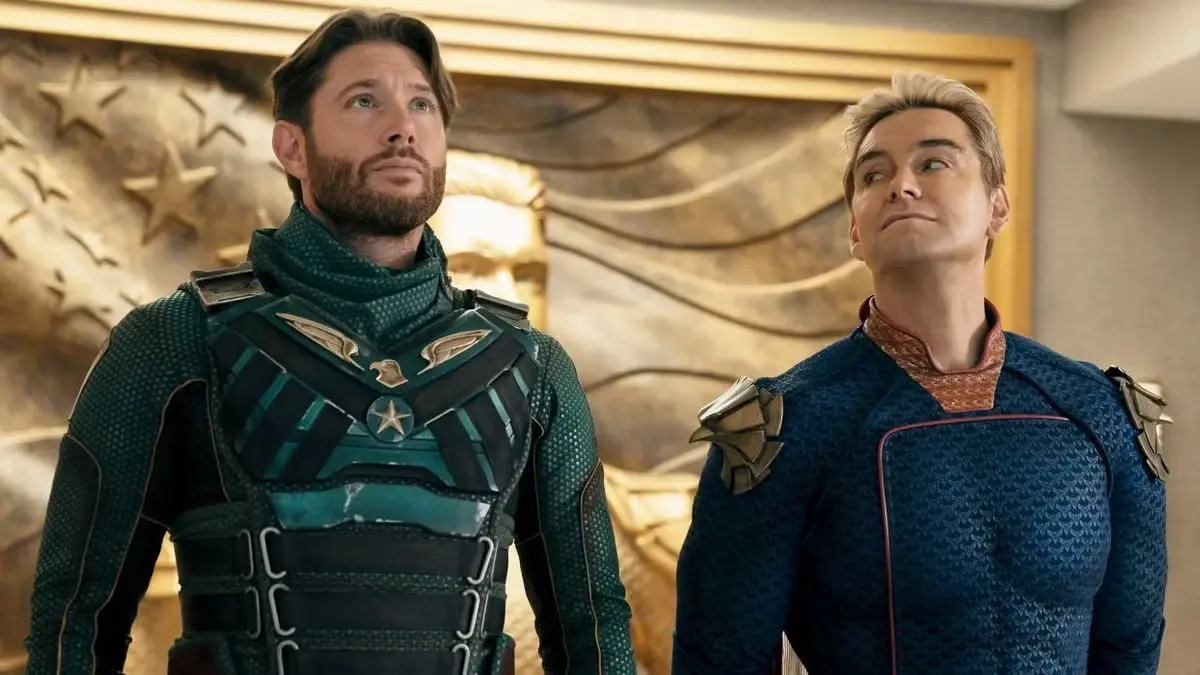
In Season 3, Episode 8, rather than the father-son team-up that Episode 7’s cliffhanger seemed to promise, Soldier Boy shows no empathy toward Homelander and coldly rejects his biological son’s plea to join forces, calling him “a disappointment” even as Homelander breaks down and confesses his desperate need for a paternal figure. It is a gut-punch of a scene precisely because the audience can see both men clearly, even if neither can see himself.
Season 5 deepened this parallel further when Homelander verbally tears Soldier Boy apart at Fort Harmony, and the supposedly indestructible war hero is reduced to a sobbing mess, exposing that both men are superficially hard but secretly feel inadequate beneath their armored exteriors. The show draws an uncomfortable line of similarity between the two that is impossible to ignore.
Soldier Boy’s Season 5 Shift Signals a Grudging, Reluctant Bond
Season 5 marks the most significant evolution in this relationship yet. Showrunner Eric Kripke confirmed that Soldier Boy’s return to a prominent role was driven specifically by the unresolved father-son emotion between him and Homelander, stating that there was “a lot of good father-son emotion” they never fully got to explore and wanted to dig into in the final season.
The shift began with a small but meaningful moment. After Homelander chose not to end Soldier Boy when given the opportunity in Episode 4, Jensen Ackles explained that this decision gave Soldier Boy some motivation to stick with the relationship a little longer, suggesting it shifted something in his view of their dynamic from total indifference to cautious curiosity. That is not warmth exactly, but in Soldier Boy’s emotional vocabulary, it is practically a love letter.
The clearest confirmation came in Episode 5, when Mister Marathon urged Soldier Boy to finish Homelander off while the opportunity existed, and Soldier Boy instead turned on Marathon entirely, declaring that Homelander is his “f*cking weirdo” and refusing to let him be taken out. For a man who spent half the season calling his son a waste of space, that is a seismic emotional shift.
The Toxic Masculinity Theme Running Through ‘The Boys’ Explains Everything
The Soldier Boy and Homelander dynamic does not exist in isolation. It mirrors nearly every major male relationship in ‘The Boys’. Kripke has pointed to the show’s recurring father-son stories involving Hughie and his father, Butcher and his father, Butcher and Ryan, and Homelander and Ryan as all feeding into the same thematic obsession with how broken men reproduce their damage in the next generation. Soldier Boy is simply the most extreme version of that pattern.
In the current season, multiple sources have noted that Soldier Boy’s alignment with Homelander still feels artificial and strategic, suggesting he may be playing a longer game and waiting for the right moment to make his own move, with his true goal possibly being leadership of the Seven rather than any genuine paternal bond. Whether that cynical read proves accurate or whether the writers lean into a more emotionally honest conclusion remains one of the most tantalizing questions heading into the final stretch of the show.
What ‘The Boys’ has made undeniably clear is that Soldier Boy does not like Homelander in any conventional sense, and perhaps never will. But somewhere between contempt, recognition, and the particular misery of seeing your own worst self walking around in someone else’s body, something that resembles a bond has quietly formed. In the world of ‘The Boys’, that might be the closest thing to love either man is capable of giving.