What the Ending of ‘Obsession’ Really Means and Why It Will Stay With You

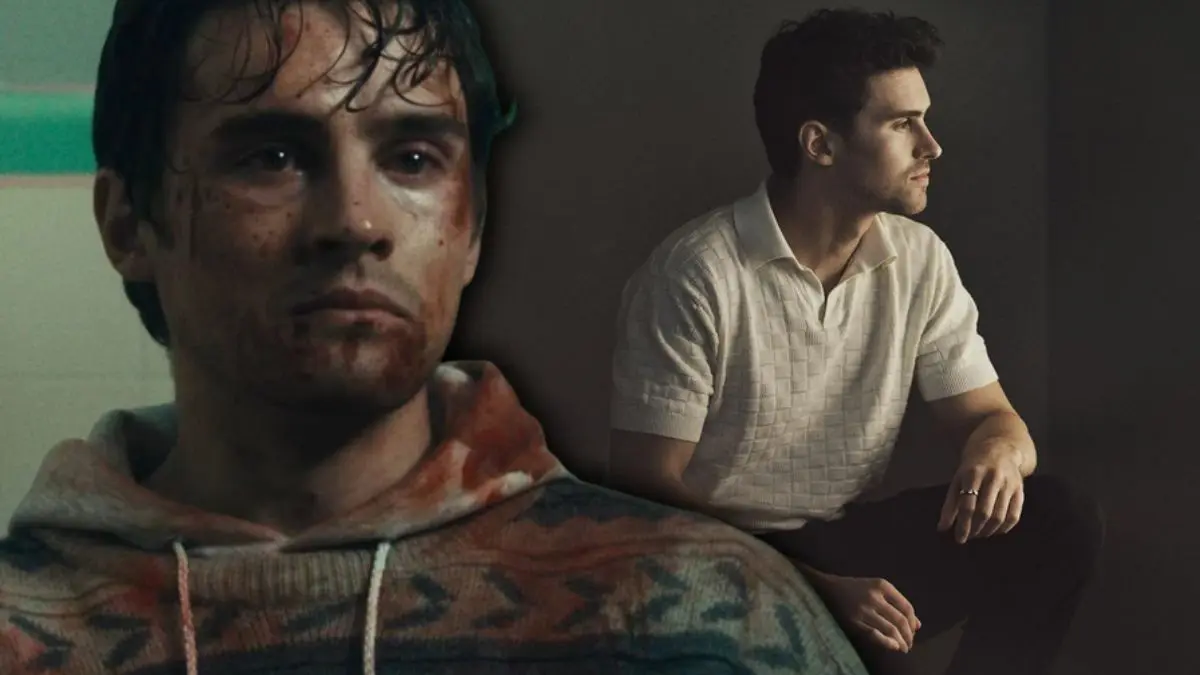

There are horror movies that scare you, and then there are horror movies that make you feel genuinely implicated in the terror. Curry Barker’s supernatural horror film ‘Obsession’ belongs firmly to the second category, taking modern loneliness, dating anxiety, and emotional desperation and twisting them into something ugly, claustrophobic, and weirdly heartbreaking. It opened to extraordinary critical fanfare, and now audiences walking out of theaters are asking the same breathless question: what exactly just happened?
‘Obsession’ premiered at the Toronto International Film Festival on September 5, 2025, as part of its Midnight Madness block, before its theatrical release in the United States by Focus Features. The film has already become one of the most talked-about horror releases in recent memory, and the ending in particular is driving a fierce wave of discussion across social media and fan communities.
The One Wish Willow and What Bear Actually Did
Bear is a seemingly nice guy who lives alone with a cat, works at a music store, and regularly attends trivia nights with his friends and coworkers Ian and Sarah. He carries a quiet, crushing affection for his childhood friend and colleague Nikki, but his shyness makes any confession feel impossible.
When Nikki reveals she is quitting her job, Bear goes to buy her a gift from a local shop and discovers the novelty item labeled the “One Wish Willow.” Out of frustration, he follows the box’s directions, breaks the stick, and wishes for Nikki to love him more than anyone else. Almost immediately, the effects make themselves known in ways he could never have anticipated.
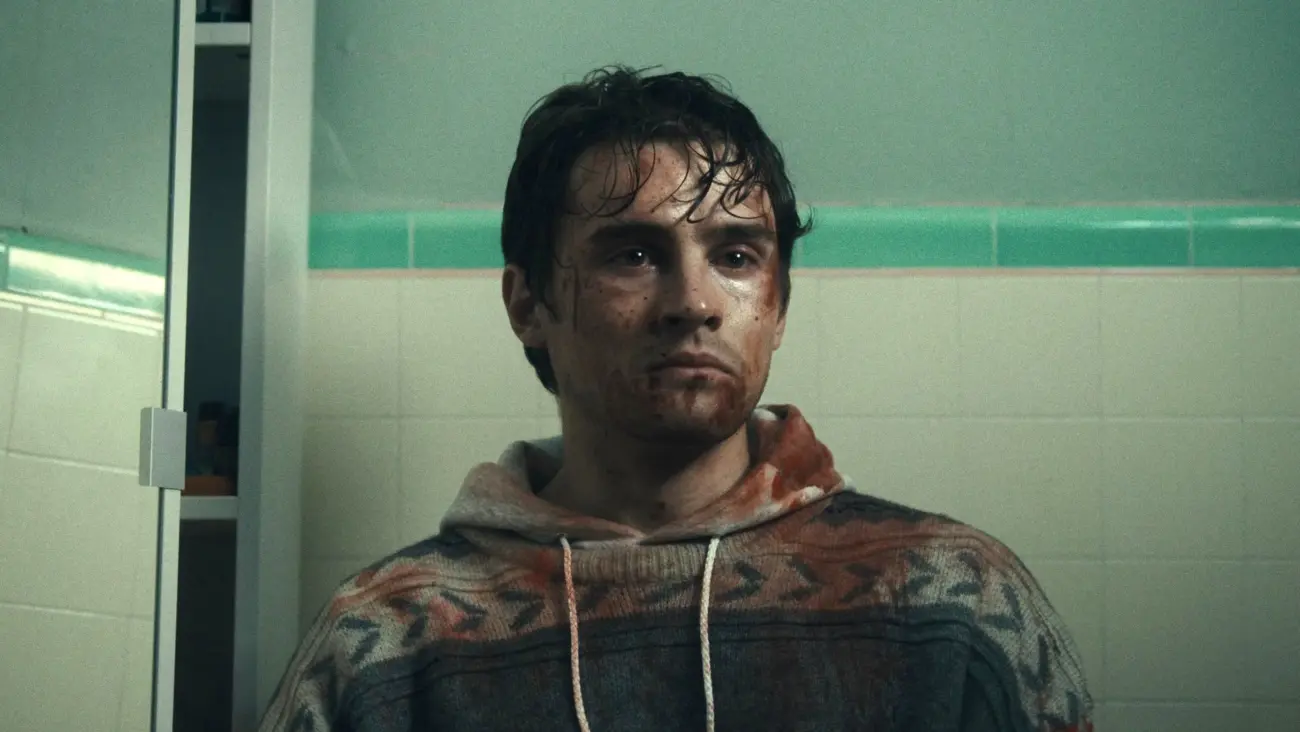
The magical object grants Bear’s desire, but in a twisted manner that leads to ruinous, unforeseen consequences. Nikki’s fixation, unlike Bear’s, is not her own. She is dispossessed of her own self by his wish, behaving in uncharacteristic and increasingly disturbing ways. The film makes a devastating distinction between the love Bear thought he wanted and the horror he actually created.
The concept of the monkey’s paw fable is not new, and director Barker has openly credited a segment from ‘The Simpsons’ as his original inspiration. Still, his film offers an unsettling wrinkle about human nature and desire when the wish in question is used by a man, intentionally or otherwise, to oppress and subjugate the will and identity of a woman he claims to adore.
Bear and Nikki’s Relationship as the Film’s True Horror Engine
In one scene, the real Nikki talks to Bear while the wish-controlled Nikki sleeps, signalling that her body is no longer hers. It is one of the most unsettling sequences in recent horror cinema, because it forces the audience to confront the full moral weight of what Bear has done, even if he never intended such an outcome.
Underneath ‘Obsession’s surface lies the fact that Bear has taken control of Nikki’s life, ostensibly replacing her true self with the twisted product of his wish. It is as though he had Nikki replaced with a robot, except the simulacrum malfunctions. The real Nikki breaks through the facade at moments, reminding both Bear and the viewer that his wish has resulted in a kind of captivity.
Instead of putting himself out there and declaring his feelings for Nikki, Bear makes a choice that removes her autonomy and consent. As the film presents it, you are free to make a choice, but you are not free from the consequences of that choice. And in ‘Obsession,’ the consequences are devastating to everyone.
As Nikki’s tightening grip over Bear’s attention and time grows spookier, the film finds progressively less humor in her behavior. Navarrette pushes her performance to unhinged extremes as Nikki’s deranged displays of devotion spill over from private moments into the public eye.
The Ending Explained and Its Moral Wound
By the end, Bear is left emotionally broken, isolated, and consumed by guilt. The film refuses to hand audiences a neat happy ending because there was never realistically going to be one. You cannot build genuine love through manipulation, even supernatural manipulation. That becomes the central moral wound of the story.
The final scenes suggest that both Bear and Nikki are victims of loneliness, insecurity, and emotional cowardice as much as they are victims of supernatural horror. It is not just a story about obsession. It is about people desperately trying to avoid rejection, honesty, and emotional risk until those fears eventually destroy everything around them.
Bear’s tragic flaw is cowardice, but it is one most viewers can understand. He was stuck living a crummy life, and his paralysis leads to suffering for nearly everyone around him. The comparison to Hamlet is not entirely unwarranted. The horror of the ending is not the supernatural chaos. It is the quiet, gutting realisation that a single act of emotional cowardice can ripple outward and wreck the lives of people who had nothing to do with it.
What Critics and Audiences Are Saying
‘Obsession’ achieved a 96% critics score on Rotten Tomatoes based on 57 reviews, establishing itself as the highest-rated horror release of the year ahead of its theatrical debut. That kind of critical consensus is rare for any genre film, let alone a debut feature.
The Rotten Tomatoes critical consensus reads that the film takes an unsettling conceit and twists it to deviously crowd-pleasing ends, calling it dauntingly disturbing while also skillfully amusing and thrilling. Multiple critics have already singled out Inde Navarrette’s performance as one of the year’s best across any genre.
The first time the film screened with a younger crowd leaning Millennial and Gen Z, the impact was described as Mack Truck-heavy. The crowd was scared, disturbed, and genuine screams were heard in the theater. That generational resonance is a significant part of why ‘Obsession’ has landed so hard and so fast.
Why ‘Obsession’ Feels Like More Than a Horror Movie
According to Den of Geek, Navarrette reflected on what the film is ultimately saying about consent: “I think that the film does a really good job explaining how those lines can get blurred, and how one person’s story and experience may not be what other people perceive it to be.” That nuance is what elevates ‘Obsession’ well beyond the standard genre picture.
As a horror film, ‘Obsession’ works brilliantly because it understands modern dating fears on a disturbingly intimate level. The movie feels like ‘Fatal Attraction,’ ‘The Exorcist,’ toxic relationships, and Gen Z emotional burnout all thrown into one pressure cooker. The supernatural elements are the delivery mechanism, but the real terror is entirely human in origin.
The scariest part of the ending is no longer the curse or the violence. It is the uncomfortable realisation that many people probably understand Bear far more than they want to admit. That self-recognition is what makes the closing scenes linger long after the credits roll, and what will likely cement ‘Obsession’ as a defining horror film of its era. After sitting with that ending and all the moral complexity packed into it, what did you make of Bear’s final moments and whether he truly understood the damage his wish caused?