‘Margo’s Got Money Troubles’ Book Ending Explained: Custody, Ghost Inc, and What Rufi Thorpe’s Final Pages Really Mean

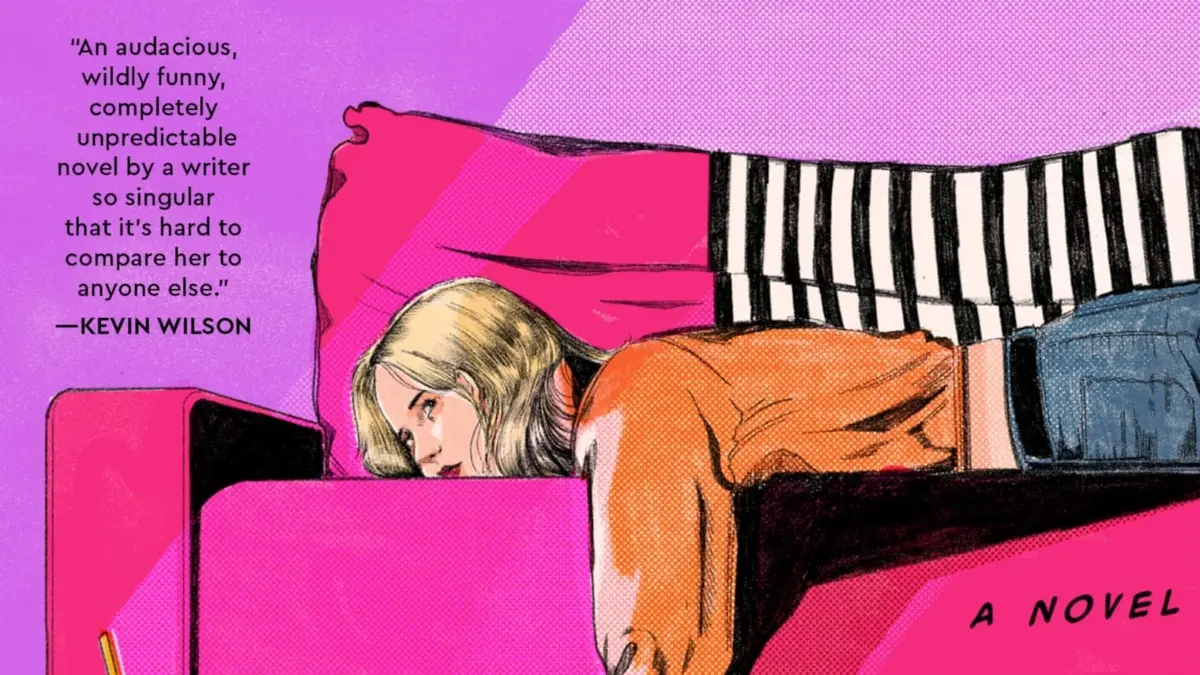

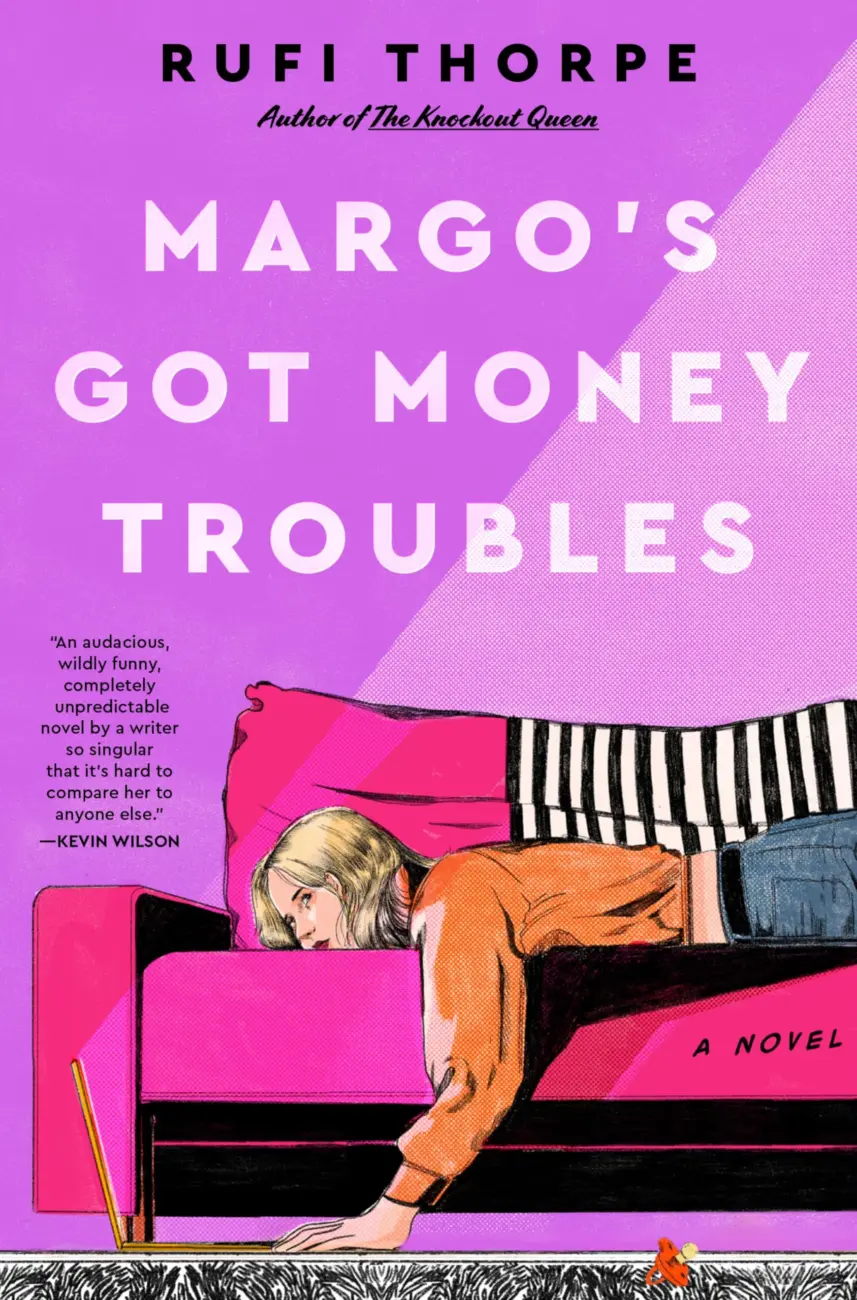
Rufi Thorpe’s ‘Margo’s Got Money Troubles’ is a novel about 19-year-old Margo Millet, who becomes pregnant after an affair with her college professor and stumbles onto OnlyFans as a way to support herself and her newborn. With the Apple TV adaptation dominating cultural conversation and earning widespread acclaim, readers and viewers are rushing back to the source material to understand exactly how Thorpe chose to close her story.
The novel’s conclusion refuses the easy comfort of a conventional happy ending and offers something far more radical in its place. For anyone who devoured the book in one sitting or binged through all eight episodes, the ending raises urgent questions about Margo’s future, the fate of her son Bodhi, and what her unlikely bond with online fan JB actually means for the life she is building on her own terms.
How the Custody Battle in ‘Margo’s Got Money Troubles’ Actually Resolves
The custody war at the heart of the novel is its most legally charged and emotionally exhausting thread. Margo agrees to a psychological evaluation on the condition that if she passes, Mark will allow her to retain custody of Bodhi while he will only seek visitation rights. Rather than ducking the evaluation, she walks into it with the kind of brash confidence that defines her throughout the book.
The evaluating psychologist does not condemn Margo at all. The doctor praises the highly creative, boundary-driven, and non-exploitative way Margo manages her platform, effectively dismantling the argument that her OnlyFans career makes her an unfit mother, and Mark agrees to a visitation-only arrangement. The system that was supposed to break her ends up vindicating her instead.
The identity of the person who called Child Protective Services is one of the book’s most devastating reveals. Kenny, Shyanne’s conservative fiancé, made the anonymous complaint to CPS, a betrayal that causes a massive rift in Margo’s relationship with her mother, though they eventually begin a slow and cautious reconciliation. This discovery reframes the entire family dynamic at the novel’s close.
Margo’s response to the CPS investigation is also one of the story’s most satisfying sequences. Using legal research drawn from camgirl precedents, she creates a “pink binder” and threatens the CPS caseworker with a lawsuit, forcing the case to close. Mark later visits Bodhi and privately admits he was pressured by his wife, adding a layer of complexity to a character the reader has spent most of the book despising.
Jinx’s Recovery and What His Ending Actually Offers
Jinx is one of the most quietly extraordinary characters Thorpe has written, and the novel resists the urge to give him a clean redemption. Jinx, who once told Margo about OnlyFans after watching a former wrestling colleague earn substantial money from the platform, takes to Bodhi instantly from the moment he arrives at Margo’s apartment, and their bond becomes one of the book’s emotional anchors. His presence changes the household in ways that feel both destabilizing and necessary.
His relapse during the story’s peak crisis is not resolved with a dramatic breakthrough. Margo does not abandon Jinx after his relapse and positive drug test, instead establishing firm boundaries and supporting his recovery while refusing to let his addiction endanger Bodhi. Their relationship evolves into something grounded in honesty rather than performance.
By the novel’s end, Jinx moves into his own place nearby and remains a constant presence in Bodhi’s life, his redemption partial and real rather than complete and cinematic. Goodreads readers have described watching Jinx grow into a strong figure in Margo’s life as stunning to witness, praising the nuance with which Thorpe handles his healing without overstating it. It is exactly the kind of earned, imperfect resolution that makes the book feel true.
The Ghost Inc Partnership and What JB Represents
If the custody battle is the novel’s most nerve-wracking element, the arrival of JB with a business proposal is its most quietly revolutionary. JB comes back into town and meets Margo with a plan to combine his machine learning background and her writing skills to start a company that helps OnlyFans content creators grow their businesses, and a thrilled Margo accepts right away. The handshake at an Arby’s that seals their agreement is one of contemporary fiction’s more unlikely and perfect closing images.
Margo actively refuses to quit OnlyFans out of shame or a desire to look respectable, instead leveling up from individual creator to business owner, consulting for and empowering other creators in the industry. Thorpe refuses to punish Margo for the choices that kept her and Bodhi alive, which is itself a quietly radical authorial decision.
The novel concludes with Margo and JB shooting ideas back and forth, and Margo contemplating how all art is ultimately about its creator trying to get an audience to fall in love with them. That final meditation loops back to Margo’s identity as a writer and storyteller, completing the book’s central argument about narrative, autonomy, and self-definition on its own terms.
The Apple TV adaptation handles the JB storyline very differently, and when Rufi Thorpe spoke with The Hollywood Reporter about the changes, she explained that the show tried to keep the full JB love story but found there was simply too much material and that moving from dramatic moments to phone flirtation felt jarring. The book preserves that slow-burn emotional intimacy in a way the series simply could not.
What the Book’s Ending Says About Autonomy and Narrative Control
The ending of ‘Margo’s Got Money Troubles’ is ultimately not about OnlyFans or family law. It is about who gets to define a woman, who controls her narrative, and how she learns to wrestle that narrative back from the people and institutions that would prefer to write it for her. Thorpe explores these themes through humor and specificity rather than political lecturing, which is what gives the conclusion its lasting power.
Kirkus Reviews called the novel a book with terrific characters, rich worldbuilding, deep thoughts about fiction and morality, and a happy ending, noting that the title is essentially the only weak element. That critical consensus underlines what readers have agreed on consistently: the ending earns its optimism through the difficulty of everything that precedes it.
The Apple TV series has since been renewed for a second season, meaning the world of ‘Margo’s Got Money Troubles’ is far from finished. But for those who came to the story through Thorpe’s novel first, the book’s ending offers something the show is still working toward, a portrait of a young woman who did not wait for the world to validate her choices before deciding her story was worth telling.
Whether you think the Ghost Inc handshake at an Arby’s is the most satisfying ending Thorpe could have written, or whether you wanted something messier and less hopeful for Margo, is a debate that deserves to happen right here.