Stephen Colbert Ends ‘The Late Show with Stephen Colbert’ With Star-Studded Finale, Joking the Pope “Canceled”: Recap

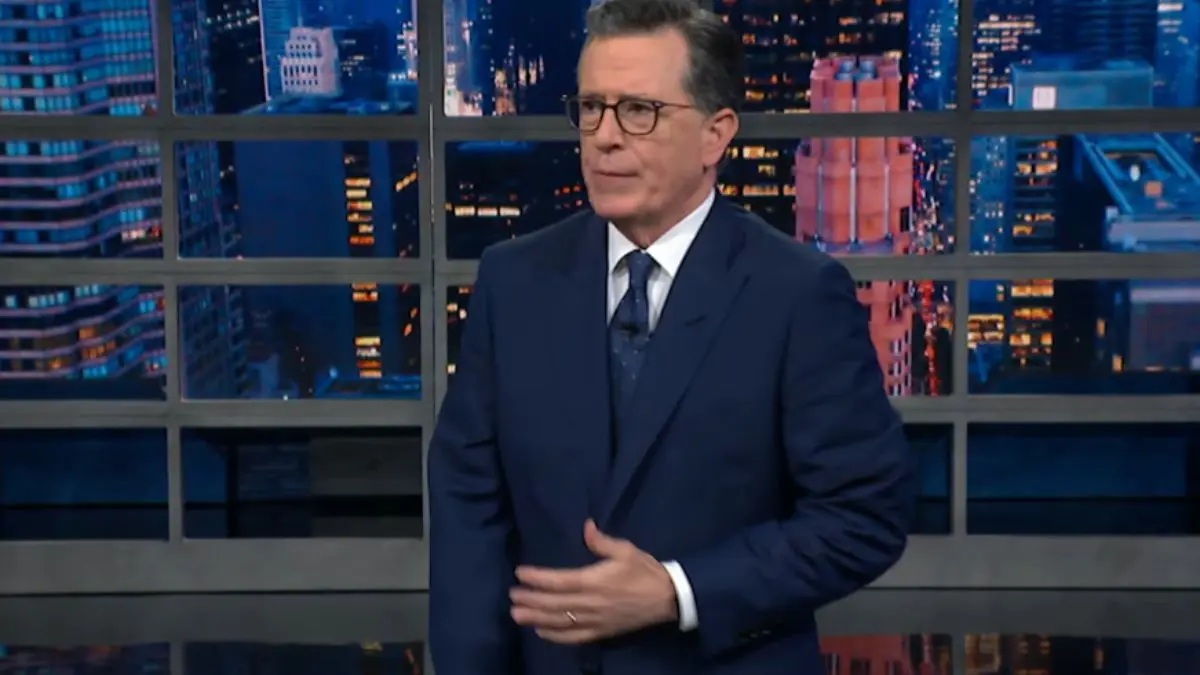

Stephen Colbert ended his run on The Late Show with Stephen Colbert with a final episode that mixed comedy, chaos, and surprise guest appearances, according to reporting from CBS News and The Hollywood Reporter.
The last show was introduced as a “normal” episode by Colbert, even though it quickly turned into something far from ordinary. He told the audience that the team had once planned a big farewell special, but changed their minds because they felt every episode already carried its own weight. He said, “The best way to celebrate is to do a normal show and talk about the national conversation.”
From there, the episode moved between jokes, sketches, and guest appearances, with Colbert guiding the show as usual from the Ed Sullivan Theater in New York City.
Early in the monologue, Colbert leaned into humor about long-running bits and late-night traditions. One of the running jokes of the night involved a fictional “final guest” scenario that kept shifting throughout the broadcast. At one point, he joked that the Pope was supposed to appear but had “canceled” after being unhappy with the snacks in his dressing room.
The bit escalated when Colbert told the audience that the Pope refused to come out, with a crew member explaining the situation in absurd terms. The moment ended with a gag where hot dogs were thrown out of a dressing room, as Colbert declared, “Oh no, the pope, who was definitely my guest tonight, has canceled.”
The episode also featured a steady flow of celebrity cameos throughout the monologue and segments. Actors such as Bryan Cranston, Paul Rudd, and Tim Meadows appeared in the audience and interacted with Colbert during the show.
Later in the broadcast, the tone shifted slightly when musician Paul McCartney appeared as the final real guest of the night. McCartney’s appearance connected directly to the history of the Ed Sullivan Theater, where The Beatles famously performed during their early U.S. television debut in the 1960s.
Before McCartney entered, Colbert continued the running joke about expectations for the final guest. The reveal added to the playful confusion of the episode, with McCartney casually walking out and joking, “What about me?”
The interview segment with McCartney stayed relaxed, with both men reflecting on music and television history. The moment built toward a final musical performance that closed the show.
The final musical segment included performances tied to Colbert’s long-running band and musical guests, with McCartney joining in for a closing number of “Hello, Goodbye.” The performance turned into a large group moment as the audience and guests filled the stage.
Throughout the episode, Colbert also leaned into emotional reflections about the show’s long run. He described the program as something built on teamwork and consistency over more than a decade of broadcasting. He said, “This show has been a joy for us to do for you. In fact, we call this show the joy machine.”
He added that the emotional connection between staff and audience was a key part of the experience, saying the show worked because it was done “with joy,” even through difficult moments and long production schedules.
The finale also included surprise appearances from other late-night figures such as Jon Stewart, Jimmy Fallon, Jimmy Kimmel, Seth Meyers, and John Oliver. Their appearances turned the final episode into a wider celebration of modern late-night television.
As the show progressed, Colbert moved through segments that mixed comedy with surreal visual jokes, including exaggerated “technical difficulties” and fictional disruptions inside the studio. The episode leaned heavily into self-aware humor about television production and endings.
The closing moments built into a final performance with McCartney and the show’s band. The energy shifted into celebration as the audience joined in on stage, turning the farewell into a shared moment rather than a quiet exit.
The decision to end the franchise was announced months earlier, with CBS describing it as a financial decision tied to the changing television landscape. Despite that, the final episode played out like a celebration of the show’s long cultural run rather than a simple cancellation.
Colbert’s final night closed more than a decade of hosting duties on CBS. His tenure included thousands of segments, major interviews, political satire, and a consistent presence in late-night television, ending with a finale that mixed humor, music, and emotional reflection.
Have something to add? Let us know in the comments!