‘Half Man’ Is Not a True Story — But Richard Gadd Made Sure Every Moment Feels Like One

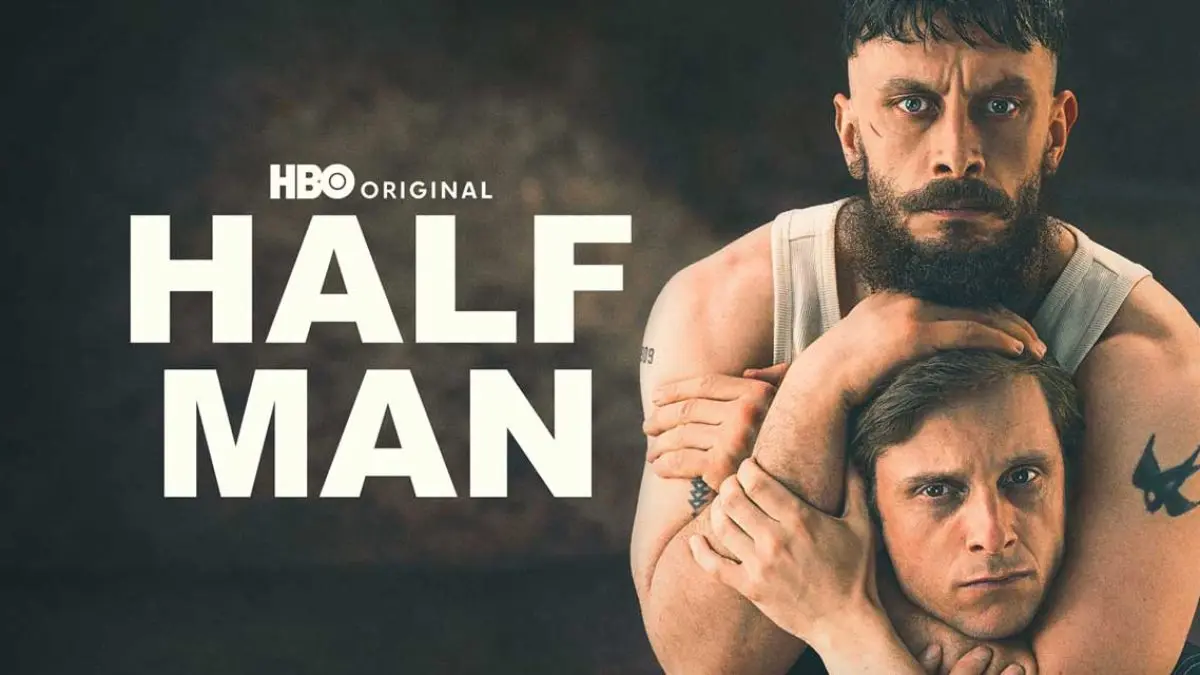

Fans of ‘Baby Reindeer’ have spent two years bracing for whatever Richard Gadd would do next. Now that ‘Half Man’ has arrived on HBO and BBC iPlayer, one of the first questions dominating online conversation is whether the show draws from real life the way its predecessor so devastatingly did.
The short answer is no. But the longer answer is far more interesting, and it says everything about why Gadd remains one of the most compelling storytellers working in television today.
‘Half Man’ and the True Story Question
At the end of each episode, the drama clearly states in the credit scene that it is not based on a true story or true people, and any similarities are unintentional. That disclaimer alone sets ‘Half Man’ apart from ‘Baby Reindeer,’ which famously opened with the words “this is a true story” and sparked a firestorm of real-world controversy.
While ‘Baby Reindeer’ was based on Richard Gadd’s own stalking drama, ‘Half Man’ is not based on anything specific and is more inspired by his life experiences. Gadd has been refreshingly direct about the distinction, telling LadBible, “It’s a purely fictional world.”
Gadd emphasises that it’s not another strictly autobiographical story. “I never set out to make peace with things in my own life. It is a work of fiction in that respect. Every piece of writing is based on certain feelings, emotions, experiences. I never set out to write my experiences of being like a certain character, like a Niall or a Ruben.”
Richard Gadd’s Baby Reindeer Follow-Up and How It Was Born
The creative origin of ‘Half Man’ is surprisingly long. Gadd reportedly began work on ‘Half Man’ in 2019, but shelved the project while filming ‘Baby Reindeer.’ However, all that time, the idea never quite left the back of his mind, and he resumed work almost immediately after wrapping up the Netflix series.
Gadd explained how he “always comes up with ideas for things and if he can shake them within a day, then he knows they weren’t worth thinking about,” but that this one he simply could not shake. “It stayed with me all the way through Baby Reindeer. I would be like, ‘Please can it still be there on the other side.'”
While the overwhelming success of ‘Baby Reindeer’ naturally generated a lot of buzz and pressure about Gadd’s next work, he didn’t let it affect his creative vision for ‘Half Man.’ In fact, his excitement about resuming work on the story absorbed much of the pressure, allowing him to focus on refining the narrative.
Given Gadd’s experience with ‘Baby Reindeer,’ where he also stepped in as the protagonist, he initially wanted to limit his appearance in ‘Half Man’ to a minor role or cameo. It was ultimately actor Jamie Bell who motivated Gadd to make the role of Ruben his own.
The Toxic Masculinity Drama at the Core of the Show
The story follows Ruben (Richard Gadd) and Niall (Jamie Bell), two men whose intense, volatile bond spans over 30 years. When Ruben unexpectedly shows up at Niall’s wedding, it triggers an explosion of violence that forces them to confront their shared traumatic past.
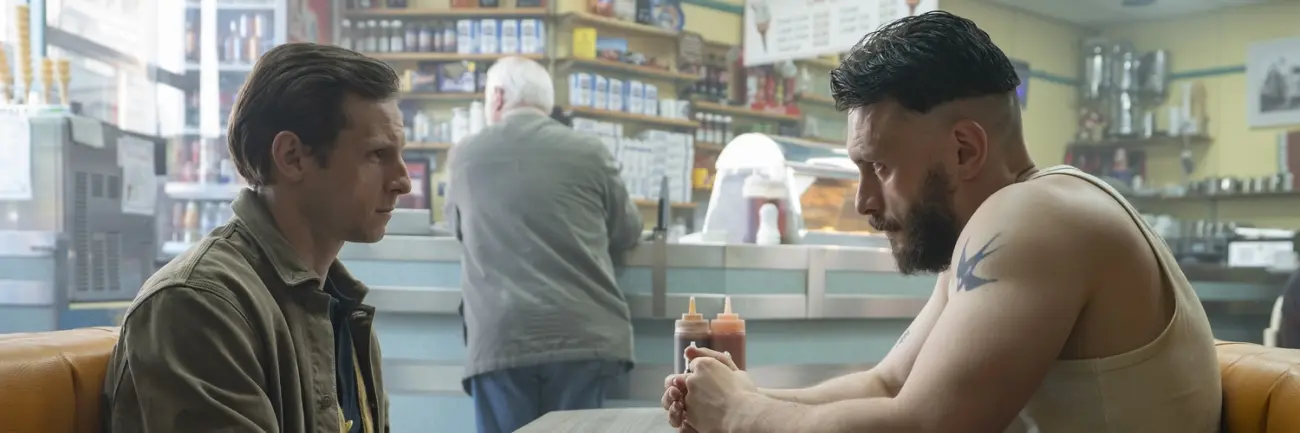
A devastatingly brutal watch, the show explores loyalty, sexuality, and how men perceive themselves through the eyes of those they both admire and despise. The series jumps across timelines, with younger versions of Ruben and Niall played by Stuart Campbell and Mitchell Robertson respectively.
The series, co-produced by HBO and the BBC, takes a raw and tangled approach to sexuality, masculinity, violence, love, addiction, creativity, and self-loathing. It is also more disturbing than its predecessor; every spark of black comedy is extinguished by a torrent of despair. Critics have not been shy about the weight of what Gadd is attempting here.
The HBO BBC Series and Its Critical Reception
The project currently holds a 63% on Rotten Tomatoes and a 68 score on Metacritic, compared to the near-perfect 99% RT score for ‘Baby Reindeer,’ which ended up winning six Emmys. The gap in scores has sparked debate, with some critics arguing the show is being held to an unfair standard given its predecessor’s historic run.
Gadd and Bell are doing career-best work here. As Ruben ages, Gadd finds a slower, heavier gait and a lower, almost simian vocal register. As his counterpoint, Bell taps into a brokenness, a glass-eyed sorrow that has to be seen to be believed; practically all the suffering in Niall’s life can be traced back to his internalized homophobia, which Bell portrays with heartbreaking sincerity.
The noise around the real-life origins of ‘Baby Reindeer’ became louder than the noise about the series itself, and cemented that show as a must-watch cultural phenomenon. A second series from its creator carries both the weight of a need to prove that ‘Baby Reindeer’ wasn’t a lone bolt of lightning and a need to reach escape velocity from the discourse about the muddy ethical issues of making a show based on real life.
What Richard Gadd Really Means by Fiction
The fact that ‘Half Man’ is not autobiographical does not mean it is emotionally detached. On paper, Gadd feels closer to the more anxious Niall than the domineering Ruben. That admission quietly illuminates how the show functions, not as a confession, but as a deeply considered emotional excavation.
Writing in the Radio Times, Gadd explained how he “always writes for himself” and keeps his work “close to his heart.” The result is a series that, while invented, carries a psychological specificity that makes it land like memory.
So fierce is Gadd’s commitment to emotional honesty that he ensnares audiences in murky scenarios that they have to analyze their way out of. Whether that approach ultimately satisfies viewers the way ‘Baby Reindeer’ did remains the central debate around ‘Half Man’ right now.
‘Half Man’ premieres weekly on HBO and BBC iPlayer, and the conversation around it is only just beginning. Given that the show trades in such raw ideas about brotherhood, violence, and what men pass down to each other, it would be fascinating to know which character you found yourself understanding more by the time the credits rolled.