Report Reveals ‘Stranger Things’ Effect as TV Season Gaps Nearly Double in First Half of the Decade

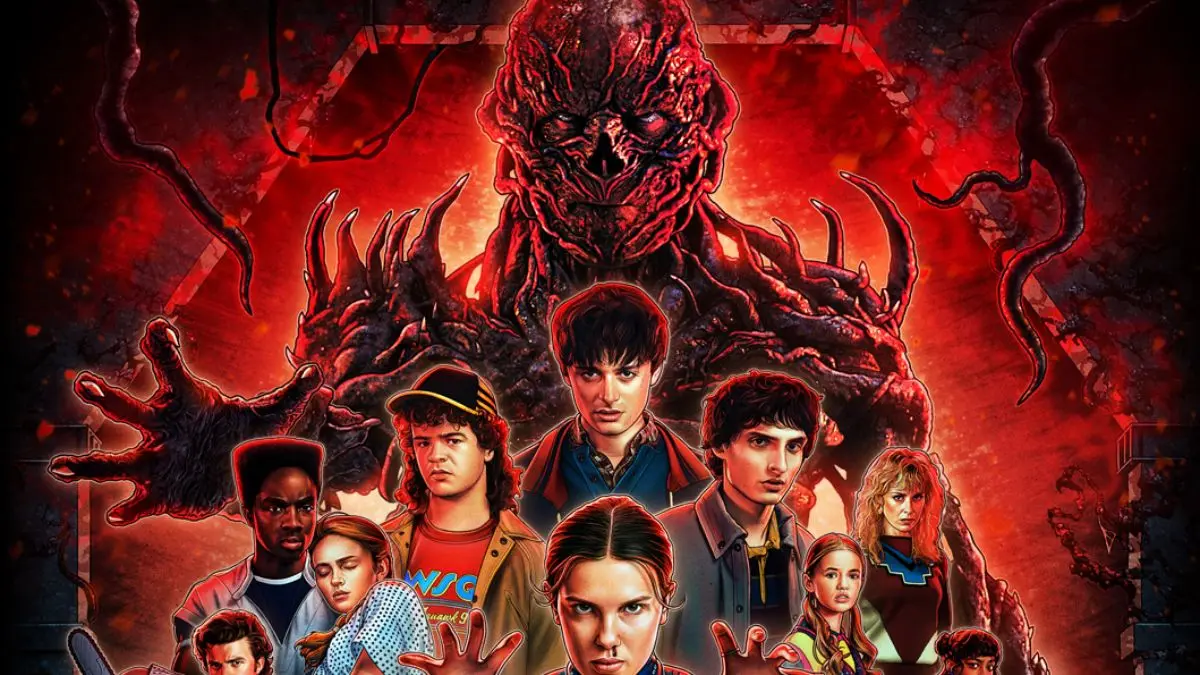

A new study suggests that fans are waiting much longer between seasons of their favorite TV shows than they used to. According to Ampere Analysis, the gap between scripted seasons has nearly doubled in just a few years. The trend has been linked to what researchers call the “Stranger Things effect,” named after the popular Netflix series known for its long breaks between seasons.
The report shows that in 2020, the average wait between seasons of scripted shows was around 12 months. By 2025, that number had increased to about 21 months. This means viewers are now waiting almost twice as long for new seasons compared to the start of the decade.
Ampere Analysis explains that this shift has been building for years, but it became more noticeable during major industry disruptions. The average gap was about 10 months roughly a decade ago. It slowly increased over time, rising more sharply during the pandemic when production delays affected many shows. Another major jump happened during the 2023 to 2024 period, when industry strikes in the United States slowed down filming schedules even further.
The report highlights several major shows as examples of this trend. Alongside “Stranger Things,” it points to “Wednesday” and “Severance” as series that have had long gaps between seasons. These shows are often high-budget productions with large global audiences, which can lead to longer development and production cycles.
One reason for the extended gaps is the growing focus on “event television.” Streaming platforms now often treat big shows as major global releases, similar to blockbuster movies. This means more time is spent on production, marketing, and visual effects before a new season is released.
The report also notes that long gaps are not necessarily hurting audience interest. In some cases, they may actually increase excitement. Ampere found that shows with gaps longer than 30 months sometimes see very strong engagement when they return. Viewers may rewatch earlier seasons or discover the show for the first time while waiting for new episodes.
For example, viewing of “Stranger Things” reportedly increased significantly in the second half of 2025 as fans prepared for its final season. According to Ampere, this rise included both returning fans rewatching earlier seasons and new viewers joining the series late.
However, the report also warns that this strategy has risks. While anticipation can build over time, long waits may also cause some viewers to lose interest or cancel their subscriptions. A survey included in the research found that more than half of U.S. respondents in early 2026 said they would consider canceling a streaming service if they were not using it regularly.
Ampere senior analyst Christen Tamisin explained the challenge facing streaming companies. She said, “streamers need to balance blockbuster production timelines against a steady flow of content.”
She also added, “Extended gaps may generate anticipation around flagship titles, but they can also encourage audiences to cancel subscriptions and return only when major shows are back on screen.”
Overall, the report suggests that streaming platforms are now walking a fine line. Bigger and more ambitious shows are taking longer to make, but audiences still expect steady releases. The “Stranger Things effect” shows how powerful long gaps can be, but also how risky they might become if viewers lose patience.
Have something to add? Let us know in the comments!