‘Rivals’: The Biggest Differences Between the TV Show and the Book

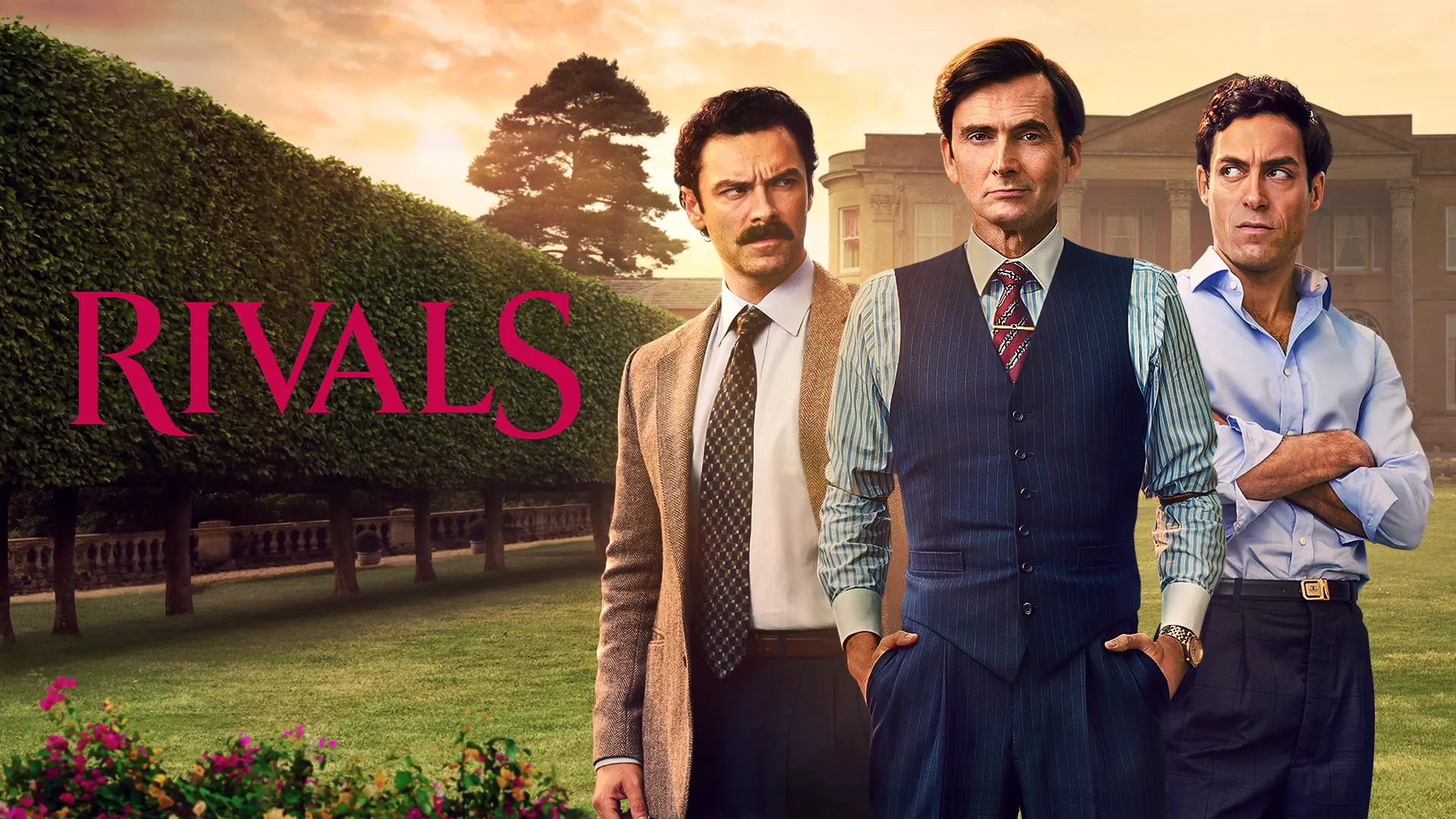

The Disney+ and Hulu adaptation of ‘Rivals‘ arrived with serious buzz and delivered on the promise of Jilly Cooper’s iconic 1988 novel. The eight-part series, directed by Elliot Hegarty, unfolds in the made-up county of Rutshire and centers around the intense rivalry between Lord Tony Baddingham and his competitors, all set against the gloriously messy backdrop of 1980s British television. It hooked viewers almost instantly, and for good reason.
For fans of Dame Cooper’s source material, the show felt like a love letter to the book they had carried around for years. A faithful adaptation, it has the budget and the time to do justice to the feel and spirit of the original, with changes that are relatively minor and that actually open out the period and the politics more. That said, no book-to-screen journey arrives without detours, and ‘Rivals’ is no exception.
The Characters Who Were Never in Cooper’s Novel
One of the most noticeable departures from the source material involves entire characters being imported from elsewhere in Cooper’s universe. The Carlisle twins are never part of the ‘Rivals’ novel and only appear in Cooper’s third book in the Rutshire Chronicles, ‘Polo.’ Their presence in the series is a creative choice that blends across Cooper’s wider world, expanding the Rutshire mythology for viewers without requiring them to have read every book in the sequence.
The show also rearranges the physical world around its characters in smaller but telling ways. In the series, the first episode features a couple moving into a new home called ‘Bella Vista,’ whereas in the book, the couple live in the same property throughout the entire story. These kinds of changes rarely alter the emotional core of the narrative but they do signal that the writers were willing to reshape the geography of the story for dramatic effect.
Cooper herself had interesting reactions to how her characters translated visually. She admitted she was at first worried about Gertrude the dog being too prepossessing, because in the book she has a tight skin and a curly tail, and Rupert enrages Taggie by calling her ugly. In the TV series, Gertrude has longer hair and is beautiful. It is a small detail, but it speaks to how much the author had invested in every corner of the world she built.
The Storylines That Were Added Entirely for TV
Some of the most talked-about plot threads in the series have no counterpart in Cooper’s pages at all. Sarah’s pregnancy storyline, in which she reveals Tony is the father and he tells her to abort the baby before Paul finds out and announces on national television that the pair are going to be parents, does not feature in the novel at all. The addition raises the dramatic stakes considerably and gives the show a sharper edge on questions of power and bodily autonomy.
The first episode of the series is also quite polo-heavy, with a match becoming a key focus of Venturer versus Corinium, whereas polo is a big feature of the third book in the series, not the second.
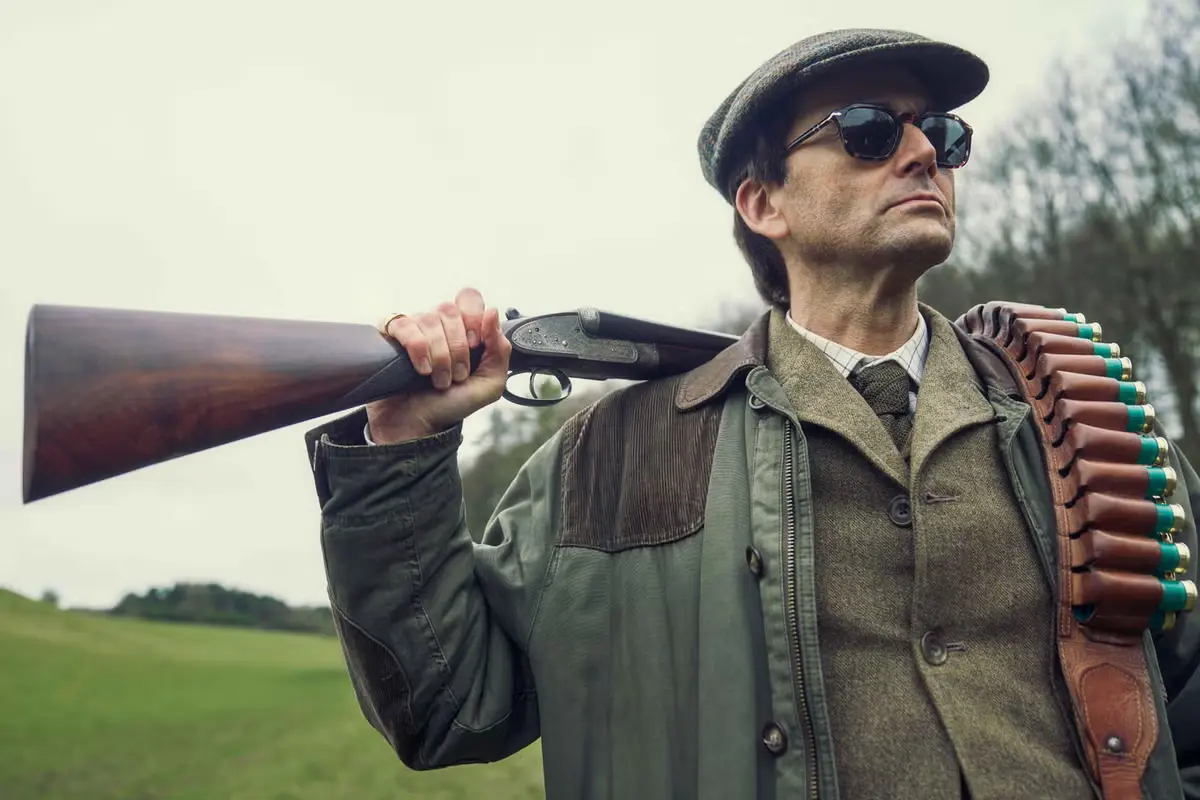
The decision to fold that sport in early helps establish Rutshire’s aristocratic social world quickly for a streaming audience that might not have the same frame of reference as British readers in the late 1980s.
The ending of the first season also represents a significant departure. Cameron whacking Tony over the head with an award during an altercation is a moment that never happens in the novel, and the subsequent storyline of Rupert rescuing Cameron and taking her to Devon stems entirely from that invention. The show essentially created its own mythology on top of Cooper’s, manufacturing a cliffhanger that gave the season a finish the book never offered.
How Monica and Rupert Were Reimagined on Screen
Two of the most interesting character overhauls involve Monica Baddingham and Rupert Campbell-Black, both of whom were meaningfully expanded beyond their roles in Cooper’s original text. Executive producer Dominic Treadwell-Collins noted that Monica on screen is more nuanced than in the book, where she essentially exists to receive Tony once a week for what the author describes as athletic sex, and little more. The series gives Monica a fuller interior life, and that shift resonates throughout the season.
Executive producer Alexander Lamb has described how Tony’s behavior in season one created great hooks to let the female characters step forward, with Monica getting a standout moment in the first episode of season two where she tells Tony he has embarrassed himself and that it will not be happening again. That is a long way from the passive figure Cooper originally wrote.
Rupert’s arc has been stretched even further from the source material in the second season. In Cooper’s novels, Rupert maintains his seat in Parliament and while he and Declan have conflict over Venturer, at no point does he lose his role in the production company.
In the show, he has now lost nearly everything, including Parliament, Venturer, and his reputation, with his ex-wife fighting him for full custody of their children. It is a much darker, more morally complex version of the character, and one designed to give his eventual redemption more weight.
What the Author Thought of Her Story’s New Life
Despite the liberties taken, Cooper remained one of the show’s most vocal champions. After the series was renewed for a second season in December 2024, Cooper released a statement saying that nearly forty years after her novel was published, she had adored seeing the world fall in love with her beloved characters, calling it a fairytale come true and describing herself as orgasmic with excitement about the return of Rupert Campbell-Black.
Alex Hassell, who plays Rupert, later revealed that Cooper visited the set of the second season just the week before she died, aged 88, after a fall in October 2025. Her presence on set, right up to the end, spoke to just how deeply she had embraced the adaptation rather than mourned its differences from her book.
Cooper described being so excited to see the book she loved brought so dazzlingly to the screen with incredible directing and miraculous acting, a ringing endorsement from the only person whose opinion on the fidelity of ‘Rivals’ truly matters.
The question now, with a twelve-episode second season expanding the world even further, is how far the writers will take Rutshire’s finest before the story finds its way back to Cooper’s pages. If you have read the books and watched the show, which adaptation change has surprised you the most?