Who Is Martin Bashir, the Man Who Changed Everything? Here’s What Happened to the Man Whose Return in ‘Michael Jackson: The Verdict’ Shocked Everyone

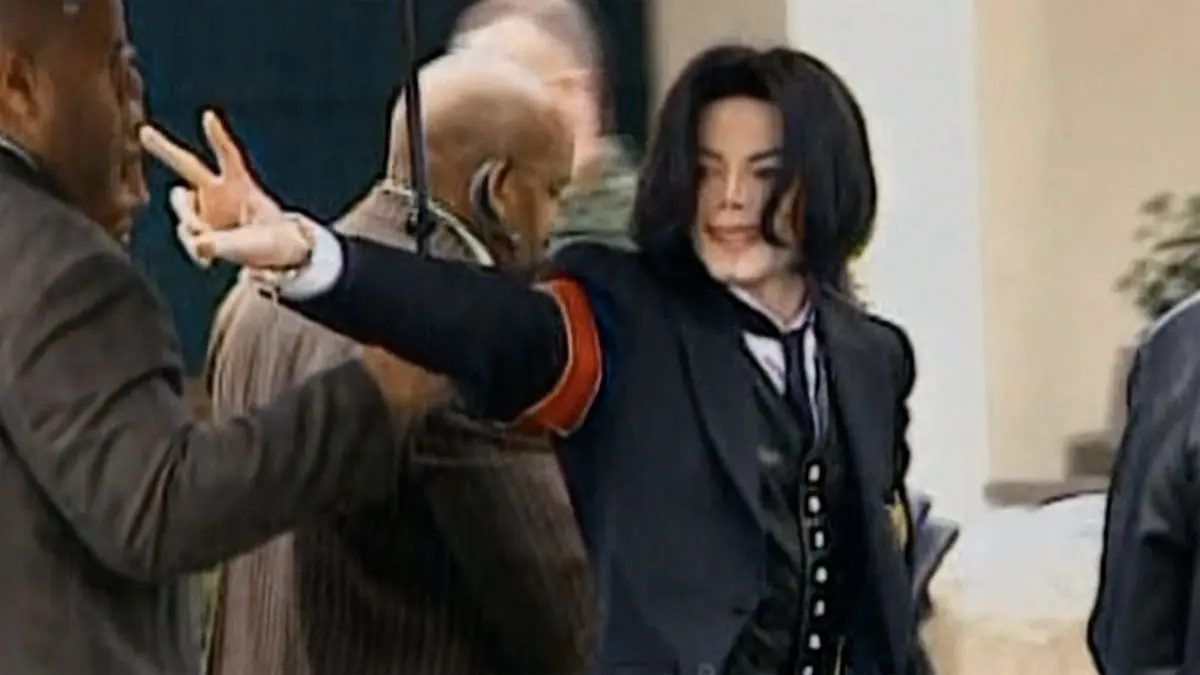

Few names in broadcast history carry as much controversy as Martin Bashir. He built his career on securing impossible interviews, then watched it crumble under the weight of the ethical questions those interviews raised.
Now, with Netflix’s explosive new docuseries ‘Michael Jackson: The Verdict‘ putting him back on screen as a key talking head, audiences who never knew his full story are searching for answers about who Bashir really is and what ultimately became of him.
The three-part series, directed by Nick Green and produced by Candle True Stories, premiered on Netflix on June 3, and revisits the 2005 criminal trial of Michael Jackson, examining the allegations, courtroom proceedings, and public response surrounding one of the most widely followed celebrity trials of the century. At the center of Episode 1 sits a documentary that changed everything for Jackson, and it has Bashir’s fingerprints all over it.
Who Is Martin Bashir and How Did He Land the Jackson Interview
Martin Henry Bashir, born January 19, 1963, is a British former journalist who worked as a presenter on British and American television, gaining particular fame for his work on the BBC’s Panorama programme. His career had already been defined by one seismic interview before he ever set foot on the grounds of Neverland Ranch. In 1995, he secured an interview with Diana, Princess of Wales, though it was later determined that he used forgery and deception to obtain it.
In 1998, Bashir left the BBC for Granada Television, where he made headlines in 2003 with a controversial documentary about Michael Jackson, following the pop singer for approximately eight months and conducting lengthy interviews. According to Jackson’s nephew Taj, Bashir used a letter from Princess Diana to convince Jackson to participate in the documentary, with Taj alleging that Bashir “manipulated” the pop megastar into agreeing.
In ‘Michael Jackson: The Verdict,’ Bashir reveals how the infamous interview came about, describes his shock when the singer admitted to letting children sleep in his bed, and explains why his answers were so limited during the filming process. His willingness to finally speak on camera about the experience has made his appearance one of the most discussed elements of the entire series.
The ‘Living with Michael Jackson’ Documentary That Sparked a Criminal Trial
‘Living with Michael Jackson’ aired on ITV1 on February 3, 2003, with Bashir interviewing Jackson from May 2002 to January 2003. The fallout was immediate and catastrophic. In the documentary, Jackson is seen clutching 12-year-old Gavin Arvizo’s hand and speaking joyfully about sharing a bed with the boy on multiple occasions, a revelation that stunned the world and set off a firestorm, followed by accusations of child sex abuse.
In ‘Michael Jackson: The Verdict,’ Bashir states that he was “gobsmacked” by the confession, which was accompanied by another interview with Arvizo in which the 12-year-old, who credited Jackson with helping him beat cancer, sat next to Jackson holding his hand while putting his head on his shoulder.
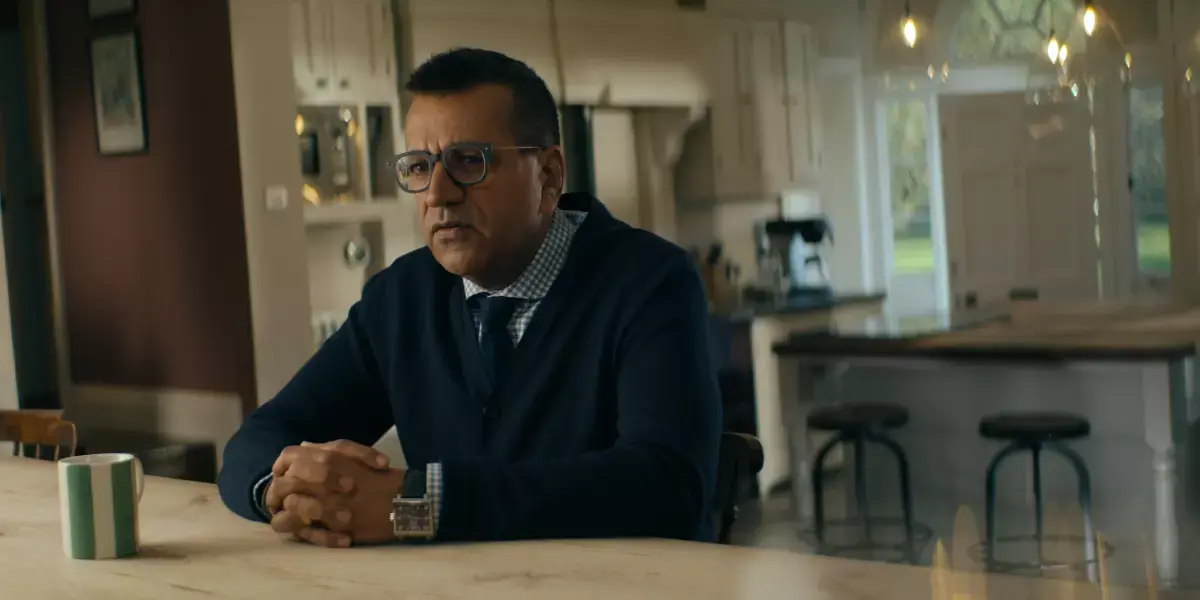
About ten months after ‘Living with Michael Jackson’ aired, Jackson was charged in Santa Barbara County with child molestation, abduction, and false imprisonment, though he was later acquitted of all charges during the 2005 trial.
Jackson felt deeply betrayed by Bashir and responded by releasing a rebuttal documentary that showed Bashir giving very different statements than what he had put in the final cut, including praising Jackson as a father and expressing that he thought it was wonderful the singer allowed children to come to Neverland. Jackson’s manager from 1996 to 2003, Dieter Wiesner, later said of the singer’s response to the film: “It broke him. It killed him. He took a long time to die, but it started that night.”
Martin Bashir’s Downfall and the Princess Diana Scandal
Bashir’s ethical record did not begin and end with Jackson. It was revealed in November 2020 that Bashir had used forged bank statements to convince Diana’s brother Earl Spencer into persuading his sister to grant the landmark 1995 Panorama interview, causing his reputation to plummet swiftly and severely.
On January 31, 2024, the BBC released over 3,000 internal emails claiming that Bashir had blamed “professional jealousy” within the corporation for the uproar following his interview with Princess Diana, and also cited his “ethnicity and working-class background” as factors that made him a target.
The 1995 Diana interview was watched by 20 million people in the United Kingdom and became a watershed moment in television history, with Diana famously telling Bashir that there were “three of us in this marriage,” referring to herself, Prince Charles, and Camilla Parker-Bowles. The deceptions used to secure it, decades later, finally caught up with Bashir in a very public reckoning.
What Happened to Martin Bashir After He Left the BBC
Between 2004 and 2016, Bashir worked in New York, landing a position as an anchor for ABC’s Nightline before going on to host his own programme on MSNBC and work as a correspondent for NBC’s Dateline. In 2013, he resigned from his role at MSNBC over controversial remarks he made about former Alaska governor Sarah Palin, before returning to the BBC in 2016 as a religious affairs correspondent.
At the end of 2020, Bashir had major cardiac surgery and was admitted to hospital for another procedure on his heart in February 2021, having also contracted coronavirus around the same time.
He stepped down from his position as the BBC’s religion editor in May 2021, citing ongoing health issues, with his resignation coinciding with a formal investigation into his Panorama interview with Princess Diana. Following the release of the subsequent inquiry report and his resignation, Bashir has largely remained out of the public eye, has not given any major interviews, and has not worked as a journalist at any network since leaving the BBC.
Why Bashir’s Appearance in ‘The Verdict’ Matters Now
‘Michael Jackson: The Verdict’ arrives on the heels of Antoine Fuqua’s blockbuster biopic ‘Michael,’ which was heavily criticized for avoiding the sexual molestation allegations against Jackson, making the Netflix series an exposé arriving with what reviewers have called impeccable timing.
The docuseries uses archival footage, trial notes, clips, and interviews from key players including prosecutor Ron Zonen, defense attorney Mark Geragos, several jurors, Bashir, investigative journalist Diane Dimond, and members of Jackson’s inner circle such as his then-publicist Raymone Bain and director of security Kerry Anderson.
The documentary features more than 30 interviews with jurors, attorneys, reporters, observers, and celebrity witnesses, alongside court transcripts and never-before-seen home video footage, attempting to untangle the public perception of the case from the facts presented in court.
Jackson invited Bashir into Neverland specifically to rebuild his battered image, though his appearance in the documentary ultimately destroyed what remained of it instead. Bashir’s decision to appear in ‘The Verdict’ and reflect on those events marks the first time in years he has spoken publicly about his role in one of pop culture’s most complicated chapters.
What do you make of Martin Bashir resurfacing in ‘Michael Jackson: The Verdict’ after years of silence, and do you think his account of those Neverland interviews changes how you see the events that followed?