The Real Horrors Behind ‘The Terror: Devil in Silver’ — And Why This Season Hits Closer to Home Than You Think

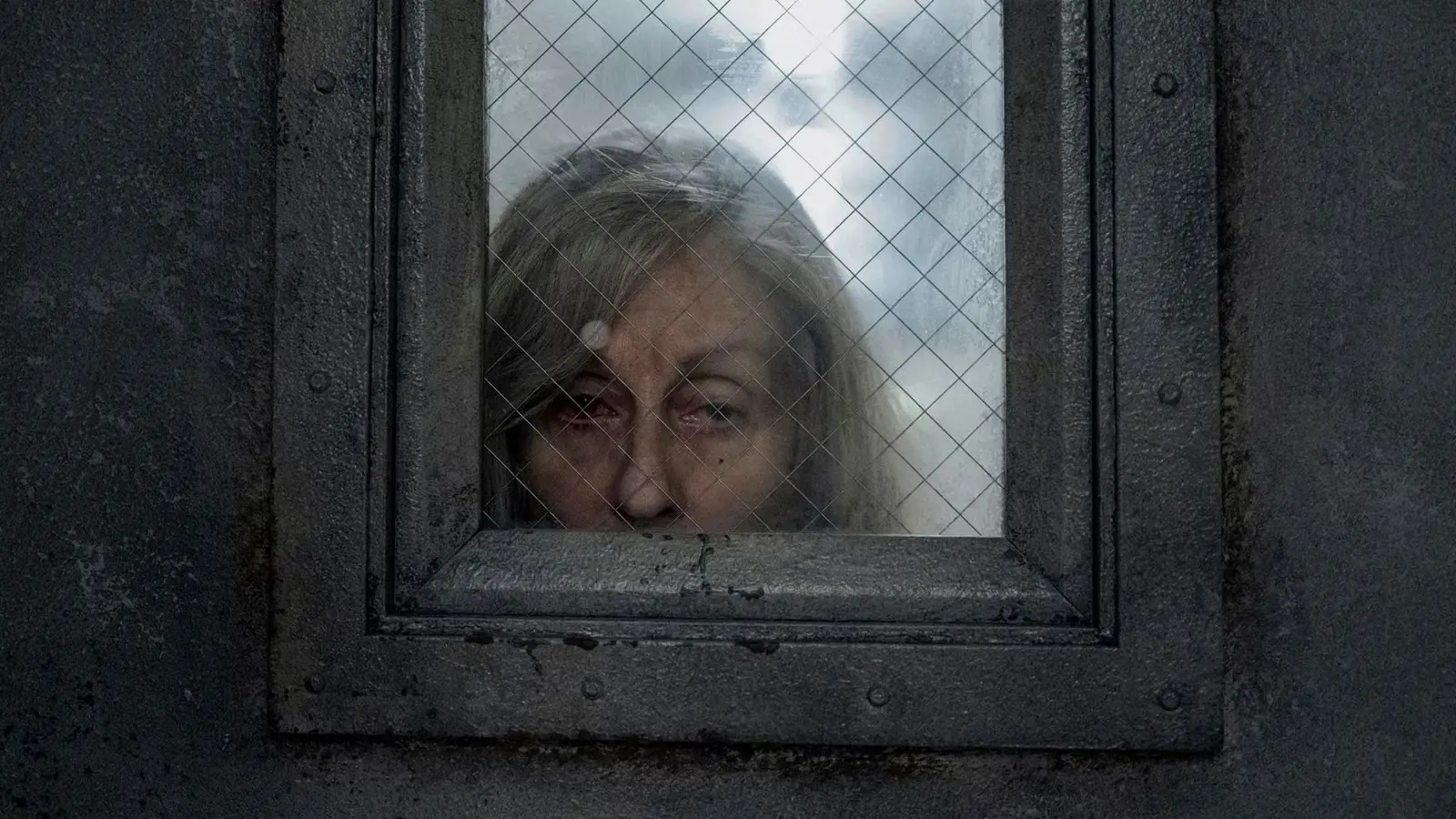

The question fans keep asking is a fair one: is ‘The Terror’ season 3 based on a true story? The answer is both simpler and more unsettling than most people expect. Unlike the franchise’s first two seasons, which drew directly from documented historical tragedies, this third chapter takes a different kind of real-world horror as its foundation, one rooted not in archives but in lived experience.
‘The Terror: Devil in Silver’ premiered on AMC+ and Shudder on May 7, marking the anthology’s first contemporary plotline after two previous seasons set against a 19th-century Arctic expedition and a World War II internment camp. The shift to a modern psychiatric setting strips away any comfortable historical distance, and that is entirely the point.
The Source Novel and Its Roots in Real Systemic Failure
Based on Victor LaValle’s novel of the same name, ‘Devil in Silver’ is one part supernatural thriller, one part full-throated condemnation of the American mental health industry’s worst failings, and one part character study. The season does not dramatize a single verified incident the way season one traced Franklin’s lost expedition, but it draws deeply from a world that genuinely exists.
LaValle himself confirmed that the book was based on a lifetime of dealing with family members with various kinds of mental health issues and neurodivergence, and watching them be rarely helped by a system that was, in his words, “so busted,” while still loving those people because they were his family. That personal grief and frustration is baked into every corridor of the fictional New Hyde Psychiatric Hospital.
The novel also references documented real-world failures within the American mental health system, including the notorious death of Esmin Green at King’s County Hospital in Brooklyn in 2008, and the mistreatment of public citizens by the NYPD. These are not invented horrors. They are the backdrop against which the supernatural elements are layered.
Dan Stevens, a Wrongful Commitment, and the Monster Behind the Silver Door
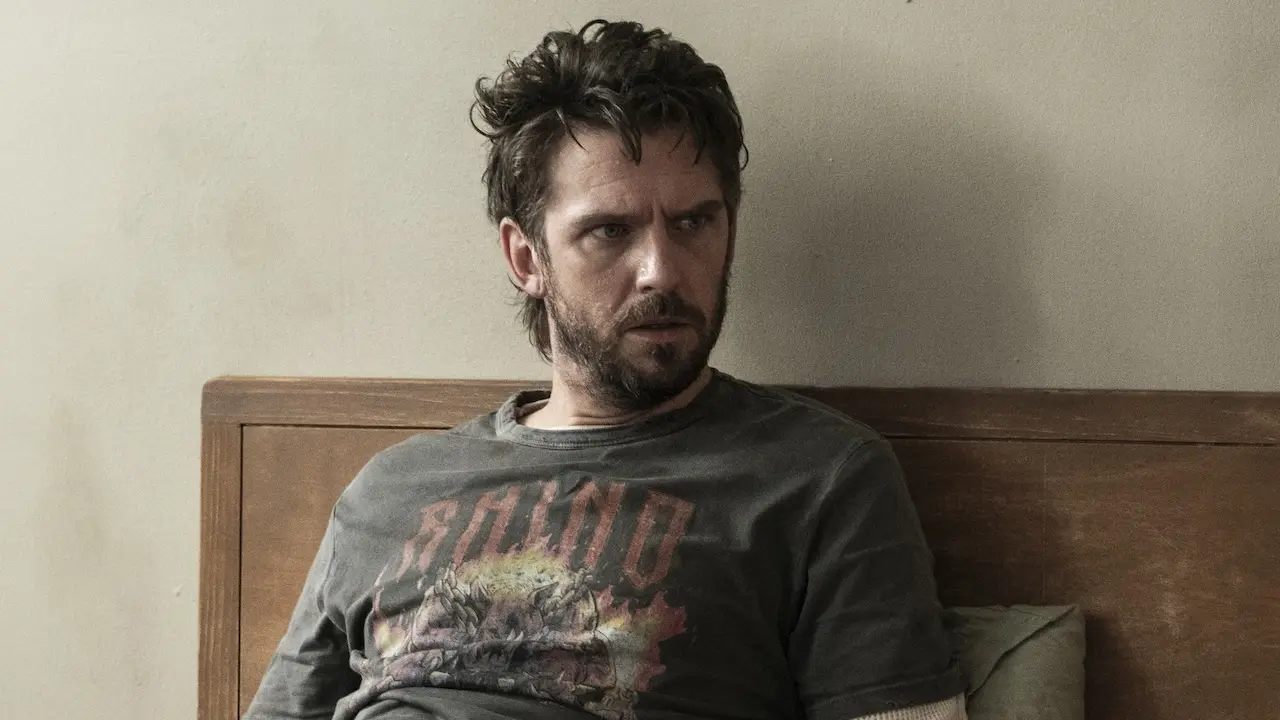
Dan Stevens leads the story as Pepper, a mover who finds himself wrongfully committed to New Hyde Psychiatric Hospital, a decaying building with a bare-bones staff. As he adjusts to his situation, Pepper comes to realize a darker presence is lurking in the hospital, putting him in a terrifying race to escape.
Alongside Stevens, the cast includes Judith Light, CCH Pounder, Aasif Mandvi, Stephen Root, and John Benjamin Hickey, with Emmy Award nominee Karyn Kusama directing the first two episodes. It is a formidable ensemble assembled for a story that demands both grounded emotional realism and a willingness to lean into something genuinely strange.
For the showrunners, it was essential that the supporting characters feel like three-dimensional people with real diagnoses, not generalized representations of mental illness.
Cantwell noted that each character has an individualized diagnosis the cast researched, along with specific medication regimens they were able to incorporate into their performances. That commitment to authenticity is what separates ‘Devil in Silver’ from the long history of horror stories that use psychiatric settings as little more than wallpaper.
The Anthology’s DNA: When Horror Reflects History
To understand what season 3 is doing, it helps to understand what ‘The Terror’ has always been doing. The first season was based on the real-life events of Captain John Franklin and his ill-fated 1840s voyage to explore the Northwest Passage, a journey from which he and his crew would never return, with the series building upon Dan Simmons’ 2007 novel of the same name. The supernatural monster in that story operated as an amplifier of what was already terrifying about the historical record.
The second season, subtitled ‘Infamy’, was co-created by Alexander Woo and Max Borenstein and was set in a Japanese American internment camp in Southern California during World War II, with its haunting centered on a spirit known as the bakemono. Again, the horror was inseparable from the real institutional cruelty at the story’s core.
The franchise’s larger goals have always been more expansive than any single setting, using horror as a lens to explore the worst aspects of the real world, and poking at the ways humans themselves are often the only monsters a story needs. Season 3 continues that mission, just with a zip code instead of a historical date.
Victor LaValle’s Vision and What Makes Season 3 Different
What makes ‘The Terror: Devil in Silver’ a distinct and arguably more challenging entry in the franchise is the proximity of its horror. Co-showrunner Christopher Cantwell said that working with LaValle to bring the novel to the screen was “an incredible experience,” describing the story as “packed with death and horror, but also brimming with beauty and the flickering-yet-unassailable light of our fragile humanity.”
The season is described as both a horror story rooted in social realism and a love letter to the human spirit, exploring injustice, forgotten lives, and survival. The monster behind the silver door is real, but it competes for screen time with the quieter, more persistent monster of a healthcare system that fails the people it is supposed to protect.
LaValle also pointed out that ‘Devil in Silver’ was not inspired solely by his more difficult memories of certain medical facilities. The camaraderie and friendships between patients were also shaped by his experiences, as were the empathetic staff members he encountered. There is warmth threaded through the dread, and that balance is precisely what distinguishes the novel and now the series from more exploitative takes on the same setting.
‘The Terror: Devil in Silver’ may not have a Franklin expedition in its DNA, but the real-world failures it dramatizes are no less verifiable. If you have spent any time navigating the mental health system yourself, or watched someone you love do it, you already know what kind of true story this really is. Share your thoughts in the comments: does grounding season 3 in lived experience and systemic critique make the supernatural horror land harder for you, or do you miss the historical anchor that defined the earlier seasons of ‘The Terror’?