The Most Shocking Revelations from Netflix’s ‘Michael Jackson: The Verdict’ Documentary

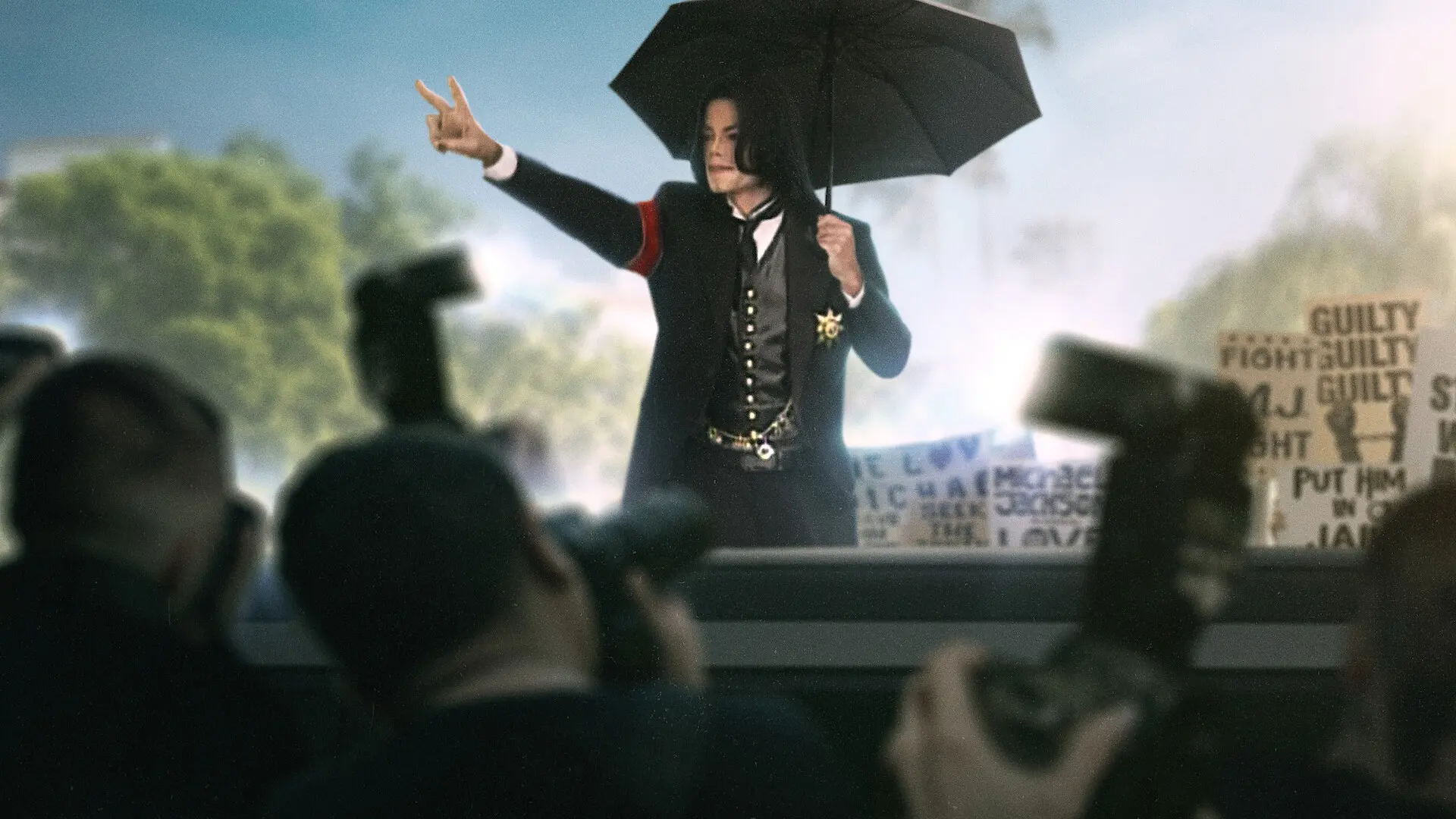

The timing could not have been more deliberate. Arriving on the heels of Antoine Fuqua’s blockbuster biopic ‘Michael’, ‘Michael Jackson: The Verdict‘ is a Netflix exposé with impeccable timing, and with a great deal of deeply unflattering things to say about the King of Pop. The three-part docuseries dropped onto the platform just as casual viewers were rediscovering Jackson’s music through the biopic’s cultural wave, pulling the conversation sharply in the opposite direction.
Featuring key individuals who were inside the courtroom, including jurors, eyewitnesses, and accusers and defenders alike, the docuseries dissects the case against Jackson from the perspectives of both the prosecution and the defense. What follows is a deeply uncomfortable portrait of celebrity, power, and a legal system pushed to its absolute limits by the spectacle surrounding one of the most famous men on earth.
The Martin Bashir Documentary That Started Everything
Former BBC journalist Martin Bashir’s documentary ‘Living With Michael Jackson’ put the spotlight on the entertainer’s relationship with 13-year-old Gavin Arvizo, who would go on to accuse the King of Pop of molesting him. It was the moment that set everything in motion, and ‘The Verdict’ returns to it with striking new context.
In ‘Michael Jackson: The Verdict’, Bashir recalls meeting the singer, earning his trust, and filming ‘Living With Michael Jackson’. In the BBC documentary, Jackson is seen clutching Arvizo’s hand and speaking joyfully about sharing a bed with the boy on multiple occasions. It was a revelation that stunned the world and set off a firestorm, followed by accusations of child sexual abuse.
The prosecution showed journalist Martin Bashir’s documentary in full as evidence during the trial. Many of the jurors were seemingly shaken by Gavin’s appearance in the film, while others were seen bobbing their heads and dancing in their seats during sections featuring Jackson’s music. It was a strange and telling moment, revealing just how conflicted the jury was from the very beginning, pulled between the disturbing content and the magnetic pull of Jackson’s persona.
Lewd Nicknames and Polaroids from Neverland Ranch
One of the most viscerally unsettling threads in the documentary involves a man named Vincent Amen, who came to work for Jackson in 2002 and was tasked with looking after the Arvizo family. Amen pulls out a series of old Polaroids he held onto from Neverland, all featuring Gavin’s mom, Janet, and younger brother, Star. Janet captioned one of the photos: “Dearest loving Michael, we appreciate you being our family. What God brings together, no man can undo. We love you.”
Star, meanwhile, handwrote another caption, saying: “I love you, my daddy Michael. Your son, Blowhole.” Amen confirmed in the documentary that these were nicknames Michael would give to young boys. It is the kind of detail that lands like a stone, small enough to seem almost innocuous on the surface, but impossible to shake once you have heard it.
The documentary also highlights the archival footage’s most controversial moments, in which Jackson openly admits to sharing his bed with young boys, insisting that sleepovers involved nothing more than fun, games, and sleep. He said this on camera, to a journalist, while holding a child’s hand. His legal team and inner circle struggled to contain the damage, and the docuseries makes clear that they never truly succeeded.
The Prosecution’s Case and Its Critical Weaknesses
Key figures who appear in ‘The Verdict’ include prosecutor Ron Zonen, defense attorney Mark Geragos, several jurors, Bashir, investigative journalist Diane Dimond, and several people from Jackson’s inner circle, like his then-publicist Raymone Bain and director of security Kerry Anderson. Taken together, their accounts paint a picture of a prosecution that had significant evidence but ultimately stumbled in its presentation.
The credibility of the accusation’s key witness became the trial’s defining problem. Jurors who acquitted Jackson had harsh words for the accuser’s mother, who made them uncomfortable during her jumbled and volatile testimony. Jurors said they were especially put off when the mother snapped her fingers at them while on the stand. One juror described the gesture as deeply off-putting in a way that colored everything that followed.
“The credibility of the witnesses was very poor,” said Raymond Hultman, who served as juror No. 1. The documentary revisits these moments with new candor, allowing jurors to speak at length about how their internal doubts developed and why the prosecution’s narrative ultimately failed to hold.
What the Jurors Really Thought Inside the Courtroom
Juror No. 8, Melissa Herard, says in the documentary: “He’s a kid. I wanted to make sure I listened to what he was saying. But then when Mr. Mesereau gets up and then he puts it all in order, it’s like, ‘Oh, definitely, that does make more sense.'” The defense, led by Thomas Mesereau, methodically reframed the prosecution’s evidence in a way that planted enough doubt to sway the panel.
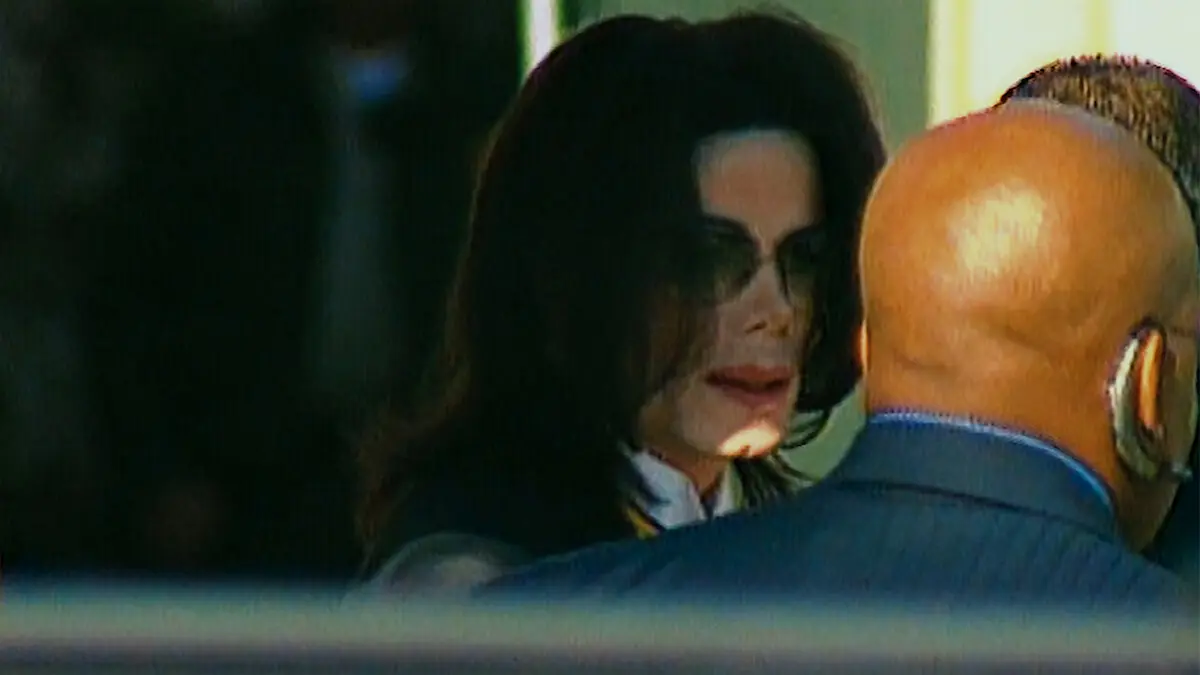
Herard also noted: “Would I let my kids sleep with somebody who’s famous like that and share a room with them? No. But I thought Martin Bashir was trying to trap Michael Jackson into saying something wrong to make the documentary more interesting.” That perception of media manipulation, whether accurate or not, proved to be one of the most consequential factors in the room.
The jury deliberated for approximately 30 hours over seven days before delivering a verdict that ended a star-studded, four-month trial. The jury was presented with vastly different portraits of Jackson: a figure accused of preying on children, or the victim of a calculated scheme by shakedown artists. The docuseries shows how, in the end, the jury chose the latter interpretation, and how that choice continues to haunt the case’s legacy.
A Legacy Still Impossible to Settle
Although the documentary does not give a definitive conclusion on whether Jackson was guilty, it leaves the question to viewers, giving them every possible piece of data on the case and letting them decide which side they want to jump on. That deliberate restraint is both the series’ greatest strength and its most frustrating quality.
The docuseries is a rather linear affair that is heavier on rehashing than on revelation, and those already familiar with this chapter will come away with limited new information. That is not, however, to say that ‘Michael Jackson: The Verdict’ is without purpose. For a generation that encountered Jackson primarily through the biopic, it functions as a sobering and essential corrective.
Even though Jackson was acquitted of all ten charges and declared innocent, the trial changed the man he was forever, and he spent the last four years of his life desperately trying to convince people of his innocence. More than twenty years later, opinions remain largely divided regarding that innocence.
‘The Verdict’ does not resolve that division so much as it holds it up to the light, and the question it leaves every viewer with is an uncomfortable one worth sitting with: after watching all three episodes, has your own verdict changed?