‘Interview with the Vampire’ Is the Boldest Queer TV Show on Right Now, and Here’s Why That Matters

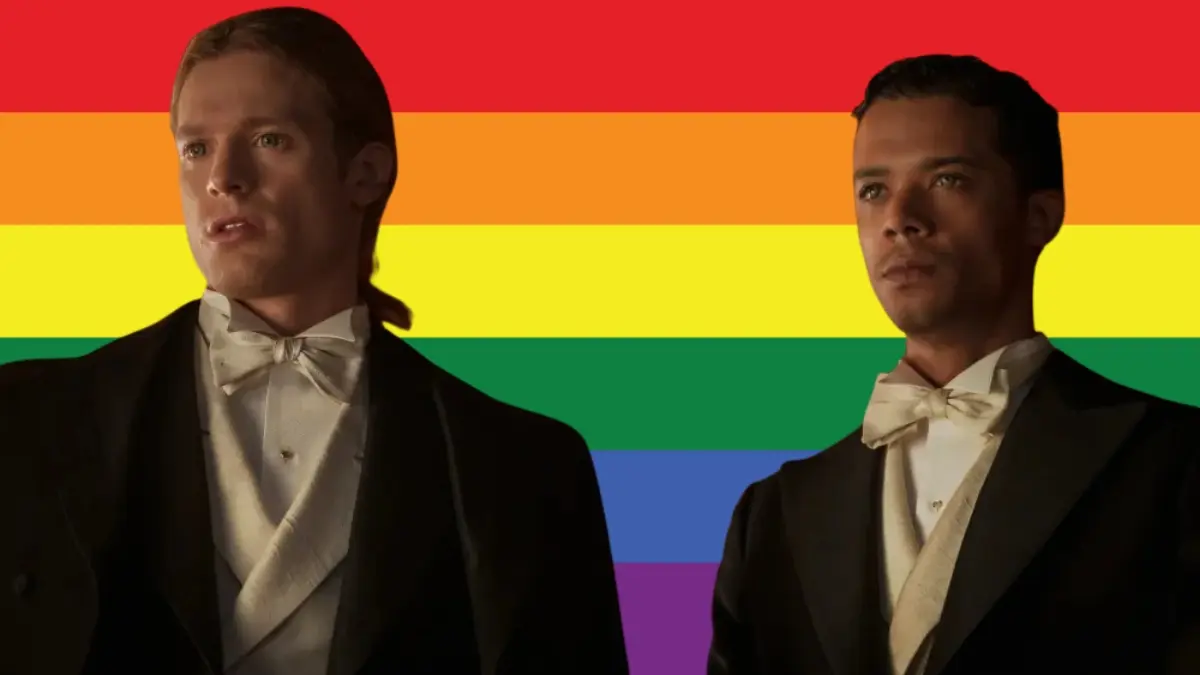

AMC’s ‘Interview with the Vampire‘ arrived in October 2022 and immediately announced itself as something television had rarely seen before. While the source material had always presented a homoerotic tale, the AMC show went a step further by not only making the queer subtext into text, but by casting Jacob Anderson as Louis de Pointe du Lac. That combination of choices sent a clear message from the first episode onward.
What the series has built across two seasons is not simply representation for its own sake. While it is absolutely a show about a queer relationship, the sexuality is not treated as the point of the show. It is more about the relationship itself, and Louis is kind of stuck in a version of human existence that specifically relates to race. That layered approach is precisely what has made it resonate so deeply with audiences beyond the horror genre.
Turning Subtext Into Text: The Show’s Radical Queer Vision
For decades, Anne Rice’s source novels existed in a complicated space. Failing to fully lean into the queerness of characters, more specifically Louis and Lestat’s relationship, is partially why earlier adaptations were not nearly as explosive as they could have been. Thankfully, the TV adaptation does not make those same mistakes.
‘Interview with the Vampire’ made its mark by turning the homoerotic charge of Louis and Lestat’s supernatural bond from subtext to text. The show commits to that choice in every episode, refusing to soften or obscure what the relationship actually is. The result is television that treats its central queer love story with the same operatic weight that prestige drama typically reserves for straight romances.
Jacob Anderson spoke to Digital Spy about all the queer representation in the show, saying “Something that can get misunderstood about representation is that all representation has to be good representation. It’s important actually that we don’t show a queer couple as a monolith or a Black character as a monolithic thing. I love that the show is willing to explore the multitudes of that relationship.”
That philosophy translates directly into how Louis and Lestat are written. Anderson described the couple as being “so feverishly, manically in love with each other. They can’t be away from each other and they can’t be near each other at the same time,” with showrunner Rolin Jones describing the show as “a gothic romance centered around a really toxic couple in a really toxic relationship.”
The Louis and Lestat Love Story at the Core of the Series
The show follows journalist Daniel Molloy as he gets an interview with the brooding vampire Louis de Pointe du Lac in a tell-all about his immortal life, including his torrid and incredibly hot relationship with Lestat de Lioncourt, played by Australia’s Sam Reid. That central dynamic has earned the show a devoted following that goes far beyond traditional horror fans.
At the end of the first season, there is a very dramatic breakup, and the way that Louis spends the next century or so obsessing over his ex is absolutely the epitome of queer culture. It is precisely this emotional grandiosity that has connected with so many viewers.
Season 2 expands the show’s emphasis on queer sexuality past Louis’ tumultuous time with Lestat. After killing his longtime paramour, Louis is faced with the question of what vampirism and gay life can look like beyond the man who introduced him to both. That thematic evolution gives the series a depth that outlasts any single relationship arc.
The show is beautifully written, impeccably shot, exquisitely paced, and Season 2 zooms in on the character drama at the unbeating heart of the show. Critics who initially championed the first season found the second season equally compelling, cementing the series as one of prestige television’s most consistent offerings.
Queer Representation in a Moment That Demands It
In recent years, the number of anti-LGBTQ+ sentiments has risen steeply. According to the Trans Legislation Tracker, 2025 is the sixth consecutive year of record-breaking attempts at anti-trans legislation. Against that backdrop, ‘Interview with the Vampire’ has taken on a significance that extends well beyond entertainment.
Louis telling his life story is an act of resistance. Especially with the ongoing erasure of LGBTQ+ history in education, it is powerful to watch Louis, who has lived through over a century of anti-Black homophobia, recounting and coming to terms with his past. The series frames the very act of storytelling as something political and necessary.
AMC’s ‘Interview with the Vampire’ is not just a genre masterpiece, but a necessary reflection that highlights queer struggles today. That dual function, entertaining and illuminating, is what separates the show from peers that treat LGBTQ+ storylines as secondary or supplementary.
Industry Recognition and the Road to Season 3
The show’s approach has not gone unnoticed by industry bodies. GLAAD praised the series for authentic LGBTQ+ visibility, and the show maintained its approach, earning a 2024 Peabody Award for inclusive storytelling. That combination of critical and advocacy recognition placed the series in a rare category of genre television.
The nominees for the 34th Annual GLAAD Media Awards were announced and AMC’s show landed a nomination for Outstanding New TV Series, competing against titles including ‘A League of Their Own’, ‘Our Flag Means Death’, and ‘The Sandman’. The nomination alone signaled the show’s importance to the wider conversation about queer visibility in mainstream media.
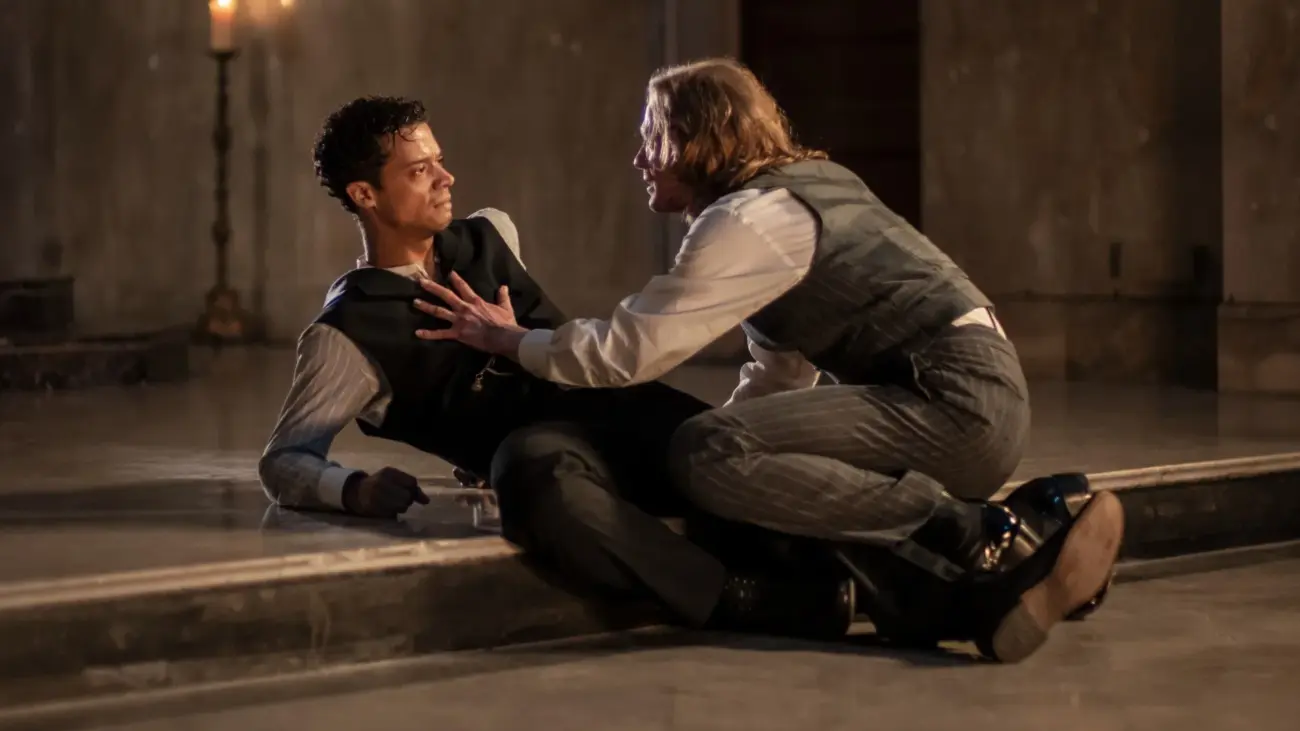
Showrunner Rolin Jones promised a bigger and grander return for Season 2 of the queer horror hit. That ambition paid off, and the momentum carried through to a renewal. The series was renewed for a third season in June 2024, with production beginning in 2025 for a 2026 premiere.
Season 3 promises to shift focus, with the Vampire Lestat setting his story straight by starting a band and going on tour, with new characters including Gabrielle, Nicholas, and Magnus joining the returning cast.
Why ‘Interview with the Vampire’ Is Essential Viewing Right Now
In a sea of rote, listless IP, the first season of AMC’s ‘Interview with the Vampire’ felt like manna from heaven. In the hands of showrunner Rolin Jones, the show set itself apart from both Rice’s original and the 1994 film adaptation, while maintaining the story’s Gothic romanticism. Season 2 only deepened that impression.
Jacob Anderson has called AMC’s Black, queer ‘Interview with the Vampire’ series “very special, refreshing and rare.” Coming from the actor at the center of it all, that assessment carries real weight. The show achieves something that genre television rarely manages, which is using the fantastical to speak directly and honestly about the real.
The TV show leans all the way in with Louis and Lestat being together and does so unapologetically. The television series remedies the issues regarding Louis’ character and the lack of explicit queerness seen in previous adaptations. For queer viewers who have spent years watching their stories buried in allegory or killed off before the finale, that unapologetic commitment means everything.
Whether you came for the gothic horror, the lush production design, or the devastating love story at its center, ‘Interview with the Vampire’ rewards every kind of viewer equally — so if you have already watched both seasons, what moment landed hardest for you as a reflection of queer experience on screen?