Hollywood Can’t Stop Losing Its Own Industry, and Variety’s Cover Story Is the Wake-Up Call

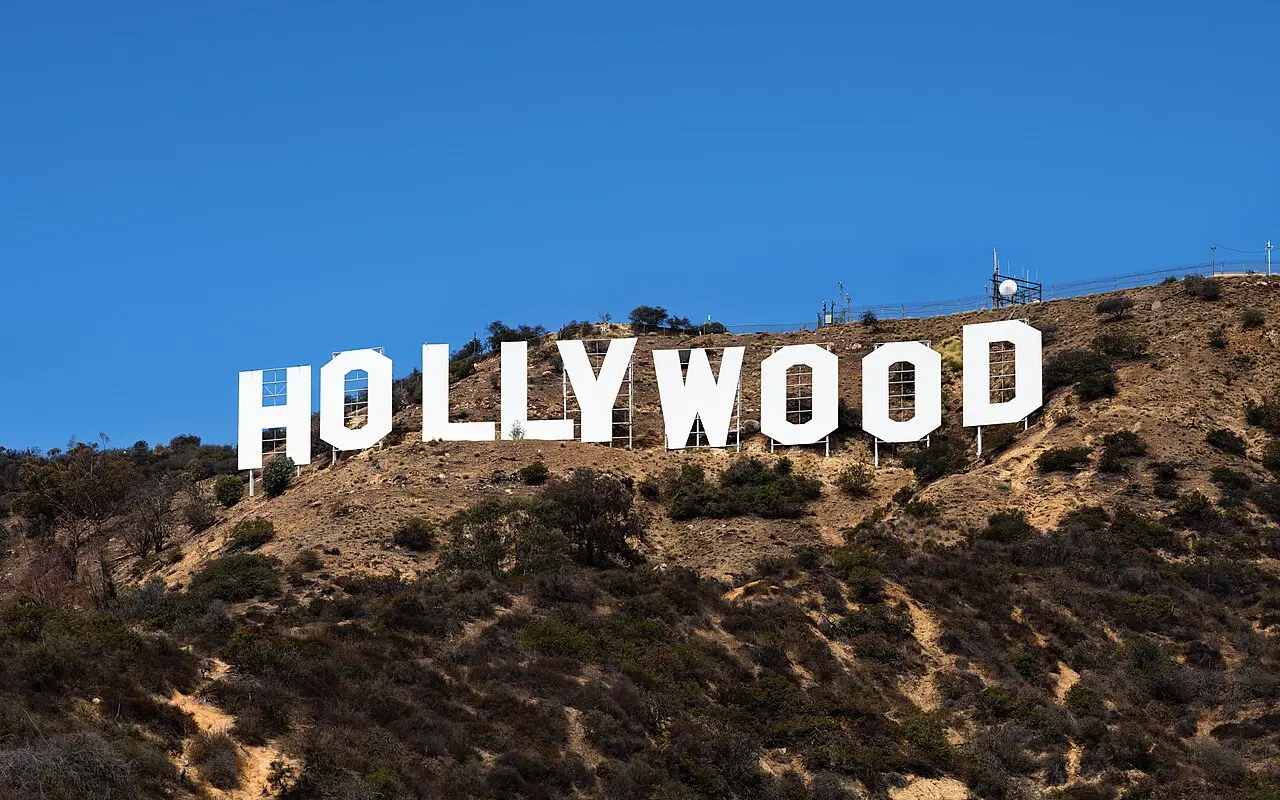

The entertainment industry and Los Angeles have shared a bond stretching back more than a century, a relationship so deeply embedded in the city’s identity that the two became effectively synonymous. Stage lots, sound studios, and the sprawling infrastructure of film and television production defined the region’s economy and its cultural character in equal measure. For most of that time, the idea that Hollywood could simply pick up and leave seemed almost unthinkable.
The numbers, however, have been telling a different story for years. Los Angeles now accounts for just 27% of the nation’s film and TV employment, down sharply from 35% in 2022, as projects have migrated to rival hubs in Atlanta, London, and Canada in pursuit of far more competitive incentive programs. The number of scripted series fell from 633 in 2022 to 481 in 2023, compounding the damage to a local workforce already bruised by back-to-back strikes and streaming belt-tightening across the major studios.
Variety put the full weight of that crisis on its cover this week, with a feature by Gene Maddaus titled “Hollywood’s Mass Exodus: Why Film and TV Production Is Fleeing L.A. and What Can Be Done About It.” The piece carries the stark tagline “Hollywood, Ending? Fewer jobs, less production and an economic crisis have brought the entertainment industry to the brink.” It zeroes in on the alarming rate at which film and television work has drained from the city that invented the industry.
The Fox reboot of ‘Baywatch’ serves as one of the report’s most instructive case studies. Gov. Gavin Newsom publicly celebrated the show’s return to Los Angeles beaches, with the state spending $21 million to help bring it back to where it began. The production nearly became a cautionary tale rather than a victory lap, when county officials and the California Coastal Commission began placing restrictions on basic production activities along the shoreline.
‘Baywatch’ co-creator Greg Bonann found himself unable to park trucks overnight, light fires, or drive equipment vehicles on the sand. Bonann, speaking to Variety, captured the frustration bluntly: “We’re a lifeguard show. What do you mean we can’t drive a truck on the beach?” It ultimately required intervention from the highest levels of local government to prevent the production from becoming a symbol of California’s inability to hold on to its own industry.
There are early signals that the tide may be turning slightly. California lawmakers approved a dramatic expansion of the state’s production tax incentive program, and shoot days in Los Angeles for the first quarter of 2026 reached 5,121, a 10.7% increase compared to the previous quarter. L.A. Mayor Karen Bass, in a statement to The Hollywood Reporter, declared that “Hollywood is finally turning a corner with more productions and more jobs.”
The Variety cover story frames that cautious optimism against a much harder backdrop. Other regions continue offering incentives that include coverage for A-list talent costs and allow productions to save substantially on labor, leaving Los Angeles still competing on fundamentally uneven terrain. Whether the city can genuinely reclaim its standing, or whether recent gains are a brief respite in a longer structural decline, is the defining question haunting the industry right now. Given what the ‘Baywatch’ production battle revealed about the regulatory maze facing even state-backed shows, do you think California can actually fix the problems pushing Hollywood out of its own backyard?