The Real Killer in ‘Colors of Evil: Black’ Reveals a Town’s Darkest Secret

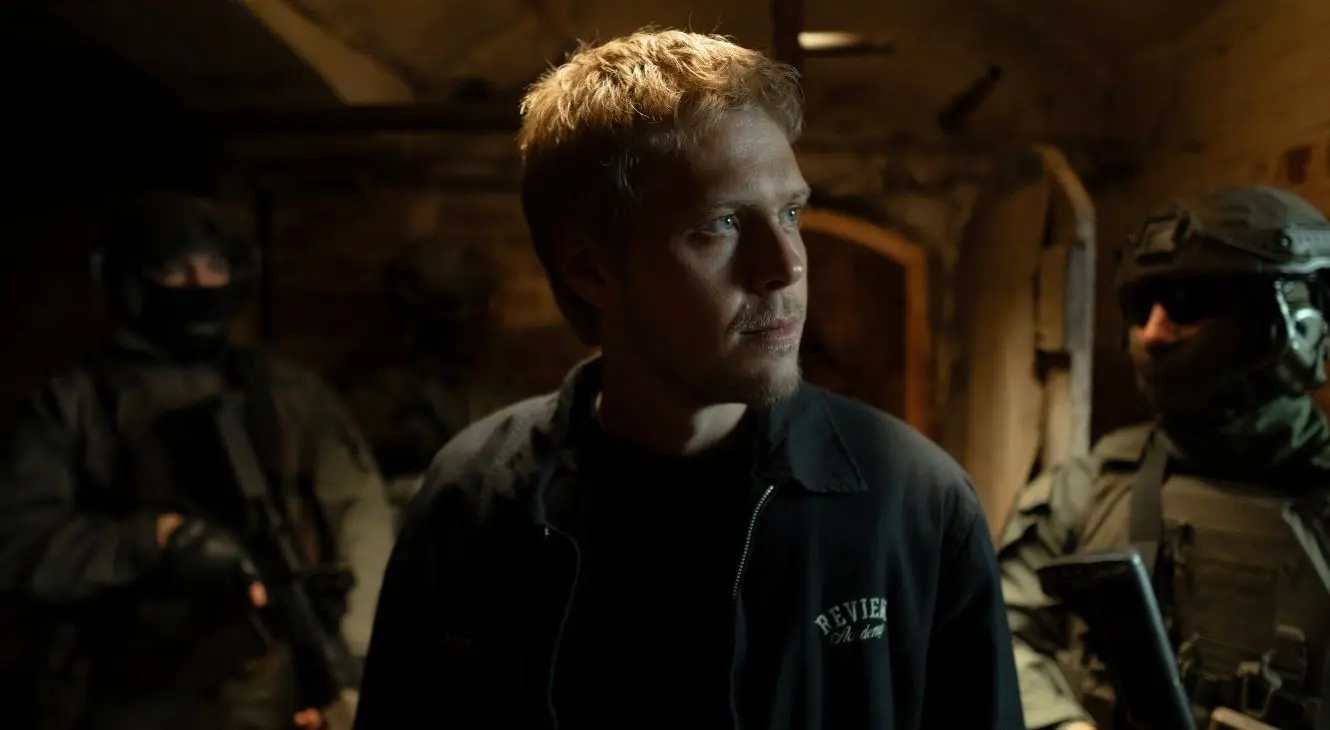

Netflix has a genuine Polish franchise on its hands, and the second installment makes the first one look like a warm-up act. ‘Colors of Evil: Black‘ arrives as an even grimmer, more intense, and at times more devastating follow-up than its predecessor, with director Adrian Panek proving that Poland has firmly established itself as a powerhouse for dark thrillers.
Based on Małgorzata Oliwia Sobczak’s eponymous novel, the Polish-language crime thriller shifts from an investigation into a missing-person case to a broader exploration of the darkest corners of the human mind lurking beneath the facade of piousness. What makes the film so unnerving is not just its killer, but everything the killer represents.
Prosecutor Bilski Returns to a Community Built on Silence
The story is set in Trulocz, a remote town with a well-knit network of people who seem to be hiding a secret. Prosecutor Leopold Bilski has newly arrived and is immediately confronted with the disappearance of Adam Poznanski from two years ago. Another boy named Piotrus soon goes missing, and fearing that a similarly grim fate awaits him, Bilski races against time to get to the root of the truth.
Marianna Zydek plays Ania Górska, an assistant prosecutor carrying her first serious case: a thirteen-year-old girl gone missing, and a community quick to file her under runaway rather than victim. Dividing the investigation between two prosecutors is one of the film’s more quietly radical moves, transforming what could have been a lone-wolf detective story into something that feels more like an indictment of institutions.
The real tension comes less from uncovering the truth and more from the film’s oppressive atmosphere, which keeps viewers on edge even when the plot’s biggest secrets are no longer much of a mystery. The closed-off Kashubian community functions almost as a character in itself, a wall that simply refuses to crack.
Jakub Gierszał stands out as the film’s standout performer, bringing a calm, almost icy presence to the screen that perfectly suits the dark atmosphere of ‘Colors of Evil: Black.’ Leopold Bilski remains a fascinating character to follow, and the mystery of him only makes him more interesting.
The ‘Colors of Evil: Black’ Ending Explained Through Nicki’s Tragic Origin
The real kidnapper is revealed to be Chojnacki’s illegitimate and mentally damaged son, Nicki, whom he conceived with a 14-year-old choir girl. Chojnacki supported but never claimed Nicki, who was traumatized by the suicide of his mother, who ended her life in front of him when he was a child.
Together with his mother, Basia, Nicki was trapped in an isolated wooden cabin for quite some time, and things got to a point where Basia took her own life in front of her son by slitting her throat. The psychological wreckage that act leaves behind is the engine driving every terrible thing that follows in the present-day investigation.
Bilski realizes he has already seen the kidnapper before, and the key to solving the mystery lies in Bilski’s first scene with Julia as she discusses Piotrus’ birth. Looking back, Nicki was sitting at the same restaurant, listening intently to the conversation, and it was he who dropped his plate after hearing that Piotrus was born with his amniotic sac still intact, in a phenomenon known as an en caul birth.
To keep Nicki’s mind off the horrors that Old Man Chojnacki inflicted upon Basia, he was forced to read a book about the Lopi, a local vampire legend that Chojnacki had given him as a gift. That childhood obsession with folklore becomes the twisted belief system that ultimately leads Nicki to target a child he sees as marked by fate.
The Chojnacki Cover-Up and the Community That Enabled It
Bilski identifies the town’s wealthiest family, the Chojnackis, as closely working with the church in the sexual abuse of the choir children, many of whom have become adults. Eventually, Julia remembers that she, too, was abused by Chojnacki as a child, but had suppressed the memories of it.
Chief Adamczyk personally pressured Adam’s mother into dropping her complaint, feeding her a false story about the relatives. Bilski’s own superior, Prosecutor Pakosz, buried the original case further even though he knew his own son had been among Chojnacki’s victims, choosing his career and the town’s reputation over justice for his own child.
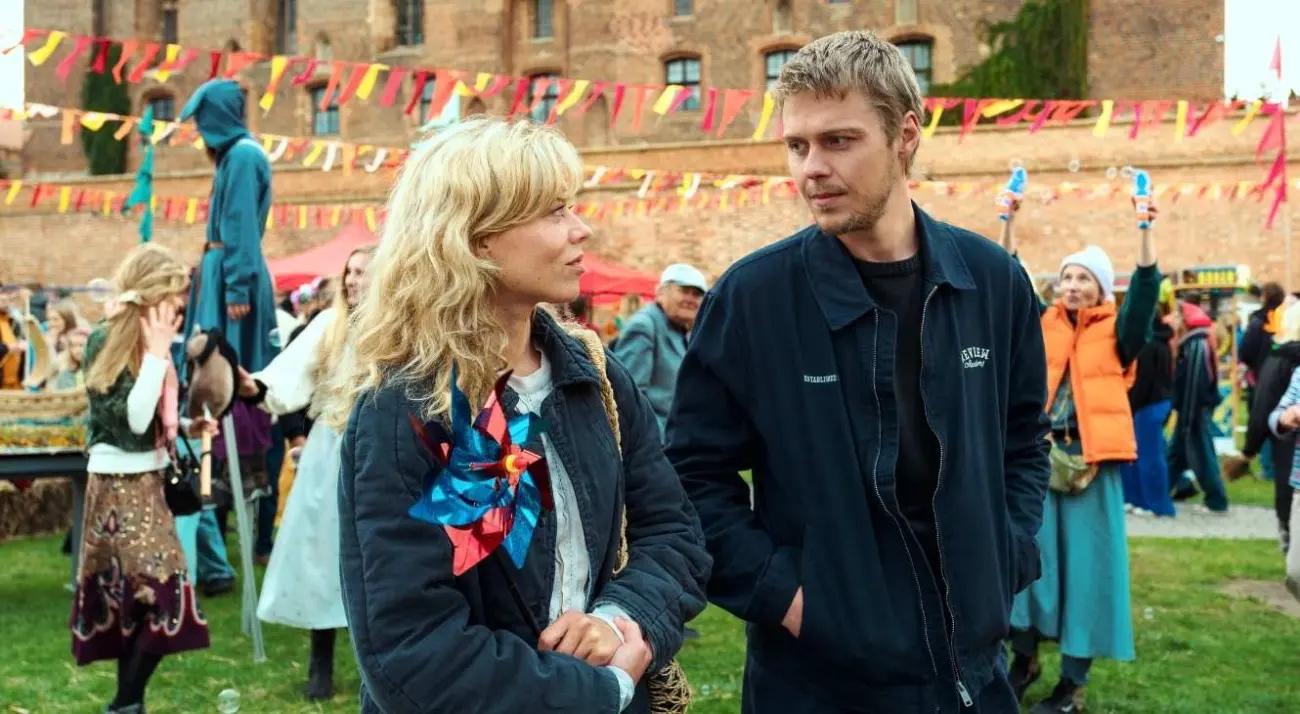
Nicki had help. The death of Adam, the boy who went missing two years prior, was an accident, but Nicki was tasked with disposing of the body, which included the sequence that opens the film. The crime that looks singular on the surface turns out to be the latest ripple in a decades-long lake of complicity.
It is decades of crimes quietly buried under everything, with certain influential folks in the community spending years hiding abuse and then covering the truth, almost with this effort to protect themselves and the kind of image the town likes to project.
Why the Real Monster in ‘Colors of Evil: Black’ Is the System Itself
Nicki is, in many ways, the town’s most visible wound. He is a man shaped entirely by what was done to the children of that small town and then abandoned to process it alone. Catching him closes a case but it does not undo what the townsfolk chose to do, which was turning a blind eye to everything.
The film ends with Bilski confronting Pakosz about his part in the conspiracy. Though ‘Colors of Evil: Black’ focuses on laying bare generational trauma, Nicki could be the kidnapper but the whole story keeps implying that so many other people share responsibility, because they enabled the abuse.
The last scenes suggest that bringing everything out into the open is only the first step, not the cure. Some kind of justice might still be found for a few of those involved, but the scars that get left behind cannot simply be undone. It is a conclusion that refuses to offer comfort, which is precisely what makes it linger.
Author Małgorzata Oliwia Sobczak revealed during an interview with Portal Kryminalny that she actually wrote ‘Colors of Evil: Black’ before ‘Colors of Evil: Red,’ which went on to become a breakout hit, meaning she never felt much of the public pressure typically encountered when writing sequel narratives. That creative freedom shows in how uncompromising the final product is.
Following the success of ‘Colors of Evil: Red,’ Netflix appears to have a franchise on its hands that could continue for years, with several books in the series remaining available for adaptation. Whether a third film is greenlit will depend on the numbers, but given the conversation this one is already generating, the odds look very good. Now that you know Nicki’s full story, does the film’s ending feel like justice, or does the weight of the cover-up make it impossible to call it that?