‘House of the Dragon’ Fans Want Answers – Who Really Inherits the Iron Throne When Rhaenyra’s Story Ends?

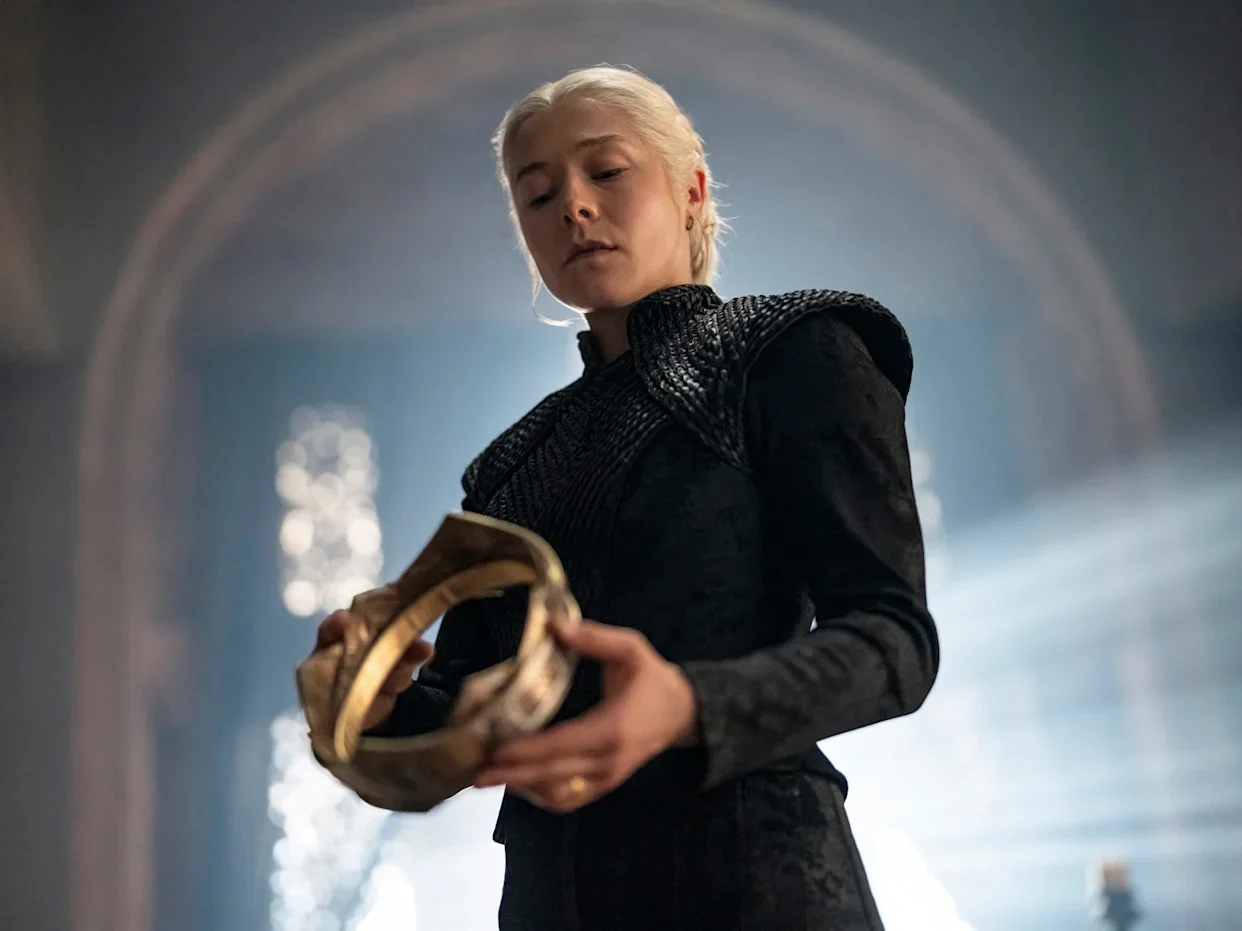

The endgame of ‘House of the Dragon‘ has fans buzzing about what happens once Rhaenyra Targaryen’s bloody bid for power finally concludes. After watching her seize King’s Landing and claim the seat she was always promised, viewers are now asking the obvious next question, who actually ends up ruling Westeros when the dust settles.
The answer involves one of the most dramatic and tragic turns in the entire Targaryen saga, and it does not favor Rhaenyra herself in the way many casual viewers might expect.
The Iron Throne Succession After the Dance of the Dragons
According to the in universe history of the Seven Kingdoms, Rhaenyra was never officially recognized as queen by the records that followed her reign, even though she was declared Queen of Westeros by her supporters and did briefly sit the Iron Throne. Although Aegon lost control of the throne during her advance, he technically never stopped being king, and the in-universe history books simply do not count Rhaenyra’s rule as legitimate.
That technicality matters enormously for what comes next, because the war that decides everything is the brutal civil conflict known across Westeros as the Dance of the Dragons.
Aegon II Targaryen succeeded his father Viserys I as Lord of the Seven Kingdoms, but his ascent was bitterly disputed by his older half sister Rhaenyra, who had been their father’s designated heir, and the two siblings fought a war in which both of them ultimately perished.
Even with that grim outcome for Rhaenyra, her bloodline does not disappear from power. Her sons would go on to become officially recognized kings, even though she herself never received that formal title. That detail is the key to understanding who genuinely inherits the throne once the dance of death between the two royal factions is finished.
Aegon III Targaryen and His Path to the Crown
The person who actually takes the throne after Rhaenyra’s death is her own son, a boy who becomes known to history by a far more haunted set of names. Aegon III Targaryen, also called Aegon the Younger and later Aegon the Unlucky, Aegon the Unhappy, the Broken King, and most famously Aegon the Dragonbane, became the seventh Targaryen to sit the Iron Throne.
His path to power is anything but glorious. He succeeded his uncle Aegon II at the conclusion of the Dance of the Dragons, installed on the throne by the victorious supporters of his late mother Rhaenyra. In other words, the war that destroyed his mother is the very thing that hands him the crown.
What makes this succession especially haunting is how young Aegon III actually is when it happens. The first son of Rhaenyra and Daemon was just ten years old when he was crowned king, and he ruled under a regency while several political conflicts erupted among the council of regents and the various Hands of the King who served him. That is a child inheriting one of the bloodiest thrones in Westerosi history, surrounded by the very lords who had just spent years trying to kill each other.
The trauma he carries into that role is staggering and directly tied to how the war ended for his family. Aegon III developed a deep distaste for dragons after watching his own mother devoured by Aegon II’s dragon Sunfyre, which is exactly why history remembers him by the grim title “the Dragonbane.” He earned that name in part because the very last dragon in Westeros died during his reign, closing out an era his family had ruled for generations.
Rhaenyra Targaryen’s Final Days on the Throne
Before any of that succession drama plays out, Rhaenyra does get her moment sitting where she always believed she belonged. After another explosive episode of ‘House of the Dragon,’ Rhaenyra gains control of King’s Landing and is shown sitting on the Iron Throne, with Daemon at her side, while Aemond holds Harrenhal and Aegon is forced to flee the city.
That victory comes at a steep personal cost, and the show makes her path to power feel anything but triumphant. Just as she sits the throne, Alicent and Helaena are brought into the room and immediately see Otto Hightower’s headless body on the floor, since Rhaenyra had decided he could not be allowed to live given his role as the chief architect behind Aegon’s claim to the crown.
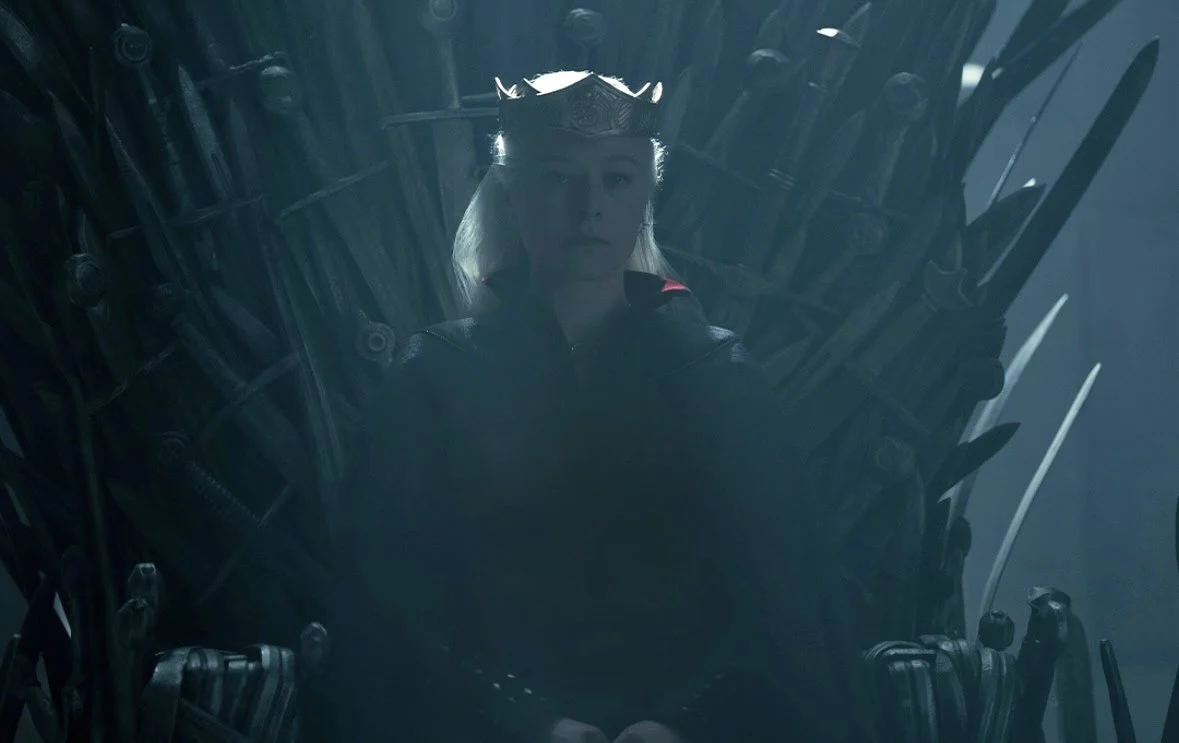
The source material that inspired the show makes her reign feel even more ominous than what plays out on screen. In George R.R. Martin’s ‘Fire and Blood,’ Rhaenyra forces every man and woman in the Red Keep to kneel and beg forgiveness through an entire night, and when she finally descends from the throne at dawn, cuts are seen on her legs and palm, with onlookers privately fearing that the Iron Throne itself had spurned her.
That symbolic wound, suggesting the throne rejects those unfit to rule, casts a dark shadow over everything that follows in her short and contested reign.
House Targaryen Kings Who Followed in Aegon III’s Footsteps
The line of succession does not stop with Aegon III, and his own children continue shaping the kingdom for decades afterward. Daeron I Targaryen, known as the Young Dragon, was the eldest son of Aegon III and became the eighth Targaryen king to sit the Iron Throne, ascending to the throne at just fourteen years old and earning fame for his conquest of Dorne.
Another of Rhaenyra’s own sons also briefly wears the crown, though his reign is shockingly short. Viserys II Targaryen, son of Rhaenyra and Daemon, became the tenth Targaryen king, serving as Hand of the King to Aegon III before eventually taking the throne himself. Viserys II’s reign lasted only one year before his sudden death, with some believing he may have been poisoned by one of his own children.
That suspicious death opens the door for one of the most notorious rulers in the entire dynasty. Aegon IV Targaryen, known as Aegon the Unworthy, became the eleventh Targaryen king and is widely considered one of the worst rulers the family ever produced, having legitimized numerous bastard children on his deathbed in an act that directly sparked the Blackfyre Rebellion.
It is a sobering reminder that ‘House of the Dragon’ is ultimately building toward generations of chaos that outlive every character currently on screen, all of it tracing back to the moment a grieving ten year old boy was placed on a throne his mother bled and died trying to claim. So now that you know the brutal cost behind Aegon III’s crown, do you think Rhaenyra’s sacrifice was worth the kingdom her son inherited.