Why ‘House of the Dragon’ Branded Rhaenyra The Cruel

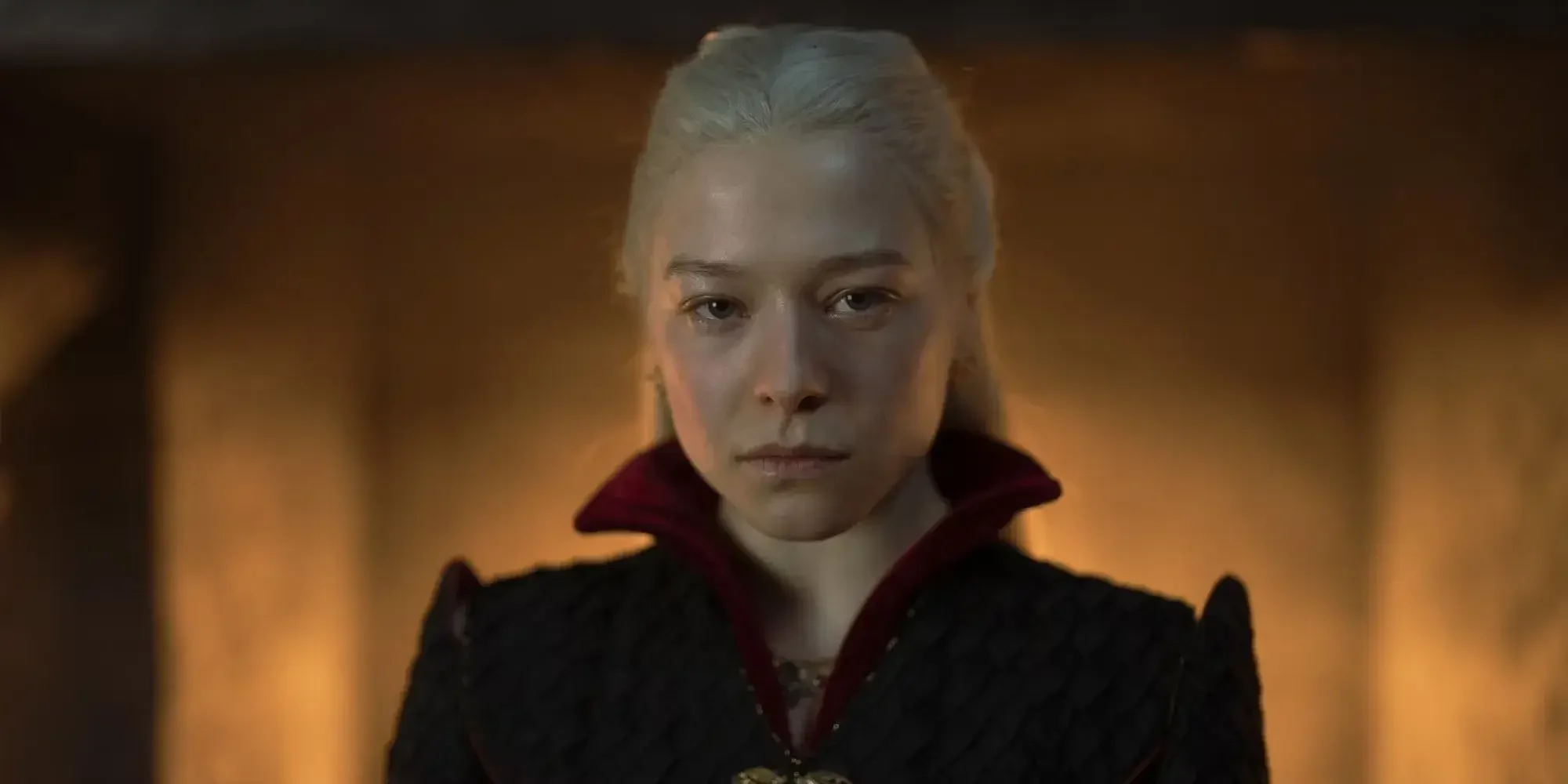

The nickname did not come out of nowhere, and that is exactly what makes it sting so much. ‘House of the Dragon‘ gave fans a title that sounds like simple villain branding, but it is rooted in a mix of book history, political propaganda, and a queen pushed past her limits.
Once viewers heard the words ‘Rhaenyra the Cruel’ spoken aloud in season two, the internet lit up trying to figure out whether the label was fair or just another smear from her enemies. The answer, as usual in this world, sits somewhere in the murky middle.
Where Rhaenyra The Cruel Comes From
The nickname is not pulled from thin air for the show. It originates in George R.R. Martin’s ‘Fire and Blood’, the historical novel that the series is based on, and in that source material Rhaenyra was called the Cruel by her detractors after she occupied King’s Landing. The comparison was deliberate on the part of those who hated her.
The term references King Maegor I Targaryen, also known as Maegor the Cruel, who is widely regarded as one of the worst and most despicable kings in Westeros history.
Branding Rhaenyra with that same word was meant to tell the smallfolk she was just as dangerous as a tyrant king, only worse because she was a woman claiming a throne men felt belonged to them.
Interestingly, the Rhaenyra the Cruel nickname as used on the show is not taken word for word from the books, though it does draw directly from Rhaenyra’s story in ‘Fire and Blood’. The show condensed and reshaped the timeline of how that reputation formed, but the bones of it come straight from Martin’s text.
The Funeral That Sparked The Smear Campaign
On screen, the nickname is born out of pure political theater. During the funeral procession for Prince Jaehaerys in the season two episode titled ‘Rhaenyra the Cruel,’ commoners express their condolences to Alicent and Helaena while a herald calls out Rhaenyra’s crimes, dubbing her Rhaenyra the Cruel. It is a calculated public relations move by her enemies, not a spontaneous reaction.
Otto Hightower is the architect behind it, proposing the funeral procession so that the people of King’s Landing will see what he frames as the depravity of Rhaenyra’s actions and to further shore up support for Aegon.
Alicent and Helaena are pulled into the spectacle as the gentlest faces of the Greens, used to make the grief feel even more personal and the blame land harder.
Rhaenyra herself is genuinely shocked when she learns people believe she is capable of orchestrating a child’s murder, and she quickly realizes the chaos has actually been set in motion by Daemon, not by any plan of her own. That gap between what she actually did and what she is publicly accused of is the entire engine driving the nickname forward.
What Maegor The Cruel Has To Do With It
The link to Maegor is not just a throwaway insult, it is a loaded historical echo that Westerosi audiences within the story would immediately understand. Archmaester Gyldayn’s account in the books describes Rhaenyra as a grasping and vindictive woman, calling her a queen as cruel as any king before her. That framing puts her in direct conversation with the worst rulers in Targaryen history.
Her reign on the Iron Throne became infamous for mass executions and increasingly high taxes on the smallfolk, who resentfully nicknamed her King Maegor with teats, a phrase that later shortened over time into a common curse used in King’s Landing.
So while ‘Rhaenyra the Cruel’ is the version fans hear on the show, the book version of her infamy is arguably even harsher and more enduring.
When Rhaenyra takes King’s Landing and the Iron Throne from the Greens in the source material, the smallfolk initially welcome her, having held little love for King Aegon II, but the ongoing war and the Blacks’ need for money push her into imposing extreme new tax measures that turn the people against her. It is a slow collapse of public goodwill, not an instant villain turn.
Fan Reaction To Rhaenyra’s Dark Turn
Audiences have been split between dread and morbid excitement about watching this transformation unfold on screen. Many fans were openly hoping the show would lean into showing exactly why she earns the Cruel label, with one viewer writing that they were done with peaceful Rhaenyra and ready to watch her take the fight to the Greens.
That same energy carried into broader cultural conversation comparing her arc to another famous Targaryen downfall. Critics have pointed out the unavoidable parallel to Daenerys Targaryen’s divisive final season in ‘Game of Thrones,’ and the show appears to be engaging with that comparison directly rather than shying away from it.
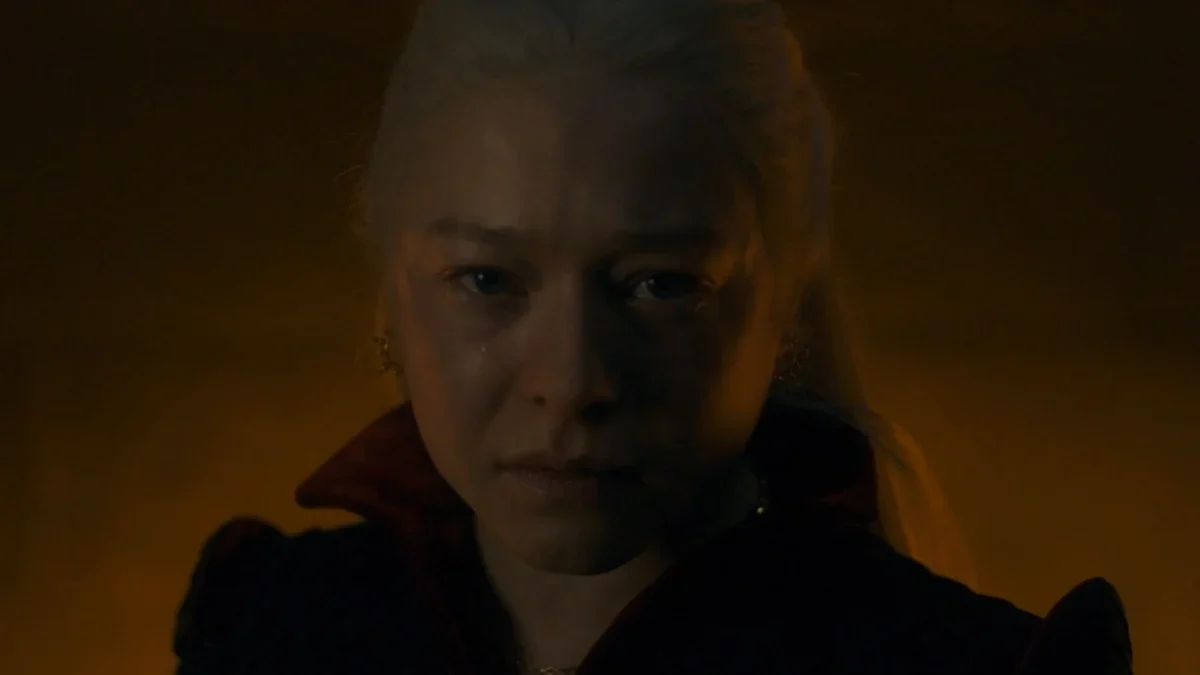
What makes the season three version of this arc compelling, according to early reactions, is that the moment Rhaenyra is meant to fully become this colder, harder queen is shown through her weeping rather than looking triumphant or cold. That choice suggests the show wants viewers to understand cruelty as a cost she pays, not a mask she enjoys wearing.
Whether ‘Rhaenyra the Cruel’ ends up being a fair verdict on her reign or just the most effective piece of propaganda her enemies ever produced is still very much up for debate, and now that the nickname has fully landed on screen, fans seem ready to argue about whether she deserves it or whether the Greens earned it for her.