‘The Odyssey’s’ Darkest Myth Isn’t Even in the Movie, and Fans Are Only Just Discovering It

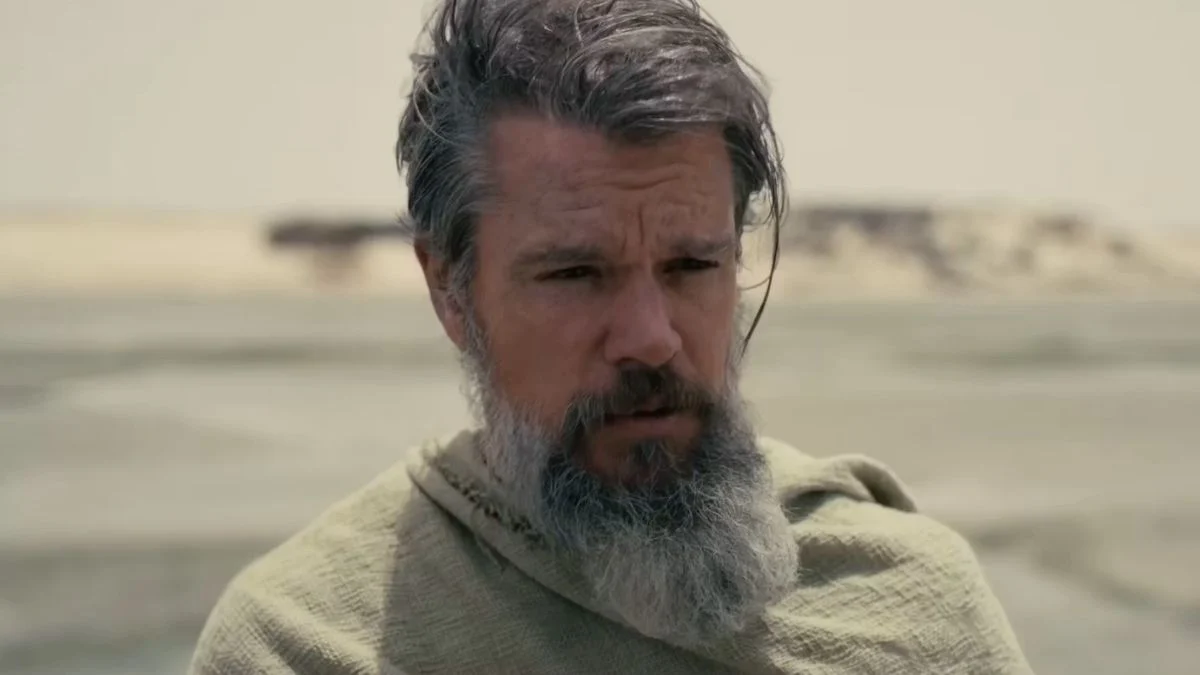

Christopher Nolan’s ‘The Odyssey‘ has spent months in the spotlight for its scale, its IMAX ambitions, and its star-studded cast, but the deeper fans dig into Homer’s world, the more they’re stumbling onto stories that never made it to the screen at all. The film boasts a 250 million dollar budget and an A-list cast including Matt Damon, Anne Hathaway, Zendaya, and Tom Holland, and its prologue alone has already reignited interest in everything surrounding the fall of Troy.
That renewed curiosity has sent people straight to some of the most brutal corners of Greek mythology, particularly the fate of a Trojan infant named Astyanax. Astyanax was the son of the Trojan prince Hector and his wife Andromache, and after Troy fell, his fate was debated by the Greeks, who feared that if he lived he would grow up to avenge his father and rebuild the city. It’s a grim footnote to the war that Nolan’s prologue technically sets up, even if the film’s marketing hasn’t focused on it.
The most disturbing detail fans keep circling back to is who actually killed the child. The most commonly cited version, found in the Little Iliad and repeated by the ancient geographer Pausanias, says Astyanax was killed by Neoptolemus, who threw the infant from the walls of Troy. A separate account, found in the Iliou Persis, instead places the killing directly on Odysseus.
Multiple ancient sources back up that darker version of events. One retelling states plainly that after the Greeks burned the city, Odysseus was the one who murdered Astyanax while Neoptolemus took Andromache as his war prize. Euripides adds another layer in his play The Trojan Women, where the herald Talthybius tells Andromache that it was Odysseus who convinced the Greek council to have her son thrown from the walls in the first place.
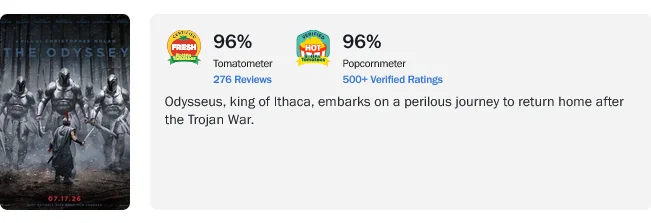
Some accounts go even further in painting Odysseus as the driving force behind the killing rather than a reluctant participant. One source describes it as Odysseus’ single most vicious act, noting he urged for the child’s death out of fear of future retribution, with some versions claiming he personally threw the infant from the walls.
Another retelling adds that Odysseus argued for the killing even over Menelaus’ objections that the boy was still too young to die, ultimately using his persuasive skill to convince the council to act.
Were you aware of the myth of Astyanax before reading about it?
None of this appears to be part of Nolan’s film, at least based on what’s been shown publicly so far. The released prologue footage covers the Trojan horse scheme and the battle that follows, ending with brief glimpses of soldiers and a broken statue rather than anything involving Astyanax. Still, knowing this darker thread exists adds an unsettling shadow to the version of Odysseus audiences are watching try to find his way home, a reminder that Homer’s hero was never quite as clean-cut as modern retellings sometimes make him out to be.
Have something to add? Let us know in the comments!