Did Odysseus and Circe Really Hook Up in the Myth and How Nolan’s ‘The Odyssey’ Handles It

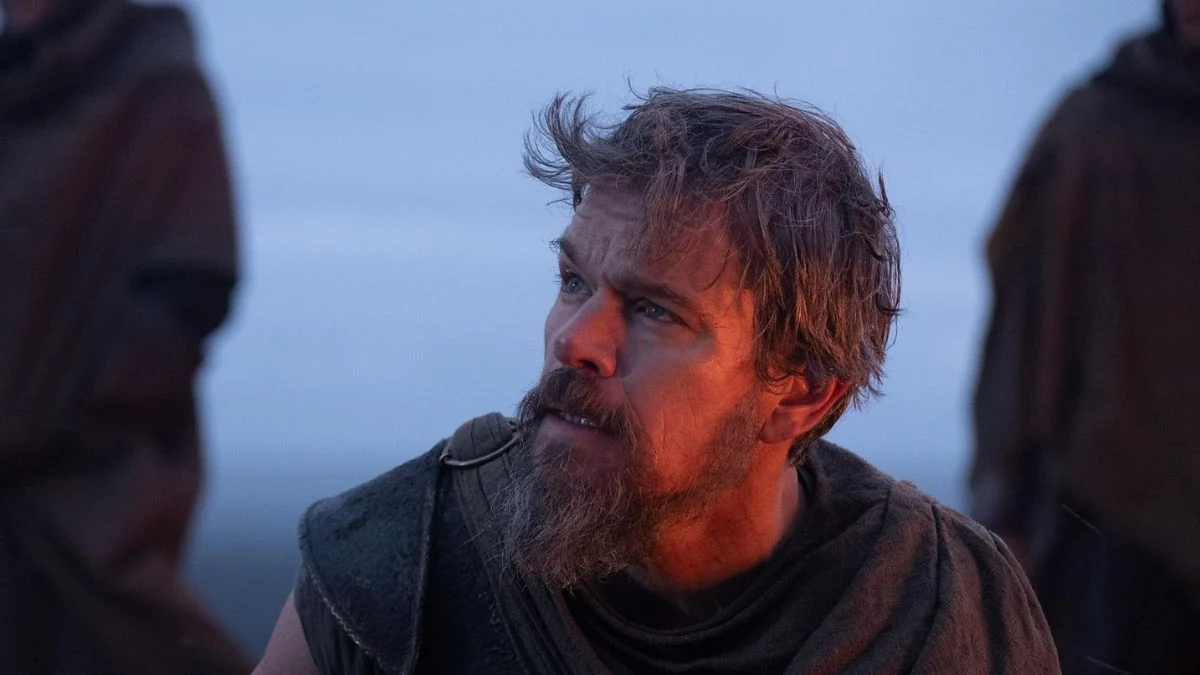

Greek mythology has never been shy about its gods and heroes falling into bed with one another, and one of the most talked about pairings involves Odysseus and the enchantress Circe. With Christopher Nolan’s blockbuster adaptation now hitting theaters, fans are once again asking what really happened between the two on the island of Aeaea and whether the new film stays faithful to Homer’s original text.
The short answer from the source material is yes, Odysseus and Circe absolutely slept together, and their relationship went far beyond a single night. Understanding the full context of that myth helps explain why Nolan’s take on the character has become one of the most discussed elements of his new epic.
The Odysseus and Circe Myth Explained
In Homer’s original poem, Circe transforms Odysseus’ men into pigs after they arrive hungry and desperate on her island. Odysseus avoids the same fate and ultimately sleeps with Circe, and the two go on to have at least three sons together, named Agrius, Latinus, and Telegonus. Circe herself is often described as a minor goddess associated with magic, though different ancient writers characterized her differently, sometimes as a goddess and sometimes as a witch or sorceress.

The circumstances leading up to their encounter are just as important as the act itself. Once Odysseus resists being turned into a pig, Circe realizes he must be the legendary hero known for his cunning, and she invites him into her bed, though he only agrees after she promises to change his men back into humans and swears never to use her magic against him. That negotiation has led many readers to view the encounter less as a romance and more as a shrewd bargain struck by two equally clever tricksters.
What tends to surprise casual fans of ‘The Odyssey’ is just how long Odysseus actually stayed with Circe. After they strike their deal, Odysseus and his men remain on her island for a full year, and it is ultimately his crew who convince him it is time to leave rather than Odysseus making that decision on his own. That detail has fueled centuries of debate among scholars and casual readers alike about whether Odysseus developed genuine feelings for Circe or was simply enjoying a prolonged detour from his journey home to Penelope.
Homer’s Original Epic and the Morality Question
The affair with Circe, much like his later relationship with the nymph Calypso, has often been framed as a complicated moral gray area rather than a simple betrayal. Some academic readings argue Odysseus justified his time with both women by claiming he had no real choice in the matter, since refusing a goddess was considered dangerous and even foolish in the world of the poem.
Other interpretations push back on that framing entirely. In the original text, Odysseus essentially has to sleep with Circe because turning down a goddess, and especially insulting her by implying his wife is superior, was simply not something a mortal hero could safely do. That cultural context matters a lot when modern audiences try to judge Odysseus by contemporary standards of fidelity.
It is also worth noting that Circe is not portrayed as a passive victim in most tellings. She holds real power over Odysseus and his men throughout their entire stay, and it is her information about the journey to the underworld and the dangers of the Sirens and Scylla that ultimately helps Odysseus get home at all. Their relationship, however brief in the grand scope of the ten year journey, ends up being crucial to the hero’s survival.
Nolan’s ‘The Odyssey’ Reimagines Circe
Christopher Nolan’s adaptation has confirmed a major casting decision that fans have been speculating about for months. Samantha Morton has been confirmed in the role of Circe, with a profile noting that the character receives a humanizing update thanks to Morton’s unsettling yet sympathetic performance. Nolan has said Morton will bring that same off kilter energy to the role, elevating Circe beyond her archetypal roots in Homer’s poem.
The larger production has drawn attention well beyond its casting choices. The film is being shot entirely on IMAX cameras for the first time in feature film history, filmed across six countries without the use of green screens, and features a sprawling ensemble that includes Matt Damon as Odysseus, Anne Hathaway as Penelope, Tom Holland as Telemachus, Lupita Nyong’o, Zendaya, and Charlize Theron. Zendaya plays Athena, Charlize Theron takes on Calypso, and Bill Irwin rounds out the cast as the cyclops Polyphemus.
Given how faithfully Nolan has approached the rest of Homer’s text, most signs point toward the Circe storyline remaining intact in some form. Samantha Morton’s Circe still retains her defining power in the film, the ability to transform humans into animals, catching Odysseus’ men off guard when they stumble upon her cottage on Aeaea looking for food. Whether Nolan chooses to depict the romantic and physical relationship as explicitly as Homer describes it, or whether he leans into a more restrained interpretation given the film’s IMAX scale and tone, remains one of the bigger mysteries heading into release.
What Fans Can Expect From the Circe Storyline
Considering Nolan’s track record of grounding even his most fantastical stories in emotional realism, it would not be surprising if his version of the Odysseus and Circe dynamic leans harder into the psychological complexity of the relationship rather than treating it as a simple detour. Morton’s casting alone suggests the film wants audiences to see Circe as more than a one dimensional obstacle for Odysseus to overcome.
For longtime fans of the source material, the bigger question may not be whether the relationship happens onscreen but how it is framed. Homer’s version leaves plenty of room for interpretation about genuine affection versus strategic survival, and Nolan’s reputation for morally complicated characters suggests he may lean into that ambiguity rather than resolve it.
With the film’s IMAX theatrical run already underway, audiences finally have the chance to see how this centuries old storyline translates to the screen. What do you think Nolan’s version of Circe reveals about Odysseus that Homer’s original poem left unsaid?