‘The Dog Stars’ Ending Explained: What Hig’s Fate Really Means

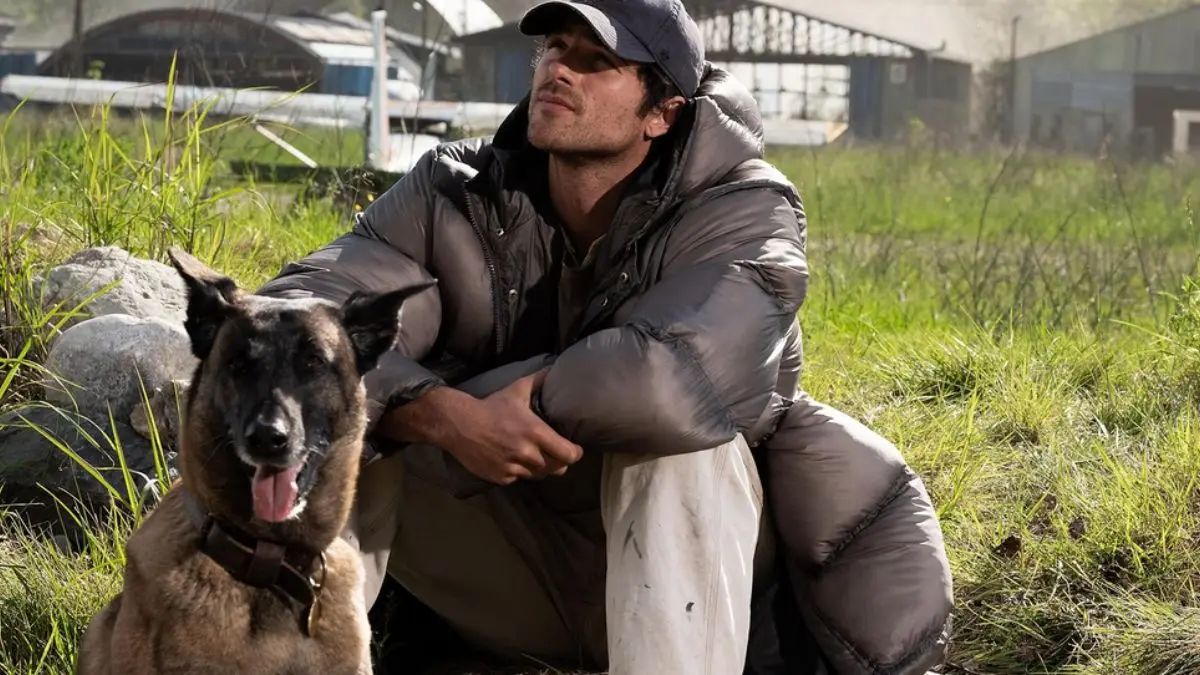

Peter Heller’s post apocalyptic novel ‘The Dog Stars‘ has found new life thanks to Ridley Scott’s film adaptation, and viewers are searching for answers about how the story wraps up. The book was first published in 2012 by Alfred A. Knopf and is widely described as post apocalyptic fiction, centred on a pilot named Hig who lives in Colorado after a devastating pandemic has wiped out much of humanity.
The story has gained renewed attention because Scott’s film version is scheduled for release on August 28, 2026, with Jacob Elordi reported as Hig, Josh Brolin as Bangley, and Margaret Qualley as Cima. For anyone confused about what actually happens by the final pages, here is a breakdown of the ending and what it means for Hig, Jasper, and the fragile new world they leave behind.
Hig’s Fate and the Meaning Behind His Journey
The novel picks up nine years after a flu epidemic and then a blood disease devastates the human population, and survivors are the only remaining humans as life becomes almost militaristic. Hig patrols an eight mile perimeter around an abandoned airport in Erie, Colorado in his Cessna plane, nicknamed the Beast, with his dog Jasper as co-pilot.
What triggers the main character’s journey is a mysterious radio transmission he picks up while flying his old Cessna, and that unexpected signal prompts him to leave his lonely life in the hangar and set out to find its source. By the end, Hig does not simply return to the world as it was. In the final act, Hig takes a bold and risky step, an act of hope that is both audacious and uncertain, a testament to his enduring spirit and his refusal to give in to despair.
The ending refuses two easy options, it does not say the world is fixed, and it also does not say the world is only ruin. Instead, it leaves Hig in a changed emotional reality, having moved beyond the dead airport life of pure defence and into a more complex future involving Cima, Bangley, memory, danger, and the possibility of renewed attachment.
Jasper’s Death and What It Sets in Motion
Jasper the dog does die during the story, and that is a detail that will not sit well with a lot of people, to the point that many will avoid the film because of it. It is necessary to the story though, since it is the event that sends Hig on his journey and pushes him out of his rut, even if that does not make it any more pleasant to watch.
Jasper’s death is one of the most heartbreaking components of the story, but it strangely becomes a catalyst for Hig finding a new life. The conflict between Hig and Bangley over how to treat strangers initiates the fight that leads to Jasper’s death, but Hig’s mentality ultimately wins out, allowing him to find love while he and Bangley find community.
In the film’s ending, Hig looks up into the stars, a symbol of hope for humanity, and tells Cima one of the constellations is named Jasper, in a sense seeing his old companion in the sky and affirming his belief that connection is necessary for survival. That final image ties the title itself back to the emotional core of the story, framing loss as something that can still guide a person forward instead of only holding them back.
The Blood Disease and What Survival Really Costs
The exact parameters of the apocalypse causing disease are left unclear, but the Mennonite children in the story appear to suffer from a blood disease that is hereditary and secondary to the original outbreak. That detail matters because it reshapes what “danger” means by the end of the story.
The initial virus caused humanity’s downfall and widespread isolation, but by the end it becomes clear the virus is no longer an active risk, and the children are not contagious, meaning a future and recovery is genuinely possible. That recovery requires reserved, guarded men like Pops and Bangley to extend olive branches and make peace instead of defaulting to violence.
This is where ‘The Dog Stars’ quietly shifts from a survival thriller into something closer to a meditation on rebuilding trust. The threat was never only biological, it was also about whether isolated people could let their guard down long enough to form a new community.
Grand Junction and Cima as the True Destination
Hig sets out on a journey to find Grand Junction, which he believes will be a return to his old way of life and a final bastion of what once was, but Grand Junction turns out to be a disaster. Even so, Hig does find what he is looking for in a different form, because he is not actually searching for civilization as it used to be, he is searching for connection, which he finds in Cima.
The point of the ending is not that Hig wins in any conventional sense, he does not get his old life back, Melissa remains dead, Jasper remains dead, and civilisation remains broken. What he gains instead is the ability to imagine a life that is not only a tribute to what was lost, and that is the philosophical meaning of the ending.
Reviewers have noted that the tone of the finale stands out sharply from the rest of the story. Ridley Scott ends things on an unusually uplifting note for him, to the point where it feels somewhat at odds with the tone of the rest of the film. That tonal shift has become part of the ongoing conversation among viewers trying to decide whether the ending earns its hope or simply grants it.
Some critics have pushed back on how that hopeful ending is constructed. One review argued the film presents a decidedly narrow vision of a post apocalyptic world, noting it appears very few people of color survived the collapse, which makes the ending’s reach for community feel oddly limited given how the story frames who gets to rebuild. That same review pointed out the star studded cast, with Elordi described as earnest, Qualley as possessing a witty charm, Pearce adding a rich inner life to Pops, and Brolin appearing to be having fun, comes close to holding the film together even when the script does not always support them.
Whether you walked away from ‘The Dog Stars’ comforted by Hig’s decision to stay open to Cima and Bangley, or unsettled by how much he had to lose to get there, the ending clearly wants you sitting with both feelings at once. What did you make of Hig naming that constellation after Jasper, and did the film earn its hopeful landing for you?