How Interactive Media and Gaming Transformed Modern Entertainment


The boundaries defining modern entertainment have officially blurred. Where audiences once passively consumed two-hour films or scheduled television broadcasts, today’s digital landscape thrives on immersion, interactivity, and agency. The evolution from traditional media to multi-platform ecosystems has fundamentally changed how stories are told and how users engage with visual culture.
1. The Convergence of Hollywood and Interactive Gaming
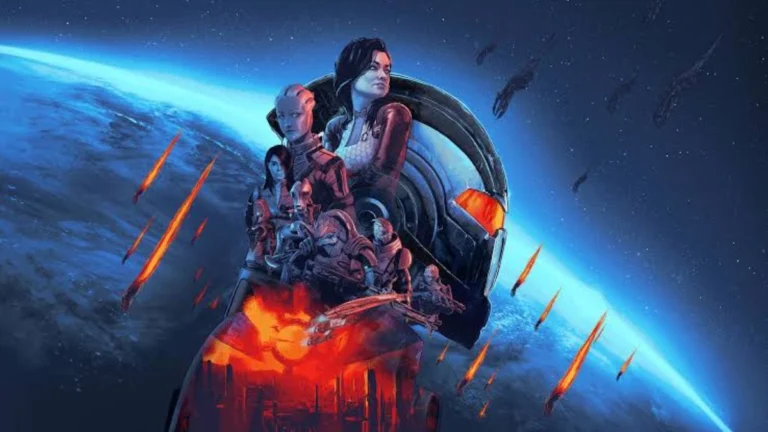
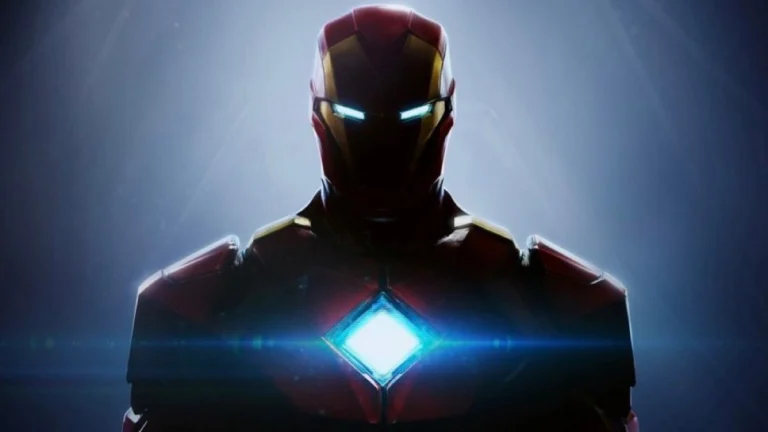
The relationship between cinema and gaming used to be a one-way street: popular blockbuster movies received rushed, low-quality video game tie-ins. Today, that dynamic has completely reversed. Hollywood studios increasingly look to video game IP to launch major cinematic franchises.
Critically acclaimed adaptations such as HBO’s The Last of Us, Netflix’s Arcane, and record-breaking theatrical hits like The Super Mario Bros. Movie prove that video game storytelling rivals traditional literature and film. Premium actors are no longer just starring in films; top-tier talent like Keanu Reeves (Cyberpunk 2077), Norman Reedus (Death Stranding), and Giancarlo Esposito (Far Cry 6) regularly lend their likenesses, motion capture, and voice performances to interactive titles.
2. Gamification and the Rise of Digital Platforms
Beyond narrative games, interactive entertainment has expanded into live digital environments. Online platforms now host virtual concerts, interactive streaming events, and competitive hubs where millions of users interact simultaneously.
Whether users are competing in esports, engaging with live-stream creators on Twitch, or exploring digital platforms, transparency and platform quality are paramount. Gamers and entertainment enthusiasts rely on expert evaluations to find secure, high-performing hubs. Resources like the Game Champions operator ratings help users navigate online gaming platforms by evaluating performance, security, and feature sets.
3. The Future of Interactive Experiences
As technologies like real-time rendering engines (such as Unreal Engine 5) become standard in both film production and game development, the line between watching and playing will disappear further. Virtual production stages—like ILM’s StageCraft used in The Mandalorian—allow filmmakers to shoot live-action scenes within real-time game environments.
The future of entertainment isn’t about choosing between movies, TV, or gaming—it is an interconnected ecosystem where stories cross seamlessly from screens to interactive worlds.