The Case For Genre Fit Over Genre Hype in Modern Games


Genre hype can put a new release in front of nearly everyone, but attention does not settle the choice. A satisfying game begins with a core loop that suits the time, focus, and kind of involvement a player wants. That is why genre fit offers a better lens for current game habits than headlines alone.
Budget choices can follow that same logic. A player who has picked a preferred platform or store can Buy flipkart gift card as a digital purchase aligned with that plan. For Steam keys, Eneba is a good option: it is a digital marketplace with verified merchants, and product pages can show platform and regional information. A good purchasing experience pairs those details with visible merchant signals and a clear view of the item before selection.
Recent market signals separate reach from involvement
India’s mobile market illustrates why a genre’s popularity needs a defined measure. Sensor Tower’s 2025 summaries place simulation, arcade, puzzle, and tabletop games at the top of download volume, while shooter and strategy categories stand out in revenue-oriented or engagement measures. Those results do not crown a single genre. They show that a game built for a quick, accessible session can reach a different audience outcome than one built around sustained competition or tactical decisions.
The distinction matters because gaming serves varied motivations. A 2024 Lumikai report linked play in India with relaxation, socialisation, and self-expression, and reported an average of 13 gaming hours per week. Those motivations can coexist in one person, so download totals alone cannot explain why a particular genre holds attention.
Genre fit begins with the core loop
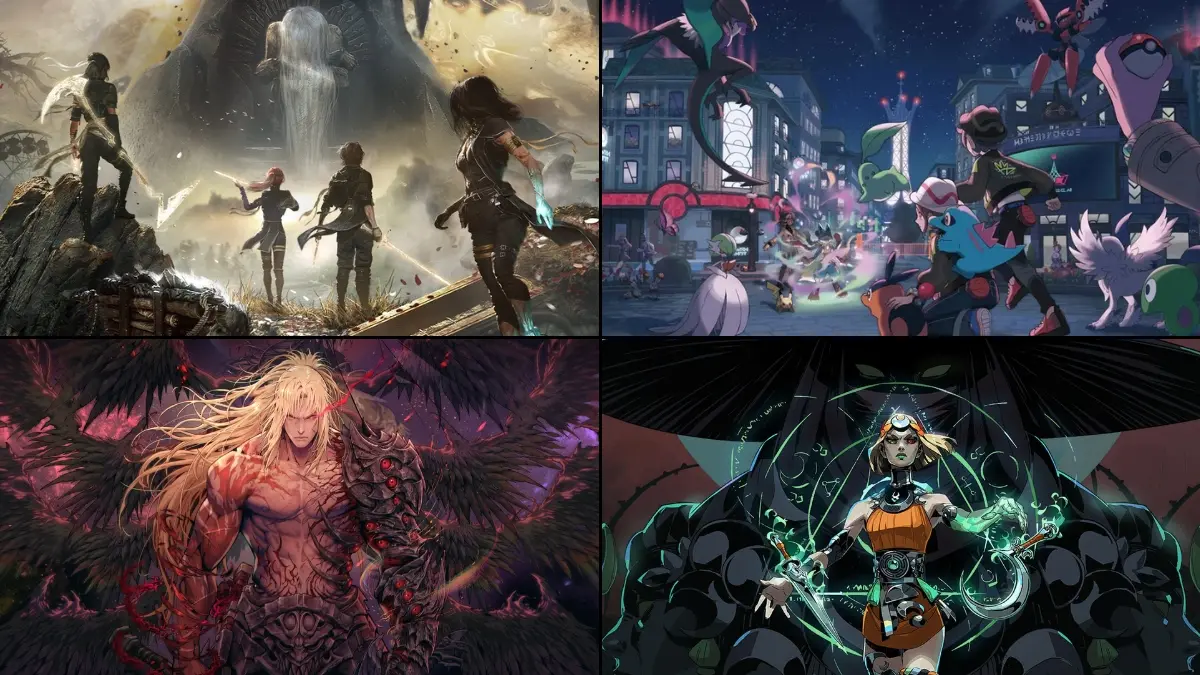
RPGs, FPS games, and strategy titles each make a distinct promise. RPGs centre character development and progression, inviting players to invest in a personal playstyle, exploration, or a longer narrative. FPS games centre first-person combat and aiming, with immediate feedback, mechanical precision, teamwork, and repeatable sessions at the forefront. Strategy games put planning, resource decisions, positioning, prediction, and gradual mastery first. Accessible strategy formats and complex strategy games can suit very different appetites, even under one label.
Recent PC and console research adds nuance rather than a winner. Newzoo reported increased action RPG playtime between 2022 and 2023, while several shooter subgenres fell, with third-person shooters an exception. It also identified RPG and adventure games as strong in the PC long tail, where established catalogue titles retain playtime. This evidence describes parts of the market, not a permanent ranking across platforms.
Where genre fit leads next
Genre labels now share more territory. An RPG can use shooter combat, an FPS can add progression systems, and a strategy game can include role-playing or social features. The useful decision is therefore to identify the activity that sounds rewarding, then look beyond the label to the loop itself. This direction leaves RPGs, FPS games, and strategy influential because they map to durable motivations rather than a single dominant audience.
Regional access belongs in that practical decision too. Eneba fits this approach through product pages that can show regional and platform information for content across regions. Checking those details is a normal part of selecting the right item for an account, just as genre fit is part of selecting the right game. Its focus on verified merchants and regional information keeps the purchase process connected to the player’s actual plan without reducing the importance of personal genre preference.