The Shocking Real Story Behind Jon Hamm’s ‘American Hostage’ Is Even Wilder Than the Show

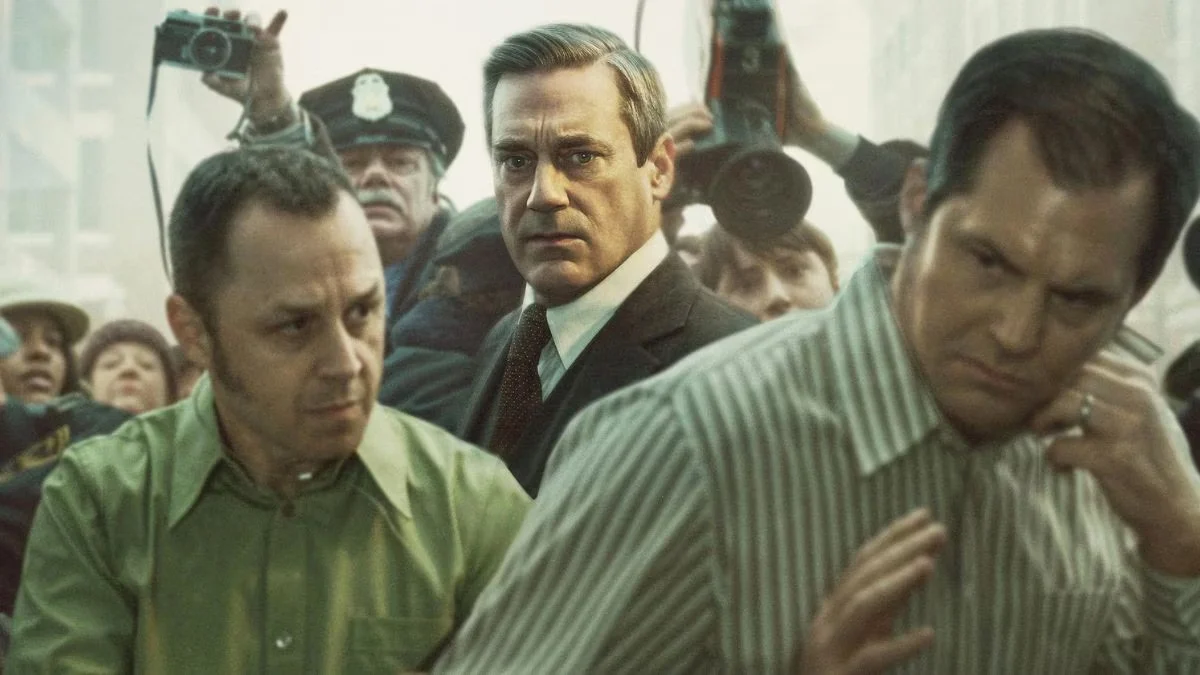

If you have been wondering whether ‘American Hostage‘ was cooked up by screenwriters, the answer is no. The MGM+ thriller draws on a hostage standoff that ranks among the strangest in American history. The details sound so outlandish that it is easy to assume they were invented for television.
The true story behind ‘American Hostage’ centers on a radio reporter, a desperate man and a crisis that played out over the airwaves. The series premiered on September 20 and follows a beloved Indianapolis newsman who is pulled into a life or death situation. Here is how much of it really happened.
The True Story Behind ‘American Hostage’
The series dramatizes the real incident of Tony Kiritsis, who took his mortgage broker hostage in 1977, and the crisis unfolded over three days. The mortgage broker was Richard Hall, and the standoff began on February 8. On screen, Kristoffer Polaha plays the hostage. Giovanni Ribisi plays Kiritsis.
The most jarring details are also the real ones. Kiritsis held a sawed off shotgun to Hall’s head, demanded to speak with radio newsman Fred Heckman and used the local station to tell his side of the story. That request is what turns a hostage drama into a media story.
Cast members have talked about how hard it was to believe. Speaking to Gold Derby, Mireille Enos said the events would feel like too much if written as fiction, yet they happened and helped change how live news works as entertainment. She said the event shifted the dial in a pretty wild way.
Still, this is not a documentary. The series bends some facts, dramatizes certain moments and adds characters. One example is Ben Hairston, who belongs to the dramatized newsroom story rather than the documented central figures of the case.
Tony Kiritsis and the Hostage Crisis That Gripped Indianapolis
The series wastes no time getting into the action. It cuts between Heckman going about his workday and Kiritsis walking into the bank with his plan ready to go. That split structure sets up the collision between the two men.
Ribisi has a tall order in the role. He described Kiritsis as a motor mouth and said remembering all that rapid fire dialogue was a logistical challenge, especially in the intense phone calls with Fred. Those calls are the engine of the show.
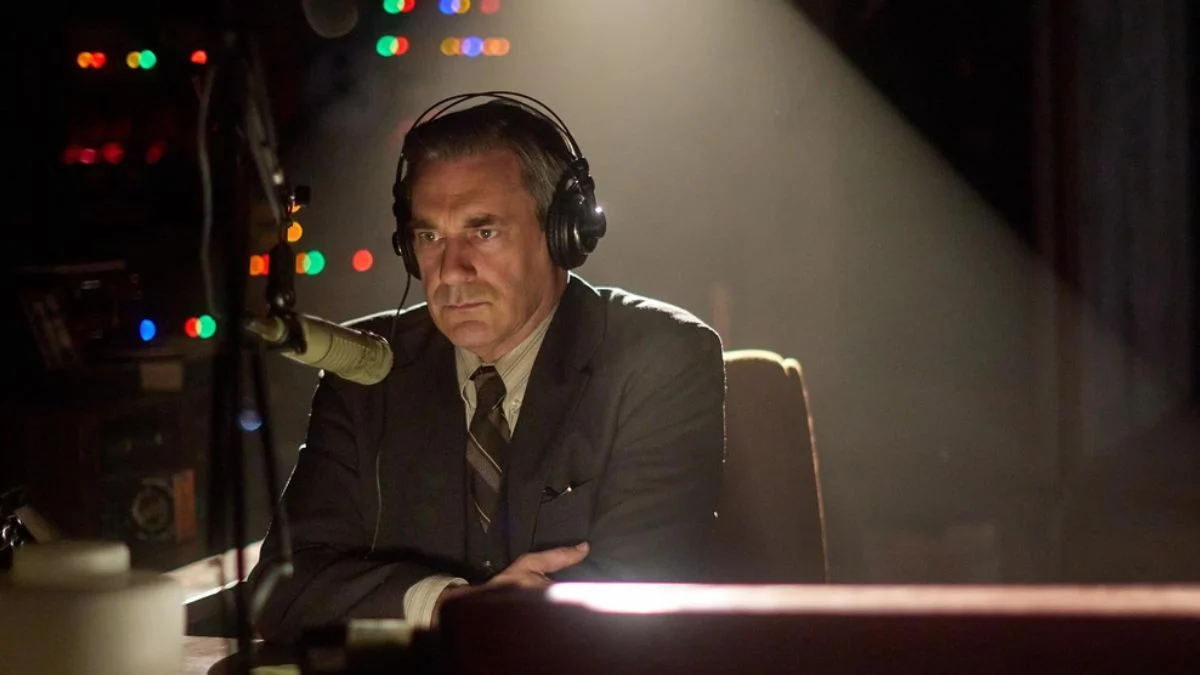
To capture that pressure, the production went for something unusual. A live setup kept the cast on a high wire edge so the negotiation could feel like it was happening in real time.
Not every critic thinks the format pays off. The series runs eight episodes. One reviewer felt it runs out of steam and argued that some stories are hard to stretch across an eight hour runtime.
Fred Heckman and the Radio Broadcast at the Center
Jon Hamm plays the man in the middle. Heckman is a beloved Indianapolis radio reporter whose life changes when Kiritsis demands to be interviewed on his popular news program. In other words, the reporter becomes part of the story he is covering.
That choice of focus sets this version apart. The series places Heckman and the radio coverage at the center, which is a different approach from the film based on the same event. The broadcast itself becomes a character.
Around Hamm, the ensemble is stacked. Enos plays Fred’s wife, Barbara. The cast also includes William Jackson Harper, Jonathan Tucker and Kat Cunning.
From Podcast Adaptation to MGM+ Series
Long before television, this story lived in audio. The scripted psychological thriller podcast was directed by Shawn Christensen, starred Hamm and was released by Amazon Music and Wondery in February 2022. It was a hit with listeners.
The jump to the screen followed. A television adaptation was announced in late 2023, with Shawn Ryan and Eileen Myers as co-creators and Hamm reprising his role as Heckman. MGM+ greenlit the series in April 2025 and shooting was planned for Winnipeg.
The same events have now inspired several projects. The podcast, the series and the film ‘Dead Man’s Wire’ are all based on the Kiritsis story. They are separate productions rather than versions of one another.
So now that you know how much of the standoff really happened, does Hamm’s Heckman feel like the right man to carry that live broadcast, or do you wish the show had spent more time inside Kiritsis’s twisted logic?