[Exclusive Interview] ‘Pokémon Worlds’ Theme Composer AJ Sealy Wants to Score ‘Static Shock’ and Praises Benjamin Wallfisch’s ‘The Flash’ Music

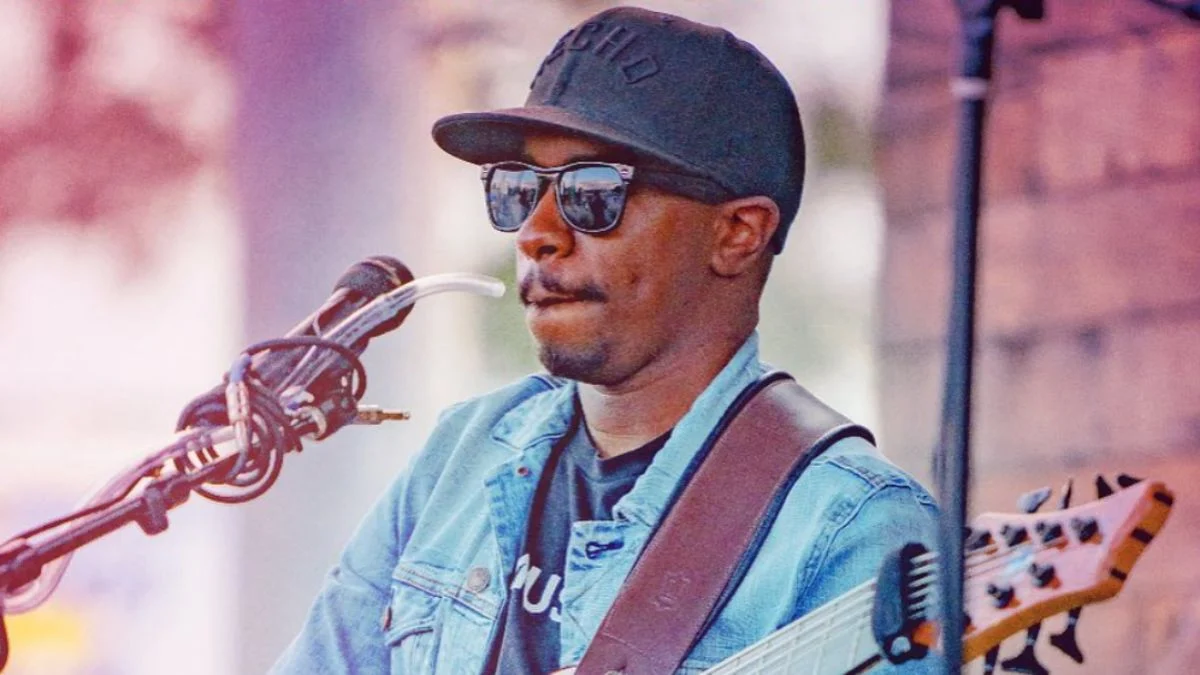

Superhero fans know how much a great score can shape a franchise, and AJ Sealy is no exception. The composer behind ‘Ichiban,’ the official theme of the Pokémon World Championships, grew up watching the ‘Static Shock’ cartoon and says it is the superhero property he would most like to score. He even used our interview to send a message to Reggie Hudlin, saying he’s ready when Hudlin is.
Sealy’s work has already reached some of the biggest fanbases around. Beyond ‘Ichiban,’ he arranged the orchestral and choir version of ‘Gotta Catch ‘Em All’ for the Pokémon 30th anniversary, and he has orchestrated Pentatonix’s ‘Love Medley.’ He also played bass on Disneyland’s ‘Celebrate Happy’ for its 70th anniversary, and his credits include projects for Netflix and Disney. His favorite recent superhero score is Benjamin Wallfisch’s work on ‘The Flash,’ which he says blends classical scoring techniques with a solid synth and electronic base.
In this conversation with Comic Basics, Sealy explains how ‘Ichiban’ went through 7 versions before approval and what it was like to hear fans react in real time at the Championships. He also breaks down how he modernized a melody millions of people can hum without losing what made it iconic, and what orchestrating for an a cappella group taught him. He finishes with the genres and formats he is chasing next.
CB: “Ichiban” is now the official theme of the Pokémon World Championships. For readers who may not know the process, how does a track like that go from pitch to final approval with a brand as massive as Pokémon?
AJ Sealy: It can be a long process, especially with bigger brands. It goes through many rounds of reviews and approvals with different teams, all before you get a green light. Sometimes this can take many weeks or even months.
If I recall correctly, the version we finished with was version 7! The first is always the most difficult, in my opinion. V1 is you just trying to land in the ballpark. Subsequent versions are hopefully correctable refinements or adjustments. You don’t always nail it with v1 either, but once you get past that hurdle, it’s smoother waters.
CB: The Championships happened the same week as this piece, what’s it like having a composition tied to a specific live event rather than a film or show with a set release date?
AJ Sealy: It was pretty awesome! Writing music for a live event has the element of immediate feedback, good or bad. I was able to be in the arena and witness the reception of my work in real time. That’s very different from film/tv where reviews trickle in from online sources and social commentary. That, and it sometimes feels like people connect with your music during a live event more so than watching a film or TV show; it has an interactive element to it.
CB: You’ve worked across Netflix, Disney, and now Pokémon, properties with enormous built-in fanbases. Does knowing millions of longtime fans will immediately judge the music change how you approach a project compared to something more under-the-radar?
AJ Sealy: It certainly ups the ante a bit, but the pressure helps ensure I’m doing my best possible work for that very reason. I often try to mentally place myself amongst the audience while working, and try to decide if I’d connect with the music at any given moment
CB: Which superhero franchise would you like to score?
AJ Sealy: I’d have to say Static Shock. I watched the cartoon as a kid, and it was one of my favorites of all time! Reggie Hudlin, I’m ready when you are!
CB: Contributing to the 30th Anniversary version of “Gotta Catch ‘Em All” means working with a melody most people can hum from memory. How do you modernize something that iconic without losing what made it recognizable in the first place?
AJ Sealy: That was the biggest challenge for this one! It’s of course easy to be handed a task like this, be told “arrange this however you want, keeping in mind that it’s for the 30th”, and go crazy with over-arranging or doing too much in an effort to make it special. The key was finding the balance, and that came by creating a big build-up in the intro, driving the hype, and then “landing the plane at a familiar airport,” which is the iconic drum fill just before the vocals start.
Understanding the impact of the original song was critical; that drum fill is almost as recognizable as the famous Phil Collins fill, and so we couldn’t lose that. It made sense to work around the song rather than try to remake it, so if you listen to it you can hear the orchestra is essentially supporting the rhythm section, whereas in the other one I did, “Ichiban”, the rhythm section is supporting the orchestra.
CB: You also play bass guitar across several of these projects. Is there a track in your recent catalog where the bass line itself became a defining part of the piece, rather than just backing the arrangement?
AJ Sealy: Actually, yeah! Disneyland’s “Celebrate Happy” for their 70th anniversary has a song specifically for the occasion, also called “Celebrate Happy” sung by the Jonas Brothers. I was the bassist for this song, and the bassline that starts at the very beginning, I think, lays down the foundation and pacing for the rest of the tune! It’s pretty catchy as well!
CB: Pentatonix’s “Love Medley” and their new deluxe album are out now. What does orchestrating for an a cappella group teach you that you can’t learn writing for a full band or orchestra?
AJ Sealy: It’s such a unique process when you’re doing this – you have to remind yourself that the group itself is the feature. Balancing moments where the orchestra took over with moments that I felt needed the group to be out front was the challenge here. That, and you have to be a little more intentional with music theory. Voice leading, harmonies, and phrases – they all need to not only sound good to the ear, but make logical sense to execute in a studio session as well as live.
CB: Between Pokémon, Pentatonix, and Project Runway, your work spans gaming, music groups, and reality TV. Is there a genre or format you haven’t tackled yet that you’re actively chasing?
AJ Sealy: I’d love to get more involved in the video game music industry. I feel like that’s an area where bending the rules is a bit more common (musically speaking). Live experiences too, though – there’s really nothing like creating something for people to experience right in front of you.
CB: Favourite superhero movie score?
AJ Sealy: I have a few, but recently Benjamin Wallfisch’s score to The Flash got my attention. It combines a ton of classical scoring and composition techniques with a solid synth/electronic base. A perfect balance that’s not always easy to achieve.
Editor’s Note: This interview has been condensed and edited for clarity.
Have something to add? Let us know in the comments!