Why Marvel and DC Keep Rewriting the Same Characters

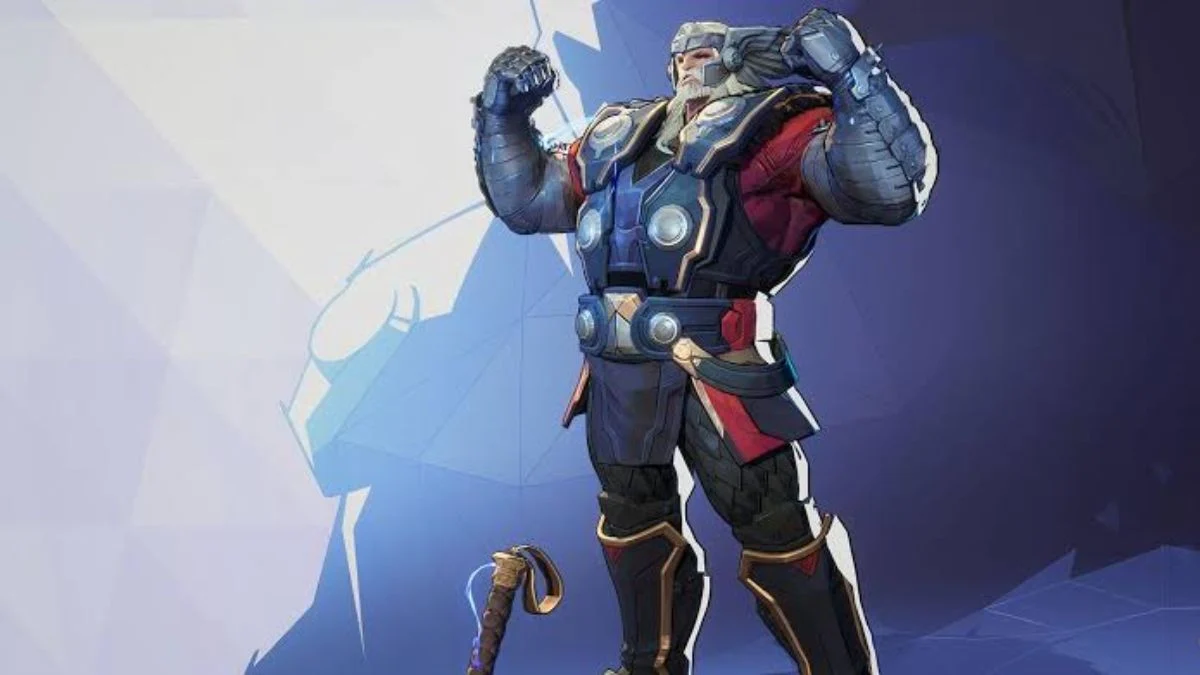

Peter Parker has been bitten by a radioactive spider on screen three different times since 2002. Bruce Wayne’s parents have died in an alley more often than most fans can count. At some point, the question stops being “why again?” and becomes “why does it keep working?”
A similar pattern can be seen in how the gambling industry treats its own staples. Blackjack and roulette never go away, yet operators keep launching new online casinos with fresh branding, updated welcome offers and redesigned lobbies. The core games stay identical while the packaging changes every few months. Players know the rules and still show up for the new coat of paint. Studios figured out long ago that audiences behave the same way.
Familiarity Is the Product
Nobody walks into a Superman movie hoping to meet a stranger. They want the cape, the glasses, the Daily Planet and the hope that comes with all of it. Reboots operate much like selling a favorite meal in a new restaurant. The recipe doesn’t change much. The lighting does.
That’s the safe read, anyway. Risk matters, too. A $200 million budget makes originality a scary bet, and a known character carries a built-in audience before a single frame is shot.
The Clock Problem
Comics have a strange rule. Characters can’t really age, or the whole machine stops. Spider-Man would be collecting Social Security by now if Marvel let him grow up in real time. So the company resets, retcons and reboots, and each version gets a few years before the next one steps in.
DC made this an official policy. Crisis on Infinite Earths in 1985 wiped the slate clean. The New 52 did it again in 2011. Then Rebirth arrived in 2016 and quietly undid half of that. Fans groaned every time, and sales jumped every time.
A Long Tradition of Starting Over
The practice of reinventing comic book characters goes back decades. The history of serialized comics shows that American publishers have been reworking the same core pantheons since the Golden Age of the late 1930s. Flash and Green Lantern got entirely new identities in the Silver Age, and Marvel’s Captain America was dusted off and revived in 1964 after sitting on the shelf for years. Rewriting wasn’t a modern corporate invention. It was the business model from the start.
What changed is the scale. A reset used to mean a new #1 issue. Now it means a multi-picture franchise, toy lines and streaming spin-offs.
What Fans Actually Get Out of It
One aspect critics tend to overlook is that a fresh take often does something the original couldn’t. Different eras reflect different anxieties, and the contrast between Batman’s portrayals makes that clear. The 1960s version was campy fun, while the 2022 film presented a brooding detective in a rain-soaked Gotham. Both featured the same character, but their approaches reflected very different expectations of superhero entertainment.
Reinvention also creates opportunities for new characters and audiences. Miles Morales and Kamala Khan demonstrate how publishers can introduce younger heroes who carry familiar legacies while developing identities of their own. New readers get an entry point without needing fifty years of background knowledge. Some of the genre’s most memorable stories have come from unexpected reinventions, with Spider-Verse showing how a familiar superhero origin can feel entirely new through creative storytelling and distinctive animation.
The Fatigue Is Real Though
Not every redo lands. Audiences have started to push back, and recent box office numbers show it. When a character’s third origin story arrives in under fifteen years, shrugs replace gasps.
The studios know it. Marvel has publicly talked about “pruning” its output, and DC’s new leadership has promised a more connected, long-term plan. Whether that holds up is another matter.
Still, the cycle is unlikely to disappear anytime soon. Somewhere right now, a writer is pitching the next version of Batman, Superman or Spider-Man, hoping to give audiences something familiar enough to recognize but different enough to make another trip to the cinema worthwhile. As long as these characters attract attention, studios will keep finding new ways to tell their stories.