From Comic Panels to Reels: Who Owns a Superhero’s Gaming Identity?

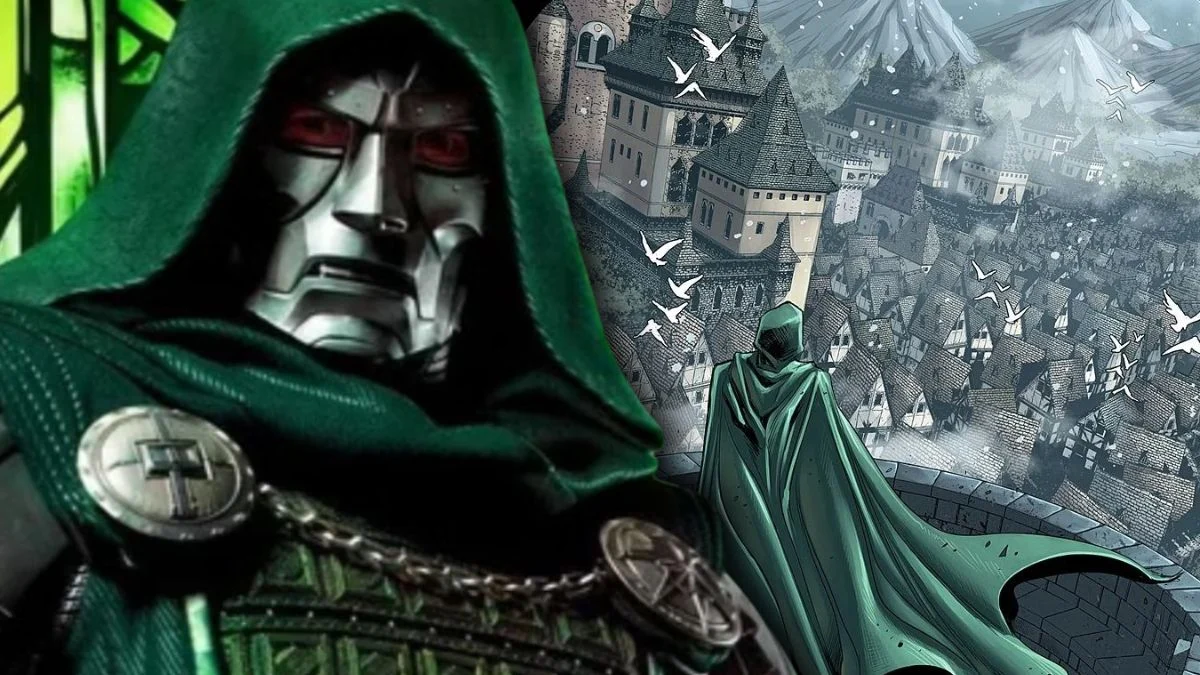
A superhero may look like a single piece of intellectual property, but a casino game built around that character can involve a web of separate rights. The comic publisher may own the original character, while a movie studio controls a particular screen adaptation. Actors, musicians, artists, and game developers can hold additional rights covering their contributions.
This explains why a slot may feature a comic-book version of a hero without using the recognizable face, voice, costume, or soundtrack from a movie. Permission to reproduce the original character does not necessarily include every later interpretation.
Themes Are Built From Licensed Components
The differences becomes clearer when players review how branded games are constructed. Casino Guru covers developments in slot design and licensed entertainment in Canada and beyond, giving readers context when they explore online slots and their different themes. Behind each themed reel is a contract defining exactly which creative assets can appear.
A license might cover the character’s name, logo, costume, supporting cast, locations, and signature objects. Separate approval could be necessary for film footage, an actor’s likeness, recorded dialogue, or music.
Music licensing shows how detailed these arrangements can become. A 2026 Queen-themed slot announced by IGT contains 10 songs, approved photographs, archival video footage, four bonus features, and six jackpots. The project required cooperation with the licensing organization responsible for the band’s merchandising rights. A superhero game using comparable media could require similarly granular approvals.
Copyright Protects the Character’s Expression
Copyright protects original creative material such as illustrations, dialogue, animation, story sequences, music, and audiovisual content. A game studio generally cannot copy comic panels or reproduce a famous movie scene merely because the underlying hero is widely recognized.
However, copyright does not usually grant ownership of a broad concept such as a masked vigilante, an alien hero, or a character with superhuman strength. Protection applies to the distinctive expression of that idea, including the character’s appearance, history, personality, and fictional world.
Older characters can present further complications. Individual early works may eventually enter the public domain, but later artwork, revised costumes, new supporting characters, trademarks, and modern adaptations can remain protected. A developer must therefore identify which version it is actually licensing.
Trademarks Control Commercial Identity
Trademarks protect names, logos, symbols, and other branding that identifies a commercial source. These rights help prevent a developer from releasing a game that falsely appears to be officially connected to an established franchise.
In September 2024, the US Trademark Trial and Appeal Board canceled four federal registrations associated with the shared “Super Heroes” mark. That decision did not make famous superheroes public property. Individual character names, insignias, logos, artwork, and stories can still carry extensive trademark and copyright protection.
The ruling demonstrates the difference between using a general category and using a specific character. A studio may create an original superhero-themed slot, but it cannot simply add a famous cape, emblem, or name without authorization.
Movie Actors Add Another Contract
A publisher’s permission may not cover the actor who portrayed a hero on screen. Using that performer’s face, voice, movements, or recorded performance can involve publicity rights and contractual approvals.
For this reason, some games employ stylized illustrations rather than photorealistic movie imagery. Others use a different voice actor or avoid recognizable dialogue. These choices may reflect licensing boundaries rather than creative preference.
Generative artificial intelligence has introduced another concern. New agreements increasingly address synthetic voices, facial replicas, and the reuse of performance data. A license allowing clips from one movie does not automatically permit a developer to generate new scenes featuring a digital imitation of its star.
The Developer Owns the Game System
Even when a publisher controls the hero, the developer may own the slot’s code, mathematical model, bonus mechanics, animation system, and original interface. Patents can also protect particular gaming technologies or features.
This division becomes important when a character license expires. The branded version may have to be withdrawn, but the developer could retain the underlying game engine and adapt it with new artwork. Players might later encounter similar mechanics attached to a completely different theme.
Regulators Decide Where It Can Appear
A completed licensing agreement does not guarantee distribution. Casino games must also satisfy the technical and content requirements of each regulated market.
Testing can examine random-number generation, return-to-player calculations, jackpot behavior, paytable accuracy, and bonus functionality. Regulators may also scrutinize superhero imagery that could appeal strongly to minors.
Ultimately, a superhero’s gaming identity is shared. The publisher controls the character, studios and performers may control familiar adaptations, the developer owns parts of the gaming technology, and regulators determine where the finished product can be offered. The reels may look seamless, but the ownership behind them is anything but simple.