Does ‘Klara and the Sun’ Have a Post-Credits Scene? Here’s What You Need to Know


Cinematic storytelling has increasingly embraced the post-credits stinger as an industry staple, conditioning moviegoers to linger in auditoriums until the final technical credits roll across the screen. From sprawling superhero sagas to standalone genre releases, additional scenes frequently deliver comedic codas, narrative twists, or prospective teasers designed to spark post-screening discussions. For audiences turning out to experience complex science fiction dramas, anticipating potential bonus footage has become second nature.
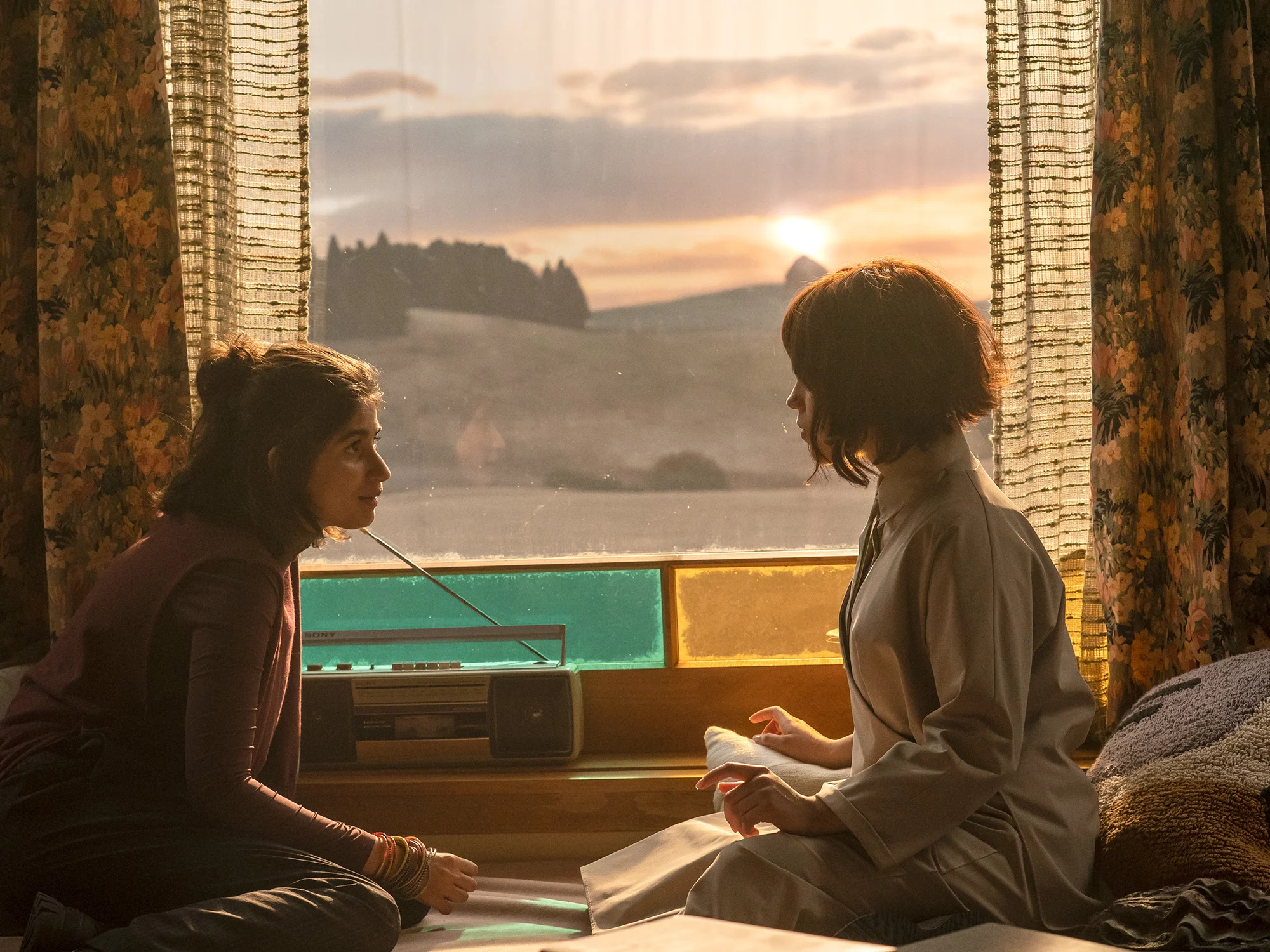
This expectation naturally surrounds director Taika Waititi’s high-profile adaptation of author Kazuo Ishiguro’s celebrated 2021 speculative novel. Featuring Jenna Ortega in the titular role of an artificial companion alongside Mia Tharia and Amy Adams, the project has generated substantial curiosity regarding its final presentation. Before heading toward the theater exits, viewers inevitably wonder whether the cinematic adaptation conceals one final surprise at the end of its 116-minute runtime.
To put theatergoers at ease before the house lights come up, ‘Klara and the Sun‘ does not feature a mid-credits or post-credits scene. Once the poignant final sequence concludes and the credits roll alongside Michael Giacchino’s orchestral score, the story is entirely complete. Moviegoers can safely gather their belongings and depart without worrying about missing extra scenes, comedic tags, or sequel setups.
Why ‘Klara and the Sun’ Forgoes an End-Credits Stinger
The absence of a bonus scene aligns seamlessly with the thoughtful, introspective nature of the source material. Rather than engineering a cinematic universe or planting easter eggs for future installments, the production prioritizes the emotional finality of a self-contained literary narrative. Tackling the quiet journey of a solar-powered companion android required an intentional departure from traditional franchise conventions.
Waititi consciously adjusted his filmmaking instincts to honor that deliberate thematic weight, recognizing that shoehorning supplementary gimmicks would undermine the emotional gravity. Stripping back his trademark irreverence, the filmmaker acknowledged that “to try and make this a silly movie undermined a lot of what Klara is about,” speaking to Empire. By avoiding an abrupt stinger, the production preserves the quiet stillness that lingers after the concluding shot.
The Melancholy Resolution of Klara and Josie’s Journey
Understanding why the credits remain uncluttered requires examining how the film’s climactic moments resolve the bond between Klara and Josie. Throughout the narrative, Klara acts out of selfless devotion, firmly convinced that petitioning the Sun can restore Josie’s health after genetic enhancements leave the teenager gravely sick. Her prayers and sacrifices appear answered when Josie makes a miraculous recovery, yet that wellness permanently alters their relationship dynamic.
As Josie recovers, she gradually outgrows her childhood dependencies, leaving her former robotic confidante behind as she prepares for adult life. Klara’s purpose fades in tandem with Josie’s blossoming independence, illustrating the harsh reality of planned obsolescence within human affection. The family moves forward, but their faithful android companion cannot accompany them into the future.
The closing sequence finds Klara placed in an open-air yard designated for discarded Artificial Friends, where her mechanical movement slowly declines toward stillness. Rather than expressing bitterness, anger, or abandonment, Klara reflects with immense gratitude on the memories of the love she witnessed and nurtured. This serene acceptance underscores her profound innocence, cementing an ending defined by quiet grace rather than dramatic spectacle.
The Deeper Themes of Devotion and Human Love
The emotional impact of this resolution cuts directly to the core of the existential questions driving the narrative. While mainstream science fiction frequently portrays artificial beings as looming threats or cold calculators, Klara embodies selfless loyalty in an indifferent human society. Her perspective acts as a mirror, exposing how easily people discard the tools and relationships that once rescued them from unbearable loneliness.
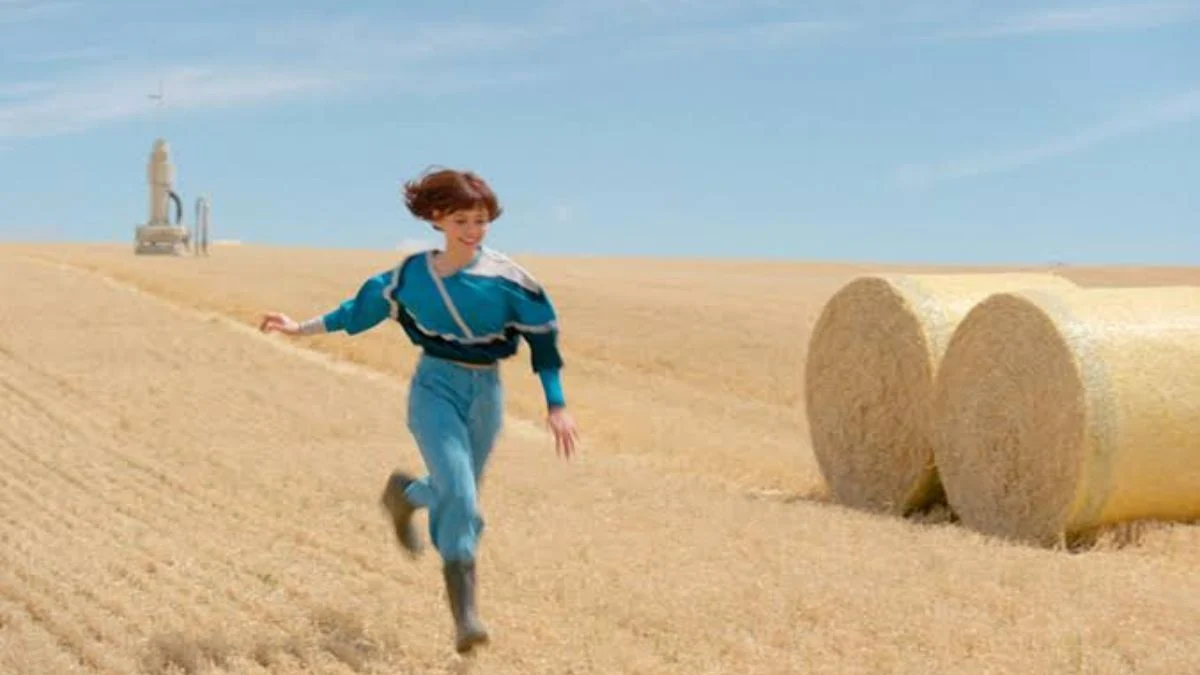
Exploring these messy dynamics was central to bringing the speculative fable to the screen. Highlighting the friction between technological utility and genuine human feeling, Ishiguro observed that “the emotions that we give very simple labels to are really complex,” in an interview with The Guardian. In the same discussion, Waititi admitted that in more cynical hands, “there’s another version of this story where Klara would turn into a murder-bot.”
By resisting that path and staying true to its melancholic core, the film allows audiences to sit in contemplation during the final roll of the credits. Klara’s gentle contentment in the twilight of her operational life does not need an eleventh-hour twist or a franchise teaser to validate its significance. The final fading light of the Sun provides all the closure this haunting story requires.
What did you think of the bittersweet ending to ‘Klara and the Sun’, and do you think Klara found true peace?