What Is ‘Wicker’ Based On? The Folk Tale Origins Behind the 2026 Comedy


The contemporary cinematic landscape of 2026 has witnessed an unexpected resurgence of adult-oriented folk fables and eccentric period storytelling. Filmmakers continue to push genre boundaries by subverting fairy tales to examine modern cultural anxieties. Few productions have captured that curious intersection quite as memorably as ‘Wicker’, an offbeat release that quickly became a major talking point across festival circuits.
In reality, ‘Wicker‘ is officially based on the acclaimed 2008 short story “The Wicker Husband” by British author Ursula Wills-Jones. Her concise literary work established the foundational mythology of an ostracized woman living on the rural fringes of an unforgiving coastal community. By leaning into the rhythms of traditional European folklore, Wills-Jones crafted an allegorical tale about self-worth that proved ripe for cinematic reimagining.
The Literary Origins of ‘The Wicker Husband’
In the original text by Wills-Jones, the protagonist is an unnamed laborer cruelly labeled the Ugly Girl by superficial villagers who mock her physical appearance. Exhausted by relentless ostracization, the woman approaches an elderly craftsman in the marshland and pays six gold coins for a custom-crafted spouse. Through gentle magic and remarkable handiwork, the resulting woven companion comes alive, demonstrating unwavering devotion that quickly disarms her loneliness.
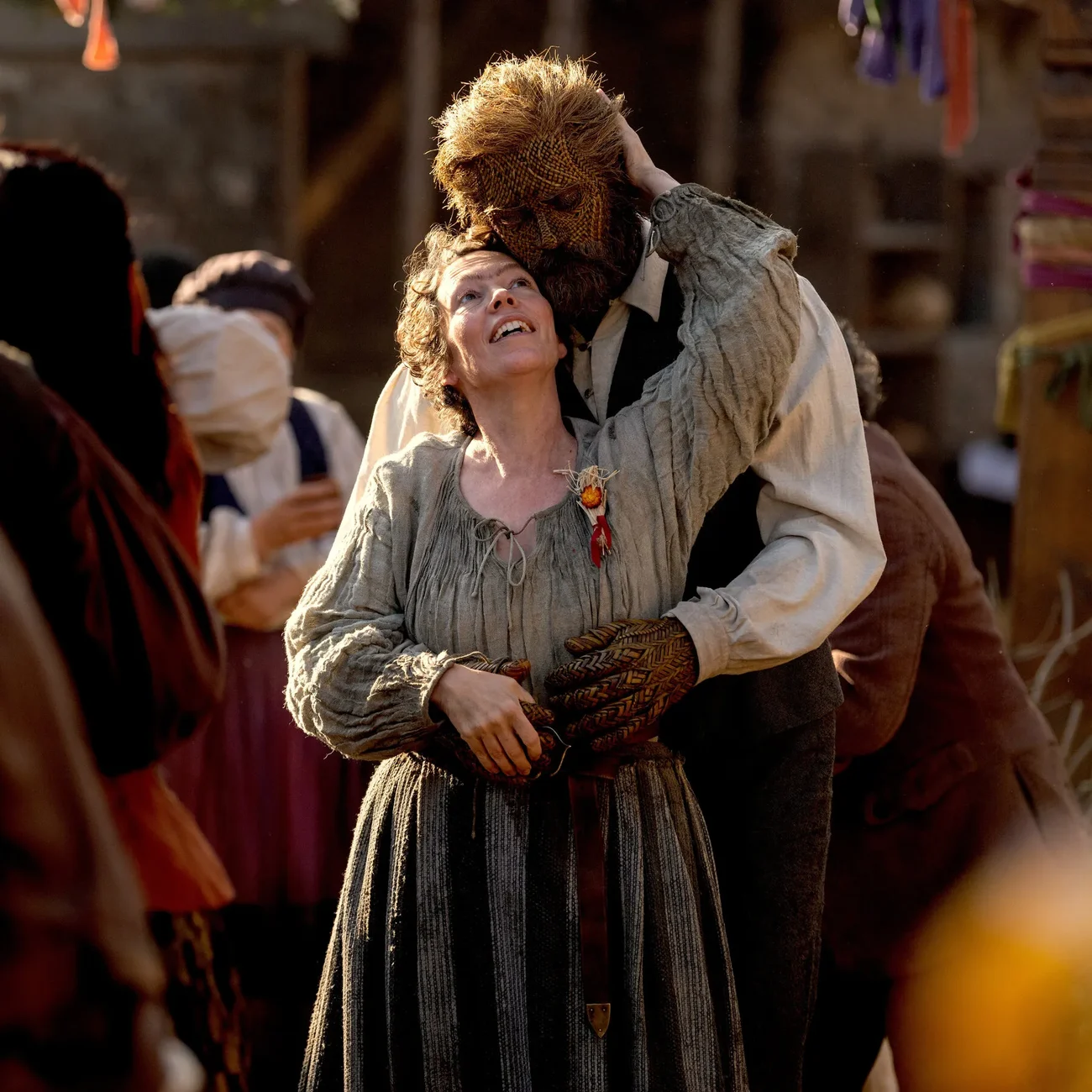
Writers and directors Alex Huston Fischer and Eleanor Wilson adapted that sparse narrative into a lively screenplay that sharpens its feminist and satirical undertones. Their screen version reframes the protagonist as the Fisherwoman, portrayed with radiant grit by Academy Award winner Olivia Colman. Unmarried, fiercely capable, and ridiculed for her pungent aroma, the character represents a defiant challenge to her town’s hyper-conservative traditions.
When the ambitious adaptation first took shape, Deadline reported that the project was moving forward as a twisted romantic fantasy. The filmmakers expanded the source material with sharp world-building details, including ceremonial iron collars that local husbands forcibly lock around their brides’ necks. Within this oppressive structure, the Fisherwoman’s decision to order a bespoke husband upends centuries of unchallenged patriarchal routine.
Bringing the Handcrafted Husband to Life
Rather than relying on cold digital effects or green-screen stand-ins, the creative team prioritized tangible practical craft to realize the titular companion. Acclaimed actor Alexander Skarsgård was cast to embody the handwoven mate, delivering a deeply soulful and surprisingly physical performance. The character possesses an innocent warmth and profound dedication to his wife, creating an immediate and disarming screen presence.
To bring the character to life, prosthetics artists at Wētā Workshop engineered an elaborate suit composed of real willow branches layered over a custom-fitted frame. The resulting look gave Skarsgård a muscular, textured exterior that grounded every intimate scene in genuine tactile realism. The unexpected combination of high romance and ligneous artistry swiftly transformed the character into an online sensation following the film’s first previews.
Promoting the project presented an unusual creative playground for the cast. Reflecting on the surreal experience of donning the elaborate getup, Skarsgård admitted, “I wear the same thing all day, every day, especially on Wicker… I roll out of bed and put on my shorts and flip-flops, go to work,” in an interview with Entertainment Tonight. He noted that stepping onto the red carpet offered “a fun opportunity to be a little creative and have a little fun”.
The Enduring Legacy of the Woven Fable
Long before making the leap to cinema, the short story had already demonstrated its versatile artistic appeal across different creative mediums. In 2020, playwrights Darren Clark and Rhys Jennings adapted Wills-Jones’s original text into a critically praised stage musical that utilized intricate puppetry. That theatrical production proved that the central premise possessed an enduring emotional gravity capable of resonating with modern spectators.
In the 2026 film version, the arrival of the woven spouse exposes the hidden fragility of the surrounding community. Co-stars Peter Dinklage as the sly Basketmaker and Elizabeth Debicki as the envious Tailor’s Wife amplify the comedic tension as petty gossip boils over into outright hostility. The villagers cannot tolerate seeing an outsider find genuine bliss with a considerate partner when their own conventional marriages remain empty and cold.
Ultimately, ‘Wicker’ succeeds because it treats the whimsical core of Wills-Jones’s writing with genuine emotional reverence. By transforming a brief literary fairy tale into a provocative, funny, and deeply tender cinematic experience, the filmmakers remind viewers of love’s transformative power. The resulting feature stands as a vibrant tribute to modern folklore, illustrating how classic narrative tropes can still surprise contemporary audiences.
What did you think of how ‘Wicker’ adapted its folk tale origins for the screen, and did the romance surprise you in theaters? Share your thoughts in the comments below.