‘A Body in the Basement’ Season 3 Episode 4 Recap: The Storm Cellar Murder That Ended With a Confession From the Pews

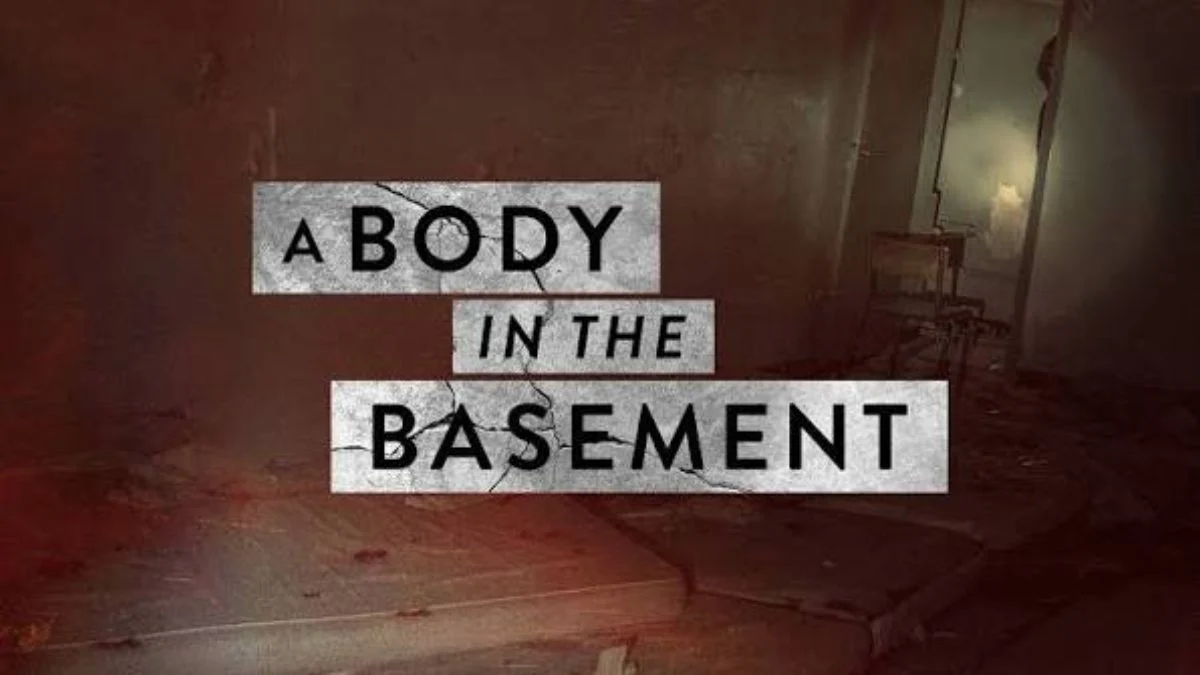

There’s a particular kind of dread that Investigation Discovery has learned to bottle, and ‘A Body in the Basement’ serves it up every Wednesday night. Each case in the true crime anthology lands in the same grim place, with a body hidden somewhere beneath a home, a farm, or a building nobody wanted to enter.
The third season opened on October 7 with ‘Collecting Trophies’, revisiting the Hammond, Indiana case of trophy shop worker David Maust and the 3 teenage victims found encased in concrete under his floor. A week later, ‘Her Last Steps’ moved to a quiet Connecticut neighborhood, where a supposed home invasion days before Christmas left a mother of 2 dead in her basement.
The 4th chapter, ‘A Haunted Confession’, aired on October 28 and traded the basement for a storm cellar. ID’s synopsis describes a desperate hunt for a missing young woman that ends with a grim discovery in an abandoned cellar, while a close-knit community starts to suspect the killer is one of their own.
Every detail in that description lines up with the 2016 murder of Rhonda “Chantay” Blankinship in rural Brown County, Texas, a case ‘Dateline’ previously covered under a strikingly similar title. Here’s how the story unfolds and why its ending still unsettles the people who lived through it.
On the evening of May 13, 2016, 25-year-old Chantay set out on her usual walk around the North Lake neighborhood, calling her grandfather from the community mailboxes to say she was heading home. She never arrived, and by morning her family had reported her missing.
Chantay had been diagnosed with a developmental disorder as a child and lived with her grandfather, Charlie Barnett. She sang in the choir at North Lake Community Church, and when word spread that she was gone, neighbors poured out to join the search.
2 days later, volunteers Charlie Radle and Jackie Neal approached a dilapidated farmhouse roughly 5 miles away, a place locals called the “Haunted House.” Near the gate they spotted a clump of hair, a rubber bracelet, and fresh tire tracks.
Inside a storm cellar a few yards from the house, they found Chantay lying head-first down the concrete steps. A bloodied lawnmower blade lay nearby, and the autopsy confirmed blunt force trauma, strangulation, and sexual assault.
Brown County Sgt. Scott Bird and Texas Ranger Jason Shea led a sprawling probe that interviewed more than 100 people and collected DNA from more than 30 men. None of the samples matched, and a CODIS search, including a familial search, came back empty.
Chantay’s boyfriend had been at work that night and was quickly cleared, as were family members and several others. Investigators chased bizarre tips, including a claim of an occult ritual killing, but the case went cold for months.
The breakthrough came from an unlikely place. An investigator watching a true crime show learned about DNA phenotyping, and the county split the $3,600 cost with the district attorney’s office to send a sample to Parabon NanoLabs, which produced a digital composite of the likely killer.
When Sgt. Bird posted the composite online, one of Chantay’s brothers recognized it as Ryan Riggs, a 21-year-old neighbor who had never been on anyone’s radar. Police went looking for him, but Riggs had vanished from town.
18 months after Chantay’s body was found, Riggs walked into North Lake Community Church with his parents and told Pastor Ron Keener what he had done. He then stood before the Wednesday night congregation and declared, “I’m a murderer. I killed Chantay Blankinship,” according to special prosecutor Jane Starnes’ account in The Texas Prosecutor.
Riggs went on to give detectives a 2-hour confession, admitting he had joined the search party and even attended Chantay’s funeral. Lab tests then confirmed his DNA matched the evidence recovered from her body.
Facing a capital murder charge, Riggs offered to plead guilty if the State dropped the death penalty, and Chantay’s family agreed to spare themselves a trial and years of appeals. On February 15, 2019, he pleaded guilty to capital murder and was sentenced to life without parole.
That’s the bitter heart of the ending: the killer the community feared was hiding among them really was, searching alongside them and mourning beside them. The title nods both to the farmhouse locals called haunted and to a confession from a man who told investigators he had contemplated suicide and spent time talking to God before turning himself in.
Viewers who missed the broadcast can catch up on HBO Max, where ID has been streaming the new season. Next up is ‘A Secret Burden’, currently listed for November 4.
What shocked you most about this case?
Have something to add? Let us know in the comments!