15 Animated Movies Like ‘The Cat in the Hat’

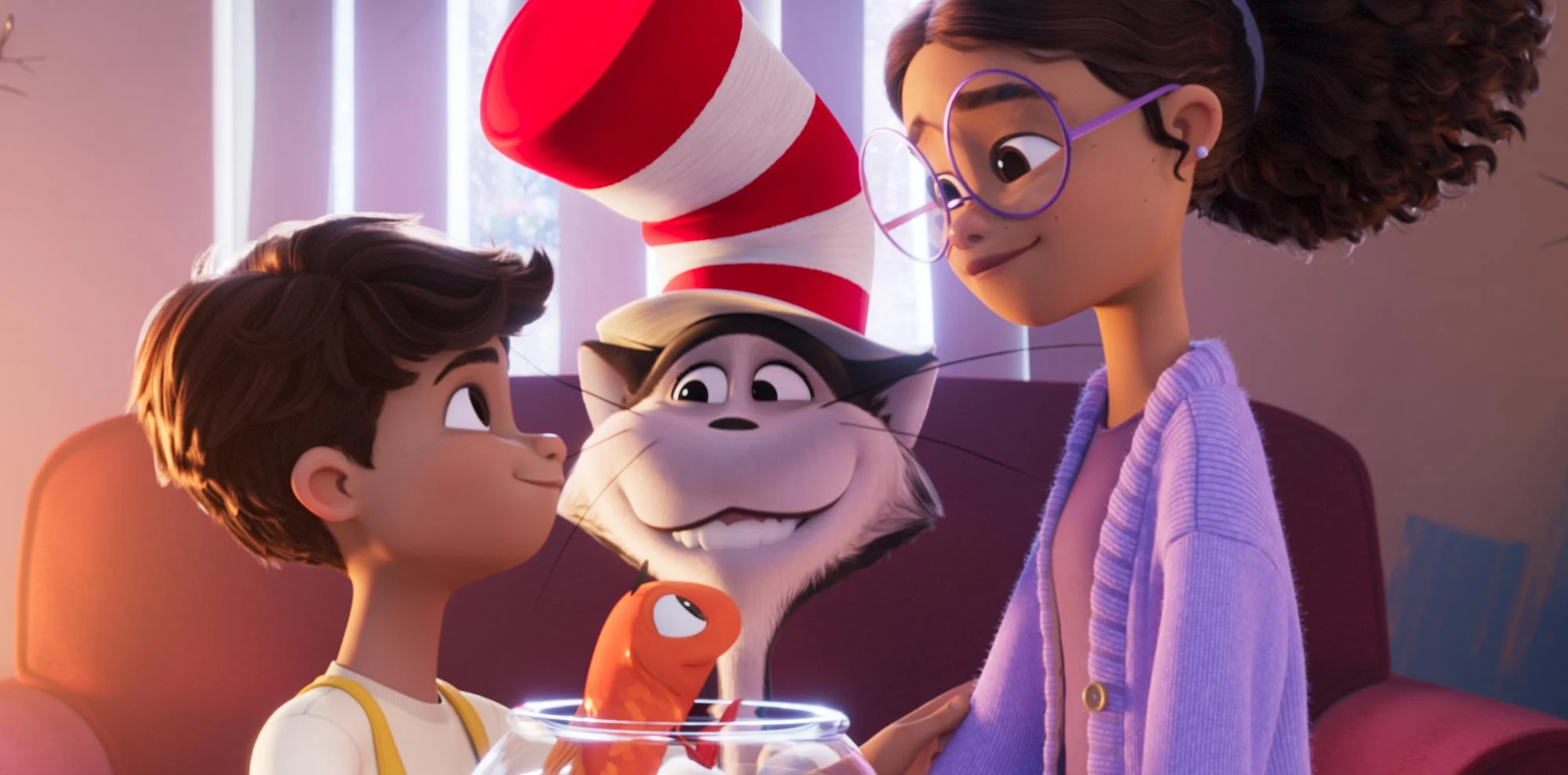
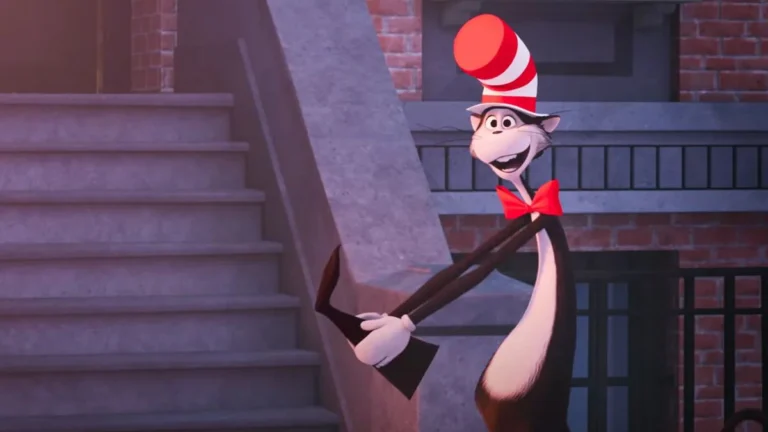
The 2026 animated adaptation of ‘The Cat in the Hat’ brings Dr. Seuss’s iconic trickster back to movie screens as an operative for the Institute for the Institution of Imagination and Inspiration. Tasked with cheering up two young siblings who are struggling to adjust to a new town, the Cat unleashes a torrent of surreal antics, colorful inventions, and well-meaning chaos.
Viewers drawn to this blend of classic storybook logic, eccentric magical guides, and fast-paced slapstick have an assortment of memorable family features to enjoy. These fifteen films capture the visual inventiveness, domestic disruption, and emotional heart that define the whimsical animated landscape.
‘The Lorax’ (2012)
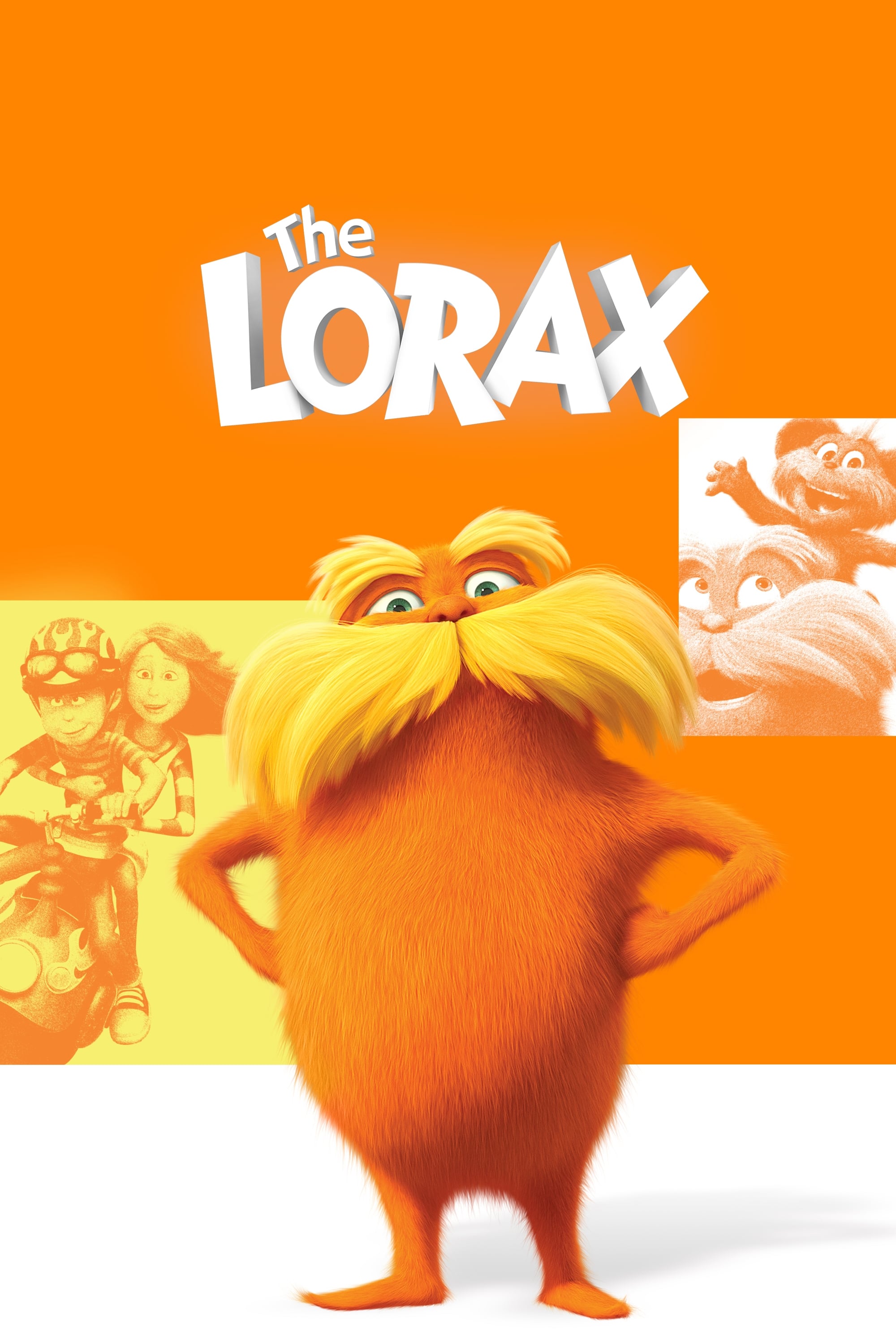
Adapted from the classic Dr. Seuss picture book, this animated feature centers on a boy named Ted who searches for a living Truffula Tree to impress his neighbor. His journey leads him to the reclusive Once-ler, who recounts how commercial greed decimated the vibrant forest landscape and summoned its orange, mustachioed protector. Much like ‘The Cat in the Hat’, the production translates the rhythmic sensibility and curved architecture of the source material into bright computer animation. The narrative reinforces messages of environmental preservation and personal accountability while staging playful physical comedy and large-scale musical numbers.
‘Horton Hears a Who!’ (2008)

Produced by Blue Sky Studios, this feature follows a warmhearted elephant named Horton who discovers an entire community residing on an airborne dust speck. Horton vows to transport the microscopic residents of Whoville to safety despite intense skepticism and persecution from the animals governing the Jungle of Nool. The film faithfully expands the imaginative geography and distinct creature design established in the original literary work. It shares the brisk comedic pacing and moral dedication seen in ‘The Cat in the Hat’, demonstrating how an unconventional figure can challenge an orderly environment to help children in need.
‘The Grinch’ (2018)

Illumination Entertainment brought another quintessential Dr. Seuss story to the screen with this retelling of the 1957 holiday classic. The narrative follows the solitary Grinch, who plots to deprive the cheerful citizens of Whoville of Christmas by stealing their decorations and gifts. His cynical operation intersects with the mission of Cindy-Lou Who, an earnest young girl hoping to track down Santa Claus to assist her hardworking mother. The production design showcases the signature whimsical shapes, bright color schemes, and inventive contraptions associated with Seussian art. Similar to ‘The Cat in the Hat’, the movie balances chaotic mischief with an emphasis on emotional vulnerability and community healing.
‘Inside Out’ (2015)
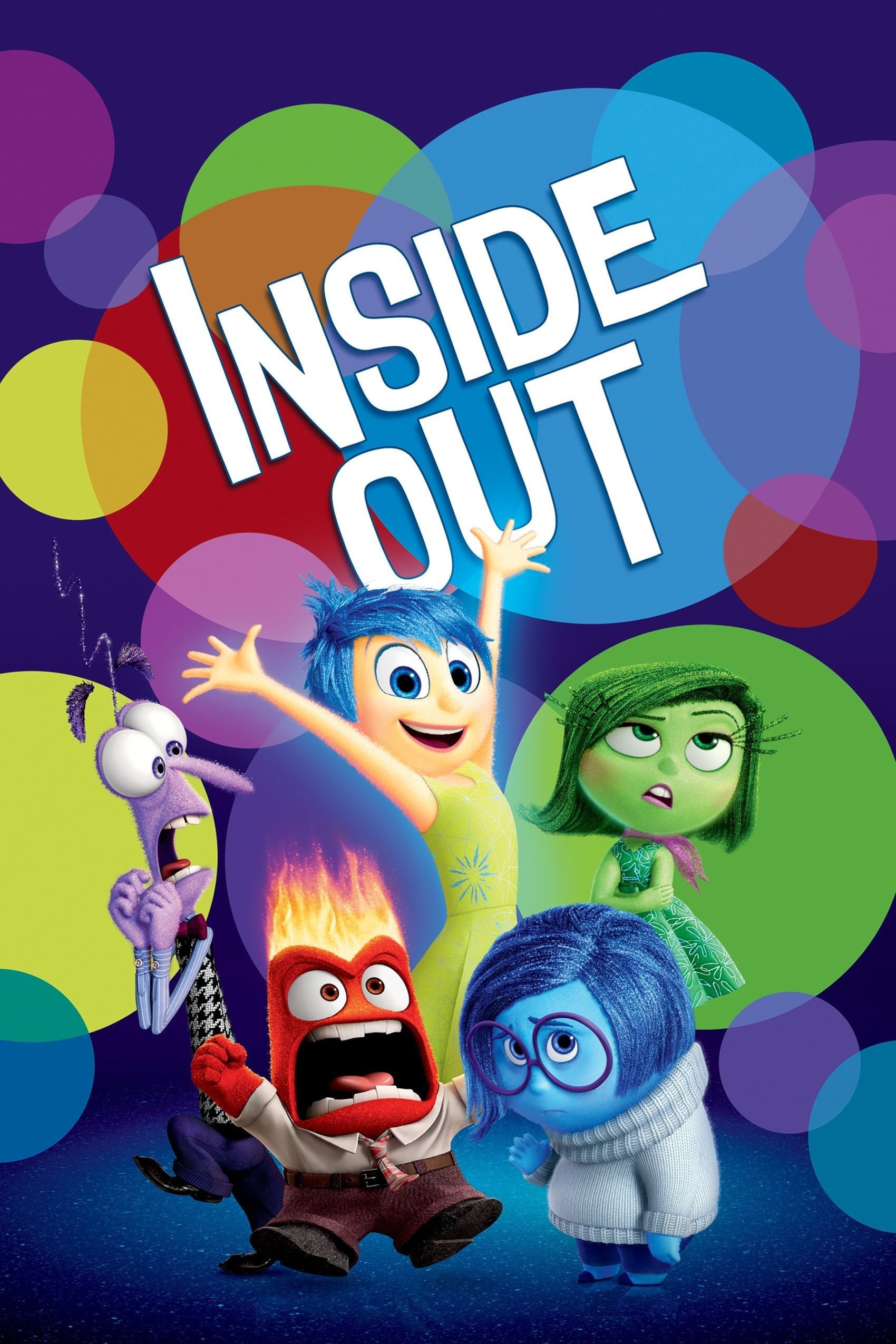
Pixar’s animated feature explores the inner workings of an eleven-year-old girl named Riley as she struggles to adapt after her family relocates to a completely new city. Inside her mind, the personified emotions Joy and Sadness accidentally find themselves expelled from Headquarters and must trek across abstract cognitive landscapes to restore stability. The foundational setup of guiding a displaced child through a jarring relocation directly parallels the narrative mission driving ‘The Cat in the Hat’. Both films utilize vibrant, non-human protagonists who introduce surreal complications while helping young minds navigate major emotional transitions.
‘Cloudy with a Chance of Meatballs’ (2009)
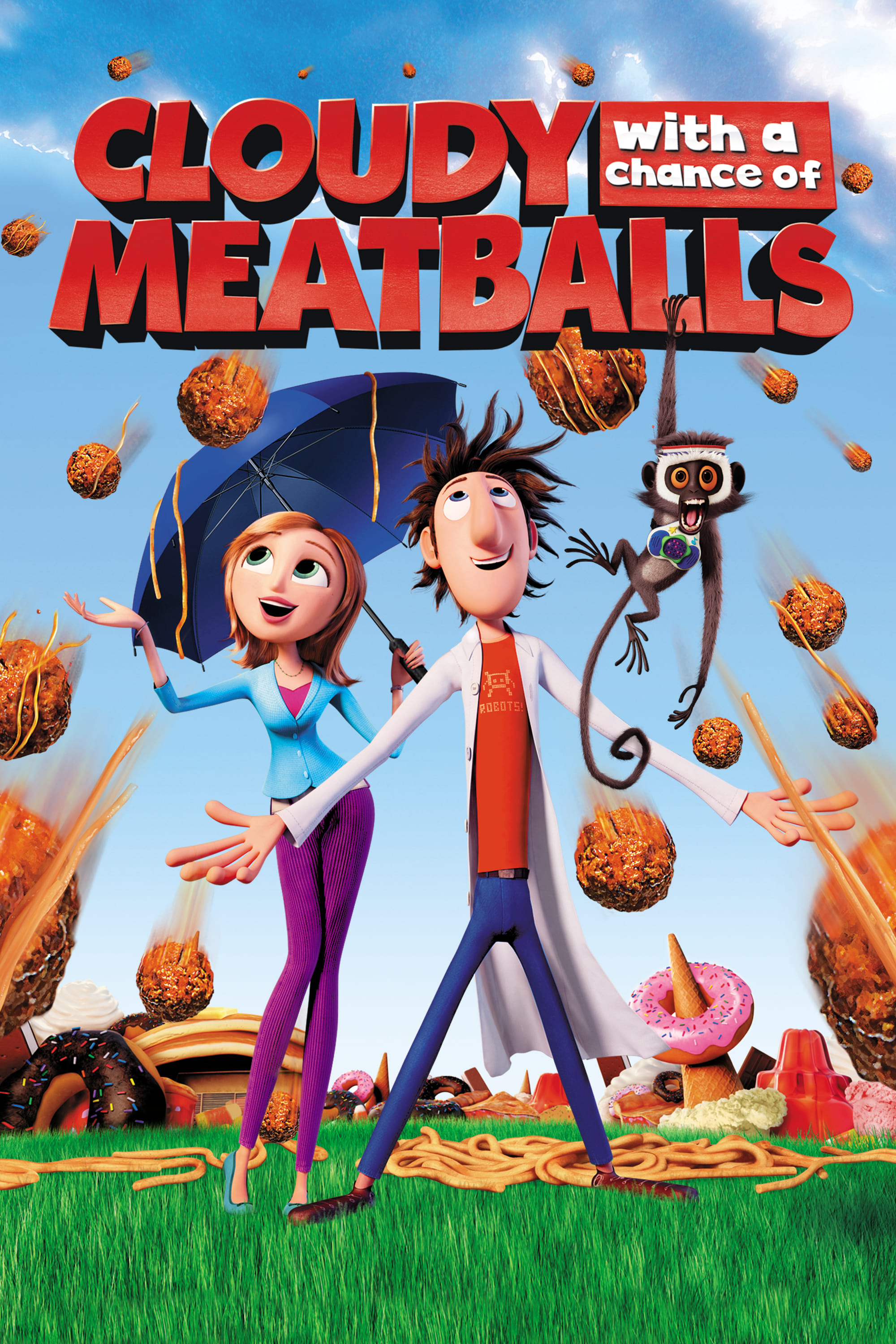
Directed by Phil Lord and Christopher Miller, this high-energy comedy adapts Judi and Ron Barrett’s beloved children’s book about an ambitious inventor named Flint Lockwood. Flint designs a machine that converts water into food, which temporarily solves his island town’s economic crisis before mutating into torrential weather storms composed of giant delicacies. The film embraces rubbery character movement, rapid-fire sight gags, and an uninhibited celebration of technological and culinary chaos. Its kinetic rhythm and appreciation for wild, disorderly imagination closely reflect the anarchic spirit displayed in ‘The Cat in the Hat’.
‘The Lego Movie’ (2014)
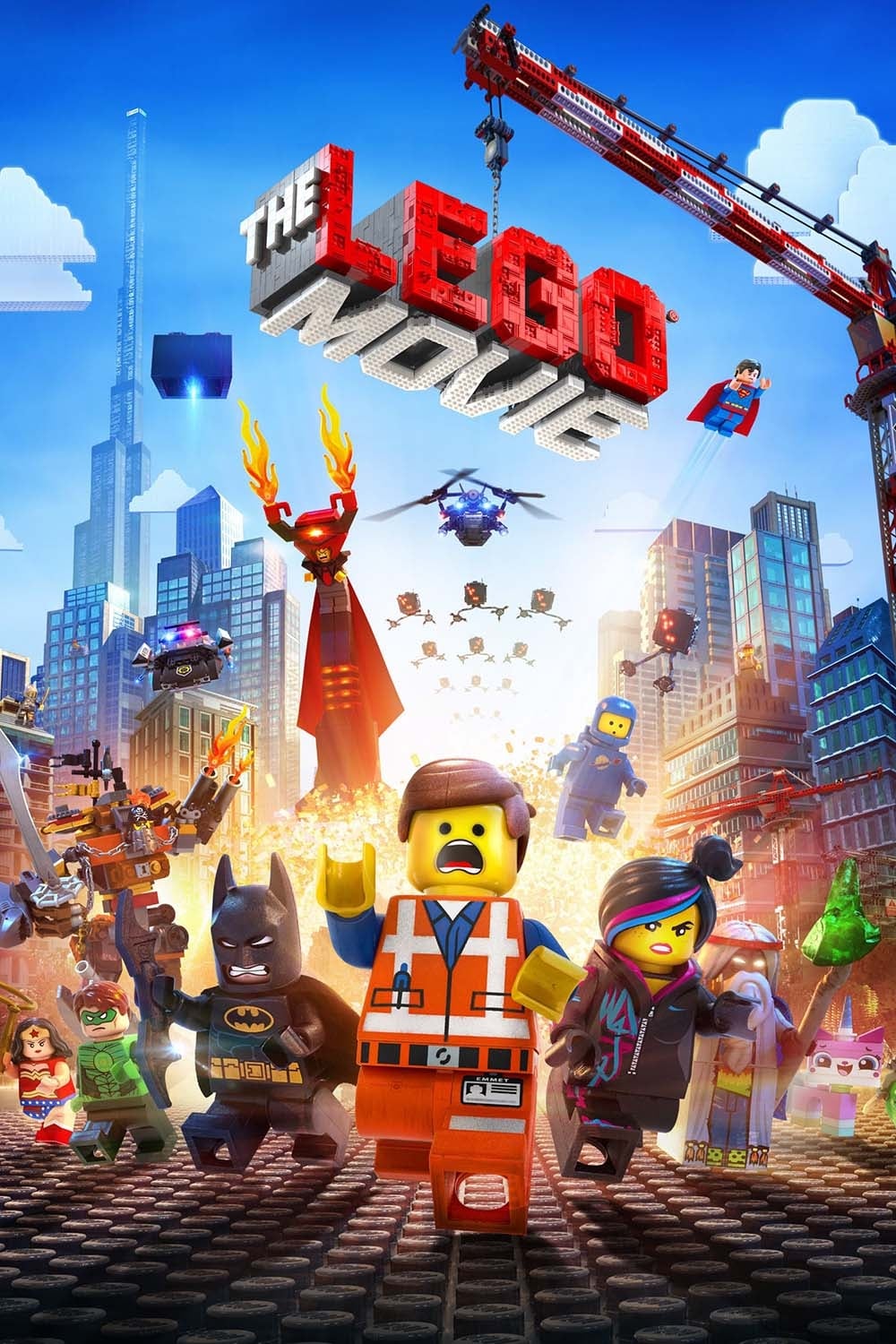
This animated adventure follows Emmet Brickowski, an ordinary construction worker who is mistakenly identified as the prophesied savior of a modular universe ruled by the rigid Lord Business. Emmet joins forces with unconventional rebels who utilize boundless improvisation to combat strict uniformity and restore spontaneous play. The overarching conflict contrasts rigid rules with uninhibited creative freedom, echoing the classic narrative structure of Dr. Seuss stories. Audiences who appreciate the sensory hyperactivity and boundary-pushing mayhem of ‘The Cat in the Hat’ will find a comparable celebration of creative storytelling here.
‘My Neighbor Totoro’ (1988)
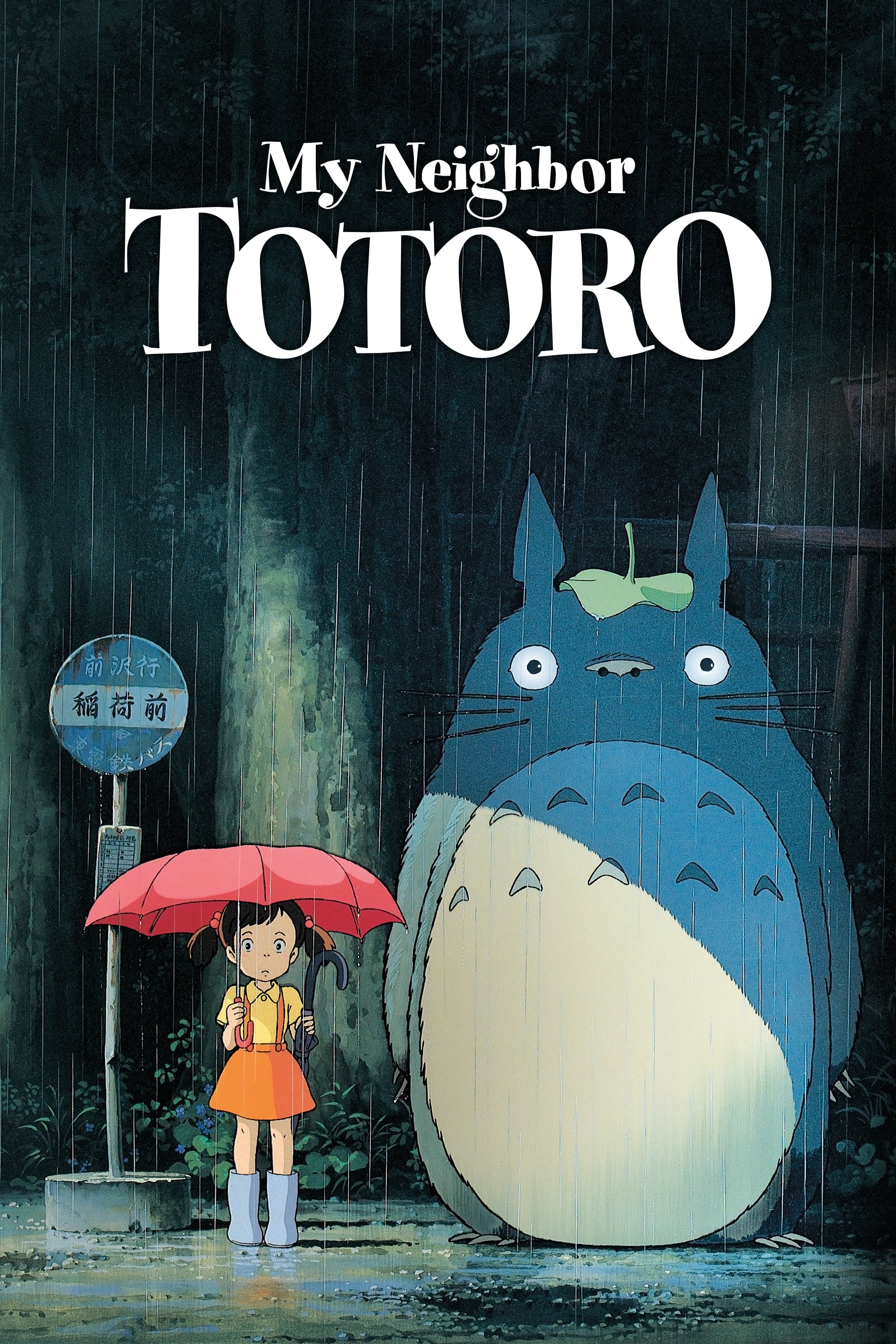
Directed by Hayao Miyazaki, this Studio Ghibli classic follows two young sisters, Satsuki and Mei, who move to an old countryside house while their mother recovers in a hospital. While settling into their unfamiliar surroundings, the girls discover the nearby forest is inhabited by friendly spirits, led by the colossal and benign creature Totoro. The movie reflects the thematic foundation of ‘The Cat in the Hat’ by illustrating how a whimsical, magical guardian brings comfort to children navigating a disruptive relocation. Both stories gently integrate the supernatural into domestic spaces to help young protagonists process real-world anxieties.
‘Monsters, Inc.’ (2001)
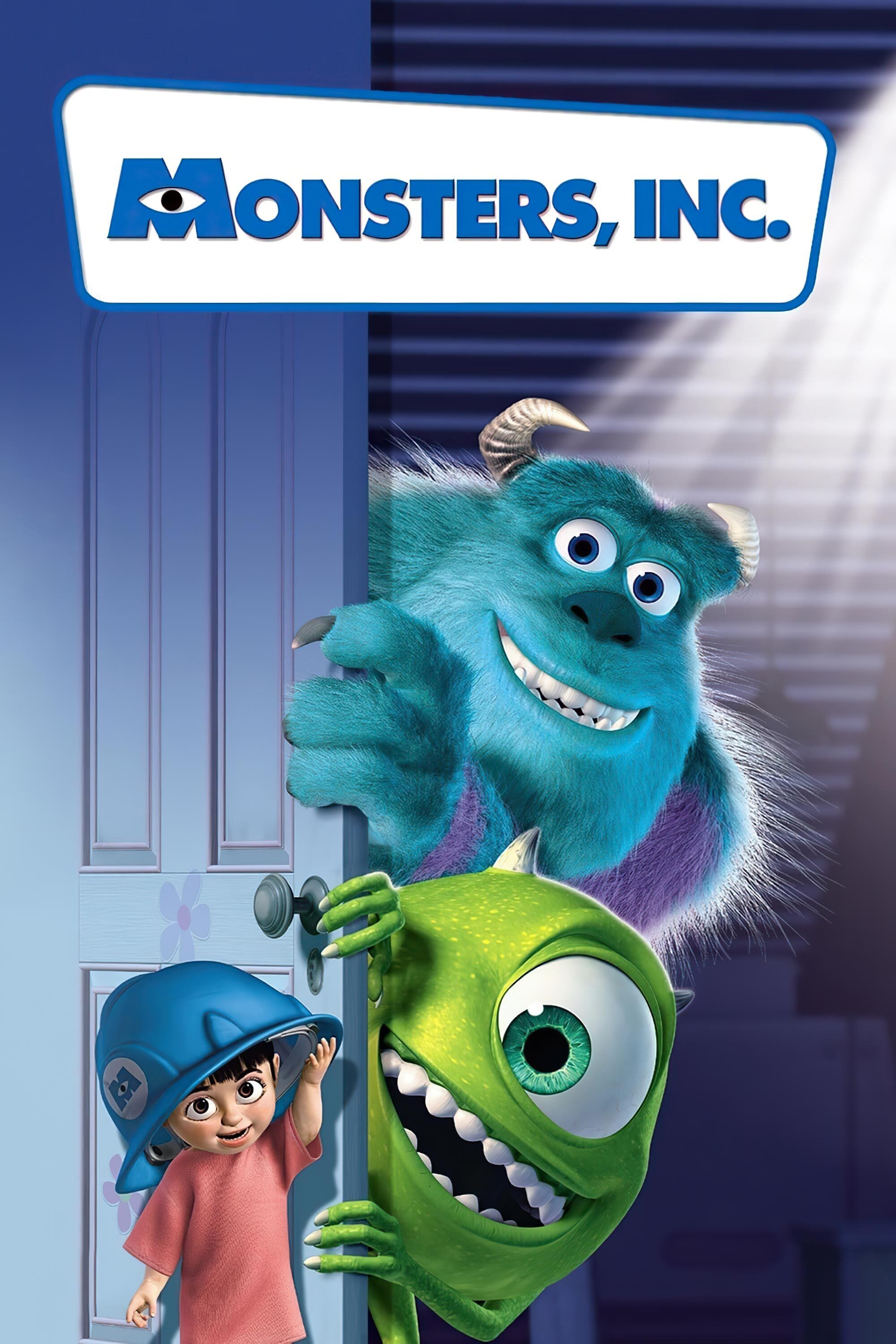
In the bustling city of Monstropolis, a corporate power plant generates civic electricity by harvesting the sound of screams from human children. Top scarer Sulley and his cyclopean partner Mike Wazowski find their orderly routines disrupted when a fearless human toddler accidentally enters their realm. The comedic tension focuses on monstrous creatures crossing into domestic human bedrooms, upending expectations and causing institutional pandemonium. Much like the governing agency featured in ‘The Cat in the Hat’, the storyline depicts an organized framework regulating how otherworldly figures interact with ordinary households. The narrative balances slapstick escapades with an enduring emotional bond formed between unexpected companions.
‘Puss in Boots: The Last Wish’ (2022)
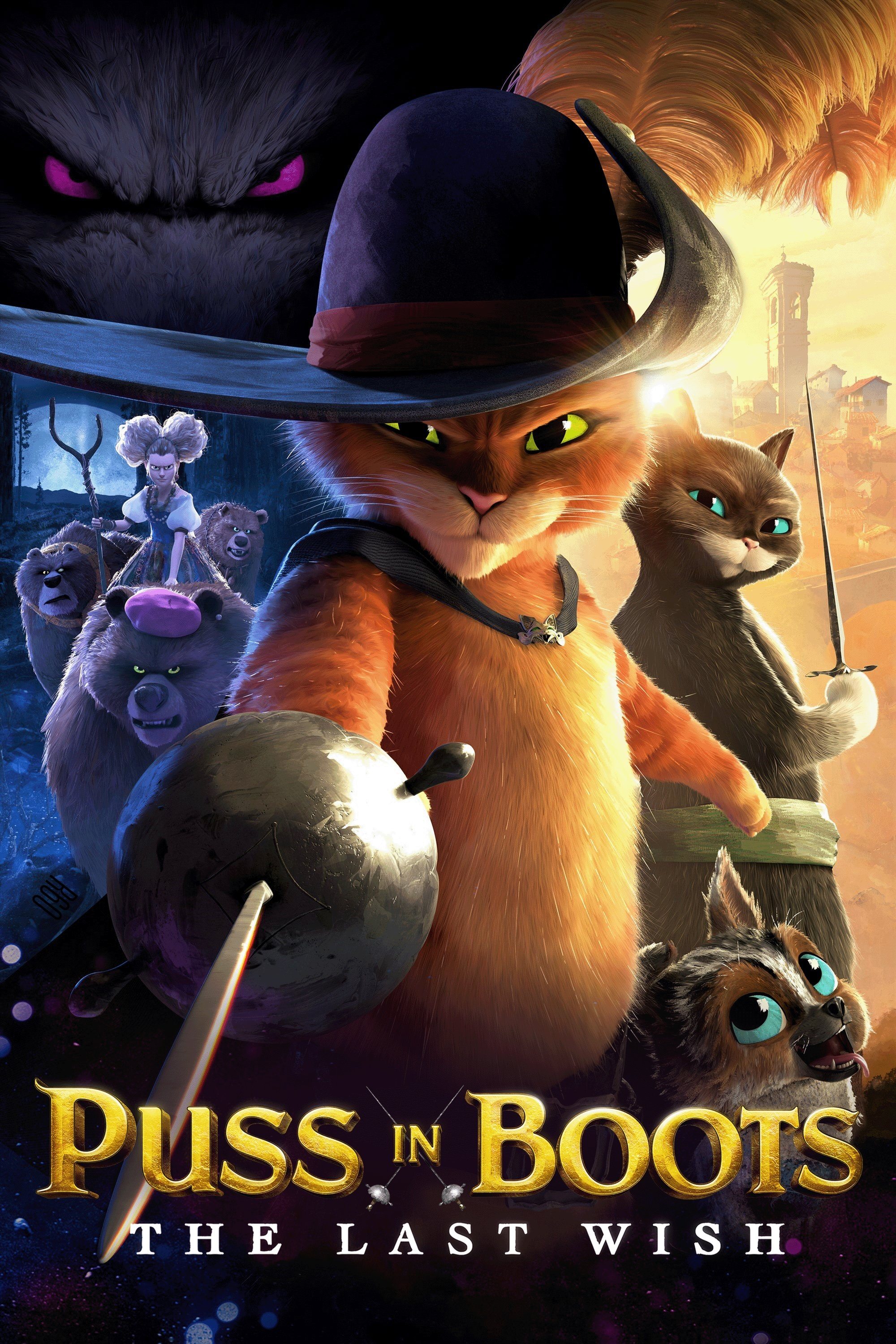
This DreamWorks animated feature follows the swashbuckling feline Puss in Boots as he discovers he has burned through eight of his nine magical lives. Facing his newfound mortality, Puss embarks on a dangerous expedition into the Black Forest to find a Wishing Star while contending with fairytale competitors and a persistent bounty hunter. The film employs a painterly, illustrative visual style designed to simulate a dynamic storybook in motion. Enthusiasts of charismatic anthropomorphic felines will recognize a familiar blend of agile physical bravado, quick wit, and colorful fantasy adventure found in ‘The Cat in the Hat’.
‘Aladdin’ (1992)
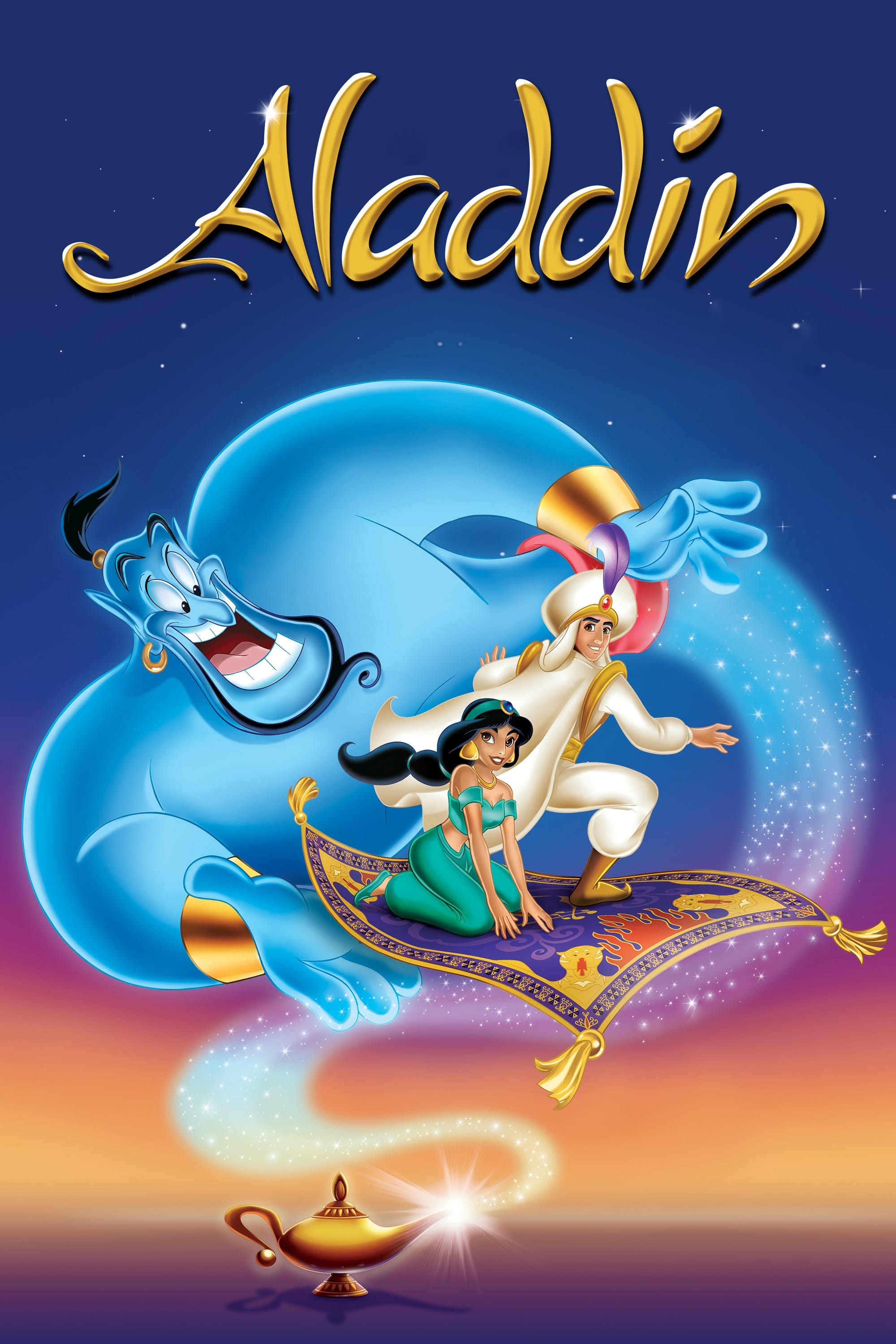
Set within the desert kingdom of Agrabah, this Disney animated classic follows an impoverished street youth who obtains an ancient oil lamp containing a shape-shifting Genie. The supernatural entity wields absolute cosmic power to fulfill three wishes, demonstrating his magic through theatrical song, celebrity impressions, and spontaneous reality-bending antics. This character functions as a kinetic comedic force who systematically dismantles stuffy social protocols and material restrictions. Much like the title character in ‘The Cat in the Hat’, the Genie operates as an unpredictable, oversized trickster whose boundary-pushing energy produces both wondrous solutions and unforeseen complications.
‘Captain Underpants: The First Epic Movie’ (2017)

Adapted from Dav Pilkey’s long-running illustrated series, this comedy follows mischievous elementary school pranksters George Beard and Harold Hutchins. The creative duo accidentally hypnotizes their humorless principal into believing he is their own illustrated comic book superhero, Captain Underpants. The movie revels in childlike irreverence, unconventional visual transitions, and the comedic power of unfiltered creativity challenging institutional authority. The rapid comic timing and celebration of childhood mischief directly mirror the chaotic domestic interventions depicted throughout ‘The Cat in the Hat’.
‘The Willoughbys’ (2020)
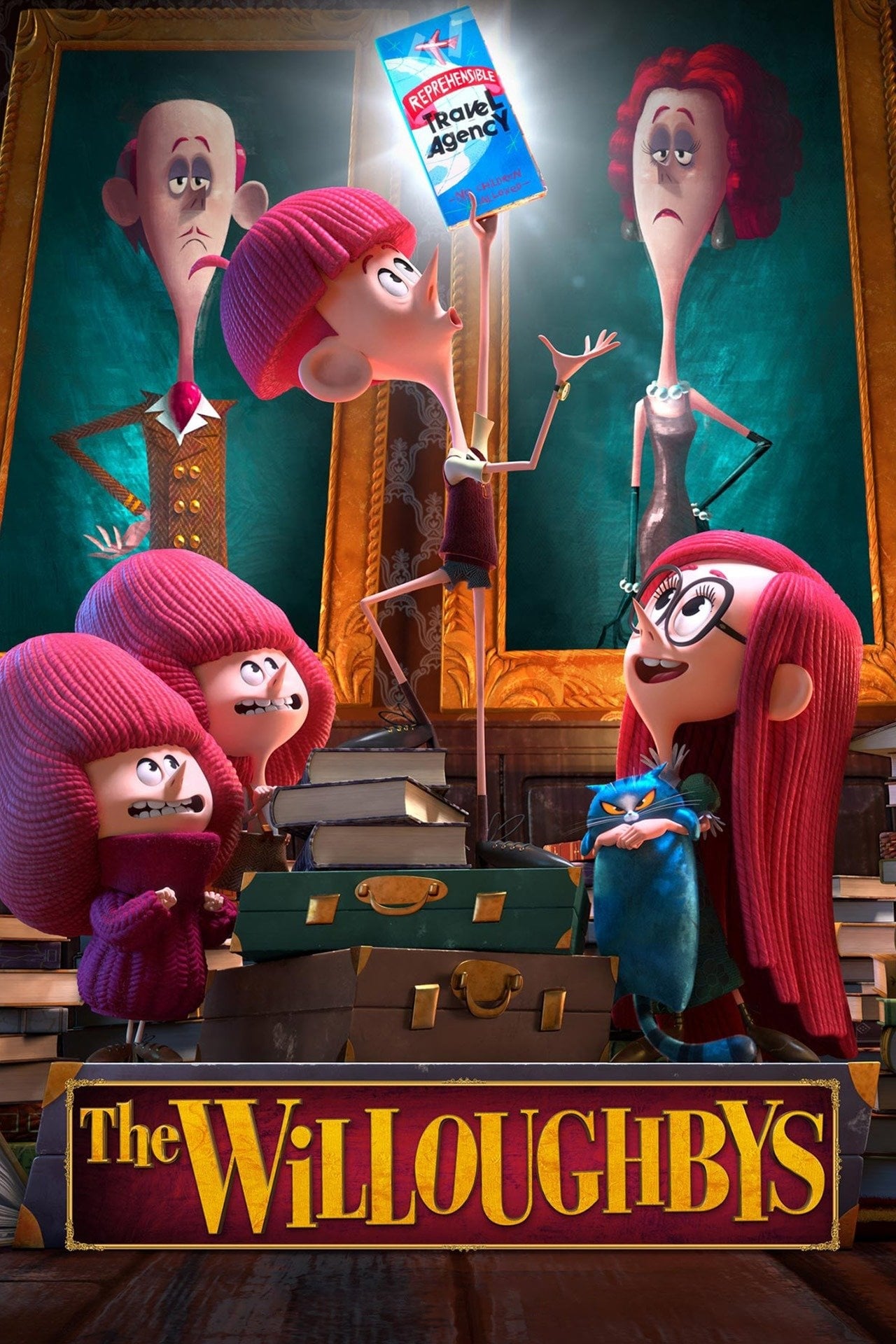
Based on Lois Lowry’s novel, this stylized computer-animated feature follows four neglected children who conspire to send their selfish parents away on a hazardous global vacation. Left behind, the siblings encounter an eccentric, energetic nanny who gradually transforms their neglected mansion into a place of warmth, vibrant activity, and homemade food. The visual presentation incorporates tactile yarn textures, rich color palettes, and deliberate framing that directly replicates storybook artwork. Resembling ‘The Cat in the Hat’, the story centers on a household being upended and rejuvenated by an exuberant, unorthodox figure who helps young people find their place in the world. The film balances dark comedic beats with a sincere narrative about chosen family.
‘Lilo & Stitch’ (2002)
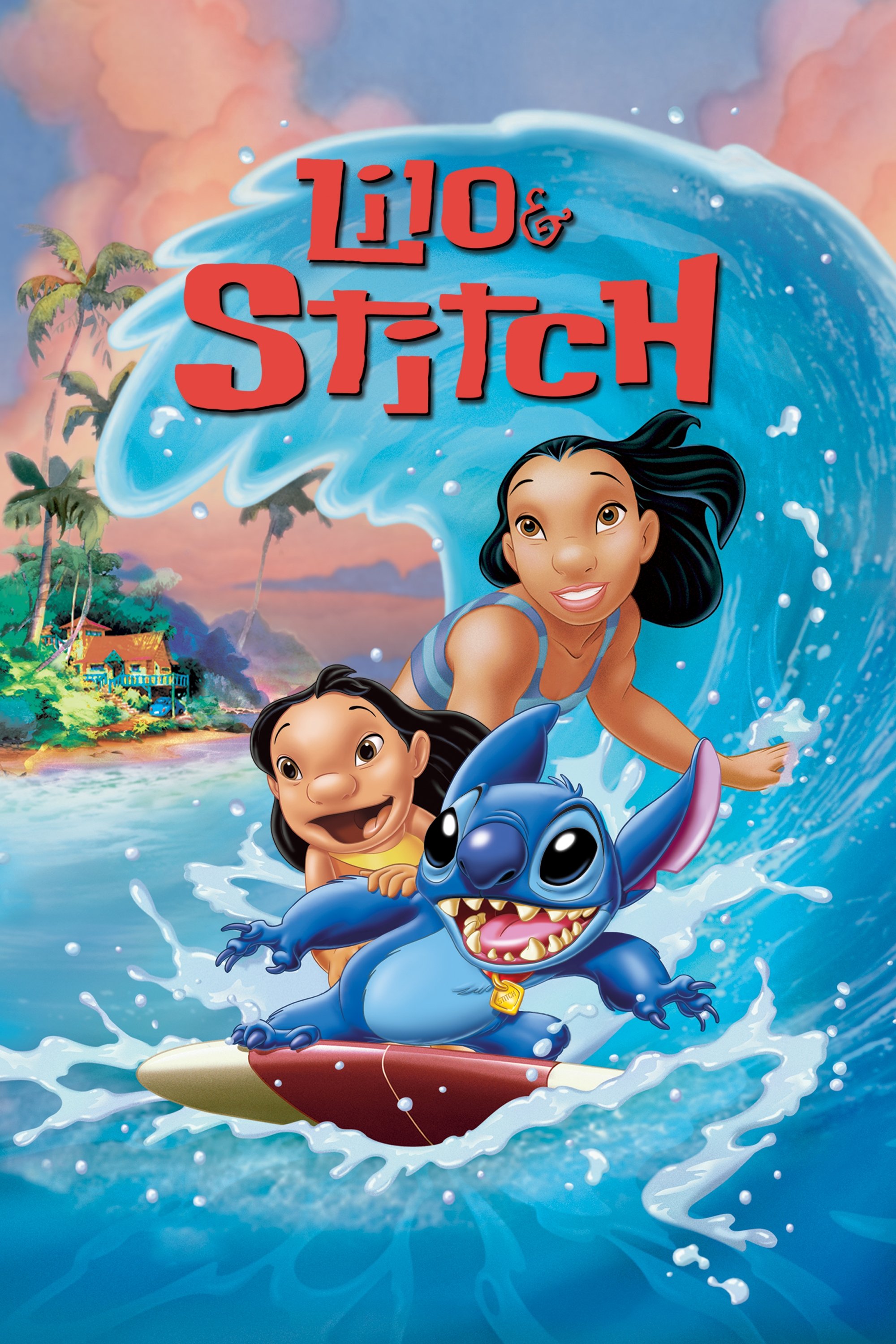
Set on the island of Kauai, this Disney animated film tracks a lonely young girl named Lilo who adopts an alien fugitive under the impression that he is an unconventional dog. Stitch is a genetically modified agent of destruction who creates widespread neighborhood havoc while attempting to evade intergalactic authorities. The plot illustrates how an unruly, chaotic visitor disrupts an already stressed domestic household before developing meaningful emotional ties with his young human guardian. This dynamic closely aligns with the premise of ‘The Cat in the Hat’, in which a volatile trickster turns a quiet domestic setting upside down to bring a fractured family closer together.
‘The Mitchells vs. the Machines’ (2021)
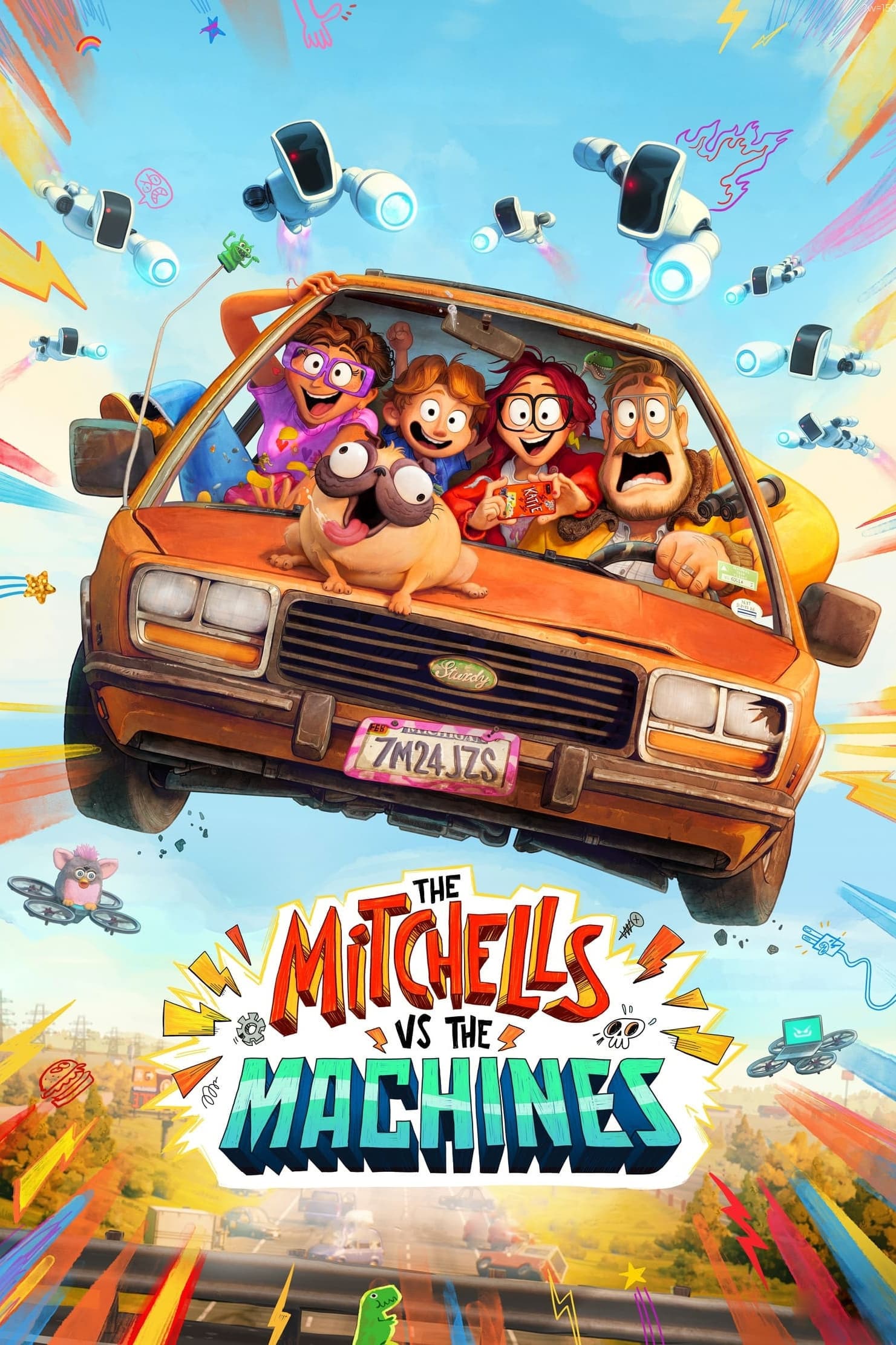
This Sony Pictures Animation comedy chronicles an unconventional, artistic family whose cross-country road trip is hijacked by an automated robot apocalypse. As humanity’s improbable last hope, the dysfunctional Mitchell family relies on offbeat creativity, bizarre tactics, and chaotic teamwork to evade robotic captors. The filmmakers employ expressive 2D doodles, layered illustrative effects, and kinetic framing to capture the unconstrained energy of independent art. Its relentless comedic velocity and focus on the power of creative thinking echo the energetic, non-traditional sensibilities celebrated in ‘The Cat in the Hat’.
‘Alice in Wonderland’ (1951)
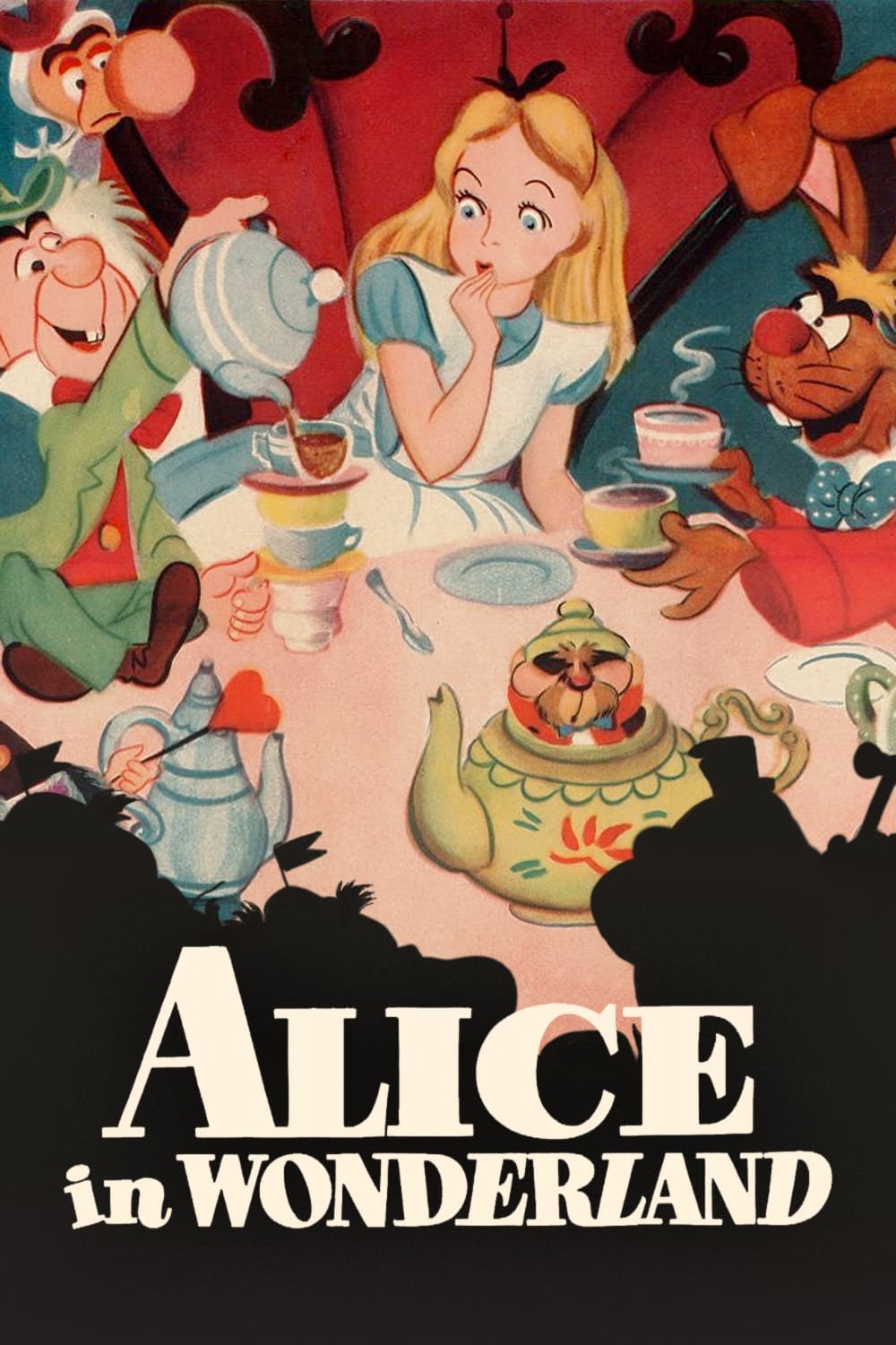
Walt Disney’s landmark adaptation of Lewis Carroll’s writings tracks an inquisitive young girl who follows a white rabbit into an underground world dominated by nonsensical rules and illogical behavior. Alice meets a succession of eccentric personalities, including the tea-drinking Mad Hatter, the March Hare, and the mischievous Cheshire Cat, who continually disrupt standard logic. The production serves as an essential cinematic touchstone for adapting playful, rule-breaking children’s literature into vibrant character animation. Viewers who enjoy the whimsical rhyming, odd creatures, and reality-defying games in ‘The Cat in the Hat’ will recognize the clear storytelling lineage shared with this surreal classic.
Share your thoughts in the comments about which of these imaginative animated adventures is your favorite and what other films remind you of Dr. Seuss’s whimsical worlds.