‘Law & Order’ Season 26 Episode 5 Recap & Ending Explained: Inside the “Rage Bait” Verdict

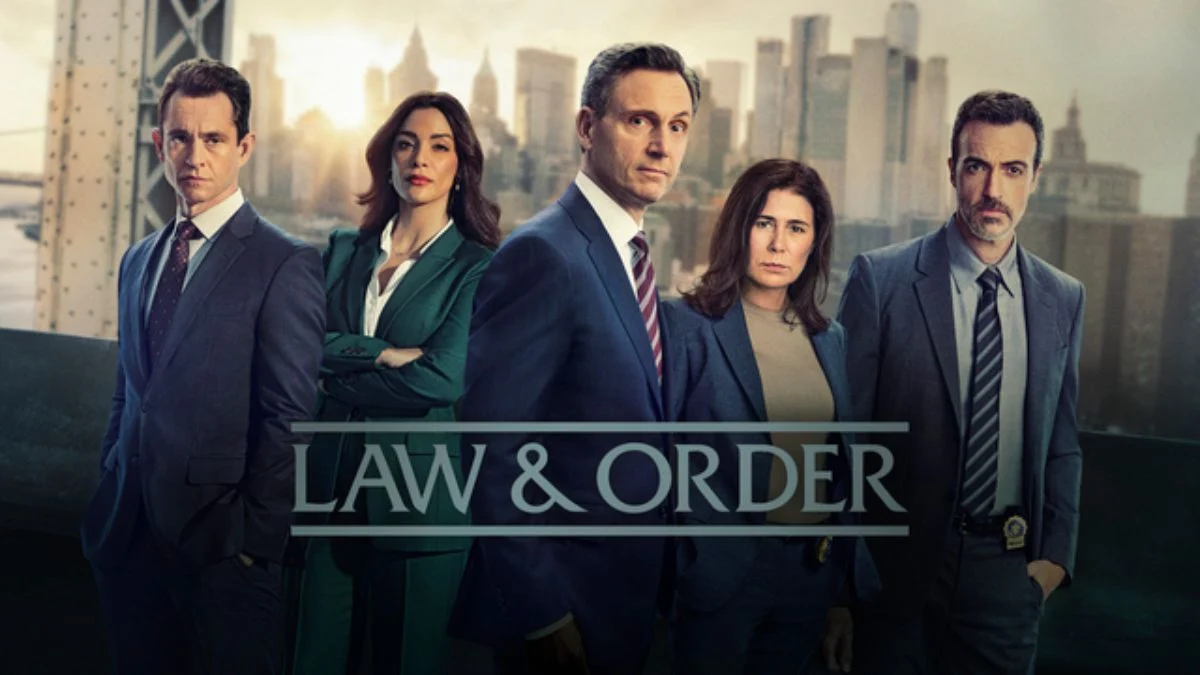
For more than three decades, primetime broadcast television has relied on the rhythmic storytelling engine of Dick Wolf’s landmark legal franchise to explore cultural flashpoints. Shifted into a new 10:00 p.m. Thursday timeslot directly behind ‘Law & Order: Special Victims Unit’, Season 26 of ‘Law & Order‘ demonstrates how network procedurals adapt to shifting viewer habits while remaining vital anchors of broadcast television. By maintaining its classic bifurcated structure, the long-running drama continues to examine the intricate gray areas dividing police work from prosecutorial justice.
The 27th Precinct entered this broadcast season navigating significant internal changes, particularly following the departure of Senior Detective Vincent Riley. Discussing the creative choices behind the dramatic cast restructuring, showrunner Rick Eid explained in an interview with TV Insider that the creative team crafted an exit that felt “really emotional and powerful” because “we wanted to give him a memorable exit”. That pivotal transition cleared the way for Detective Rob Calvino to join Detective Theo Walker, injecting a renewed urban intensity into the homicide unit.
A Slain Champion and the Dark Web of Sports Betting
In Season 26, the fifth episode, titled “Rage Bait,” plunges into the murky intersection of modern influencer culture, digital prediction markets, and targeted internet harassment. The central mystery begins when college basketball standout Miles Booker is shot and killed in broad daylight outside a New York check-cashing shop. This tragic homicide occurs just hours after Booker delivered a heroic buzzer-beating three-pointer to seal a major championship victory for his university.
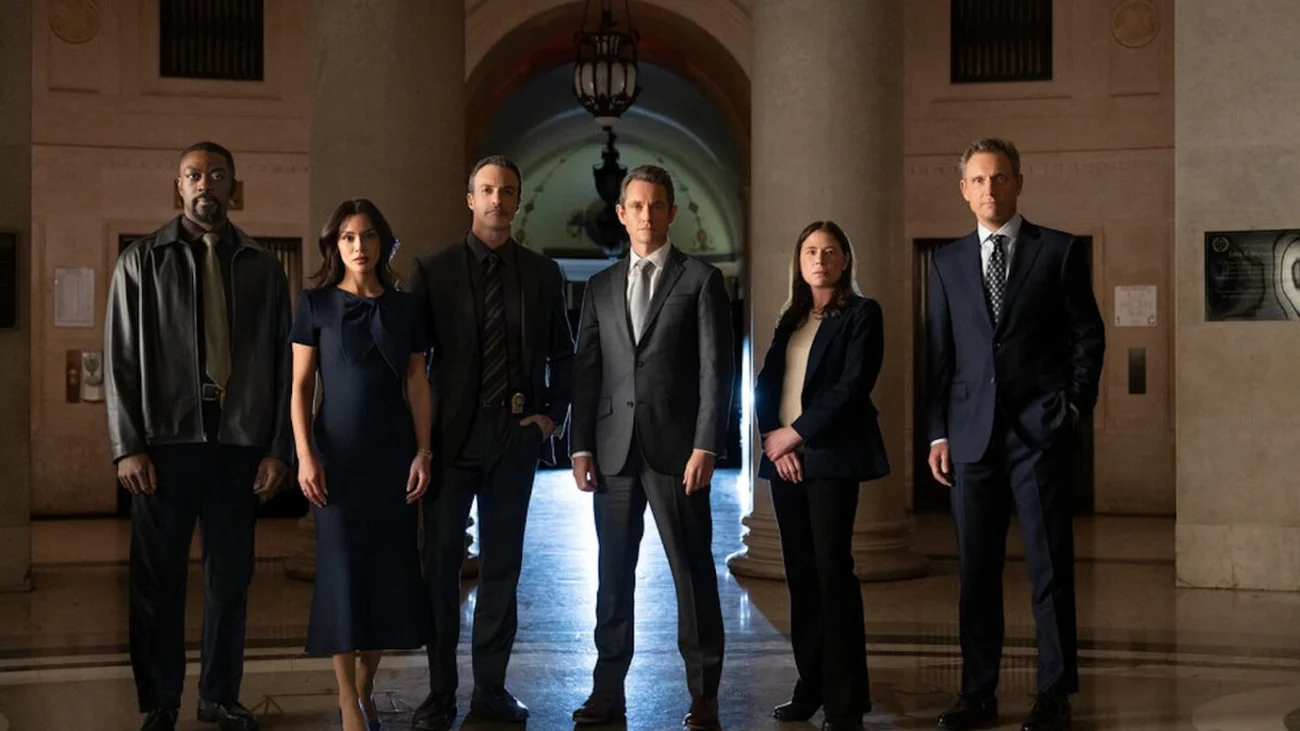
Detectives Walker and Calvino arrive on the scene to begin piecing together the timeline of Booker’s final hours, questioning key eyewitness Alexis Fisher. Fisher describes seeing a tense confrontation involving a suspect carrying a distinctive backpack, offering the unsettling observation, “If you can’t beat them, shoot ’em”. That chilling comment steers detectives directly toward volatile sports gambling forums and platforms like WeWager, where Booker’s decisive basket had unexpectedly wrecked betting spreads.
The detectives initially interrogate an enraged bettor who lost $40,000 on the game, but digital forensics lead the precinct toward a far more calculated suspect. With vital assistance from Detective Violet Yee, Walker and Calvino uncover Tyler Duncan, an internet streamer operating online under the provocative pseudonym Stone Freedom. Duncan built a massive following across social platforms by broadcasting racist screeds and staging hostile public confrontations, using performative hostility as a lucrative business model.
Courtroom Clashes and the Performative Persona Defense
Once Duncan is apprehended, the case shifts downtown to Executive Assistant District Attorney Nolan Price and Assistant District Attorney Samantha Maroun under the watchful eye of District Attorney Nicholas Baxter. Defending Duncan is experienced attorney Aaron Dressler, who quickly mounts an aggressive self-defense argument by alleging that Booker initiated a physical altercation. Dressler further claims that Duncan’s online persona of Stone Freedom is merely protected satire and performance art that bears no resemblance to his personal beliefs.
The prosecution faces an immediate setback when the judge rules that Duncan’s livestream footage is overly inflammatory, barring prosecutors from showing the provocative videos to the jury. Commenting on the cultural relevance and sustained appeal of the franchise, series star Tony Goldwyn noted in an interview with WTHR that “everyone who works on the show feels super grateful to be there, and ‘Law & Order’ is an institution in television and also in the city of New York”. Without the ability to present Duncan’s online rhetoric as evidence of motive, Price finds himself cornered as Baxter considers offering a plea agreement.
The Ending Explained: How Premeditation Crushed Tyler Duncan
Just as the district attorney’s office prepares to cut its losses, Maroun uncovers a decisive piece of digital evidence that fundamentally reshapes the entire murder trial. Working through archival data, investigators locate a private video recorded weeks prior between Duncan and an associate named Tom Phillips. In this candid footage, Duncan explicitly outlines a premeditated scheme to murder an individual in the real world, openly discussing how monetizing real-life violence would generate massive engagement and revenue.
The discovery completely destroys the defense’s argument of spontaneous self-defense by demonstrating that Booker’s shooting was a calculated, profit-driven enterprise. Armed with the devastating recording, Price dismantles Duncan’s credibility on the stand, leaving the jury to return a guilty verdict for both second-degree murder and a racially motivated hate crime. The episode concludes on a sobering thematic note, exposing how digital algorithms reward radicalization and proving that performative online hostility carries fatal, real-world consequences.
What did you think of the intense courtroom showdown and Tyler Duncan’s ultimate fate in ‘Law & Order’ Season 26, Episode 5?