Does Buck Die in ‘S.W.A.T.’? Explaining the Fate of Louis Ferreira’s Character

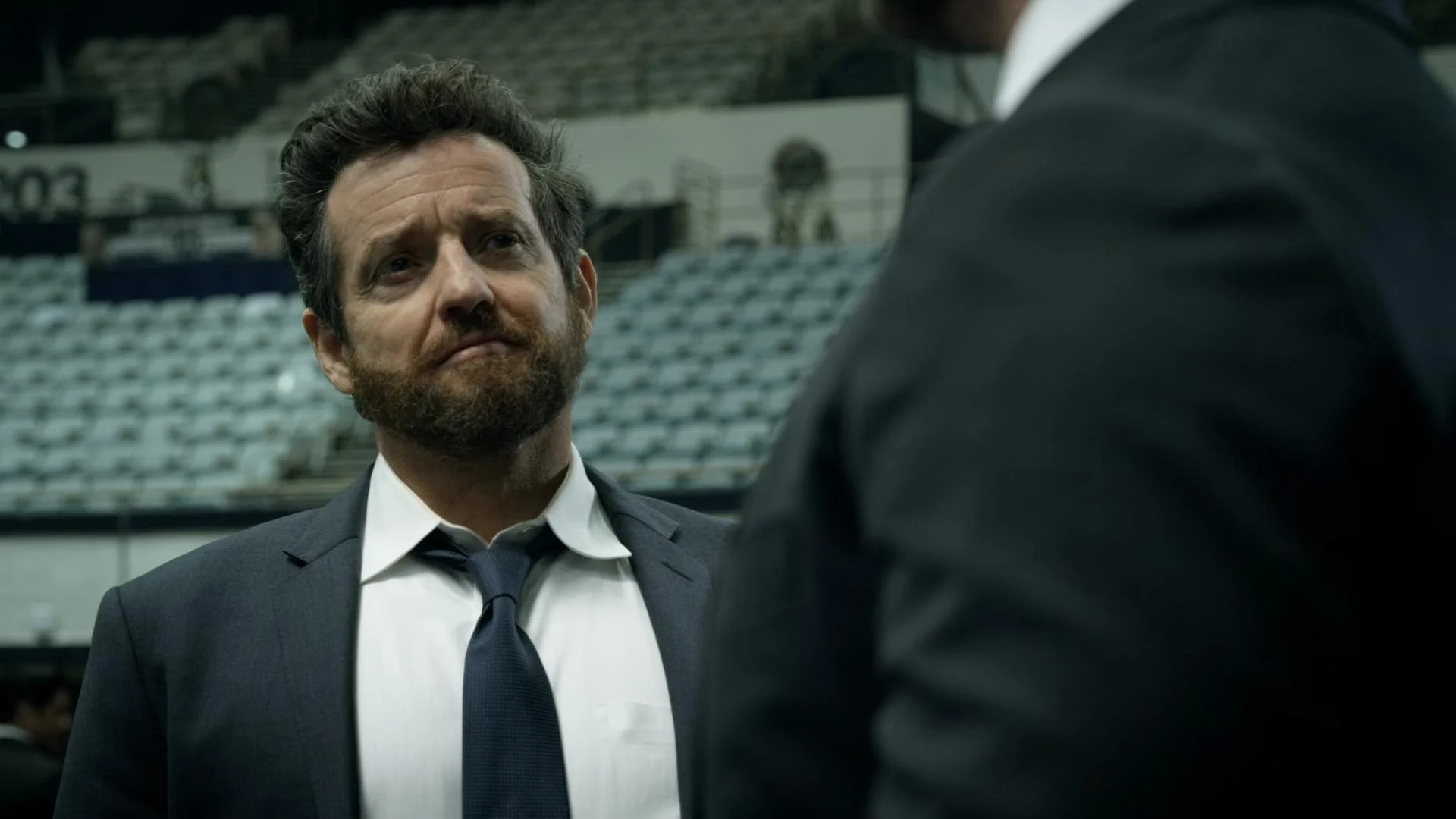
Television procedurals frequently employ life-or-death stakes to test their ensemble casts, yet few shows explore tactical fallout quite like ‘S.W.A.T.‘. When the CBS drama debuted in 2017, it distinguished itself by emphasizing moral complexity, community relations, and accountability. Beneath the series’ high-octane action sequences lies an ongoing examination of the psychological burden carried by first responders.
The show’s core premise was established in its first hour during a chaotic tactical operation in Los Angeles. Veteran team leader Sergeant II William “Buck” Spivey, played by Louis Ferreira, watched his career unravel following a tragic misjudgment. After Buck accidentally shot unarmed teenager Raymont Harris during a gunfight, the fallout transformed 20-Squad forever.
Due to the intense tragedy surrounding his abrupt exit, many viewers frequently wonder whether Buck dies in ‘S.W.A.T.’. The clear answer is no: Buck does not die, though his emotional journey remains one of the darkest story arcs across the series. While dismissed from the police department, his character stayed an influential presence throughout the drama’s run.
The Incident That Shattered 20-Squad
Buck’s dismissal in the ‘Pilot’ triggered massive ripple effects across the entire unit. Commander Robert Hicks removed Buck to defuse public outrage, promoting Daniel “Hondo” Harrelson over senior officer David “Deacon” Kay. This abrupt transition forced Hondo to serve as both a tactical team leader and a cultural bridge to the community.

The writers treated Buck’s firing as an opportunity to confront urgent real-world issues rather than a disposable plot device. Discussing the pilot’s themes, Shemar Moore explained to Rotten Tomatoes that the series aimed to spark broader conversations: “I don’t think we can change the world or change the game or find an answer to racism and fear and prejudice, but I think we can create an argument. We can create a debate. We can help bridge that gap and raise some questions and create some understanding.”
Even after surrendering his badge, Buck remained deeply connected to the squad mates he left behind. Younger officers like Jim Street viewed Buck as a crucial father figure who had mentored him through severe childhood hardship. Throughout Season One episodes like ‘Radical’ and ‘Ghosts’, Hondo grew increasingly concerned as his former superior slipped into isolation and grief.
Facing the Darkness in Season Three’s “Stigma”
Worry over Buck’s survival culminated during the emotional Season Three installment titled ‘Stigma’. In the hour, Hondo and the unit discover that their former squad leader has mysteriously vanished off the grid. The investigation turns urgent after the team discovers a recent call Buck made to the National Suicide Prevention Lifeline.
As the squad searches for him, flashbacks reveal department therapy sessions detailing the immense trauma inherent to tactical work. Deacon eventually locates Buck seated alone by a riverbed with a handgun. Flanked by Hondo and Street, Deacon reminds Buck of his worth and family bonds, successfully convincing him to step back from the edge.
This intervention saves Buck’s life, showing that loyalty within the unit extends far beyond tactical duty. Rather than offering a simplistic conclusion, the storyline frames survival as the start of an ongoing recovery. Buck voluntarily enters a mental health clinic, allowing the show to confront depression and post-traumatic stress with genuine honesty.
Buck’s Life Beyond the Force
Following his treatment, Buck rebuilds a stable life away from the frontlines of law enforcement. He applies his tactical expertise to the private security sector, finding steady employment and reclaiming his sense of purpose. While his appearances grew sporadic, the series regularly referenced his continued progress and sobriety.
Ferreira reprised the role in the Season Seven episode ‘Whispers’, sharing drinks with Hicks to reflect on their past. Seeing Buck healthy provided viewers with comforting closure after seasons of worry about his fate. His survival stands as a hopeful outcome in a genre that often eliminates former heroes for shock value.
The emotional weight of Buck’s journey mirrors the surprising resilience of ‘S.W.A.T.’ itself. When network executives initially cancelled the procedural after six seasons, Deadline reported that CBS reversed its decision following immense audience backlash, granting a dramatic renewal. That reprieve allowed the series to honor its history and complete long-term redemptive arcs.
Ultimately, Buck Spivey’s narrative on ‘S.W.A.T.’ is defined not by tragedy, but by resilience and compassion. By allowing him to survive and heal, the series demonstrated that saving a life often requires patience, intervention, and honest communication. Buck remains alive, embodying the vital reminder that seeking help is an act of real strength.
What did you think of the way ‘S.W.A.T.’ handled Buck Spivey’s mental health journey and ultimate fate?