Who Is Khamûl in ‘The Lord of the Rings: The Rings of Power’? Everything You Need to Know About the Powerful Easterling Warlord

The high-fantasy streaming landscape experienced a monumental shift when Amazon MGM Studios committed unprecedented resources to adapt J.R.R. Tolkien’s Second Age for global television. Ever since ‘The Lord of the Rings: The Rings of Power‘ premiered, audiences around the world have closely analyzed how the production balances canonical literary traditions against the demanding narrative pace of modern prestige television. As the sprawling story expands across unfamiliar territories, the narrative deliberately moves away from peaceful, sunlit realms toward a continent engulfed by devastating war and moral decay.
Following the catastrophic fall of Eregion and the gruesome murder of Celebrimbor, the central drama pivoted toward the nine mysterious rings forged specifically for mortal Men. While elven rings protected endangered sanctuaries and dwarven rings fueled destructive subterranean greed, the human talismans carried the darkest, most tragic destiny in all of Middle-earth folklore. Fantasy fans recognized that these artifacts would eventually birth the terrifying Ringwraiths, yet the mortal kings and chieftains destined to wear them remained largely anonymous in earlier screen adaptations.
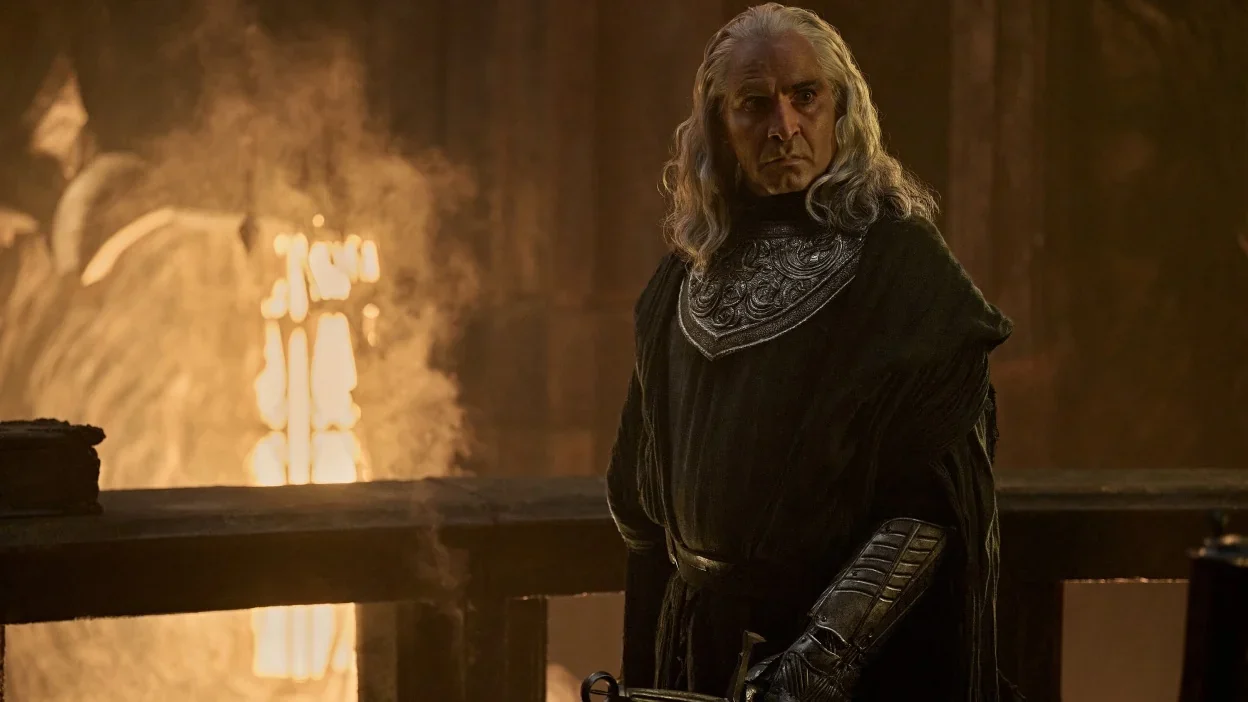
That longstanding anonymity finally fractures with the dramatic introduction of Khamûl, one of Tolkien’s most chilling literary creations. In ‘The Lord of the Rings: The Rings of Power’, Khamûl is presented as a formidable Easterling warlord who steps into the center of the conflict to claim one of Sauron’s corrupted rings. Portrayed by Olivier Award-winning actor Zubin Varla, the character gives a distinctive human face and compelling tragic agency to a supernatural villain previously recognized only by his tattered black robes.
Exploring Rhûn and Tolkien’s Forgotten Lore
Within Tolkien’s expansive legendarium, Khamûl holds an elite status because he is the only Nazgûl whose original name is ever confirmed in official writings. Known throughout Middle-earth history as the Shadow of the East and the Black Easterling in ‘Unfinished Tales of Númenor and Middle-earth’, he served as the second-in-command of the Nine directly below the Witch-king of Angmar. Lore enthusiasts revere Khamûl for his acute ability to perceive the presence of the One Ring across great distances, an eerie power counterbalanced by a debilitating weakness in direct sunlight.
Bringing the mysterious eastern expanse of Rhûn to live-action television fulfilled a foundational creative goal for the showrunners, who aimed to explore untouched geographical terrain. While discussing the creative strategy to expand beyond familiar western kingdoms, co-showrunner J.D. Payne explained to Deadline that “one of the goals from the very beginning for us here was to go to uncharted, unseen corners of the Tolkien map, a huge and tantalizing continent that readers and audiences have never been to”. That long-term artistic commitment enabled the production to grant the Easterlings a rich cultural framework rather than depicting them as passive servants of evil.
The Rise of the Easterling Warlord and the Proto-Nazgûl
In the television adaptation, Khamûl emerges from the Gaudrim, a resilient Easterling faction suffering under the oppressive influence of the corrupt Dark Wizard. Desperate to reclaim dignity and regional sovereignty for his people, Khamûl stands before Sauron when the Dark Lord demands absolute blood allegiance from eastern emissaries inside Mordor. After a brutal, fatal duel against fellow tribesmen for the single ring offered to Rhûn, Khamûl proves his ruthless resolve and claims the enchanted gold band.
Rather than transforming instantaneously into ghostly wraiths, the mortal ring-bearers are introduced at this stage as Nazgnagôl, an invented Black Speech term translating directly to Ring-servants. Slipping the ring onto his finger grants Khamûl intoxicating physical restoration, swiftly closing his open battle wounds while subtly latching onto his vulnerable soul. Emboldened by dark vitality, the warrior returns home to confront the Dark Wizard, usurping authority and commanding the eastern armies to march under Sauron’s dread banner.
Sauron’s Complex Manipulation and Tragic Damnation
This psychological corruption perfectly exemplifies Sauron’s cunning methodology, as the Dark Lord consistently exploits noble aspirations to ensnare mortal souls. Reflecting on the villain’s unapologetic turn toward overt dominance across Middle-earth, co-showrunner Patrick McKay told The Hollywood Reporter that “Sauron can now just be Sauron,” emphasizing that “he’s evil, but complexly evil”. By promising Khamûl the absolute military power needed to restore eastern glory, Sauron traps an ambitious protector inside an agonizing cycle of eternal servitude.

The true tragedy of Khamûl lies in the grim certainty of his inevitable fate across the Second and Third Ages. Centuries of unnaturally extended life will gradually hollow out his mortal body, leaving him an invisible specter bound entirely to the Ruling Ring. Long before he commands the grim fortress of Dol Guldur and pursues Frodo Baggins in ‘The Lord of the Rings: The Fellowship of the Ring’, Khamûl was simply a proud leader who tragically traded his humanity for power.
What are your thoughts on how ‘The Lord of the Rings: The Rings of Power’ brings Khamûl to life, and do you think his tragic backstory enriches the lore of Middle-earth?