8 Essential “Dystopian Bureaucracy” Films Like Brazil

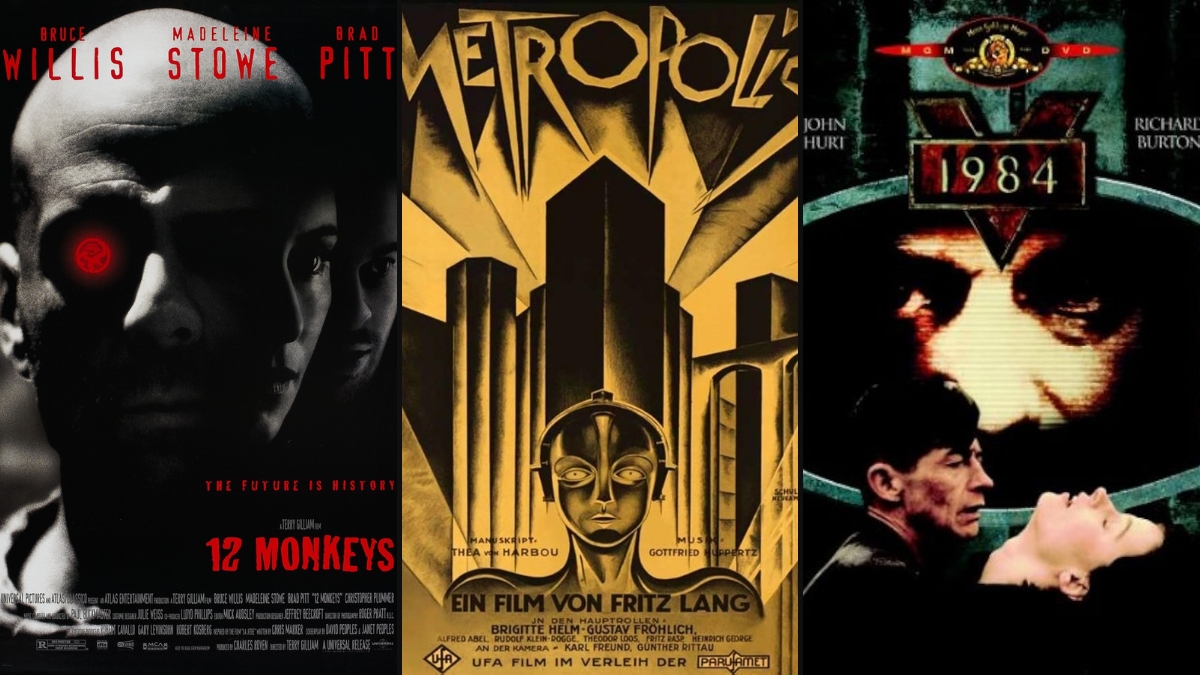

Dystopian films pull us into worlds where systems choke freedom and humanity struggles under oppressive rules. When we talk about bureaucracy in these stories, it’s not just paperwork—it’s a suffocating machine that traps people in absurdity and control, much like the chaotic masterpiece ‘Brazil’ (1985).
These films blend dark humor, surreal visuals, and sharp critiques of society, showing how faceless systems can crush the human spirit. From retro-futuristic nightmares to chilling satires, here are eight essential movies that echo the bureaucratic madness of Terry Gilliam’s vision, each with its own take on dystopian control.
The Trial (1962)
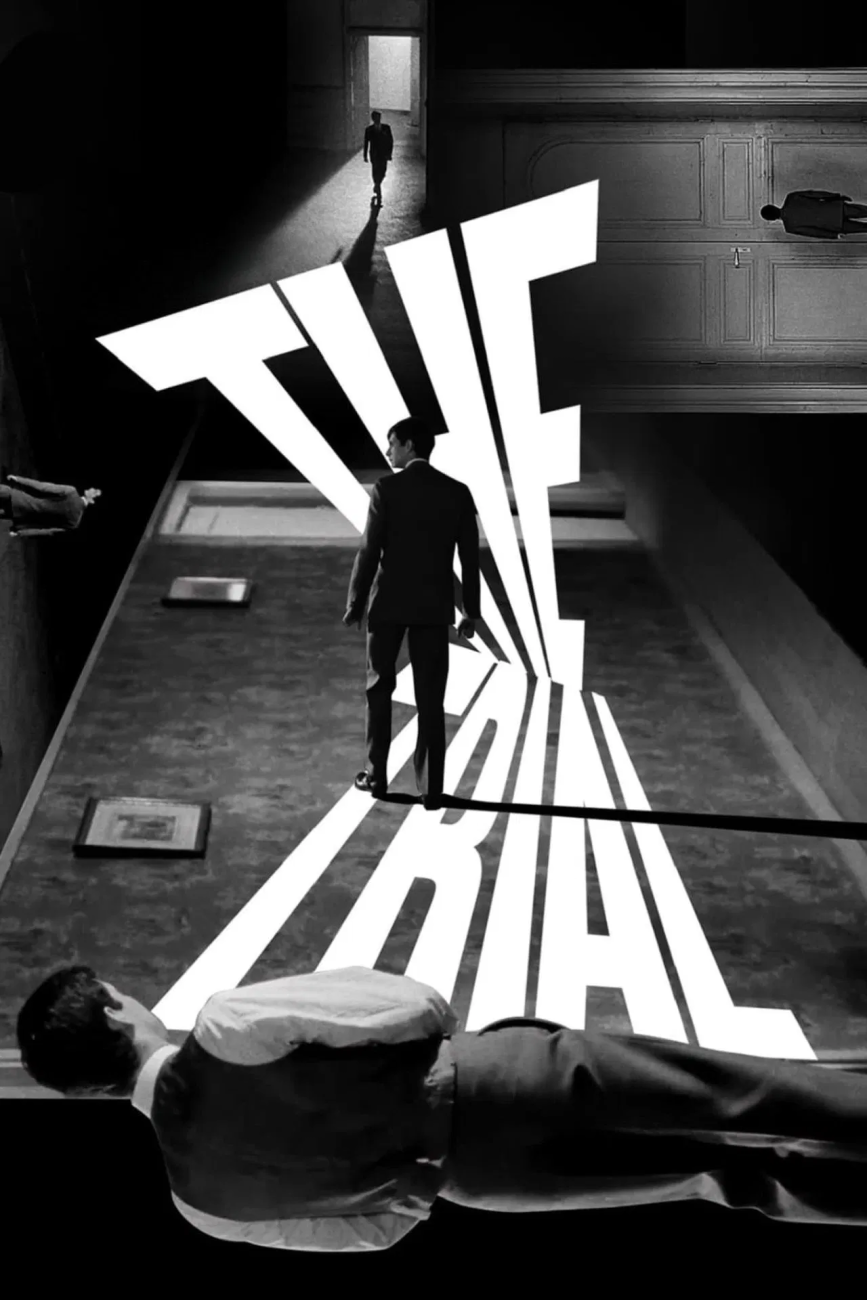
Orson Welles’ ‘The Trial’ (1962) brings Franz Kafka’s novel to life with a nightmarish spin. Josef K, played by Anthony Perkins, wakes up to find himself arrested for an unknown crime, dragged into a maze of legal absurdity where no one explains the rules.
The film’s black-and-white visuals and disorienting camera angles amplify the sense of entrapment. Welles crafts a world where bureaucracy is a faceless monster, suffocating Josef with endless forms and vague officials, making it a haunting precursor to ‘Brazil’s’ chaotic system.
Nineteen Eighty-Four (1984)
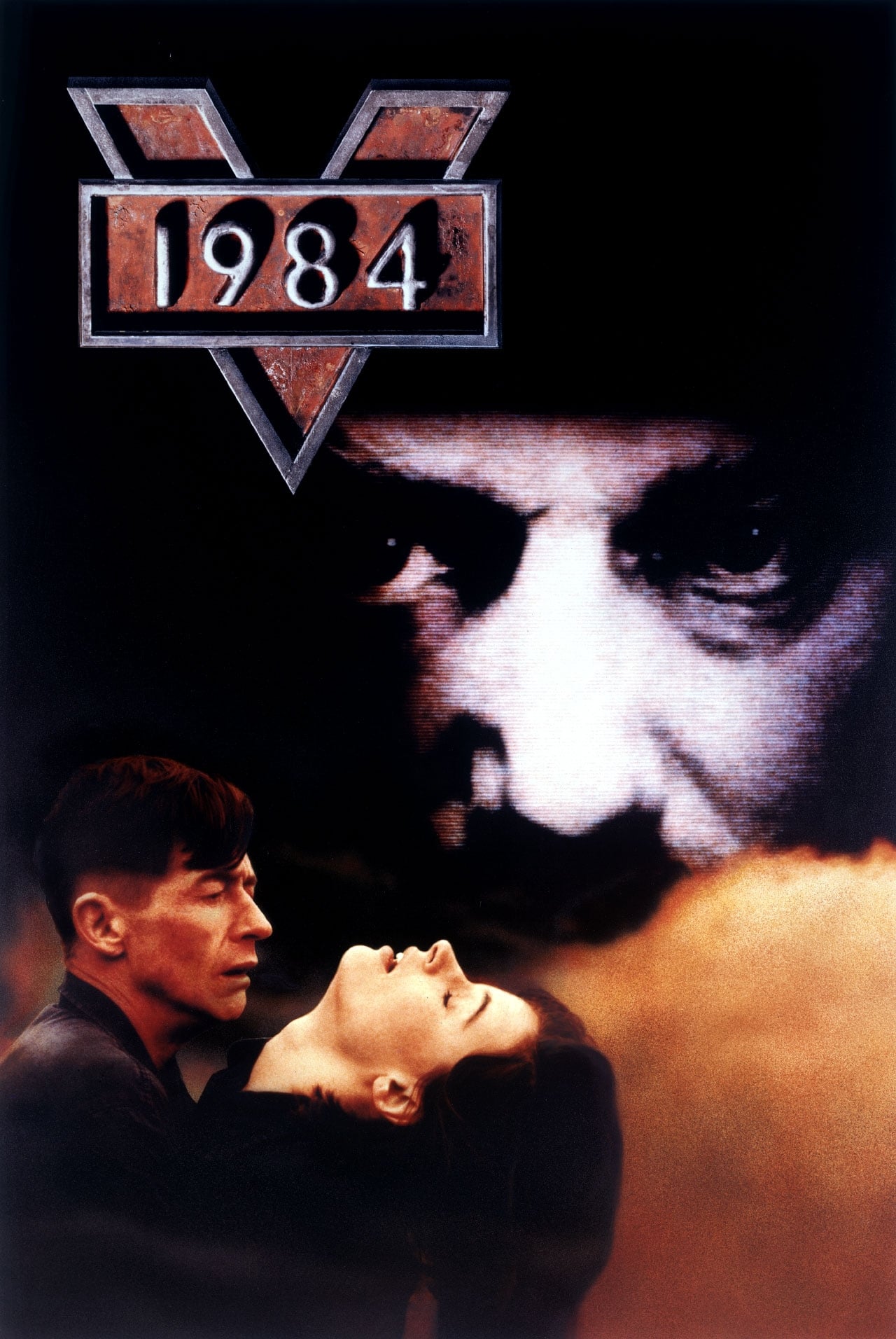
‘Nineteen Eighty-Four’ (1984), based on George Orwell’s novel, plunges us into a totalitarian world where Big Brother watches every move. Winston Smith, portrayed by John Hurt, navigates a society ruled by surveillance and rigid government control.
The film’s grim atmosphere and stark visuals highlight a bureaucracy that enforces loyalty through fear. Every action requires approval, and dissent is erased, mirroring ‘Brazil’s’ oppressive paperwork-driven dystopia with a darker, less comedic edge.
THX 1138 (1971)

George Lucas’ debut, ‘THX 1138’ (1971), paints a sterile future where humans are reduced to numbers in a controlled society. Robert Duvall’s THX 1138 rebels against a system that uses drugs and surveillance to suppress emotions and individuality.
The film’s cold, minimalist design and eerie soundscapes reflect a bureaucracy obsessed with order. Like ‘Brazil’, it shows a world where technology and rules dehumanize, but Lucas leans into chilling precision rather than Gilliam’s chaotic absurdity.
Fahrenheit 451 (1966)
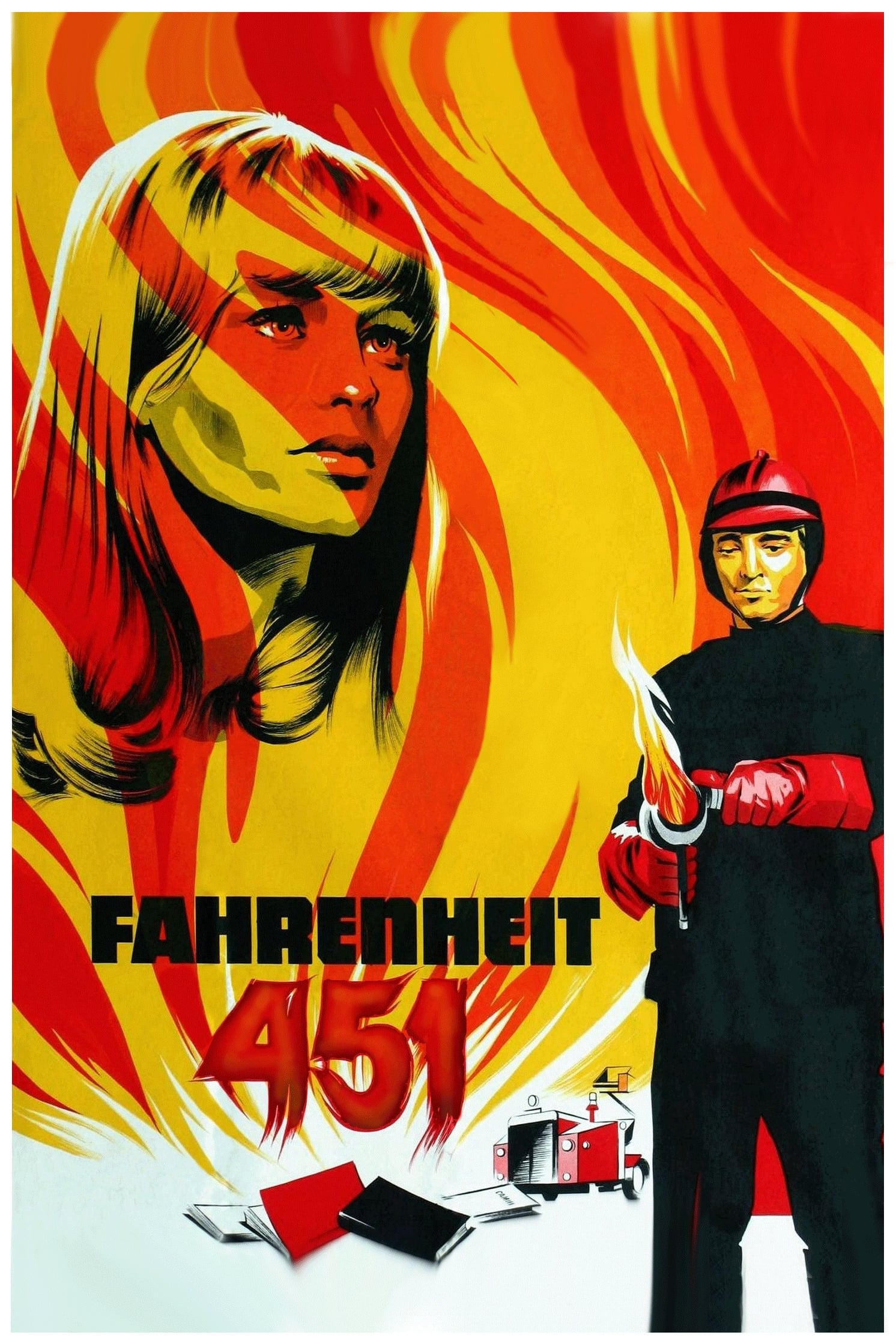
François Truffaut’s ‘Fahrenheit 451’ (1966) explores a society where books are banned, and firemen burn them to maintain control. Oskar Werner plays Guy Montag, a fireman who begins to question the system’s rigid censorship.
The film’s vibrant yet oppressive aesthetic underscores a bureaucracy that polices thought itself. While ‘Brazil’ mocks paperwork, ‘Fahrenheit 451’ shows a world where intellectual freedom is crushed under official decrees, making rebellion a quiet, personal act.
A Clockwork Orange (1971)
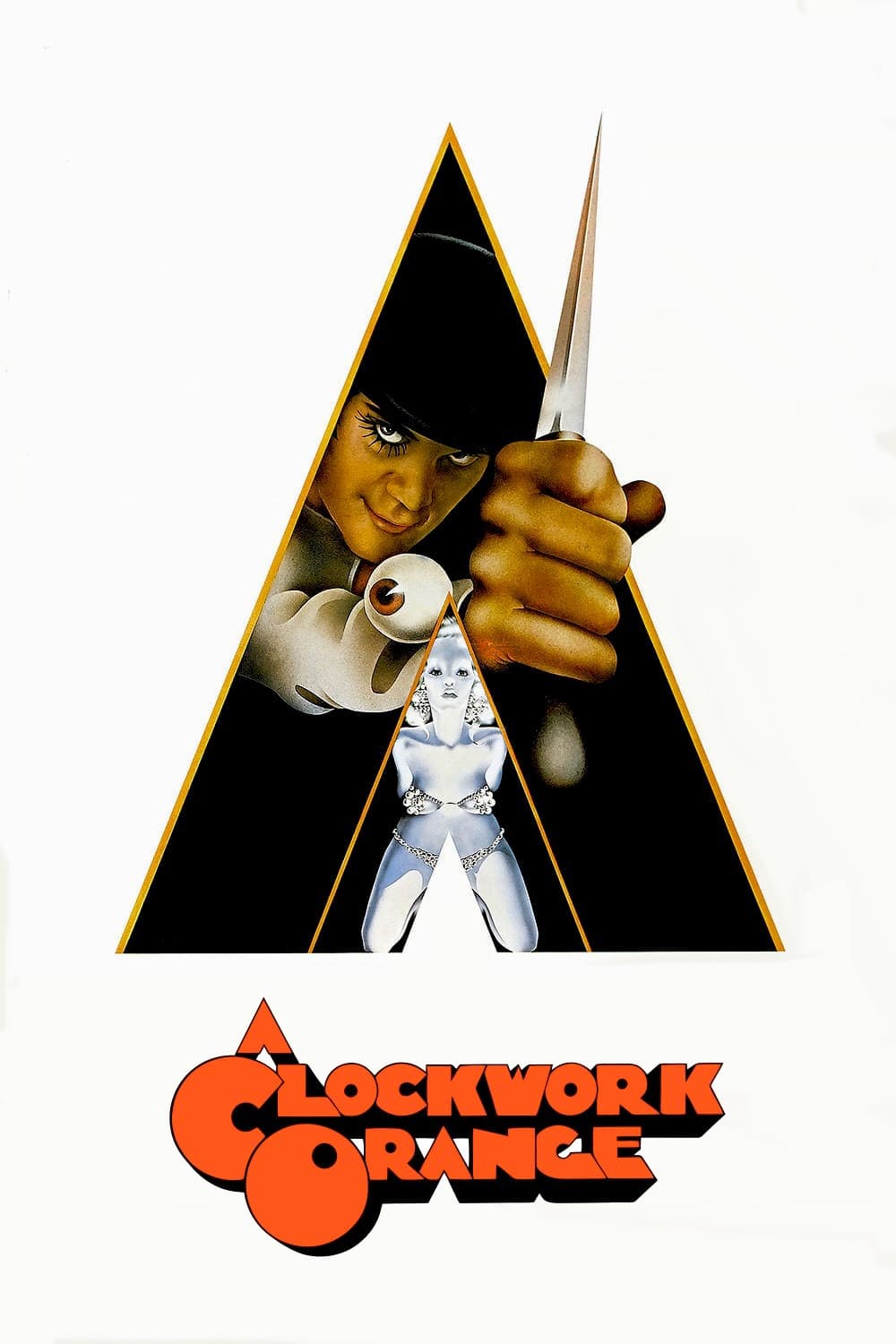
Stanley Kubrick’s ‘A Clockwork Orange’ (1971) dives into a violent, futuristic Britain where bureaucracy tries to control crime through extreme measures. Malcolm McDowell’s Alex undergoes a brutal reprogramming to curb his criminal urges.
The film’s bold visuals and dark humor highlight a system that prioritizes control over morality. Unlike ‘Brazil’s’ focus on administrative chaos, Kubrick’s satire targets a bureaucracy that manipulates behavior, creating a chilling commentary on free will.
Blade Runner (1982)
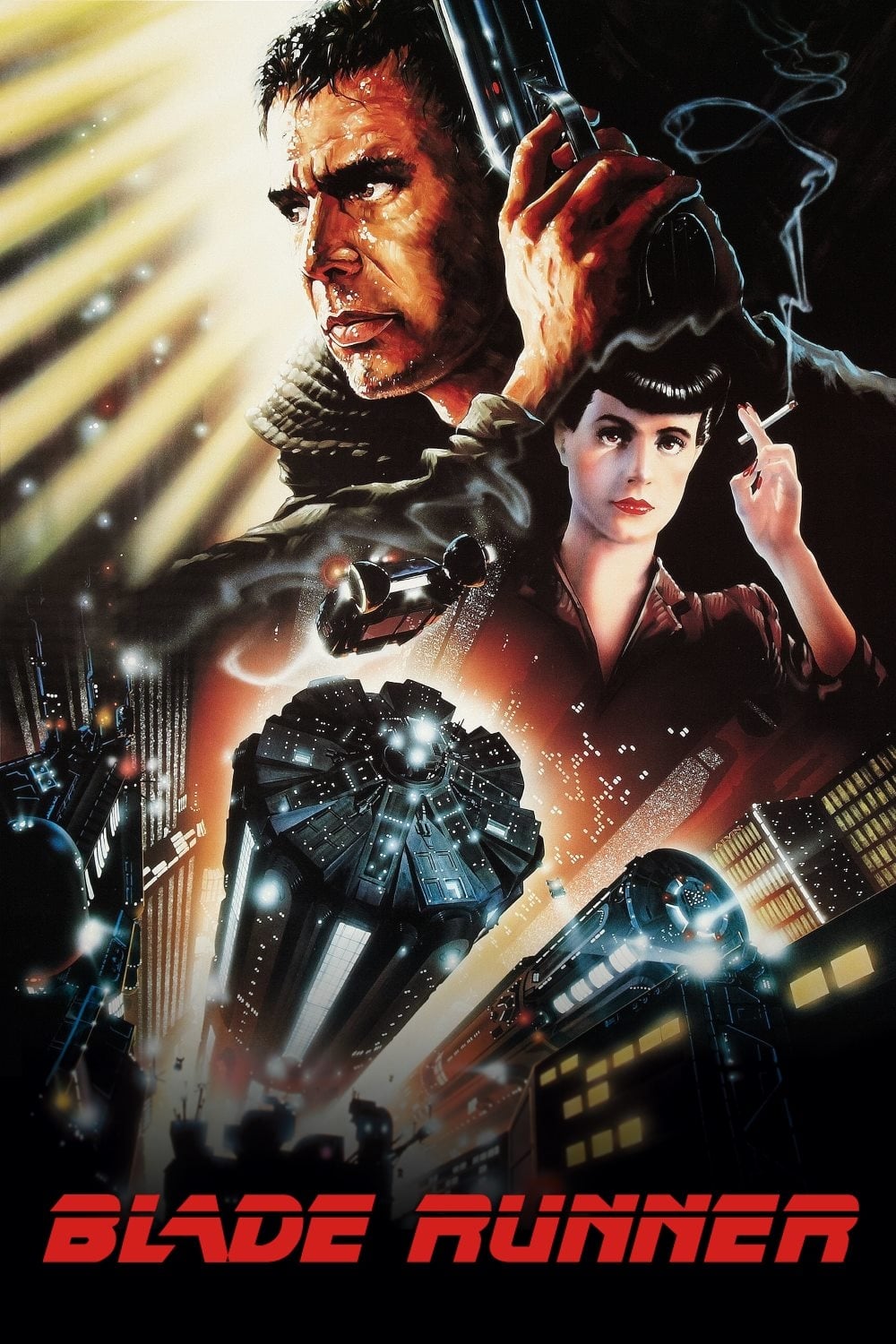
Ridley Scott’s ‘Blade Runner’ (1982) follows Harrison Ford’s Rick Deckard, a bounty hunter tracking rogue androids in a neon-soaked, overpopulated future. The corporate bureaucracy looms large, treating synthetic humans as disposable tools.
The film’s gritty, rain-soaked city and moody score contrast ‘Brazil’s’ cluttered offices but share its theme of dehumanization through systems. Deckard’s mission reveals a world where paperwork and protocol obscure ethical questions, echoing Gilliam’s critique.
Twelve Monkeys (1995)

Terry Gilliam’s ‘Twelve Monkeys’ (1995) follows James Cole, played by Bruce Willis, a time traveler sent to stop a deadly virus in a post-apocalyptic world. The future’s bureaucracy is a mess of outdated tech and rigid rules that hinder his mission.
Gilliam’s signature chaotic visuals and dark humor connect directly to ‘Brazil’, but the stakes feel more urgent. The film blends time-travel complexity with bureaucratic incompetence, showing how systems fail when humanity needs them most.
Metropolis (1927)
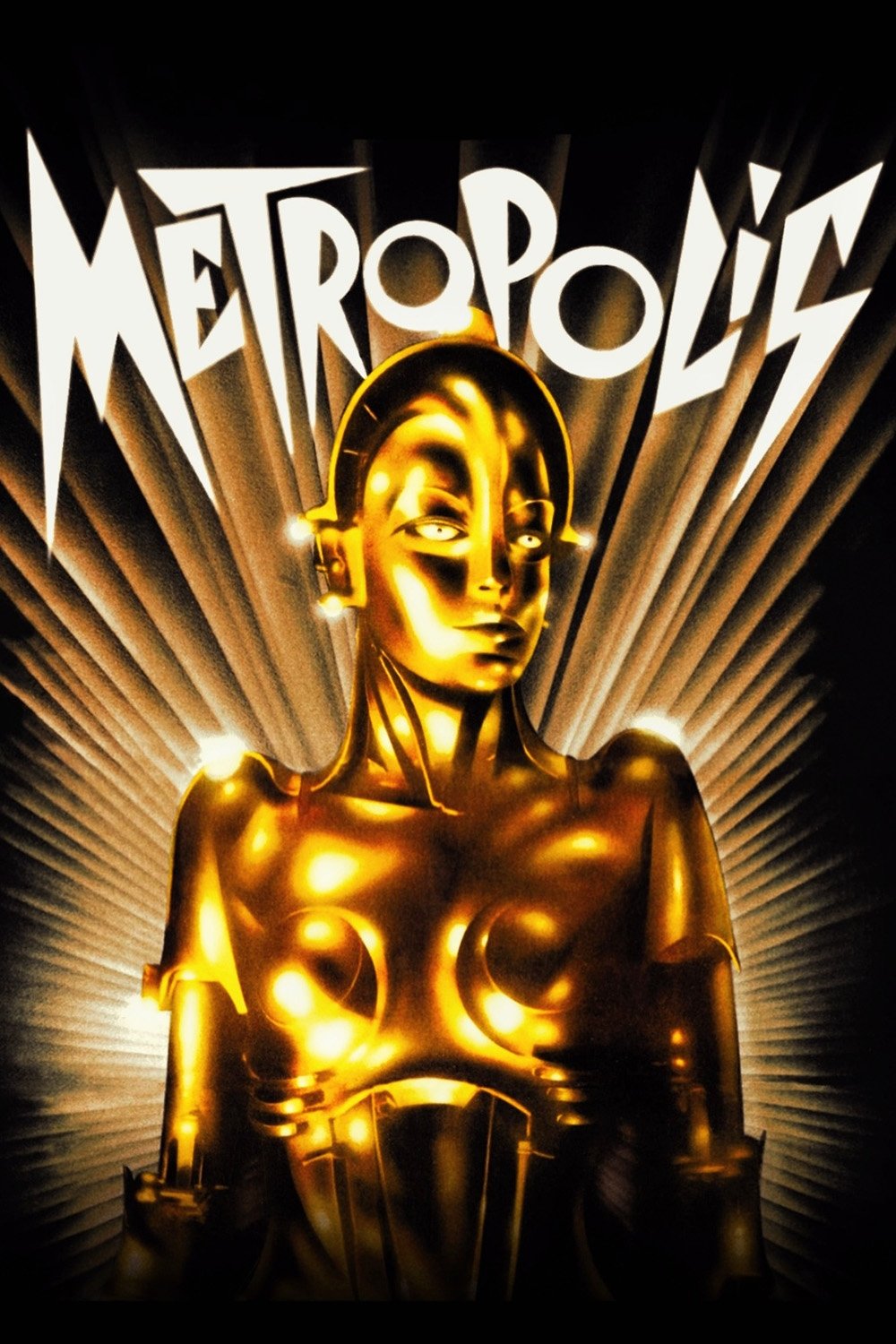
Fritz Lang’s ‘Metropolis’ (1927) is a silent sci-fi classic set in a divided city where the elite live in luxury while workers toil underground. Gustav Fröhlich’s Freder uncovers the brutal bureaucracy that keeps this divide in place.
The film’s towering sets and expressive visuals create a stark contrast between opulence and oppression. Like ‘Brazil’, it critiques a system that dehumanizes through control, but Lang’s vision is grander, focusing on class and labor rather than paperwork.
Which dystopian bureaucracy film resonates most with you, or is there another gem we should add to the list? Drop your thoughts in the comments!