‘Goodfellas,’ ‘Raging Bull’ & 23 Other Joe Pesci Movies Ranked by Rotten Tomatoes Score


Joe Pesci is an actor known for his intense and unforgettable performances. Whether playing a hot-headed gangster or a bumbling burglar, he brings a unique energy to the screen that is hard to ignore. For decades, Pesci has captured audience attention with his distinctive voice, explosive personality, and surprising range, starring in some of cinema’s most famous films.
This list ranks his movies based on their scores on Rotten Tomatoes. The Tomatometer score represents the percentage of positive reviews from professional critics. We will count down his entire filmography, from the most poorly reviewed films to the most critically acclaimed classics. This provides a straightforward look at how critics have judged his work over the years, starting from the very bottom.
The Super (1991) – 0%
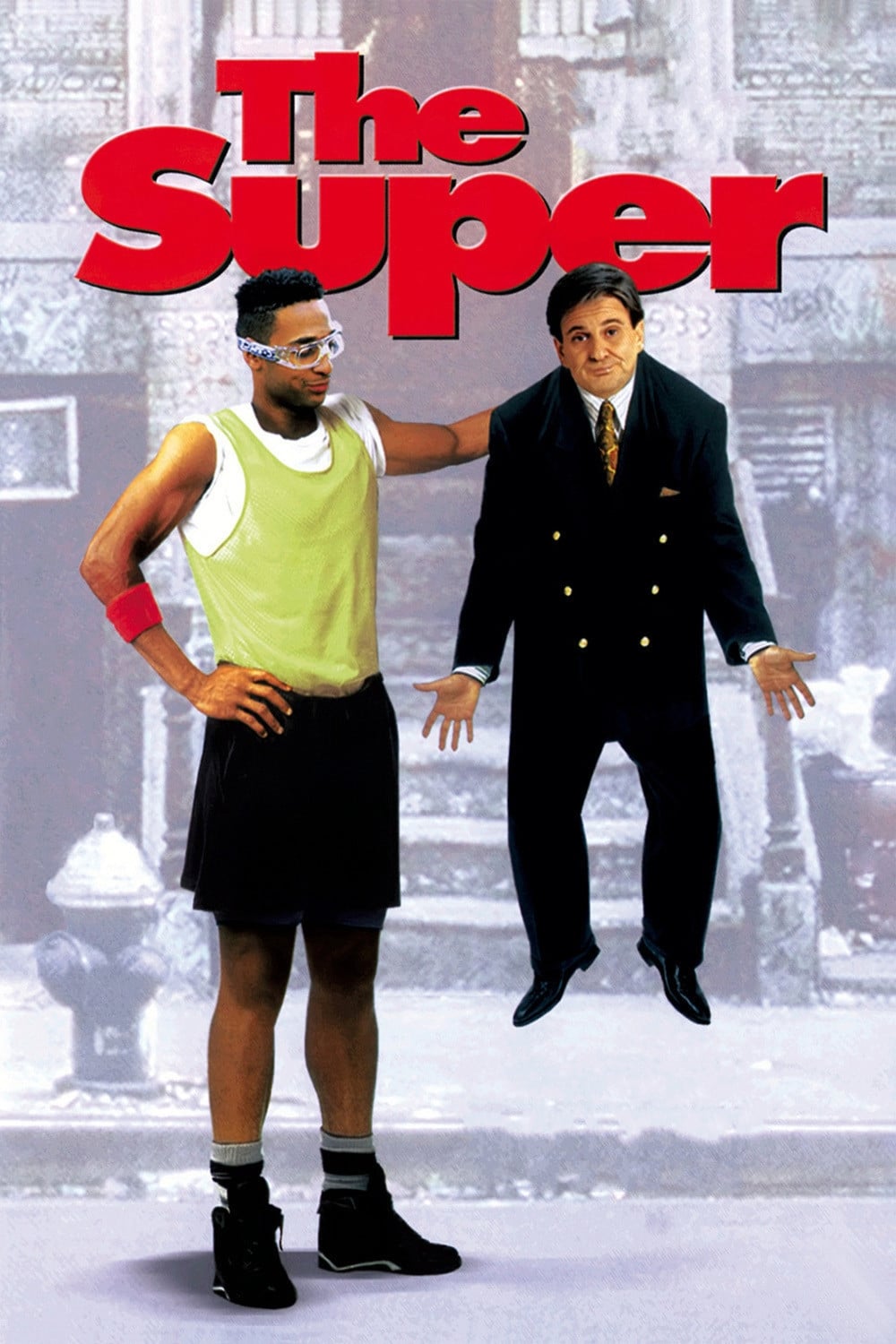
In this comedy, Joe Pesci plays Louie Kritski, a wealthy and heartless landlord. When he is found guilty of neglecting his tenants, a judge sentences him to live in one of his own rundown Brooklyn apartment buildings. Louie must bring the building up to code within 120 days or he will be sent to prison, forcing him to experience the poor conditions he created.
The Super was a critical disaster, earning the rare 0% score on Rotten Tomatoes. Reviewers found the film completely unfunny and predictable, criticizing its reliance on lazy stereotypes about class and race. Critics felt the movie’s attempt at a “fish-out-of-water” story failed on every level, making it the worst-reviewed film of Pesci’s career.
Gone Fishin’ (1997) – 4%

Joe Pesci re-teamed with his Lethal Weapon co-star Danny Glover for this buddy comedy. The two play lifelong friends, Joe and Gus, who win a dream fishing trip to the Florida Everglades. Their simple vacation quickly goes wrong after a series of mishaps, including a run-in with a boat thief that leads them on a wild, chaotic chase.
Critics almost universally disliked Gone Fishin’. They considered the film a major waste of talent, stating that the chemistry between Pesci and Glover couldn’t save a script that was thin and devoid of laughs. The movie was described as a slow, painful comedy where the jokes consistently failed to land.
8 Heads in a Duffel Bag (1997) – 11%
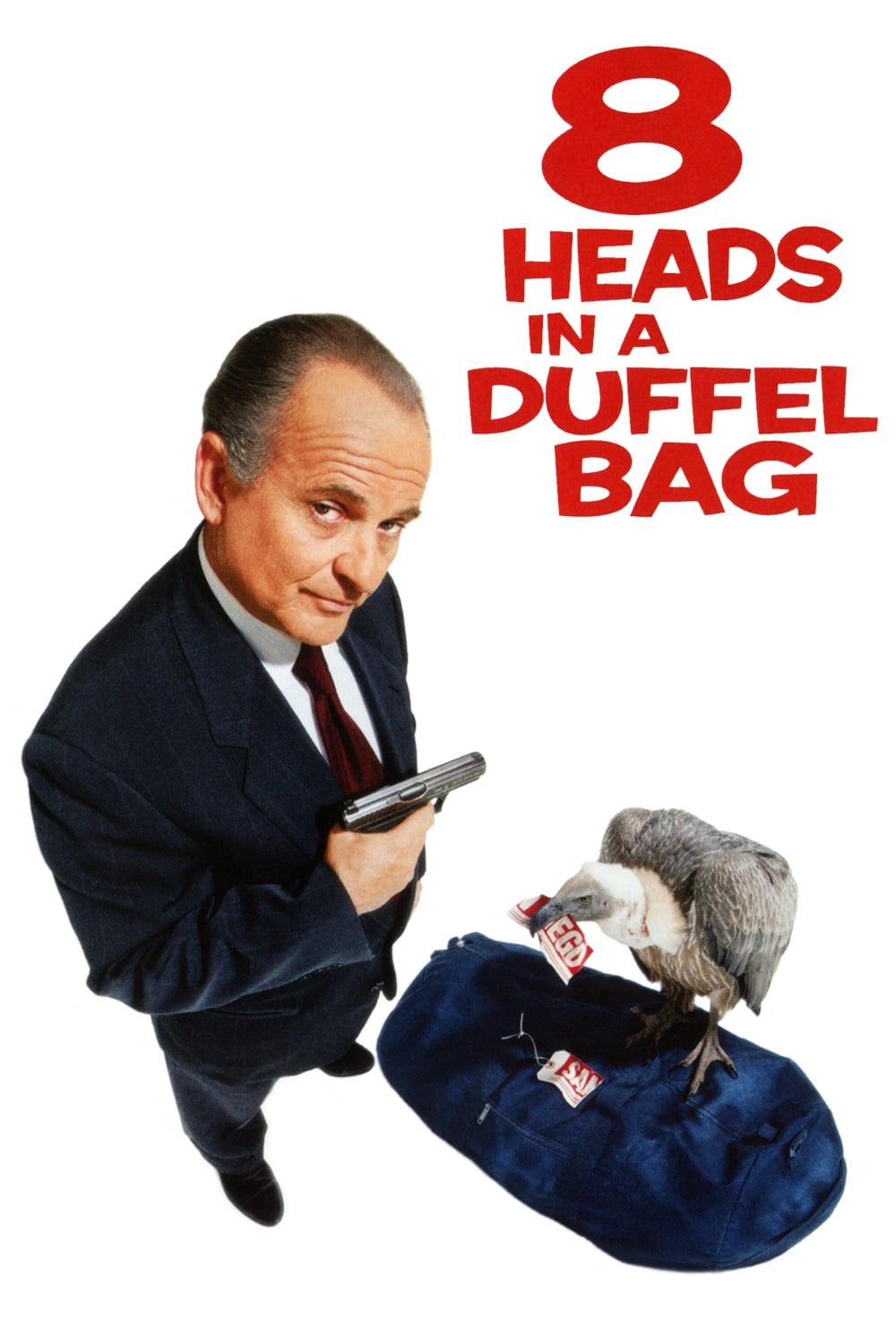
This dark comedy stars Pesci as Tommy Spinelli, a mob hitman tasked with transporting a duffel bag full of severed heads to a crime boss. Due to an airport mix-up, his bag is accidentally switched with that of a young medical student heading to Mexico for vacation. Tommy must then track down the student to retrieve the heads before his boss finds out.
Despite its wild premise, 8 Heads in a Duffel Bag did not impress critics. They felt the movie tried too hard to be both shocking and funny, but ultimately succeeded at neither. Reviewers called it a one-joke film that quickly became repetitive and tiresome, with Pesci’s performance unable to save the weak material.
Love Ranch (2010) – 13%
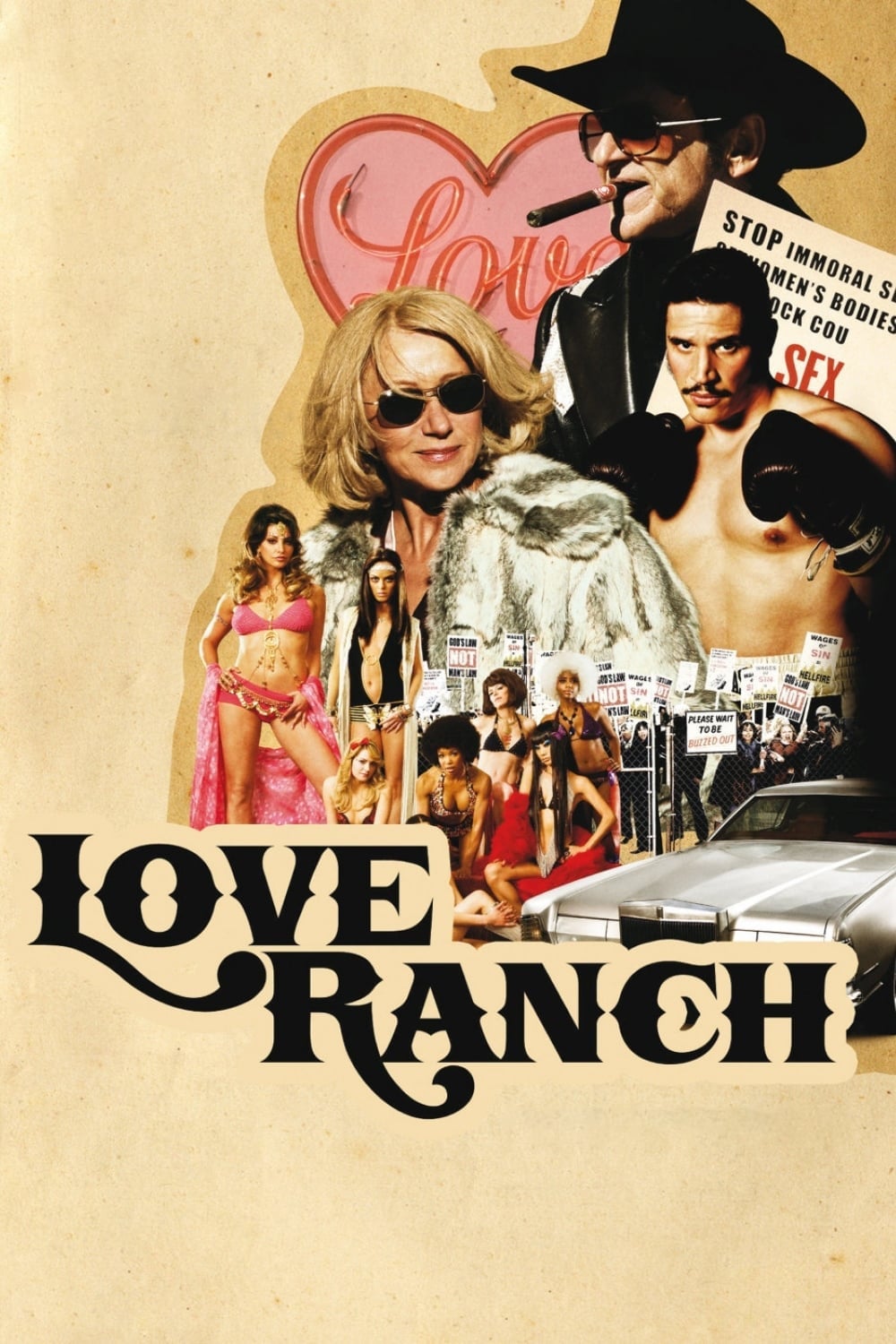
Inspired by a true story, Love Ranch is a drama about Grace and Charlie Bontempo (Helen Mirren and Joe Pesci), a married couple who open the first legal brothel in Nevada. Their business and marriage are thrown into chaos when they bring a famous heavyweight boxer from Argentina into their lives, leading to jealousy and violence.
Critics found Love Ranch to be a messy and unfocused film. While the performances from Mirren and Pesci were often praised, the story was criticized for being tonally inconsistent, shifting awkwardly between drama and melodrama. Many reviewers felt the film never quite knew what it wanted to be and failed to do justice to its interesting real-life story.
With Honors (1994) – 16%
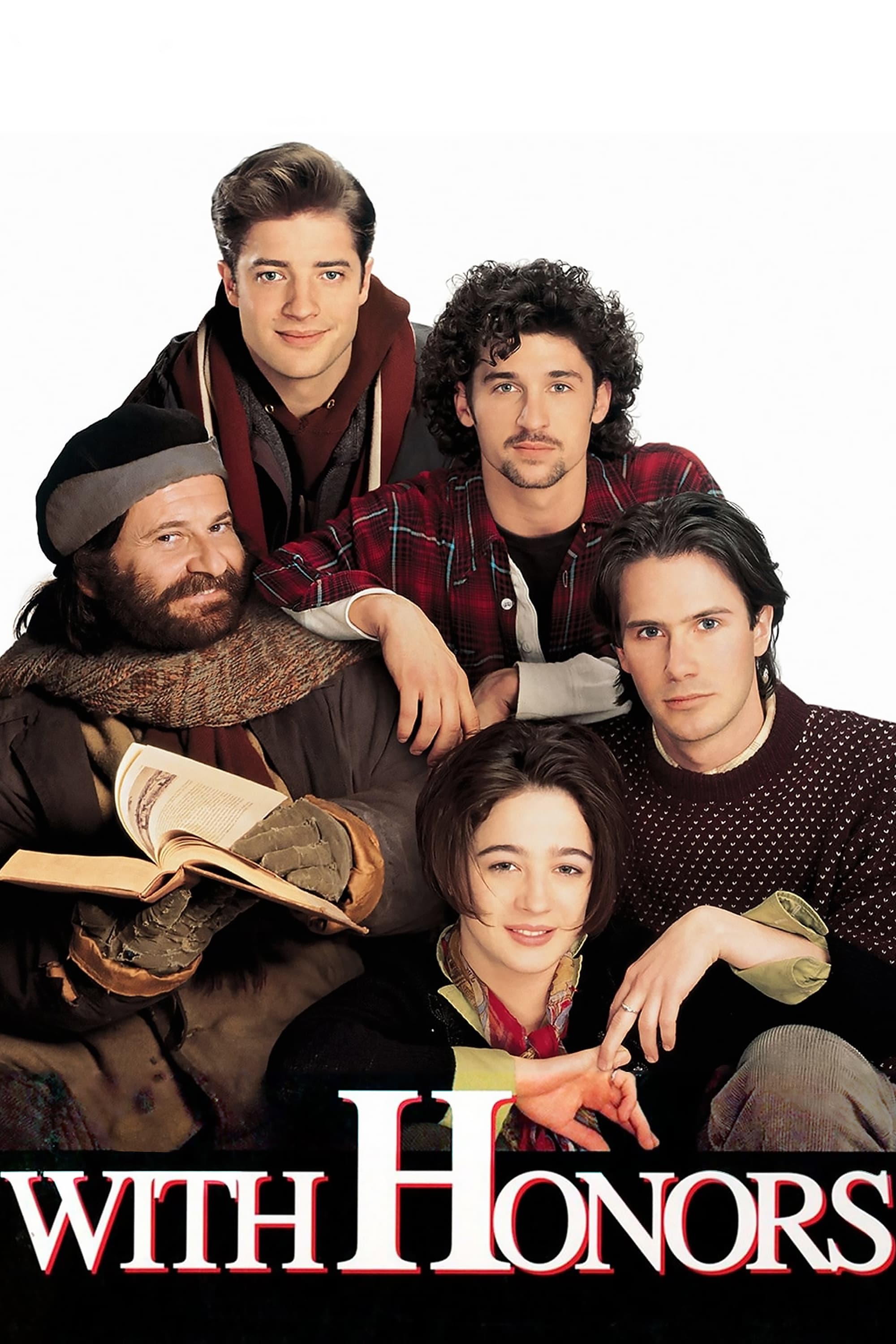
In this drama, a brilliant Harvard student loses the only copy of his senior thesis. It falls into the hands of a homeless man named Simon B. Wilder, played by Joe Pesci. Simon agrees to return the thesis one page at a time in exchange for food and shelter, teaching the student and his roommates valuable life lessons along the way.
With Honors was largely panned by critics, who saw it as an overly sentimental and predictable story. They felt the character of Simon Wilder was a collection of “wise homeless man” clichés rather than a believable person. Reviewers considered the film’s lessons about life to be simplistic and unearned.
Jimmy Hollywood (1994) – 17%
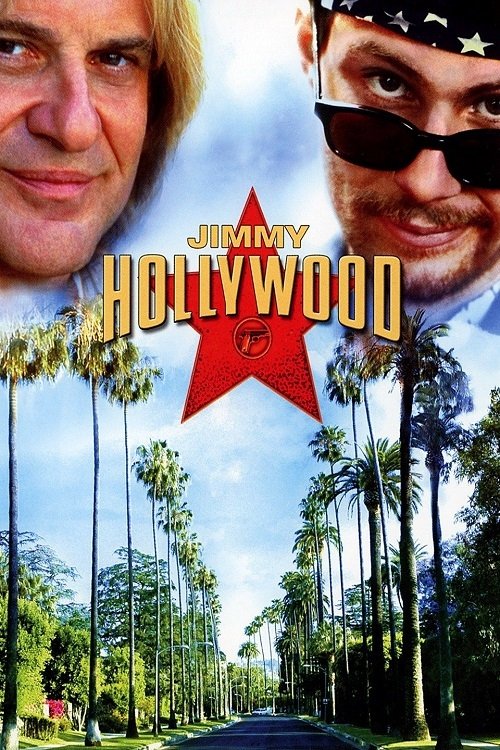
Joe Pesci plays Jimmy Alto, a struggling actor in Hollywood who is tired of crime in his neighborhood. He takes the law into his own hands by forming a vigilante group that videotapes criminals and sends the tapes to the news, turning himself into a mysterious folk hero known as “Jericho.” His fame grows, but so does the attention from the police.
This film was a box office bomb and a critical failure. Reviewers found Jimmy Hollywood to be a self-indulgent and unfocused satire that couldn’t decide on a consistent tone. Critics argued that the movie’s message about fame and justice was muddled, and its attempts at both comedy and drama fell flat.
Home Alone 2: Lost in New York (1992) – 35%
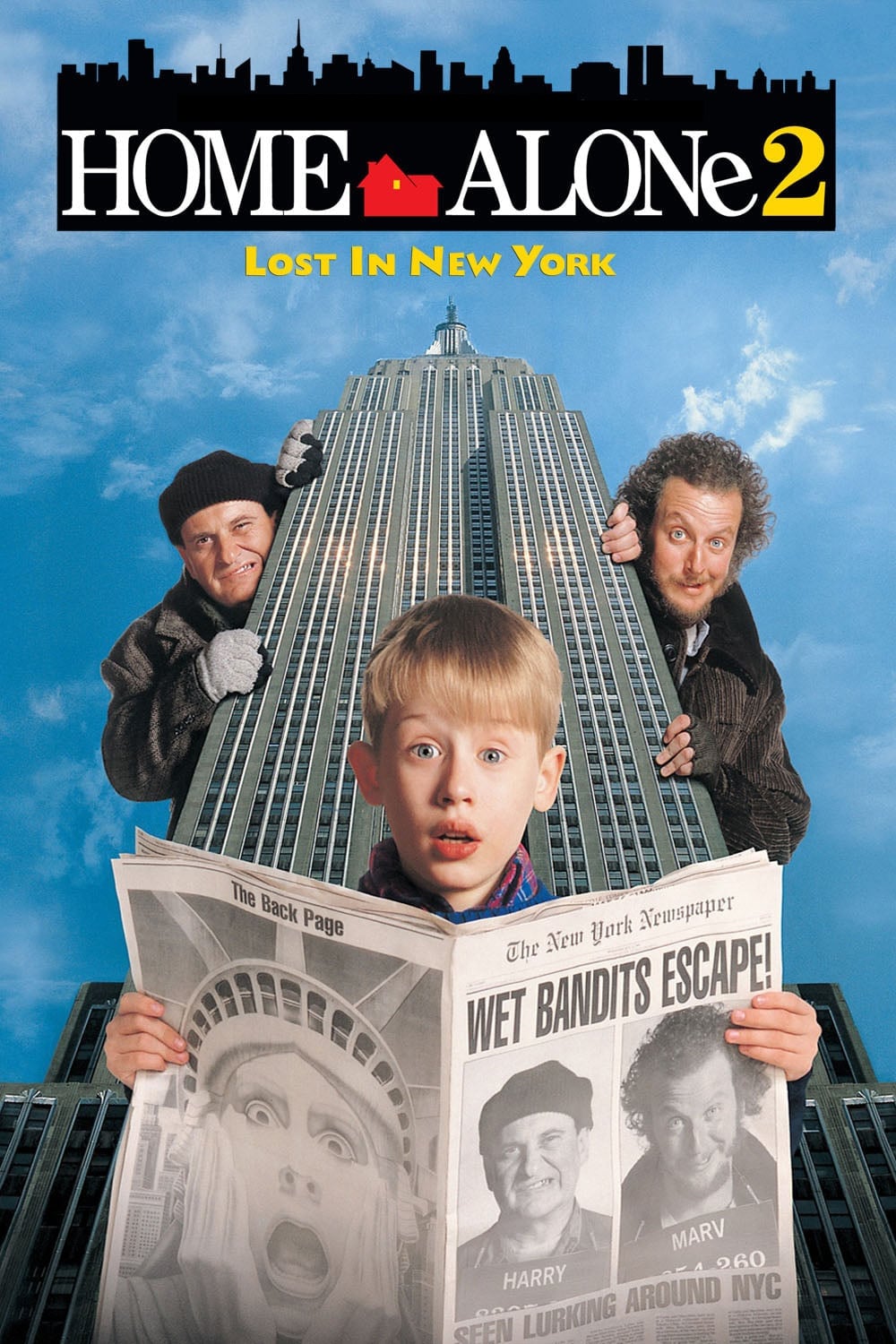
Pesci reprises his role as the short-tempered burglar Harry Lime. A year after their first encounter with Kevin McCallister, Harry and his partner Marv escape from prison and end up in New York City. By a stroke of bad luck, they run into Kevin once again and plot their revenge, only to fall into another series of painful and elaborate traps.
While it was a financial success, Home Alone 2 was not as well-liked by critics as the original. Many reviewers felt it was a lazy sequel that essentially remade the first film but with more violent and less charming slapstick. They criticized it for its lack of originality, arguing it was a bigger, louder rehash of a story that had already been told.
Moonwalker (1988) – 38%
Moonwalker is an experimental anthology film starring Michael Jackson. It is a collection of short films and music videos, with the centerpiece being the “Smooth Criminal” segment. In this extended sequence, Joe Pesci plays the villainous Mr. Big, a powerful drug lord who wants to get the entire world’s children addicted to his drugs.
Critical reception for Moonwalker was mixed, with many seeing it as a vanity project for Michael Jackson. Pesci’s role as the over-the-top villain was noted, but reviewers were divided on the film as a whole. Some called it a creative and visually impressive spectacle, while others found it to be disjointed and self-indulgent.
Easy Money (1983) – 42%
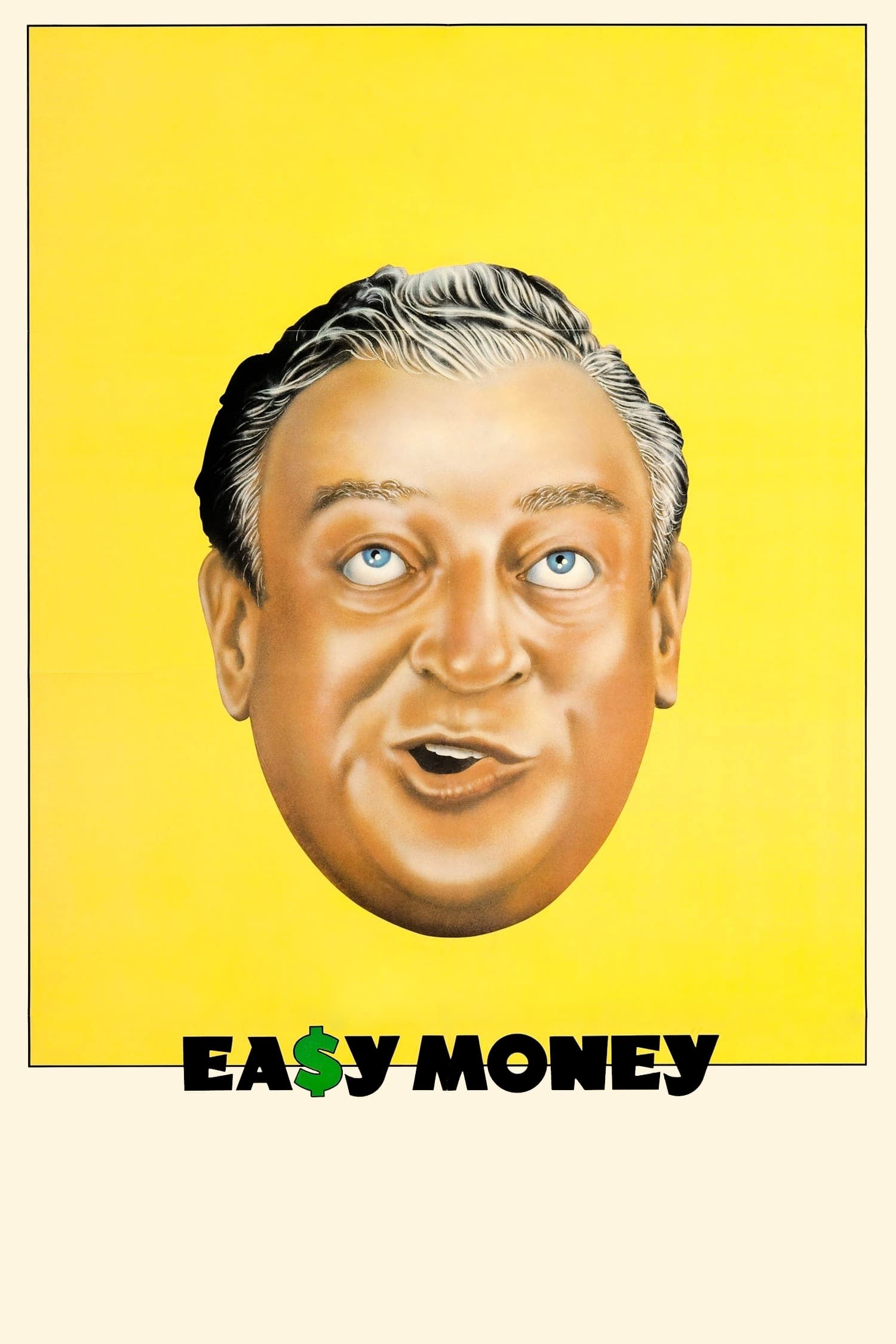
In this comedy, Rodney Dangerfield stars as a hard-partying baby photographer who learns he will inherit a massive fortune from his wealthy mother-in-law. There’s just one catch: to get the money, he must give up all of his bad habits, including drinking, smoking, and gambling, for an entire year. Pesci plays Nicky Cerone, his best friend who gets roped into his schemes.
Easy Money received a lukewarm response from critics. Most reviews stated that the film was essentially just a vehicle for Rodney Dangerfield’s stand-up persona and that its plot was thin. While it offered some laughs for fans of Dangerfield, many critics found it to be a fairly standard and forgettable 80s comedy.
Betsy’s Wedding (1990) – 50%
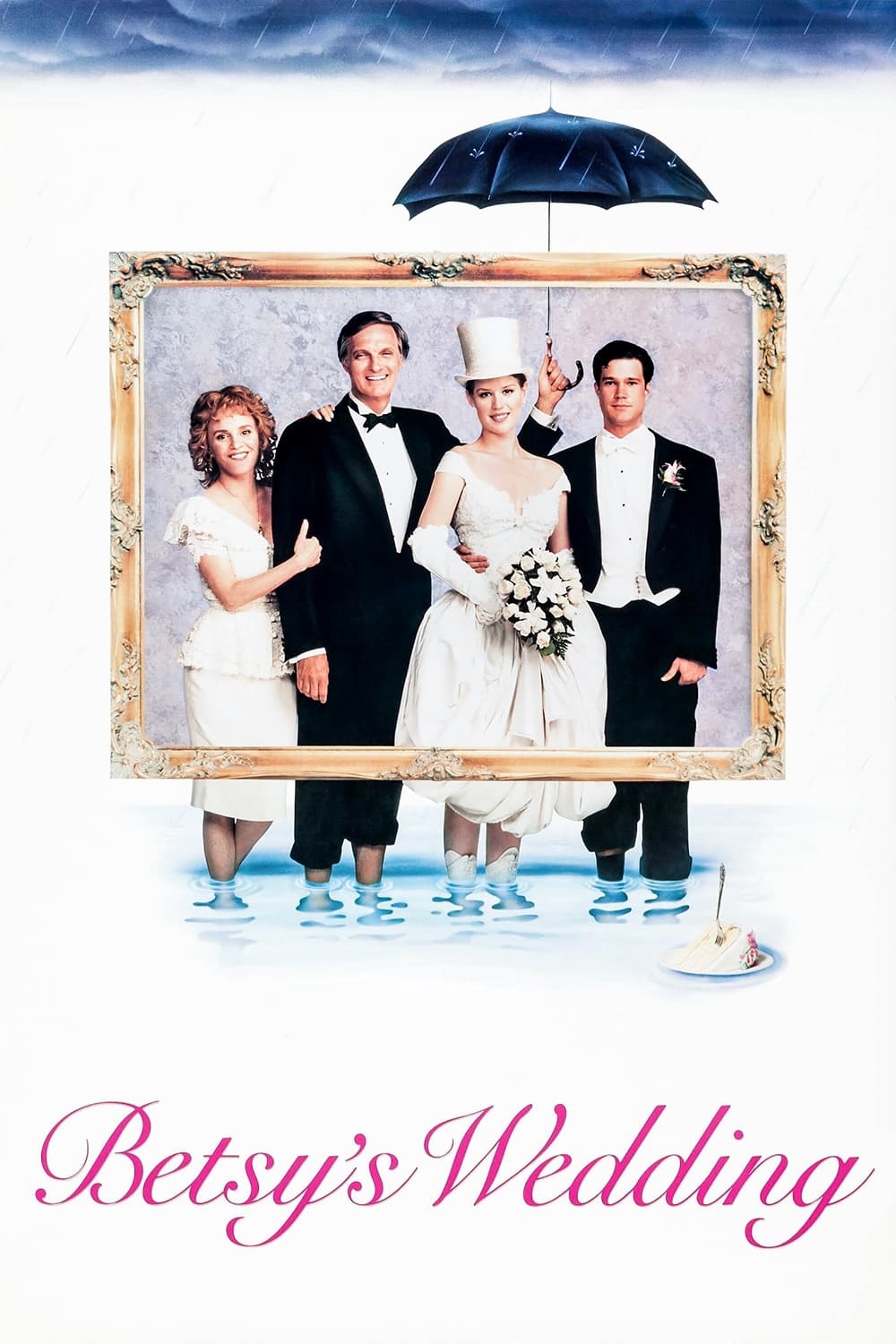
Written, directed by, and starring Alan Alda, this film is about a father who wants to throw the perfect wedding for his daughter, Betsy. To afford the lavish ceremony, he gets a loan from his sleazy brother-in-law, played by Joe Pesci. This decision brings him into contact with the mob, creating a series of stressful and comedic problems.
Betsy’s Wedding split critics right down the middle, leading to its 50% score. Some reviewers found it to be a warm and charming family comedy with a strong cast. Others thought it was messy and unfocused, trying to juggle too many characters and subplots without giving any of them enough attention.
Eureka (1983) – 50%
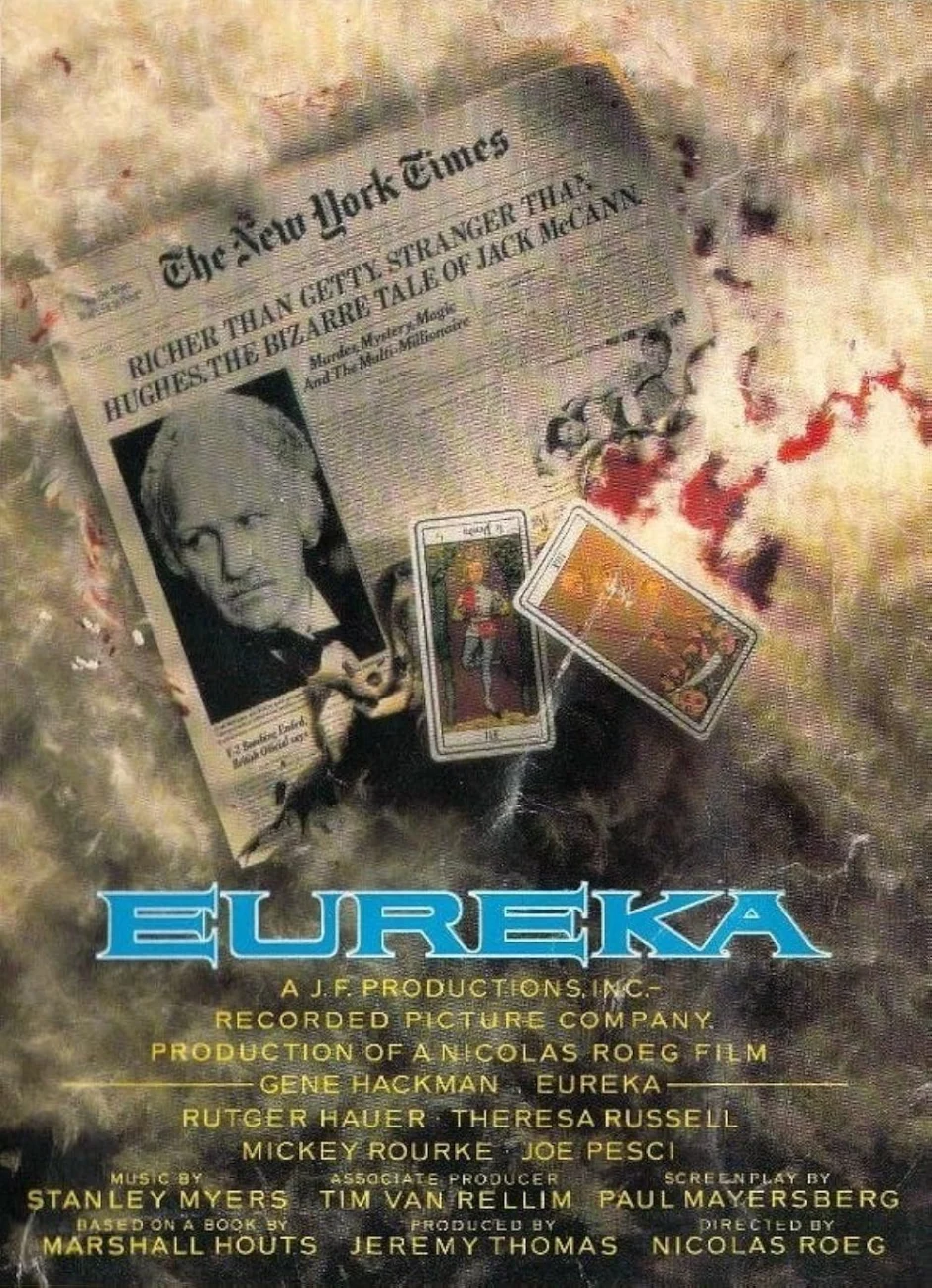
Eureka is a psychological drama about a gold prospector who becomes one of the world’s richest men after a massive discovery in the Arctic. Twenty years later, he is living on a Caribbean island, but his immense wealth has brought him nothing but paranoia, family strife, and enemies. Pesci has a supporting role as a Miami-based mob boss.
The film’s reception was divisive. Its supporters praised its ambition, complex themes, and striking visuals, calling it a unique and challenging work. However, its detractors found it to be a disjointed and often boring mess, criticizing its slow pace and confusing narrative structure.
Lethal Weapon 4 (1998) – 52%

In the final installment of the series, Pesci returns as the fast-talking informant Leo Getz, now working as a private investigator. He once again gets entangled with detectives Riggs and Murtaugh, this time as they investigate a human trafficking ring run by the Chinese Triads. His character provides comic relief throughout the action-packed story.
Critics were moderately positive about Lethal Weapon 4. Many felt that the formula was getting old and that the film relied too heavily on familiar jokes and action sequences. However, others praised the chemistry of the cast and admitted that, while not original, the movie was still an entertaining and enjoyable ride for fans of the franchise.
The Good Shepherd (2006) – 55%

Directed by Robert De Niro, this film tells the story of the founding of the Central Intelligence Agency (CIA). It follows Edward Wilson (Matt Damon), a patriotic Yale student who is recruited to become a spy, a path that forces him to sacrifice his family and his ideals. Pesci appears in a small but significant role as Joseph Palmi, a mob boss who Wilson consults.
The Good Shepherd received a mixed but slightly positive reception. Critics praised its ambition, attention to historical detail, and strong performances. However, many found the film to be too long, slow, and emotionally distant, making it a respectable but ultimately cold and unengaging spy drama.
Lethal Weapon 3 (1992) – 58%
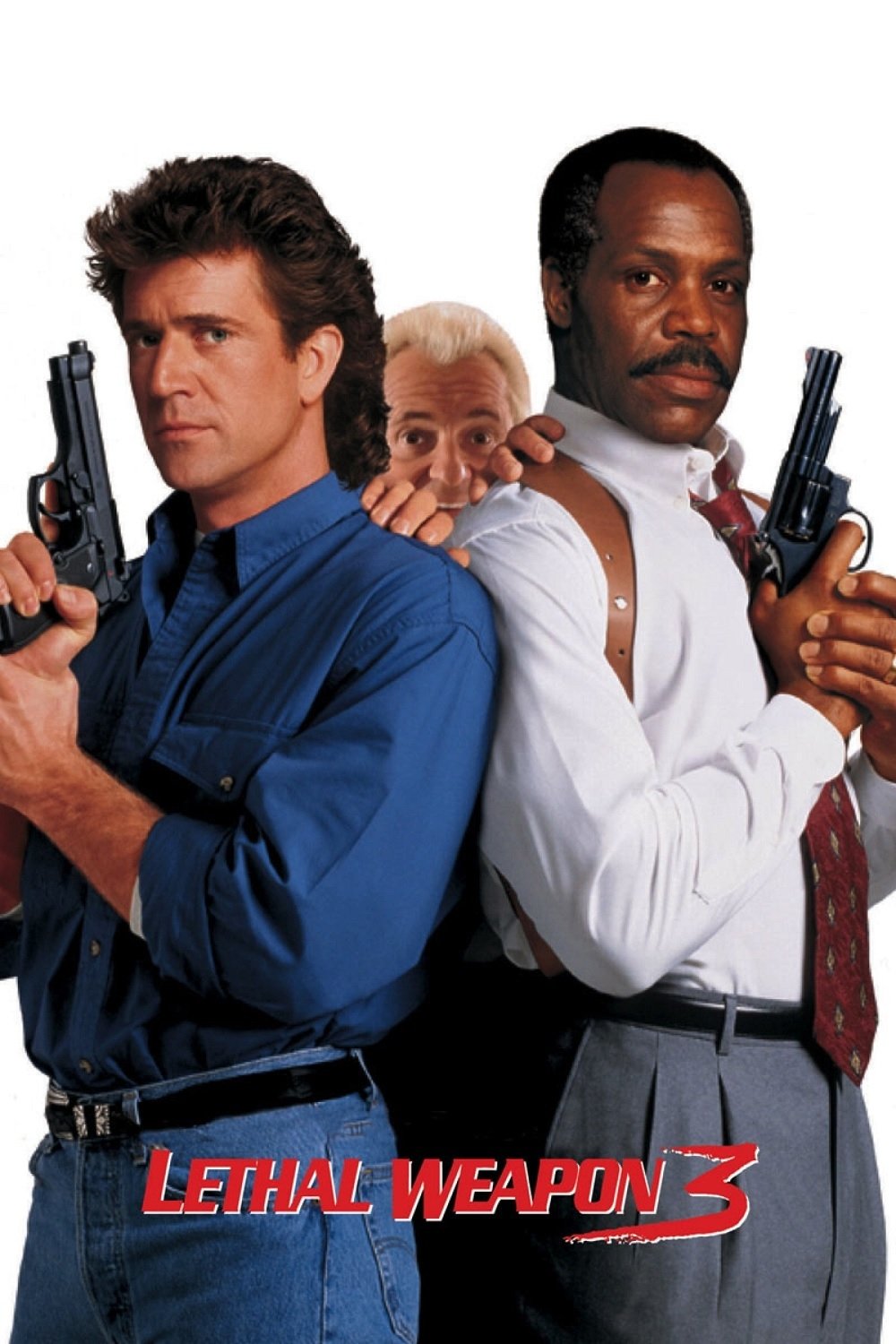
Pesci returns as Leo Getz in the third film of the action franchise. This time, Riggs and Murtaugh are demoted to traffic duty but soon find themselves investigating a case involving stolen guns from a police impound. Leo, now a legitimate real estate agent, gets involved when he tries to sell a house to Murtaugh and becomes a key witness in their case.
The critical response to Lethal Weapon 3 was fairly average. Most reviewers agreed that the film was fun and action-packed, delivering what fans had come to expect. At the same time, many pointed out that the series was showing signs of creative fatigue and that the plot was weaker than in the previous films.
The Public Eye (1992) – 62%
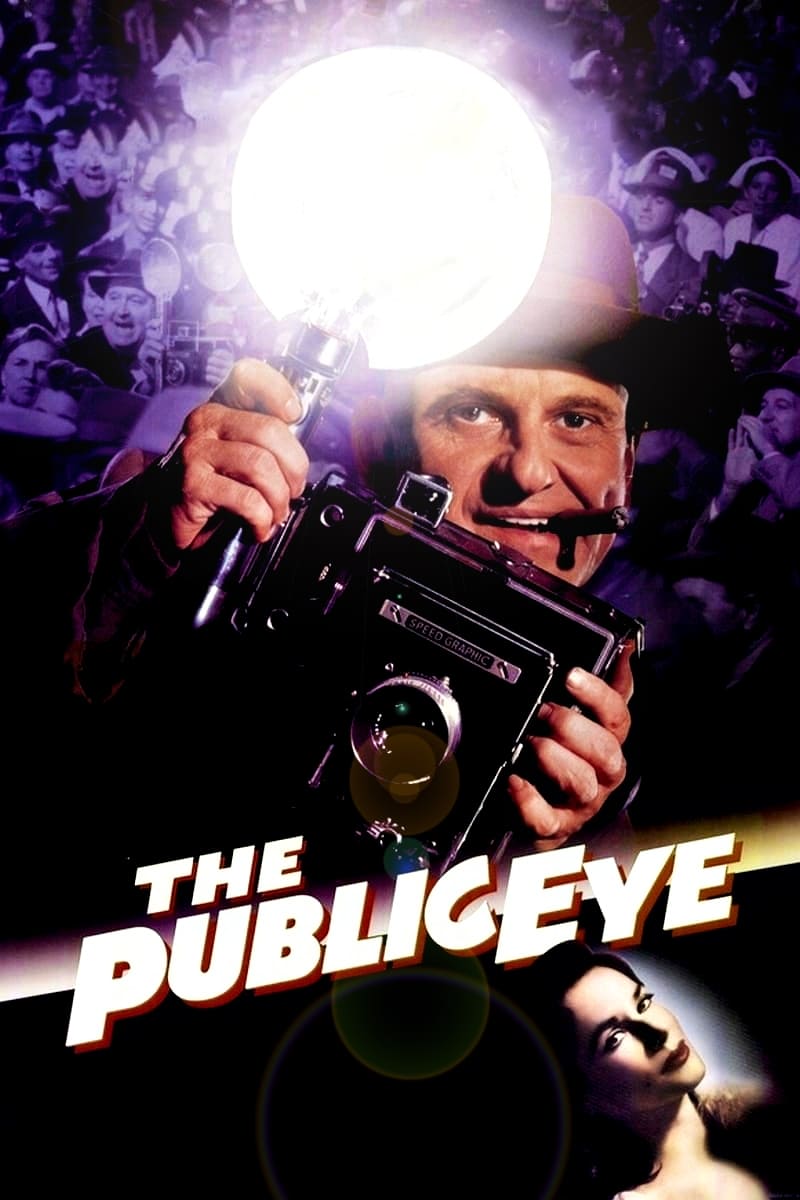
Inspired by the famous street photographer Weegee, this film stars Pesci as Leon “Bernzy” Bernstein, a freelance crime photographer in 1940s New York City. Known for arriving at crime scenes before the police, he becomes entangled in a dangerous world of mobsters and federal agents after a beautiful nightclub owner asks for his help.
Critics gave The Public Eye generally positive reviews, with most of the praise directed at Pesci’s lead performance. Many reviewers noted that it was a rare chance for him to play a more subtle and romantic lead, and he carried the film well. While some found the plot a bit predictable, the movie was commended for its stylish look and compelling central character.
Home Alone (1990) – 67%

In this classic holiday comedy, Pesci plays Harry Lime, one half of the “Wet Bandits,” a duo of incompetent burglars. When eight-year-old Kevin McCallister is accidentally left behind by his family during Christmas vacation, Harry and his partner Marv target the empty house for a robbery. They are met with a surprising and painful defense from the resourceful child.
Home Alone was a massive box office hit and received mostly positive reviews. Though some critics found the slapstick violence to be a bit much and the story thin, most agreed that it was a funny and heartwarming film. Pesci’s performance as the constantly frustrated burglar was singled out as a comedic highlight.
Casino (1995) – 79%

In his third collaboration with Martin Scorsese, Pesci plays Nicky Santoro, a violent and unpredictable mob enforcer. He is sent to Las Vegas to protect his childhood friend, Sam “Ace” Rothstein (Robert De Niro), who runs a mob-owned casino. Nicky’s reckless ambition and violent temper soon spiral out of control, threatening to bring down the entire operation.
Critics praised Casino for its epic scope, stylish direction, and powerful performances, particularly from Pesci. His portrayal of the terrifying Nicky Santoro was seen as another iconic gangster role. Some reviewers criticized the film for being too similar to Goodfellas, but most saw it as a compelling and brilliantly crafted story of greed and betrayal.
Lethal Weapon 2 (1989) – 82%
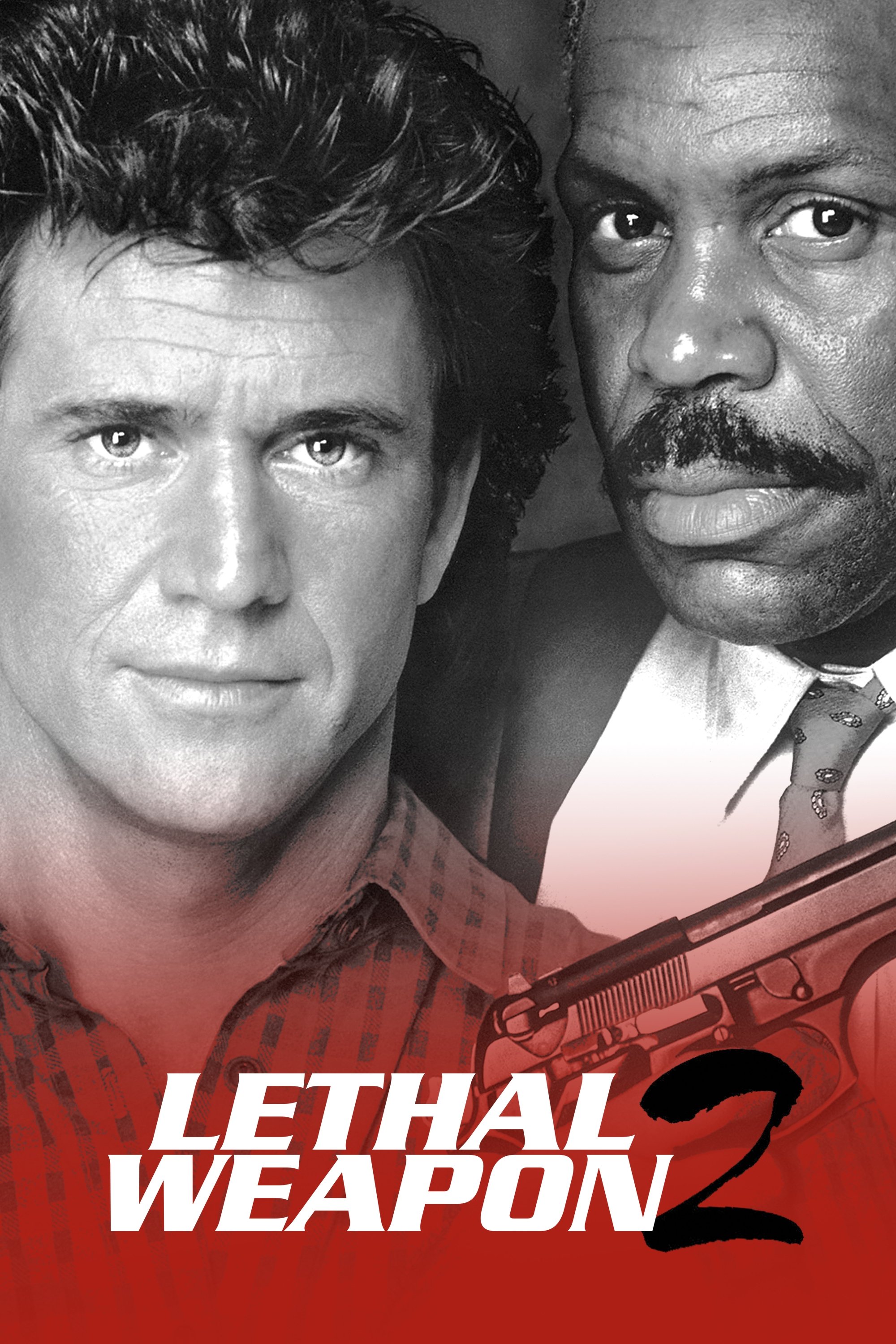
This sequel introduced Joe Pesci to the franchise as Leo Getz, a talkative and annoying federal witness that Riggs and Murtaugh are assigned to protect. Leo laundered money for South African diplomats who are using their diplomatic immunity to cover up a massive drug-smuggling operation. His character added a new layer of comedy to the action-packed series.
Lethal Weapon 2 was a huge success with critics and audiences. Reviewers praised the addition of Pesci’s character, noting that he brought a fresh comedic energy that perfectly complemented the dynamic between Mel Gibson and Danny Glover. The film was celebrated for being a rare sequel that was just as exciting and entertaining as the original.
JFK (1991) – 84%
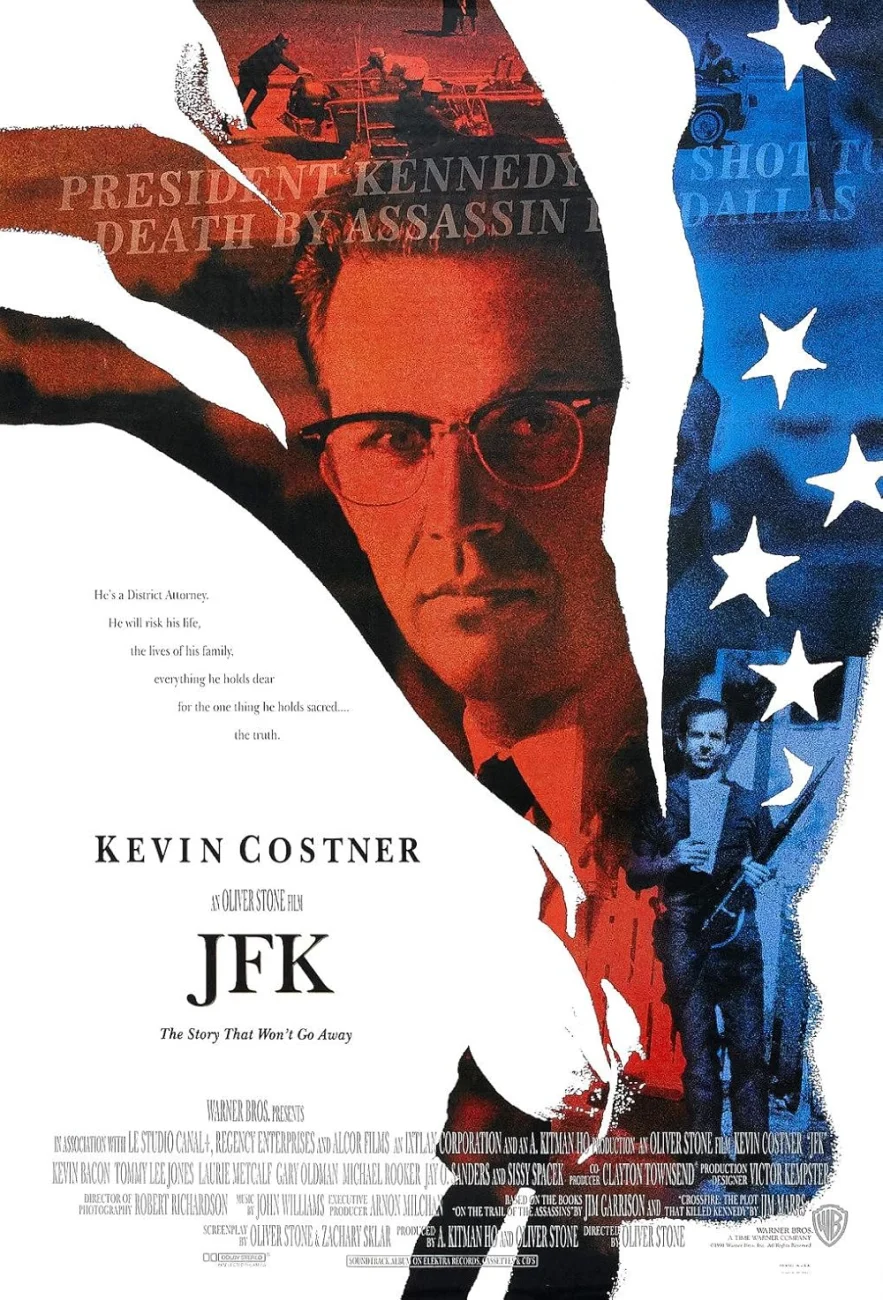
Oliver Stone’s controversial film examines the investigation into the assassination of President John F. Kennedy, led by New Orleans District Attorney Jim Garrison. Joe Pesci plays a key role as David Ferrie, a mysterious private pilot and alleged conspirator who Garrison believes was connected to Lee Harvey Oswald and the CIA.
JFK was highly praised for its technical brilliance, powerful acting, and ambitious storytelling, though it drew criticism for its historical inaccuracies. Pesci’s performance as the paranoid and frantic David Ferrie was widely acclaimed as one of the film’s standout supporting roles, adding a jolt of nervous energy to the conspiracy thriller.
My Cousin Vinny (1992) – 86%
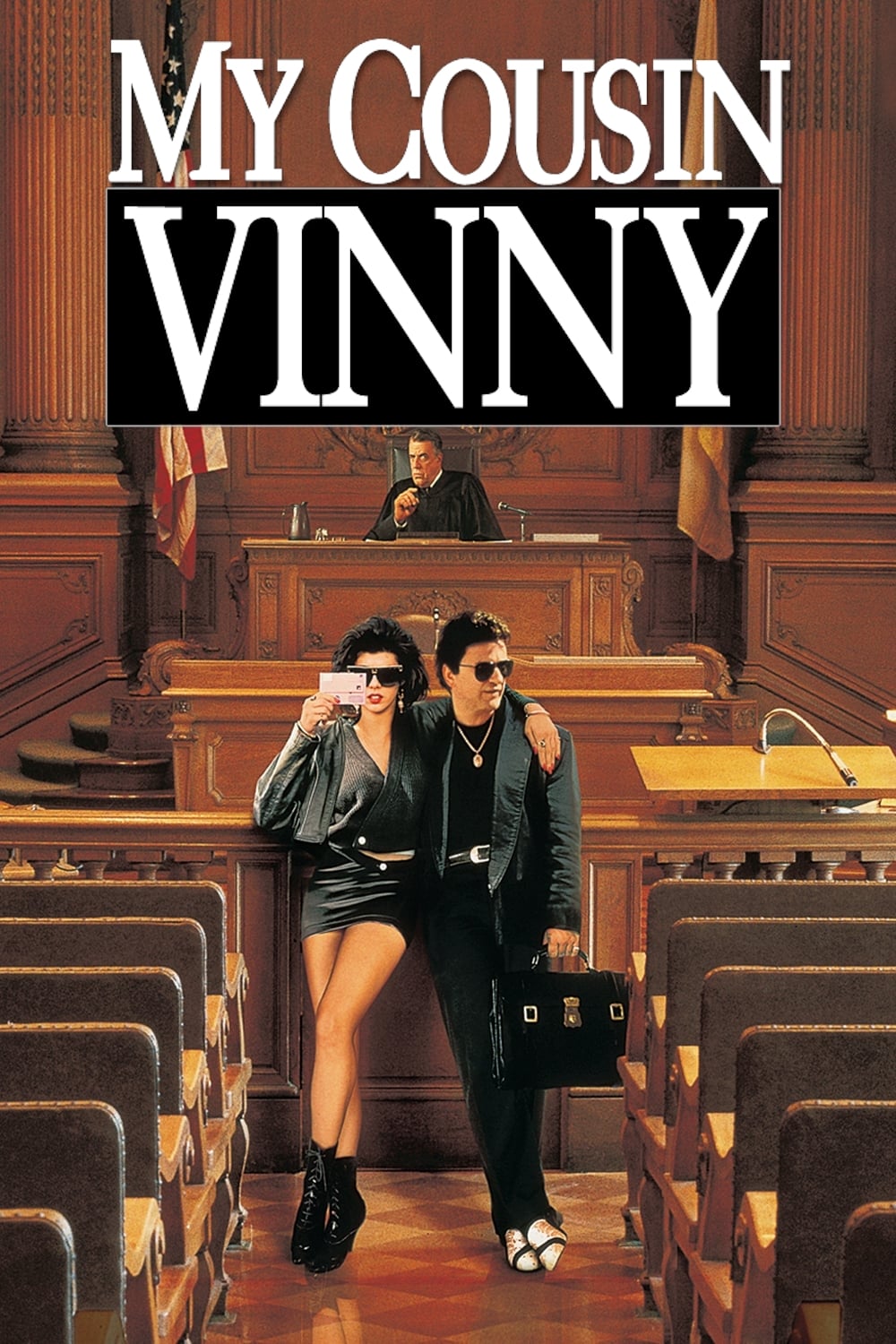
In one of his most beloved roles, Joe Pesci stars as Vinny Gambini, a loud, inexperienced personal injury lawyer from Brooklyn. He travels to rural Alabama to defend his young cousin, who has been wrongly accused of murder. With no trial experience, Vinny must use his street smarts and unconventional methods to navigate the rigid southern courtroom.
Critics adored My Cousin Vinny, celebrating it as a sharp, funny, and clever courtroom comedy. Pesci’s performance was universally praised as pitch-perfect, balancing comedy with genuine heart. The film was also complimented for its surprisingly accurate depiction of legal procedure, making it a hit with both critics and legal professionals.
Once Upon a Time in America (1984) – 87%
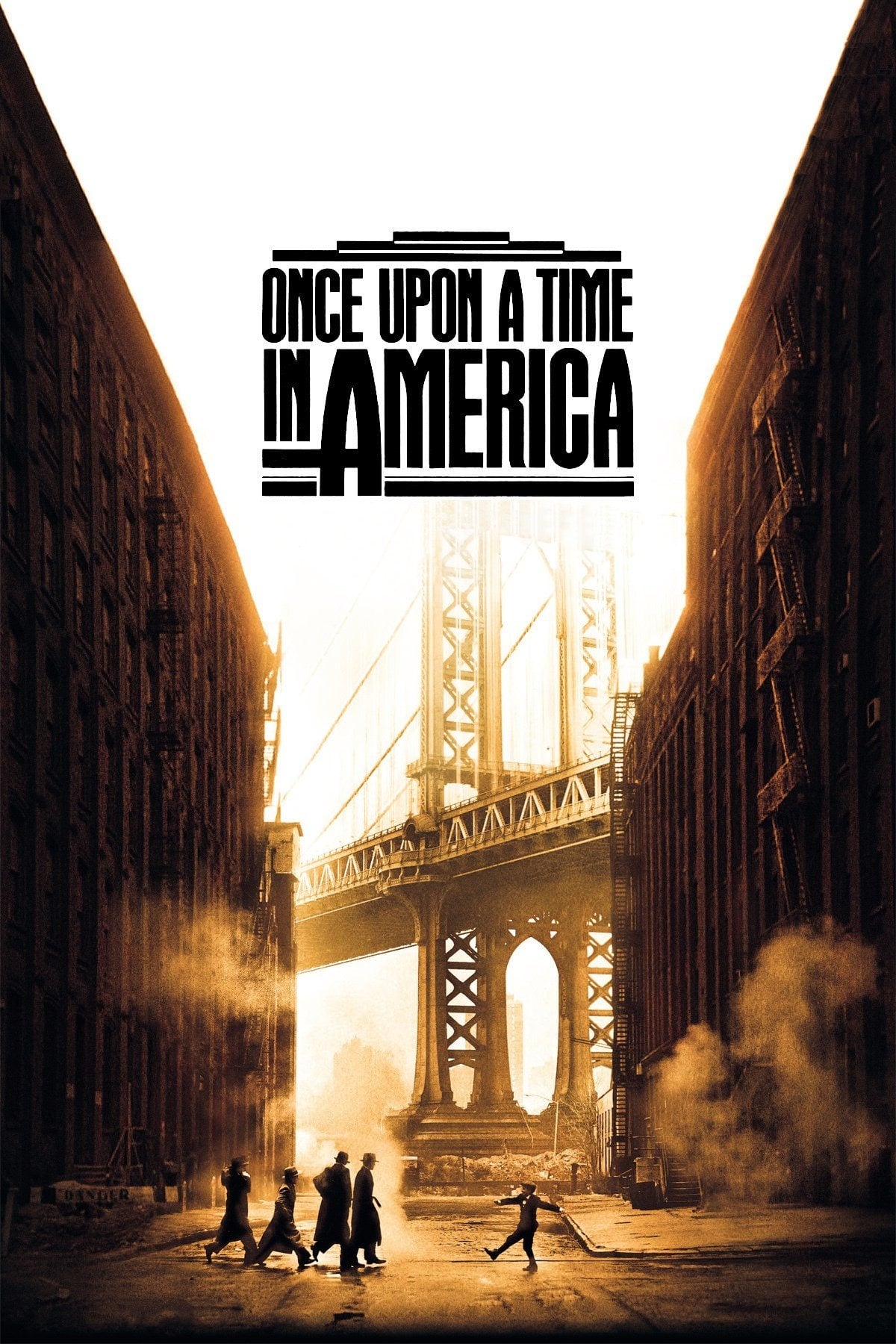
Sergio Leone’s final film is a sprawling gangster epic that spans several decades. It follows the lives of a group of Jewish friends from a poor neighborhood in New York City who rise to become powerful Prohibition-era gangsters. Pesci plays Frankie Monaldi, a local mob boss who interacts with the main characters as they climb the criminal ladder.
Though its initial American release was heavily cut and poorly received, the restored, full-length version of Once Upon a Time in America is now considered a masterpiece. Critics have praised Leone’s ambitious direction, the film’s emotional depth, and its powerful examination of friendship, memory, and betrayal. Pesci’s role is part of a large, impressive ensemble cast.
Raging Bull (1980) – 93%
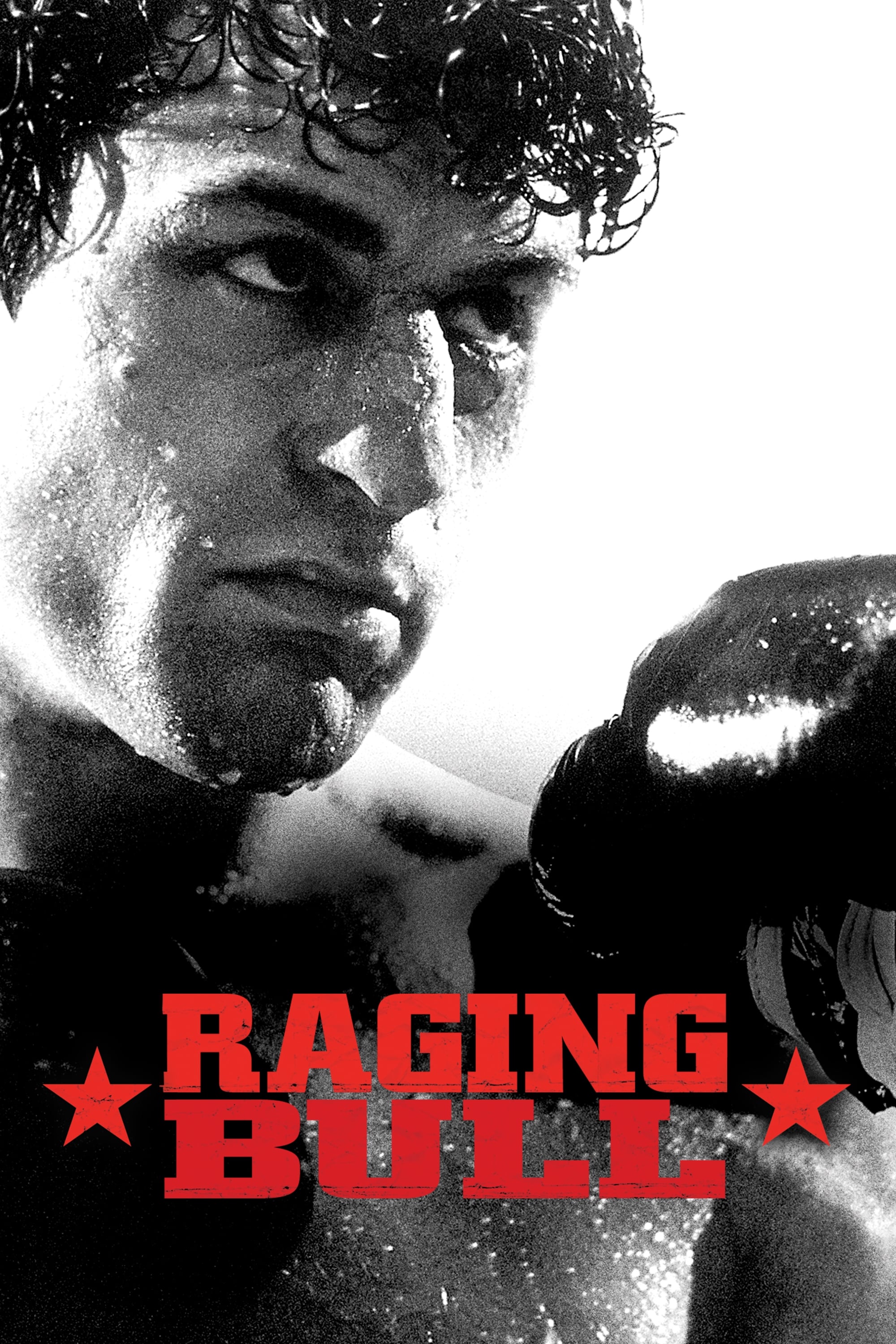
In his first major collaboration with Martin Scorsese, Pesci plays Joey LaMotta, the younger brother and manager of middleweight boxer Jake LaMotta (Robert De Niro). Joey tries to guide his brother’s career while dealing with Jake’s self-destructive rage and paranoia, which ultimately poisons their relationship and destroys their family.
Raging Bull is widely regarded as one of the greatest films ever made. Pesci’s performance earned him his first Academy Award nomination for Best Supporting Actor. Critics hailed his portrayal as brilliant, providing a calm and rational counterpoint to De Niro’s explosive lead role. The film was praised for its stark black-and-white cinematography and its unflinching look at toxic masculinity.
Goodfellas (1990) – 95%
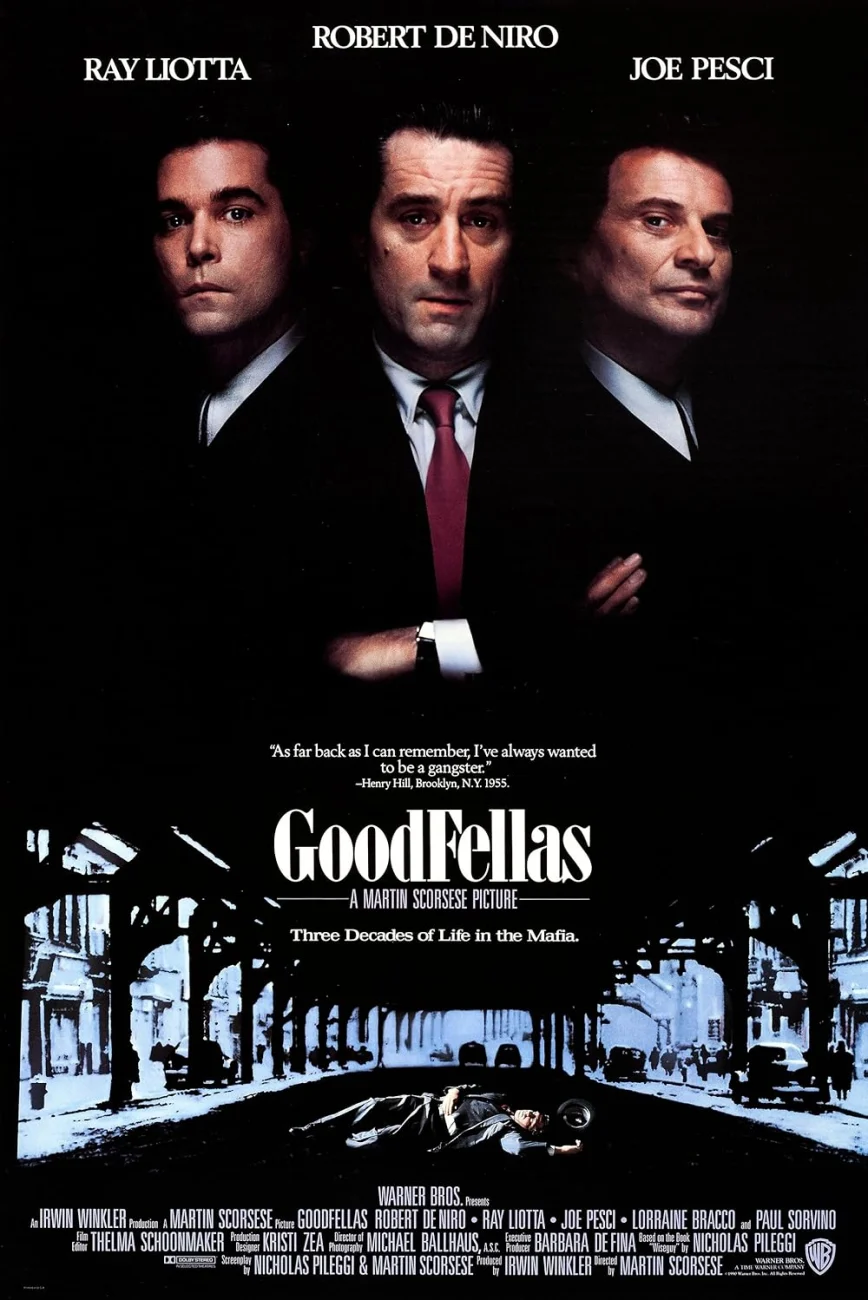
Pesci delivered one of his most iconic performances as Tommy DeVito, a volatile and terrifyingly unpredictable mobster in Martin Scorsese’s gangster classic. Based on a true story, the film chronicles the rise and fall of mob associate Henry Hill. Tommy is his close friend, whose violent outbursts and hair-trigger temper make him one of the most dangerous figures in their crew.
For his unforgettable role, Pesci won the Academy Award for Best Supporting Actor. Goodfellas was hailed by critics as a cinematic masterpiece, celebrated for its energetic style, brilliant script, and flawless performances. Pesci’s portrayal of Tommy DeVito is considered one of the most frightening and memorable villains in film history.
The Irishman (2019) – 95%
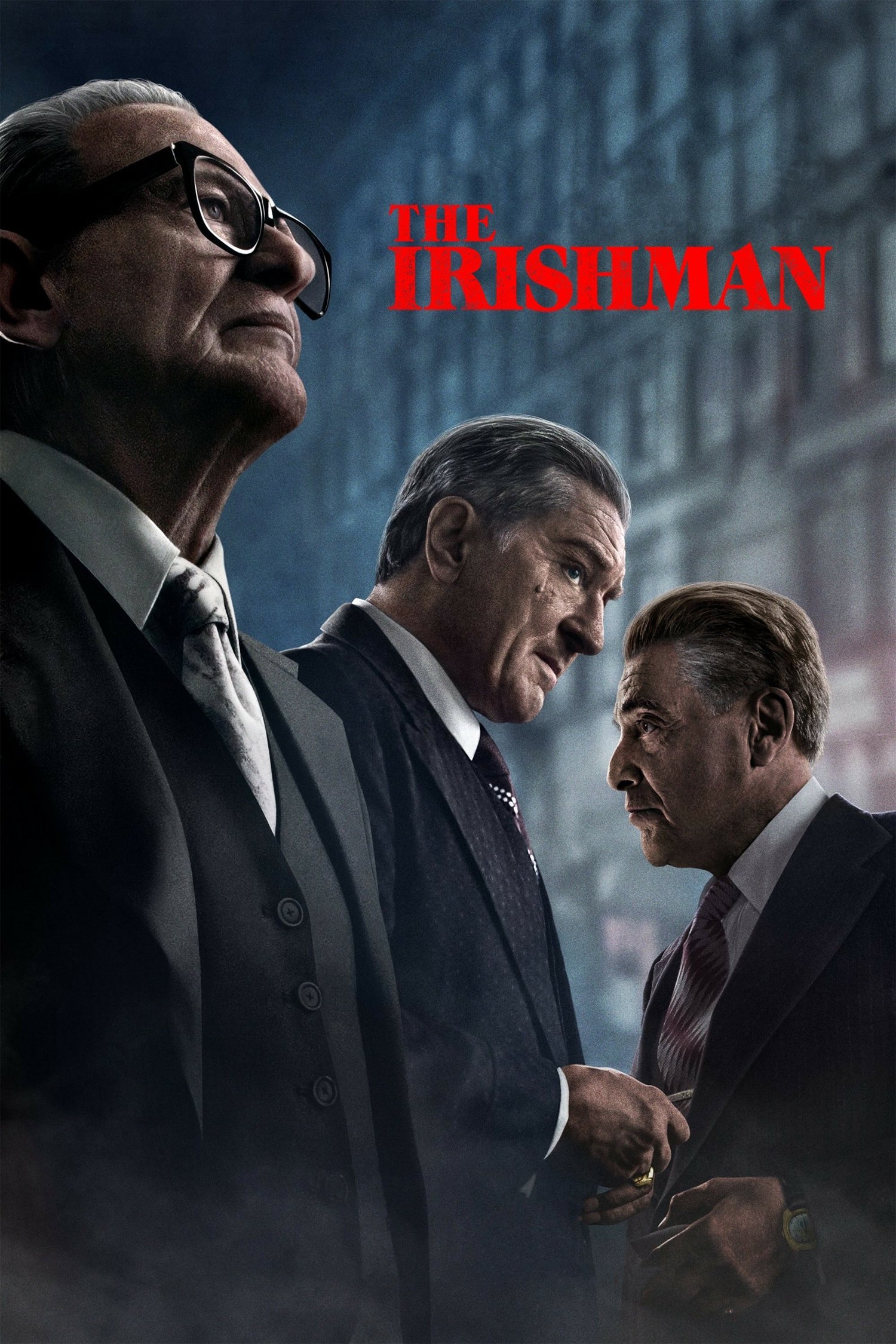
After years in retirement, Pesci returned to the screen for another Martin Scorsese epic. He plays Russell Bufalino, a quiet and powerful Pennsylvania crime boss who takes truck driver Frank Sheeran (Robert De Niro) under his wing. In a departure from his explosive roles, Pesci’s Bufalino is a man of few words, whose authority comes from his calm, calculated demeanor.
The Irishman received widespread critical acclaim, with many calling it a masterful and reflective conclusion to Scorsese’s gangster sagas. Pesci’s restrained and subtle performance was singled out as a highlight, earning him his third Academy Award nomination. Critics praised his ability to convey immense power and menace through quiet gestures and soft-spoken commands.
A Bronx Tale (1993) – 97%
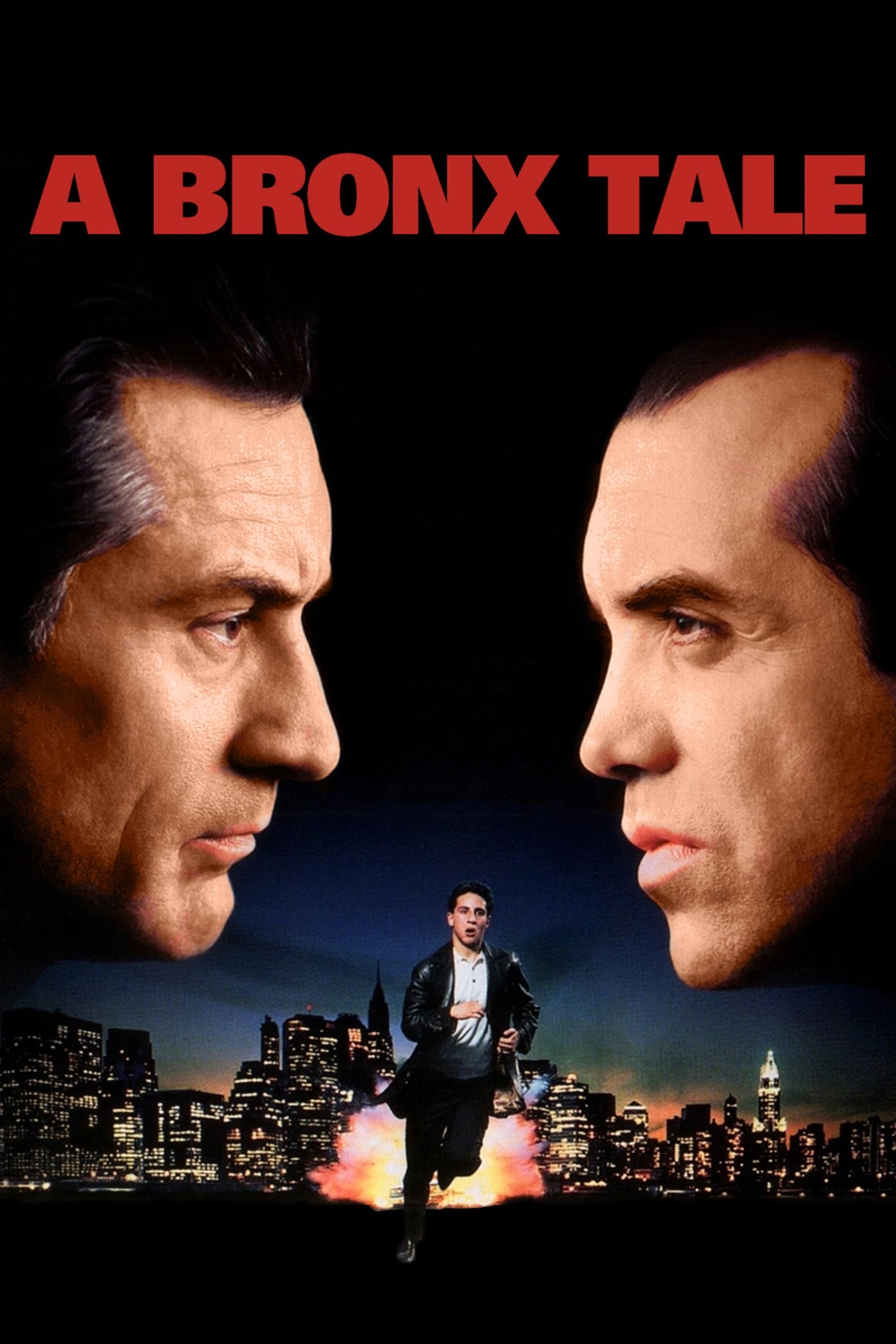
Directed by Robert De Niro, this film tells the story of a young boy named Calogero who is torn between two father figures: his honest, hardworking bus driver father and a charismatic local mob boss named Sonny. Pesci appears in a brief but memorable cameo as Carmine, a visiting crime boss who recognizes Sonny’s authority in the neighborhood.
A Bronx Tale is the highest-rated film of Joe Pesci’s career, earning near-universal praise from critics. Reviewers loved its heartfelt story, rich characters, and strong sense of time and place. Though Pesci’s role is small, the film as a whole was celebrated as a moving and powerful coming-of-age drama.