

25 Exceptional TV Series That Improve with Each Season

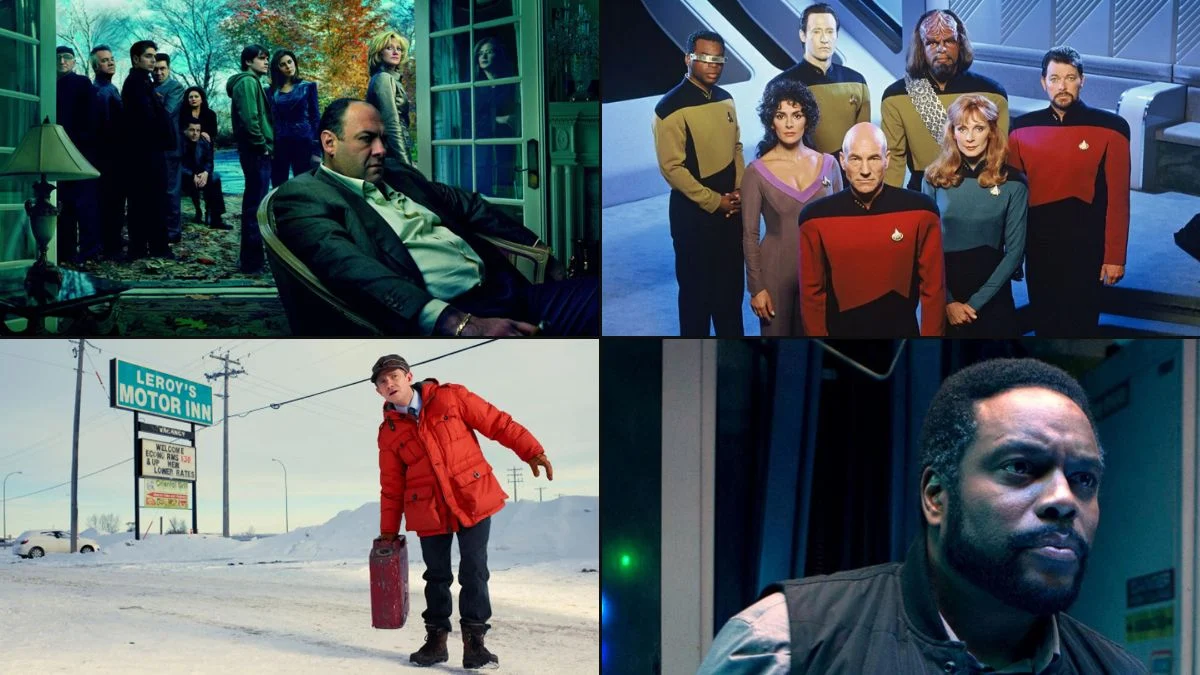

Many television shows start strong, grabbing audiences with a compelling pilot and a promising first season. However, maintaining that quality, let alone building upon it, is a rare feat. More often than not, series can lose their way, with storylines becoming repetitive or characters failing to evolve in meaningful ways. The pressure to produce a certain number of episodes per season can lead to filler content and a decline in the sharp writing that initially hooked viewers. It is a special kind of show that defies this trend, rewarding loyal fans with a viewing experience that gets richer and more complex over time.
The television series on this list represent that rare breed. These are the shows that took time to find their footing, iron out early kinks, or deepen their initial premises into something truly extraordinary. Whether through bolder storytelling, more nuanced character development, or a willingness to reinvent themselves, each of these 25 shows managed to not only sustain their quality but to improve upon it with each passing season. They stand as a testament to the power of long-form storytelling and the creative possibilities that can unfold when a show is given the space to grow.
Breaking Bad (2008–2013)
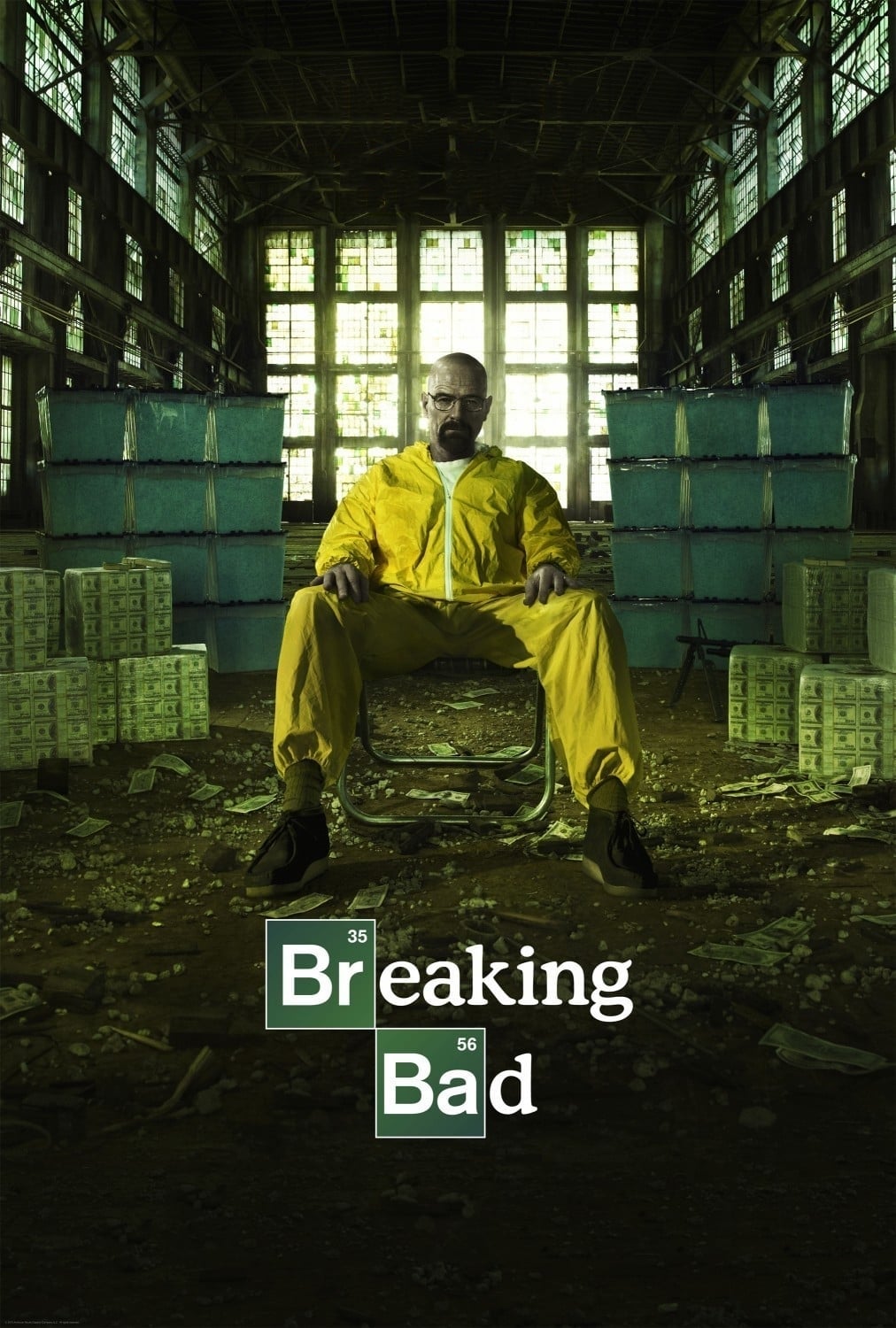
The first season of Breaking Bad introduces a compelling premise: a high school chemistry teacher turns to cooking meth after a cancer diagnosis. While the initial episodes are well-crafted, they only scratch the surface of the show’s potential, moving at a more measured pace as they establish the world and its characters. The show’s brilliance is not fully apparent until later seasons, where the narrative gains an unstoppable momentum.
From its second season onward, the series transforms into a tense and layered exploration of one man’s moral decay. The storytelling becomes increasingly intense as Walter White’s descent into the criminal underworld deepens, and the consequences of his actions ripple outwards, affecting everyone around him. Each subsequent season raises the stakes, with more complex villains and more intricate plotlines, solidifying its reputation as one of the greatest television dramas.
The Wire (2002–2008)
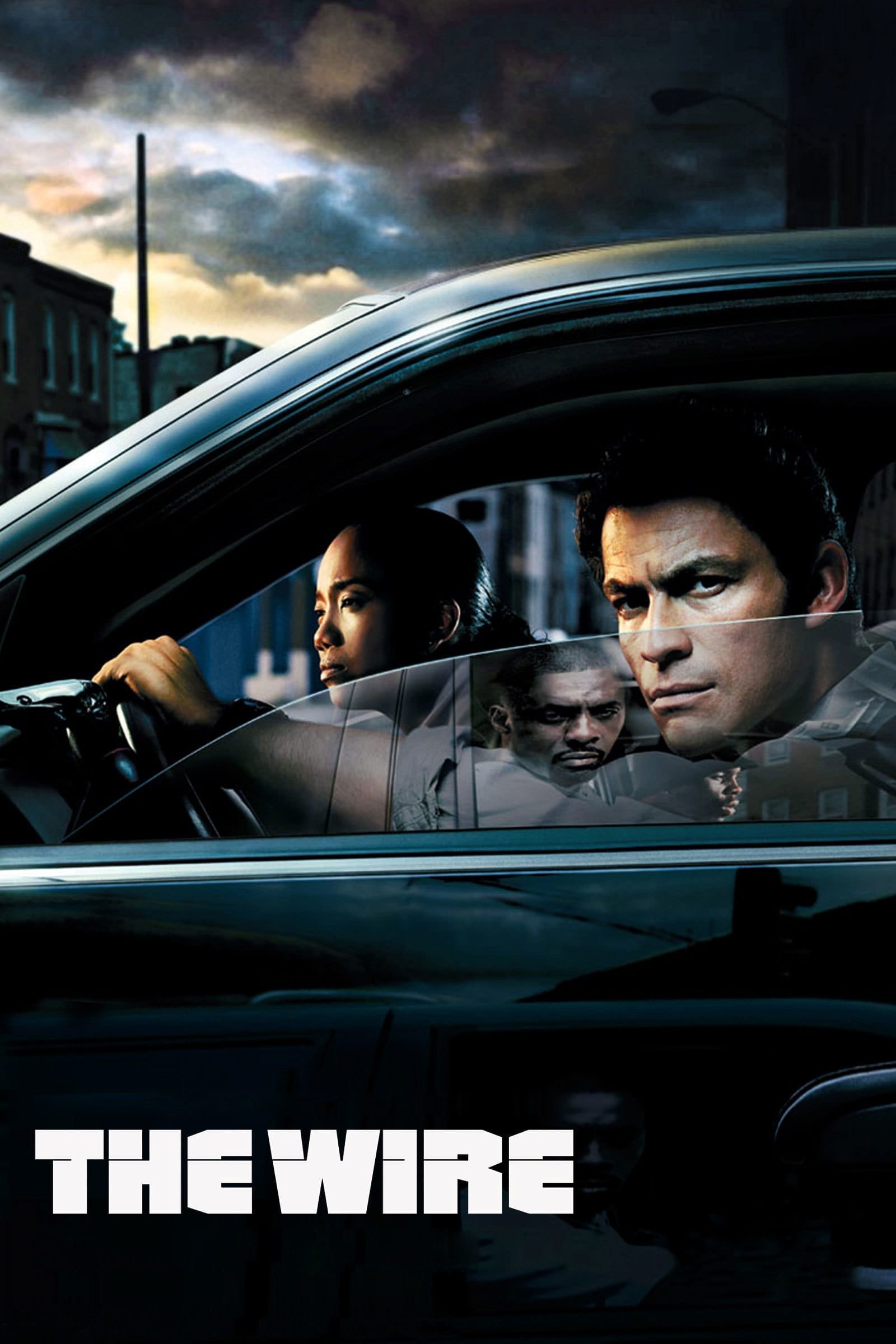
The Wire is known for its realistic portrayal of the narcotics scene in Baltimore, but its first season primarily focuses on a single drug investigation from the perspectives of both law enforcement and dealers. While critically acclaimed from the start, the show’s true scope and ambition were not fully realized until it began to expand its focus in subsequent seasons.
Each new season of The Wire shifts its attention to a different institution within the city, including the seaport system, the city government, the public school system, and the print news media. This approach allows the series to build a comprehensive and interconnected portrait of urban life and its systemic problems. The character arcs deepen as they navigate these flawed institutions, making for a richer and more profound viewing experience with each passing year.
Parks and Recreation (2009–2015)
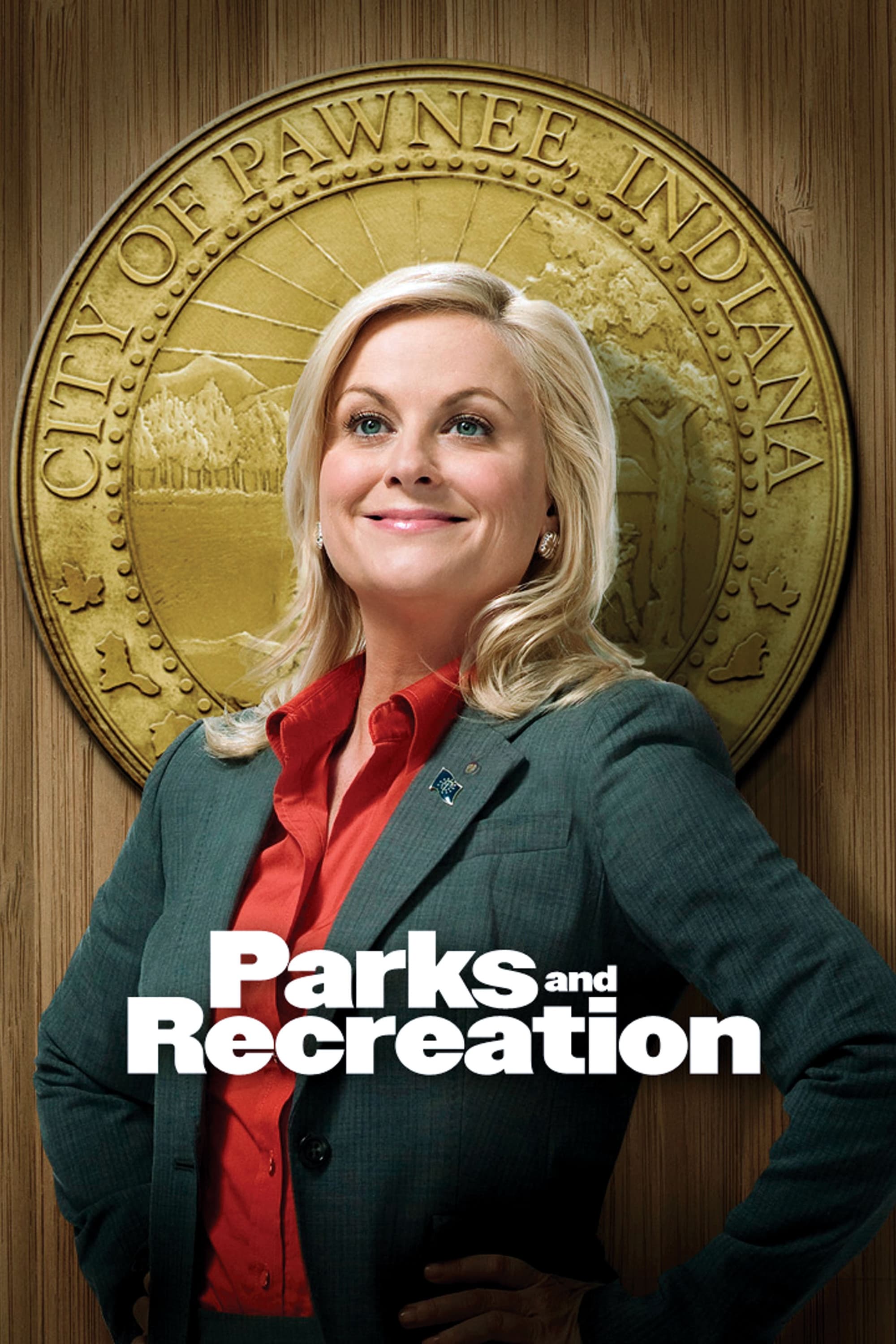
The first season of Parks and Recreation struggled to find its identity, with many dismissing it as a pale imitation of The Office. The central character, Leslie Knope, initially came across as a less endearing version of Michael Scott, and the show’s humor had yet to find its unique voice. The six-episode first season felt like a trial run that didn’t quite hit the mark.
In its second season, the show underwent a significant creative overhaul. The writers transformed Leslie into a passionate and capable public servant whose optimism was infectious. The supporting cast became more defined, and the introduction of new characters in later seasons added to the show’s dynamic. With sharper writing and a more heartfelt and optimistic tone, Parks and Recreation evolved into a beloved and consistently funny sitcom.
Mad Men (2007–2015)
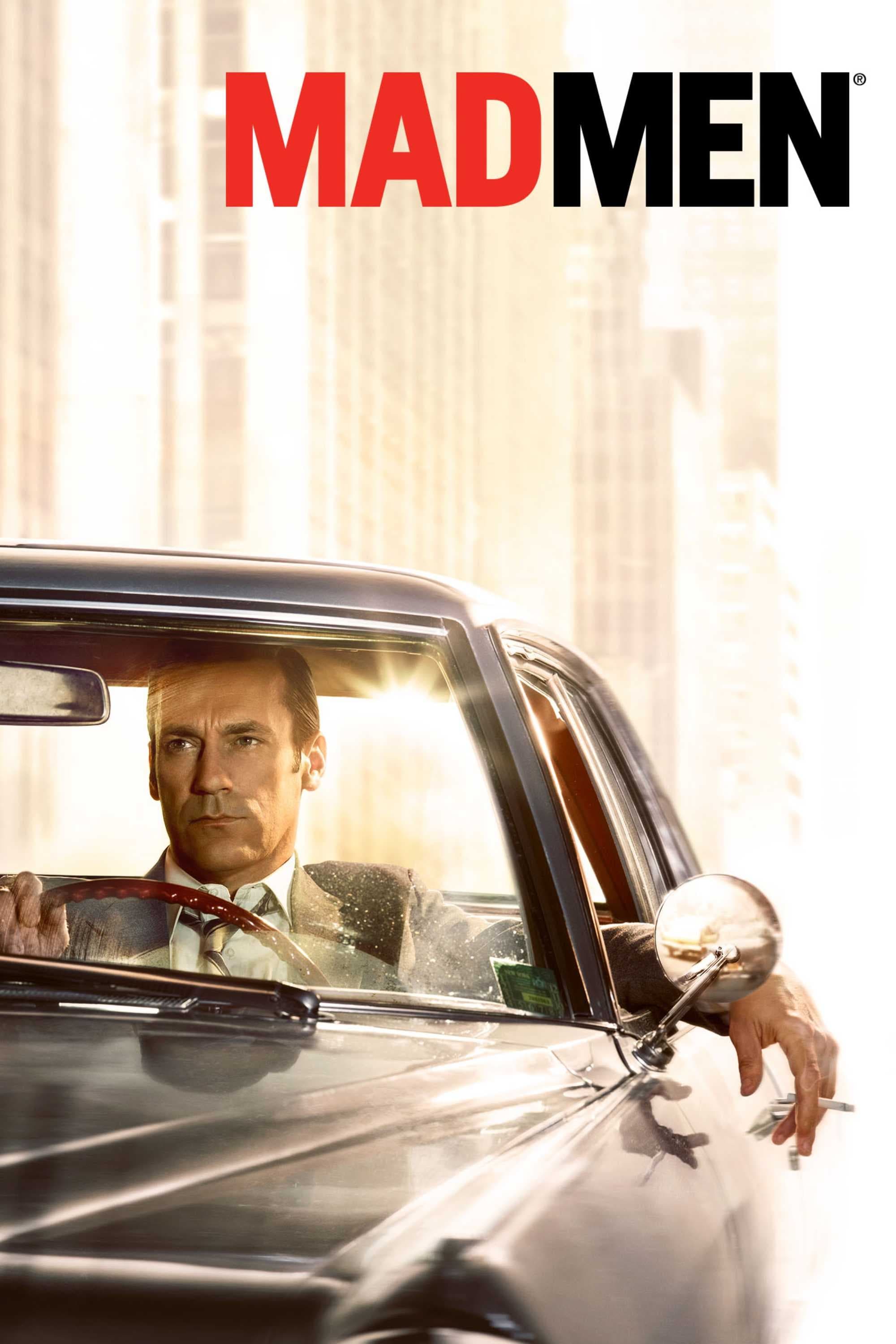
Mad Men was praised from its debut for its stylish depiction of 1960s advertising and the enigmatic figure of Don Draper. The first season effectively establishes the world of Madison Avenue and introduces a cast of compelling characters. However, the show’s early episodes are more focused on the aesthetics and mystery of its protagonist.
As the series progresses, it evolves into a deeper and more introspective character study. The show’s themes of identity, alienation, and the American Dream become more pronounced, and the supporting characters are given more complex and nuanced storylines. The later seasons are marked by more ambitious and thematically rich storytelling, offering a poignant and melancholic exploration of its characters’ lives against the backdrop of a rapidly changing decade.
The Sopranos (1999–2007)
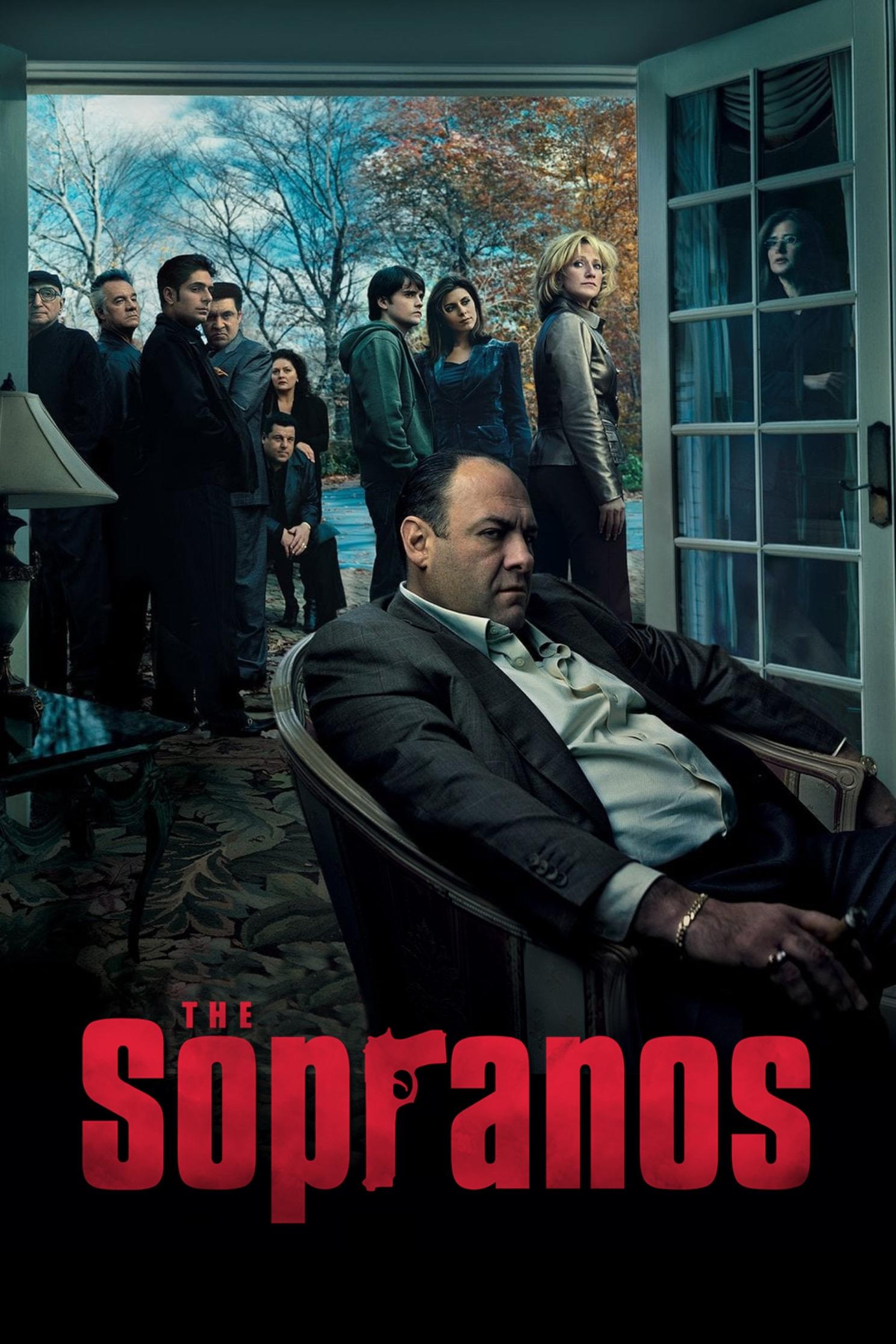
When The Sopranos first aired, it was a groundbreaking series that introduced audiences to a complex and morally ambiguous antihero in Tony Soprano. The first season was revolutionary for its time, blending the gangster genre with family drama and psychological analysis. It immediately established HBO as a home for cinematic and narratively ambitious television.
However, the show’s greatness only deepened as it progressed. Later seasons delved further into the psychological complexities of its characters, particularly Tony’s struggles with his dual roles as a family man and a mob boss. The series became more thematically ambitious, exploring concepts of morality, mortality, and the decline of American institutions. Its influence on television is immense, paving the way for a golden age of prestige dramas.
BoJack Horseman (2014–2020)
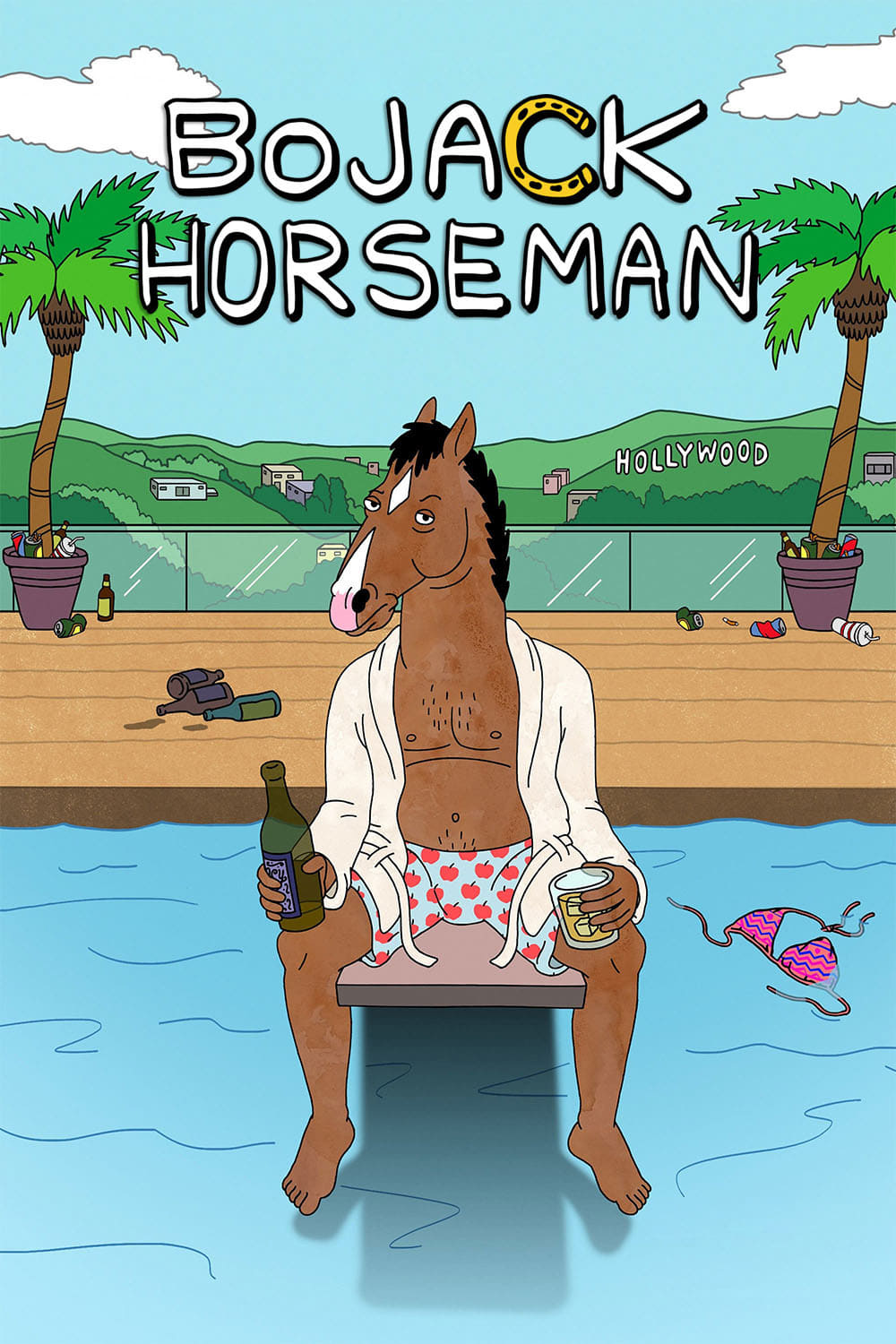
The initial season of BoJack Horseman presents itself as a fairly standard adult animated comedy, with a focus on Hollywood satire and the cynical humor of its washed-up sitcom star protagonist. While funny, the first season only hints at the emotional depth that would come to define the series.
The show truly finds its footing in its second season and continues to grow more emotionally resonant and thematically complex with each subsequent year. It masterfully balances its absurdist humor with a poignant and often dark exploration of depression, addiction, and trauma. The characters become more fully realized, and their struggles are treated with a surprising amount of nuance and sincerity, making it one of the most profound shows of its time.
The Leftovers (2014–2017)
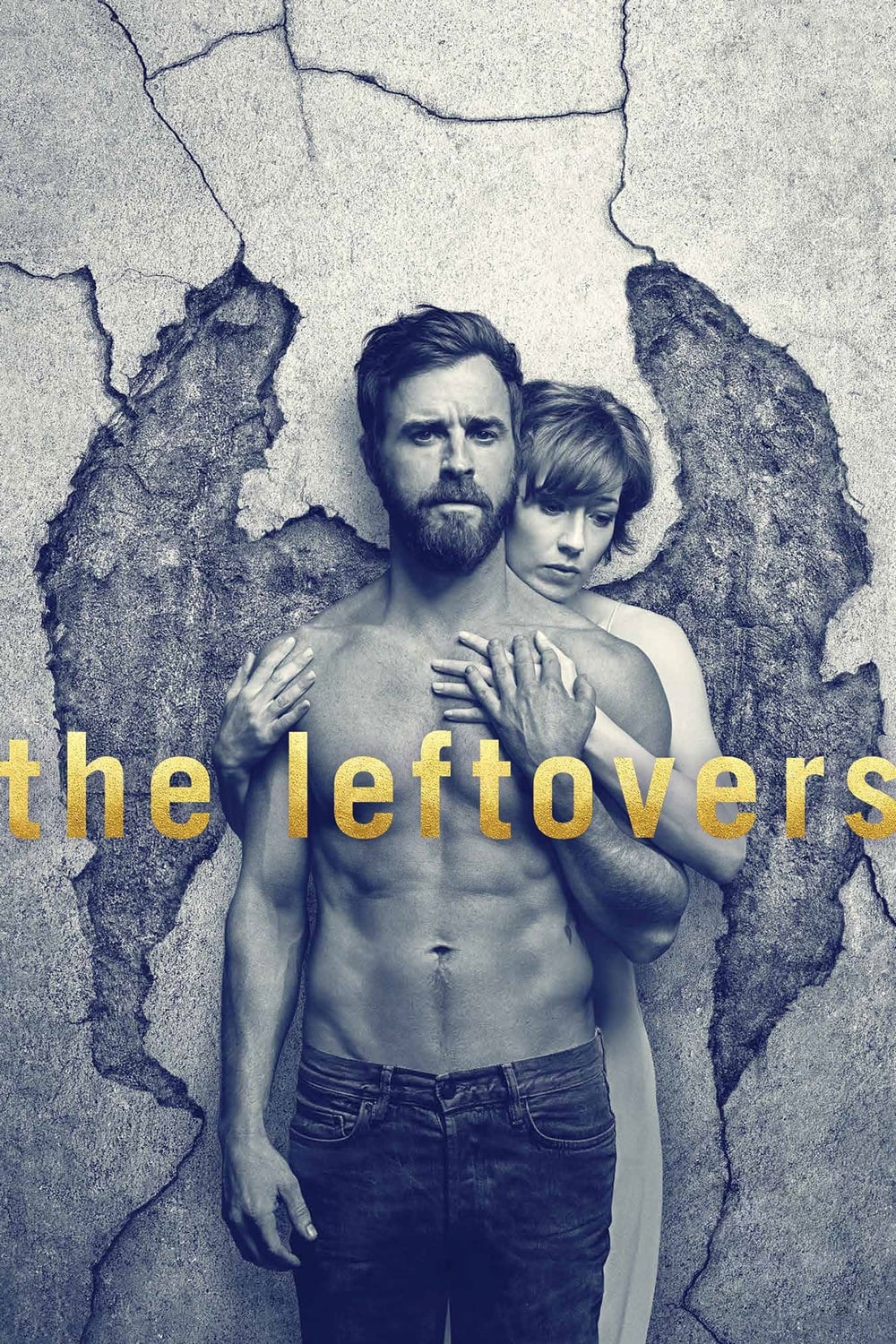
The first season of The Leftovers is a bleak and often frustrating viewing experience, focusing on the grief and confusion of a world where two percent of the population has inexplicably vanished. While critically praised for its ambition and performances, its somber tone and lack of clear answers were challenging for some viewers.
The series underwent a creative rebirth in its second season, shifting its setting and expanding its mythology in bold and unexpected ways. It became a more hopeful and emotionally resonant exploration of faith, belief, and human connection in the face of the unknown. The final season, in particular, is a masterclass in storytelling, offering a deeply moving and satisfying conclusion to its complex and beautiful narrative.
Halt and Catch Fire (2014–2017)
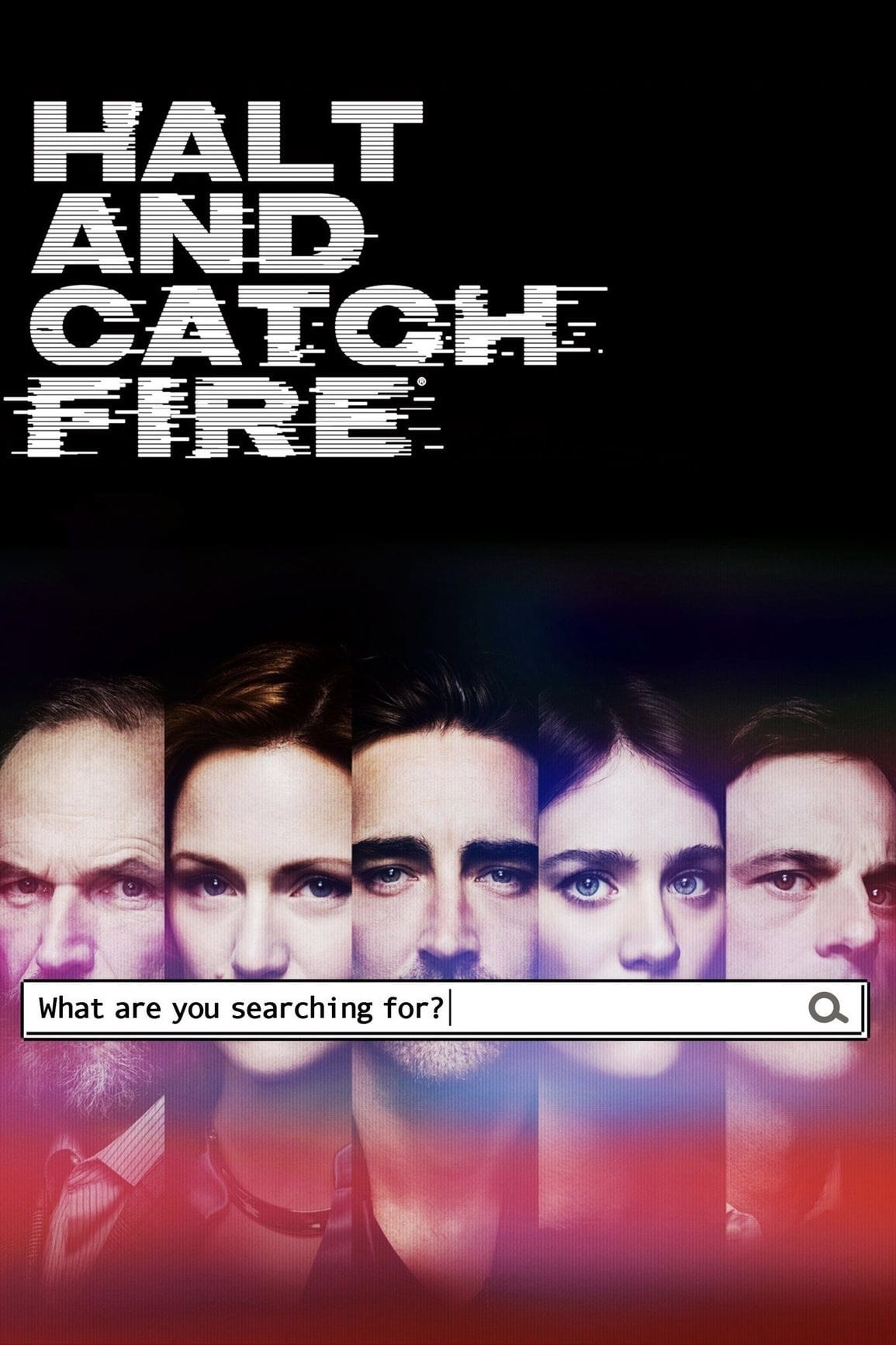
The first season of Halt and Catch Fire was met with a lukewarm reception, with many critics dismissing it as a derivative of Mad Men set in the 1980s personal computer boom. The show initially focused on its male antihero, Joe MacMillan, and struggled to find a unique identity.
However, the series reinvented itself in its second season, shifting its focus to its two female leads and their burgeoning tech startup. This change in perspective allowed the show to explore themes of innovation, partnership, and the challenges faced by women in the tech industry. With each subsequent season, the show grew in critical acclaim, with its final season being hailed as a near-perfect conclusion to its story of ambition and connection in the digital age.
Schitt’s Creek (2015–2020)

When Schitt’s Creek first premiered, it presented a familiar fish-out-of-water premise, with the wealthy Rose family losing their fortune and being forced to relocate to a small town they once bought as a joke. The early episodes rely on the humor of the family’s entitled and out-of-touch behavior.
As the series progresses, it evolves from a quirky sitcom into a truly heartwarming and emotionally resonant story about family, love, and personal growth. The characters begin to shed their cynical exteriors and form genuine connections with the town’s eccentric residents and with each other. The show’s humor becomes warmer and more character-driven, and its final seasons are celebrated for their emotional depth and uplifting message.
Better Call Saul (2015–2022)
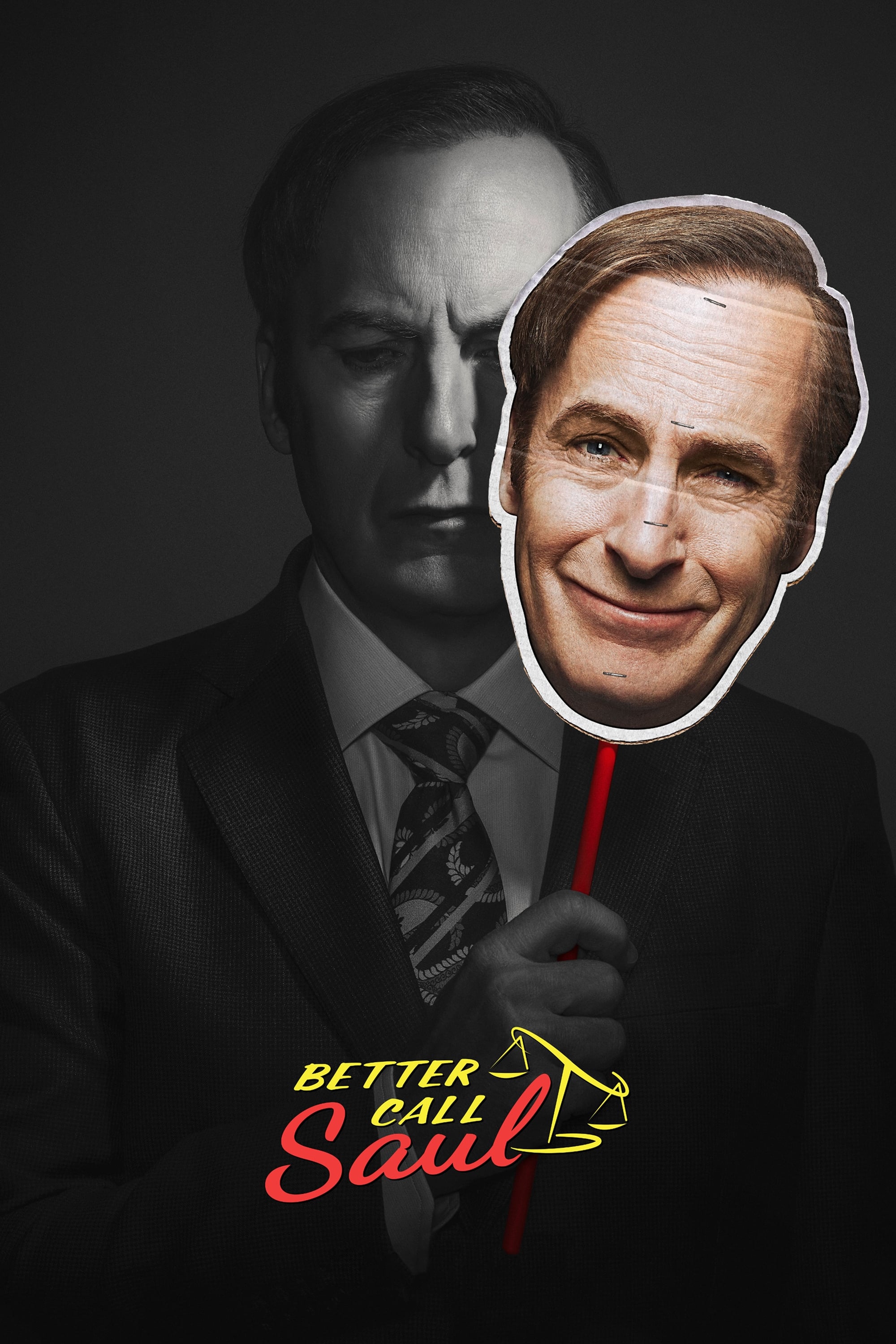
A spin-off of the highly acclaimed Breaking Bad, Better Call Saul faced immense expectations from the start. The first season is a deliberately paced character study, introducing audiences to the struggling lawyer Jimmy McGill before he becomes the morally compromised Saul Goodman. While well-received, it was a slower and more methodical show than its predecessor.
Each season of Better Call Saul meticulously builds upon the last, deepening the tragedy of Jimmy’s transformation. The show masterfully weaves together its legal drama, criminal underworld storylines, and the complex relationship between Jimmy and Kim Wexler. The storytelling becomes more intricate and the emotional stakes get higher, with many critics and fans arguing that the series ultimately surpassed the show it spun off from.
Succession (2018–2023)
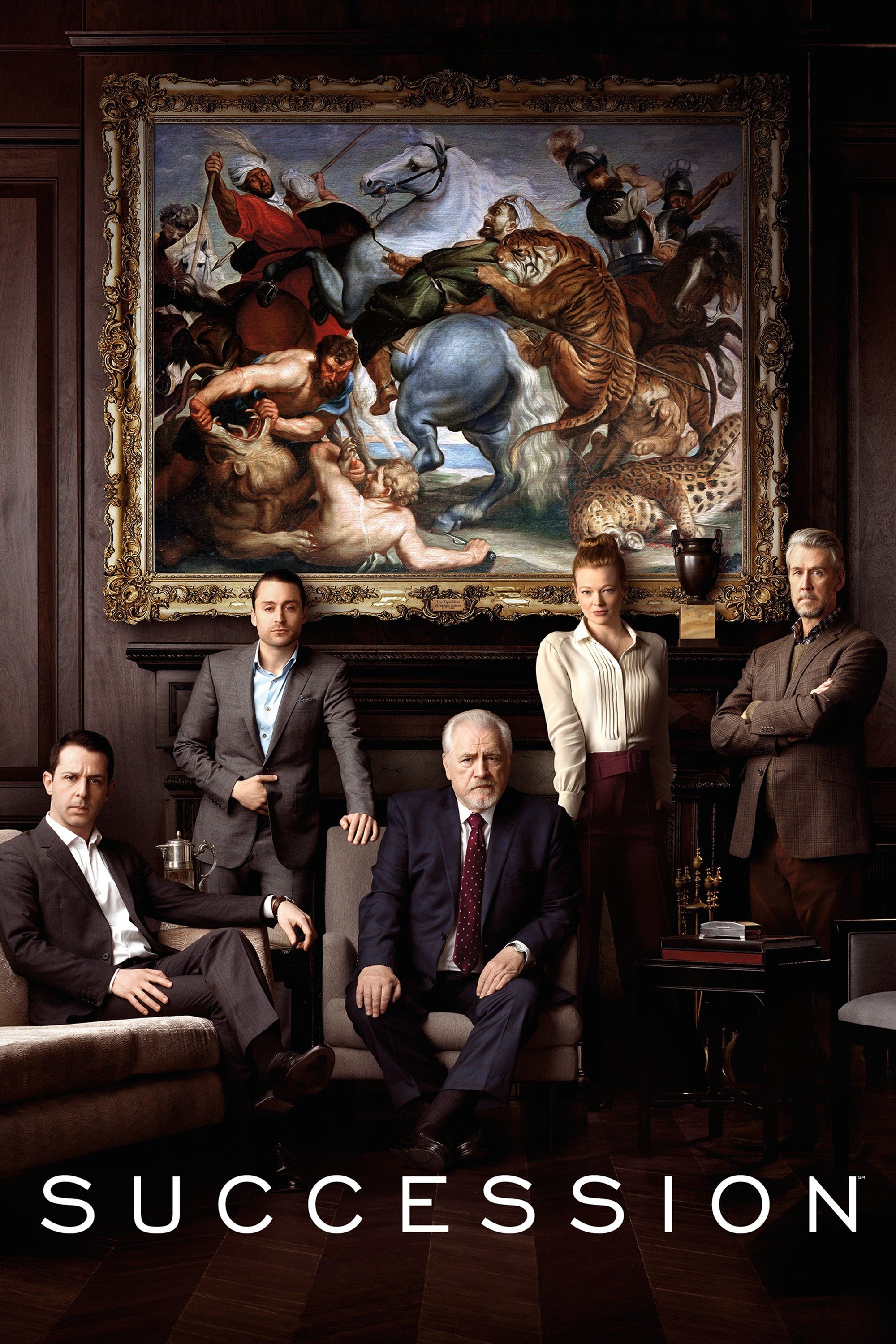
Succession was not an immediate ratings hit, with its first season introducing a cast of largely unlikable and power-hungry characters vying for control of a global media empire. The show’s sharp, cynical humor and complex character dynamics took time to find a wider audience.
The series gained significant momentum and critical acclaim with its second season and continued to build on that success until its conclusion. The writing became even more incisive, the performances more layered, and the power struggles more intense and unpredictable. It evolved into a gripping and often hilarious satire of wealth, power, and family dysfunction, becoming one of the most talked-about shows on television.
The Americans (2013–2018)

From its first season, The Americans was a critically acclaimed spy thriller, praised for its compelling premise of two Soviet KGB officers posing as an American married couple in the 1980s. The show effectively balanced espionage action with family drama.
Over its six-season run, the series deepened its exploration of its central themes of identity, loyalty, and the emotional toll of a double life. The complex marriage between Philip and Elizabeth Jennings became the heart of the show, and the stakes were raised with each passing season as their children, particularly their daughter Paige, became more entangled in their world. The final season, in particular, was lauded as a powerful and fitting conclusion to the series.
Justified (2010–2015)

The first season of Justified introduced audiences to U.S. Marshal Raylan Givens and the criminal underworld of his hometown in Harlan County, Kentucky. While it established the show’s sharp dialogue and compelling lead character, the initial season had a more procedural, case-of-the-week structure.
The series hit its stride in its second season with the introduction of a season-long antagonist, a format it would continue to great effect. This allowed for more complex and serialized storytelling, with richer character development for both the heroes and the villains. The show’s world felt more lived-in, and the conflicts became more personal and thematically resonant as the series progressed.
Black Sails (2014–2017)

As a prequel to Robert Louis Stevenson’s novel Treasure Island, Black Sails had a promising premise but took some time to find its sea legs. The first season was a mix of pirate action and political intrigue that didn’t always balance perfectly, and some characters were not as fully developed.
The series grew in confidence and complexity with each season, evolving into a deeply compelling character-driven drama. The political machinations became more intricate, the action sequences more impressive, and the character arcs more profound. By its final season, Black Sails had transformed into a powerful and thematically rich story about rebellion, civilization, and the nature of legends.
The Good Place (2016–2020)
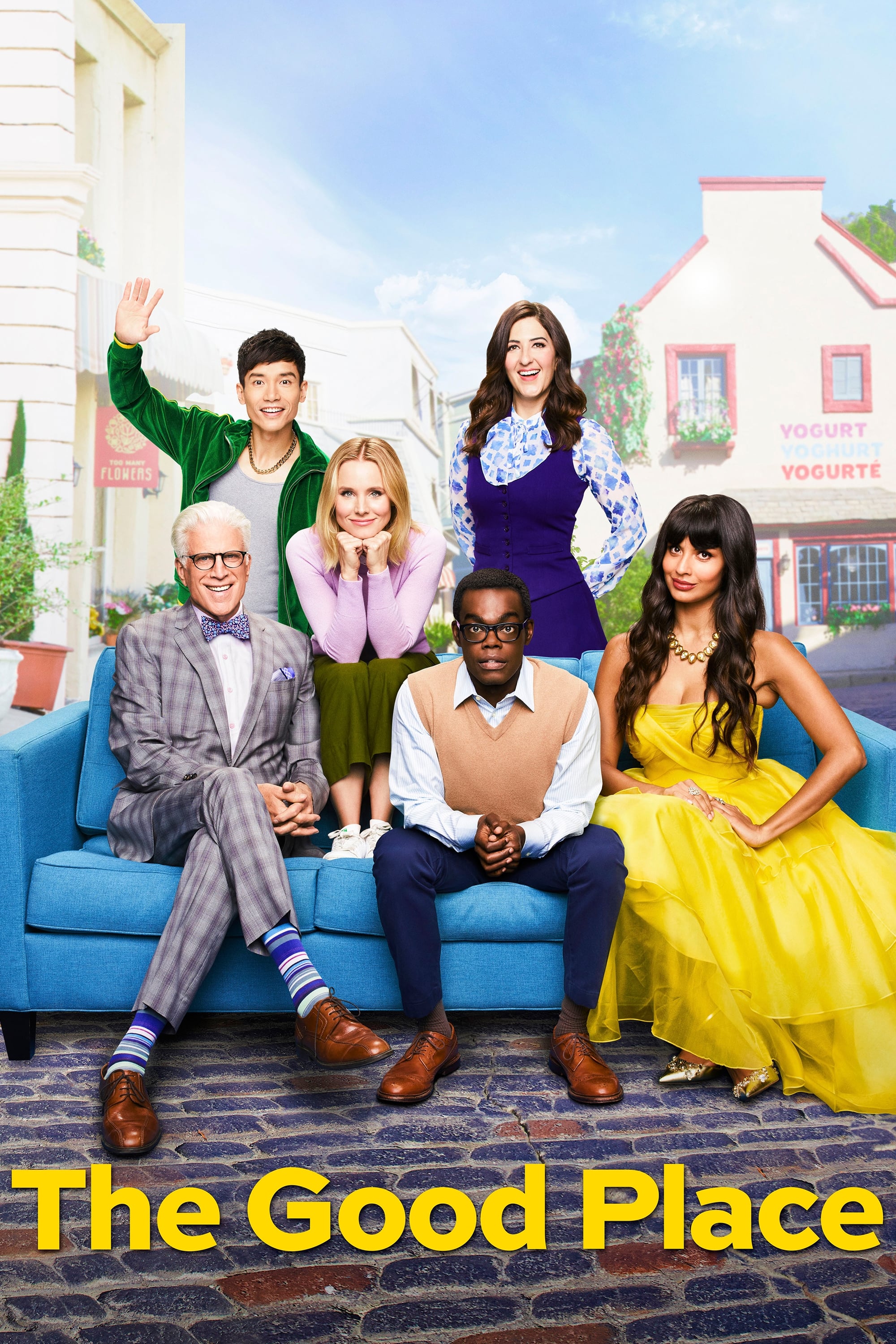
The Good Place began with a clever and high-concept premise: a woman mistakenly ends up in a heaven-like afterlife and must hide her morally imperfect past. The first season is a funny and charming sitcom that sets up its world and characters.
The show’s first-season finale features a major twist that completely redefines the series, and from that point on, it becomes a more ambitious and intellectually stimulating show. Each season builds upon the last, exploring complex philosophical and ethical questions with humor and heart. The series continually reinvents itself, taking its characters on a journey of personal growth that is both hilarious and deeply moving.
Buffy the Vampire Slayer (1997–2003)
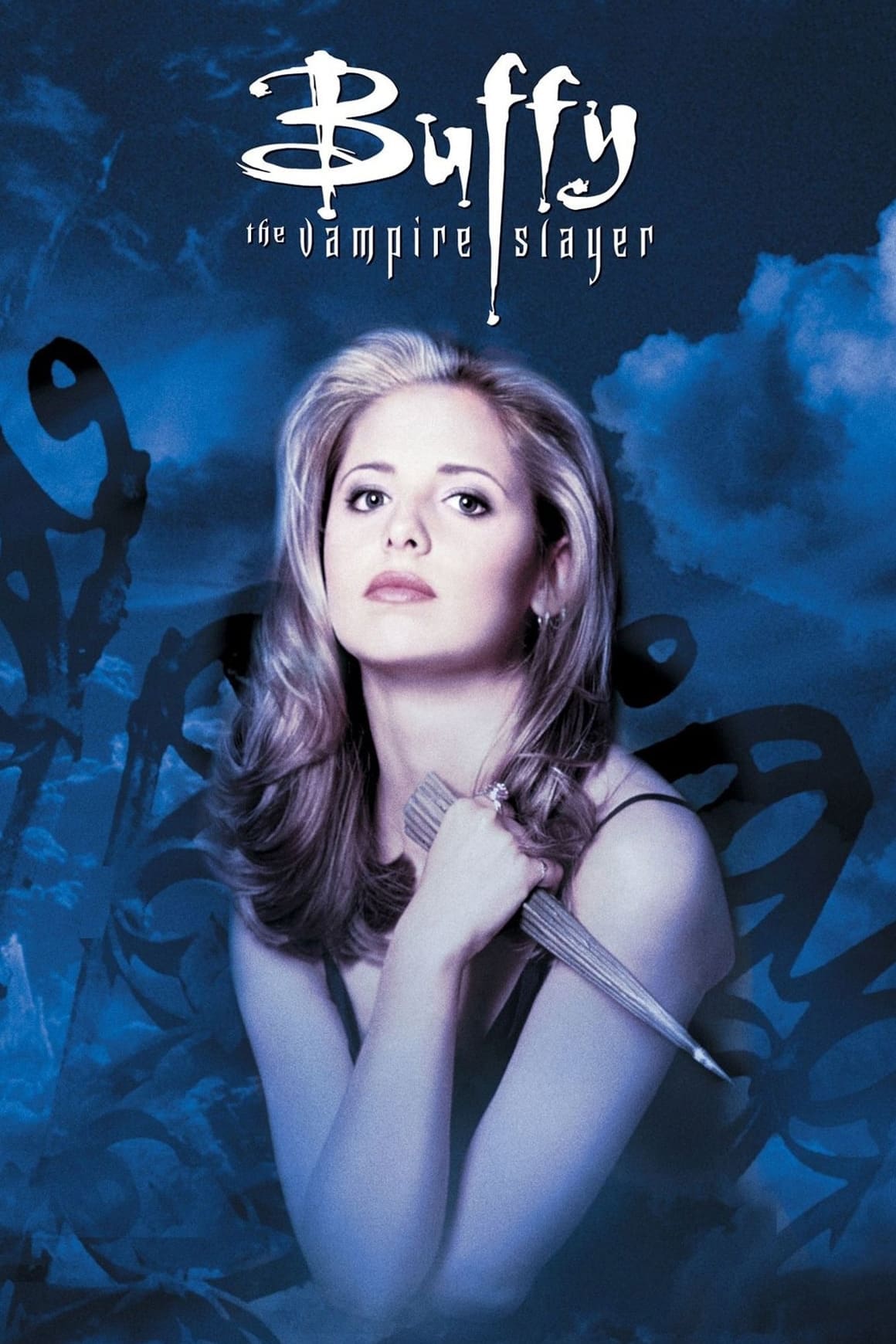
The first season of Buffy the Vampire Slayer was a fun and campy take on the teen horror genre. It introduced a memorable cast of characters and established the show’s blend of witty dialogue and supernatural action. However, the production values were lower, and the storytelling was more monster-of-the-week.
The show became darker, more serialized, and more emotionally complex in its second season, a trend that would continue for the rest of its run. It began to use its supernatural elements as metaphors for the struggles of adolescence and young adulthood, tackling mature themes with intelligence and sensitivity. The character relationships deepened, and the show’s mythology became richer and more intricate.
Star Trek: The Next Generation (1987–1994)
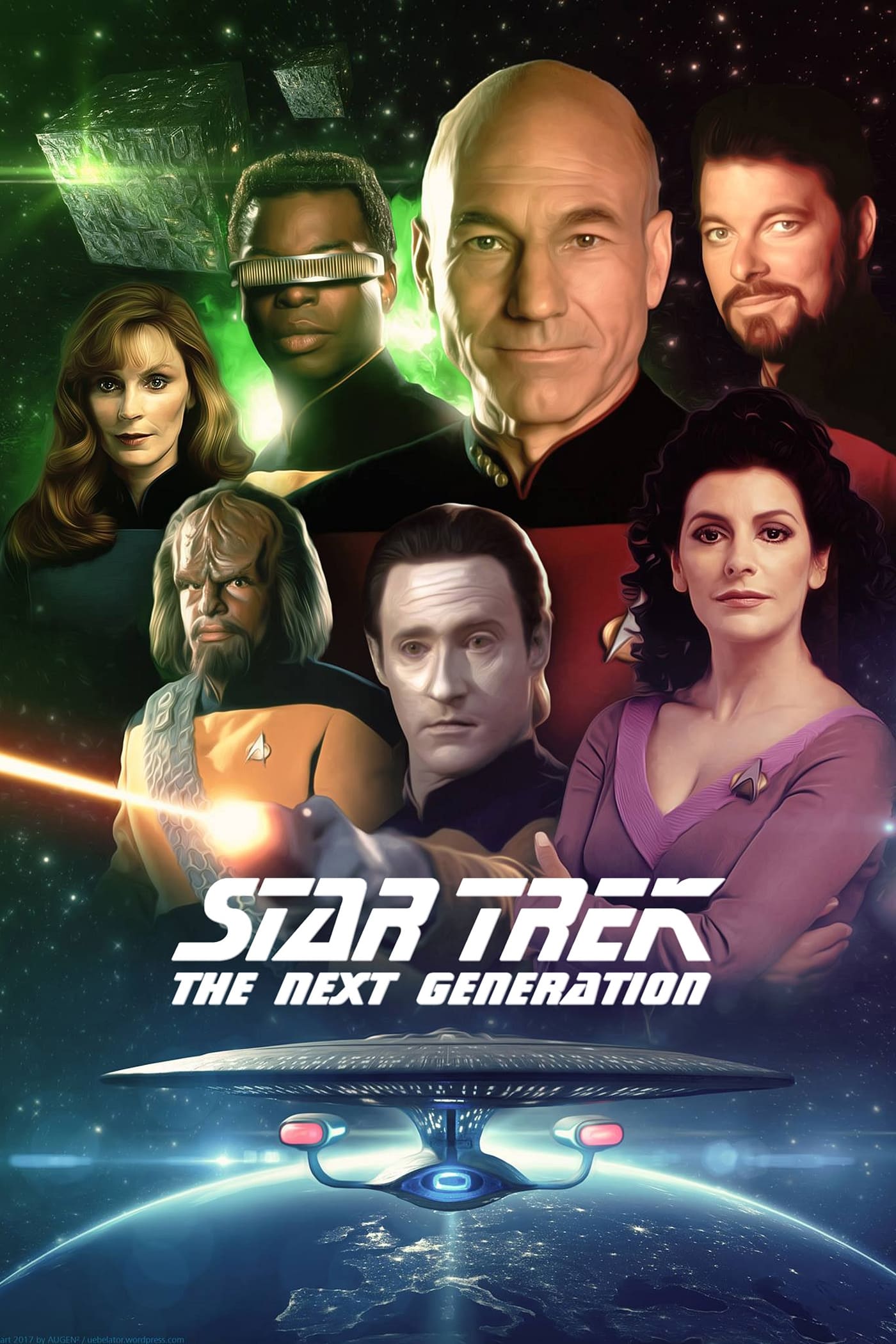
The first season of Star Trek: The Next Generation had the difficult task of following in the footsteps of the beloved original series. It suffered from uneven writing, some awkward characterizations, and a tendency to replicate the “planet of the week” formula of its predecessor.
The show found its own voice in its second and third seasons, with more confident and character-driven storytelling. The writing improved significantly, and the cast settled into their roles, developing a strong chemistry. The series began to explore more complex and thought-provoking science fiction concepts and established itself as a classic in its own right, beloved by a new generation of fans.
The Office (US) (2005–2013)

The American version of The Office had a rocky start, with its first season being largely a direct adaptation of the British original. The humor was more cringe-inducing, and the central character, Michael Scott, was more abrasive and less sympathetic.
In the second season, the show began to distinguish itself from its source material. The writers developed a more optimistic and heartfelt tone, and Michael Scott was softened into a more well-meaning, albeit incompetent, boss. The supporting characters were given more depth, and the relationships between them became the heart of the show, leading to its long and successful run.
Seinfeld (1989–1998)
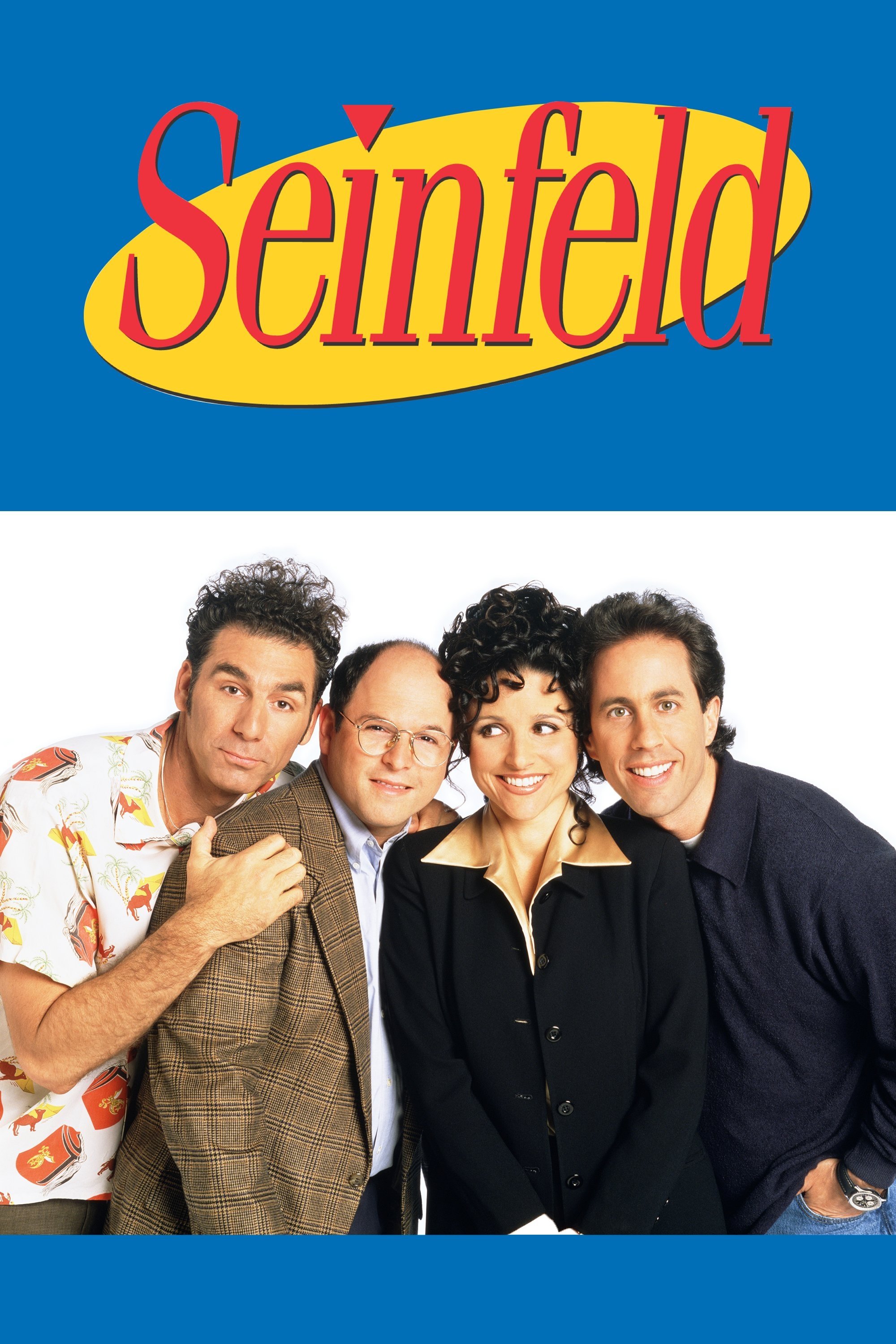
The first season of Seinfeld is a much quieter and more conventional sitcom than what the show would become. With only five episodes, it was still finding its comedic voice and the dynamic between its four central characters was not yet fully formed.
The show’s “about nothing” philosophy and its unique brand of observational and often cynical humor became more pronounced in its later seasons. The writing became sharper and more intricate, with seemingly disparate storylines cleverly intersecting by the end of each episode. The characters became more comically selfish and neurotic, and the show pushed the boundaries of what a network sitcom could be.
Six Feet Under (2001–2005)

Six Feet Under was a critically acclaimed drama from its premiere, notable for its unique premise of a family running a funeral home and its frank exploration of death and grief. The first season effectively introduces the dysfunctional Fisher family and their personal struggles.
As the series progressed, it delved even deeper into the psychological and emotional lives of its characters. The show became a profound meditation on life, love, and mortality, with each season building on the emotional journeys of the Fisher family. Its final season, and particularly its series finale, is widely regarded as one of the most powerful and satisfying conclusions in television history.
Fargo (2014–present)
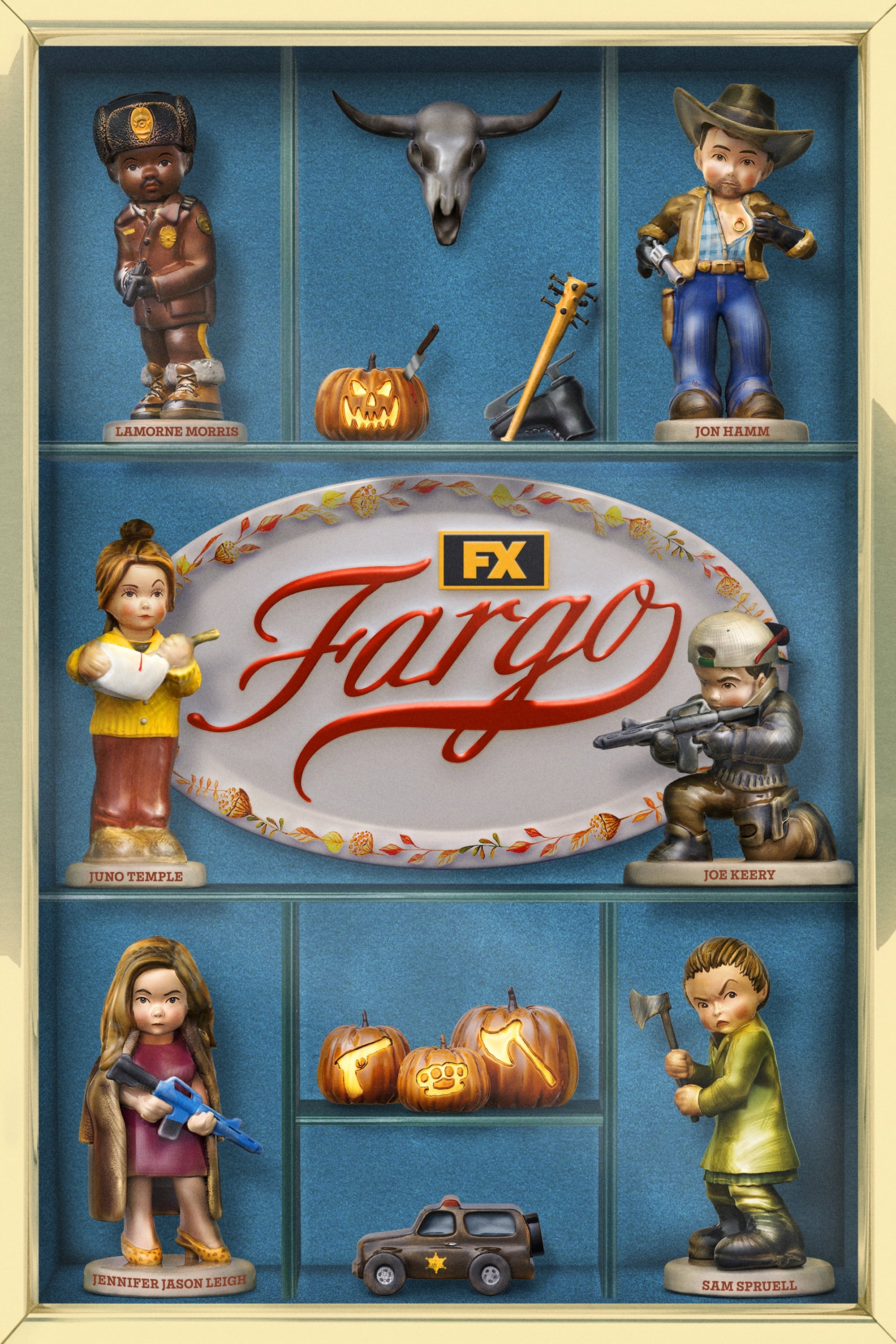
As an anthology series, each season of Fargo tells a new “true crime” story with a different cast of characters, all set within the same universe. The first season was a critical and commercial success, capturing the dark humor and quirky tone of the Coen Brothers’ film on which it is based.
Remarkably, the series has managed to maintain an incredibly high level of quality across its subsequent seasons, with some critics arguing that later installments have even surpassed the first. Each season offers a unique and compelling narrative, with sharp writing, memorable characters, and a distinctive visual style. The anthology format allows the show to continually reinvent itself while staying true to its thematic core.
Person of Interest (2011–2016)

Person of Interest began as a seemingly straightforward procedural, with a mysterious billionaire and a former CIA agent teaming up to prevent crimes identified by a supercomputer known as “The Machine.” The early episodes followed a case-of-the-week format.
The show gradually evolved into a complex and serialized science fiction thriller, exploring themes of artificial intelligence, surveillance, and free will. The mythology surrounding The Machine and its rival AI, Samaritan, became the central focus of the series, leading to a high-stakes and compelling overarching narrative. The later seasons were praised for their ambitious storytelling and thought-provoking ideas.
The Expanse (2015–2022)

The first season of The Expanse introduced a complex and detailed world of interplanetary politics and intrigue. While it was praised for its world-building and ambition, the show’s intricate plot and large cast of characters could be challenging for new viewers to follow.
The series became more focused and character-driven in its later seasons, while still expanding on its complex and realistic vision of humanity’s future in space. The political and military conflicts escalated, and the central mystery of the protomolecule led to mind-bending and visually stunning science fiction storytelling. The show’s move to a new platform for its final seasons allowed it to continue its epic story with even greater creative freedom.
Agents of S.H.I.E.L.D. (2013–2020)
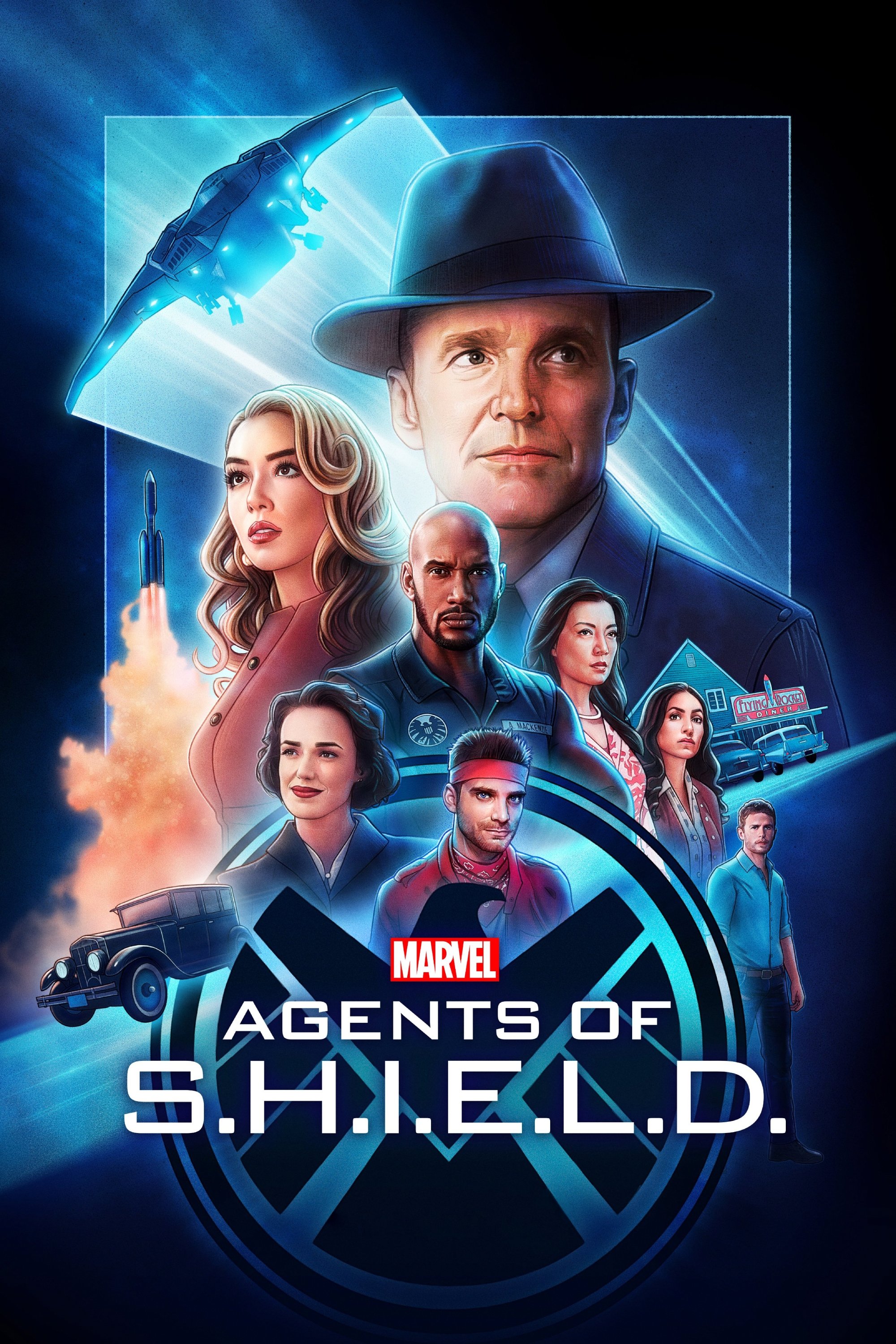
The first half of Agents of S.H.I.E.L.D.‘s debut season was a fairly standard procedural with ties to the Marvel Cinematic Universe. The show struggled to find its own identity and was criticized for its slow start and lack of compelling villains.
A major plot twist in the latter half of the first season, tying into the events of Captain America: The Winter Soldier, completely revitalized the show. From that point on, Agents of S.H.I.E.L.D. became a more serialized and unpredictable series, with each subsequent season adopting a new and distinct genre-inflected storyline. The characters were given more complex arcs, and the show grew into a beloved and consistently creative part of the Marvel universe.