8 Roguelike Games That Turn Death Into Fun

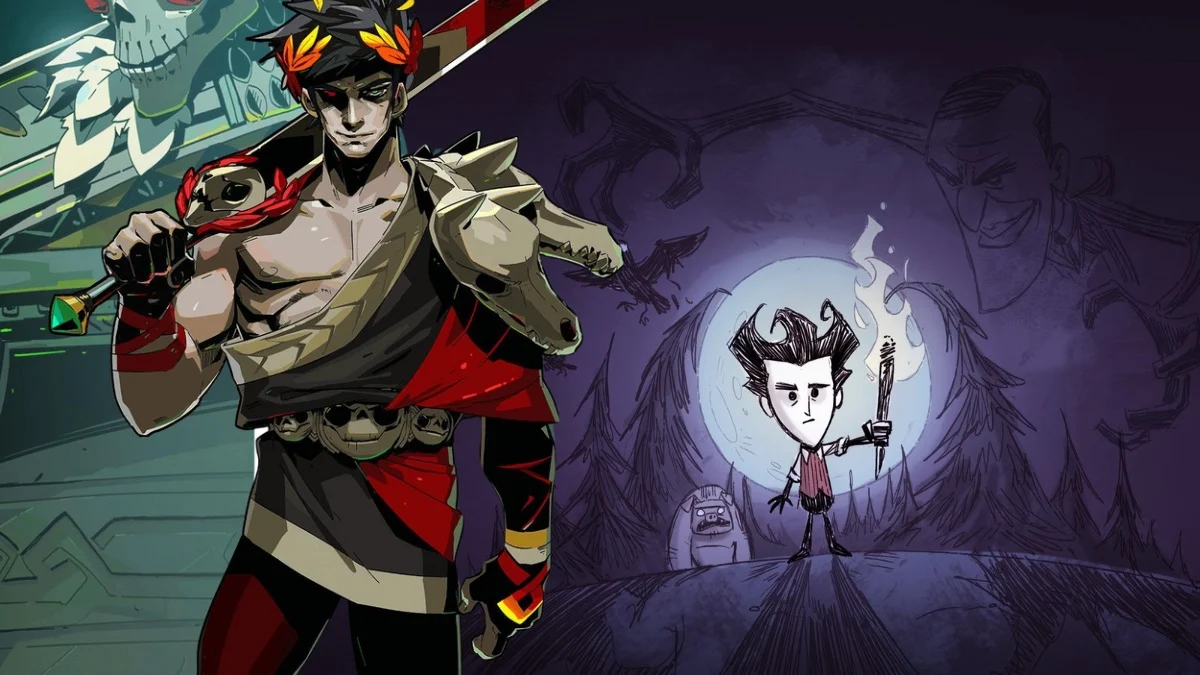

Roguelike games have a unique charm, blending tough challenges with the thrill of starting over. Their signature permadeath mechanic—where dying means restarting from scratch—somehow makes every loss feel like a lesson, not a failure. These games hook players with randomly generated worlds, strategic depth, and the promise that each run could be the one. I’ve always been drawn to how they reward persistence and clever choices, turning even the most crushing defeats into motivation to try again.
This article dives into eight roguelikes that make dying a core part of the fun. Each game offers a distinct spin on the genre, from quirky mechanics to gripping stories, ensuring every death fuels your drive to dive back in. Under each subheading, I’ll break down what makes these titles stand out and why their approach to permadeath feels so rewarding.
Dungeons of Dredmor (2011)
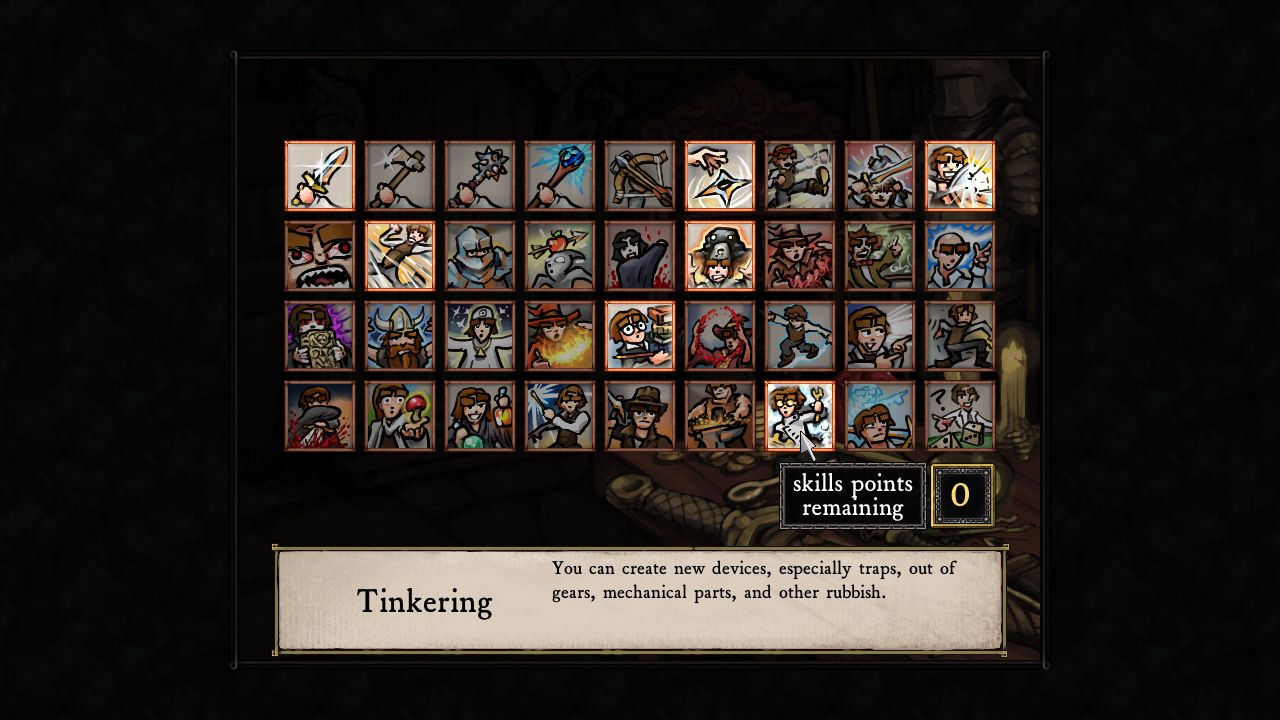
This indie gem from Gaslamp Games is a perfect entry point for roguelike newcomers. ‘Dungeons of Dredmor’ throws you into a turn-based dungeon crawler packed with humor and colorful pixel art. You explore randomly generated floors, battle goofy monsters, and collect loot to boost your character’s skills. Permadeath keeps the stakes high, but the game’s lighthearted tone—like finding a ‘Lutefisk Cube’—makes each loss feel less like a tragedy and more like a chance to laugh and try again.
What sets this game apart is its accessibility. The mechanics are straightforward, letting you focus on strategy without overwhelming complexity. Each run feels fresh thanks to randomized items and layouts, and the quirky charm keeps you hooked. Dying might mean losing your warrior, but the promise of a new adventure with absurd spells or gear makes it oddly satisfying.
Don’t Starve (2013)
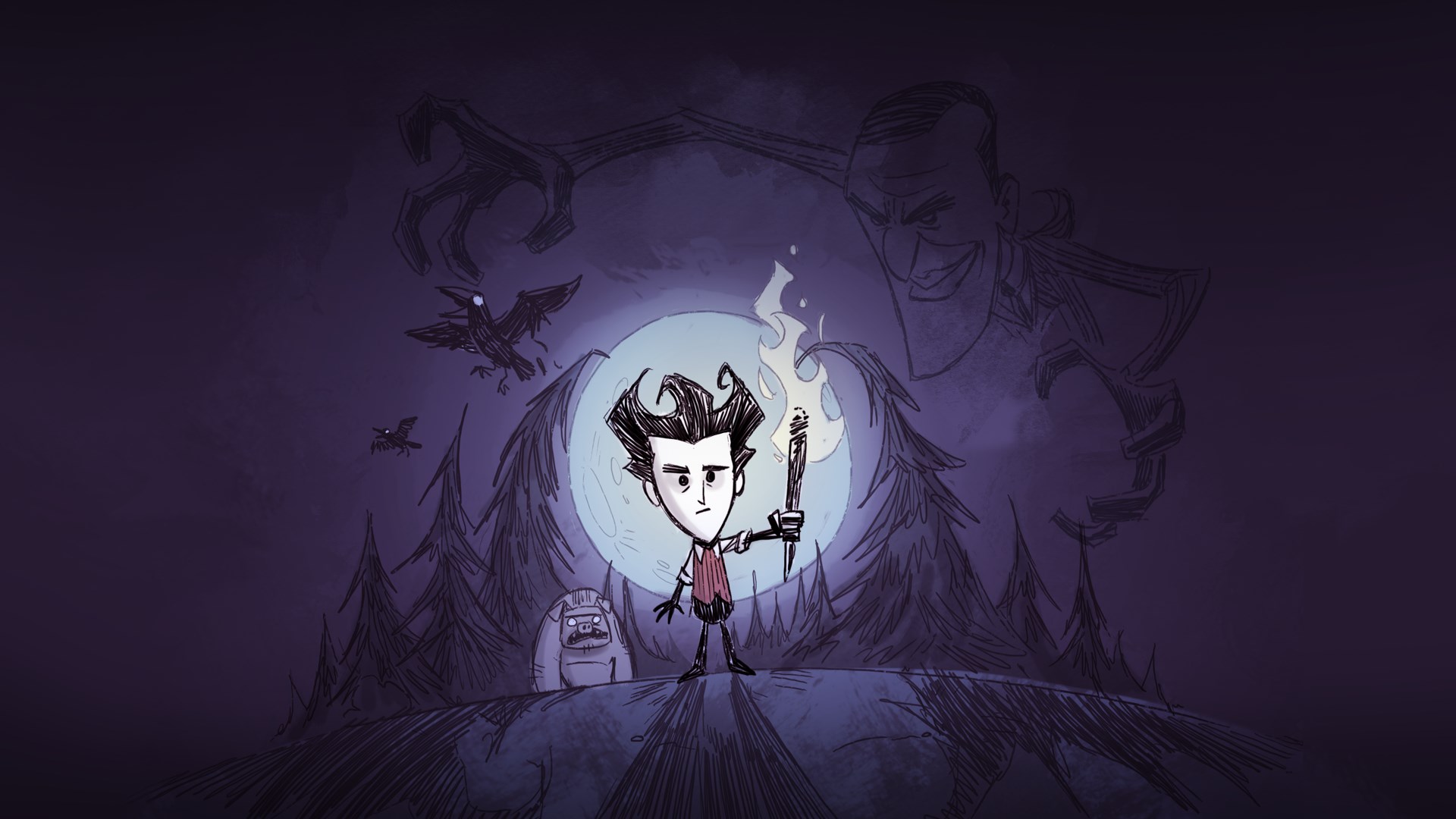
‘Don’t Starve’ by Klei Entertainment drops you into a eerie, Tim Burton-inspired world where survival is the name of the game. You play as Wilson, a scientist gathering resources, crafting tools, and fending off monsters that lurk in the dark. Permadeath means one wrong move—like forgetting a campfire—can end your run, but the game’s open-ended exploration makes every death a lesson in survival.
The randomized worlds and seasonal changes keep each attempt unpredictable. You might die to a pack of hounds, but next time, you’ll know to build traps. The gothic art and creepy soundtrack add to the thrill, making every restart feel like a fresh plunge into the unknown. It’s the kind of game where dying teaches you to outsmart the wilderness.
NetHack (1987)
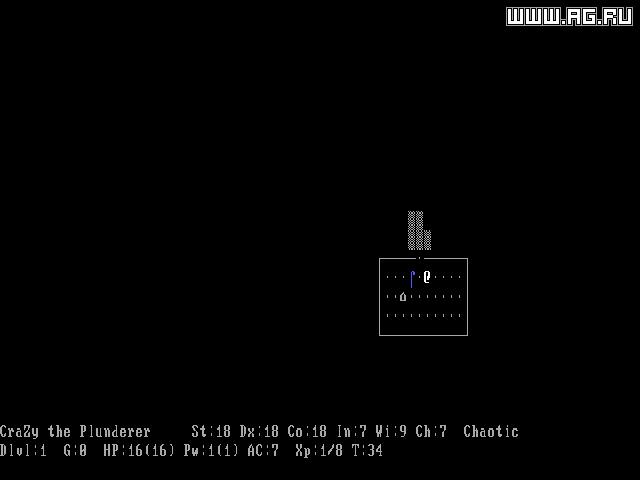
‘NetHack’ is a legendary roguelike that’s been captivating players for decades. You choose a class, name your character, and dive into a dungeon to retrieve the Amulet of Yendor. The ASCII graphics are simple, but the game’s depth is staggering, with countless ways to interact with its world. Permadeath is brutal—lose all your hit points, and it’s back to square one—but the sheer variety of outcomes makes every death a story.
What makes ‘NetHack’ special is its creativity. You might die by drinking a cursed potion or angering a shopkeeper, but each failure reveals new mechanics. The game even weaves your past deaths into future runs, adding a haunting touch. It’s a masterclass in making every loss feel like part of a grand adventure.
Spelunky (2008)
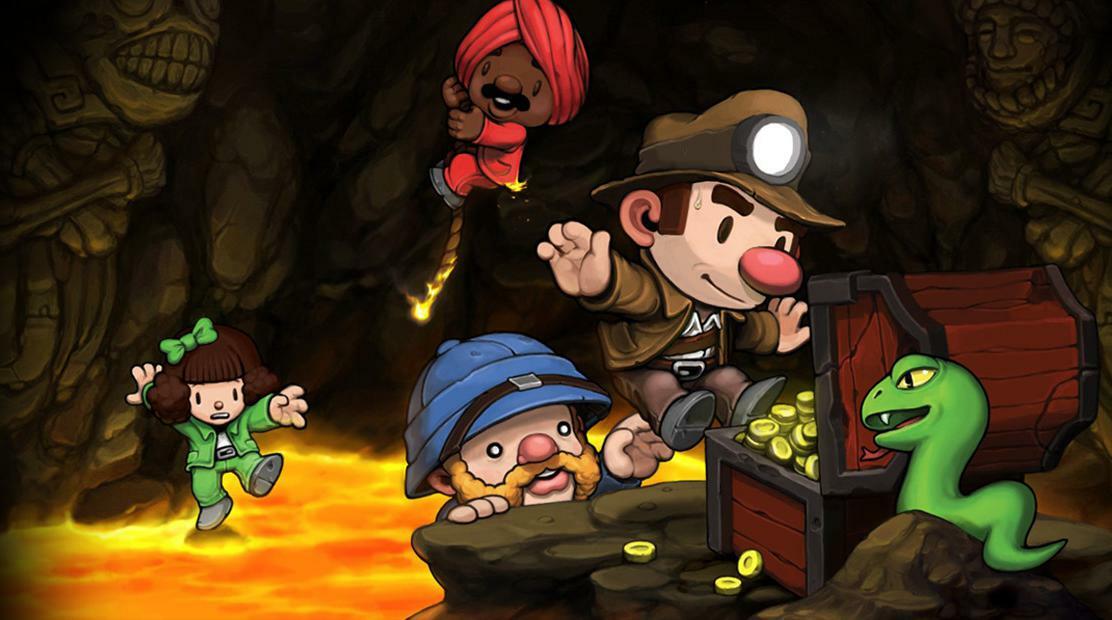
‘Spelunky’ by Mossmouth blends platforming with roguelike chaos, creating a punishing yet addictive experience. You guide a spelunker through trap-filled caves, hunting for treasure while dodging spikes, snakes, and angry bats. Permadeath means one misstep can end your run, but the tight controls and randomized levels make every death a chance to refine your skills.
The game’s charm lies in its balance of skill and luck. A single bomb can clear a path or blow you up, and every run feels like a new puzzle. The vibrant visuals and catchy music keep you coming back, turning each death into a stepping stone toward mastering the caves. It’s no wonder ‘Spelunky’ inspired countless modern roguelikes.
Enter the Gungeon (2016)
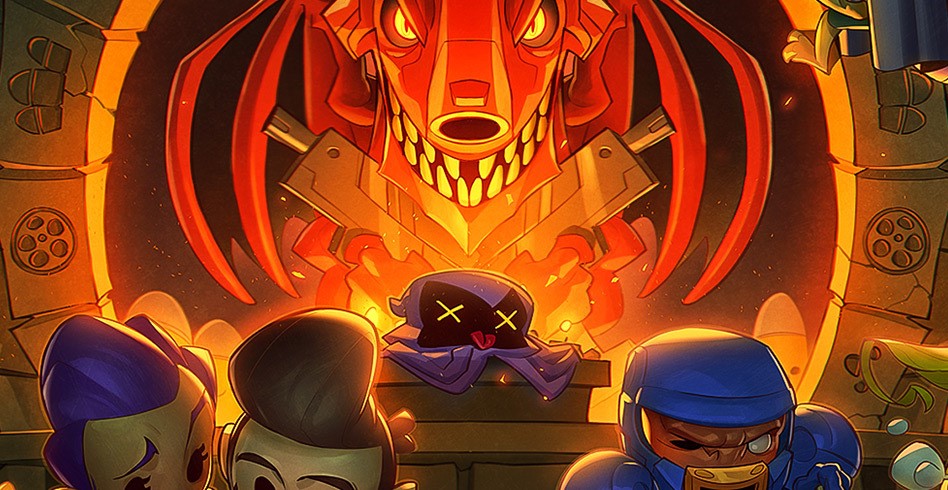
‘Enter the Gungeon’ from Dodge Roll is a bullet-hell roguelike with a wild sense of humor. You control quirky characters descending into a dungeon to find a gun that can ‘kill the past.’ The game throws waves of enemies and absurd weapons—like a mailbox that shoots letters—at you. Permadeath wipes your progress, but the thrill of discovering new guns makes every loss bearable.
Each run is a chaotic dance of dodging bullets and unleashing firepower. The pixel-art style and witty dialogue add personality, while randomized rooms and items keep things fresh. Dying might sting, but the promise of unlocking a new weapon or facing a bizarre boss makes you eager to jump back in.
The Binding of Isaac (2011)
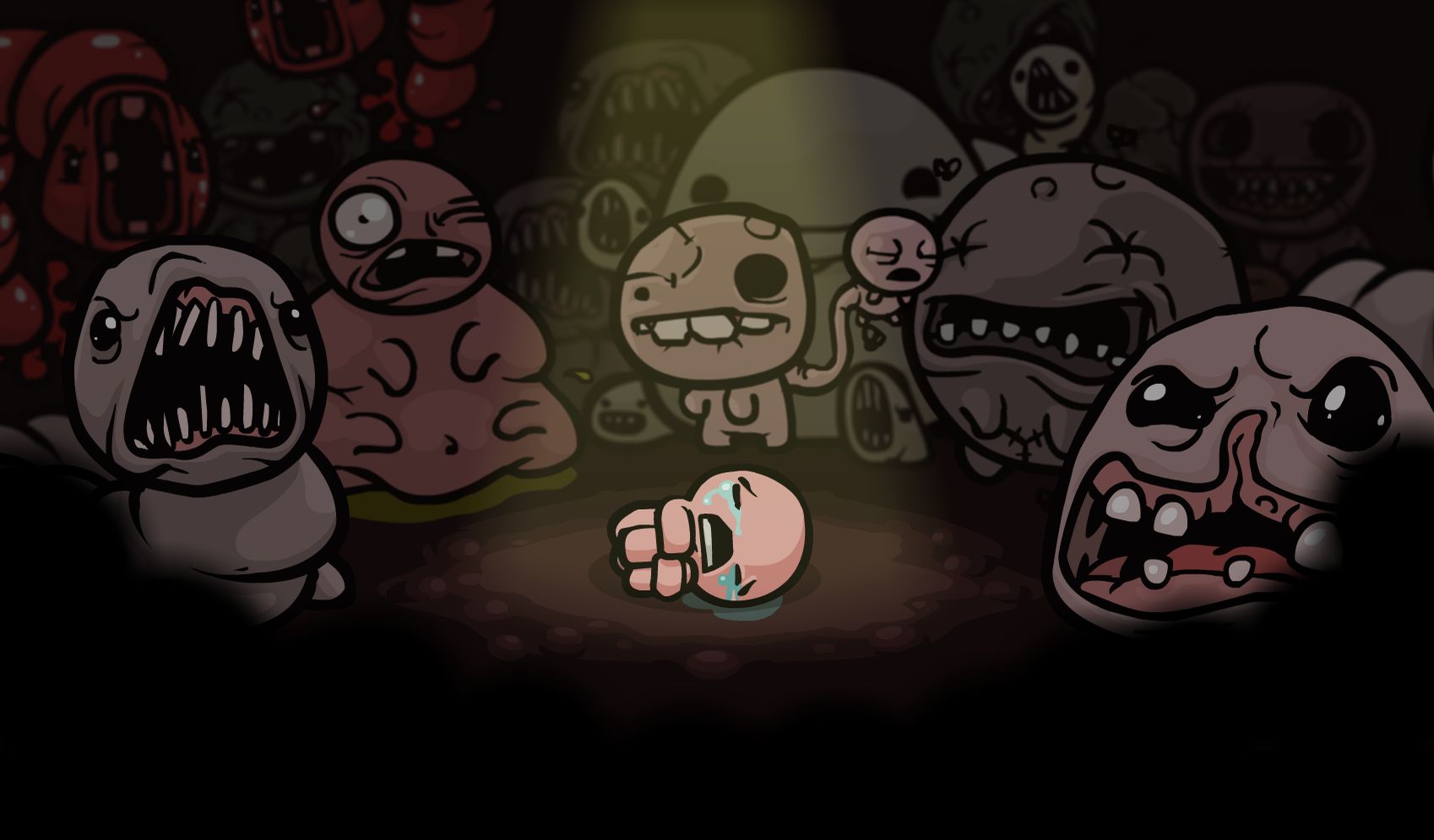
Edmund McMillen’s ‘The Binding of Isaac’ is a twisted take on roguelikes, blending twin-stick shooting with grotesque, Zelda-like dungeons. You play as Isaac, navigating randomly generated caverns filled with monstrous enemies and bizarre power-ups. Permadeath forces you to restart, but the game’s hundreds of items ensure no two runs are alike, turning every death into a chance to experiment.
The disturbing art and dark story add a unique edge, while the sheer variety of upgrades—like tears that explode or homing shots—keeps you hooked. Each loss teaches you new synergies, making the next run feel like a fresh gamble. It’s a game where dying is just part of the wild ride.
Rogue Legacy (2013)
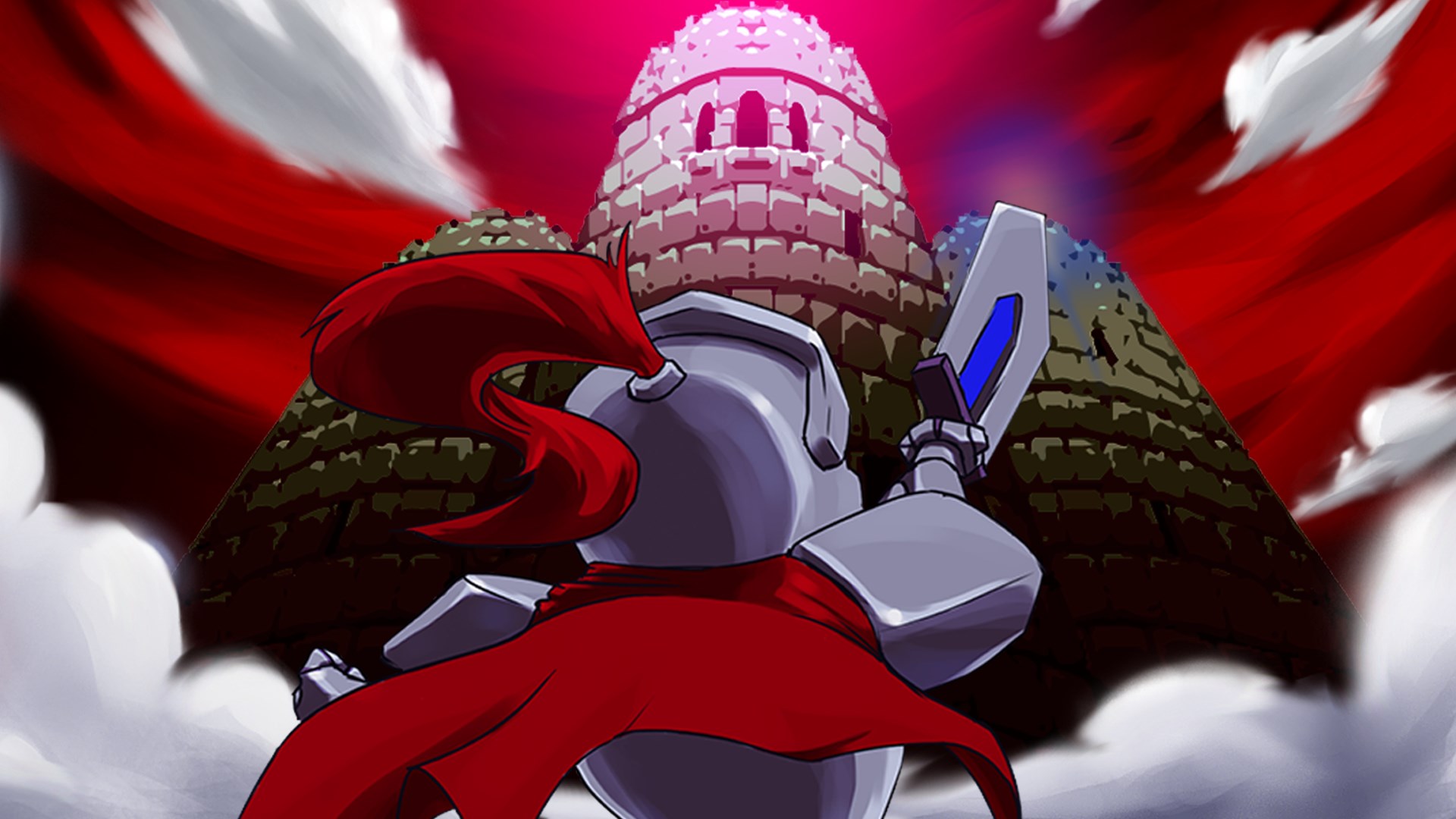
‘Rogue Legacy’ by Cellar Door Games shakes up the roguelike formula with a clever twist: when you die, your heir takes over. Each heir inherits your gear but comes with unique traits, like nearsightedness or extra strength, adding humor and variety. You explore a shifting castle, and permadeath feels less final since upgrades carry over, making every death a step toward progress.
The platforming and combat are tight, blending Metroidvania exploration with roguelike randomness. The randomized castle and quirky traits keep runs engaging, and dying feels like a chance to try a new character build. It’s a game that makes starting over feel empowering rather than frustrating.
Hades (2020)
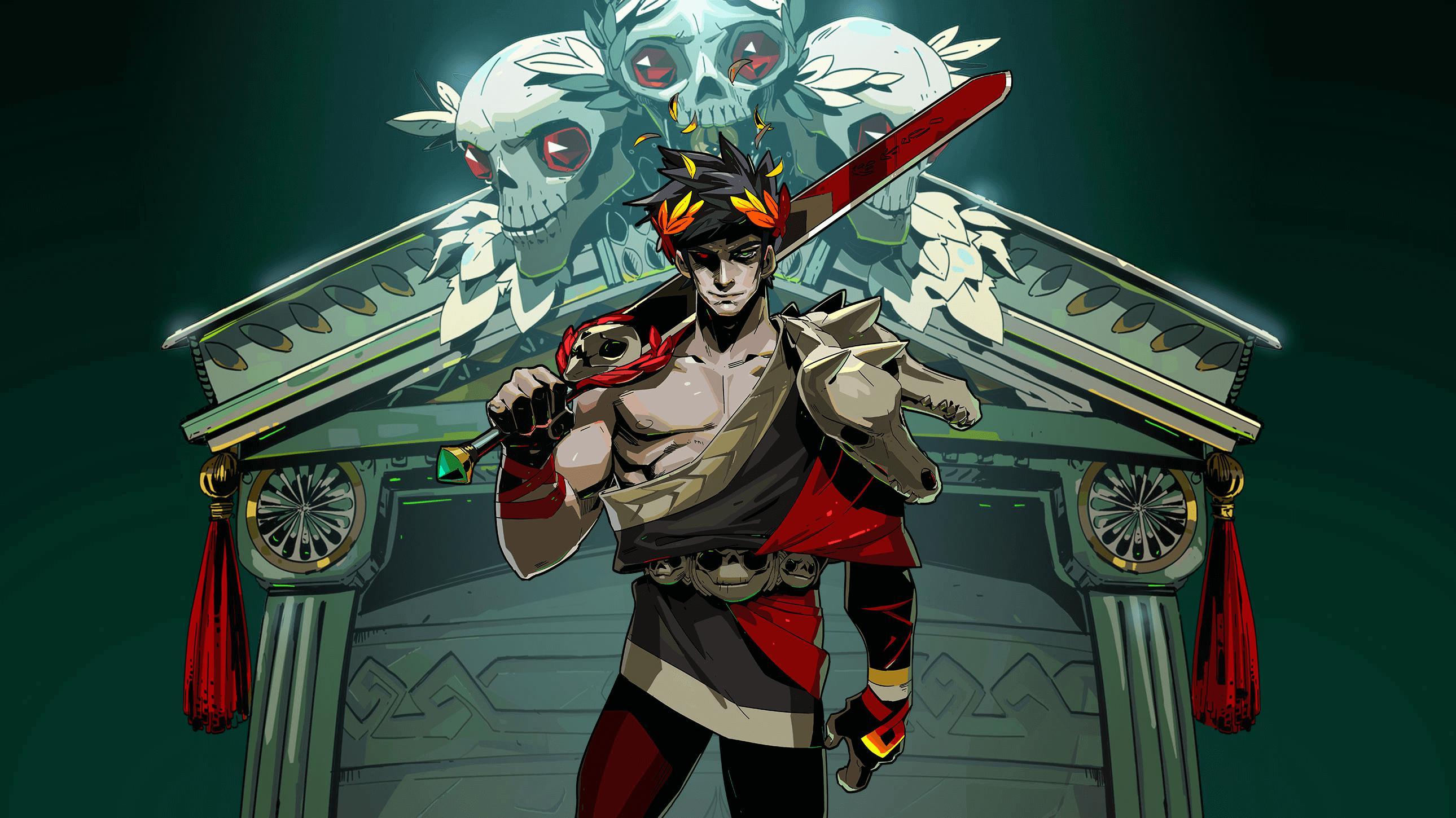
‘Hades’ by Supergiant Games is a masterpiece that blends roguelike mechanics with a gripping story. You play as Zagreus, a Greek god’s son, battling through the underworld to escape. Permadeath sends you back to the start, but each run unlocks new weapons, abilities, and story moments, making every death feel like a step forward.
The game’s stunning art, smooth combat, and voice acting create an immersive world. Randomized boons from gods like Zeus or Athena keep every run unique, and the story unfolds through failure, making death rewarding. ‘Hades’ turns dying into a narrative tool, urging you to keep fighting for freedom.
Which roguelike makes dying the most fun for you, or did I miss a gem? Share your thoughts in the comments!