26 TV Shows You Need to Be Very Smart to Fully Understand

Some television shows are for easy watching. You can have them on in the background and still follow the story. They have simple plots and clear characters. You don’t need to think much to enjoy them. These shows are great for relaxing after a long day. They provide comfort and entertainment without asking for much in return.
Other shows are different. They demand your full attention. They have complex stories with many layers. The characters are often mysterious and their motivations are not always clear. These shows play with time, use difficult language, or explore deep philosophical ideas. To truly understand them, you need to be smart and pay close attention. They challenge you to think, and the reward is a deeper, more satisfying experience.
Westworld (2016)
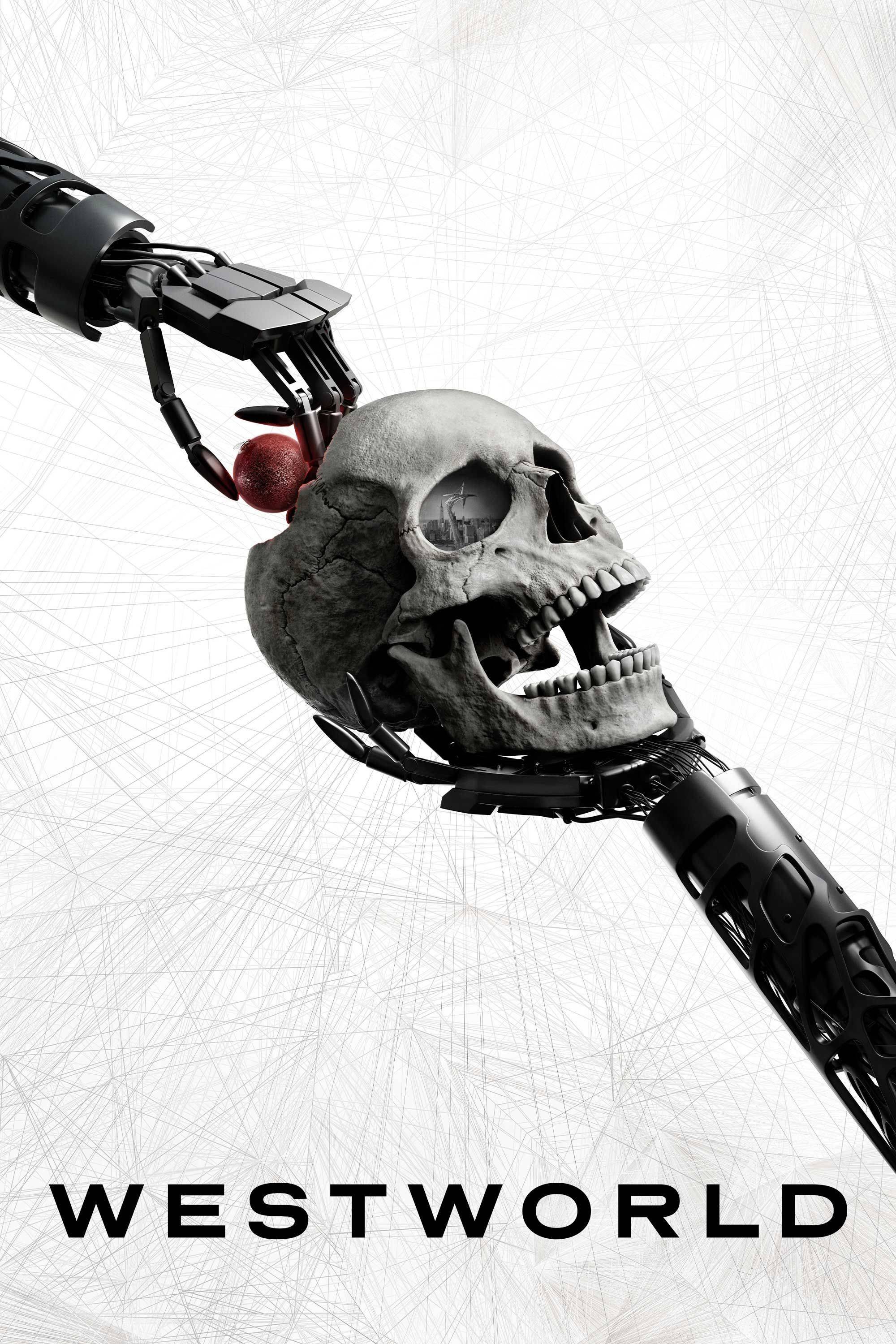
This show is based on a movie from the 1970s. It is about a theme park where rich people can live out their fantasies in the Old West. The park is filled with lifelike robots called “hosts.” At first, the show explores what happens when these hosts start to remember the bad things that have happened to them. It asks questions about what it means to be human and what consciousness is.
The story gets more complicated as the seasons go on. It jumps between different timelines and introduces new worlds outside of Westworld. You need to keep track of many characters and their different versions. The show uses a lot of philosophy and science fiction ideas. If you don’t pay close attention to every detail, it is very easy to get lost.
The Wire (2002)
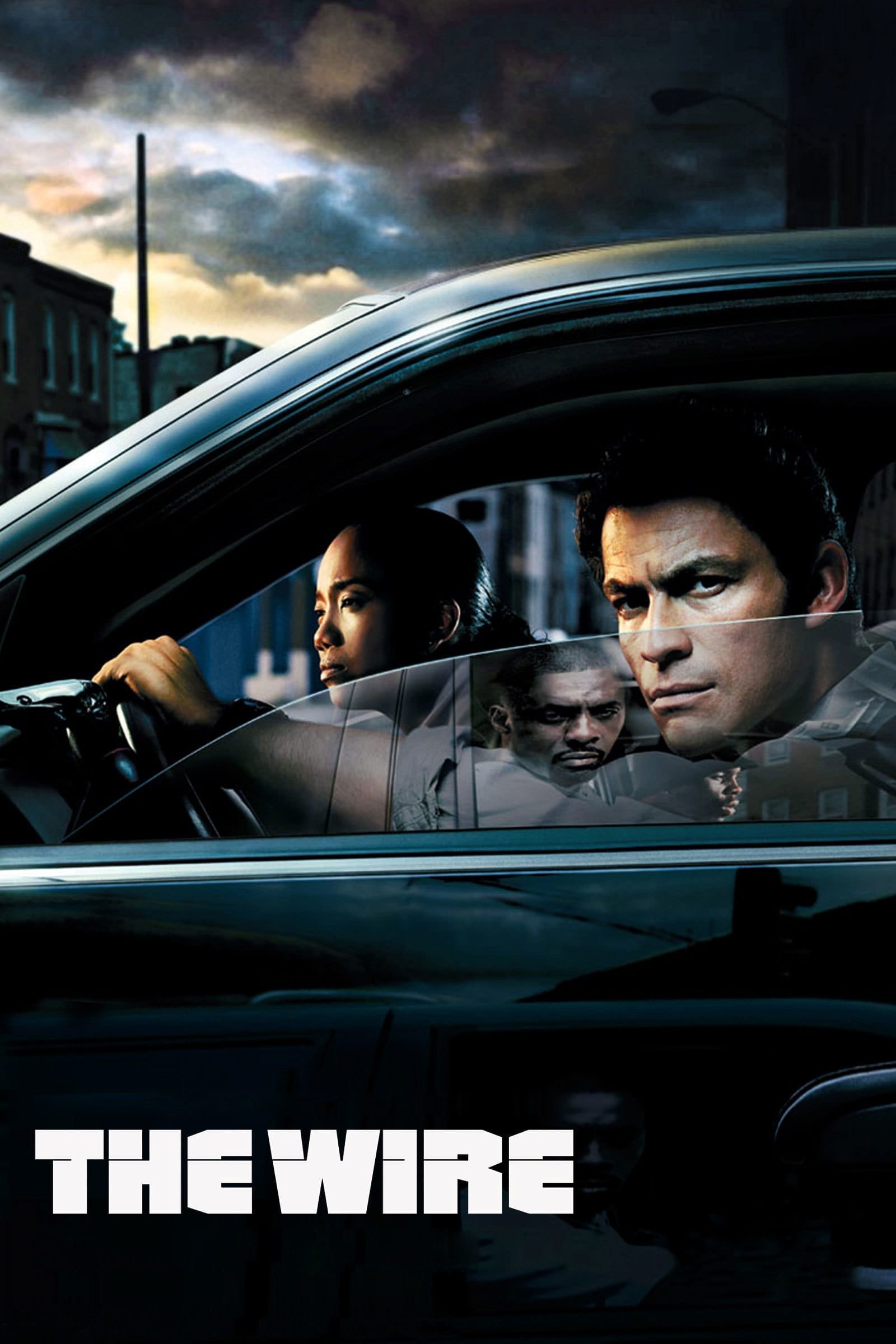
“The Wire” is often called one of the greatest TV shows ever made. It is a crime drama set in Baltimore. Each season looks at a different part of the city. It shows how drugs, police, politicians, schools, and the media are all connected. The show is very realistic and feels like a documentary.
The show is hard to watch because it has so many characters. It doesn’t have a simple good-guy-versus-bad-guy story. Instead, it shows the struggles of people in a broken system. The dialogue uses a lot of slang from the streets and from police work, which can be hard to follow. You need to focus on the slow-building story to see the big picture.
Dark (2017)
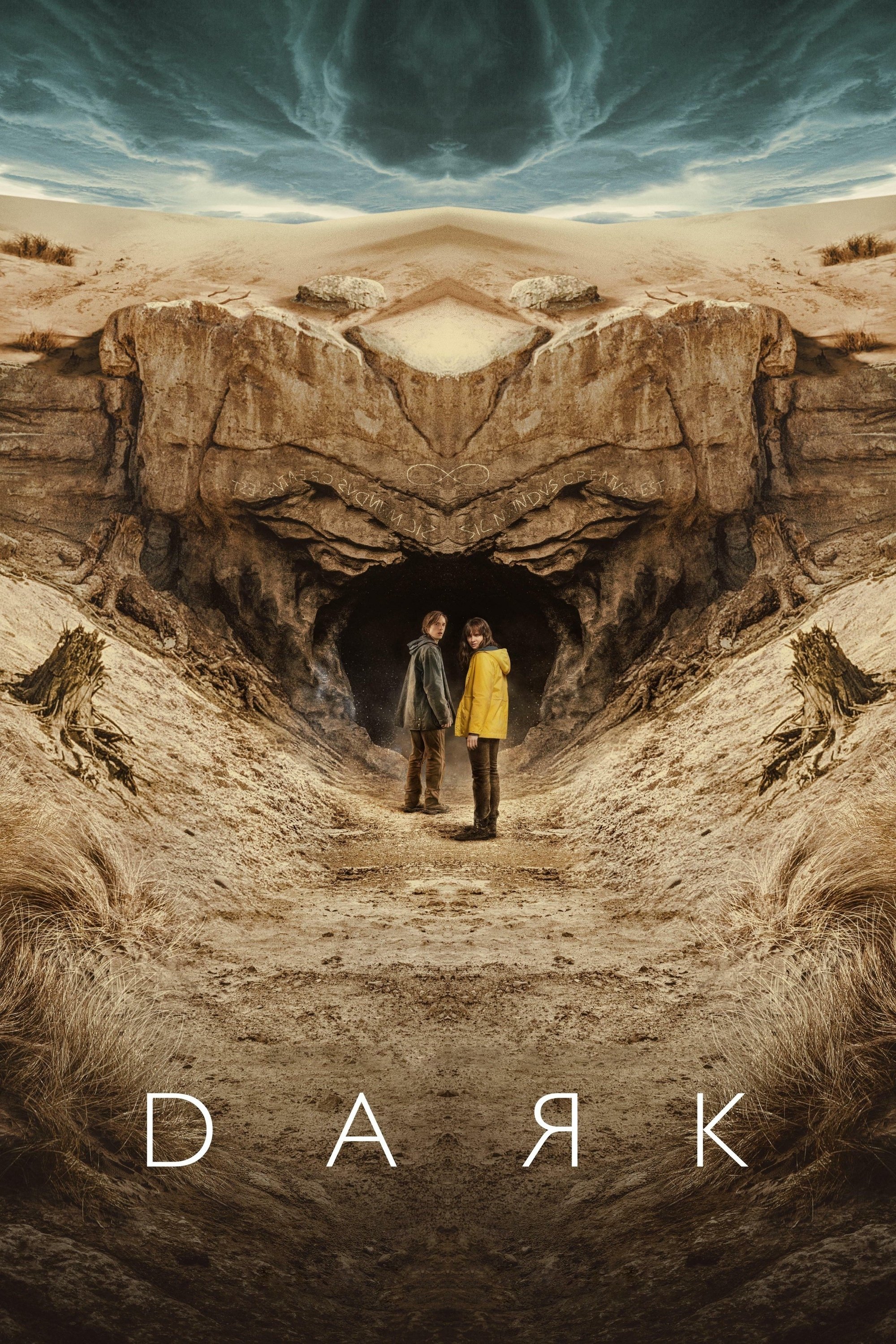
“Dark” is a German-language science fiction show. It starts with a child’s disappearance in a small town. This event uncovers the secrets and broken relationships among four families. The show quickly becomes a mind-bending story about time travel.
The story is very complex because it involves multiple families and timelines. Characters from different time periods interact with each other, creating a complicated web of cause and effect. The show has its own rules for time travel that you need to learn. Keeping track of who is who and when they are from is a major challenge for the viewer.
Severance (2022)
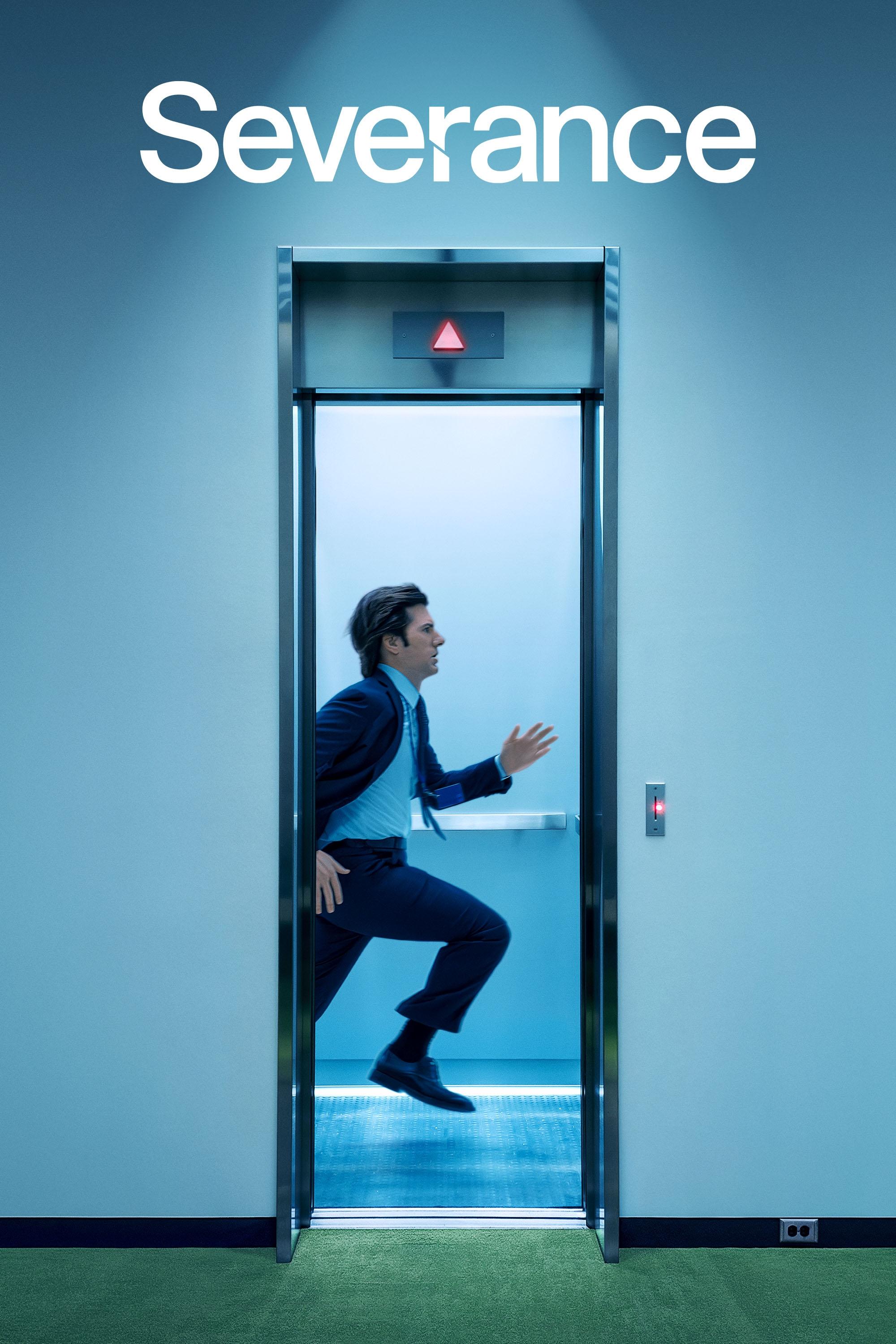
“Severance” is a thriller that takes place at a mysterious company called Lumon Industries. The employees at this company have a special surgery. Their memories of their work life and their personal life are completely separated. This means their “work self” doesn’t know anything about their life outside, and their “outside self” doesn’t know what they do at work.
The show explores big ideas about identity and the work-life balance. It is filled with mystery and suspense. The visual style is very specific and adds to the strange feeling of the show. You have to pay attention to small details in the office and in the characters’ behavior to piece together what is really happening at Lumon.
Mr. Robot (2015)
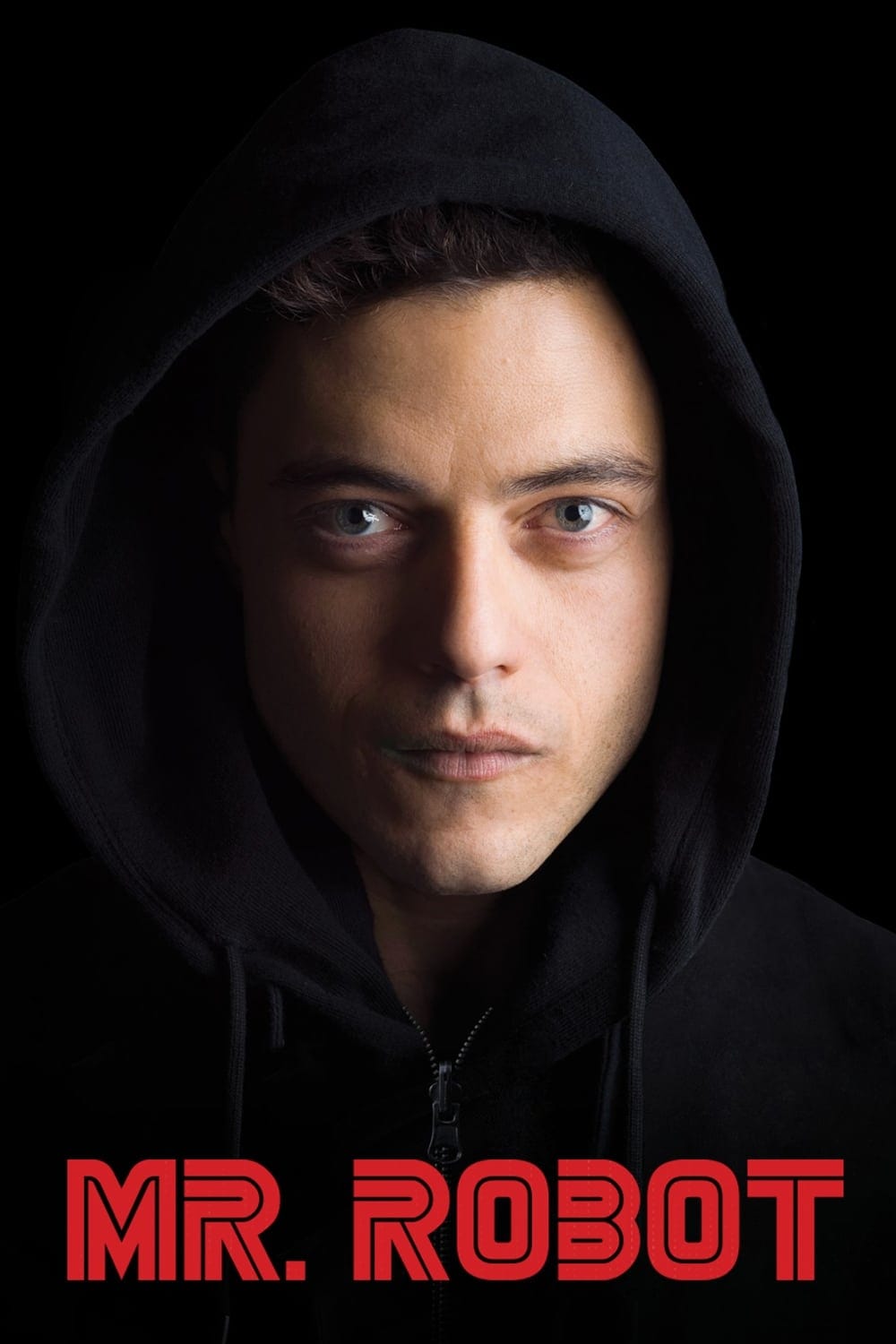
This show is about a young computer programmer named Elliot. He is a cybersecurity engineer by day and a vigilante hacker by night. He has social anxiety and other mental health issues. He is recruited by a mysterious anarchist known as “Mr. Robot” to join a group of hackers trying to take down a giant, evil corporation.
The story is told from Elliot’s point of view, and he is an unreliable narrator. This means that what you see is not always what is really happening. The show uses a lot of technical computer terms and has many plot twists. You have to question everything you see and try to figure out what is real and what is in Elliot’s head.
True Detective (2014)
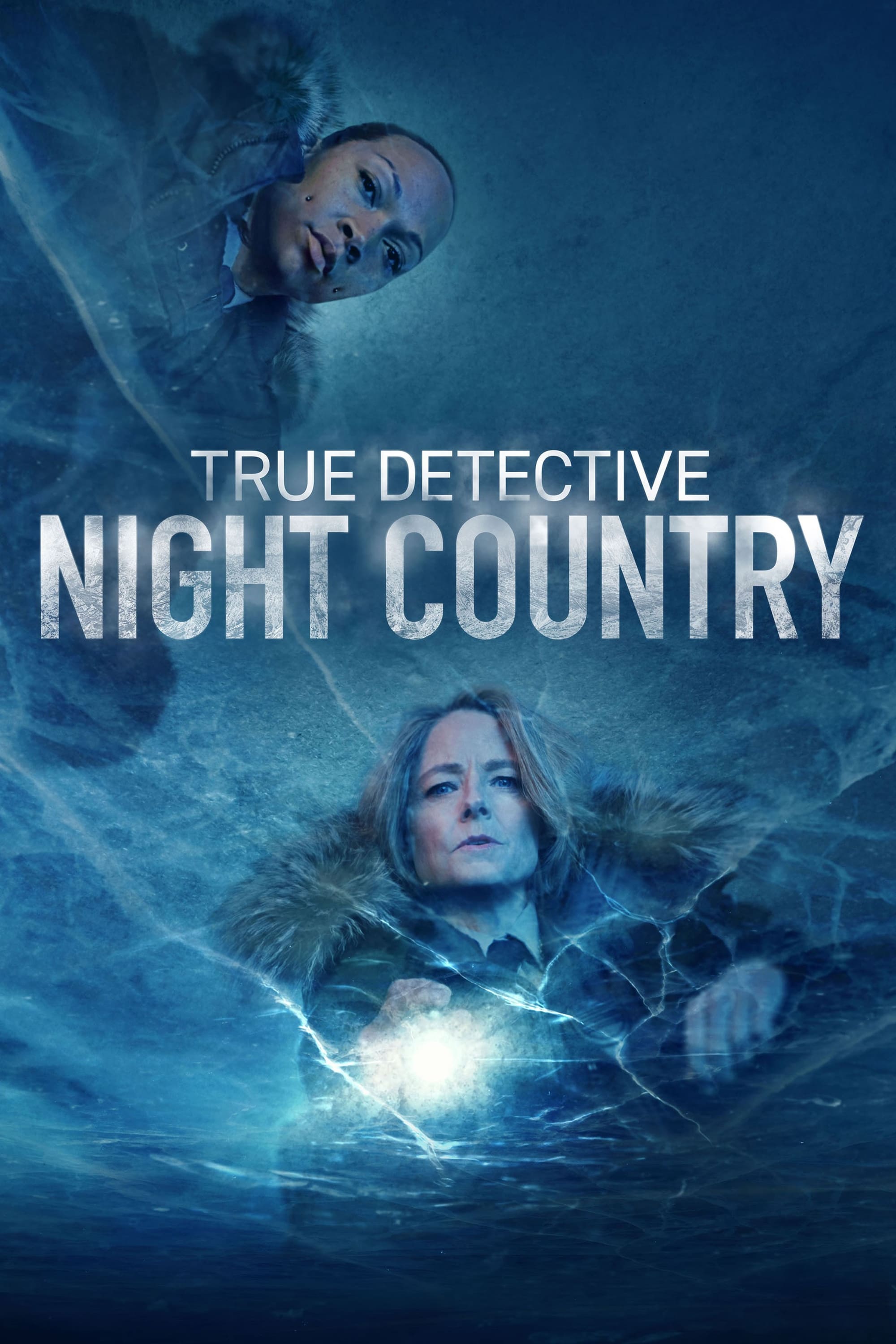
The first season of “True Detective” follows two detectives as they hunt for a serial killer in Louisiana over 17 years. The story is told through flashbacks as the detectives are interviewed in the present day. This creates a complex narrative where the past and present are woven together.
The show is very philosophical and full of long, deep conversations. The detectives talk about religion, humanity, and the nature of good and evil. The plot itself has many small clues and hidden meanings. To understand the mystery and the characters, you need to listen carefully to the dialogue and think about the big ideas being discussed.
Attack on Titan (2013)
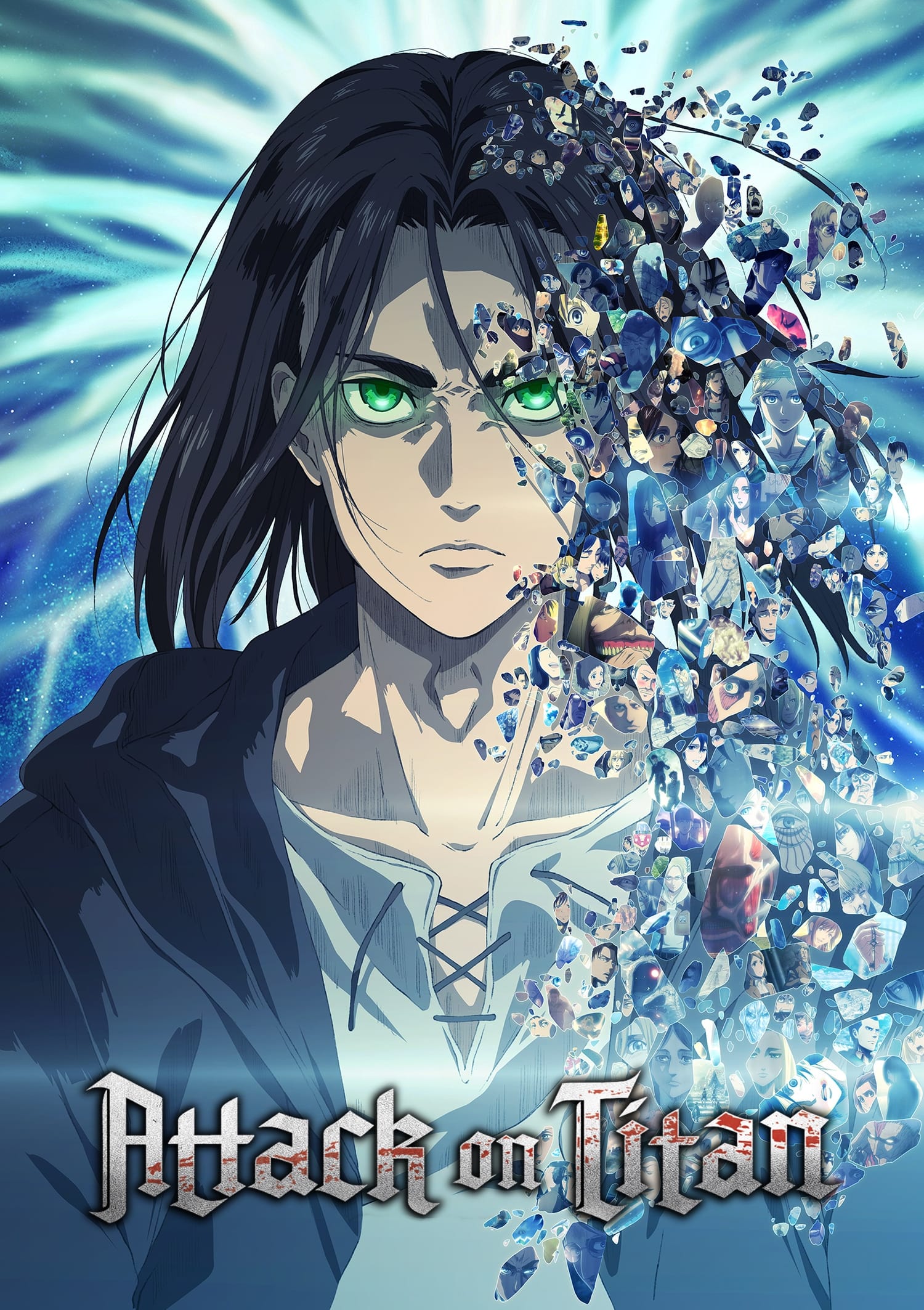
“Attack on Titan” is a Japanese anime series. It is set in a world where humanity lives inside cities surrounded by enormous walls. These walls protect them from giant man-eating creatures called Titans. The story follows a young man named Eren Yeager who vows to destroy the Titans after one of them destroys his hometown.
What starts as a simple survival story becomes a very complex political and philosophical drama. The show reveals that the history the characters know is a lie. The nature of the Titans and the world outside the walls is a huge mystery that unfolds slowly. It deals with themes of war, freedom, and the cycle of hatred, and the lines between good and evil become very blurry.
Legion (2017)
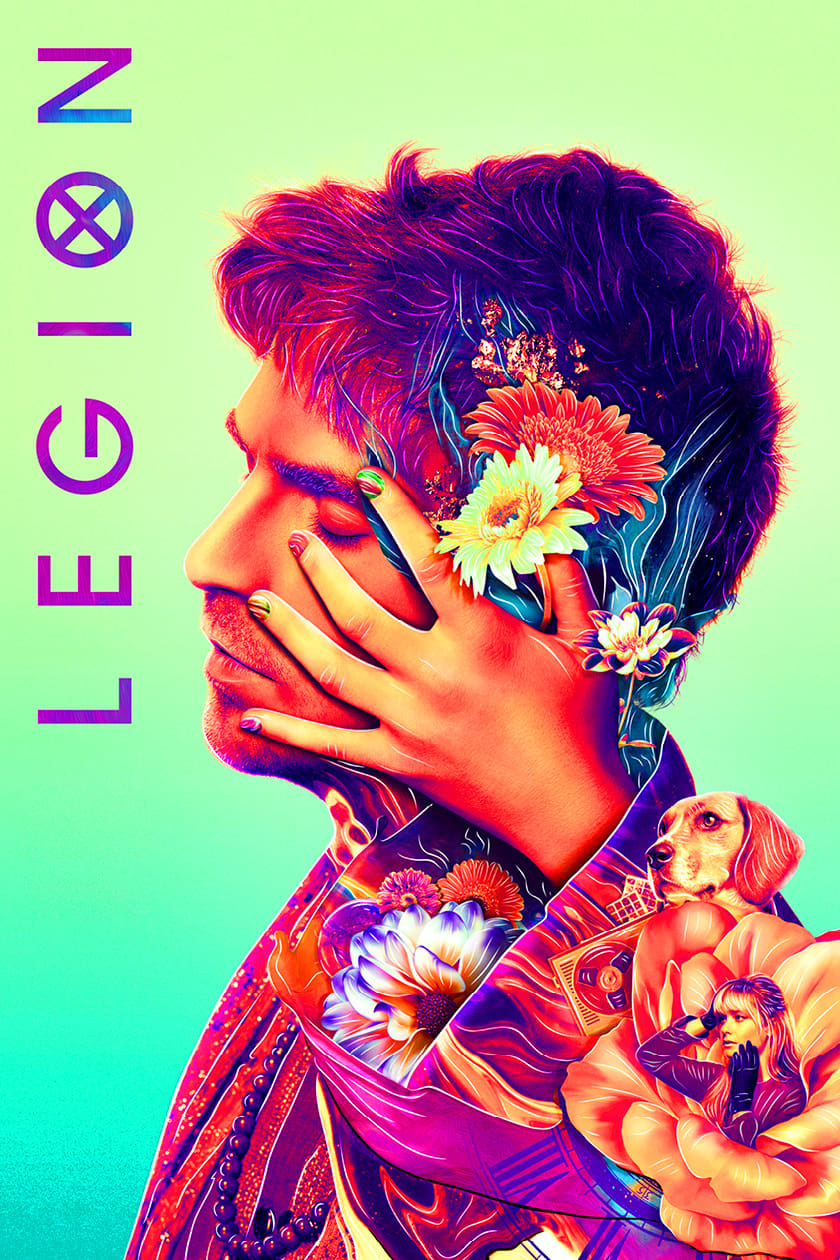
“Legion” is based on a character from Marvel Comics. It’s about David Haller, a man who has been diagnosed with schizophrenia. He has been in and out of psychiatric hospitals for years. But he learns that the voices he hears and the visions he sees might not be in his head. They could be real.
The show is visually stunning and very confusing. It tries to show what it feels like to be inside David’s mind. The story is not told in a straight line. It jumps around, and reality is constantly shifting. There are musical numbers and strange dream sequences. You have to let go of normal storytelling and try to piece together the plot from a stream of surreal events.
Black Mirror (2011)
“Black Mirror” is an anthology series, which means each episode is a standalone story with different characters and settings. The show explores the dark side of technology and modern society. Each episode presents a possible future or an alternate present where a new technology has unintended and often disturbing consequences.
Because each episode introduces a new world and new rules, you have to be smart to quickly understand the concept. The stories often have surprise endings that make you rethink everything you just watched. The show makes you think about your own relationship with technology and the direction our world is heading. It’s a show that stays with you long after the credits roll.
The Leftovers (2014)
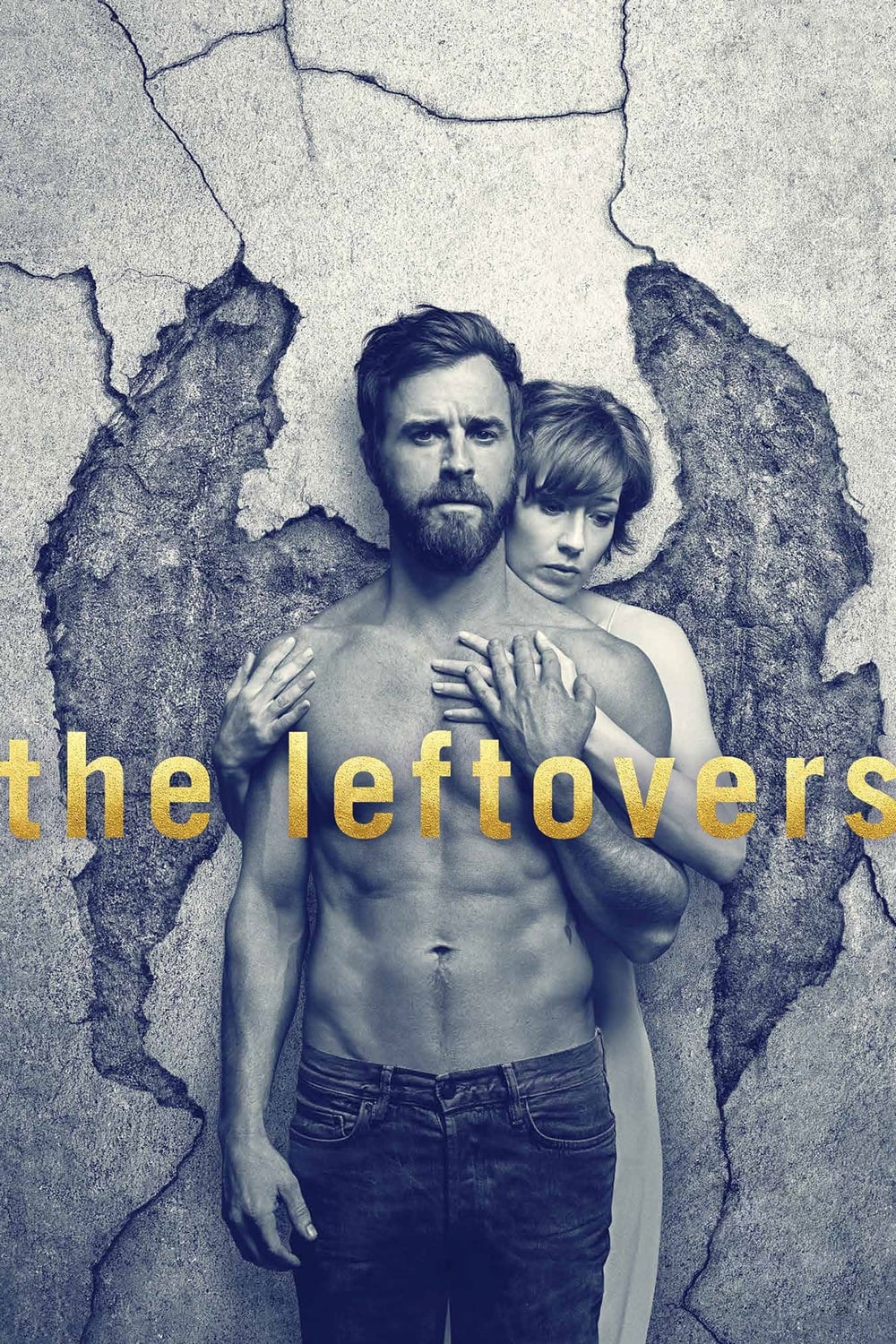
“The Leftovers” starts with a global event called the “Sudden Departure,” where 2% of the world’s population instantly vanishes. The show is not about finding out why they disappeared. Instead, it focuses on the people who were left behind and how they deal with their grief and confusion in the years following the event.
This is a show about emotion and philosophy, not plot. It explores how people create meaning when something inexplicable happens. The story is full of symbolism and surreal moments that can be interpreted in many ways. It doesn’t give easy answers, and it requires the viewer to think deeply about themes of faith, loss, and the human search for purpose.
Twin Peaks (1990)
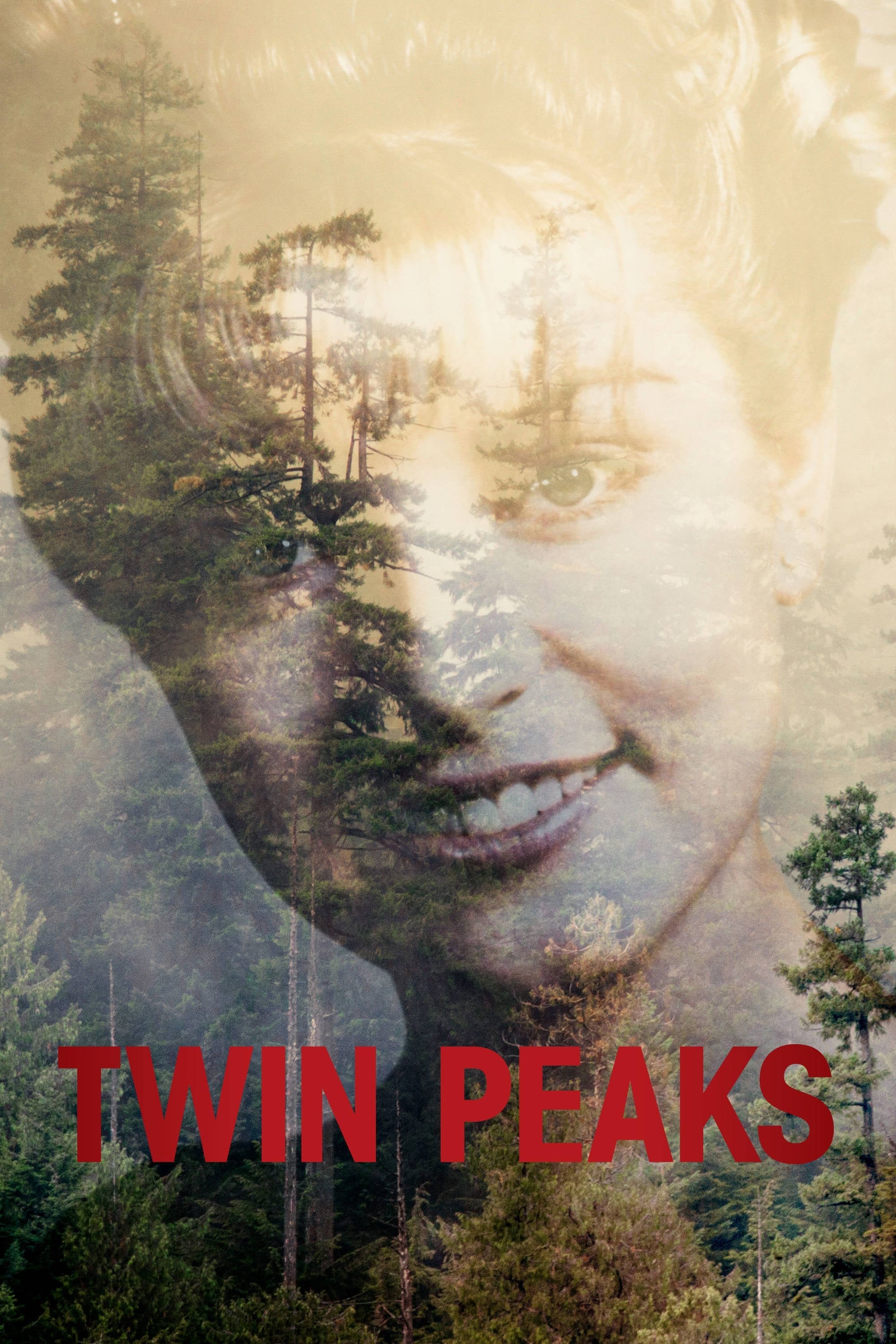
“Twin Peaks” begins with the discovery of the body of a high school student, Laura Palmer, in a small town in Washington. An unusual FBI agent, Dale Cooper, is sent to investigate. What starts as a murder mystery quickly becomes a strange and surreal journey into the hidden darkness of the town.
The show, created by David Lynch, mixes crime drama with supernatural horror and comedy. It has a huge cast of eccentric characters and a dreamlike quality. The plot is filled with cryptic clues, visions, and bizarre events that don’t always make logical sense. To appreciate “Twin Peaks,” you need to embrace its weirdness and look for meaning beyond the surface-level story. The 2017 revival, “Twin Peaks: The Return,” is even more experimental and challenging.
Neon Genesis Evangelion (1995)
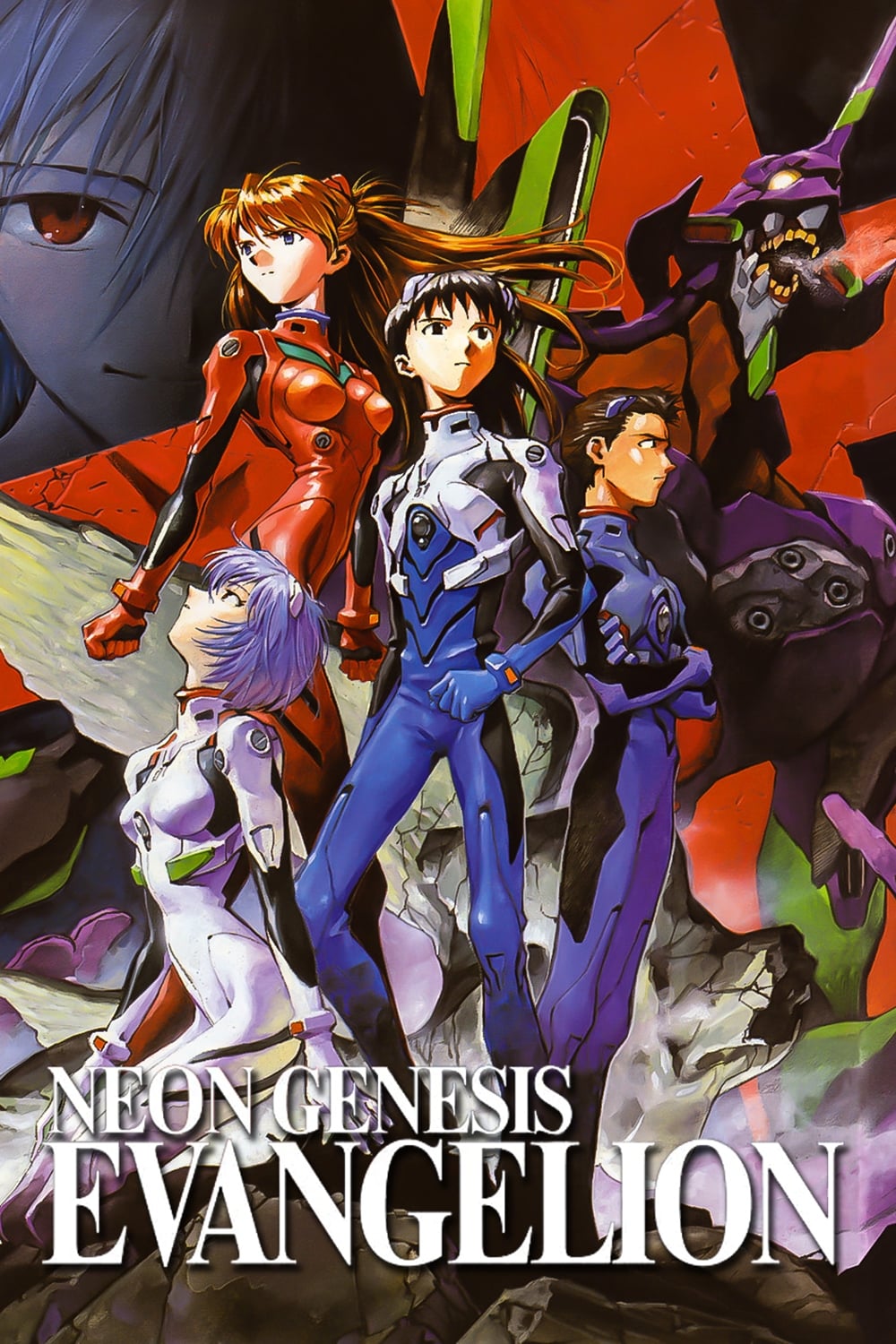
This is a classic Japanese anime series that has influenced many shows that came after it. On the surface, it is about giant robots, called Evangelions, that are piloted by teenagers to fight monstrous beings called Angels. The story seems like a typical action show at first.
However, the show is really a deep psychological study of its characters. It explores their trauma, depression, and feelings of loneliness. As the series goes on, it becomes more and more philosophical and experimental. The final episodes are famous for being abstract and difficult to understand. They focus on complex ideas about human connection and the nature of the self, requiring careful analysis to unpack.
The Good Place (2016)
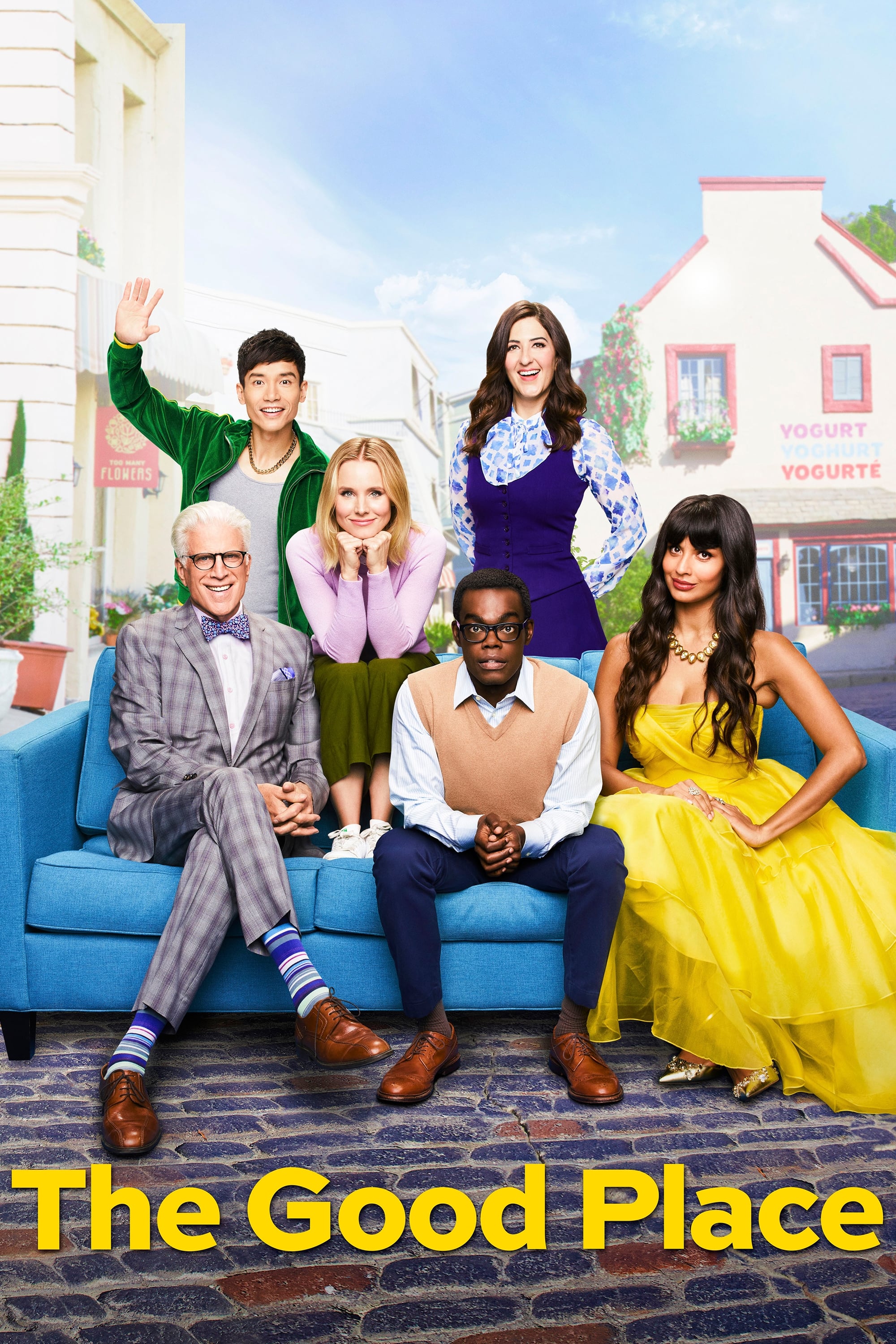
“The Good Place” starts as a simple comedy. A woman named Eleanor Shellstrop dies and finds herself in a perfect afterlife neighborhood called “the Good Place.” The only problem is that she was not a good person in her life, and she has been sent there by mistake. She tries to hide her past and learn how to be a better person.
The show is very funny, but it is also a crash course in moral philosophy. The characters discuss the ideas of famous thinkers like Kant and Aristotle in a way that is easy to understand. The plot has major twists and resets itself multiple times, forcing you to keep up with new situations and rules. It’s a show that makes you laugh while also making you think about what it means to be a good person.
Watchmen (2019)
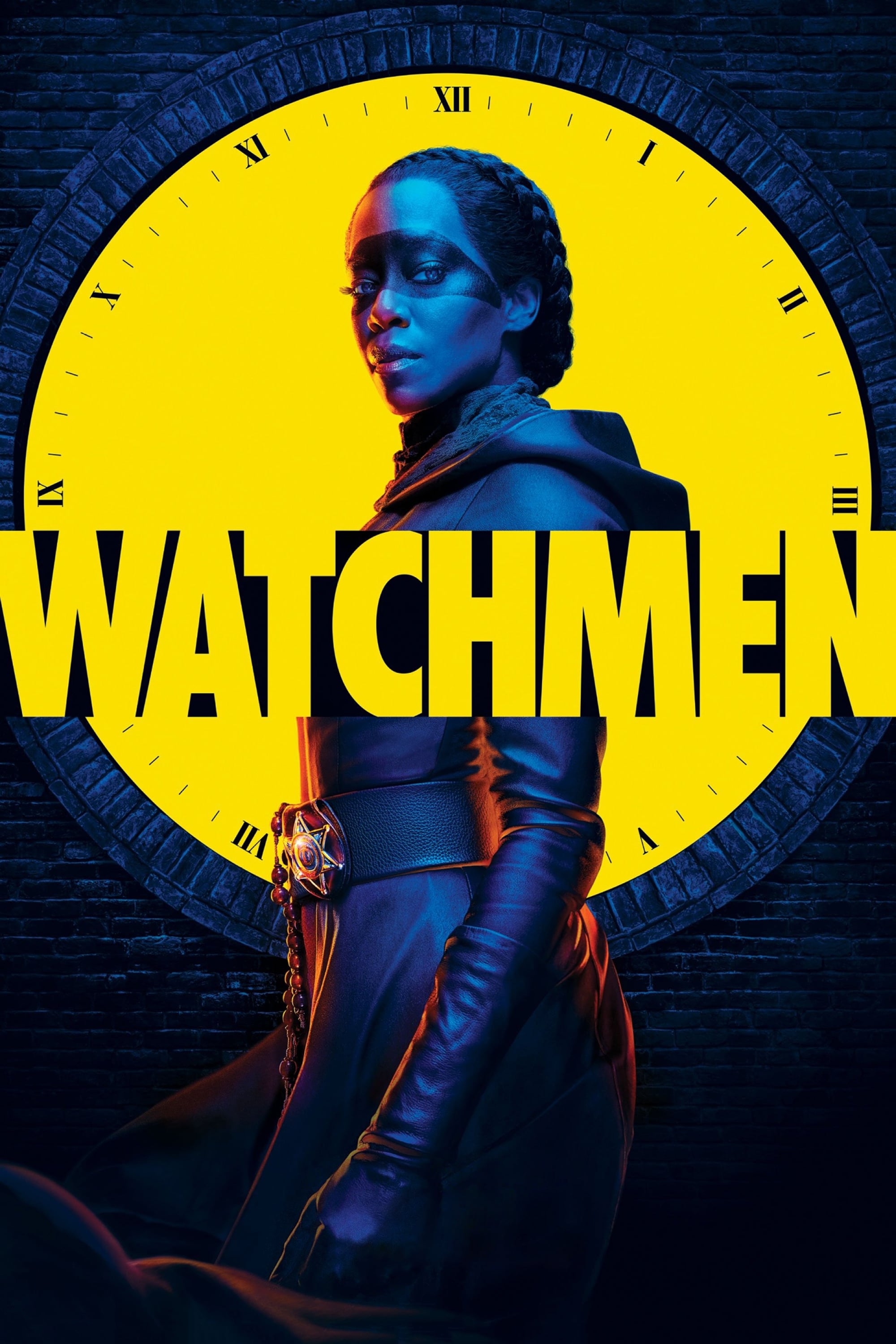
This series is a sequel to the famous graphic novel of the same name. It takes place 34 years after the events of the comic book, in an alternate version of America. The story follows a detective in Tulsa, Oklahoma, as she investigates a white supremacist group that was inspired by a character from the original story.
To fully understand “Watchmen,” it helps to be familiar with the original graphic novel. The show is packed with references and builds on the complex themes of the comic. It deals with serious topics like racial trauma and American history. The story is a complex puzzle that mixes superhero action with deep social commentary. You need to pay attention to how it rewrites history and connects past events to the present.
Fleabag (2016)
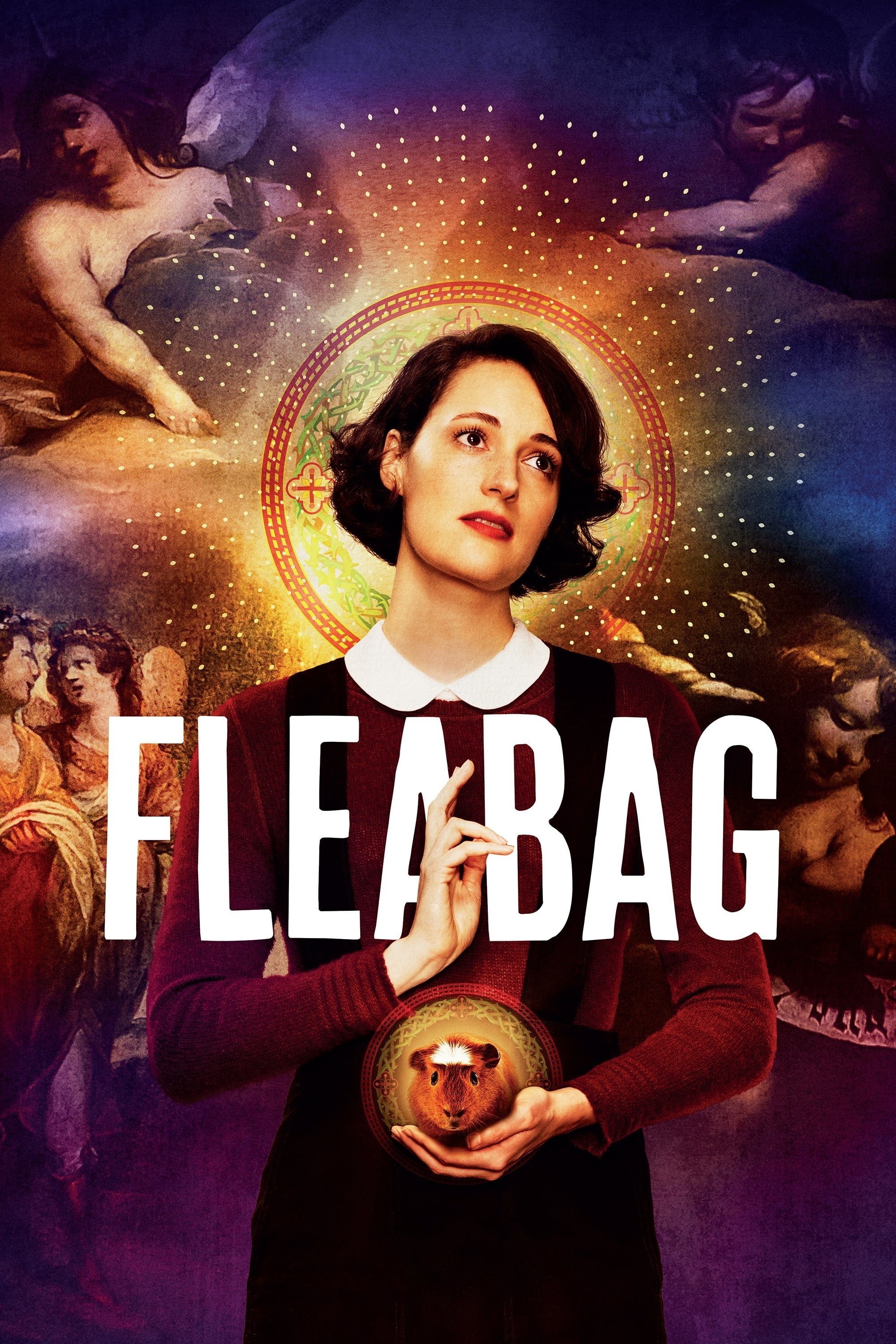
“Fleabag” is a comedy-drama about a young woman living in London. The show is based on a one-woman play. The main character, who is known only as Fleabag, is grieving the recent deaths of her mother and her best friend. She is trying to navigate her life and her relationships with her dysfunctional family.
The show is smart because of how it tells its story. Fleabag often breaks the fourth wall, meaning she talks directly to the audience. This gives you a direct look into her thoughts and feelings. The dialogue is sharp, witty, and full of hidden meaning. In the second season, the show plays with this fourth-wall-breaking technique in a clever way, requiring you to notice subtle changes in how she interacts with the camera.
Russian Doll (2019)
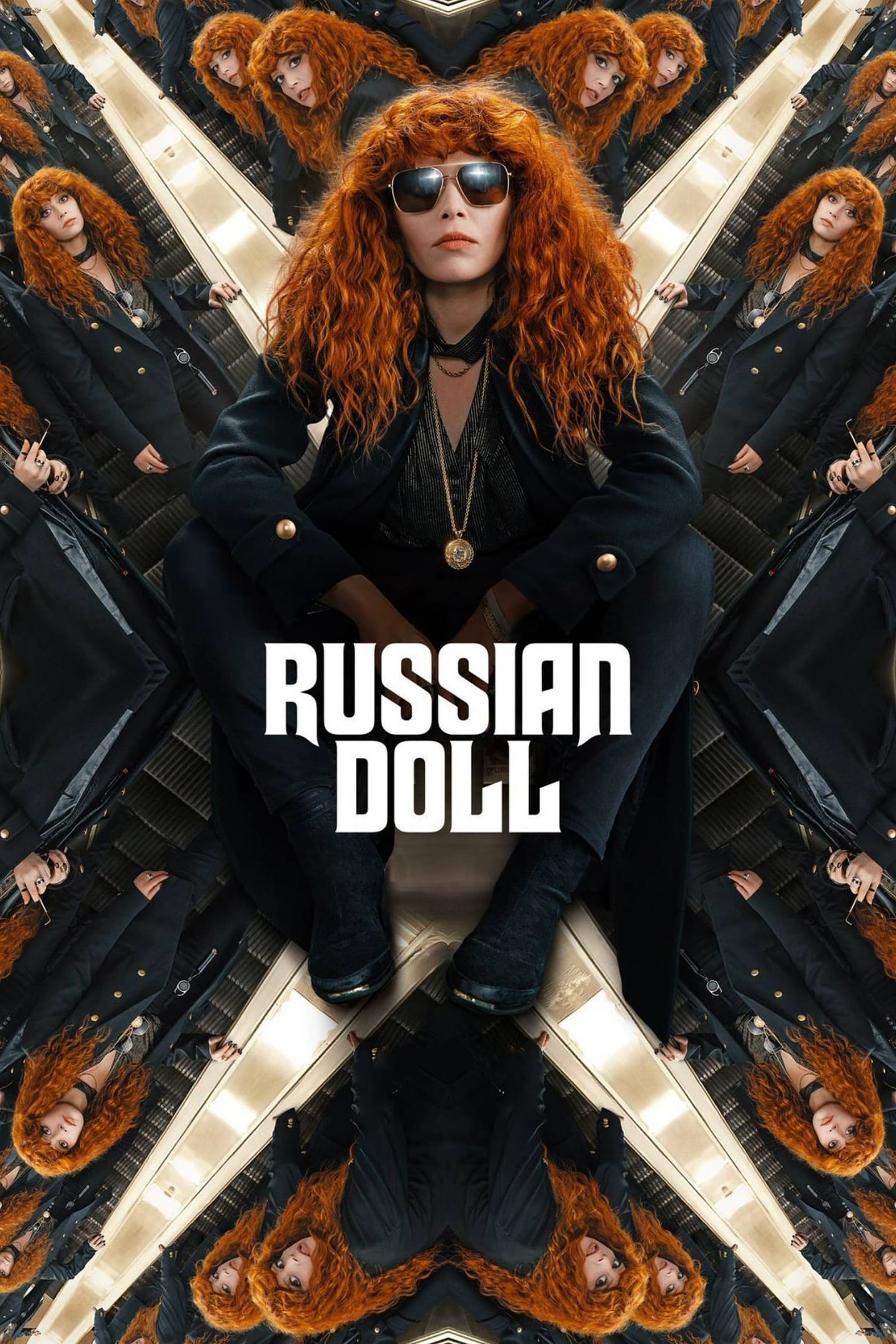
“Russian Doll” follows a woman named Nadia who is celebrating her 36th birthday at a party in New York City. At the end of the night, she dies in an accident. She then finds herself back at the party, alive and well, forced to repeat the same night over and over again. She has to figure out why this is happening and how to escape the time loop.
The show is a clever puzzle box. Each time the loop resets, Nadia learns something new that helps her get a little further. The story explores themes of trauma, mortality, and human connection. The second season introduces an even more complex form of time travel that involves multiple generations of Nadia’s family. You need to keep track of the different timelines and clues to understand her journey of self-discovery.
Better Call Saul (2015)
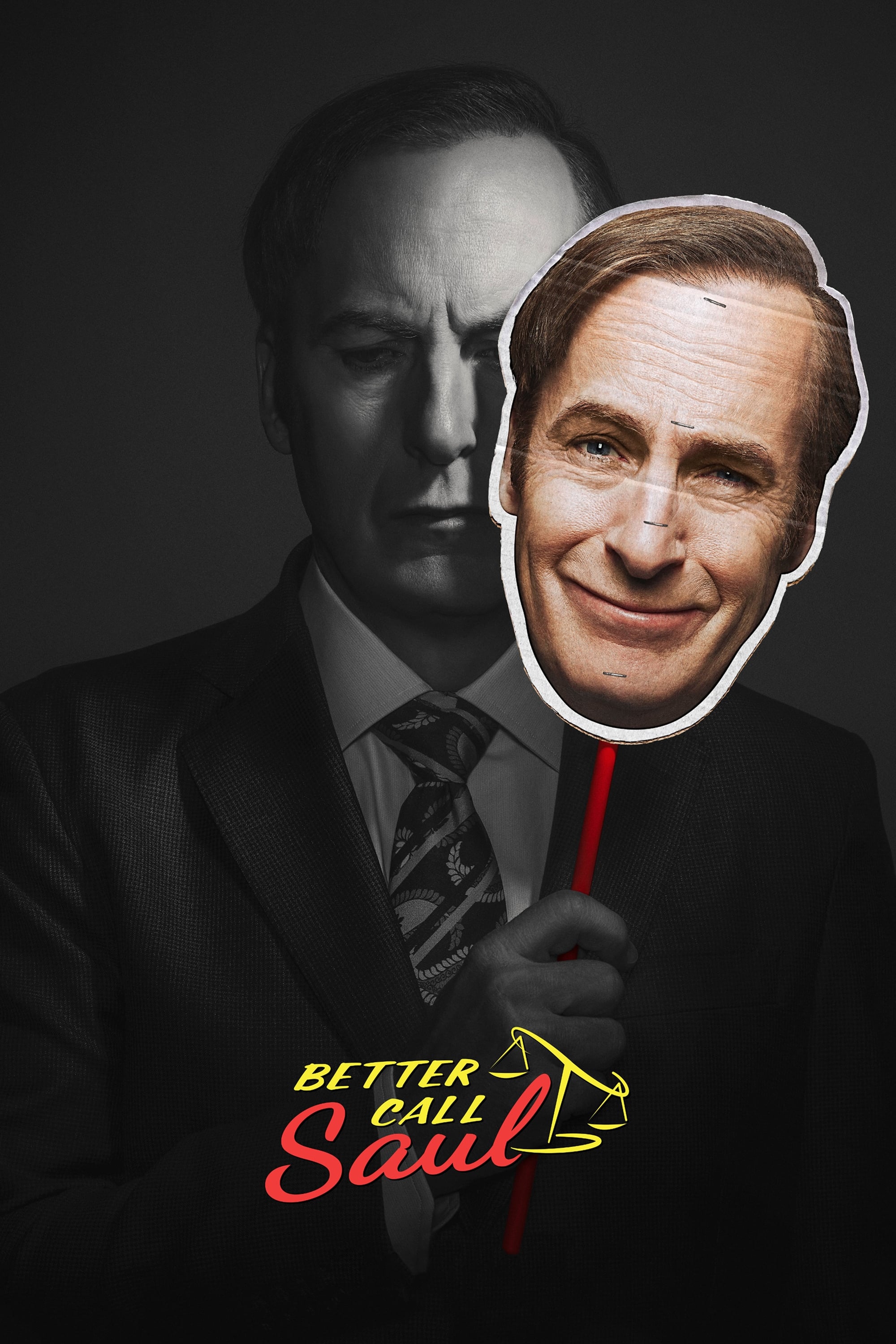
“Better Call Saul” is a prequel to the highly acclaimed show “Breaking Bad.” It tells the story of how a small-time lawyer named Jimmy McGill transforms into the morally compromised criminal lawyer Saul Goodman. The show follows Jimmy’s personal and professional struggles in the years before he meets Walter White.
While it has connections to “Breaking Bad,” the show stands on its own as a brilliant character study. It is a slow-burn drama that focuses on small details and subtle character development. The legal plots are complex and clever, showing Jimmy’s creative and often unethical methods. The show is smart because it trusts the audience to understand the characters’ motivations without spelling everything out. It’s a masterclass in visual storytelling and writing.
Devs (2020)
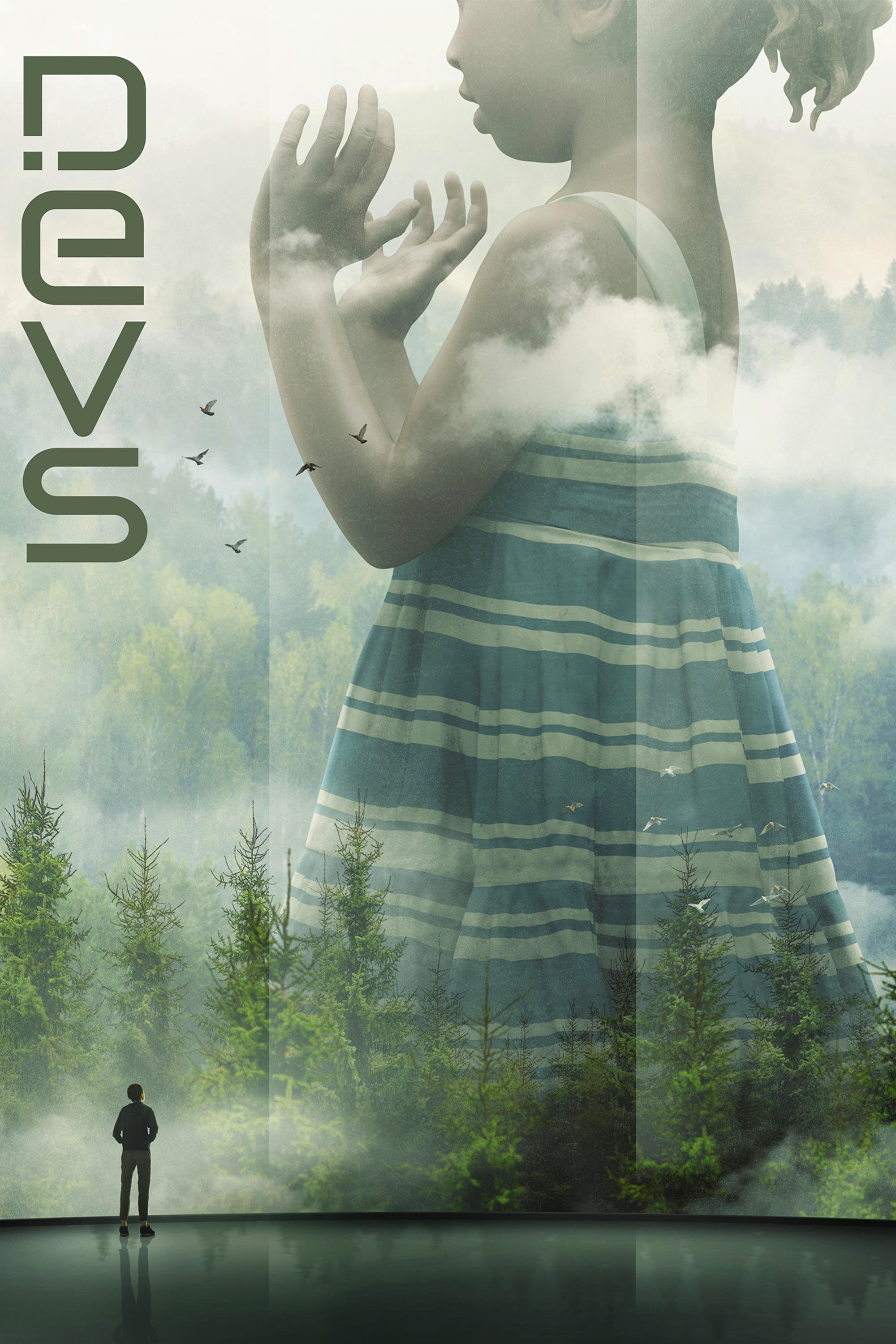
“Devs” is a science fiction miniseries from the writer and director of “Ex Machina.” It is about a young software engineer named Lily Chan who works for a powerful tech company in Silicon Valley. After her boyfriend dies on his first day of work in a secret division of the company known as Devs, she suspects foul play and begins to investigate.
The show deals with big, complex ideas like free will, determinism, and the nature of reality. The “Devs” project is a quantum computer that can see into the past and predict the future. This raises many philosophical questions that the characters discuss in detail. The plot is a slow-burning thriller with a very deliberate pace. You need to engage with its high-concept scientific and philosophical themes to grasp the full story.
Hannibal (2013)
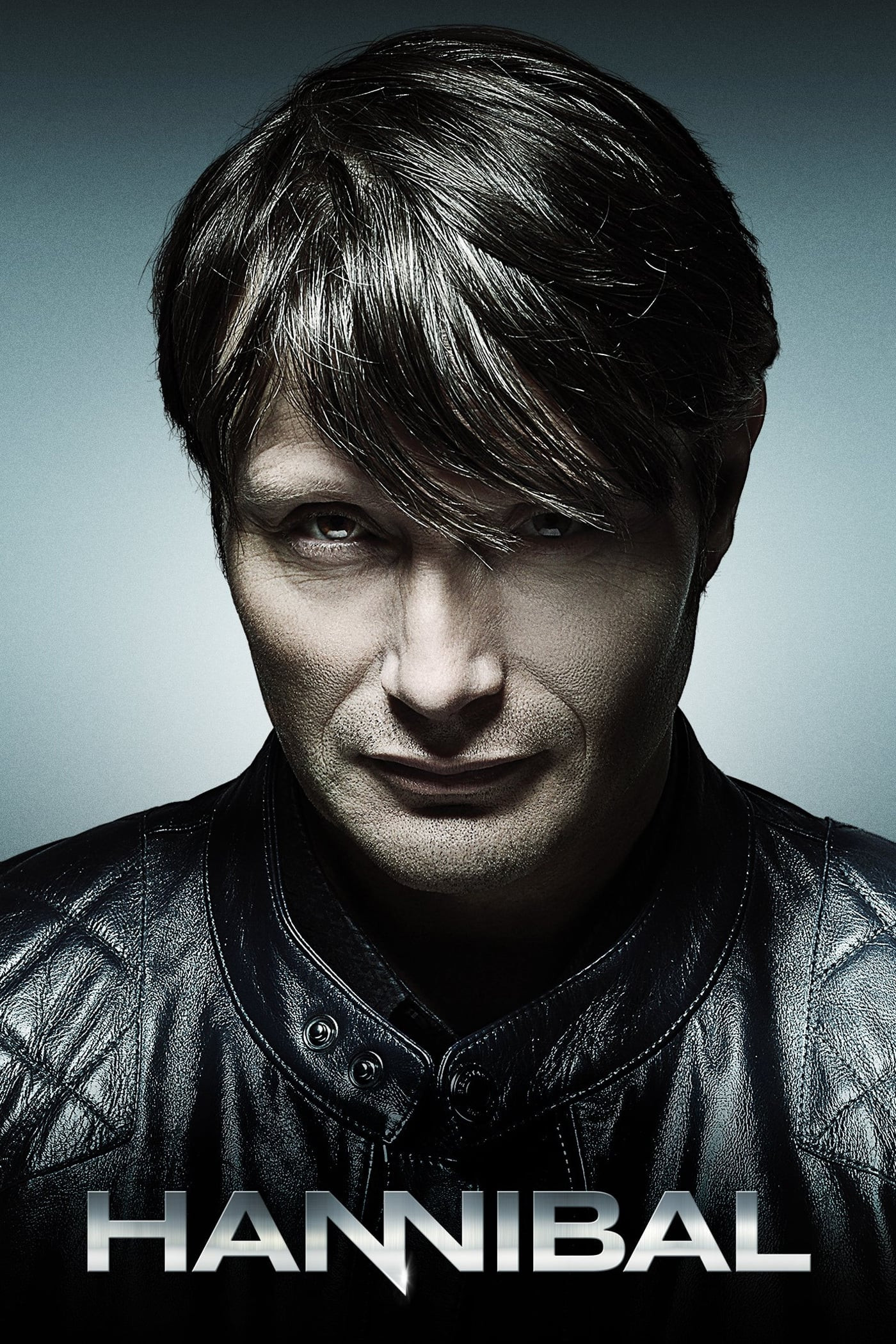
“Hannibal” is a psychological horror series based on the characters from the Thomas Harris novels. It follows FBI profiler Will Graham, who has a unique ability to empathize with serial killers. He works with the brilliant forensic psychiatrist Dr. Hannibal Lecter to solve crimes, but he doesn’t know that Dr. Lecter is himself a cannibalistic serial killer.
The show is known for its beautiful and artistic visuals, which often show gruesome crime scenes in an elegant way. The dialogue is very stylized and poetic, full of metaphors and psychological games. The relationship between Will and Hannibal is complex and twisted. You need to pay close attention to their conversations to understand the manipulation and seduction that is happening. It’s a show that is both beautiful and deeply disturbing.
The Good Wife (2009)
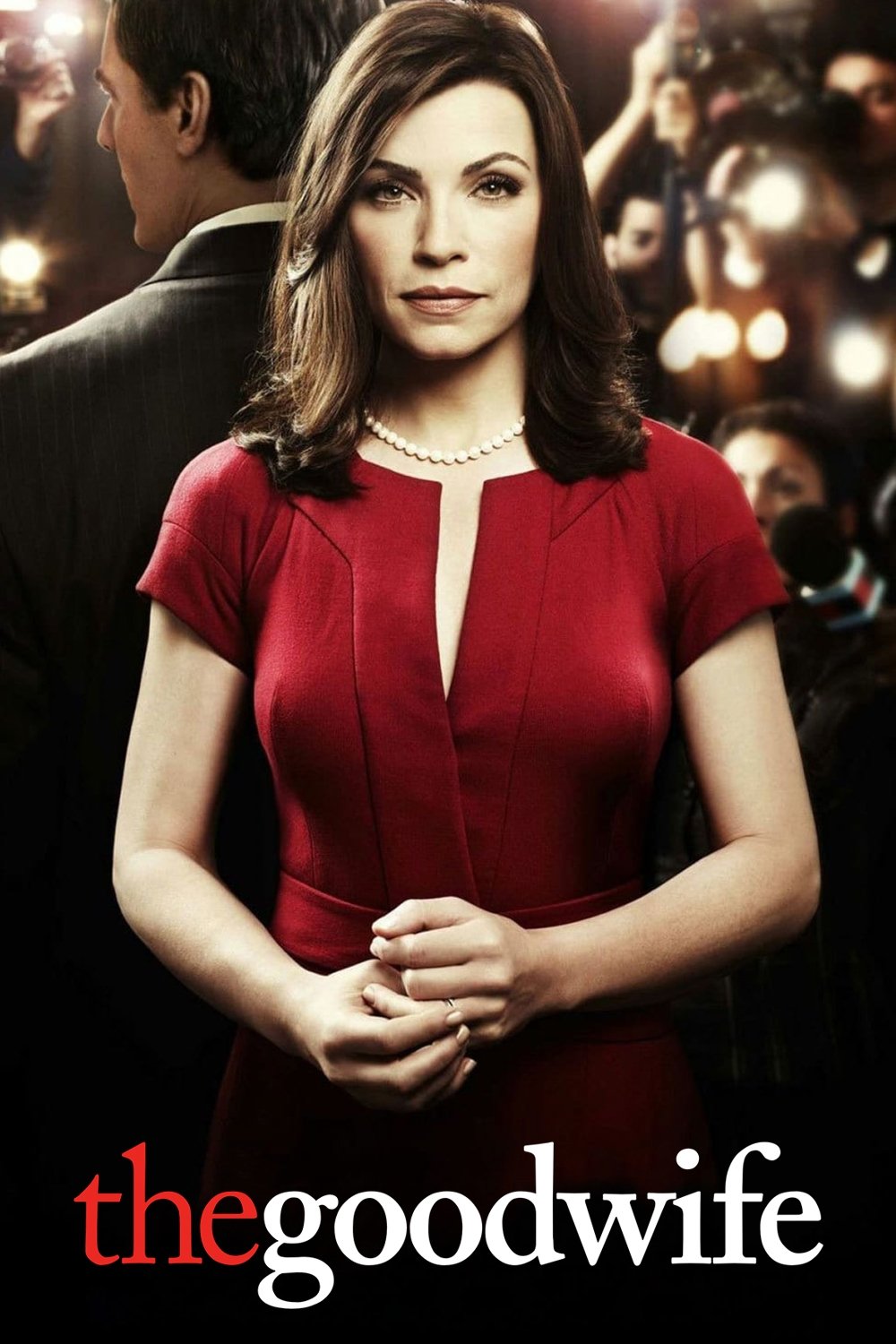
“The Good Wife” is a legal and political drama. It starts with Alicia Florrick, whose husband, a prominent state’s attorney, is jailed following a public sex and corruption scandal. She returns to her old job as a lawyer to provide for her family. The show follows her as she navigates the competitive world of a top Chicago law firm.
Each episode features a complex legal case that is often inspired by real-life events and technologies. The show is smart because it doesn’t oversimplify the legal arguments. It trusts the viewer to follow the courtroom strategies and ethical dilemmas. Beyond the cases, there is a long-running story about firm politics, romantic relationships, and Alicia’s personal growth, all of which are handled with intelligence and nuance.
Arrested Development (2003)
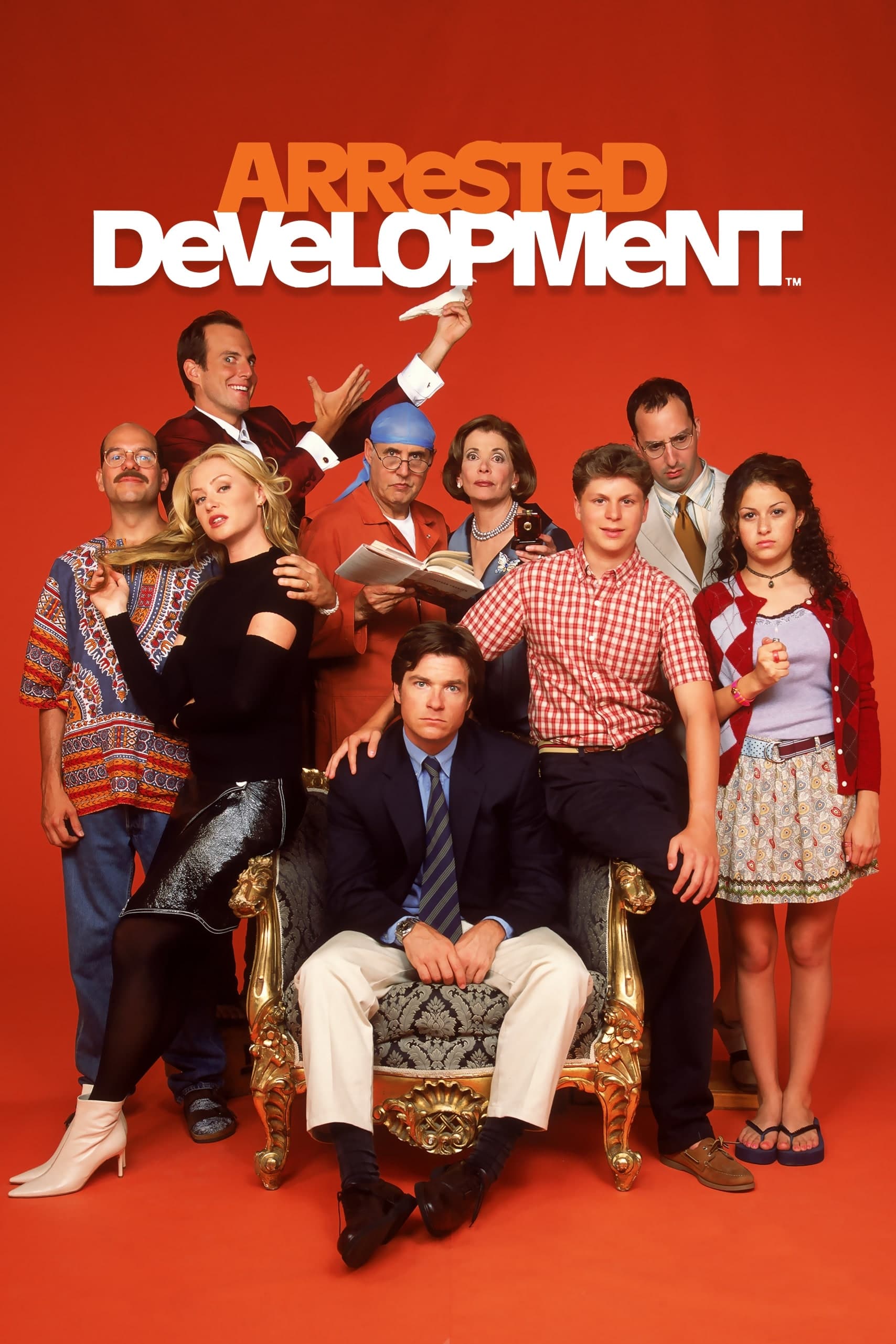
“Arrested Development” is a sitcom about a wealthy, dysfunctional family who loses everything after the father is arrested for fraud. One son, Michael Bluth, is forced to keep his eccentric family together. The show is filmed like a documentary, with a narrator who explains the story.
The comedy in this show is very dense and fast-paced. It is famous for its running gags, where a joke from one episode will be referenced or paid off many episodes or even seasons later. The humor also comes from wordplay, misunderstandings, and visual jokes hidden in the background. To get all the jokes, you need to watch it very carefully and probably more than once.
Succession (2018)
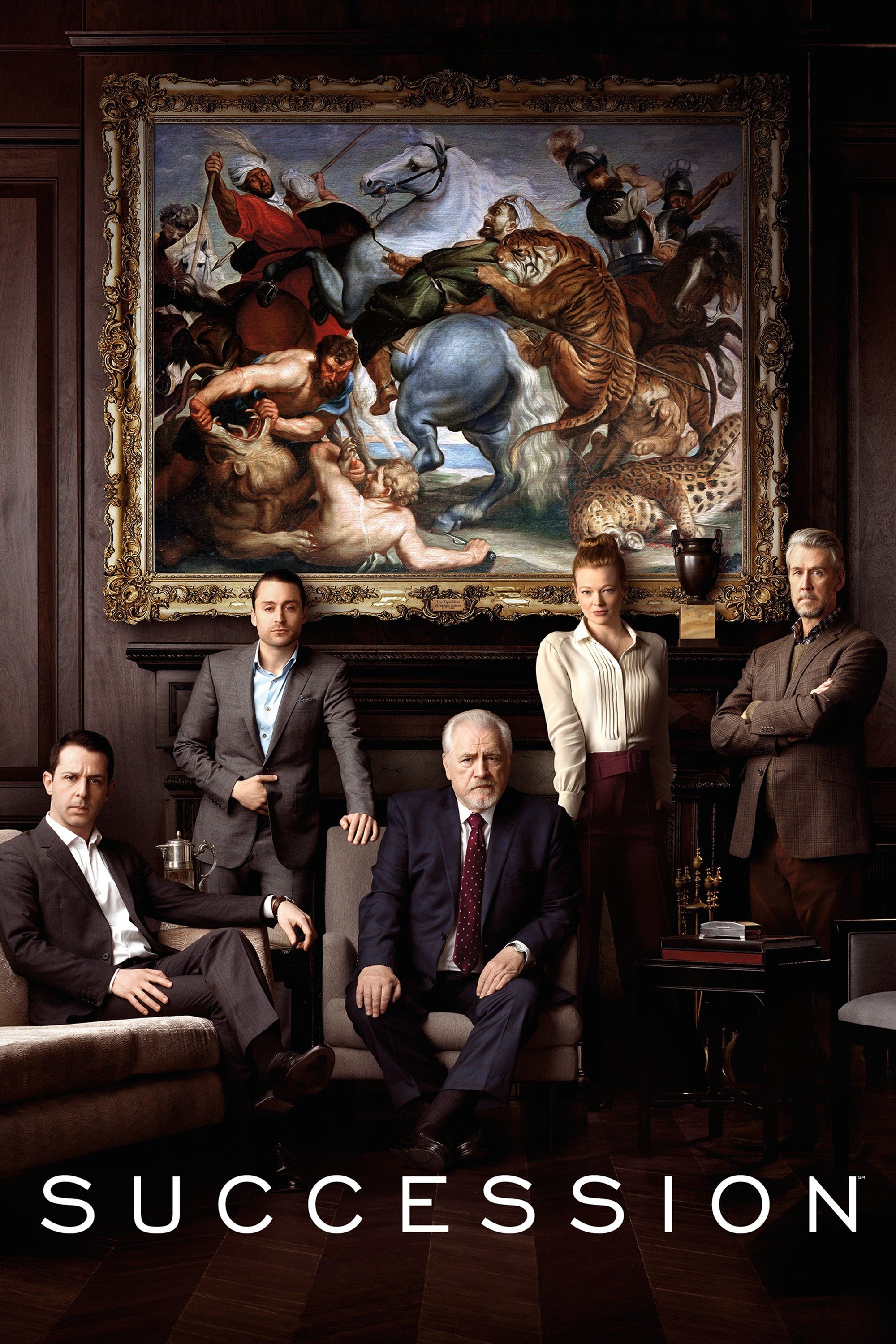
“Succession” is a satirical black comedy-drama about the Roy family, the owners of a global media and entertainment conglomerate. The family’s patriarch, Logan Roy, is aging, and his four children fight for control of the company. The show is a sharp critique of wealth, power, and family dynamics.
The dialogue in “Succession” is its most powerful feature. The characters speak in a way that is both incredibly funny and brutally cruel. They use a lot of corporate jargon and inside jokes. To understand what is truly being said, you have to read between the lines and pay attention to subtext and power plays. The show doesn’t use flashbacks or explain its characters’ histories; you have to piece it together from their complex interactions.
The Americans (2013)
“The Americans” is a spy thriller set during the Cold War in the 1980s. It centers on two Soviet KGB agents who are posing as a typical American married couple in the suburbs of Washington, D.C. They have two children who know nothing about their parents’ true identities. The show follows them as they carry out dangerous missions for the Soviet Union while navigating their complicated personal lives.
The show is a tense and slow-burning drama that focuses on character and relationships. The spy missions are intricate and full of suspense, requiring you to follow complex plans. But the real intelligence of the show lies in its exploration of marriage, identity, and loyalty. It asks deep questions about whether the characters’ love for each other is real or just part of their cover, and it trusts the audience to wrestle with these ambiguous questions.
Utopia (2013)
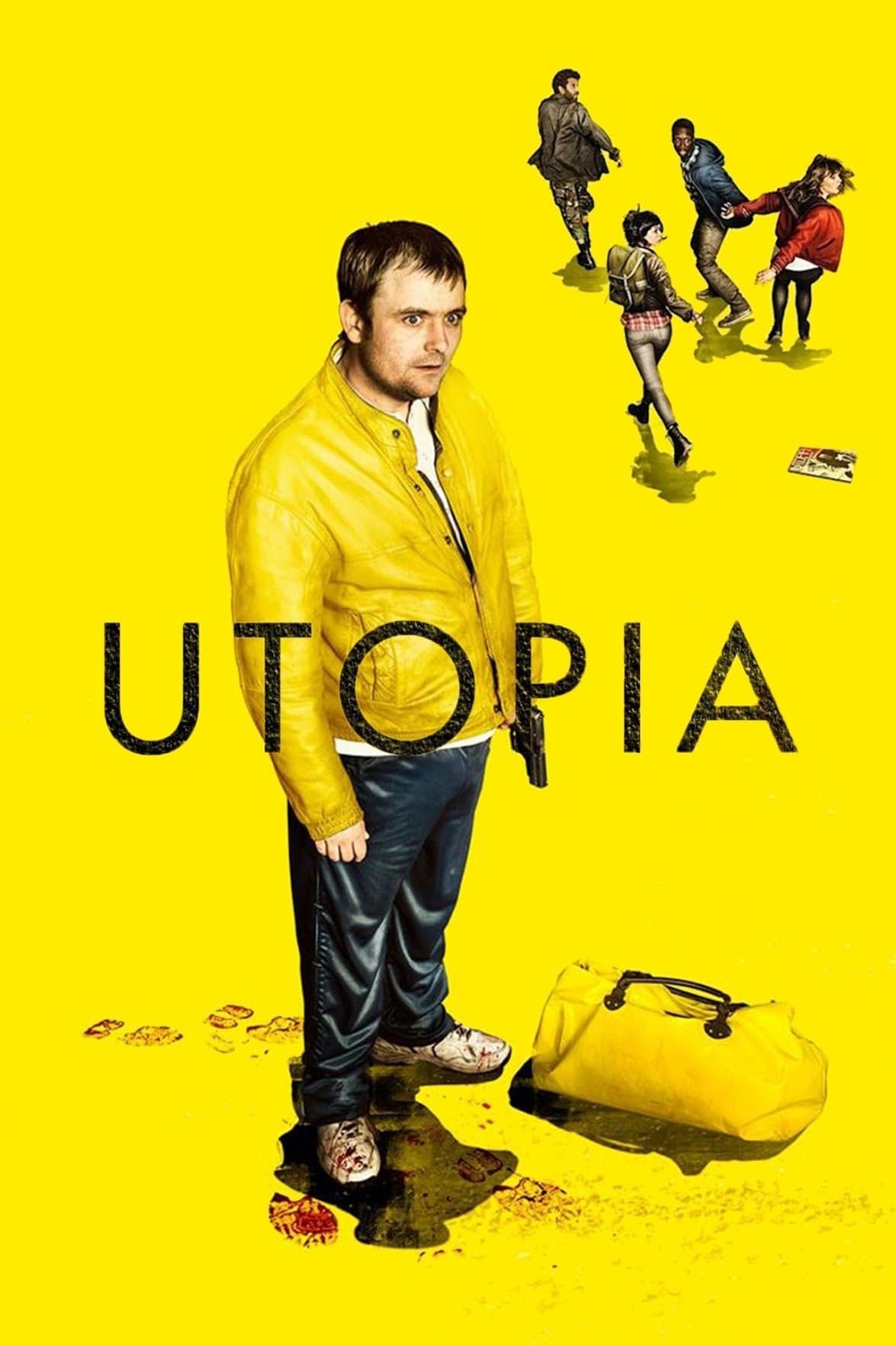
“Utopia” is a British conspiracy thriller known for its vibrant visual style and shocking violence. The story follows a small group of people who come into possession of the manuscript for a cult graphic novel called “The Utopia Experiments.” They believe it predicts future disasters, and they soon find themselves hunted by a shadowy organization known as The Network.
The show has a very complex and intricate plot full of twists, turns, and paranoia. It’s hard to know who to trust, and the characters are constantly in danger. The mystery of The Network and the true meaning of the graphic novel unfold slowly. The show also asks difficult moral questions about how to solve the world’s problems, such as overpopulation. It’s a challenging and unsettling show that requires your full concentration.
Lost (2004)
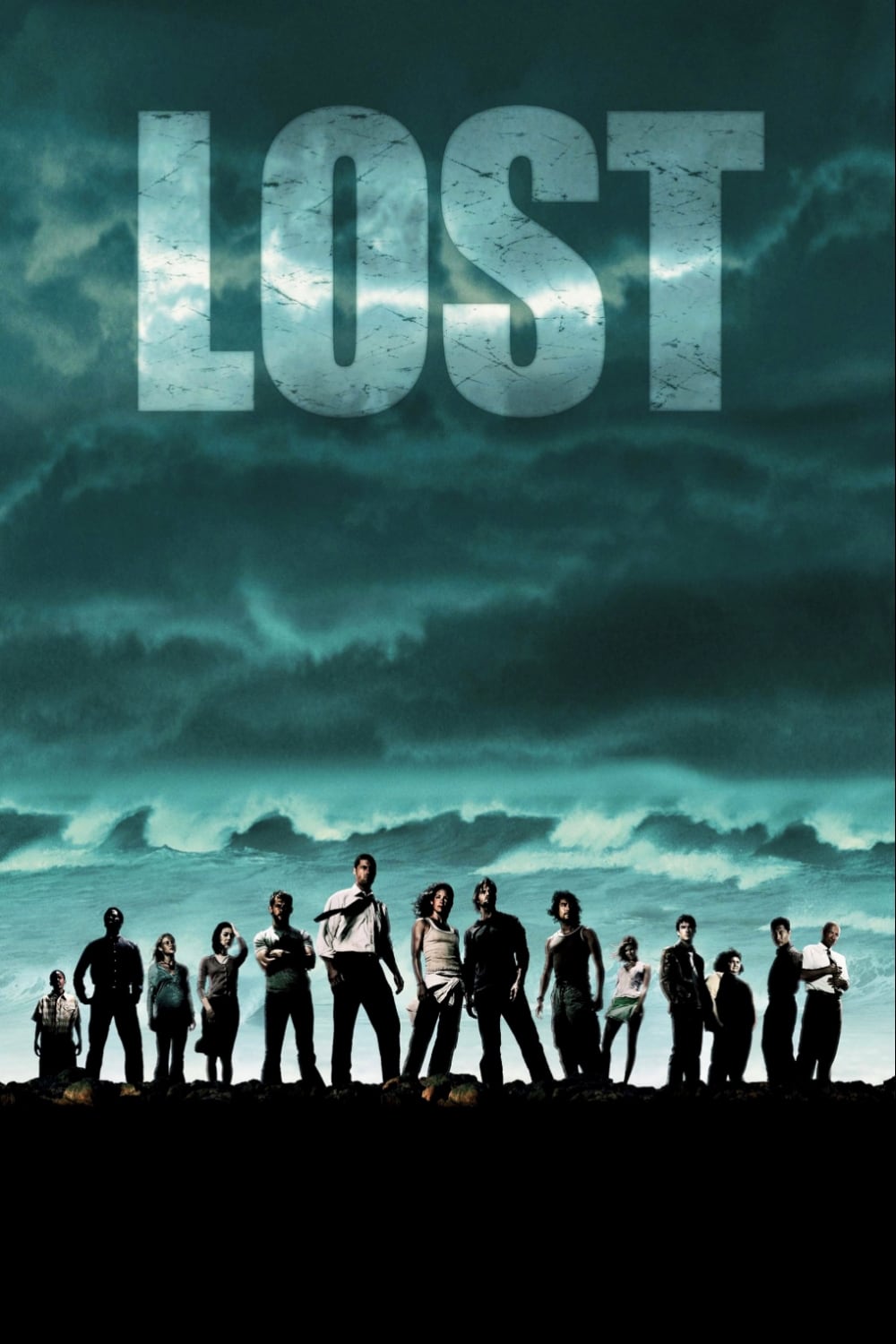
“Lost” begins when a passenger plane crashes on a mysterious island somewhere in the Pacific Ocean. The survivors must learn to work together to stay alive. They soon discover that the island is not normal. It is home to strange things like a smoke monster, a group of hostile inhabitants called “the Others,” and mysterious research hatches. The show starts as a survival story but quickly becomes a complex mystery.
The show is famous for its confusing and layered plot. It uses flashbacks to show the characters’ lives before the crash. Later seasons also use flash-forwards and even “flash-sideways” to show an alternate timeline. This makes the story nonlinear and hard to follow. With a large cast of characters and deep philosophical themes about fate, science, and faith, “Lost” demands that viewers pay very close attention to track the many mysteries and character journeys.