10 Ways ‘Fullmetal Alchemist: Brotherhood’ Has Aged Poorly

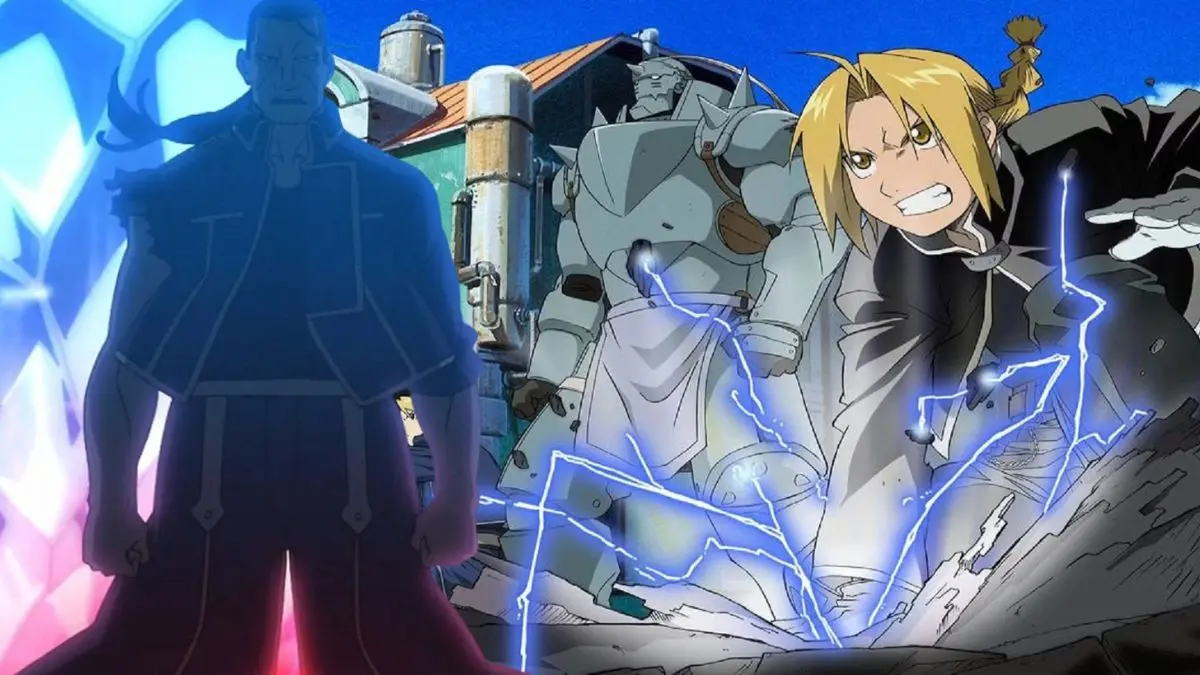

‘Fullmetal Alchemist: Brotherhood’ remains a beloved anime, following the Elric brothers’ quest for the Philosopher’s Stone in a world of alchemy and sacrifice. Its tight storytelling and deep themes earned it praise, but time has revealed flaws that dull its shine.
As I revisit the series, some elements feel dated or less impactful compared to modern anime. Below, I explore ten ways the show hasn’t aged well, from pacing issues to character missteps, while still respecting its legacy.
Rushed Early Episodes
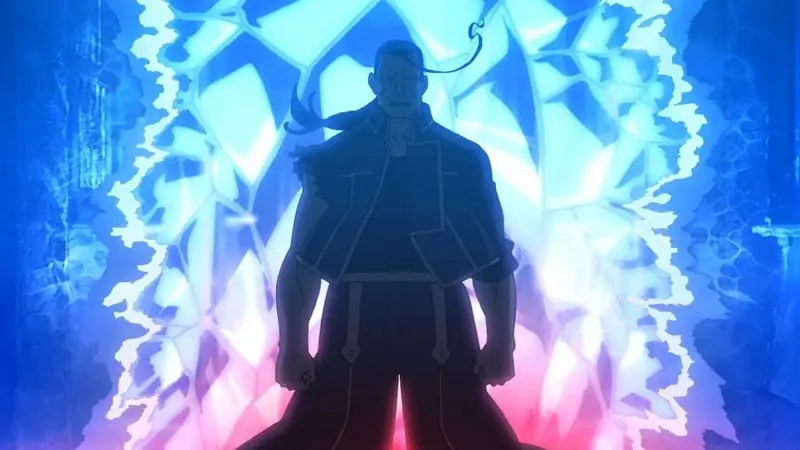
The opening episodes of ‘Fullmetal Alchemist: Brotherhood’ move too quickly, cramming major plot points into a short span. This fast pace skips emotional depth for key moments, like the Elric brothers’ failed transmutation, leaving new viewers disconnected.
Compared to the 2003 version, which took time to build the brothers’ bond, Brotherhood’s hurry feels jarring. Modern anime fans, used to slower, character-driven starts, might find this rushed setup less engaging.
Inconsistent Tone
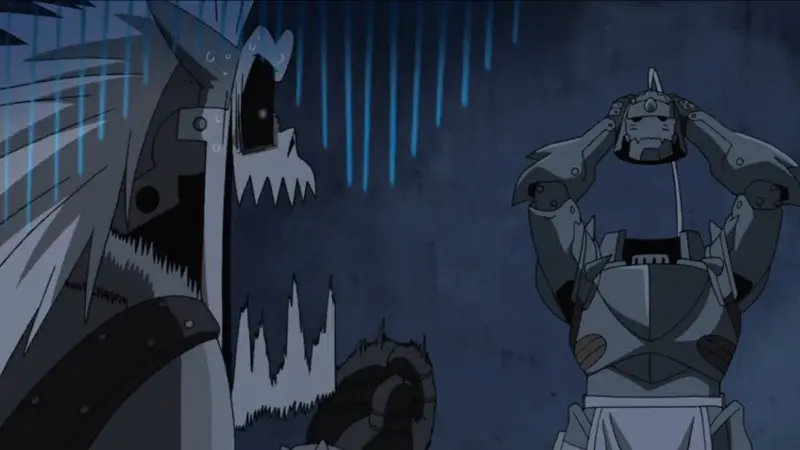
The show struggles to balance its mix of dark drama, action, and comedy. Serious moments, like Nina Tucker’s tragic story, clash with sudden humor, weakening the emotional weight.
This tonal whiplash feels outdated when compared to newer anime that blend genres more smoothly. I find the abrupt shifts pull me out of the story, making it harder to stay invested.
Underdeveloped Side Characters
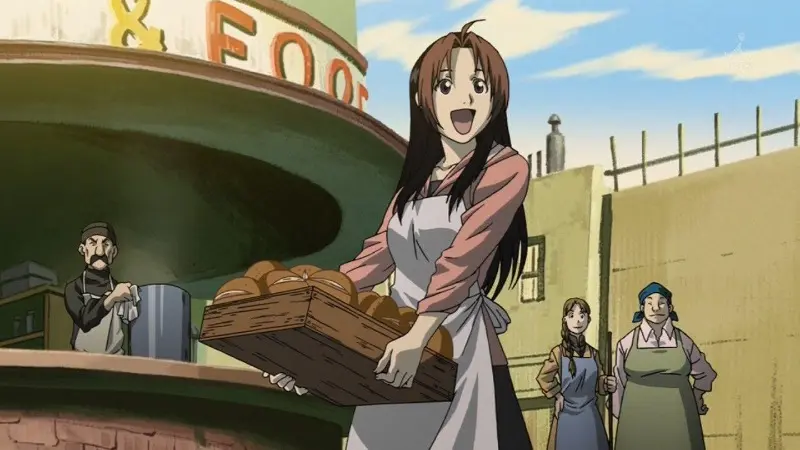
Many side characters, like Rose or Barry the Chopper, get limited screen time and lack depth. Their brief roles feel like missed opportunities to enrich the world of Amestris.
Today’s anime often give supporting casts more focus, making Brotherhood’s thin side character arcs stand out. I wish the show had fleshed out these figures to match its main stars.
Dated Animation in Early Episodes
While the animation in later episodes holds up, the early ones look stiff by today’s standards. Character designs and action scenes lack the fluidity seen in modern anime like ‘Demon Slayer’.
The blocky visuals and limited movement can distract from the story. I notice these dated visuals more now, especially when comparing them to the polished look of newer series.
Overreliance on Plot Armor
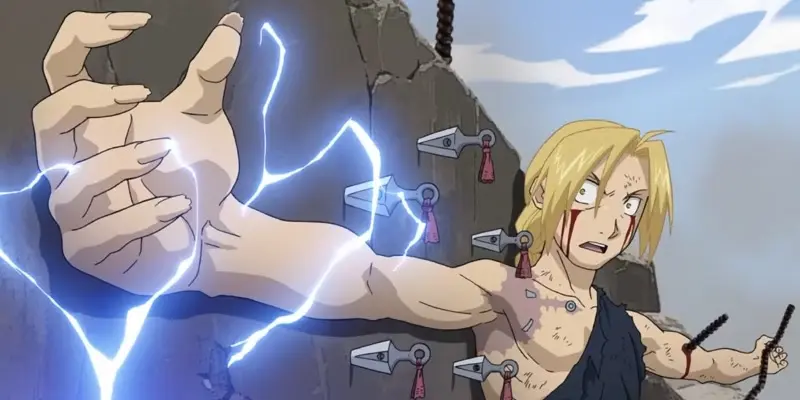
Key characters, like Edward and Alphonse, often survive dangerous situations through convenient escapes. This plot armor reduces tension, as I rarely feel they’re in real danger.
Modern audiences expect higher stakes and consequences. The show’s tendency to shield its heroes feels predictable and less thrilling today.
Simplified Female Characters
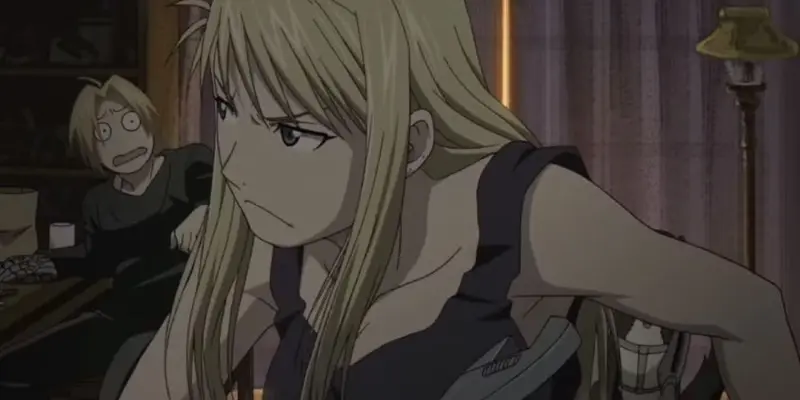
Female characters like Winry Rockbell and Riza Hawkeye are strong but often sidelined or reduced to support roles. The decision to remove a female antagonist from the 2003 version also limits their impact.
Current anime, like ‘Attack on Titan’, give women more complex roles. I find Brotherhood’s handling of its female cast feels thin compared to these standards.
Weak Homunculi Backstories
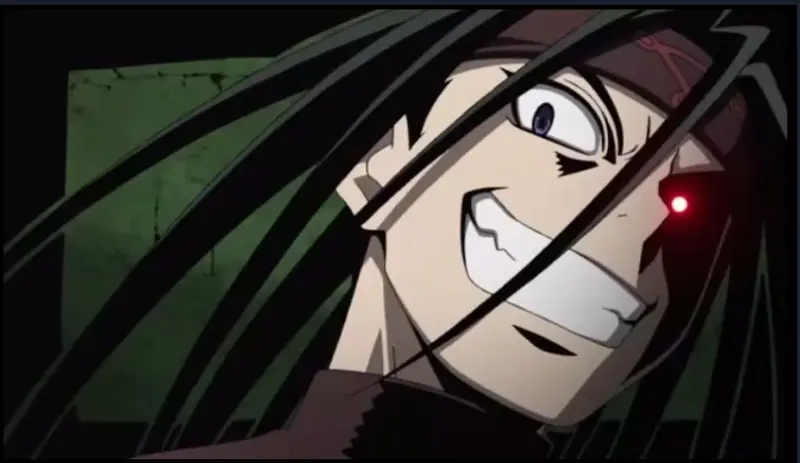
The homunculi, like Envy and Lust, are compelling villains, but their origins and motivations lack depth in Brotherhood. The 2003 anime tied them to failed transmutations, adding emotional weight.
Today, I expect richer villain backstories, like those in ‘Jujutsu Kaisen’. The homunculi’s vague ties to Father feel flat by comparison.
Compressed Nina Tucker Arc
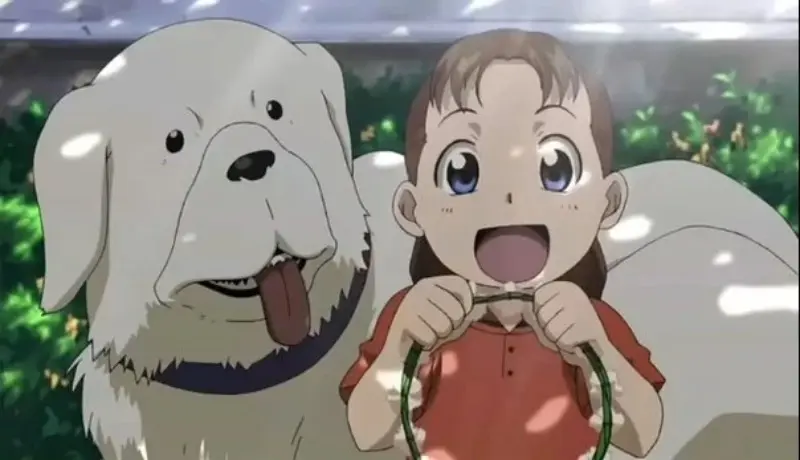
Nina Tucker’s heartbreaking story is resolved in just one episode, rushing a pivotal moment that deserved more time. The 2003 version stretched this arc, letting its tragedy sink in.
Modern anime take time with emotional beats, and I find Brotherhood’s quick handling of Nina’s fate less impactful now.
Predictable Shonen Tropes
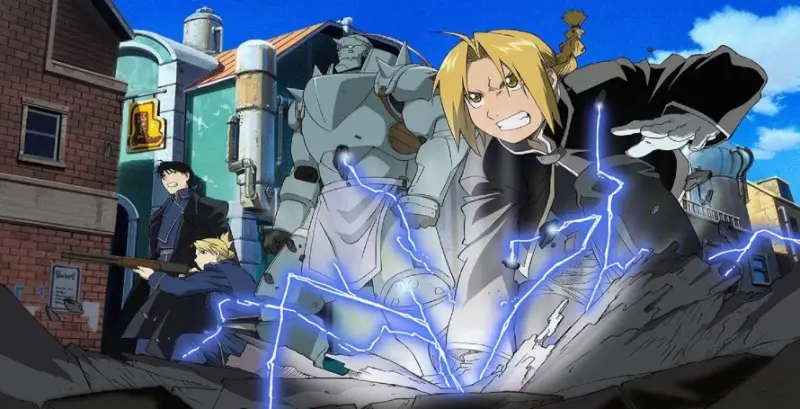
The show leans heavily on shonen clichés, like power-ups through determination or last-minute saves. These tropes, while fun, feel repetitive to audiences familiar with newer, subversive anime.
I notice these predictable patterns more now, as shows like ‘Chainsaw Man’ break from traditional formulas, making Brotherhood feel formulaic.
Lack of Philosophical Depth
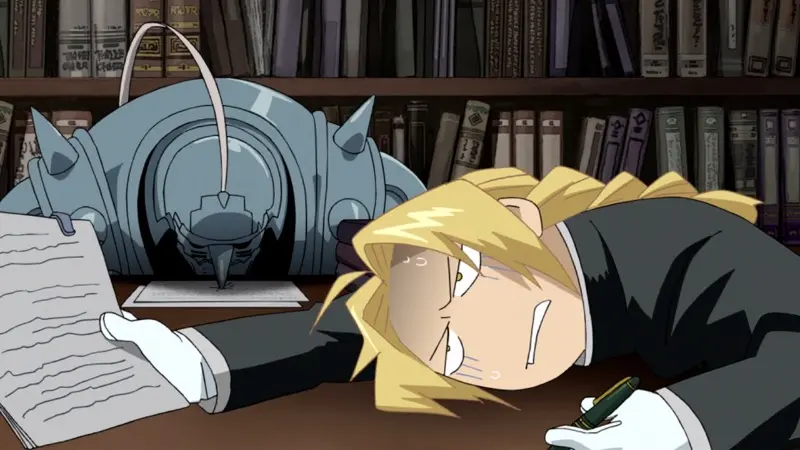
Brotherhood touches on themes like sacrifice and morality but rarely dives deep. The 2003 anime explored these ideas with more focus, creating richer discussions.
Today’s anime, like ‘Vinland Saga’ weave complex philosophy into their narratives. I find Brotherhood’s lighter approach less satisfying in hindsight.
What’s your take on ‘Fullmetal Alchemist: Brotherhood’—do you agree with these flaws, or is there another issue you’ve noticed? Drop your thoughts in the comments!