25 Movies That Critics Love but Audiences Find Lacking


Sometimes, the experts and the general public just don’t see eye to eye. This is often true when it comes to movies. A film might get rave reviews from professional critics, who praise its artistry, message, or originality. They might see it as a groundbreaking piece of cinema that pushes boundaries and deserves awards.
However, the same movie can leave regular moviegoers feeling bored, confused, or disappointed. Audiences often look for entertainment, a clear story, and relatable characters. When a film is too experimental or focuses on style over substance, it can fail to connect with the people who pay to see it in theaters. This list looks at 25 movies that critics loved but audiences found lacking.
The Last Jedi (2017)
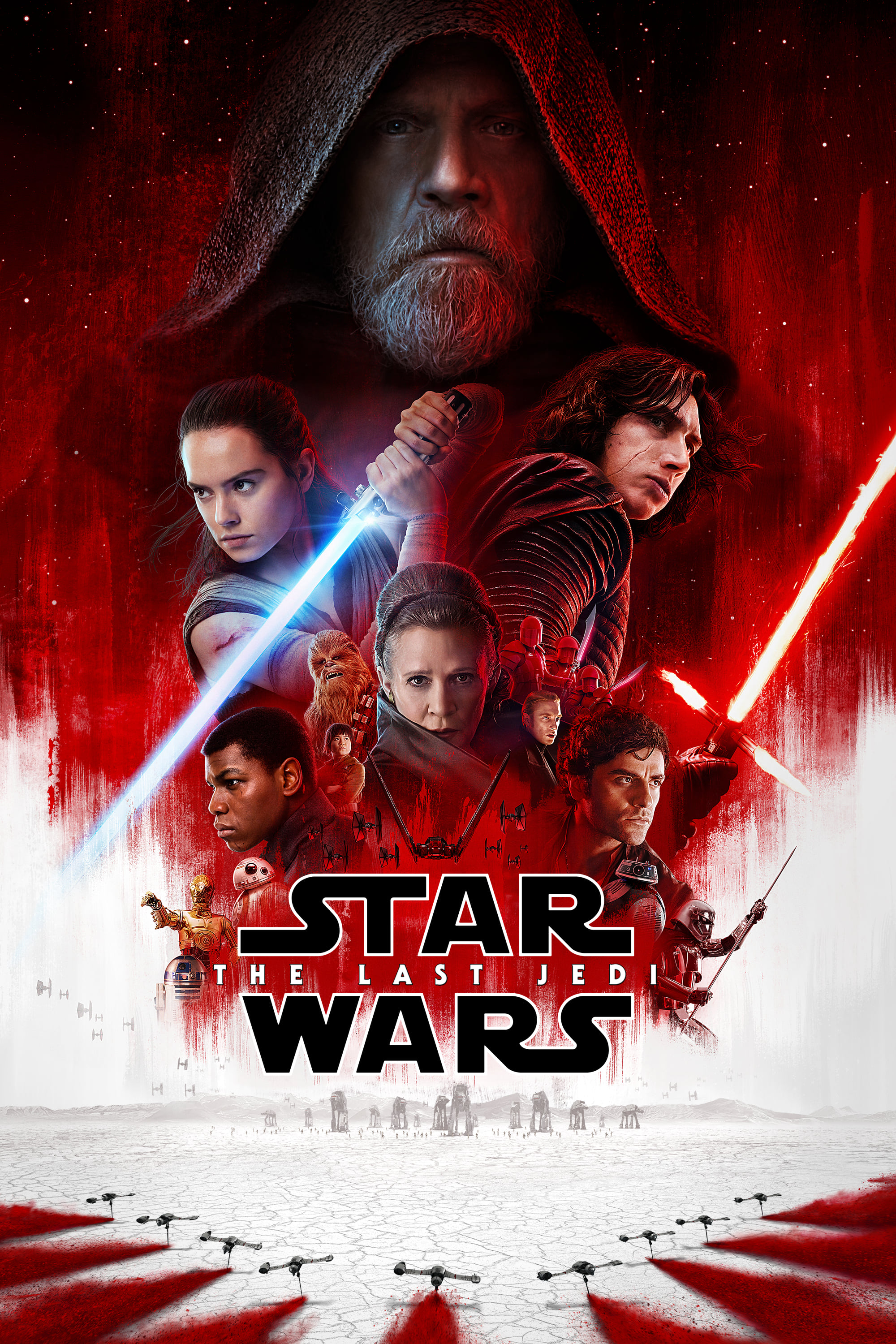
Critics praised The Last Jedi for taking bold risks with the Star Wars saga. They enjoyed its fresh take on the classic story, its stunning visuals, and its complex character development. Many reviewers felt it was a thought-provoking and unpredictable entry in the long-running franchise.
Audiences, however, were sharply divided. Many longtime fans felt the movie disrespected established characters, particularly Luke Skywalker. Others disliked the humor, the side plots, and the ways it subverted fan expectations, leading to a significant backlash online.
mother! (2017)
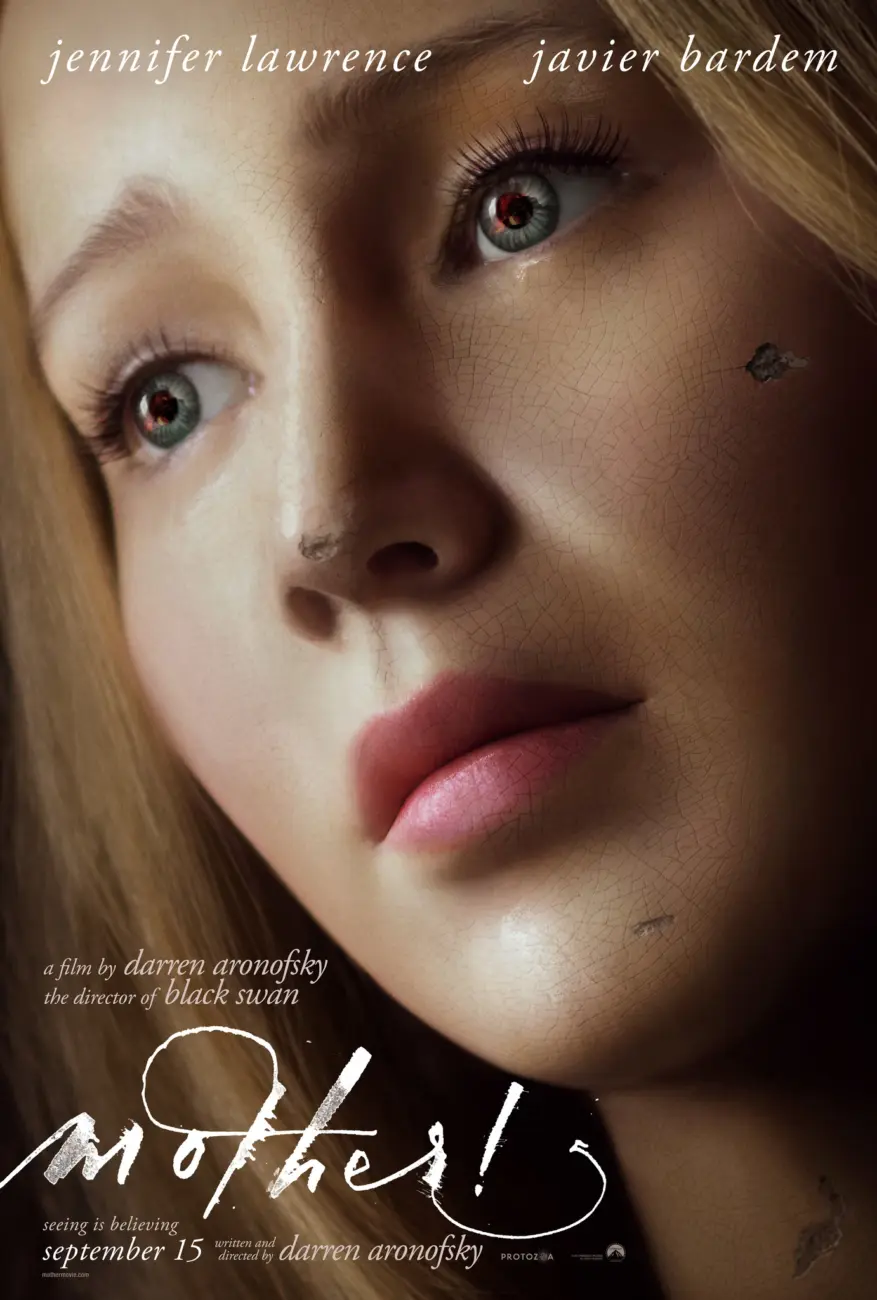
Darren Aronofsky’s mother! was hailed by many critics as a daring and ambitious work of art. They saw it as a powerful allegory for religion, fame, and the environment, brought to life by intense performances and bold filmmaking. It was considered a challenging but rewarding viewing experience.
The general public largely rejected the film’s unsettling and chaotic nature. Viewers found the graphic imagery and disturbing themes to be too much, with many walking out of theaters. The movie’s abstract and aggressive style left audiences feeling confused and repulsed rather than enlightened.
The Tree of Life (2011)
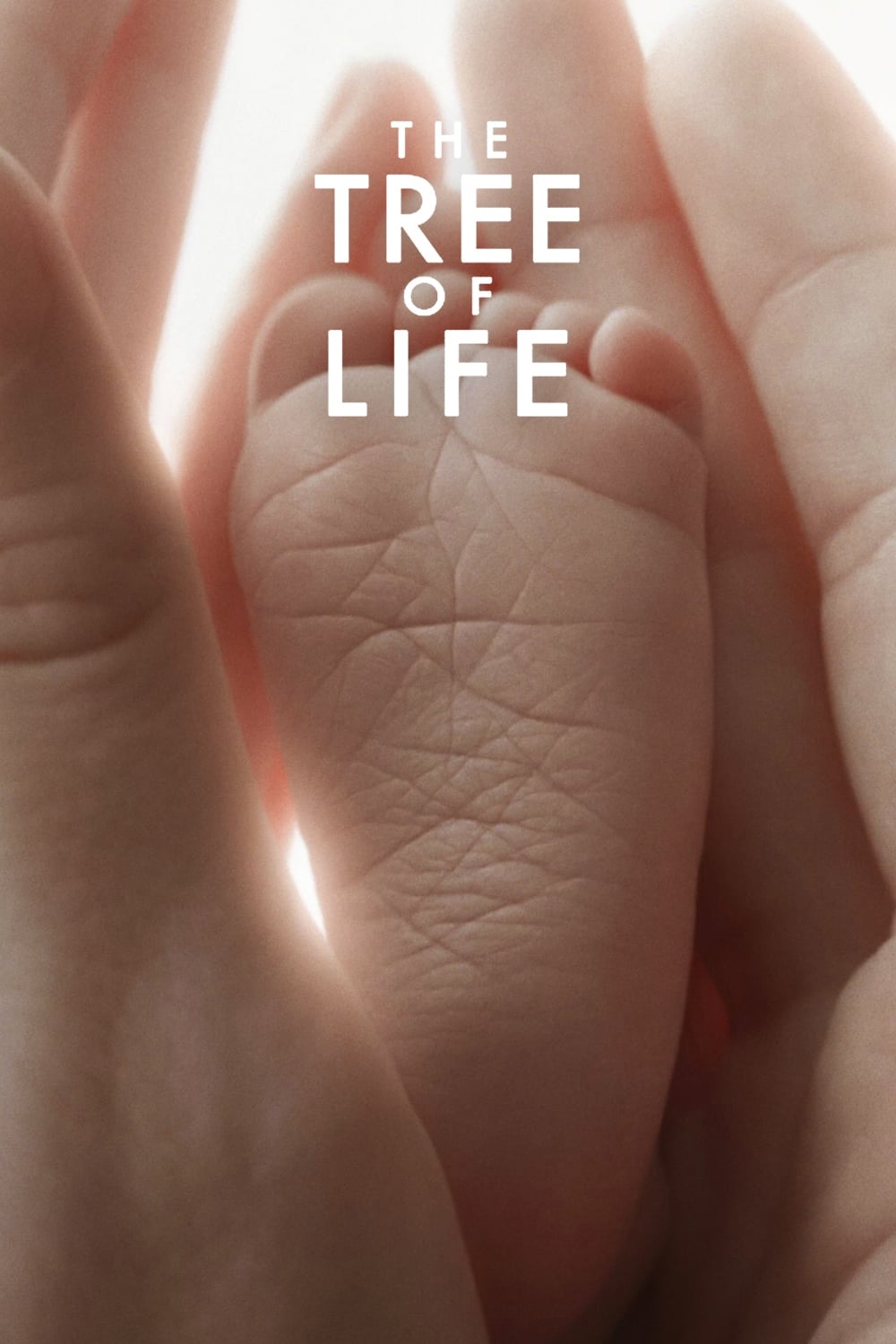
Terrence Malick’s The Tree of Life received widespread critical acclaim, with many calling it a masterpiece of filmmaking. Critics celebrated its breathtaking cinematography, its poetic structure, and its profound exploration of life, family, and faith. It even won the prestigious Palme d’Or at the Cannes Film Festival.
For many moviegoers, the film’s non-linear narrative and philosophical tone were difficult to follow. Its slow pace, whispers of dialogue, and abstract sequences, including scenes of dinosaurs, left many feeling bored and disconnected from the story.
The Witch (2015)
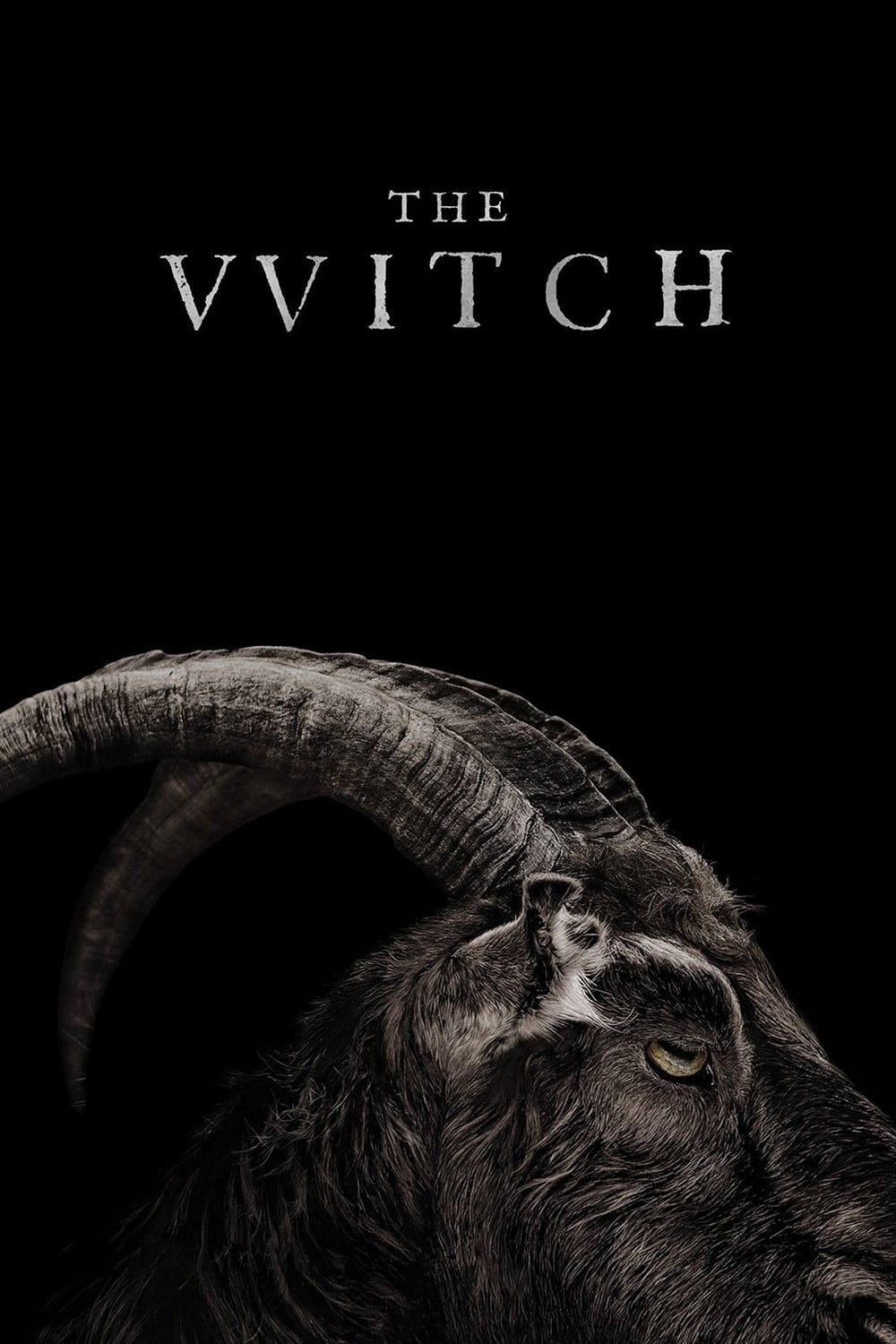
Critics lauded The Witch for its commitment to historical accuracy and its slow-burning tension. They praised its atmospheric dread, its detailed 17th-century setting, and its intelligent script. It was seen as a sophisticated and genuinely scary horror film.
Audiences expecting a traditional horror movie with jump scares were often disappointed. The film’s deliberate pacing, archaic dialogue, and ambiguous ending left many viewers feeling that it was not scary and that “nothing happened.”
It Comes at Night (2017)
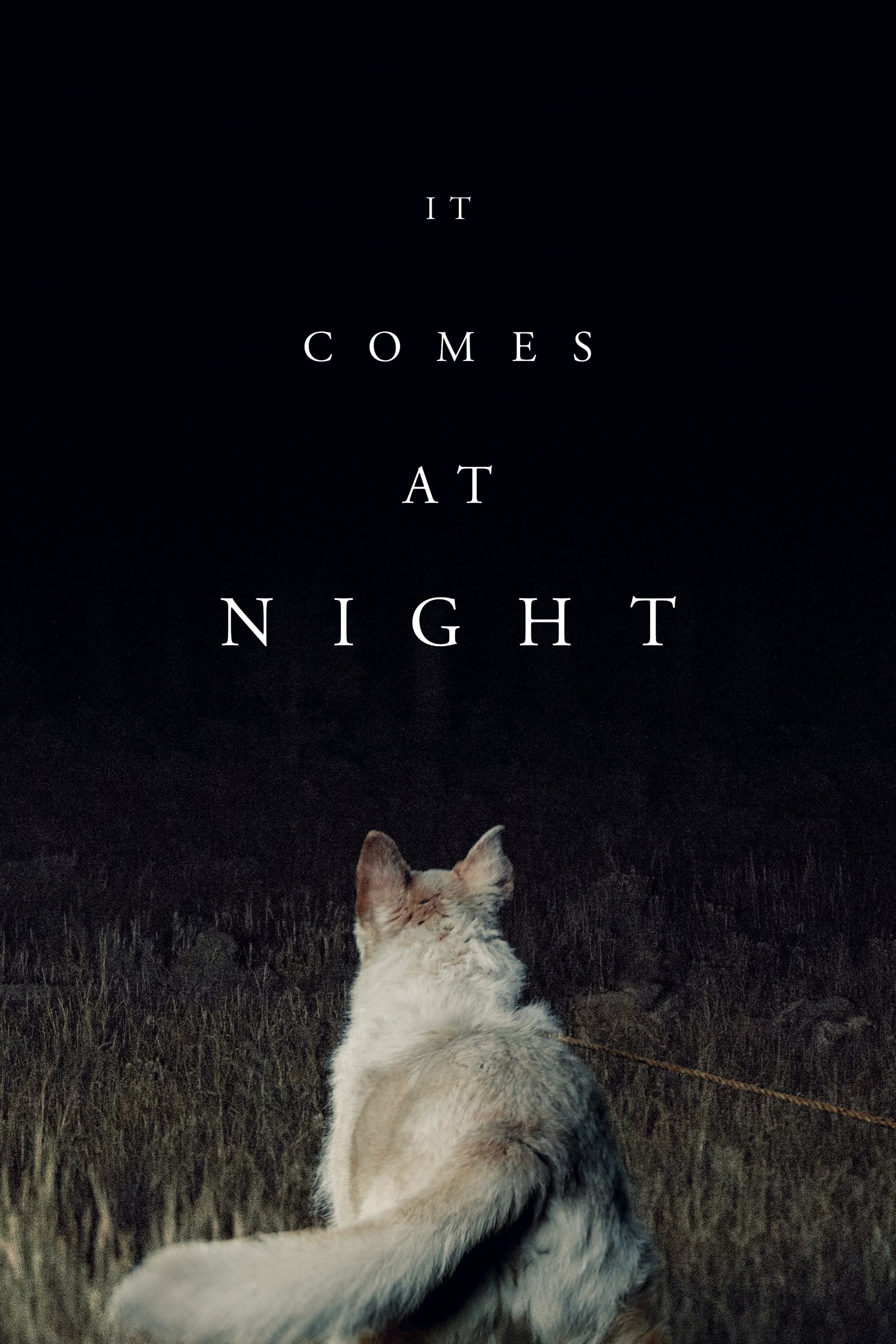
Reviewers praised It Comes at Night as a masterful psychological thriller. They highlighted its tense atmosphere and its focus on paranoia and fear rather than a conventional monster. Critics found it to be a smart and deeply unsettling look at human nature under pressure.
Many viewers felt misled by the movie’s marketing, which suggested a more straightforward creature feature. The film’s ambiguous threat and bleak, ambiguous ending left audiences feeling unsatisfied and frustrated by the lack of clear answers.
Uncut Gems (2019)
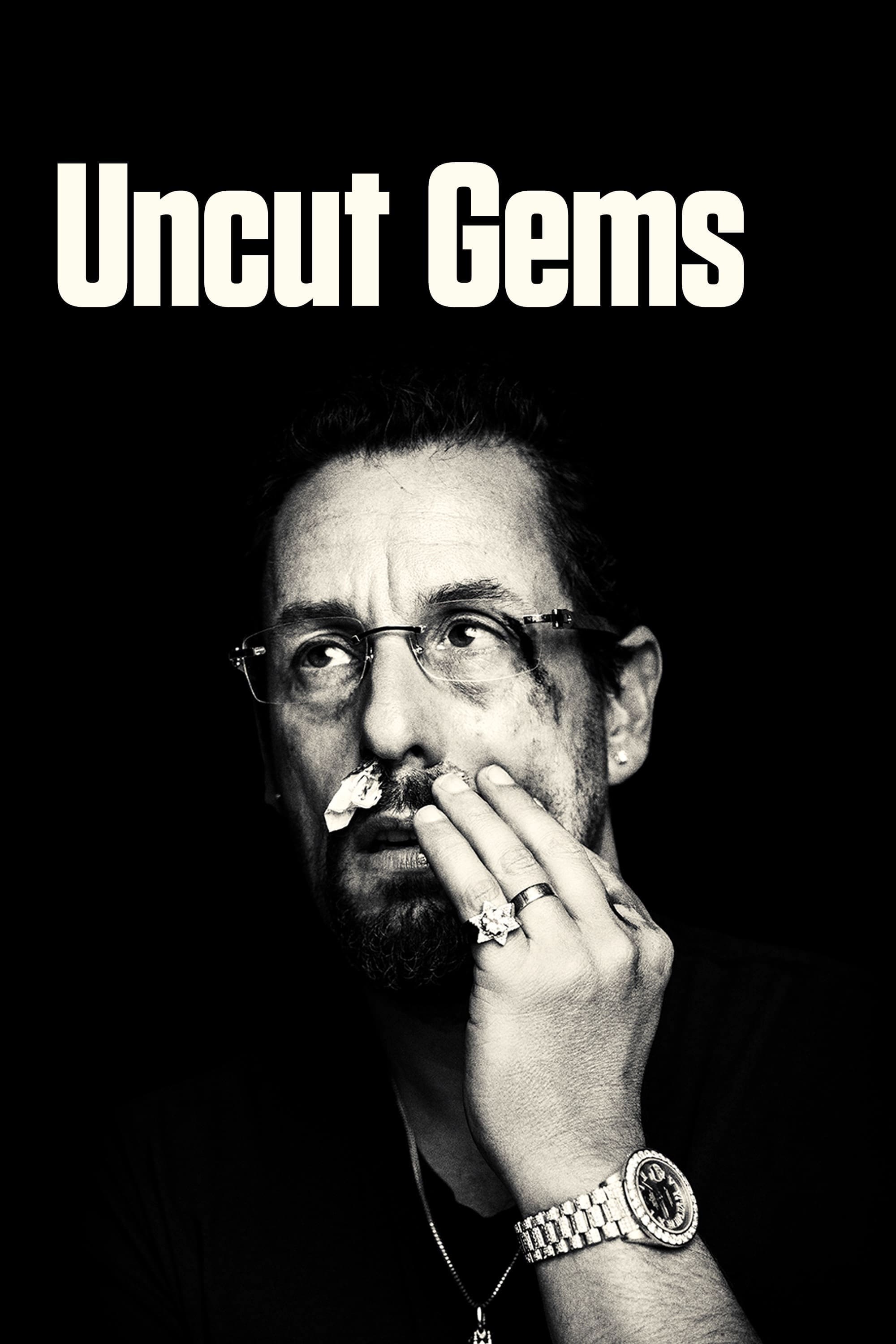
The Safdie Brothers’ Uncut Gems was a critical darling, celebrated for its relentless pace and anxiety-inducing energy. Adam Sandler’s lead performance was widely praised as a career best. Critics found the film to be a masterfully crafted and immersive crime thriller.
The same chaotic and stressful energy that critics loved proved to be too much for many regular viewers. The film’s abrasive main character and non-stop tension made it a difficult and unpleasant watch for audiences looking for a more traditional and less stressful movie night.
The Babadook (2014)
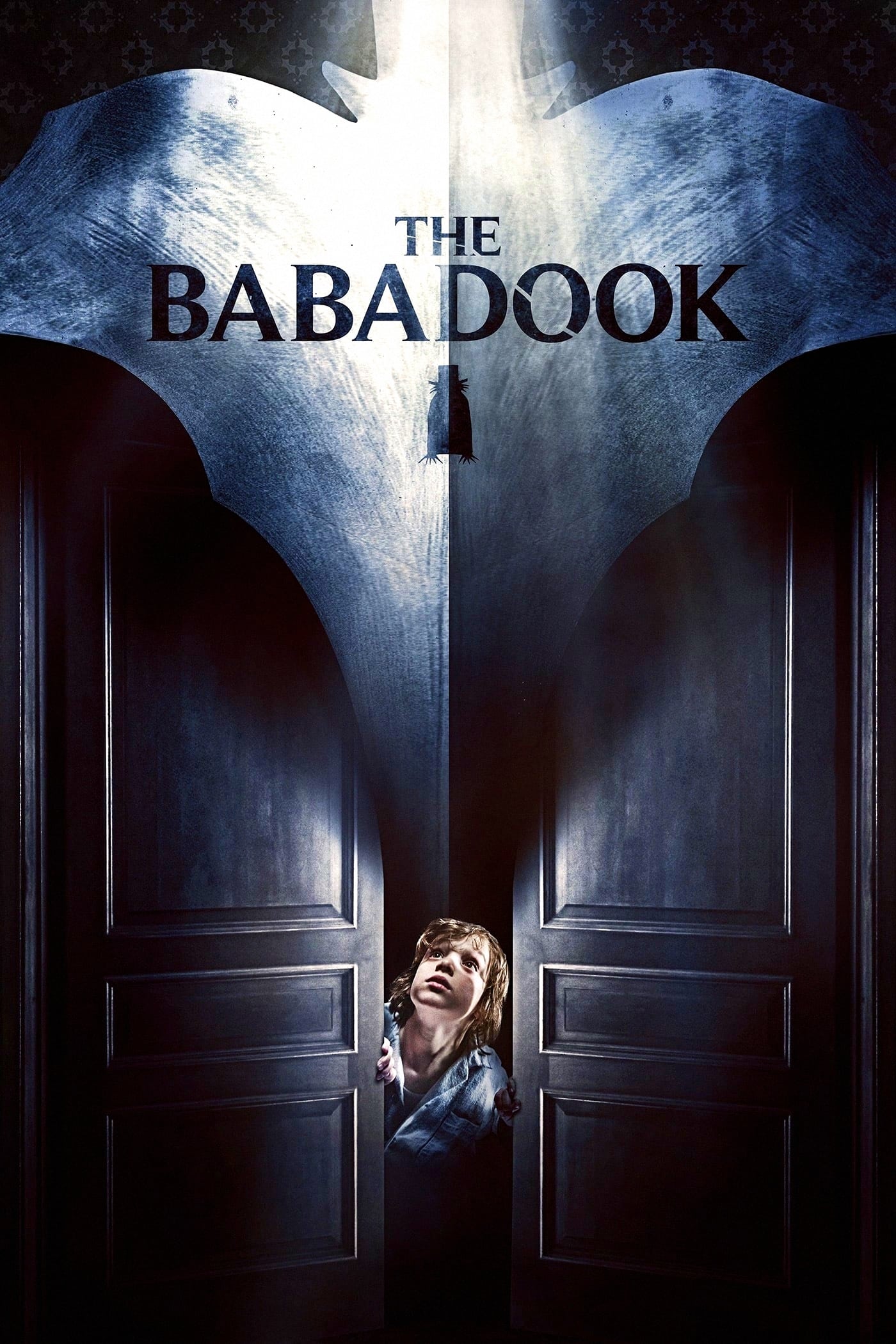
The Babadook was praised by critics for being a smart, metaphorical horror film. They saw it as a chilling exploration of grief and motherhood, using a monster to represent deep-seated psychological trauma. Its strong performances and creepy atmosphere were highly rated.
While it has since gained a cult following, many initial audiences found the film to be less scary than advertised. The focus on psychological drama over supernatural frights left some horror fans feeling let down, and the main child character was seen by many as intensely annoying.
Drive (2011)
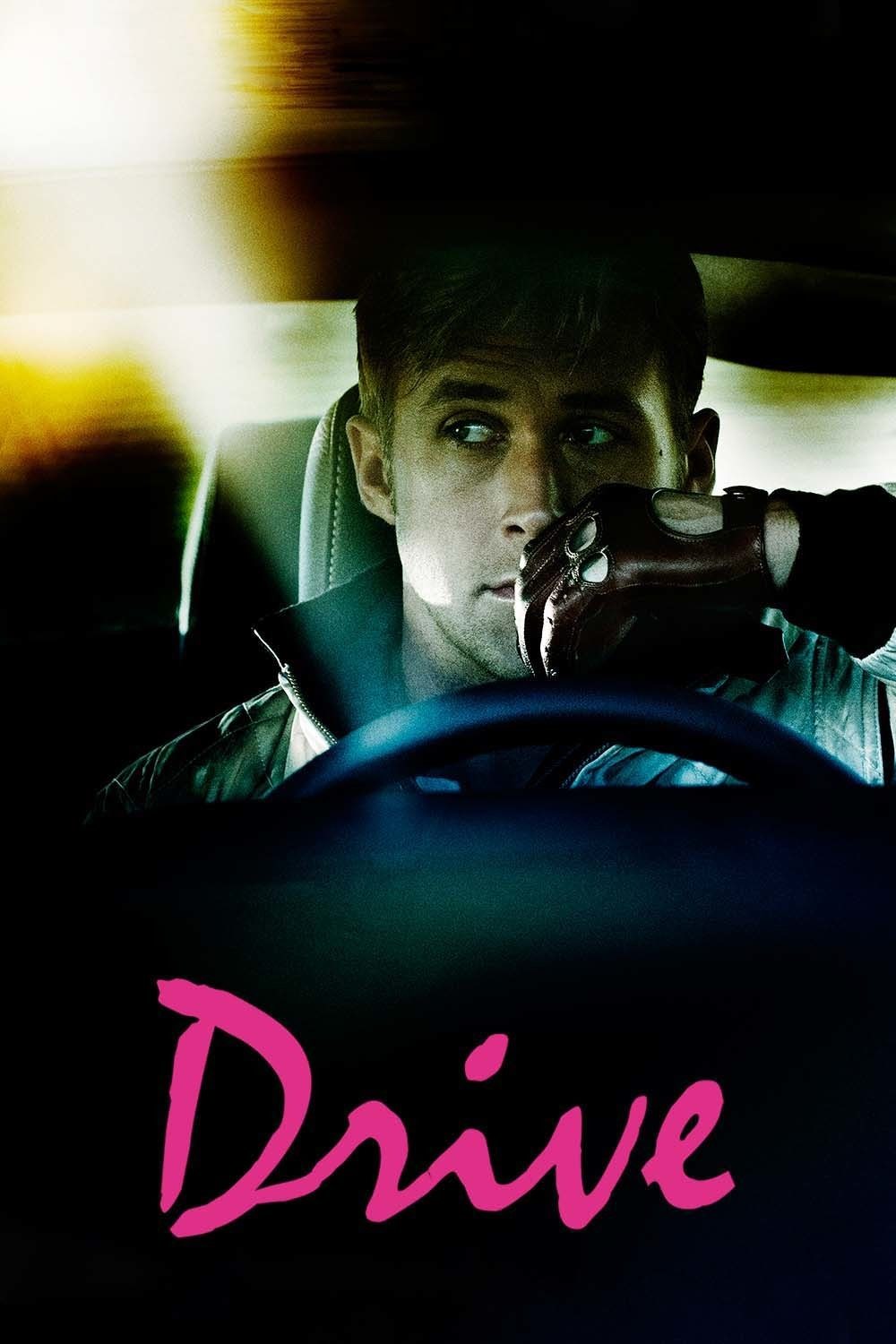
Critics fell in love with Drive for its cool, stylish aesthetic and its blend of art-house sensibility with genre thrills. They praised its slick cinematography, minimalist dialogue, and retro soundtrack. It was seen as a modern take on the classic neo-noir film.
Audiences expecting a fast-paced action movie similar to The Fast and the Furious were caught off guard. The film’s slow, deliberate pacing and sudden bursts of brutal violence were jarring for many, who found it to be pretentious and boring.
Spring Breakers (2012)
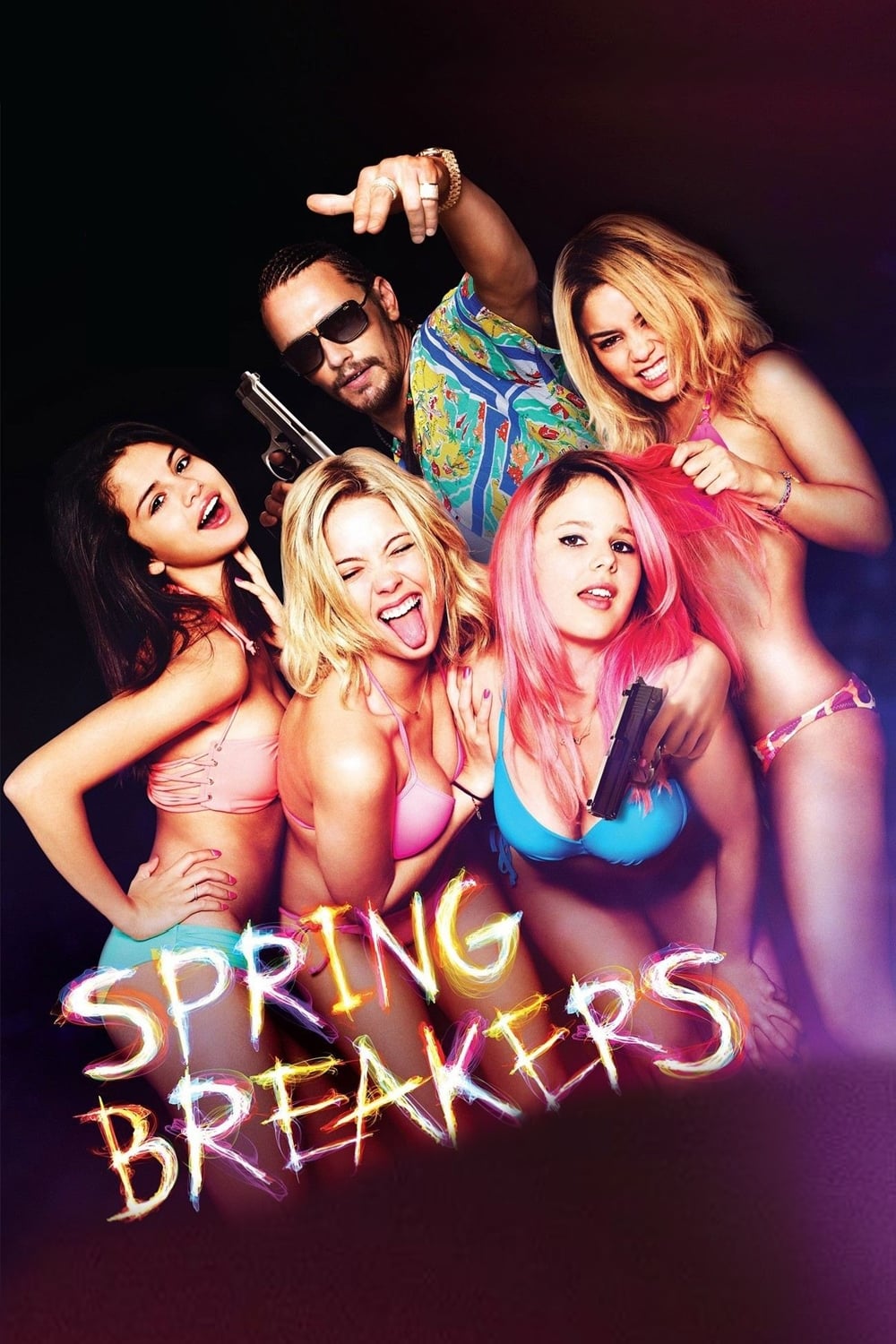
Harmony Korine’s Spring Breakers was seen by critics as a sharp and satirical critique of youth culture. They praised its vibrant, neon-soaked visuals and its repetitive, hypnotic style. James Franco’s performance as a bizarre gangster was also a highlight for many reviewers.
Moviegoers were far less impressed, with many seeing it as a trashy and pointless film that glorified bad behavior. The repetitive dialogue and lack of a clear plot were common complaints, and many felt the movie was an case of style over substance.
The Fountain (2006)
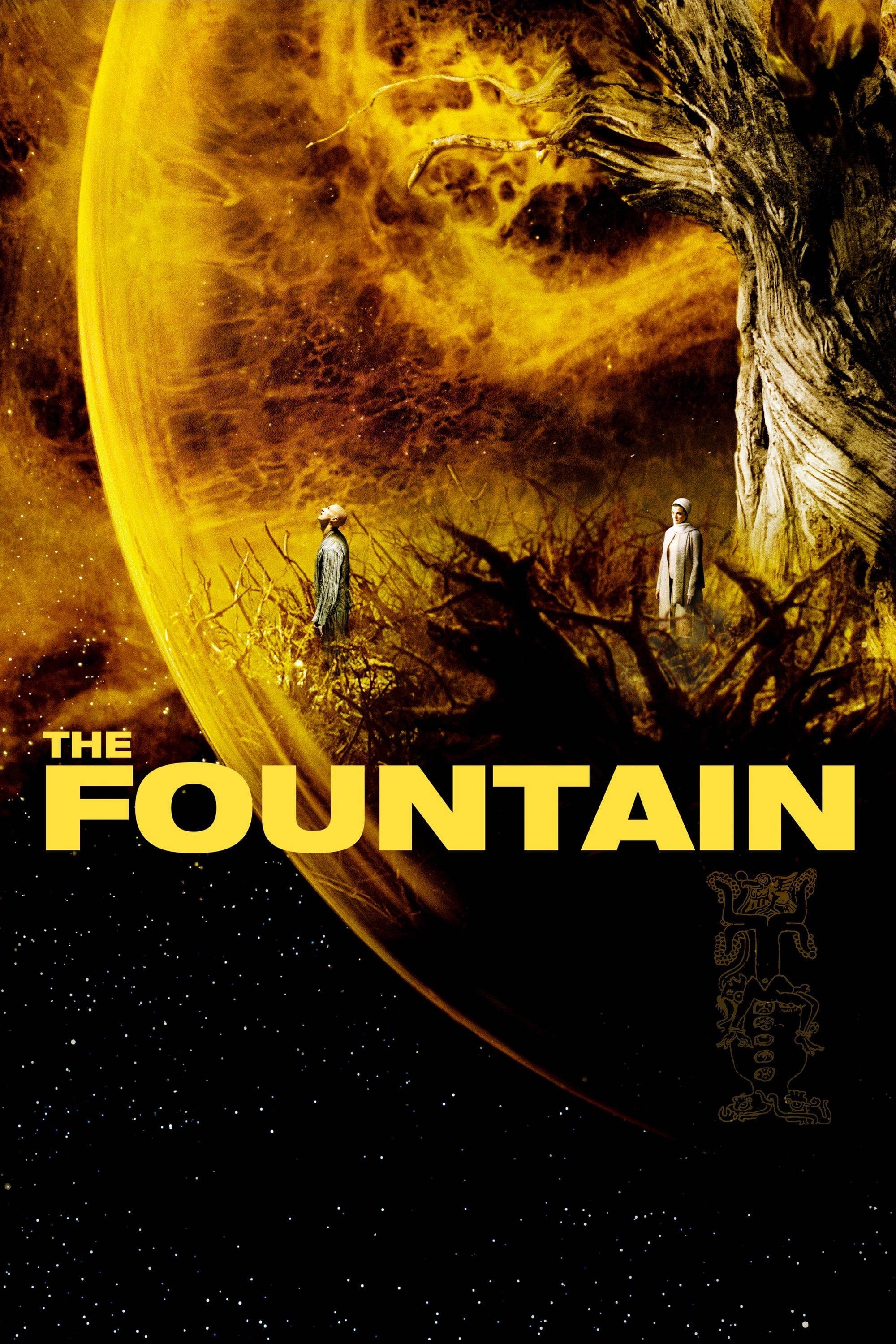
Darren Aronofsky’s The Fountain was admired by critics for its ambition, visual splendor, and emotional depth. They saw it as a beautiful and moving meditation on love, death, and spirituality, spanning across three different timelines.
The film’s complex, non-linear story was a major stumbling block for the general public. Many found it to be confusing, pretentious, and overly sentimental. Its abstract themes and trippy visuals failed to connect with viewers looking for a more straightforward romance or sci-fi story.
Hail, Caesar! (2016)
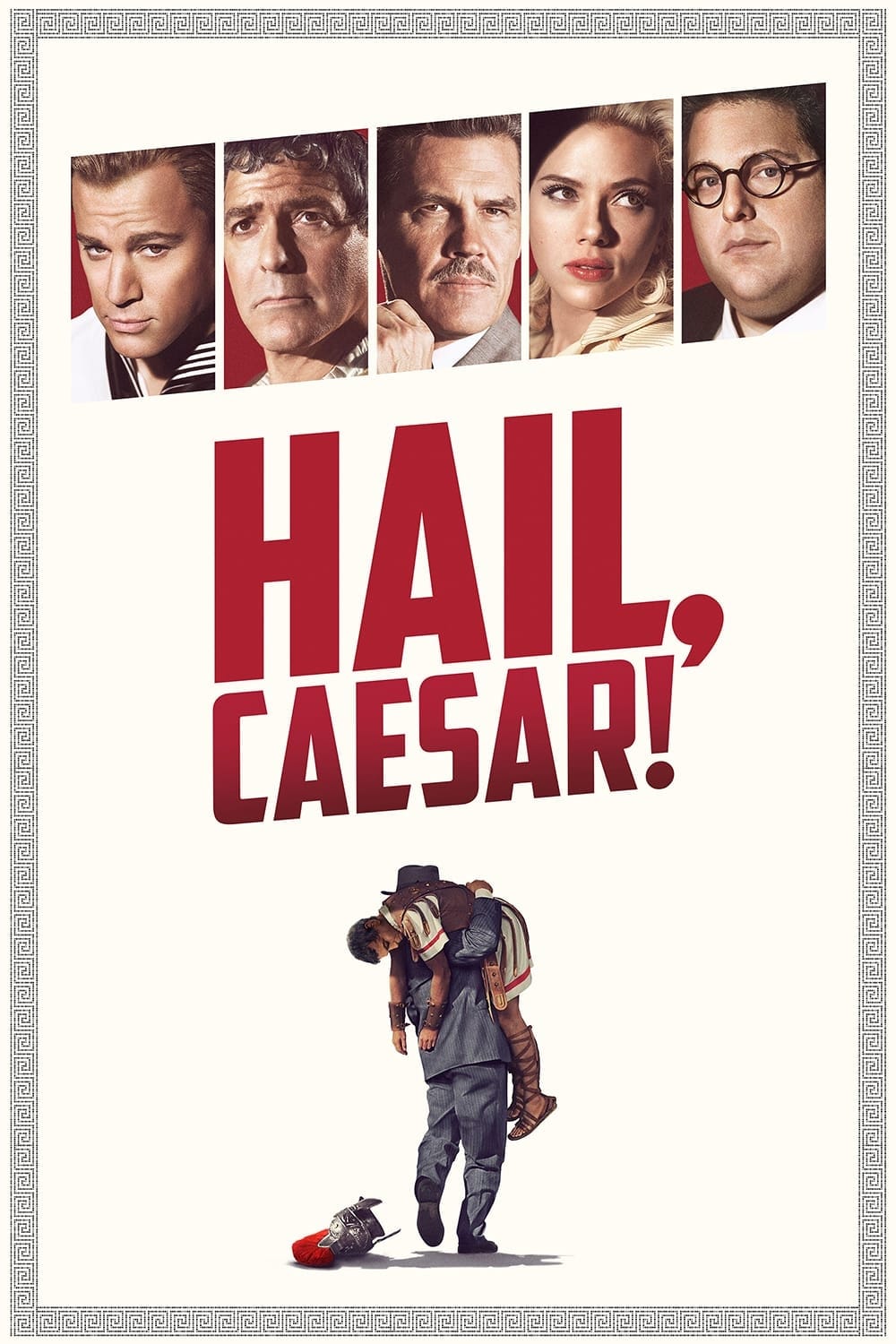
The Coen Brothers’ Hail, Caesar! was enjoyed by critics as a witty and affectionate tribute to the Golden Age of Hollywood. They appreciated its quirky humor, clever script, and the charming performances from its star-studded cast. It was considered a light and intelligent comedy.
Many audiences found the film’s loose plot, consisting of a series of vignettes, to be aimless and unsatisfying. The humor was seen as too niche for those not deeply familiar with 1950s Hollywood, and it left many viewers feeling that it was one of the Coens’ lesser works.
Ad Astra (2019)
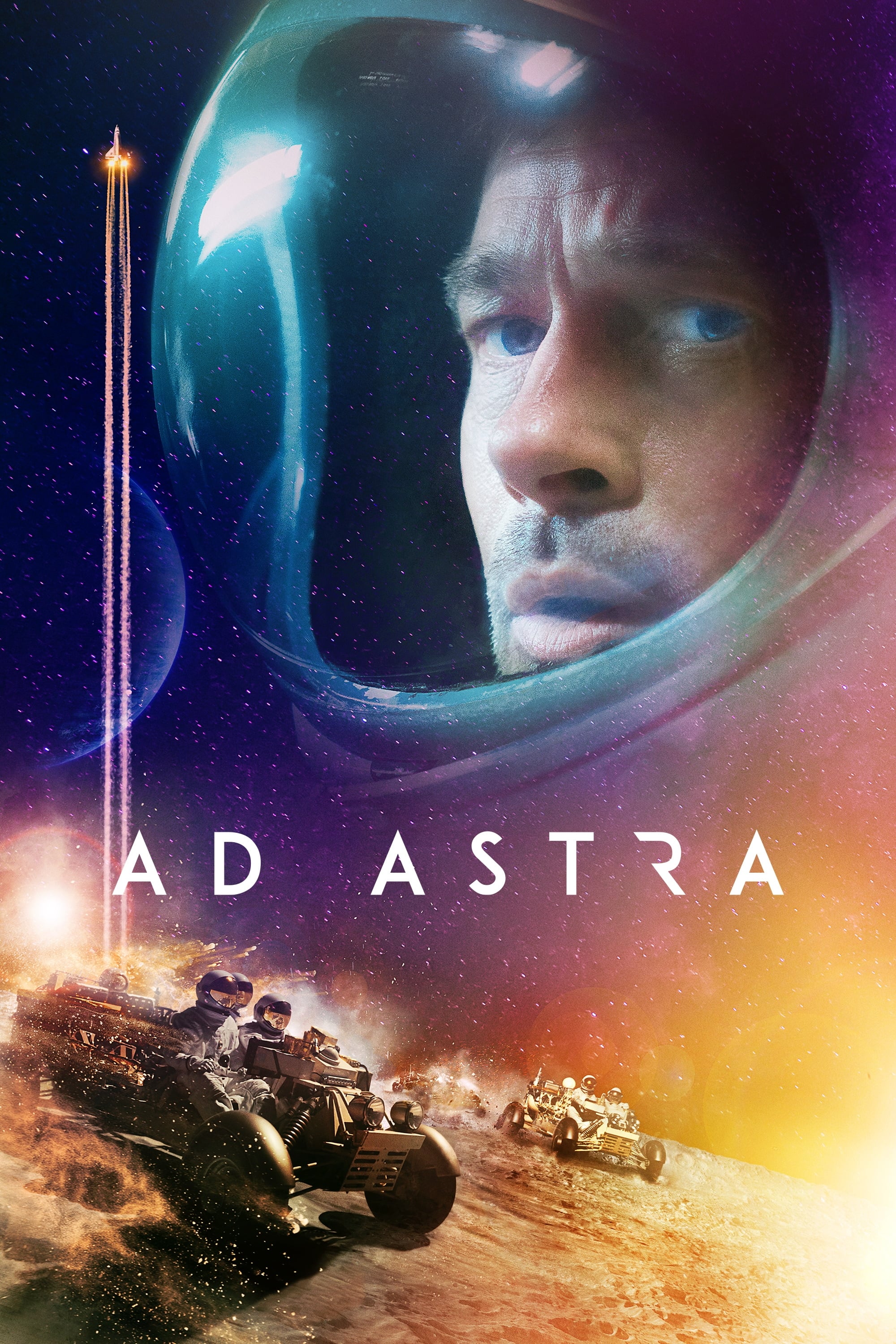
Critics praised Ad Astra for its stunning visuals, its thoughtful tone, and Brad Pitt’s introspective performance. They saw it as a serious and profound science fiction film that explored themes of masculinity and loneliness, comparing it to classics like 2001: A Space Odyssey.
Audiences, however, often found the film to be slow and boring. The deliberate pace, lack of action, and somber mood were major turn-offs for viewers expecting a more exciting space adventure. Many felt the story was too simple and the philosophical narration was heavy-handed.
Only God Forgives (2013)
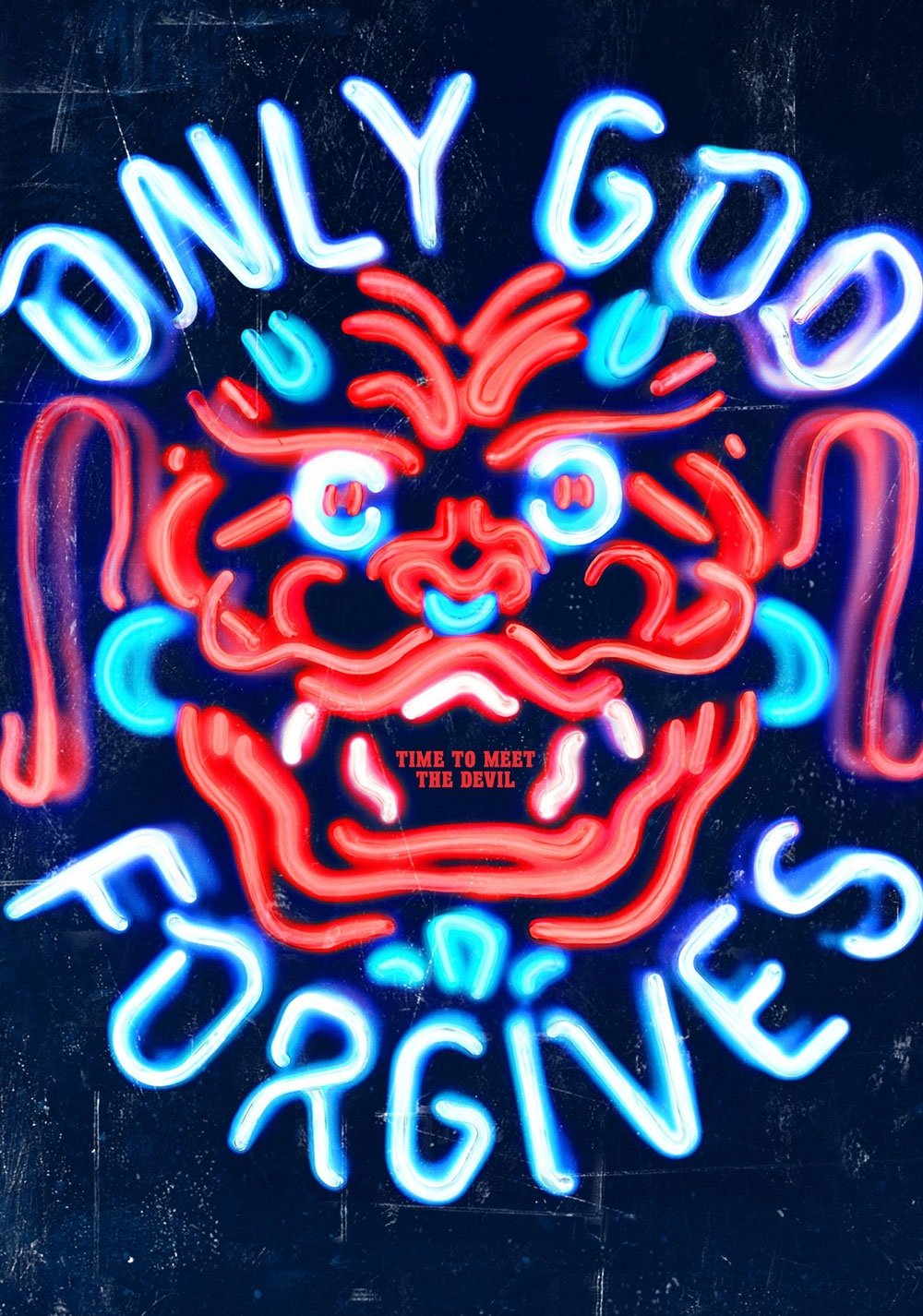
Critics who liked Only God Forgives praised it for its stunning visual style and hypnotic, dreamlike atmosphere. A collaboration between director Nicolas Winding Refn and star Ryan Gosling, it was seen as a bold and uncompromising piece of art-house cinema.
The public overwhelmingly disliked the movie, pointing to its extreme violence, minimal dialogue, and glacial pace. It was widely seen as pretentious, self-indulgent, and deeply unpleasant to watch, with a story that was nearly impossible to connect with.
The Counselor (2013)
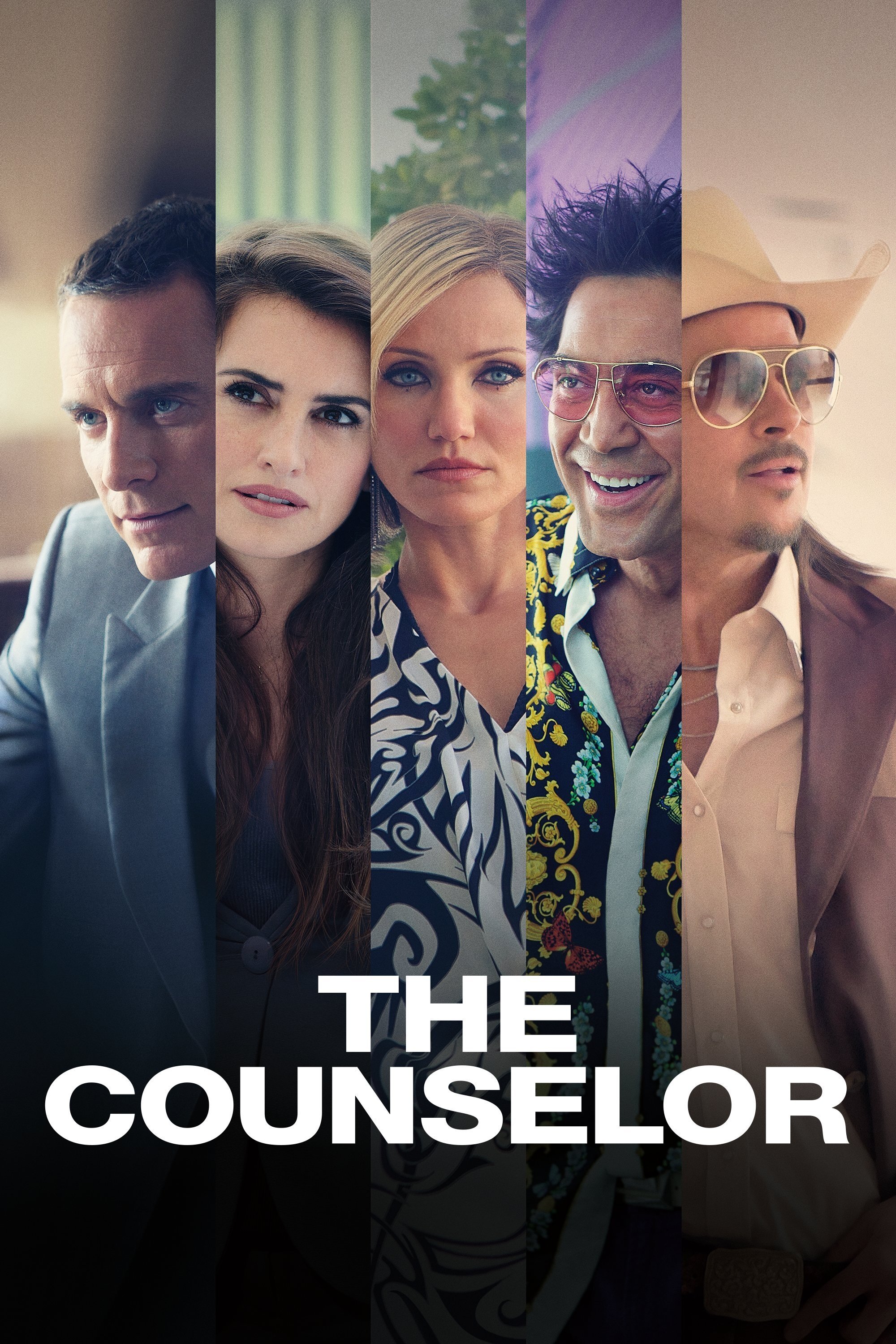
Ridley Scott’s The Counselor, penned by acclaimed novelist Cormac McCarthy, was appreciated by some critics for its bleak worldview and dense, philosophical dialogue. They found it to be a challenging and nihilistic crime thriller for adults.
Most moviegoers found the film to be a confusing and miserable experience. The convoluted plot, strange monologues, and deeply unlikeable characters made it difficult to follow or care about. Its shocking violence and depressing tone left a bad taste in many viewers’ mouths.
Me and Earl and the Dying Girl (2015)
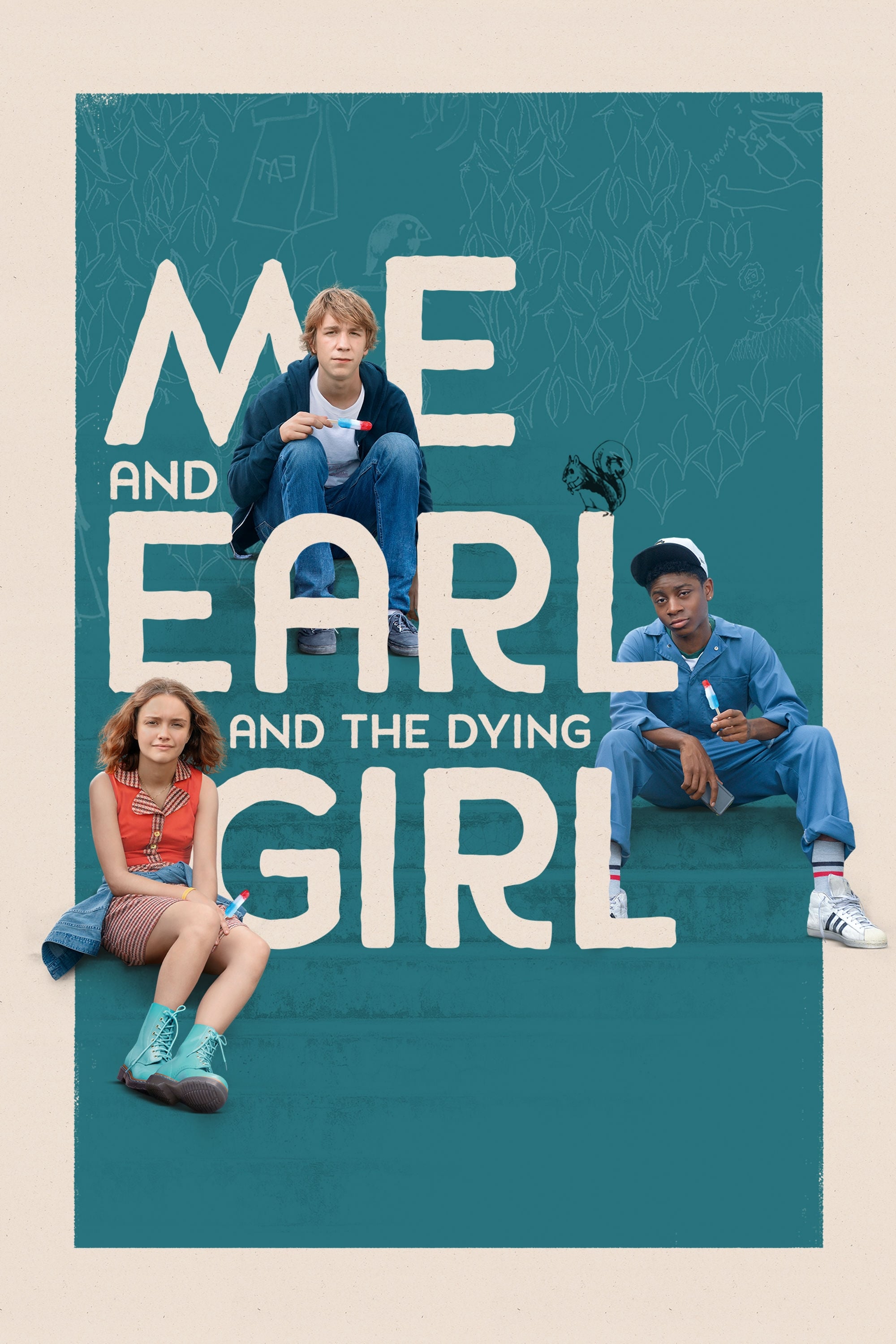
This indie film won top awards at the Sundance Film Festival and was praised by critics for its quirky humor and heartfelt story. Reviewers loved its clever script, unique visual style, and its fresh take on the coming-of-age and teen cancer genres.
Audiences were less charmed, with many finding the main character to be self-absorbed and unlikable. The film’s quirky style was seen by some as annoying and overly precious, preventing them from connecting emotionally with the “dying girl” at the center of the story.
Under the Skin (2013)
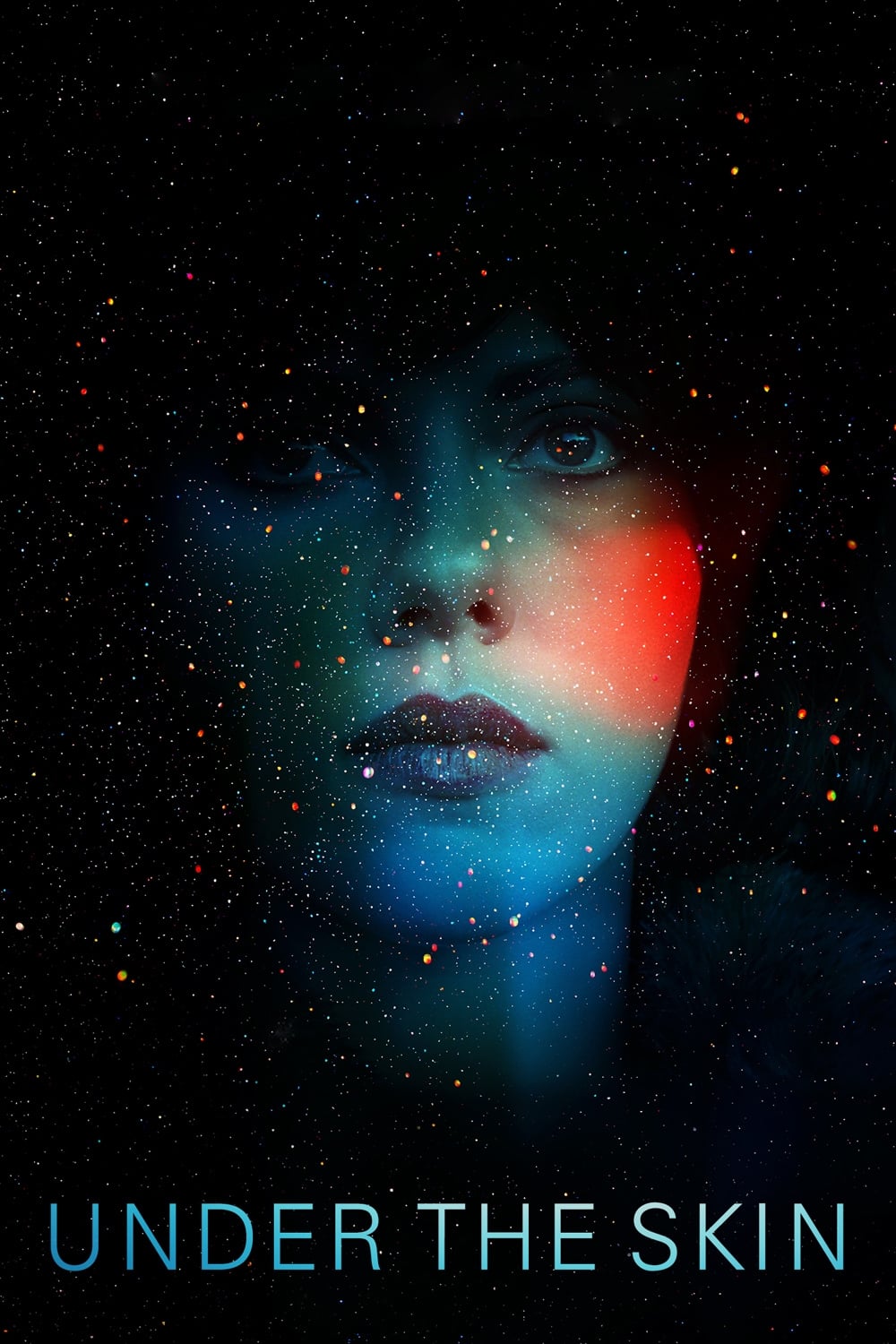
Critics hailed Under the Skin as a unique and mesmerizing work of science fiction art. They were captivated by its mysterious narrative, Scarlett Johansson’s brave performance, and its unsettling, alien perspective on humanity. It was considered a visually stunning and thought-provoking masterpiece.
The film’s abstract storytelling and slow pace proved to be a major barrier for mainstream audiences. Many found it to be bizarre, boring, and utterly baffling, with a narrative that offered few clear explanations for what was happening on screen.
Annihilation (2018)
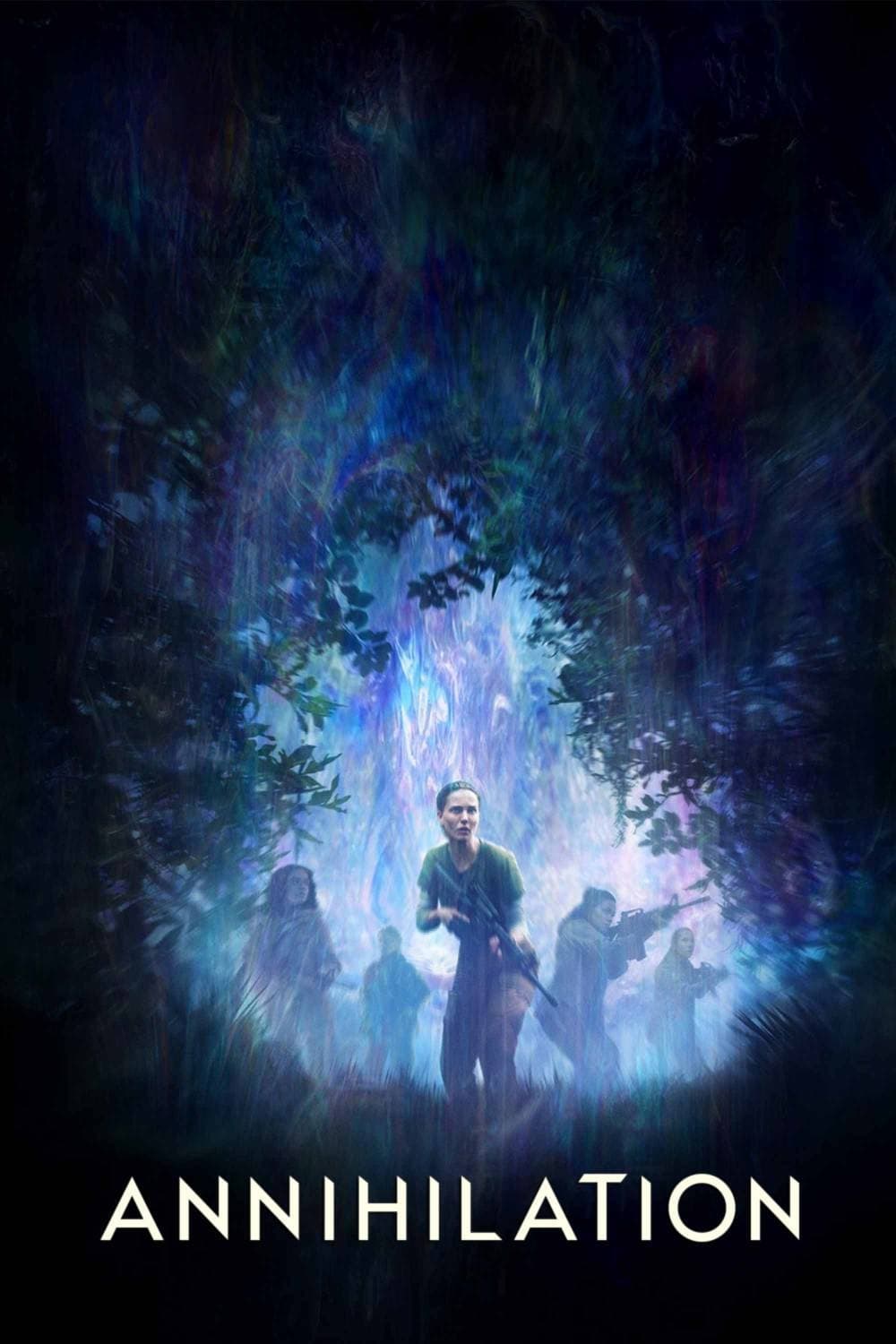
Alex Garland’s Annihilation was applauded by critics as a beautiful, intelligent, and mind-bending science fiction film. They loved its ambitious ideas, stunning visuals, and its fusion of sci-fi with elements of body horror. It was seen as a film that sparked conversation.
Many viewers were left feeling confused by the film’s complex themes and ambiguous ending. Its cerebral, slow-burn approach was not what some were expecting, and the bizarre imagery was too strange for audiences seeking a more conventional sci-fi action movie.
Birdman or (The Unexpected Virtue of Ignorance) (2014)
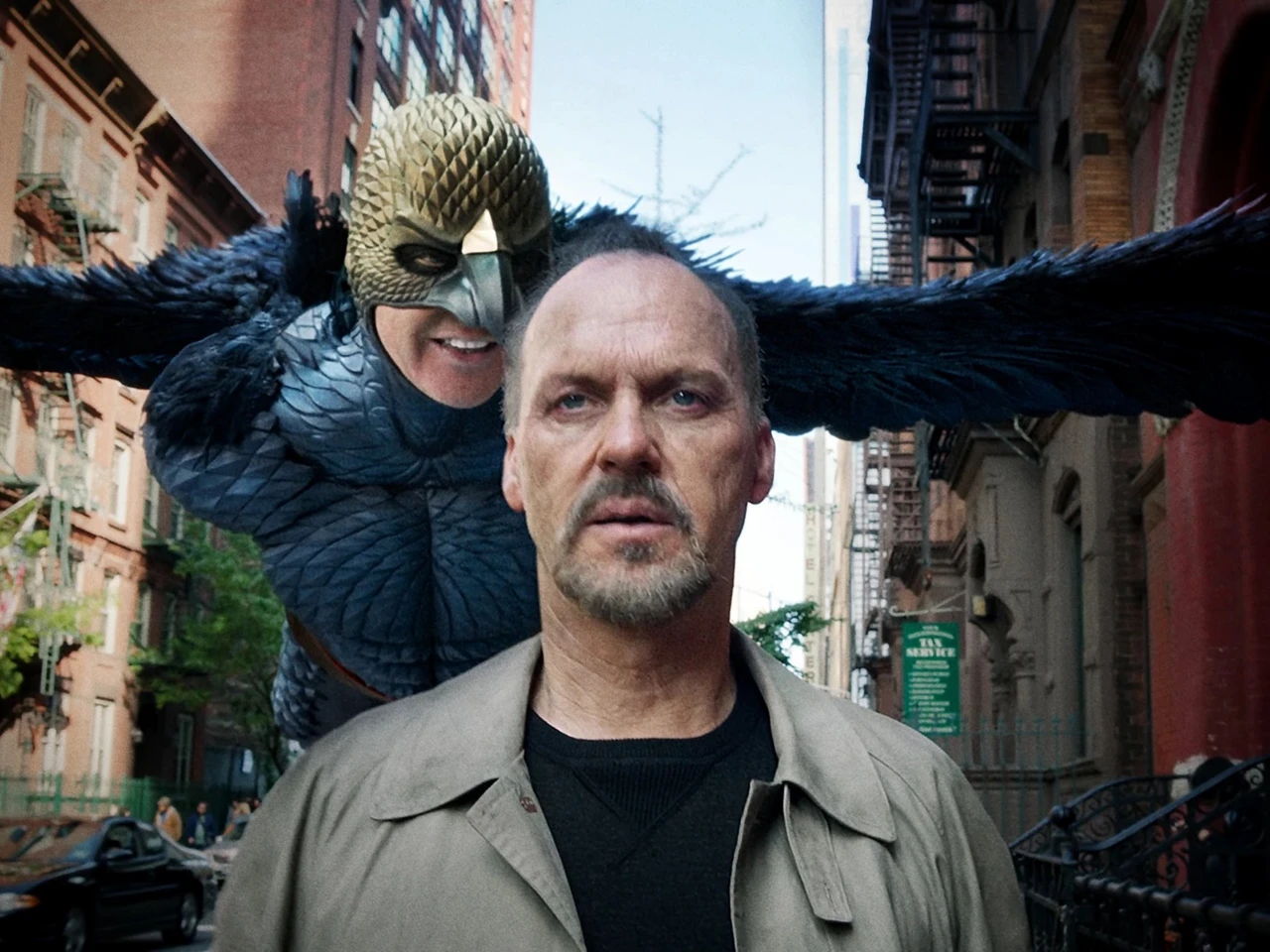
Winner of the Oscar for Best Picture, Birdman was a critical sensation. Reviewers were in awe of its technical achievements, particularly how it appeared to be filmed in a single take. They also praised its sharp script and the strong performances from its cast.
While respected, the film was not universally loved by audiences. Some found its filmmaking style to be gimmicky and its story about a washed-up actor to be pretentious and unrelatable. The film’s cynical take on Hollywood felt navel-gazing to many.
Killing Them Softly (2012)
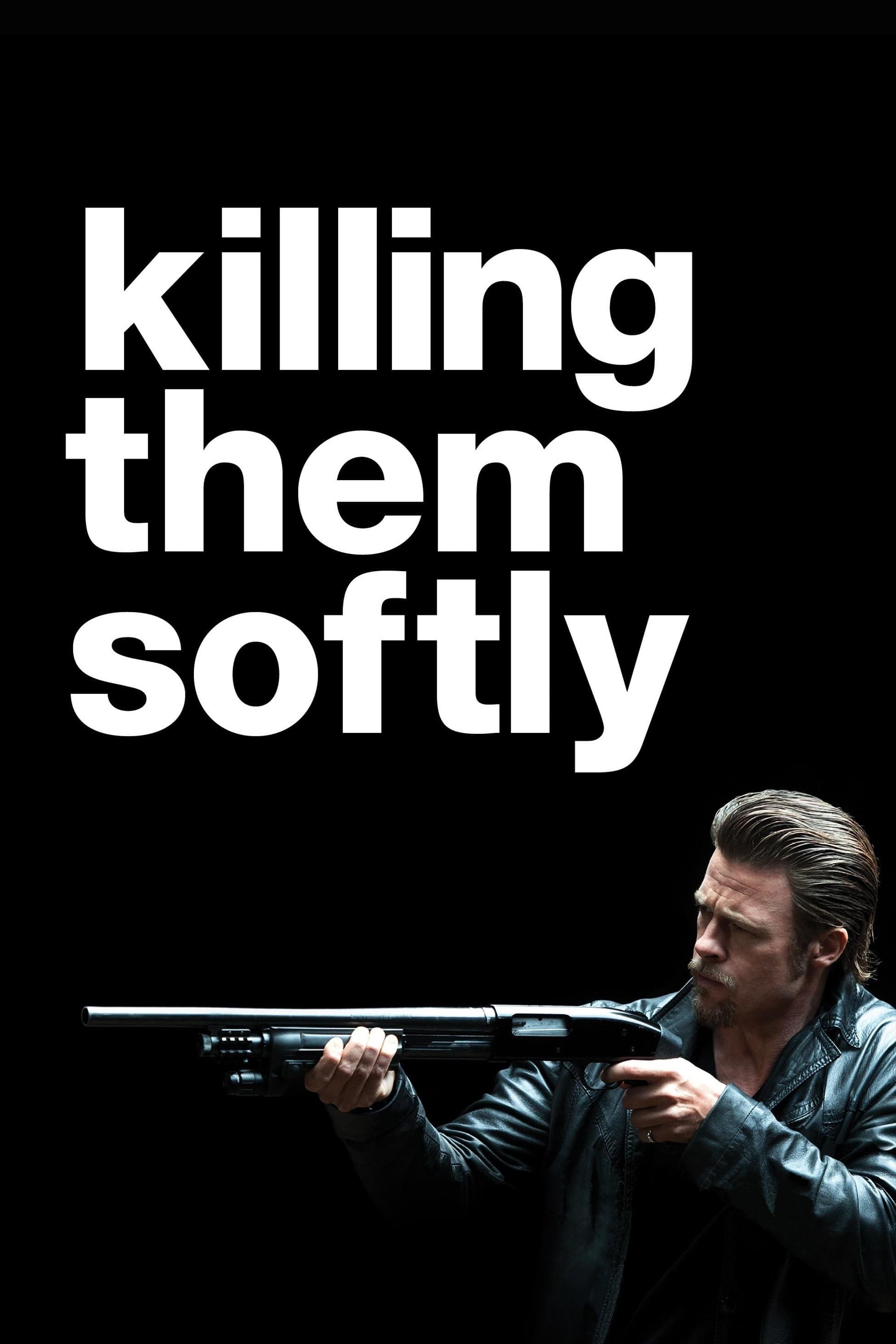
Critics appreciated Killing Them Softly for its gritty style and its use of a gangster story as a cynical allegory for the 2008 financial crisis. They praised its sharp dialogue, bleak tone, and strong performances.
Audiences were not on board with the heavy-handed political commentary. Viewers who came for a mob movie were instead given long, talky scenes that directly referenced American politics, which many found to be boring and preachy.
I’m Thinking of Ending Things (2020)
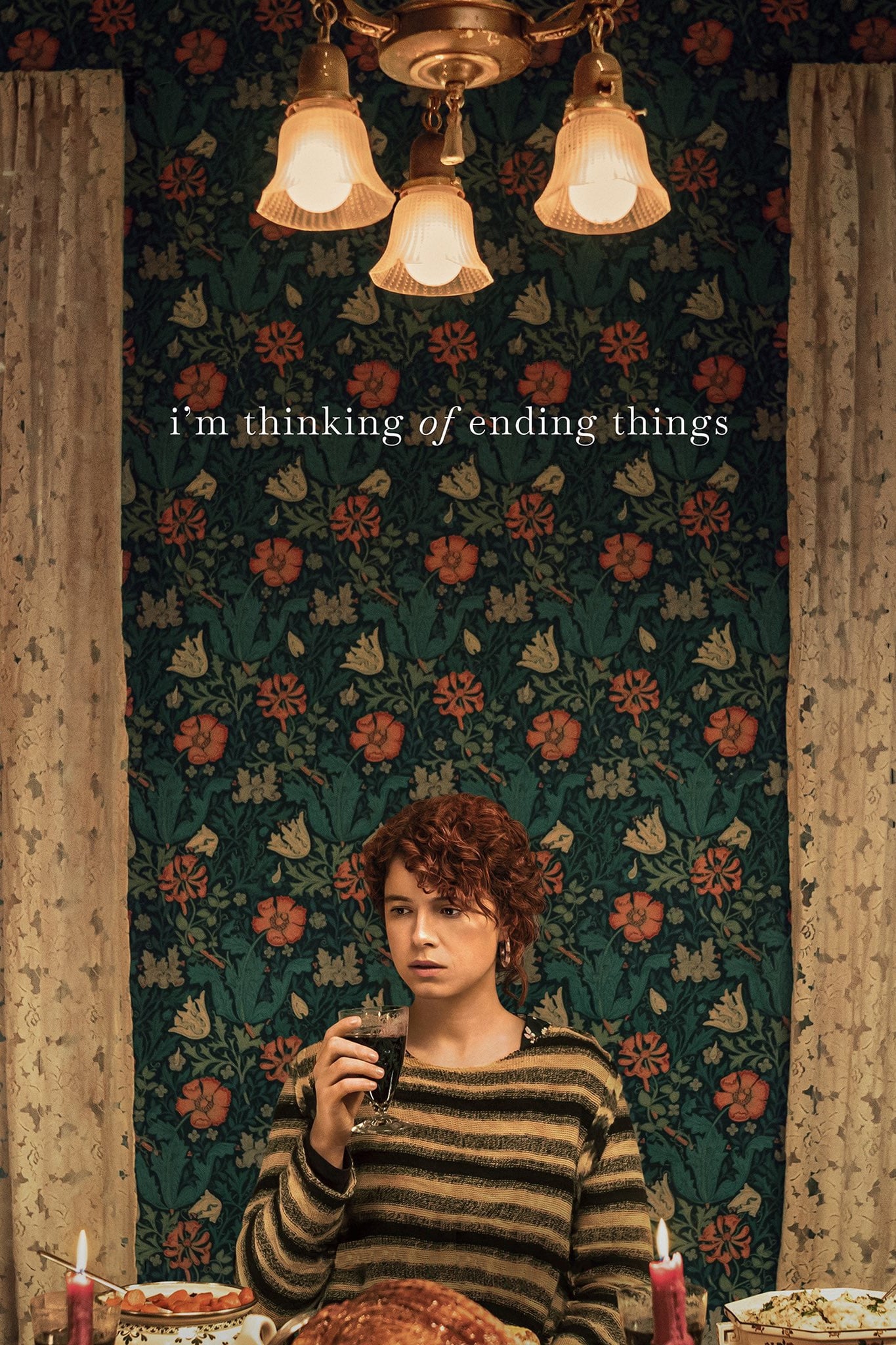
Charlie Kaufman’s psychological drama was celebrated by critics as a complex and brilliant puzzle box. They praised its intellectual depth, its surreal atmosphere, and its challenging exploration of memory, regret, and relationships. It was a film they loved to analyze and decode.
The movie’s confusing, non-linear narrative and abstract symbolism left most viewers completely lost. Many found it to be a frustrating and pretentious experience, with a story that was impossible to follow and characters who were difficult to connect with.
The French Dispatch (2021)
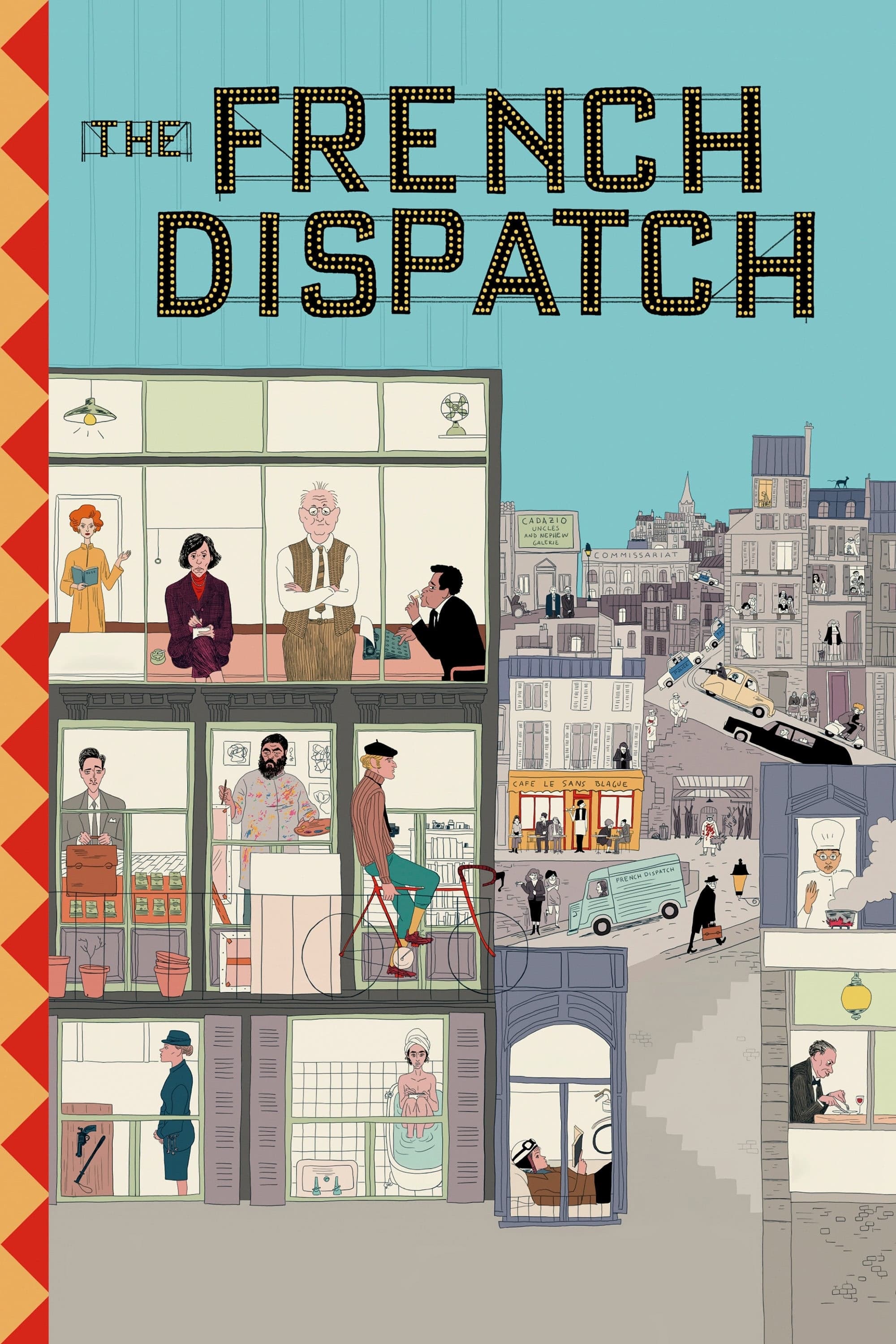
Critics adored Wes Anderson’s The French Dispatch, calling it a visual feast and a loving tribute to journalism and French culture. They praised its incredible attention to detail, its whimsical tone, and its unique structure, which presented stories like articles in a magazine.
For many viewers, the film’s style completely overshadowed its substance. The rapid-fire dialogue, constant stream of visual gags, and lack of a central, emotional story made it feel like a hollow exercise. Audiences found it hard to connect with any of the characters or stories.
A Ghost Story (2017)
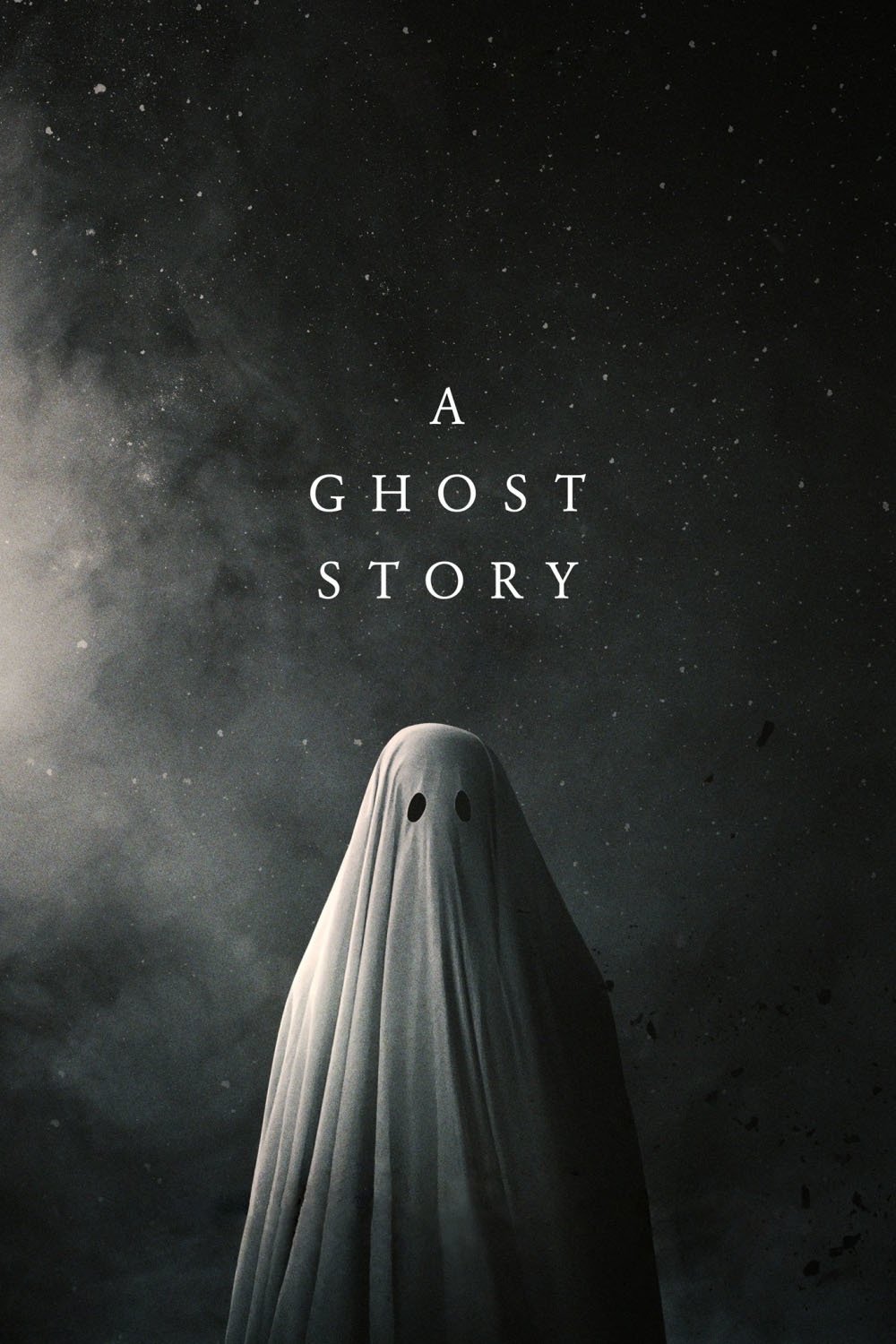
Reviewers were moved by this unconventional film about a ghost watching time pass in his former home. They praised its patient, meditative style and its profound exploration of time, love, and existence. A scene featuring a character eating a pie for several minutes was often highlighted as a bold and emotional choice.
Audiences were less patient. The film’s extremely slow pace, minimal dialogue, and long, static shots (including the infamous pie scene) were seen as boring and pretentious. Many viewers simply could not get past the sight of a man standing under a sheet for most of the movie.
Suspiria (2018)
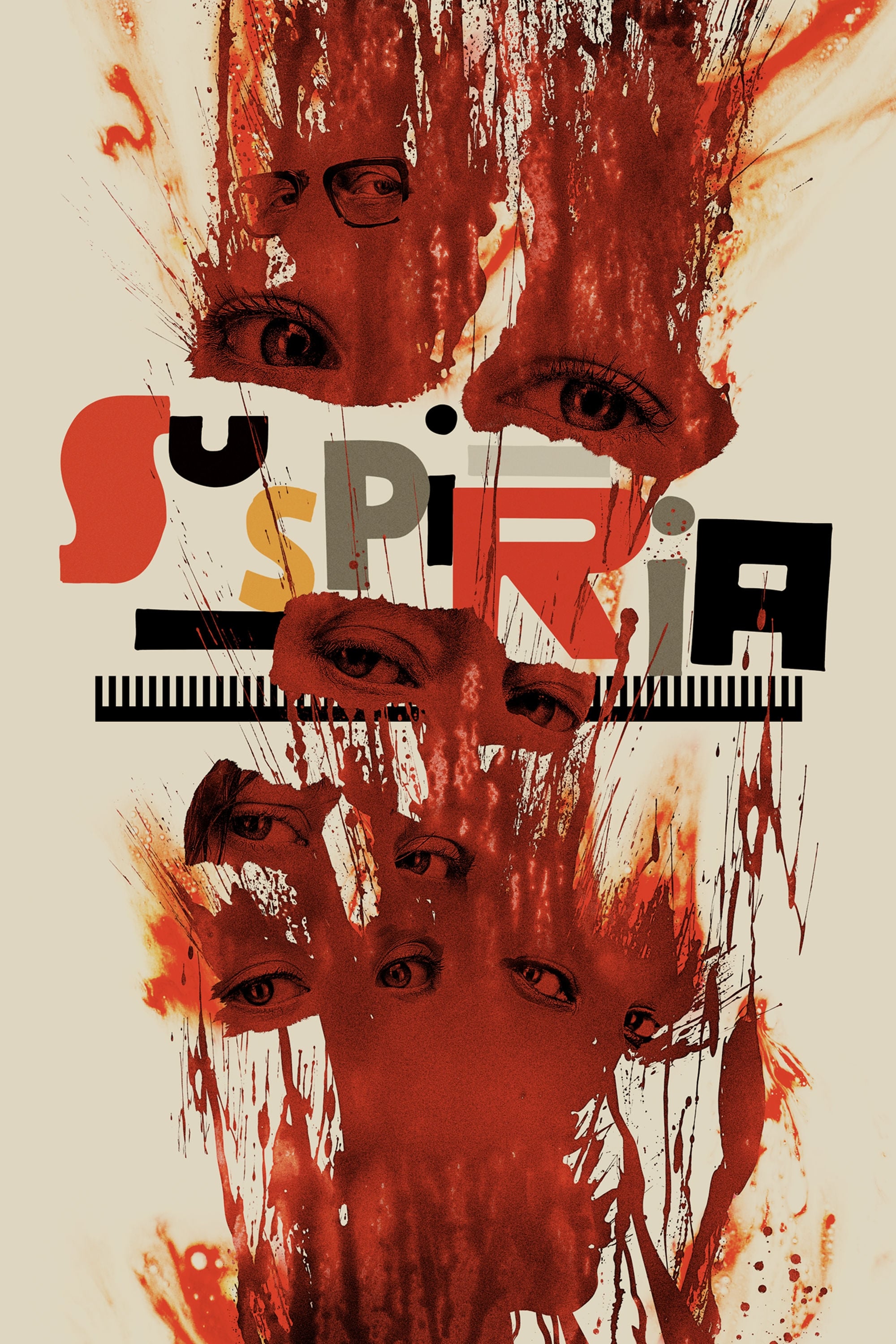
Luca Guadagnino’s remake of the horror classic Suspiria was praised by critics for its ambition and its radical departure from the original. They appreciated its dense historical and political themes, its gruesome horror, and its cold, art-house aesthetic.
Fans of the original 1977 film and general audiences were often put off by the remake’s long runtime, convoluted plot, and bleak, muted color palette. Many found it to be a confusing and self-indulgent film that lacked the vibrant energy of its predecessor.
Valhalla Rising (2009)
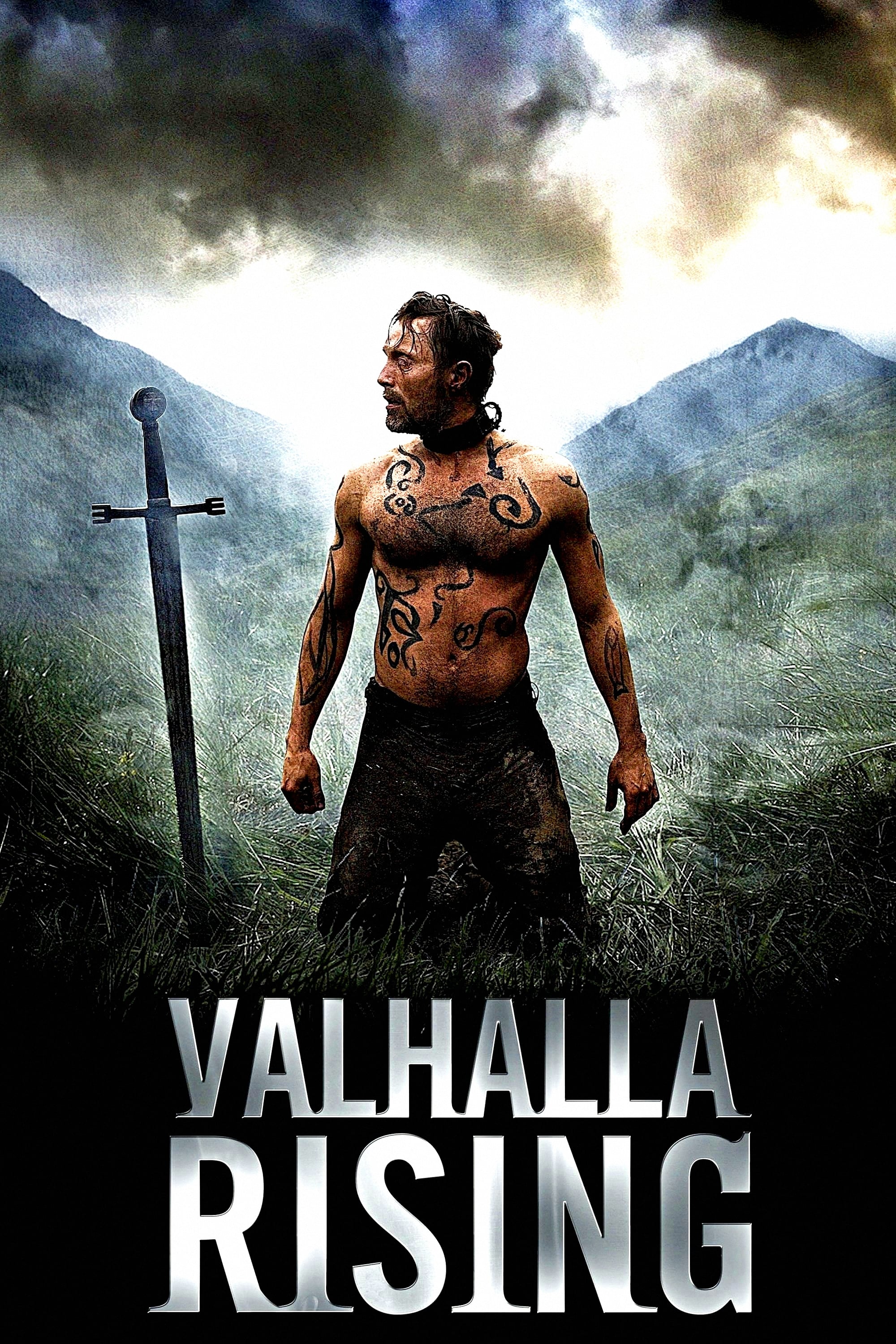
This film by Nicolas Winding Refn was praised by critics for its brutal atmosphere and stunning, desolate landscapes. They saw it as a powerful, primal, and visually striking Viking epic that worked as a challenging piece of art.
Moviegoers expecting a thrilling action film were met with very little dialogue, a slow pace, and a sparse, ambiguous plot. Many found it to be an incredibly boring and pointless exercise in style, with characters they knew nothing about.
Hereditary (2018)
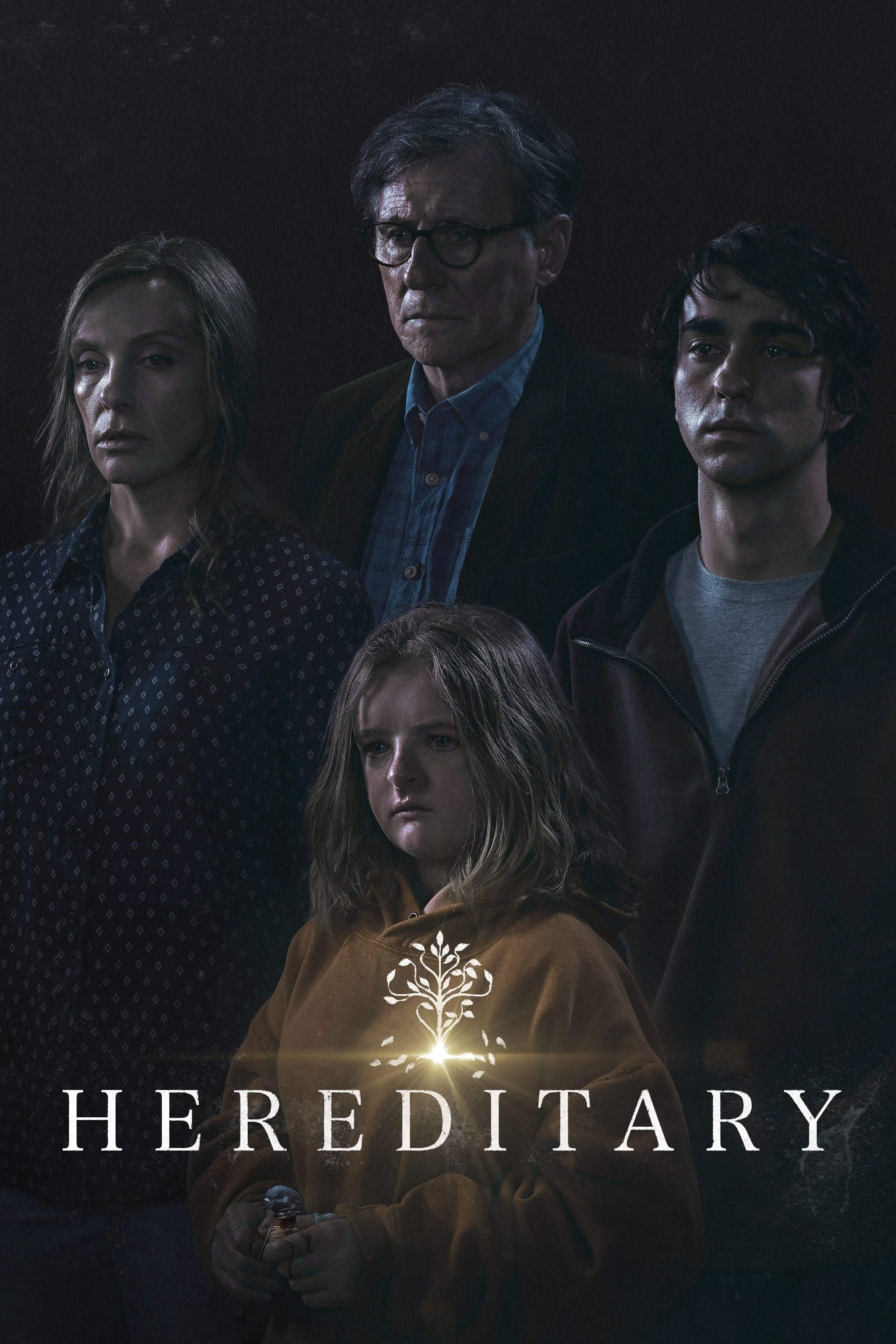
Critics hailed Hereditary as a modern horror masterpiece, praising its masterful direction, shocking twists, and Toni Collette’s powerful lead performance. They saw it as a deeply disturbing family drama that devolved into pure terror.
While it received a better audience score than many on this list, a significant portion of viewers had a strongly negative reaction. Many found the film to be more disturbing than scary, and its slow-burn first half was seen as boring. The wild ending was also a point of contention, with some finding it to be unintentionally funny or just plain weird.