15 Spinoffs That Were More Successful Than the Original Show

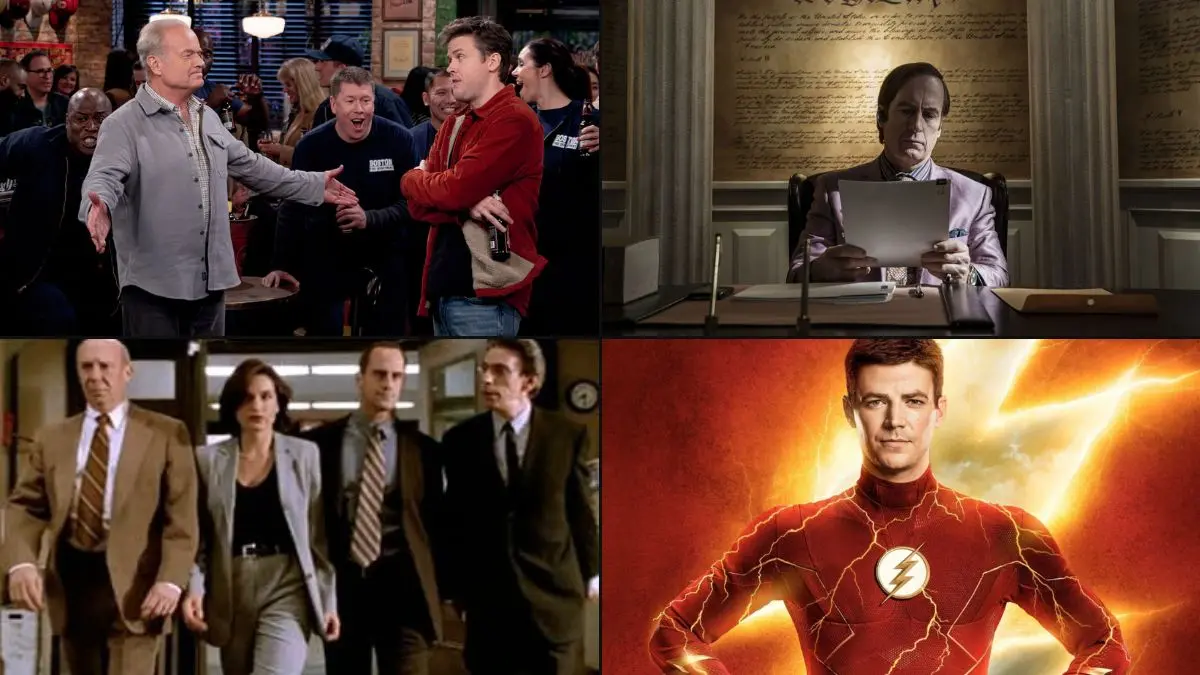

Sometimes, a character or a concept from a popular show is so good it deserves its own spotlight. When this happens, a spinoff is born. A spinoff is a new series that comes from an existing one. It might follow a side character’s journey or explore the same world from a different angle. The goal is to create a new hit by building on something that is already loved. This can be a risky move, as it’s hard to catch lightning in a bottle twice.
However, some spinoffs do more than just succeed; they become bigger than the show that started it all. These rare gems manage to take a good idea and make it even better. They might have more compelling stories, more beloved characters, or simply connect with audiences in a more powerful way. This list looks at 15 spinoffs that stepped out of the shadow of their parent shows to become major successes in their own right, proving that sometimes the student truly does become the master.
Frasier (1993)
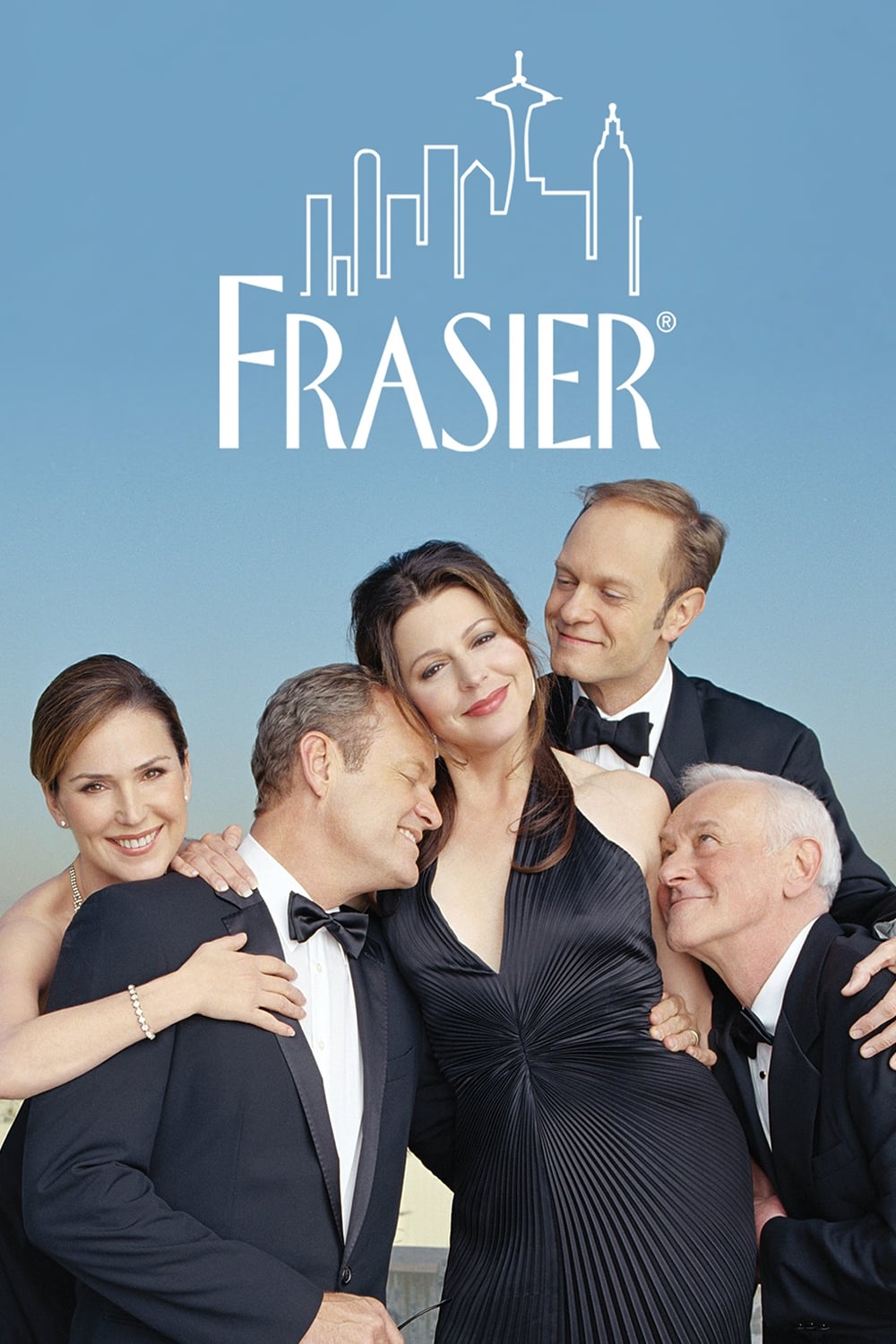
Frasier is a spinoff of the popular sitcom Cheers. The show follows psychiatrist Frasier Crane, who was a regular customer at the Cheers bar. After his marriage ends, Frasier moves from Boston to his hometown of Seattle. He starts a new life as a radio talk show host, offering advice to the city’s troubled residents. The show focuses on his relationships with his father, Martin, a down-to-earth retired police officer, and his equally snobbish and intelligent brother, Niles.
The series was a massive critical and commercial success. It won 37 Primetime Emmy Awards, which was a record for a scripted series at the time. The show’s clever writing, witty humor, and heartfelt family dynamics set it apart from Cheers. While Cheers was a beloved show, Frasier developed its own unique identity. It appealed to a different kind of audience and is often considered one of the greatest sitcoms ever made, surpassing the high bar set by its predecessor.
The Simpsons (1989)
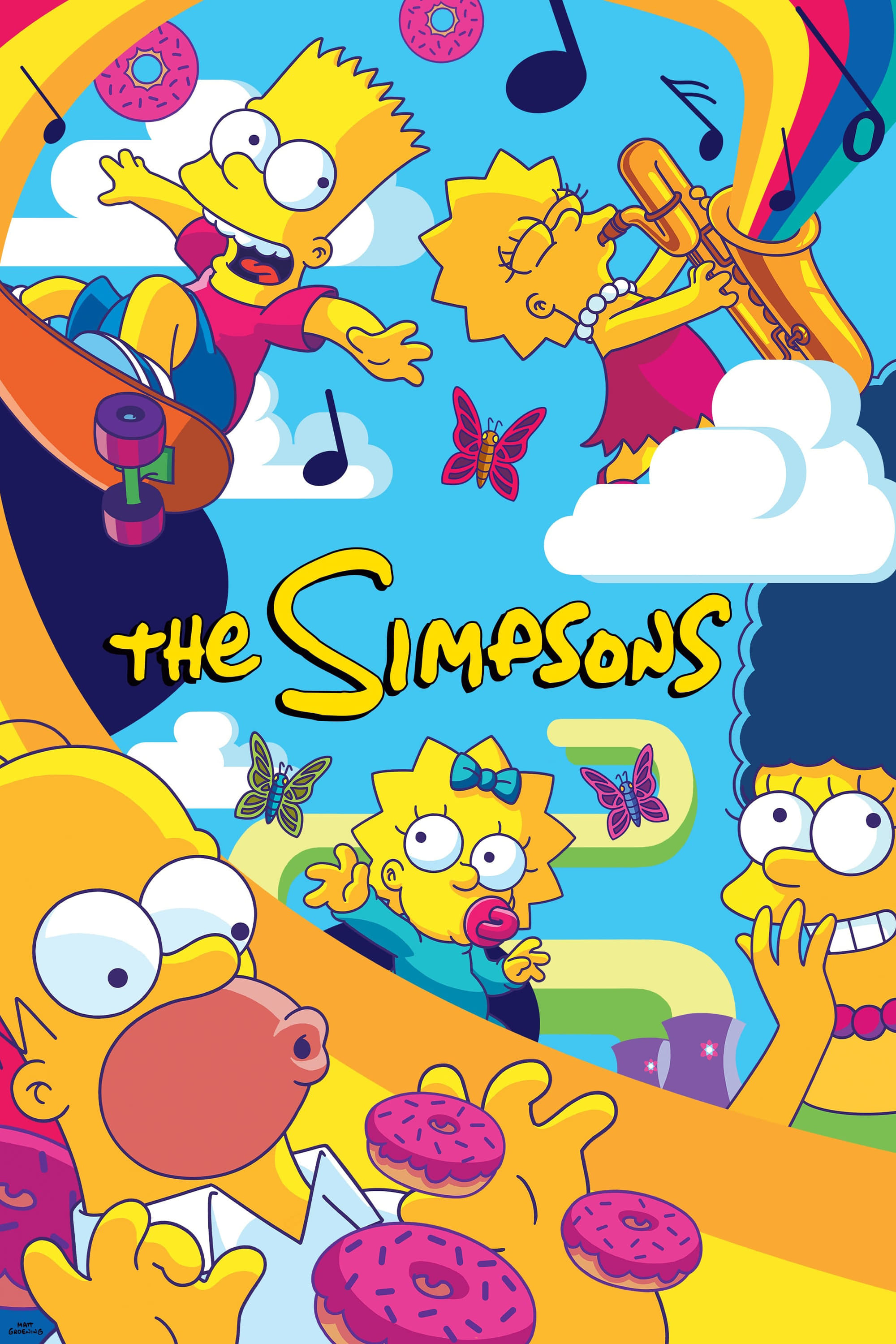
The Simpsons first appeared as a series of short animated skits on The Tracey Ullman Show. The shorts were so popular that they were developed into their own half-hour primetime show. The series centers on the Simpson family—Homer, Marge, Bart, Lisa, and Maggie—and their life in the fictional town of Springfield. The show satirizes American culture, society, and television itself.
While The Tracey Ullman Show had a respectable run, The Simpsons became a global cultural phenomenon. It is the longest-running American animated series, the longest-running American sitcom, and the longest-running American scripted primetime television series. Its impact on comedy and television is immeasurable. The show has won numerous awards and has been praised for its wit and social commentary, making it far more successful and influential than its origin.
Better Call Saul (2015)
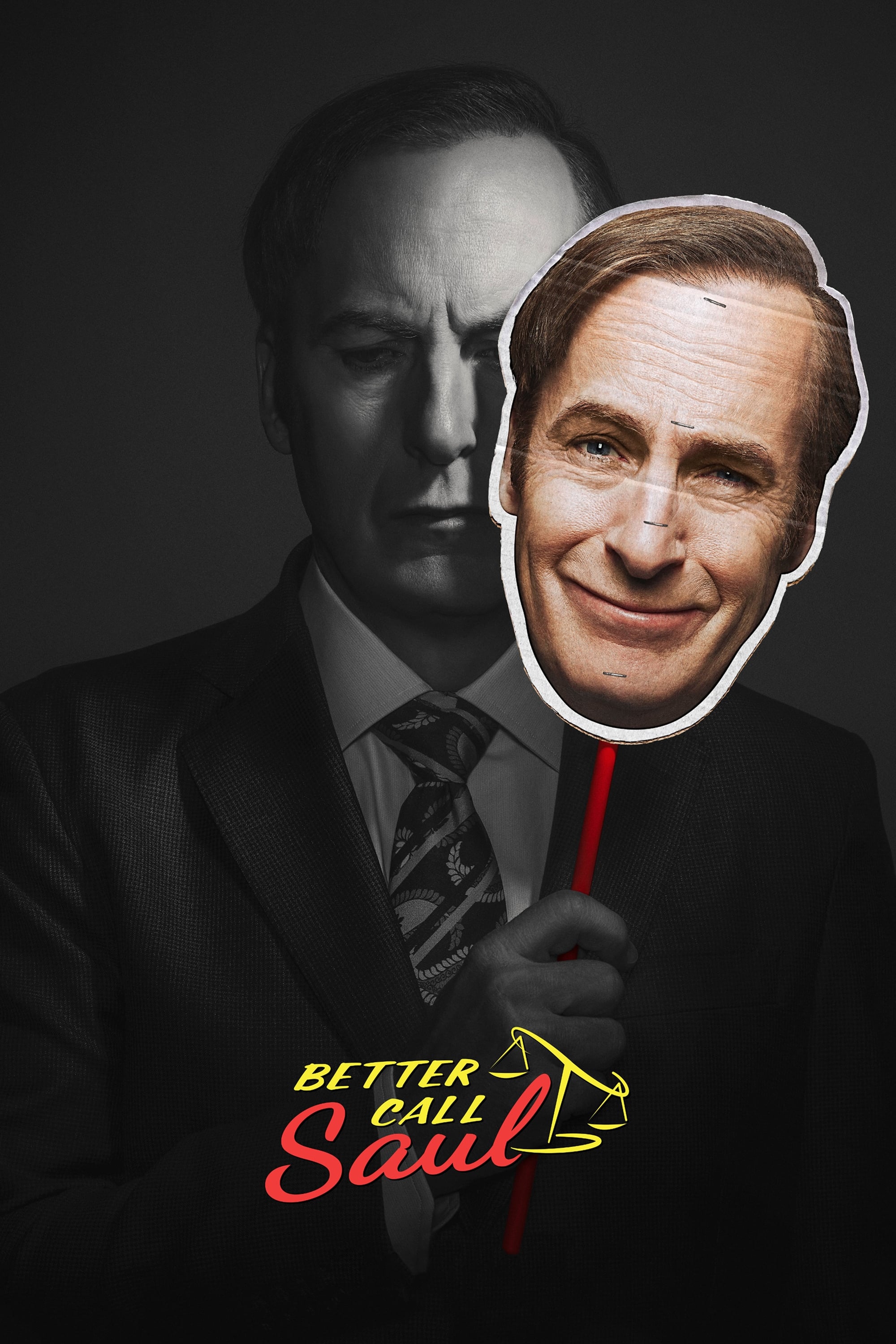
Better Call Saul is a prequel and spinoff of the critically acclaimed series Breaking Bad. The show tells the story of Jimmy McGill, a small-time lawyer with a flexible moral compass. It follows his transformation into the confident and corrupt criminal defense attorney Saul Goodman, the character fans first met in Breaking Bad. The series explores his complicated relationships, especially with his brother Chuck and his colleague Kim Wexler.
Many critics and fans consider Better Call Saul to be as good as, if not better than, Breaking Bad. The show was praised for its deep character development, deliberate pacing, and stunning cinematography. It received numerous award nominations and critical acclaim throughout its six-season run. While Breaking Bad was a landmark show, Better Call Saul stands on its own as a masterpiece of television, offering a more nuanced and tragic story than the original.
The Jeffersons (1975)
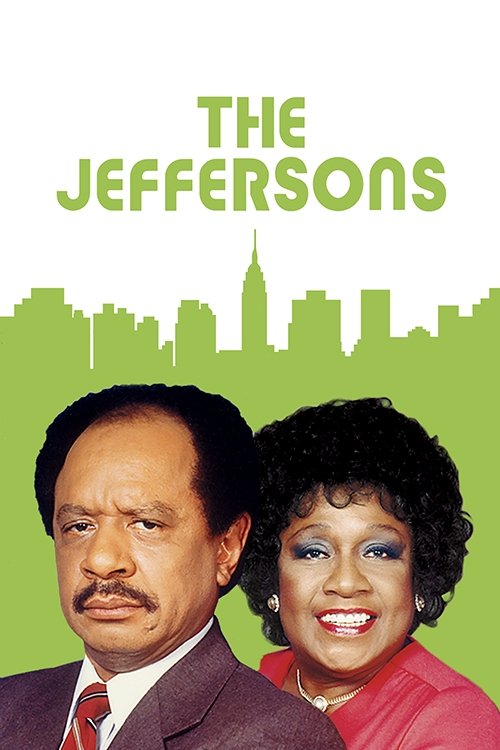
The Jeffersons spun off from the groundbreaking sitcom All in the Family. The series follows George and Louise Jefferson, who were the neighbors of Archie and Edith Bunker. After George’s dry-cleaning business becomes successful, the family “moves on up” from Queens to a luxury apartment in Manhattan. The show explores themes of class, race, and social mobility with humor and heart.
The series was a huge hit and ran for 11 seasons, making it one of the longest-running sitcoms in American television history. It was a groundbreaking show in its own right, featuring a prosperous African-American family as its central characters. The Jeffersons became more commercially successful and had a longer run than its parent show. Its iconic theme song and beloved characters have made it a classic and influential sitcom.
NCIS (2003)
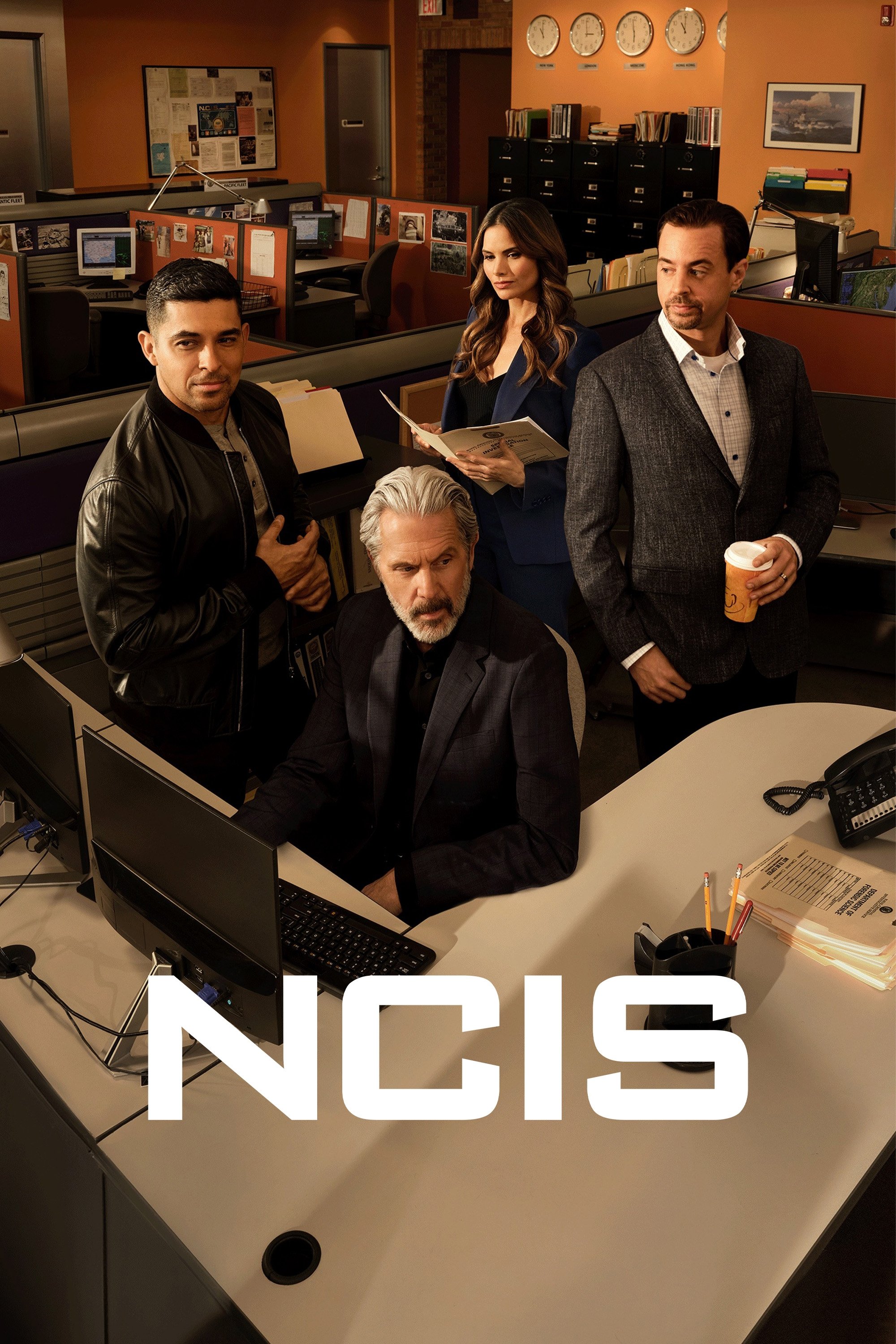
NCIS was introduced as a backdoor pilot through two episodes of the legal drama JAG. The show follows a team of special agents from the Naval Criminal Investigative Service. They investigate crimes involving the U.S. Navy and Marine Corps. The series is a procedural drama that combines elements of a police investigation with military-themed storylines. The team is led by the stoic and principled Leroy Jethro Gibbs.
While JAG was a successful show, NCIS became a ratings powerhouse, consistently ranking as one of the most-watched television shows in the United States. Its popularity led to its own successful spinoffs, creating a major franchise. The show’s blend of compelling characters, case-of-the-week format, and team dynamics resonated strongly with audiences worldwide. Its longevity and massive viewership numbers have made it far more successful than the show it came from.
Family Matters (1989)
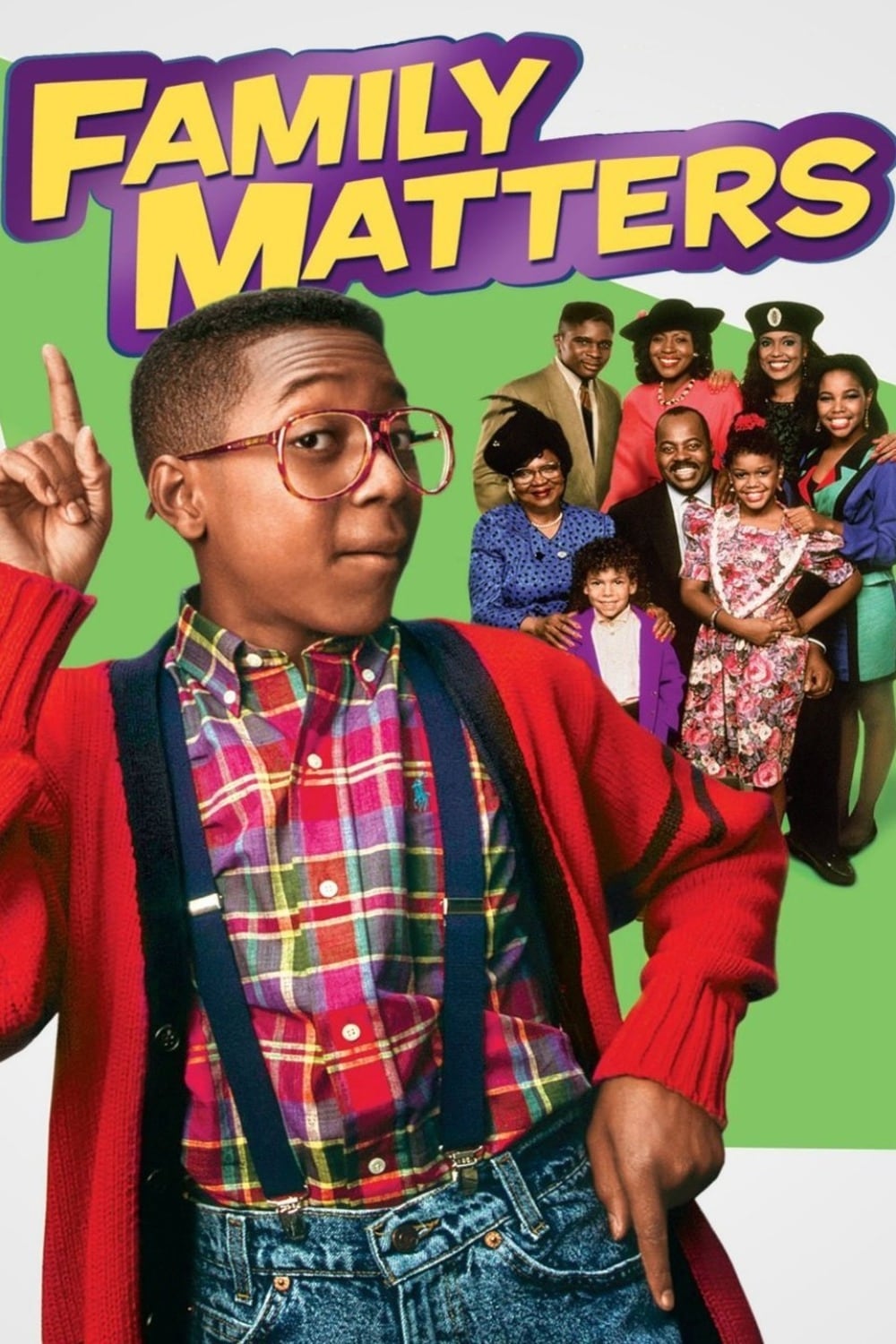
Family Matters was a spinoff of the sitcom Perfect Strangers. The character of Harriette Winslow, an elevator operator, was first introduced on that show. Family Matters centers on the Winslow family, a middle-class African-American family living in Chicago. The show was intended to be a realistic portrayal of family life. However, its focus shifted dramatically with the introduction of their nerdy and accident-prone neighbor, Steve Urkel.
Urkel became a cultural icon in the 1990s, and his popularity propelled the show to enormous success. His catchphrases, distinctive look, and slapstick humor made him the undeniable star of the series. Family Matters ran for nine seasons, much longer than Perfect Strangers. While it started as a simple family sitcom, the introduction of Urkel transformed it into a pop culture phenomenon and a ratings giant for its network.
The Flash (2014)

The Flash spun off from the superhero series Arrow. The character of Barry Allen, a crime scene investigator, was first introduced in a few episodes of Arrow. After being struck by lightning in a particle accelerator explosion, Barry gains super speed and becomes the Flash. He uses his powers to fight crime and protect Central City, with the help of his friends at S.T.A.R. Labs.
While Arrow was a popular show that launched a shared television universe, The Flash quickly became the most-watched series in that universe. Its lighter tone, charismatic lead, and epic storytelling appealed to a broad audience. The show was a ratings success and was praised for embracing the comic book origins of its characters. For many viewers, TheFlash surpassed Arrow in both quality and popularity, becoming the flagship show of its network’s superhero lineup.
Law & Order: Special Victims Unit (1999)
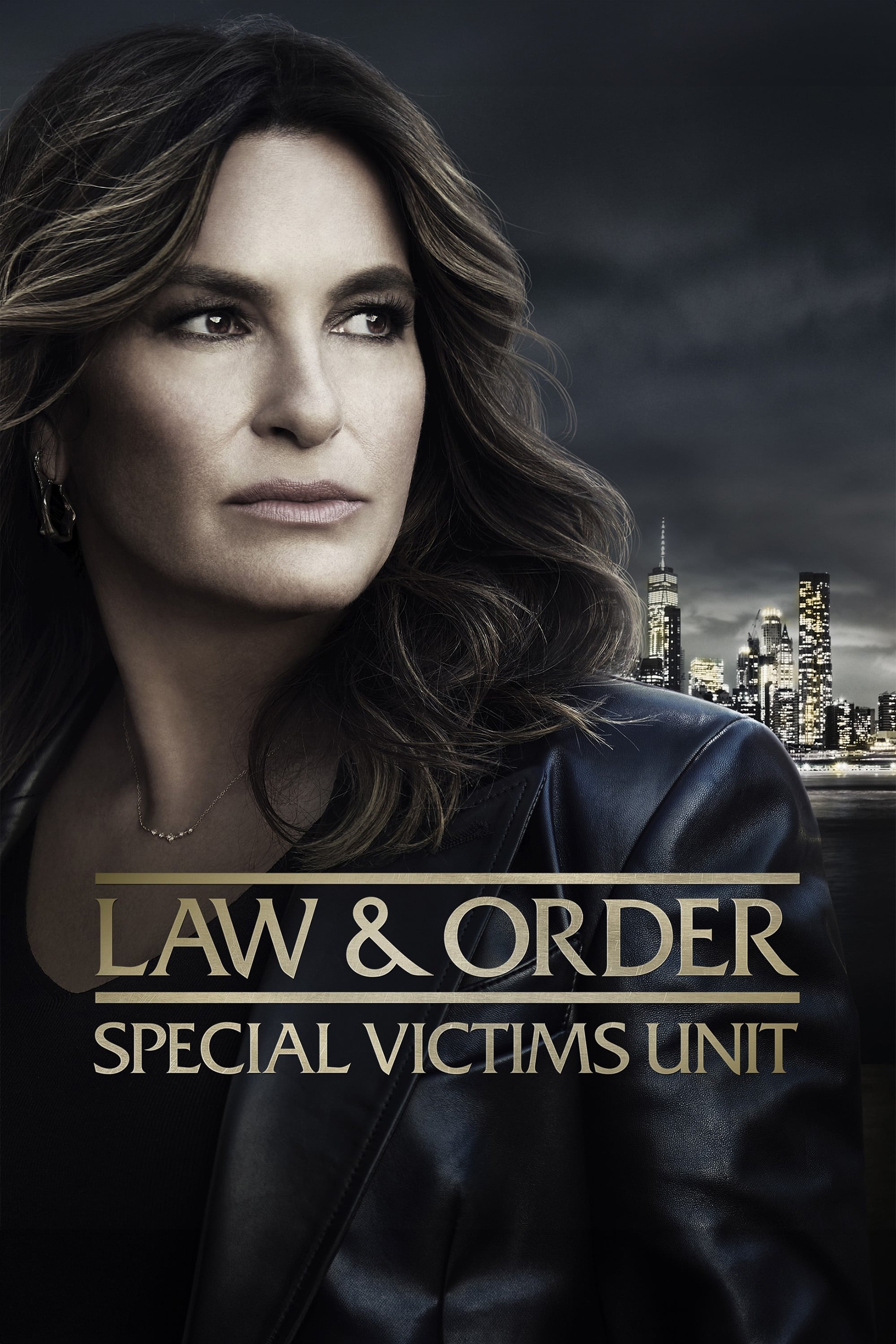
Law & Order: Special Victims Unit, often shortened to SVU, is the first spinoff of the long-running crime drama Law & Order. The series follows a dedicated squad of detectives in the New York City Police Department who investigate sexually based offenses. The show focuses on the victims of these crimes and the detectives who seek justice for them, led by the compassionate Olivia Benson.
SVU has become the longest-running primetime U.S. live-action series in the history of television, surpassing the original Law & Order. Its compelling and sensitive handling of difficult subjects has earned it critical acclaim and a devoted fanbase. The character of Olivia Benson has become an iconic figure in television history. The show’s incredible longevity and cultural impact have made it more successful and recognizable than its already legendary predecessor.
Daria (1997)

Daria is an animated series that spun off from the popular MTV show Beavis and Butt-Head. The character of Daria Morgendorffer was a recurring classmate of the two main characters. The spinoff follows Daria and her family as they move to a new town called Lawndale. The show offers a satirical look at high school life through the eyes of the intelligent, cynical, and observant Daria.
While Beavis and Butt-Head was a huge hit known for its lowbrow humor, Daria found success with a different kind of comedy. The show was praised for its sharp wit, social commentary, and relatable main character. It became a cult classic and a defining show for its generation. Daria is remembered for its intelligent writing and unique perspective, and it has a more enduring and positive critical reputation than the show it originated from.
Xena: Warrior Princess (1995)
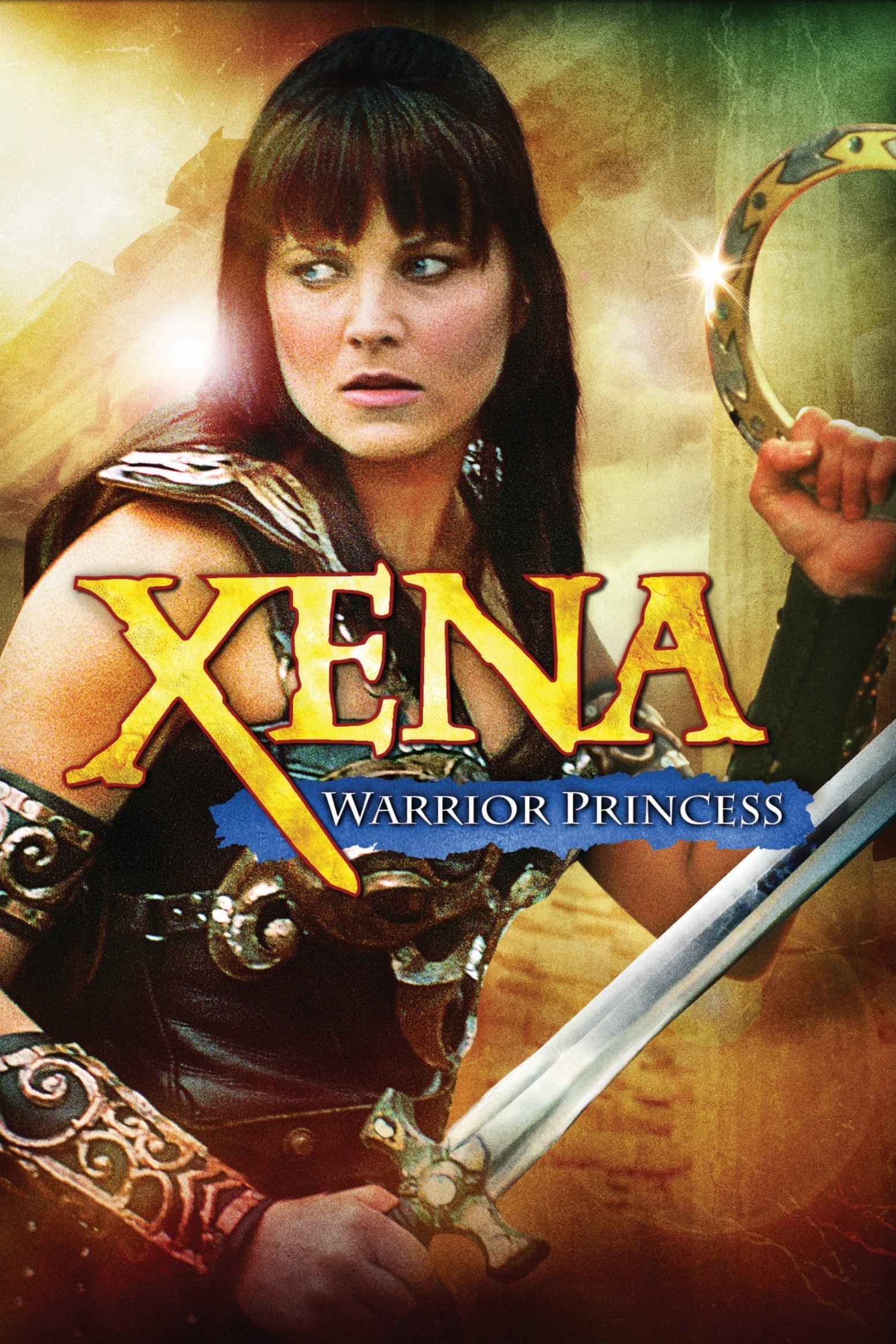
Xena: Warrior Princess is a spinoff of the show Hercules: The Legendary Journeys. The character of Xena was first introduced as a villain in a three-episode arc on Hercules. Due to her popularity, she was given her own series. The show follows Xena, a formidable warrior on a quest for redemption for her past sins. She is accompanied by her loyal friend, Gabrielle.
Xena quickly surpassed Hercules in popularity and critical acclaim. The show became a cult sensation with a massive international following. It was praised for its strong female protagonist, its blend of action and drama, and the complex relationship between Xena and Gabrielle. Xena is often cited as a groundbreaking show for its powerful female lead and its influence on future television series, making its cultural footprint larger than that of Hercules.
Torchwood (2006)
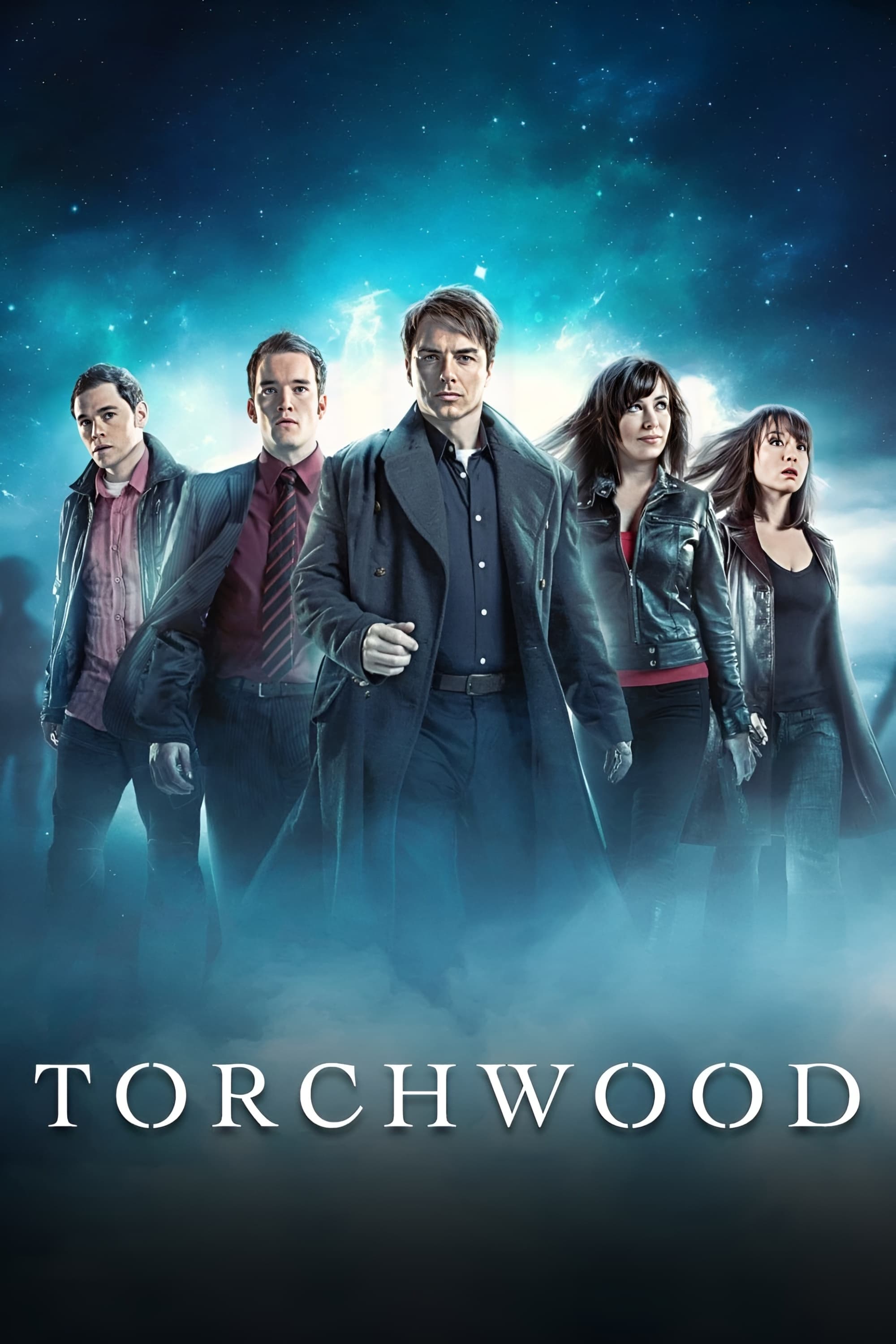
Torchwood is a spinoff of the revived science fiction series Doctor Who. The show is centered around the Torchwood Institute, a secret organization that investigates extraterrestrial incidents on Earth. It follows the small team of alien hunters based in Cardiff, Wales, led by the charismatic and immortal Captain Jack Harkness, a character introduced in Doctor Who.
The series was aimed at an older audience than Doctor Who and featured more mature themes, violence, and complex moral questions. It was praised for its darker tone, compelling characters, and ambitious storytelling, especially in its third series, “Children of Earth.” While Doctor Who is a global phenomenon, Torchwood achieved significant success and critical acclaim on its own terms, developing a passionate fanbase and a reputation for being a smart and daring science fiction drama.
The Colbert Report (2005)
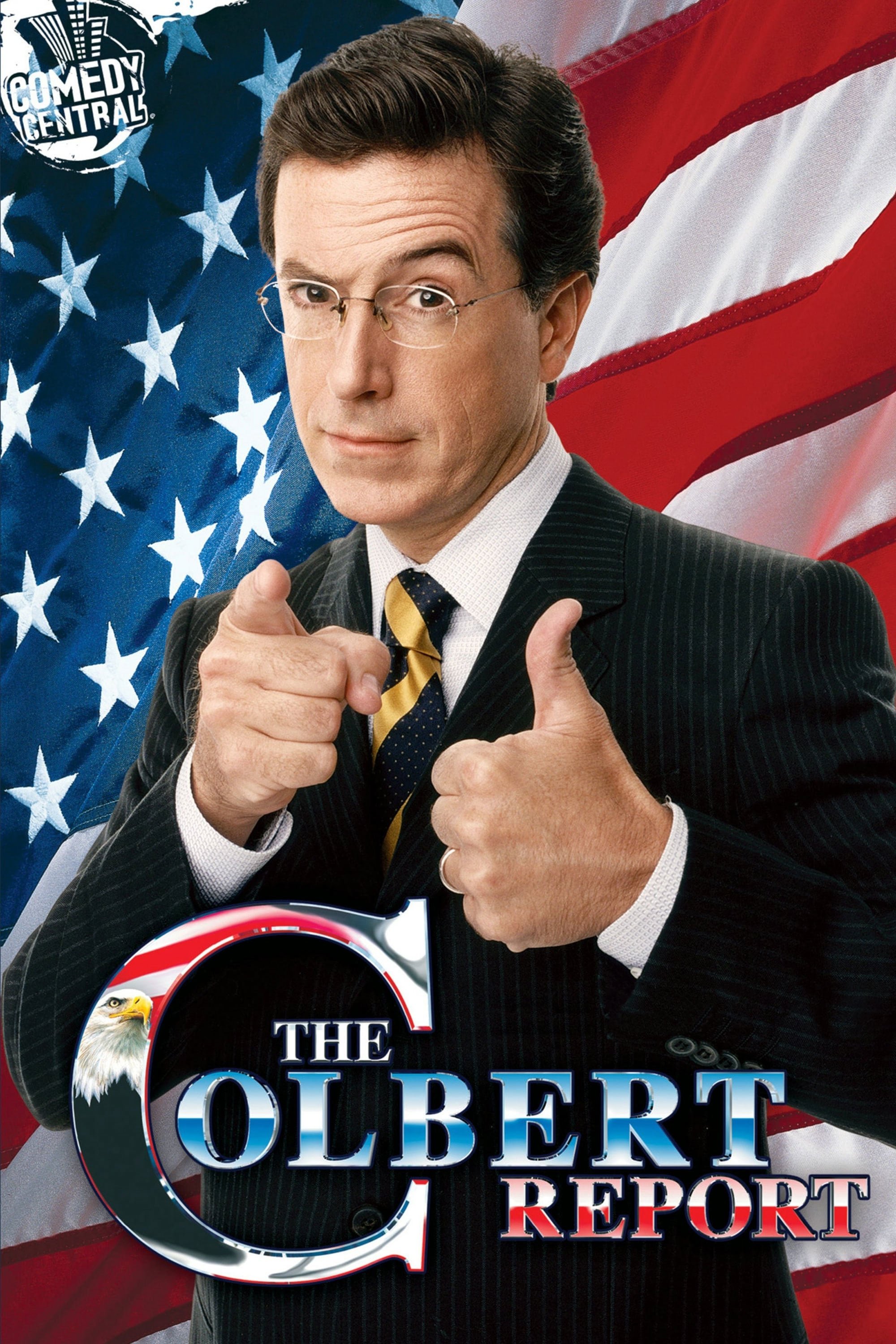
The Colbert Report was a spinoff of the satirical news program The Daily Show with Jon Stewart. Stephen Colbert was a popular correspondent on The Daily Show for many years. On his own show, he played a character also named Stephen Colbert, a caricature of a conservative political pundit. The show satirized personality-driven political commentary programs.
The Colbert Report was a massive success, earning numerous awards, including Emmys and a Peabody Award. Colbert’s character became iconic, and the show had a significant impact on political satire and real-world politics. It was a perfect companion to The Daily Show but also stood on its own as a brilliant and original piece of comedy. Its unique format and Colbert’s masterful performance made it one of the most acclaimed and influential shows of its time.
Angel (1999)
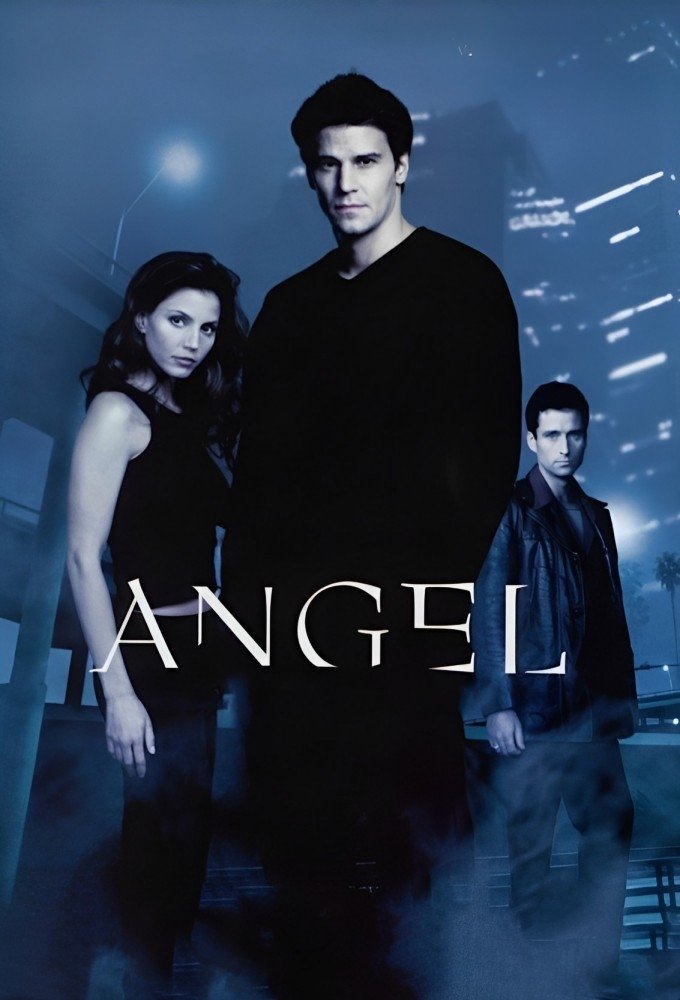
Angel is a spinoff of the supernatural teen drama Buffy the Vampire Slayer. The show follows the character of Angel, a vampire who has been cursed with a human soul. After leaving Sunnydale and the love of his life, Buffy, he moves to Los Angeles. There, he works as a private detective, helping the helpless and seeking redemption for his past evil deeds.
The series adopted a darker, more adult tone than Buffy. It explored film noir elements and focused on themes of redemption and moral ambiguity. While Buffy is a critically adored and groundbreaking show, Angel developed its own loyal following and received praise for its complex character arcs and mature storytelling. For many fans, Angel evolved into a show that was just as compelling, and at times even deeper, than its famous predecessor.
Good Times (1974)
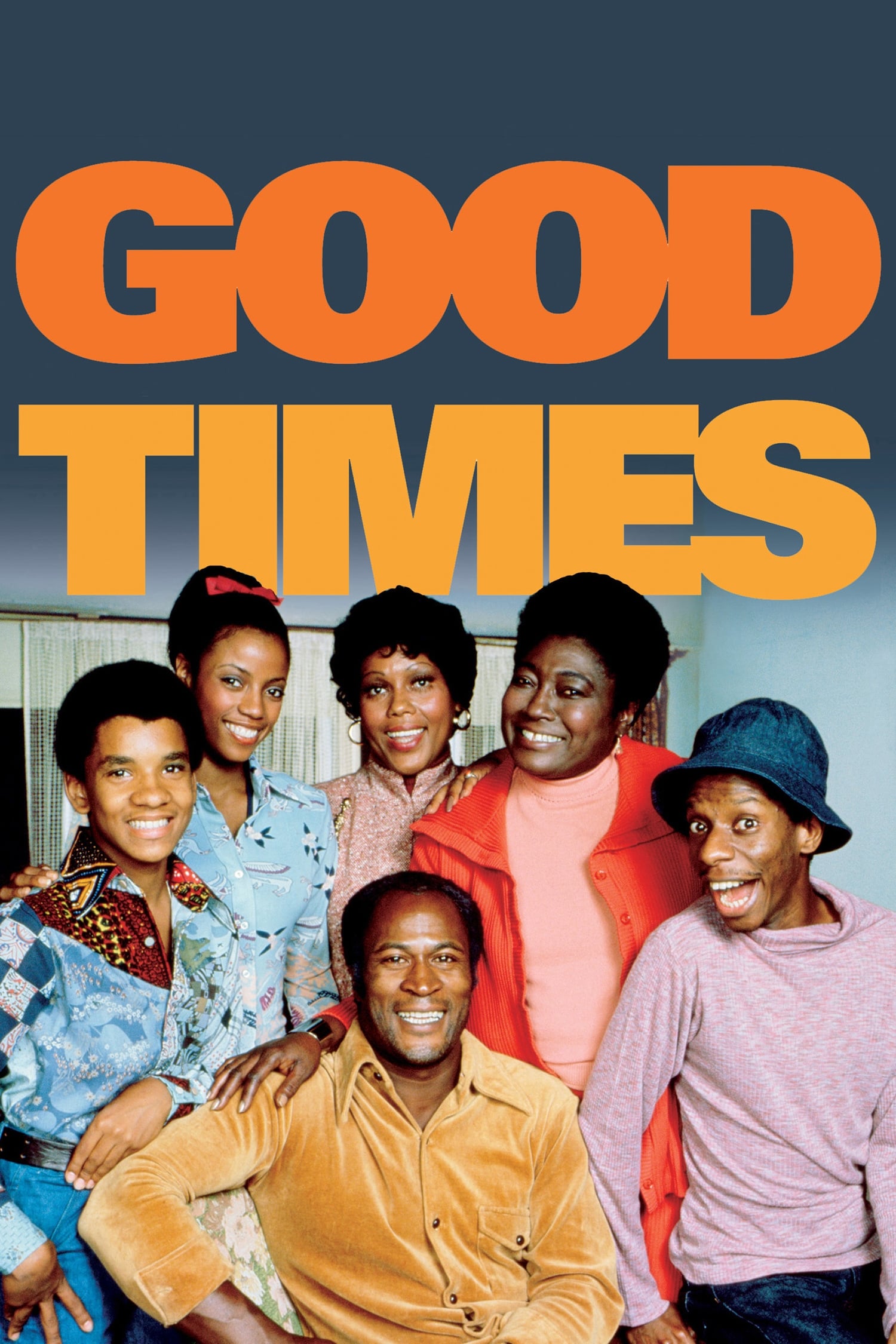
Good Times was a spinoff of the sitcom Maude, which itself was a spinoff of All in the Family. The character of Florida Evans was Maude’s housekeeper. Good Times follows Florida and her family, the Evanses, as they navigate life in a public housing project in Chicago. The show was notable for being the first sitcom to feature a two-parent African-American family.
Despite dealing with serious issues like poverty, unemployment, and discrimination, the show was also filled with love, laughter, and resilience. It became a cultural touchstone, particularly for its breakout character, J.J. Evans, known for his catchphrase “Dy-no-mite!” Good Times was incredibly popular and had a significant cultural impact, making it more well-known and successful than its parent show, Maude.
The Facts of Life (1979)
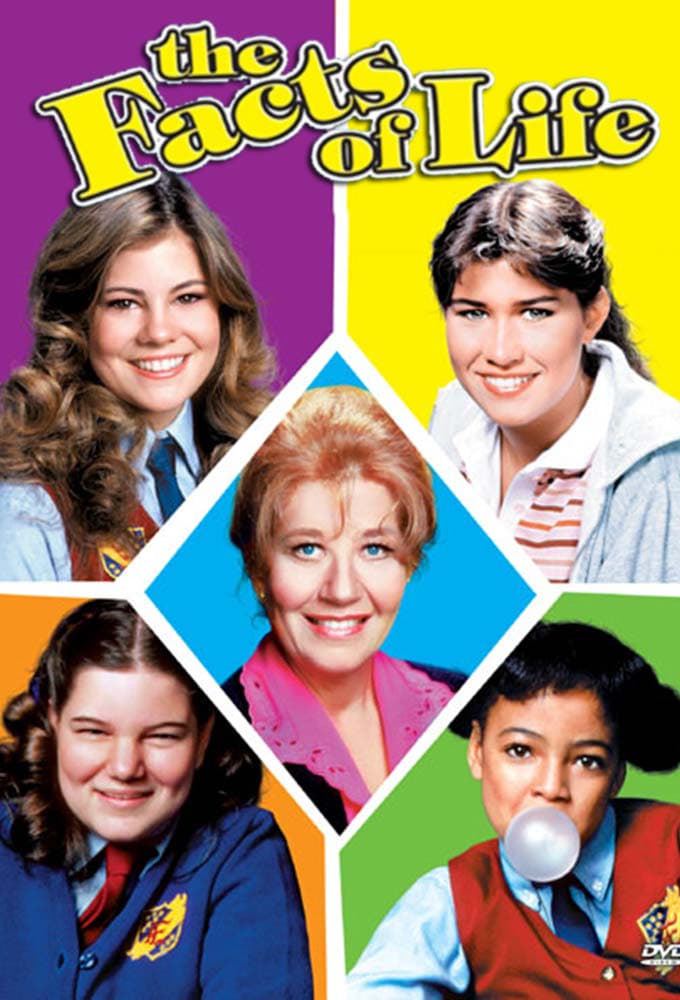
The Facts of Life spun off from the popular sitcom Diff’rent Strokes. The character of Edna Garrett was the Drummond family’s housekeeper. In the spinoff, Mrs. Garrett becomes the housemother at an all-girls boarding school. The show focuses on her and a group of girls as they navigate the challenges of adolescence and young adulthood.
The series ran for nine seasons, becoming one of the longest-running sitcoms of the 1980s. It was a ratings success and dealt with many serious teen issues. While Diff’rent Strokes was a very popular show, The Facts of Life had a longer run and became a beloved classic in its own right. Its focus on a core group of female characters and their journey to adulthood resonated deeply with its audience, ensuring its place as a more enduring hit.