15 Actors Who Left Hit Shows at the Height of Their Fame

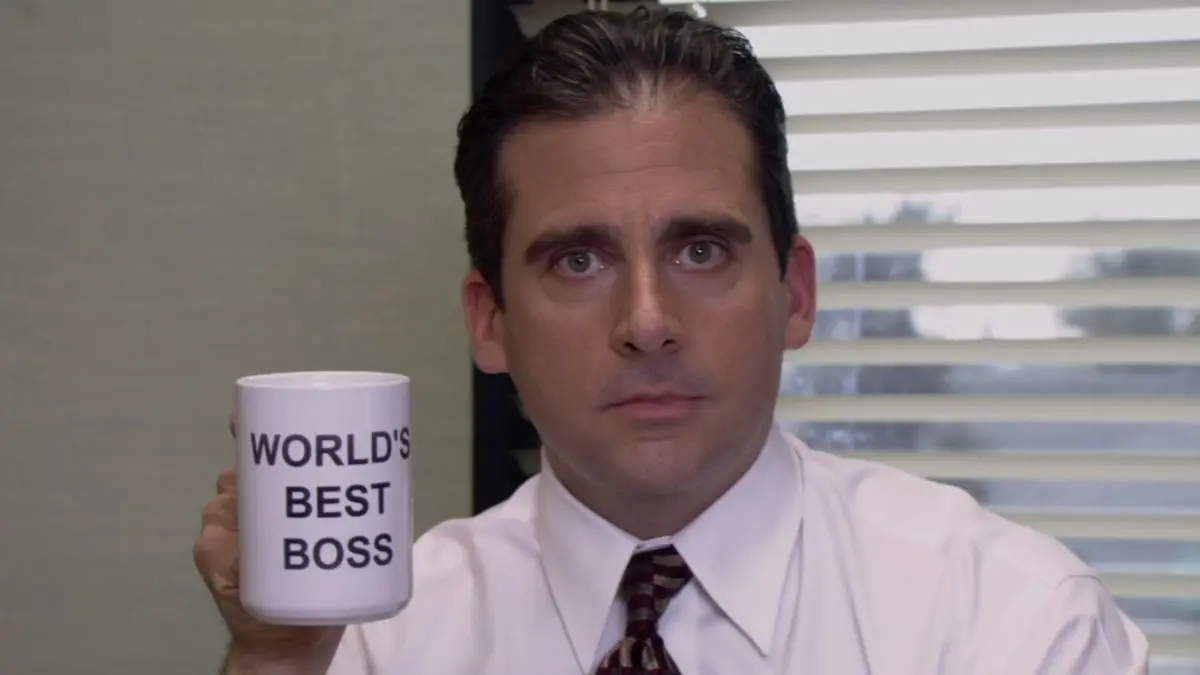

Leaving a successful television show at the peak of its popularity is a risky move for any actor. It can mean walking away from a steady paycheck, a beloved character, and a guaranteed audience. Yet, for various reasons, many actors have made the difficult decision to depart from hit series, sending shockwaves through fan communities and often altering the course of the shows themselves. The motivations behind these exits are diverse, ranging from contract disputes and creative differences to the desire to pursue a film career or simply to escape the demanding schedule of television production.
This list explores fifteen actors who chose to leave popular shows while they were still at the top of their game. We will look at the circumstances surrounding their departures, from a yearning for new challenges to on-set conflicts. These stories offer a glimpse into the pressures and complexities of television stardom, where the line between a character and the actor who plays them can sometimes blur. For some, leaving was a career gamble that paid off, while for others, it marked a turning point that led to a different kind of professional journey.
David Caruso in NYPD Blue (1994)
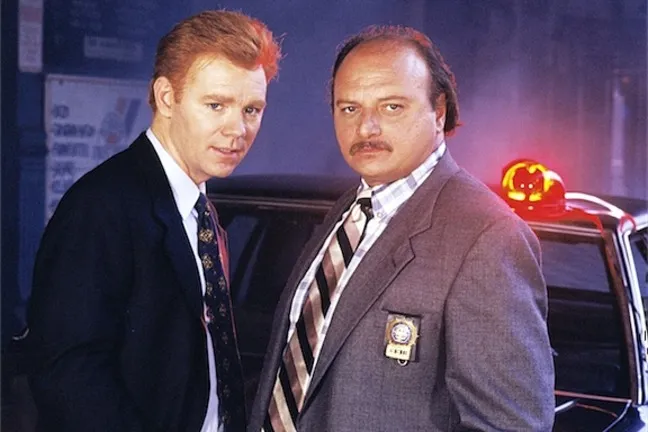
David Caruso’s departure from the gritty police drama NYPD Blue after just one season is one of the most well-known examples of an actor leaving a hit show prematurely. As Detective John Kelly, Caruso was the breakout star of the series, earning an Emmy nomination and a Golden Globe Award for his intense and brooding performance. The show was a critical and commercial success, and Caruso was positioned as its leading man and a major new television star.
However, behind the scenes, tensions were rising. Reports from the time indicated that Caruso sought a significant pay raise and other concessions that the network and producers were unwilling to meet. Believing his newfound fame would translate to a successful movie career, he decided to leave the show at the beginning of its second season. His character was written out, and he was replaced by Jimmy Smits. While Caruso did go on to star in films, he never quite achieved the level of stardom he had on NYPD Blue. He later returned to television with a long-running role on CSI: Miami.
Shelley Long in Cheers (1987)
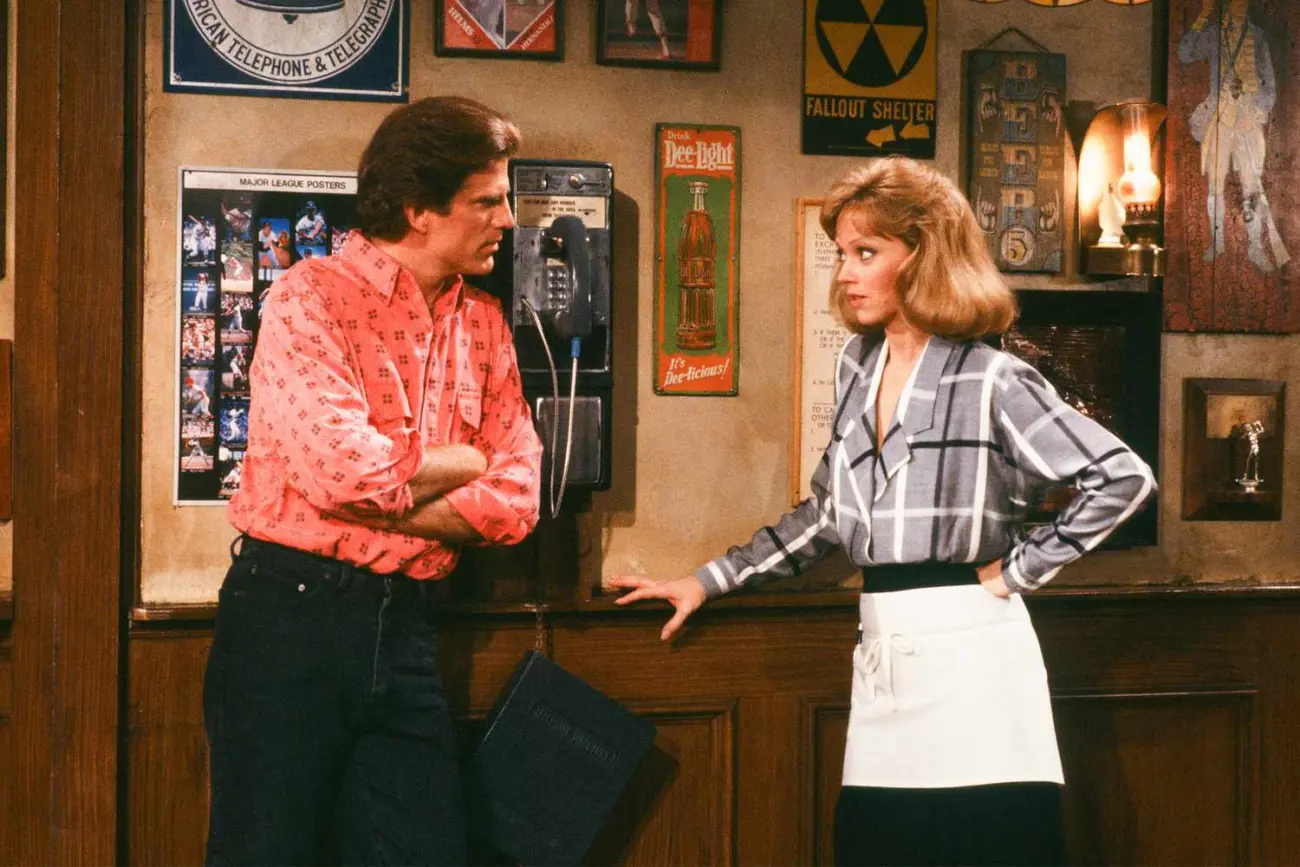
Shelley Long was the heart of Cheers for its first five seasons, playing the intellectual and often pretentious barmaid Diane Chambers. Her on-again, off-again romance with Ted Danson’s Sam Malone was the central focus of the show and a major reason for its immense popularity. Long won an Emmy Award and two Golden Globes for her performance, and her chemistry with the cast was a key ingredient to the sitcom’s success.
Despite the show’s acclaim, Long chose to leave in 1987 at the end of the fifth season. Her primary motivation was to spend more time with her young daughter and to pursue a career in film. The writers gave her character a fitting send-off, with Diane leaving Boston to pursue her writing ambitions. The show successfully continued for another six seasons with Kirstie Alley joining the cast as the new female lead, Rebecca Howe. Long did return for a guest appearance in the series finale.
Farrah Fawcett in Charlie’s Angels (1977)
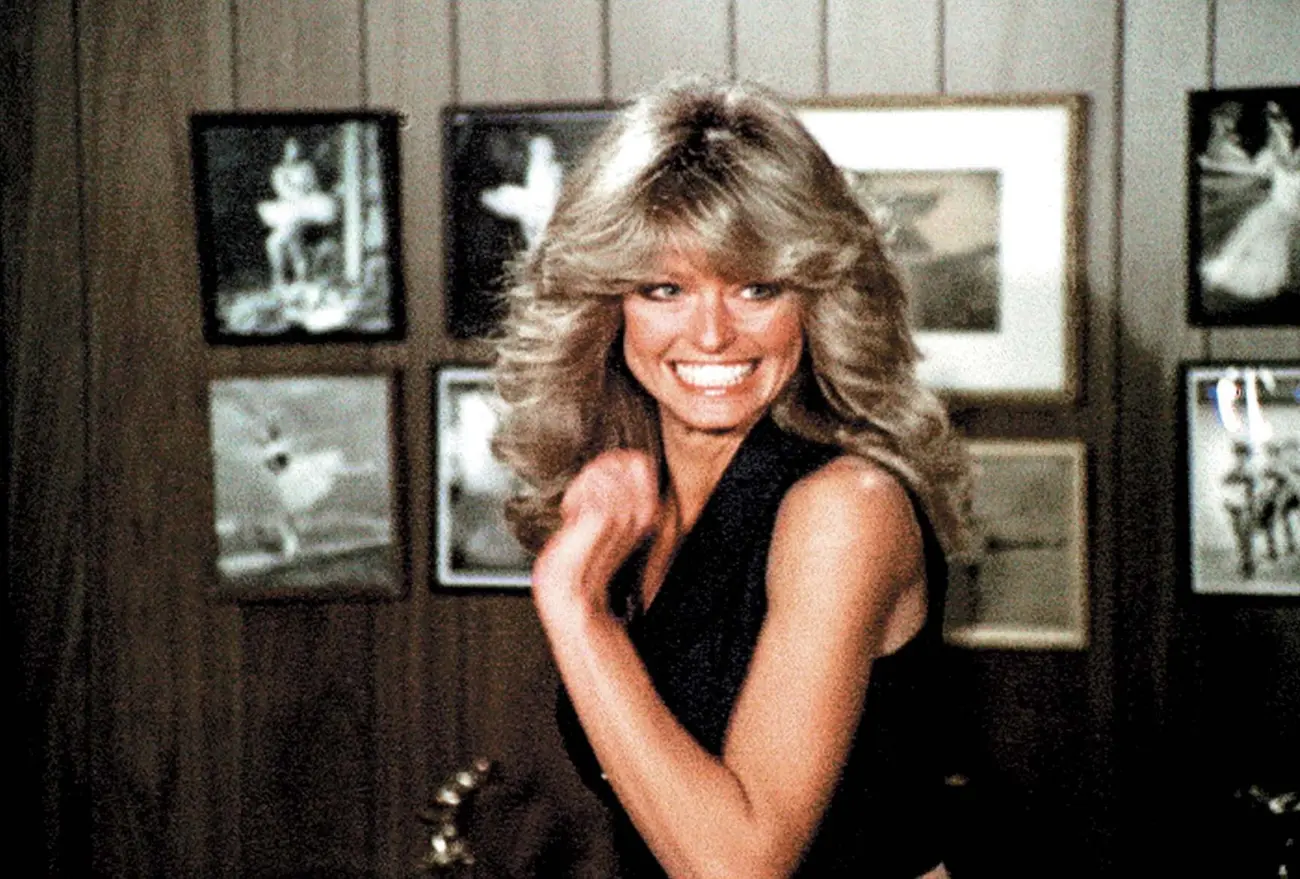
Charlie’s Angels became a cultural phenomenon shortly after its debut, and Farrah Fawcett, with her iconic feathered hairstyle, was its biggest star. The show about three female private investigators was a ratings powerhouse, and Fawcett was catapulted to international fame. She was the most popular of the three original “Angels” and became a major poster and merchandising sensation.
Fawcett decided to leave the series after only one season, hoping to launch a career as a serious film actress and avoid being typecast. Her departure led to a legal battle with the producers, which was eventually settled with the agreement that she would make several guest appearances in subsequent seasons. She was replaced by Cheryl Ladd, who played the sister of her character. Fawcett went on to have a respected acting career, earning Emmy nominations for her work in television movies and plays.
Mischa Barton in The O.C. (2006)
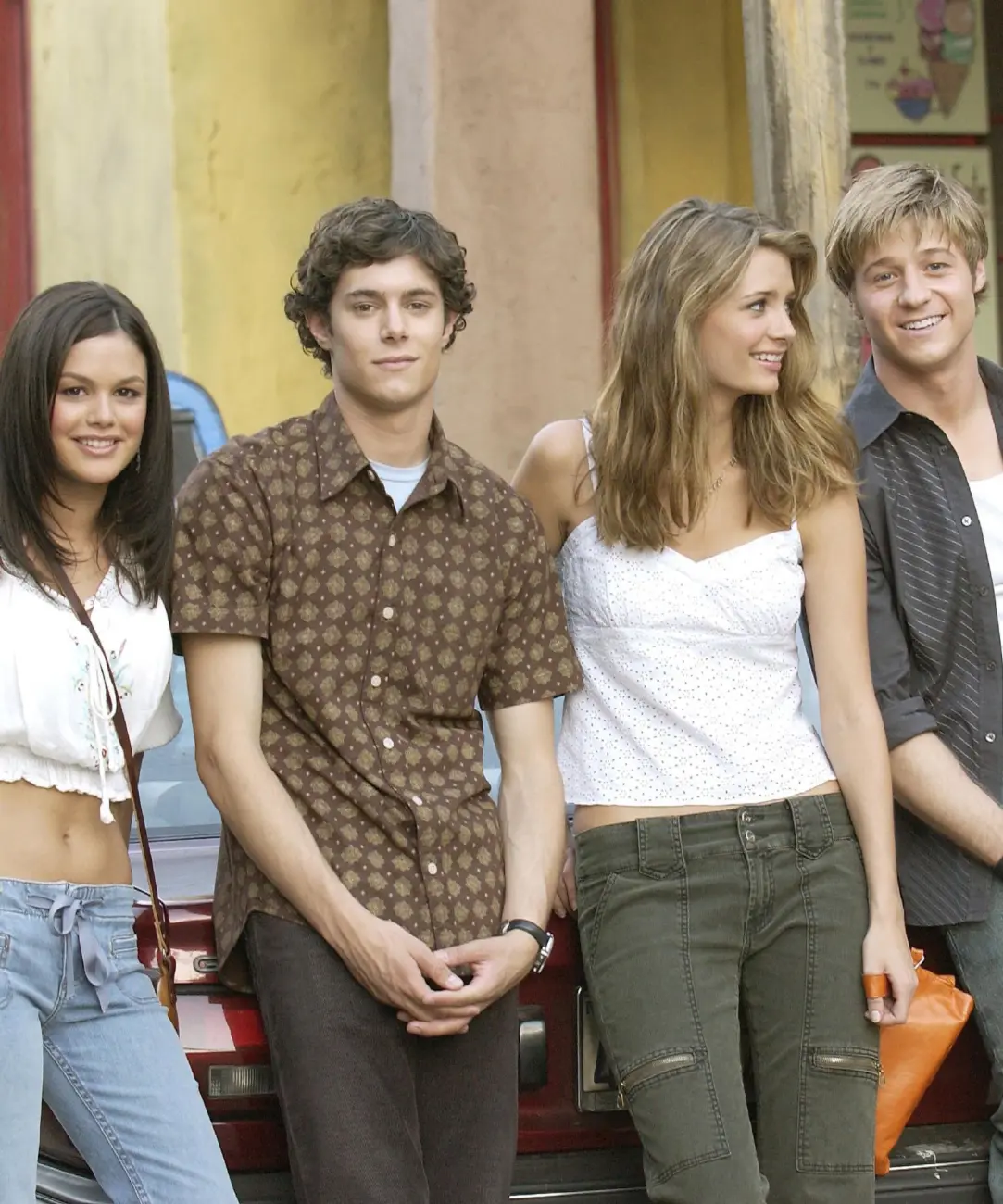
As the troubled “it girl” Marissa Cooper, Mischa Barton was one of the central figures in the teen drama The O.C. The show was a massive hit, particularly in its early seasons, and Barton became a prominent face of 2000s pop culture. Marissa’s dramatic storylines and on-again, off-again relationship with Ryan Atwood were at the core of the series’ appeal.
Barton’s time on the show came to a shocking end in the third season finale when her character was killed in a car crash. The decision for her to leave was reportedly a mutual one between the actress and the show’s creators. They felt that her character’s storyline had run its course and that her death would provide a dramatic jolt to the series. Barton has since stated that she was eager to explore other career opportunities. The show continued for one more season without her, but it struggled to recapture its earlier popularity.
George Clooney in ER (1999)

Before he was a major movie star and director, George Clooney was best known as the charming and roguish Dr. Doug Ross on the medical drama ER. The show was a ratings juggernaut throughout the 1990s, and Clooney became a household name and a major heartthrob. His character’s relationship with nurse Carol Hathaway, played by Julianna Margulies, was one of the show’s most popular and enduring storylines.
After five successful seasons, Clooney chose not to renew his contract and left the show in 1999 to focus exclusively on his burgeoning film career. The writers gave his character a graceful exit, with Dr. Ross moving to Seattle. Clooney’s bet on a film career paid off handsomely, as he went on to become one of Hollywood’s most successful and respected actors. He later returned for a guest appearance in the show’s final season to reunite with his former co-star Julianna Margulies.
Katherine Heigl in Grey’s Anatomy (2010)
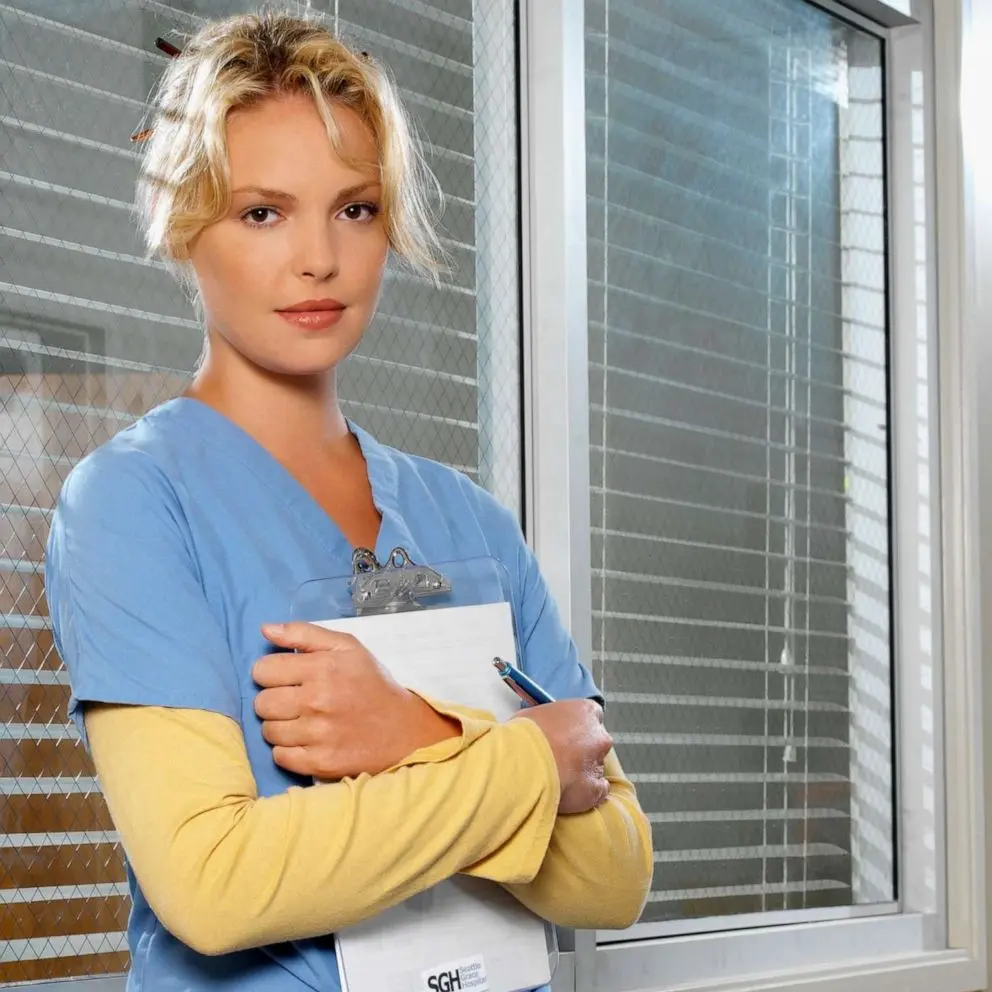
Katherine Heigl’s role as Dr. Izzie Stevens on the medical drama Grey’s Anatomy made her a star. She won an Emmy Award for her performance and was a key member of the ensemble cast of the enormously popular show. Her character was involved in some of the series’ most memorable and dramatic storylines, including a romance with a patient and a battle with cancer.
Heigl’s departure from the show in its sixth season was surrounded by controversy. She had previously withdrawn her name from Emmy consideration, stating that she had not been given the material to warrant a nomination. There were also reports of on-set friction and a desire on her part to focus on her film career. Her character was written out with an abrupt departure, leaving her storyline unresolved for many viewers. Heigl went on to star in several romantic comedies, though her career has had its ups and downs since leaving the show.
Topher Grace in That ’70s Show (2005)
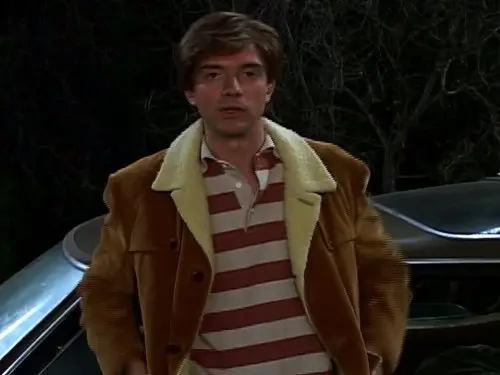
Topher Grace played the central character, the nerdy and pop-culture-obsessed Eric Forman, for seven seasons of the popular sitcom That ’70s Show. The show revolved around Eric’s life and his group of friends in suburban Wisconsin. As the series’ main protagonist and narrator, Grace was essential to the show’s dynamic.
At the end of the seventh season, Grace decided to leave the show to pursue a career in movies. His character was written out by having him leave to teach in Africa. Ashton Kutcher, another of the show’s original stars, also had a reduced role in the final season. The show continued for one more season without its central character, with a new character introduced to fill the void. Grace did return for a brief guest appearance in the series finale.
Steve Carell in The Office (2011)
As the bumbling and often inappropriate but well-meaning regional manager Michael Scott, Steve Carell was the undeniable star of the American version of The Office. His performance was critically acclaimed, earning him a Golden Globe Award and numerous Emmy nominations. Under his leadership, the show grew from a cult favorite into a ratings hit and a cultural touchstone.
Carell announced that he would be leaving the show at the end of its seventh season, stating that he wanted to spend more time with his family and that his character’s story arc felt complete. His departure was a major event for the series, with the writers crafting a heartfelt and emotional farewell for Michael Scott. The show continued for two more seasons with a variety of guest stars and a new manager, but many viewers felt it was never quite the same without Carell at the helm.
Christopher Meloni in Law & Order: Special Victims Unit (2011)
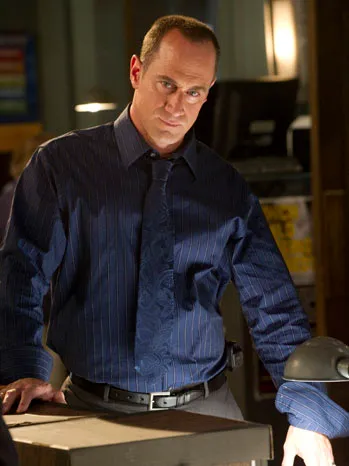
For twelve seasons, Christopher Meloni starred as the intense and passionate Detective Elliot Stabler on Law & Order: Special Victims Unit. His partnership with Mariska Hargitay’s Olivia Benson was the core of the show, and their dynamic was a major draw for viewers. Meloni’s portrayal of the often-volatile detective was a fan favorite.
Fans were shocked when it was announced that Meloni would not be returning for the show’s thirteenth season. His departure was reportedly due to a breakdown in contract negotiations. Because the negotiations fell through after the twelfth season had already aired, his character’s exit was abrupt. At the start of season thirteen, it was explained that Stabler had retired from the police force. The show successfully continued with Hargitay as the sole lead, and Meloni later returned to the role in a spin-off series, Law & Order: Organized Crime.
Chad Michael Murray in One Tree Hill (2009)
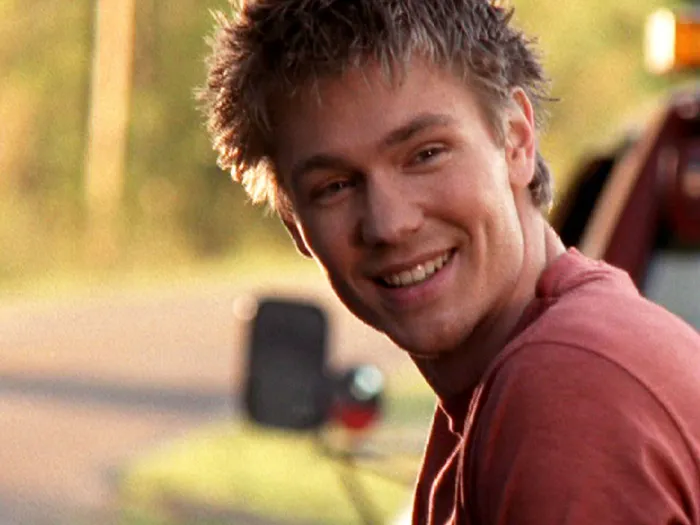
Chad Michael Murray was the leading man of the teen drama One Tree Hill, playing Lucas Scott for the first six seasons. The show initially revolved around the rivalry between his character and his half-brother, Nathan Scott, and Lucas’s romantic entanglements were a central part of the series. Murray became a major teen idol during his time on the show.
Murray, along with his co-star Hilarie Burton, left the series at the end of the sixth season. The departures were attributed to contract negotiations, with the actors choosing to move on to other projects. The show’s narrative jumped forward in time for its seventh season, continuing for three more seasons without its original two leads. Murray did return for a guest appearance in the show’s final season.
Shannen Doherty in Beverly Hills, 90210 (1994)
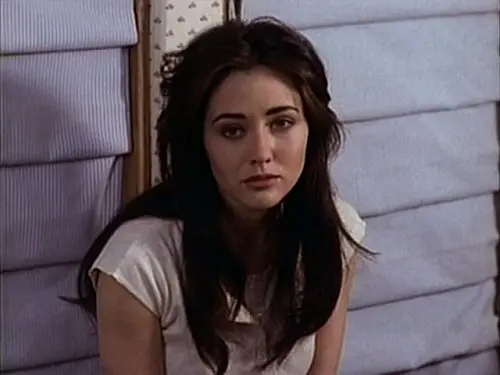
Shannen Doherty played Brenda Walsh, one of the central characters in the iconic 1990s teen drama Beverly Hills, 90210. As a Minnesota transplant navigating the glamorous and dramatic world of West Beverly Hills High, Brenda’s storylines were a major focus of the show’s early, highly successful seasons.
Doherty left the show at the end of the fourth season amidst reports of on-set conflicts with cast members and producers. Her character was written out by having her move to London to attend drama school. She was replaced by Tiffani-Amber Thiessen, who joined the cast as the new female lead. Doherty went on to star in another successful Aaron Spelling production, Charmed, which she also departed from after three seasons.
Dan Stevens in Downton Abbey (2012)
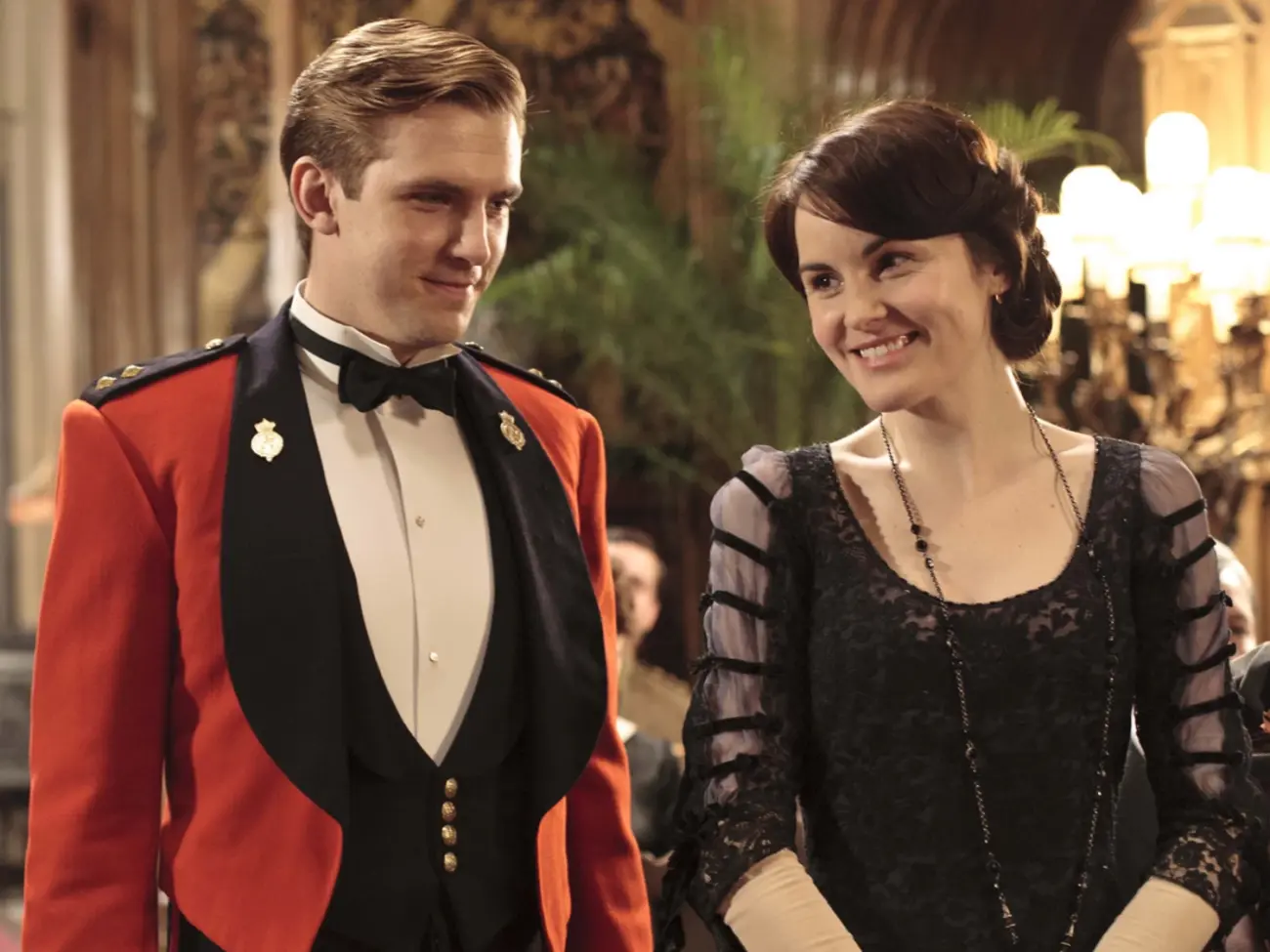
Dan Stevens captured the hearts of viewers as Matthew Crawley in the British historical drama Downton Abbey. His character’s romance with Lady Mary Crawley was the central love story of the series, and their journey from distant cousins to husband and wife was a major storyline. The show became a global phenomenon, and Stevens was one of its breakout stars.
At the height of the show’s popularity, Stevens decided to leave at the end of the third season to pursue opportunities in the United States, particularly on Broadway and in film. His exit was one of the most shocking in modern television history, with his character being killed in a car accident in the final moments of the Christmas special. The decision devastated many fans and significantly altered the direction of the series.
Denise Crosby in Star Trek: The Next Generation (1988)
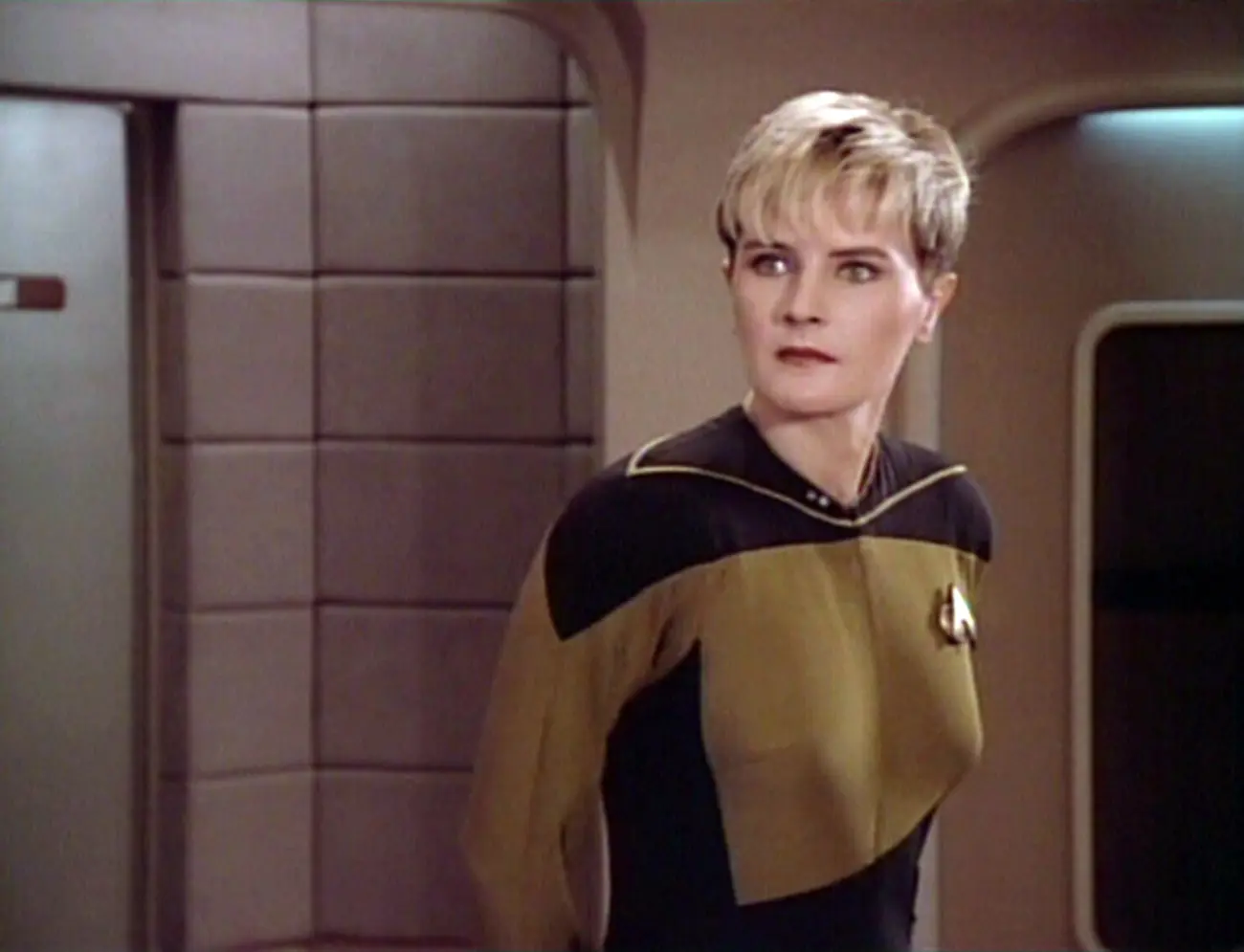
Denise Crosby was part of the original main cast of Star Trek: The Next Generation, playing the ship’s chief of security, Tasha Yar. In a cast of largely unknown actors, she was one of the more recognizable names at the time. The show would go on to become a science fiction classic and a huge ratings success.
Unhappy with the development of her character, Crosby asked to be released from her contract during the first season. She felt that Tasha Yar was being underutilized and was not getting significant storylines. The producers granted her request, and her character was killed off in the episode “Skin of Evil” near the end of the first season. Crosby did return to the show in later seasons to play an alternate timeline version of Yar and the character’s half-Romulan daughter, Sela.
Kal Penn in House (2009)
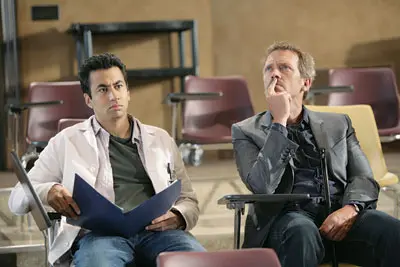
Kal Penn joined the cast of the medical drama House in its fourth season as Dr. Lawrence Kutner, a member of Dr. House’s new diagnostic team. He quickly became a fan favorite due to his character’s enthusiastic and often quirky personality. The show was a consistent ratings winner for Fox.
Penn’s departure from the show in the middle of its fifth season was one of the most unusual. He chose to leave his acting career to take a position in the Obama administration as an Associate Director in the White House Office of Public Engagement. Due to the nature of his new job, his exit needed to be definitive. The writers made the shocking decision to have his character die by suicide, a move that stunned both the other characters on the show and the audience. Penn later returned to acting and made a brief appearance in the series finale.
Adewale Akinnuoye-Agbaje in Lost (2006)
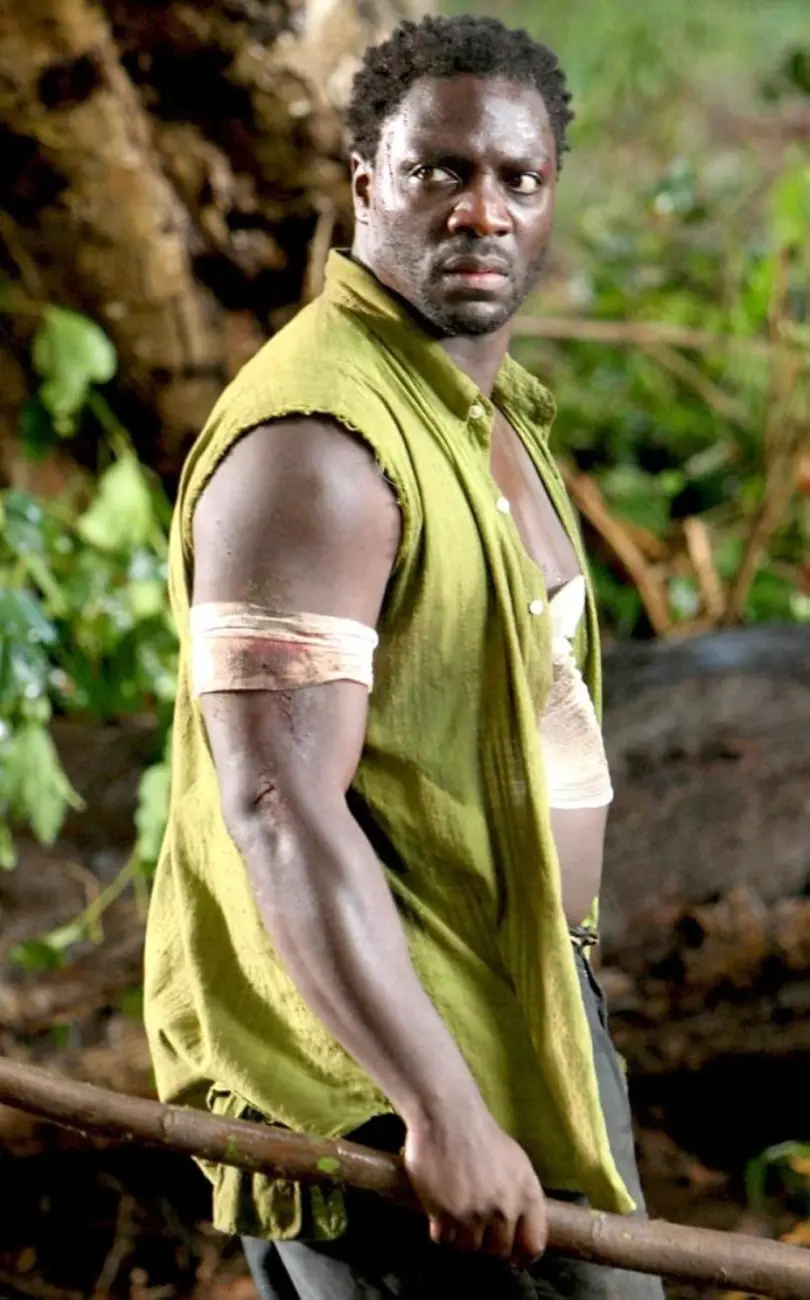
Adewale Akinnuoye-Agbaje played the mysterious and compelling character of Mr. Eko on the hit mystery series Lost. He joined the show in its second season, and his character, a former Nigerian warlord turned priest, quickly became a powerful and intriguing presence on the island. He was a central figure in the show’s mythology.
Despite his character’s popularity, Akinnuoye-Agbaje asked to be written off the show during its third season. He had recently lost both of his parents and wanted to return to London to be with his family. The writers respected his wishes and gave his character a dramatic and memorable death at the hands of the smoke monster. His departure was a significant loss for the series, as many viewers were invested in Mr. Eko’s story.